Commercial Roofing in Sunrise, FL
Sunrise
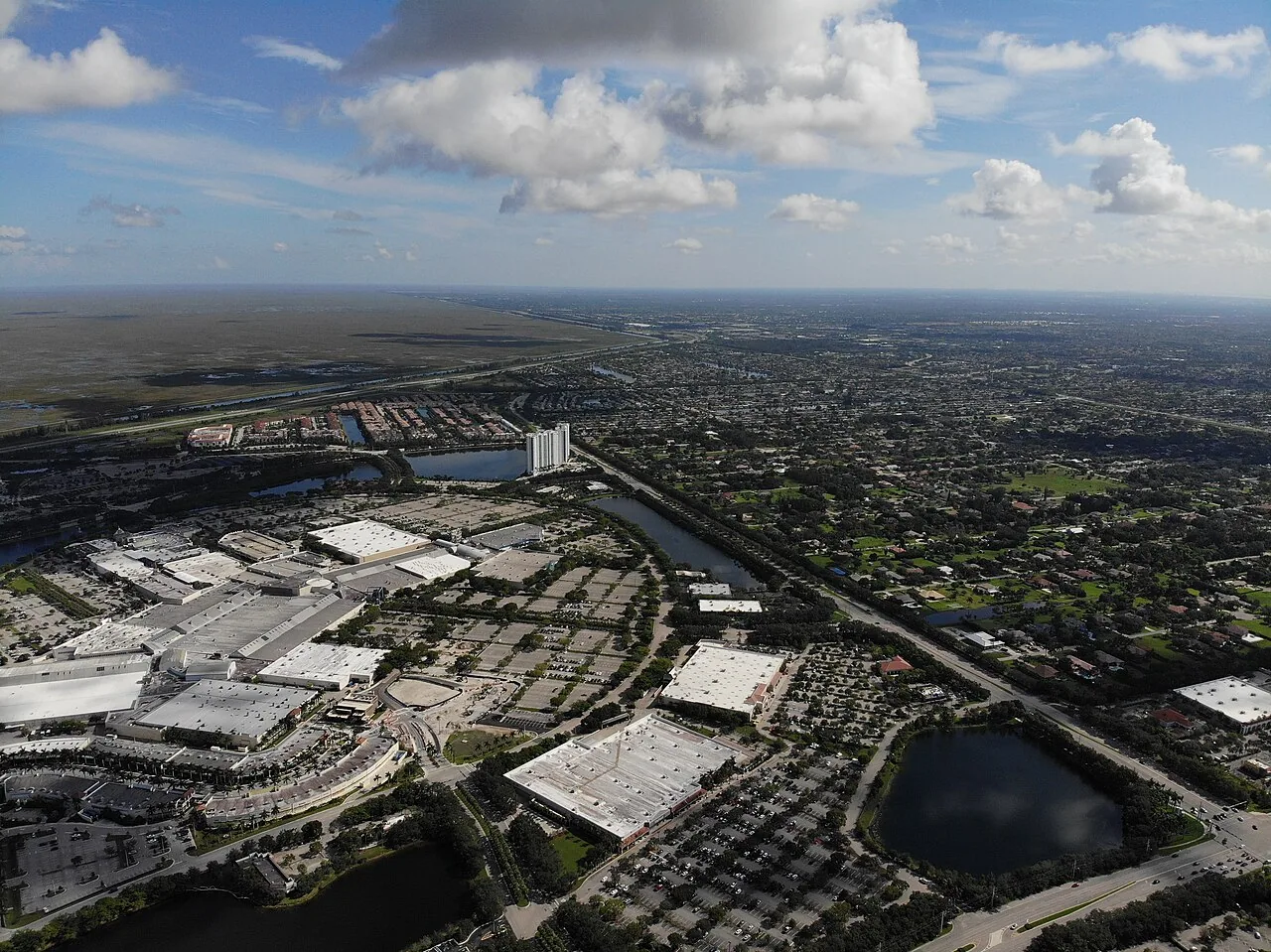
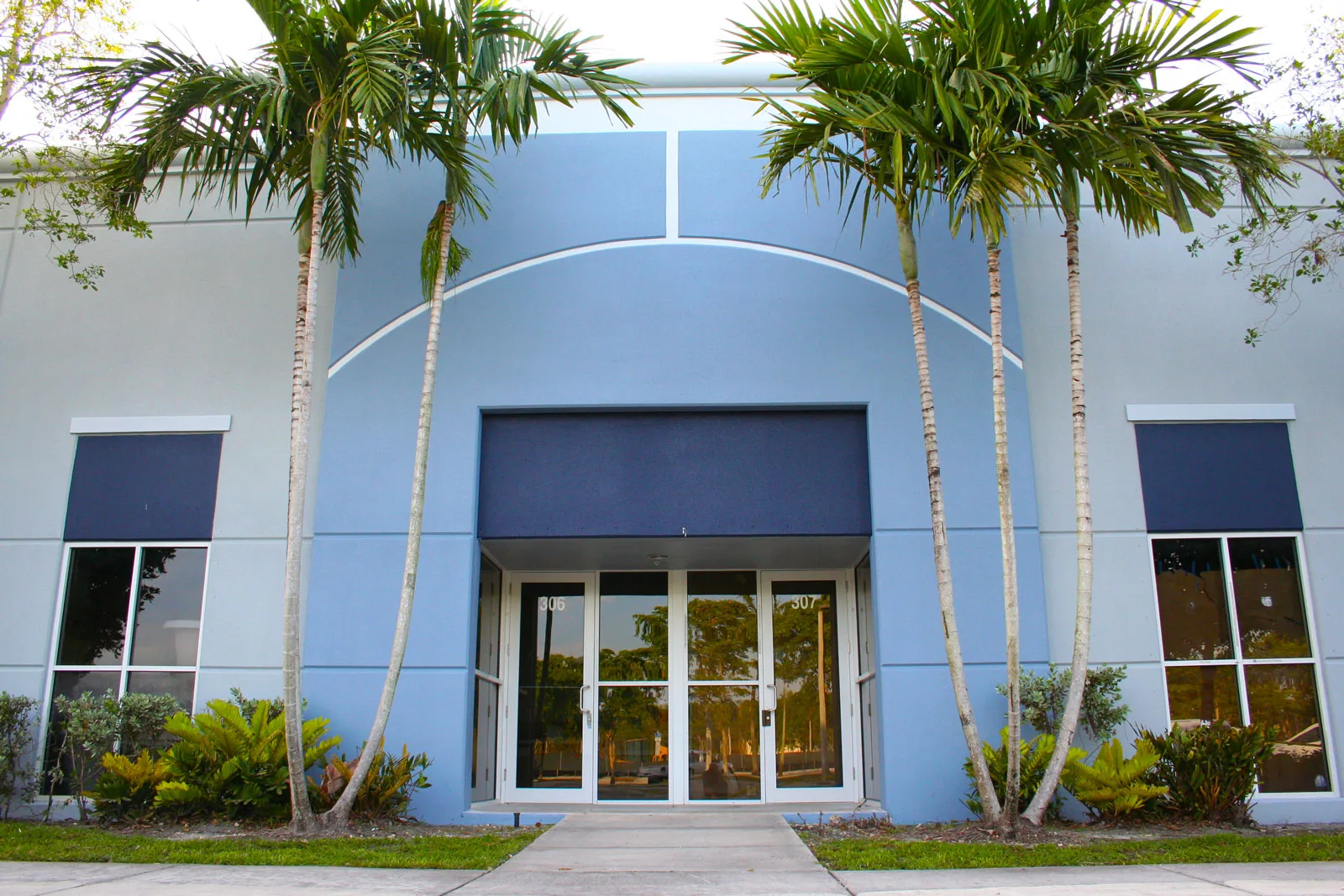
Corporate offices, distribution buildings, manufacturing space, flex properties, and retail operations all sit within Sunrise’s commercial mix. Their roof decisions start with different equipment, access, and work-hour constraints, but every inspection still follows the assembly from membrane to deck. We map roof zones, check drains and penetrations, compare indoor leak marks with exterior conditions, and separate a local detail failure from broader moisture or attachment loss. Sunrise is connected by I-595, I-75, the Sawgrass Expressway, and Florida’s Turnpike, bringing a wide range of commercial uses into the city. Sawgrass International Corporate Park includes offices, research, financial services, healthcare, and manufacturing; Sunrise Commerce Park has distribution, manufacturing, offices, and multi-tenant facilities. A commercial roof inspection puts those building-specific conditions on a plan before a repair or replacement is priced.
Service Areas in Sunrise, FL
Commercial roof repair, replacement, inspections, and maintenance in Sunrise, FL, with assembly checks tied to drainage, wind, access, and operating needs.
Building mix: Keep each roof record separate
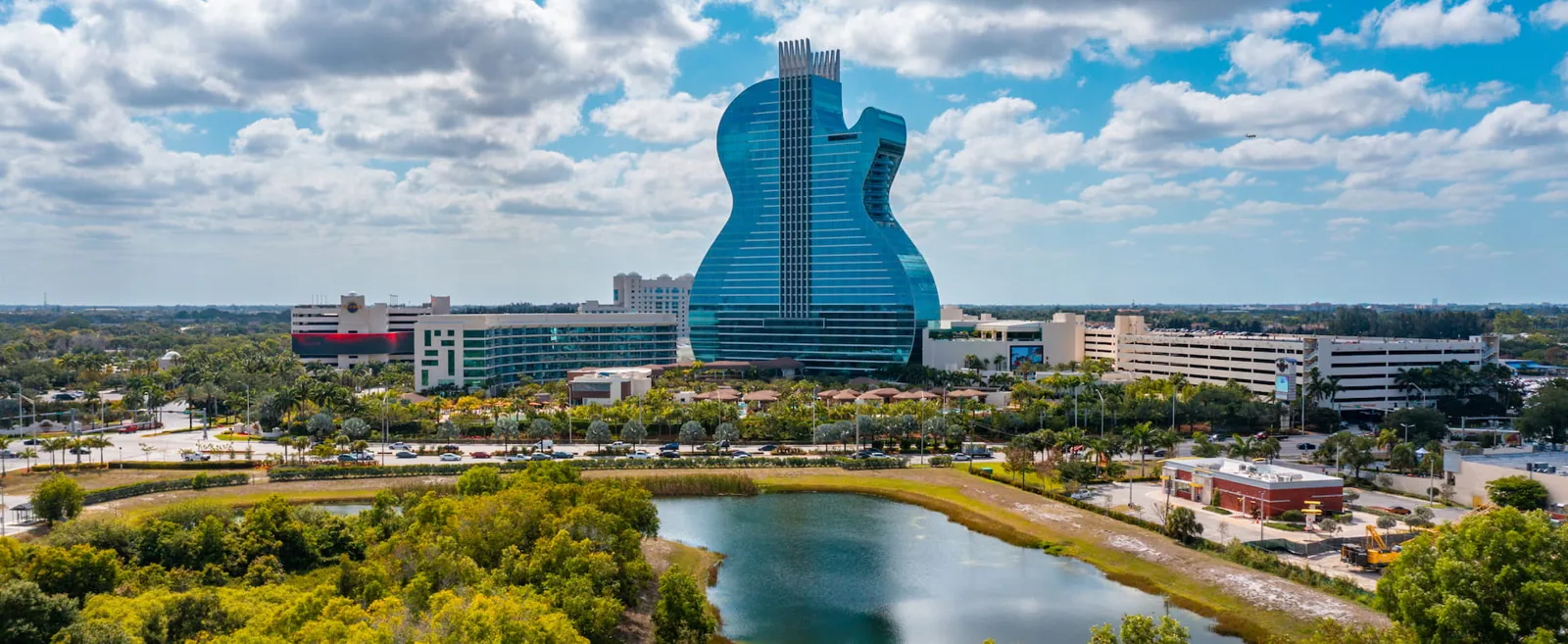
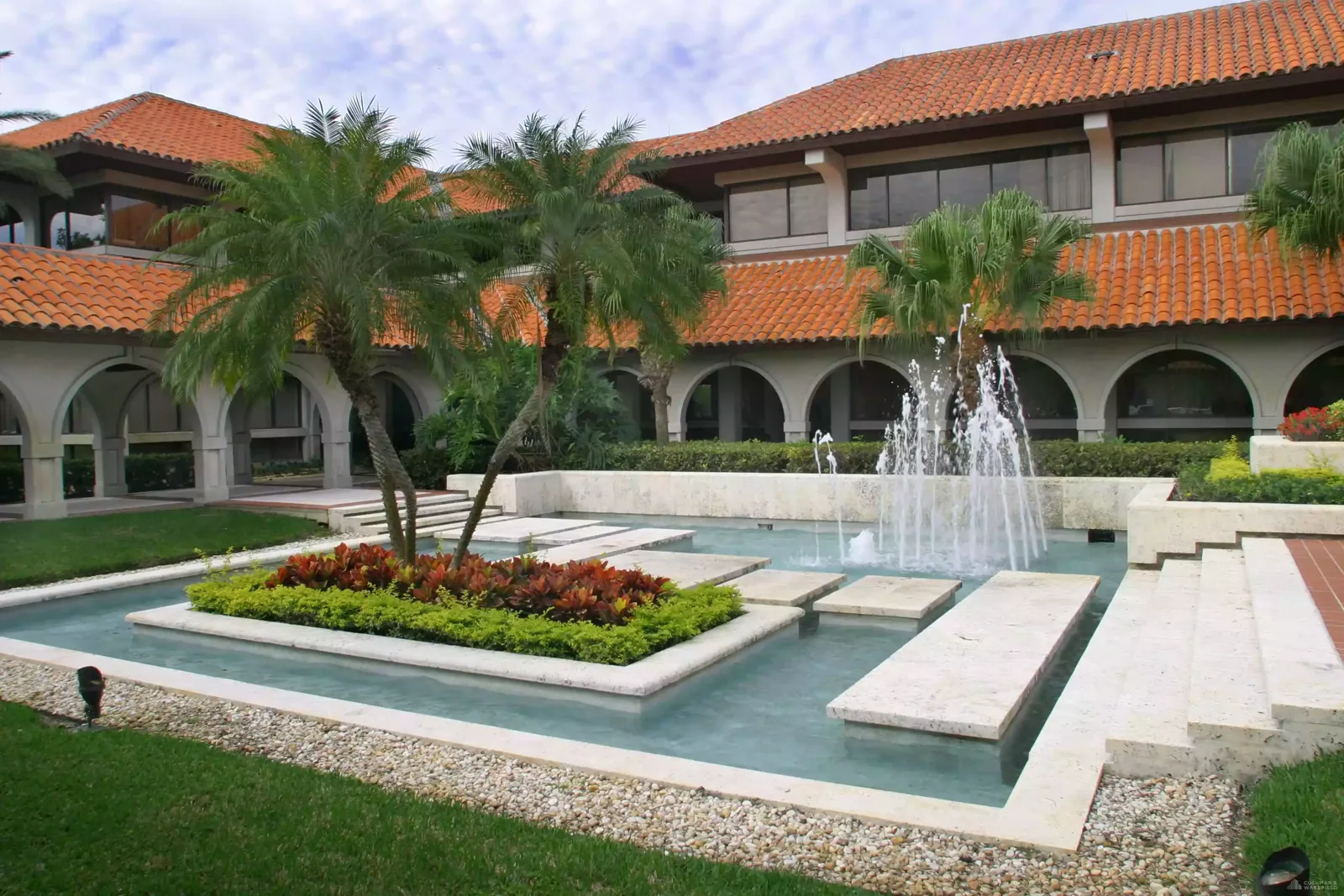
Sunrise has four major business parks, including a 612-acre corporate park, a 550-acre commerce park, a 120-acre flex and office park, and a 100-acre technology park. Those figures describe the districts, not the roof area. We use each property’s own drawings and access information to identify membrane type, insulation, attachment, deck, and equipment. A roof plan should distinguish adjoining buildings and sections so a leak, repair, or maintenance observation is not assigned to the wrong assembly.
Sunrise’s western district spans about four square miles and brings retail, event, office, and mixed-use properties into one broad commercial territory. Work there can require coordination around visitors, tenants, loading, and scheduled activity. We set work zones and daily closures with the facility contact, then keep roof access limited to the area being inspected or repaired. At Sunrise Commerce Park, distribution and production schedules can shape staging; in Sawgrass Technology Park, separate building records help a property team manage the multi-structure office and technology complex. The actual hours and restrictions come from the building contact.
Water and heat: Inspect the drainage plane
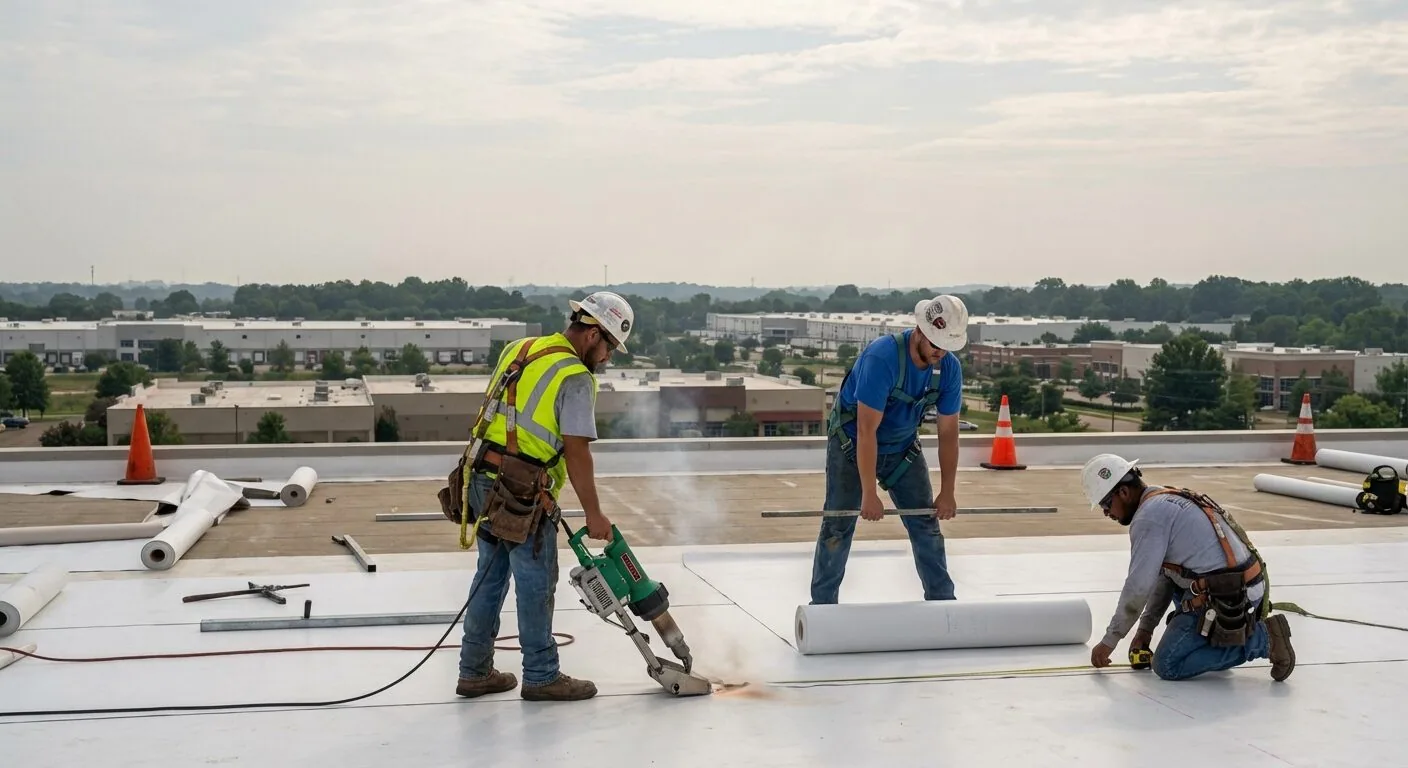
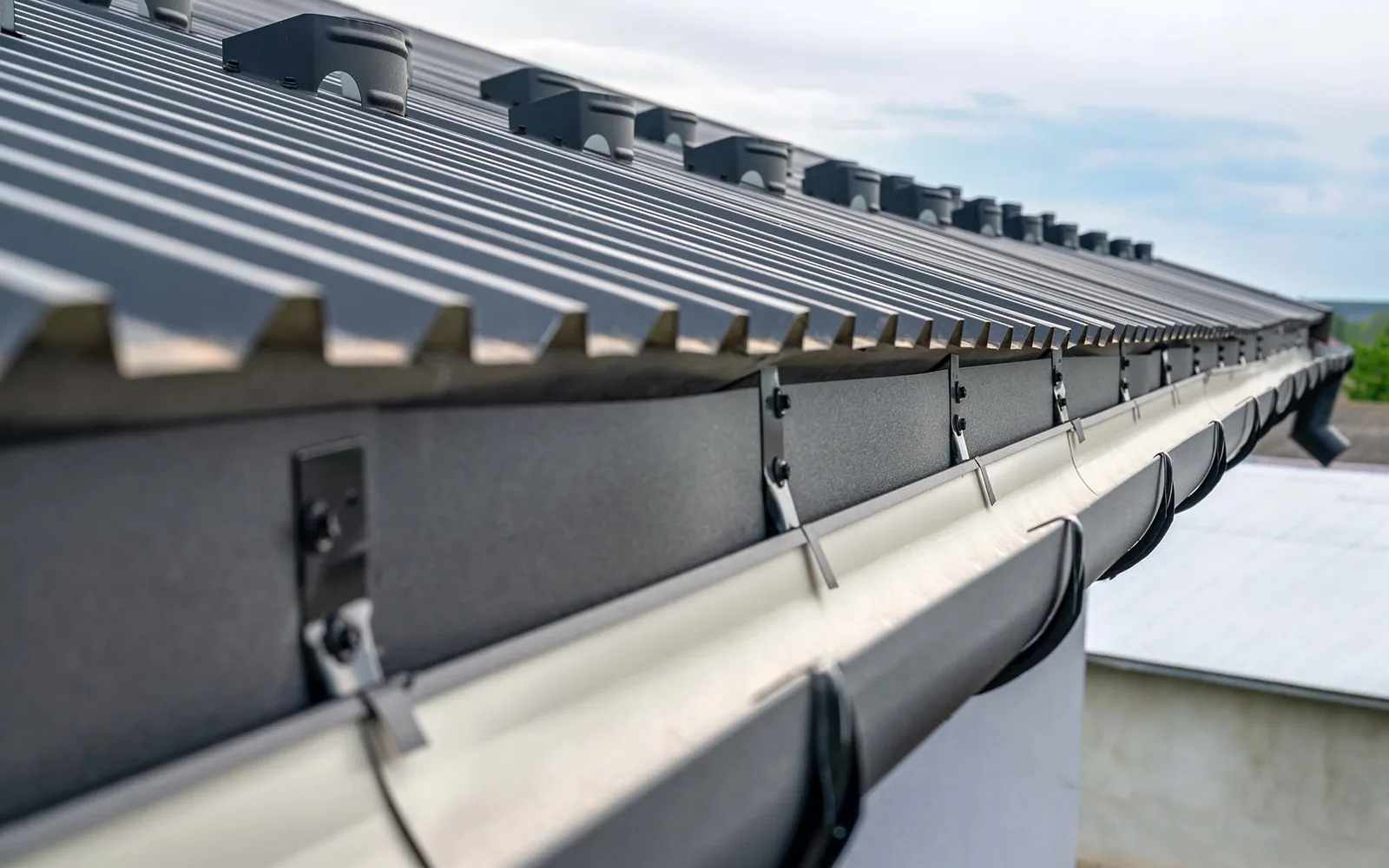
Fort Lauderdale’s 1991-2020 climate normals record a mean annual temperature of 77.2 degrees Fahrenheit and 60.95 inches of rainfall. On a Sunrise roof, heat, humidity, and seasonal rain make drainage part of the assembly review. We inspect the property’s slope, drains, scuppers, and overflow route before setting a repair boundary. We check whether outlets are blocked, whether water remains near a curb or seam, and whether staining inside lines up with a roof transition. A drainage assessment identifies the outlet or low point that needs correction.
Sunrise’s rainy-season hazards include thunderstorms, lightning, flooding, damaging wind, hail, and occasional tornadoes. A storm can expose a weak lap, displace edge metal, or push water through a flashing defect, but damage must be documented at the building before its cause is assigned. We photograph the roof zone, inspect the surrounding detail, and note whether insulation or deck needs testing. If the water path is active, leak tracing follows the interior mark back through possible entry points. A Broward Lakes Business Park roof visit can use the same method while keeping the area’s flex and office buildings distinct.
Repair or replacement: Let the test boundary decide
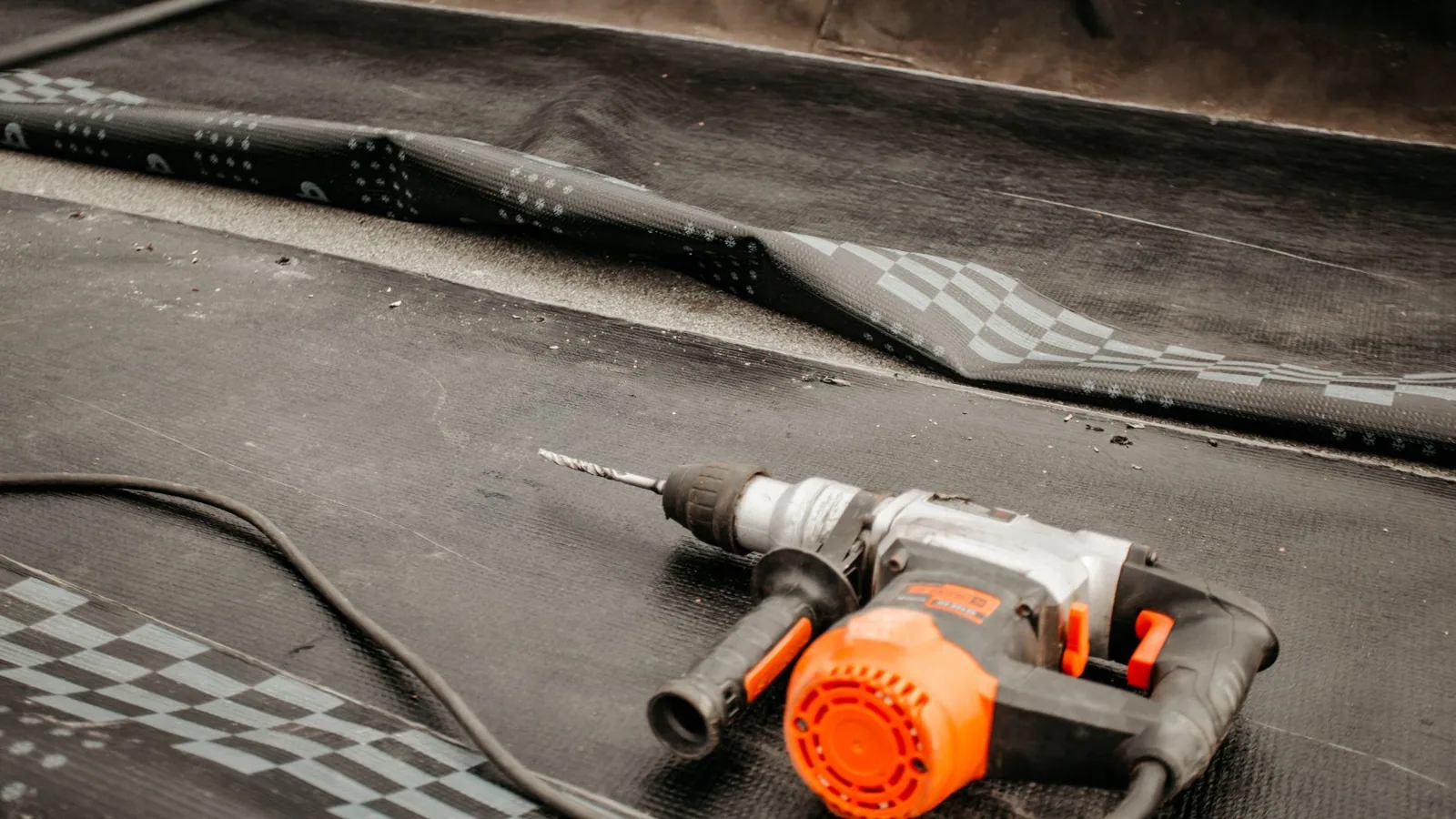
A repair is a sound option when the defect is limited, the surrounding membrane can accept a compatible tie-in, and the substrate is stable. We identify what failed, check whether the wet boundary extends beyond it, and state which adjacent details remain outside the repair. If testing finds wet insulation or a deteriorated deck, the scope may need to expand to the affected layer. The proposal shows the removal boundary, transition work, and any condition that requires owner authorization before it is opened.
Replacement becomes more practical when defects recur across several zones, attachment has failed broadly, or the existing assembly cannot provide a reliable base. A recover is considered only after moisture, deck capacity, drainage, and height at walls and equipment are reviewed. Cost and timing reflect roof access, staging, material lead time, equipment coordination, tear-off, and weather protection rather than building name alone. We can compare the choices in a replacement assessment and explain which assumptions need confirmation. For buildings near the Sawgrass Expressway or I-75, we confirm the gate, turning route, lift position, and delivery window with the site contact before mobilization.

Maintenance: Keep observations tied to roof zones
A maintenance visit checks drains, seams, flashings, coping, penetrations, rooftop equipment, and prior repairs. We remove loose debris from drainage paths where included, photograph changed conditions, and mark items needing a separate repair. In Sunrise’s heat and humidity, sealants, exposed flashings, and membrane transitions should be reviewed as parts of one water-control plane. An observation becomes useful when it names the building, roof zone, condition, and next action instead of leaving a general note that cannot be located later.
For a multi-building portfolio, each record should preserve the roof system, repair history, leak locations, and operating restrictions. The city’s business-park inventory spans headquarters, healthcare, technology, manufacturing, research, and distribution, so the inspection sequence should fit the actual occupants and equipment. A commercial roof repair can address a confirmed local defect; recurring issues may call for a condition map or broader capital review. We also plan urgent response outside standard work hours when active water threatens operations. The immediate task is to protect the interior and document the opening, followed by a permanent scope once the assembly can be inspected safely.
Closeout: Make the next decision traceable
After work, the owner receives roof-zone photographs, repair details, materials used, test findings, and any item left for another phase. We note what remains concealed or inaccessible and identify the evidence needed to resolve it. If the project changes the assembly, the record should show the new layers, attachment, edges, and drainage details. The dated record gives the next facility director a baseline for comparing roof condition while keeping each building’s findings and repair history together.
Before scheduling, share a roof plan, known system records, leak locations, prior repairs, equipment constraints, operating hours, and any restricted interior areas. We can then set an inspection route and determine whether testing, a repair, or a larger assembly review answers the owner’s question. I-595, I-75, and the Sawgrass Expressway connect Sunrise with regional commercial routes. We set delivery and lift plans with each property contact, including its gate, staging point, and operating hours. The approved scope identifies the work boundary, tenant notices, weather closures, and closeout documents for the correct building and roof zones.
Frequently Asked Questions
What roof information helps plan a Sunrise inspection?
Send roof plans, membrane records, leak locations, repair history, equipment schedules, access limits, and operating hours. We use those details to identify buildings and zones before the visit.
Does a Fort Lauderdale rainfall normal describe my Sunrise roof?
It provides regional climate context, while the building’s slope, drains, overflow paths, and observed ponding show how that roof handles water. We measure the local condition during inspection.
Can work be phased around distribution or office operations?
Yes. We coordinate staging, access, deliveries, interior protection, and daily weather closures with the facility contact, then show the active roof zone and any temporary restrictions.
How do you decide whether a leak needs a patch or a larger repair?
We trace the moisture path, inspect nearby seams and transitions, and test beneath the membrane if the boundary is unclear. The written scope identifies the repair area and any concealed condition.
When should we consider replacing instead of repairing?
Repeated failures, broad wet insulation, loose attachment, or a deteriorated deck can make a local patch unreliable. Testing and the roof record determine whether repair, recover, or replacement fits.
Schedule a Sunrise roof assessment
Share roof plans, system records, leak locations, repair history, access limits, equipment schedules, and operating hours. We will map the roof zones and define the next action.
Call 555-555-5555 or request a roof assessment.