Commercial Roofing for Logistics and 3PL Operators in Sunrise, FL
Logistics and 3PL Operators
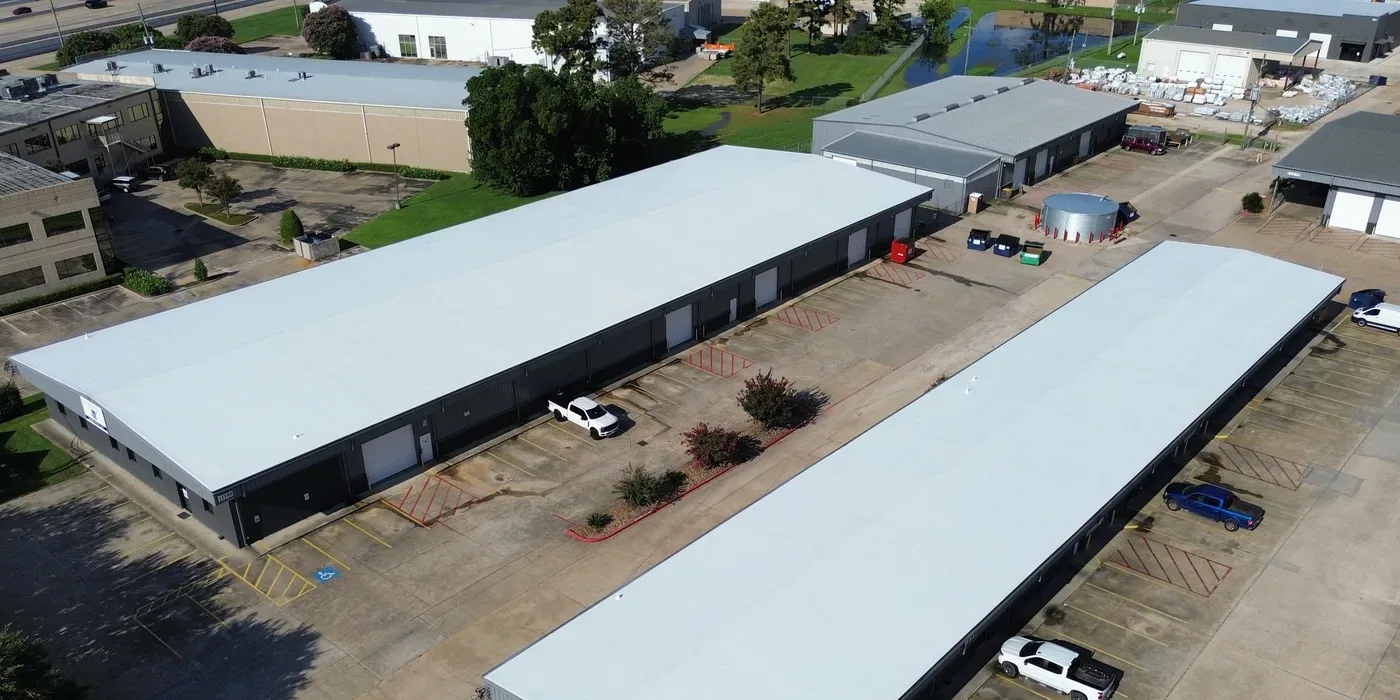
A distribution roof spans loading doors, storage bays, conveyor or sort areas, offices, and service routes that cannot all be treated as one work zone. Sunrise Commerce Park's industrial operations and business buildings bring varied loading and rooftop-equipment demands to each property. Heat and heavy wet-season rain also put pressure on large drainage areas, edge details, and rooftop units. We map each roof section and loading interface before choosing a repair. A roof inspection documents the building's actual assembly and interruption points.
Industries We Serve in Sunrise, FL
Logistics and 3PL facilities in Sunrise, FL need roof work planned around loading, inventory, and drainage. We inspect by bay and define safe phases.
Loading interfaces: Check doors, canopies, and roof edges
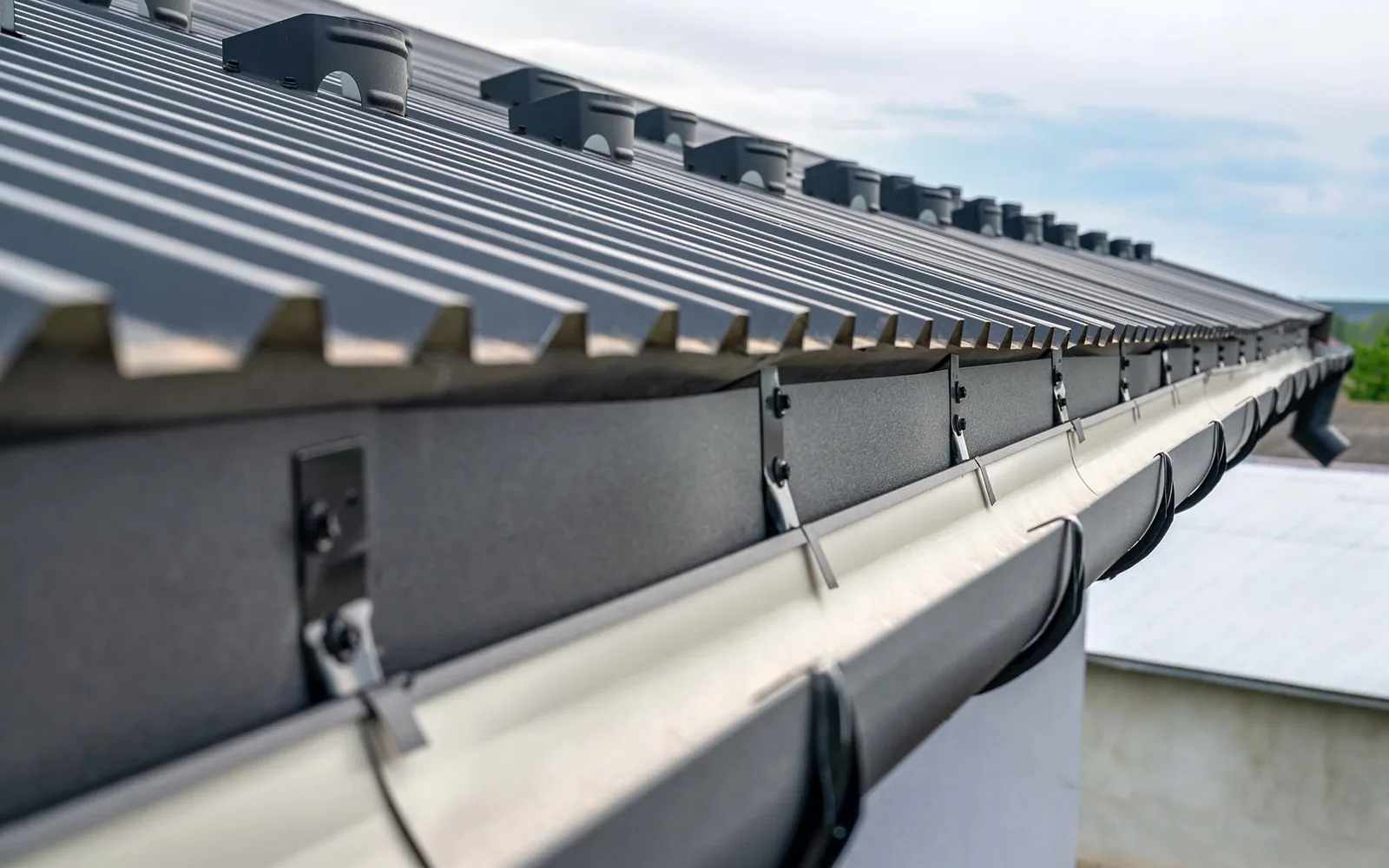
Water near a dock door may enter at a wall cap, canopy, gutter, roof edge, or nearby membrane transition. We inspect the roof above the report and follow drainage to the outlet before deciding whether the door area itself is involved. Loading canopies often have separate flashing and drainage from the main roof. The map identifies which door line, dock, or office wall sits under each roof zone, helping operations redirect traffic only where needed.
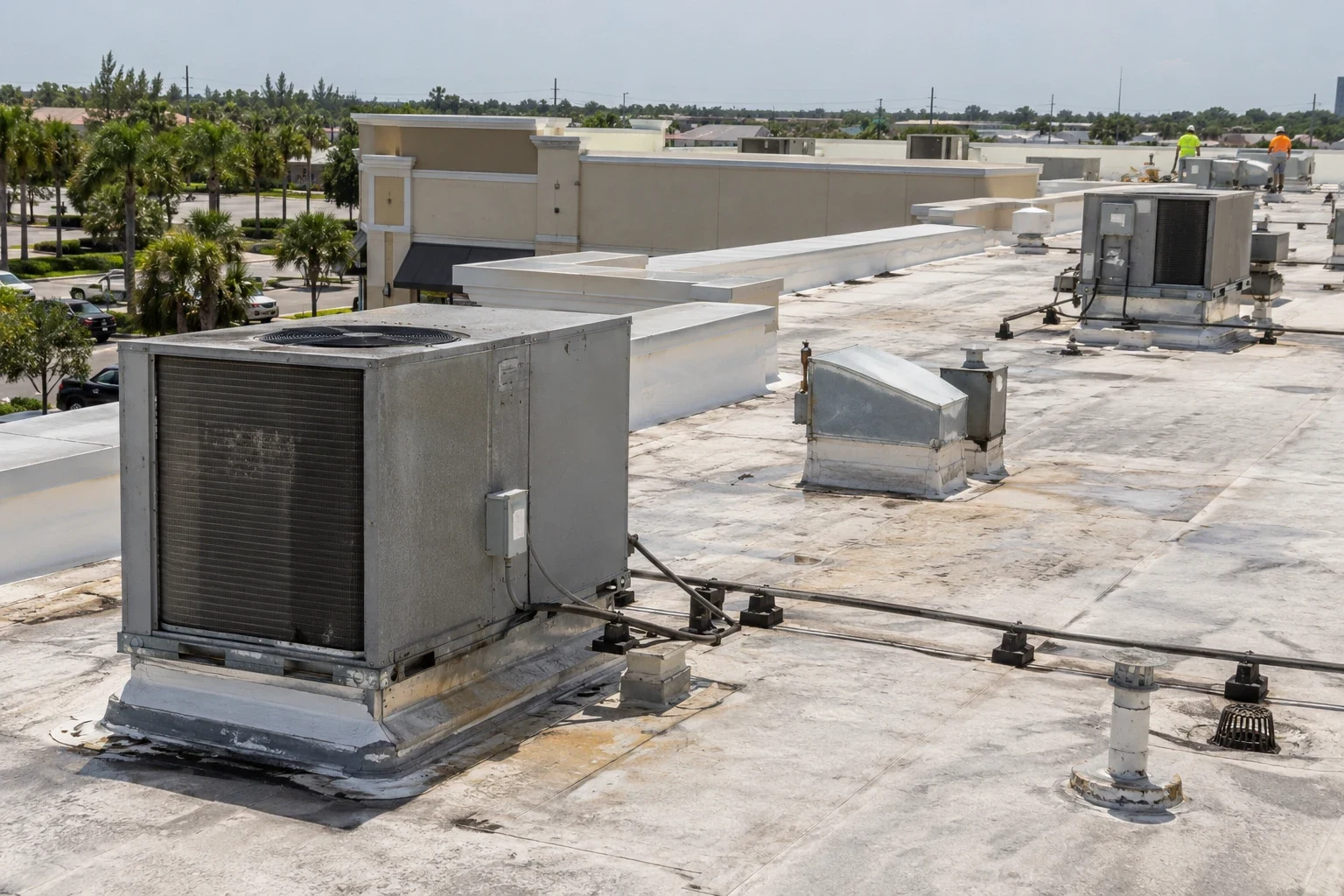
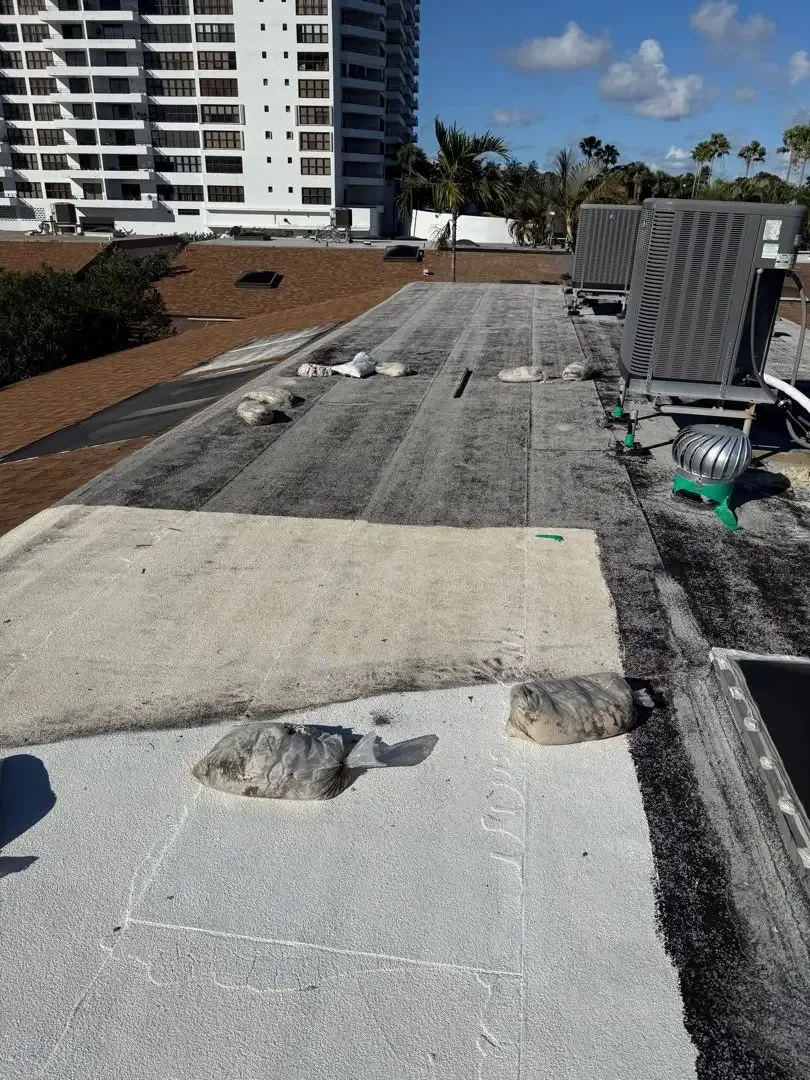
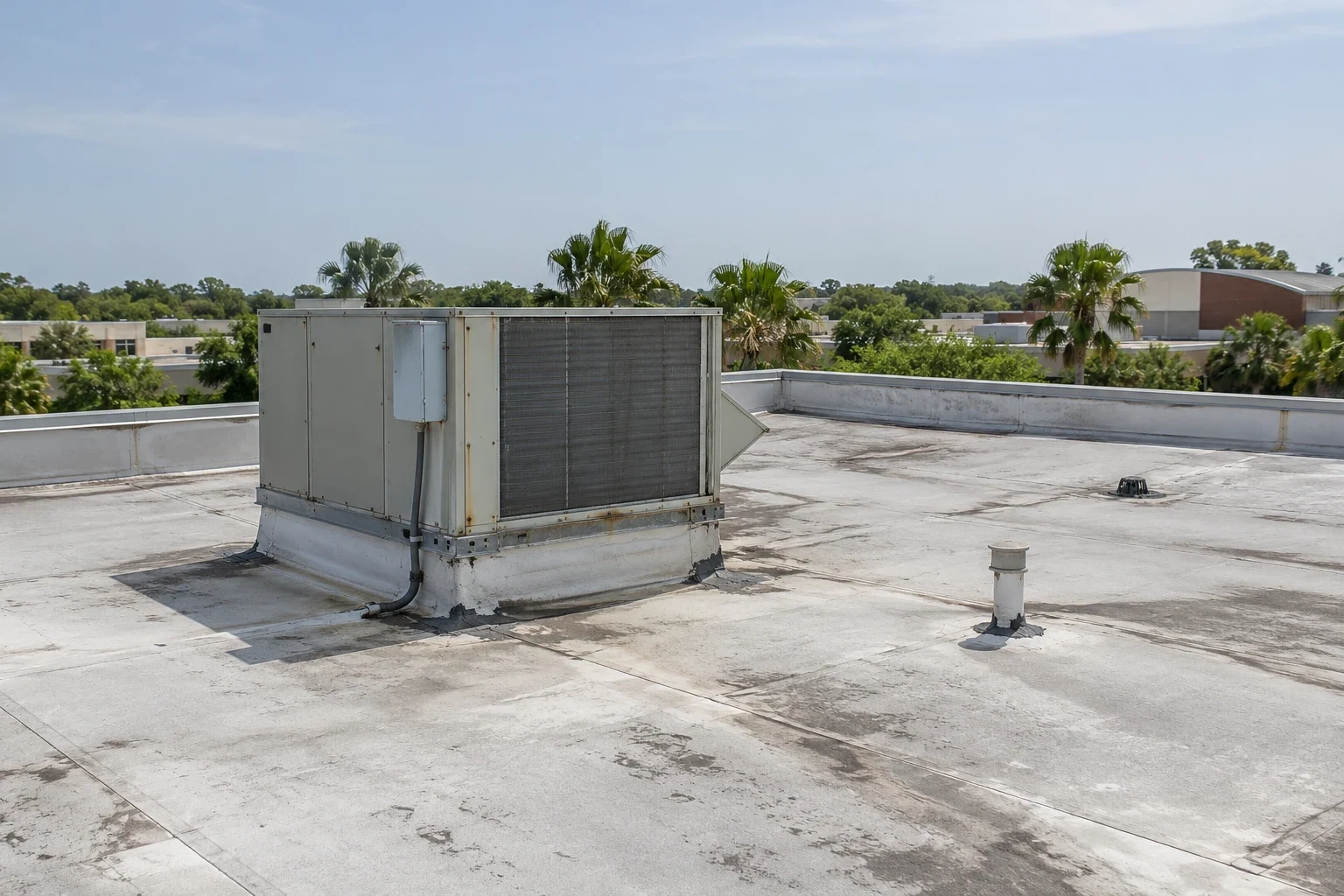
A broad warehouse field also has penetrations for exhaust, lighting, communications, and HVAC. We record curbs, pipe boots, equipment supports, and old openings that may no longer serve active systems. Sunrise Commerce Park's building mix includes distribution and manufacturing alongside office space, but the equipment map must come from each facility. A warehouse roof review can document large bays; any conveyor penetration or tenant-installed support gets a separate detail and test if it affects repair quantity.
Inventory protection: Locate active water and wet boundaries
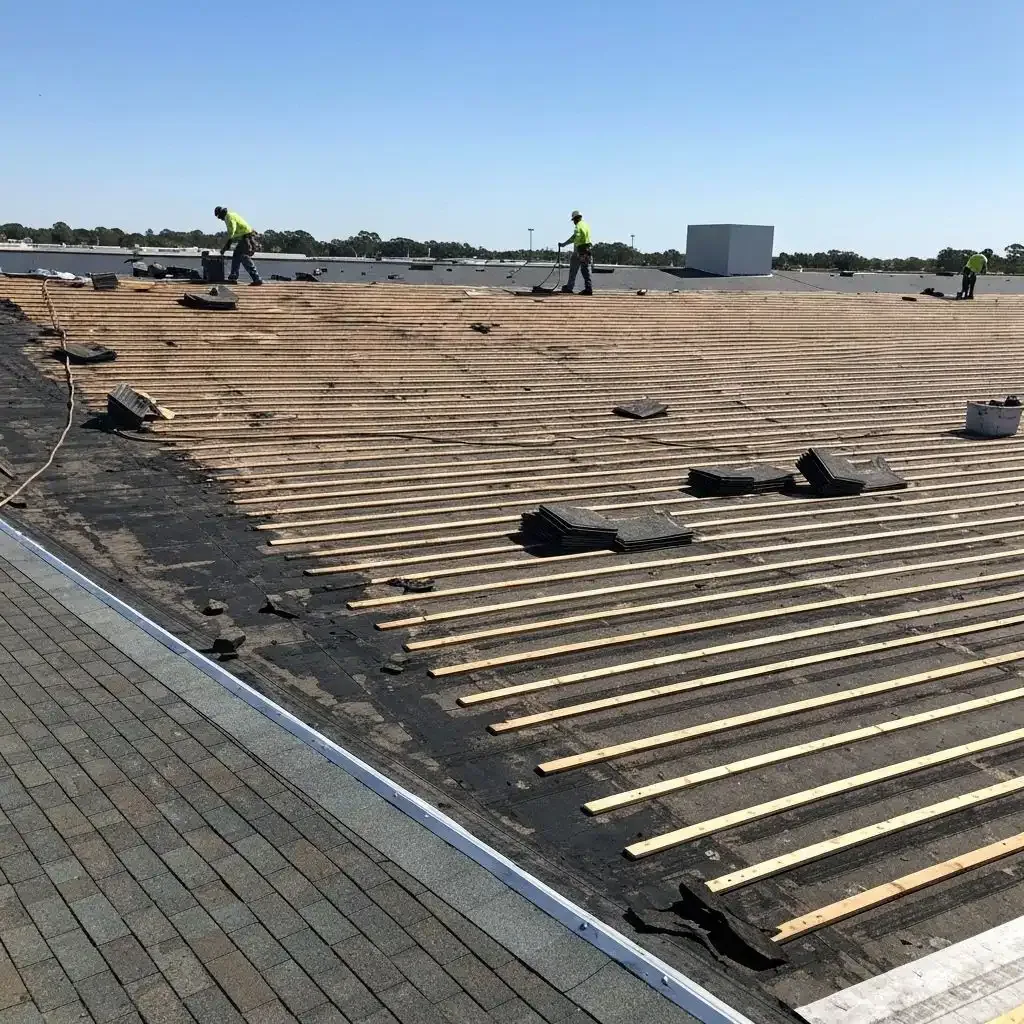
When water appears above stored goods or picking lanes, the first step is to protect the affected area while the roof entry is found. We compare the report time with the nearest drain basin, seam, penetration, and prior patch. Water can travel through insulation or along a deck flute before reaching the floor. If reports appear in adjacent aisles, we check whether they sit beneath one drainage zone rather than assigning several separate failures by location alone.
A test cut can confirm the roof membrane, insulation condition, deck, and wet boundary. We define its location and restore the opening or include it in the approved repair. The facility identifies inventory or equipment below the test area and provides a clear staging path. A leak repair follows the verified defect. If water is still active, emergency protection can limit additional exposure while the team prepares permanent work.
Drainage capacity: Keep long roof basins moving
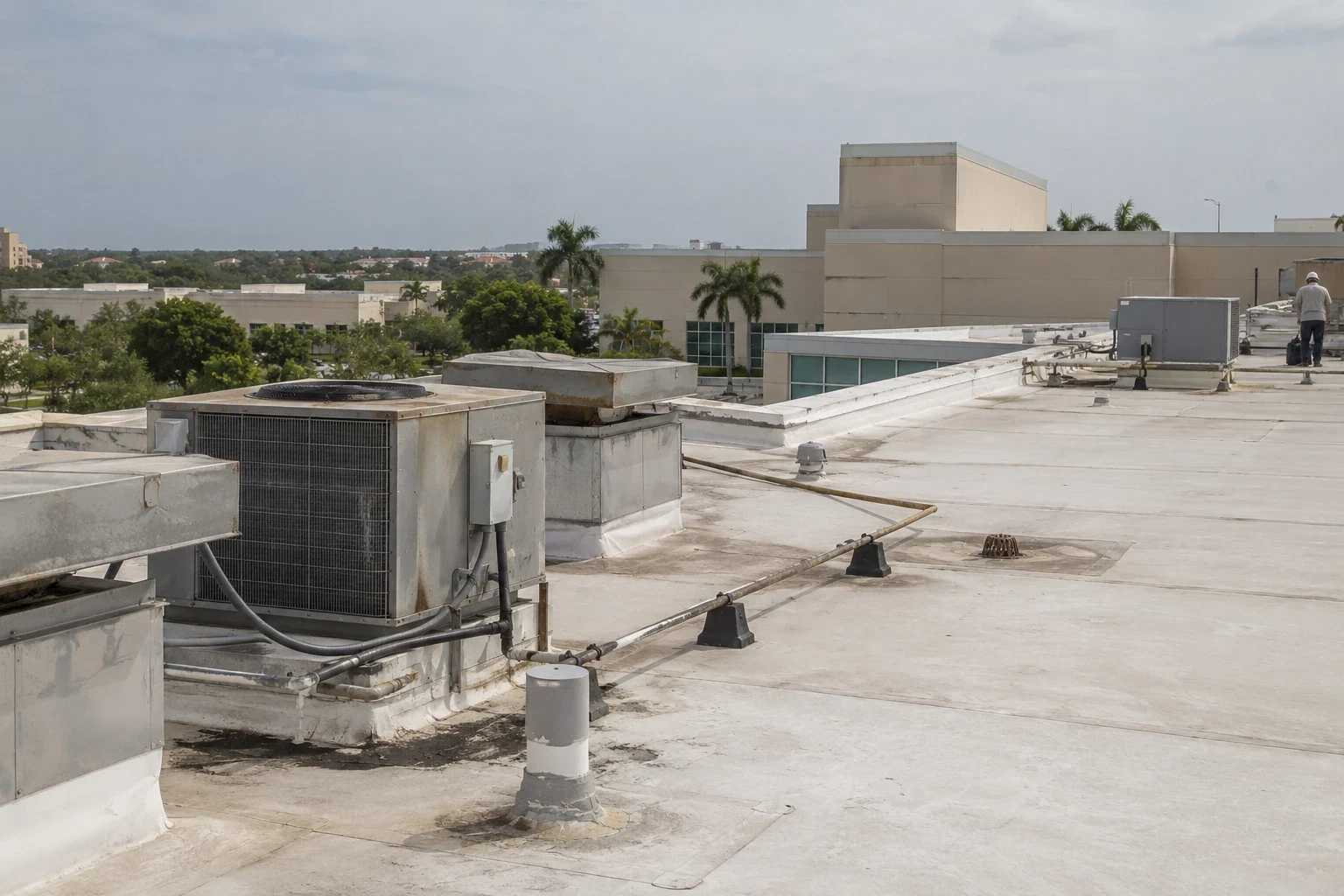
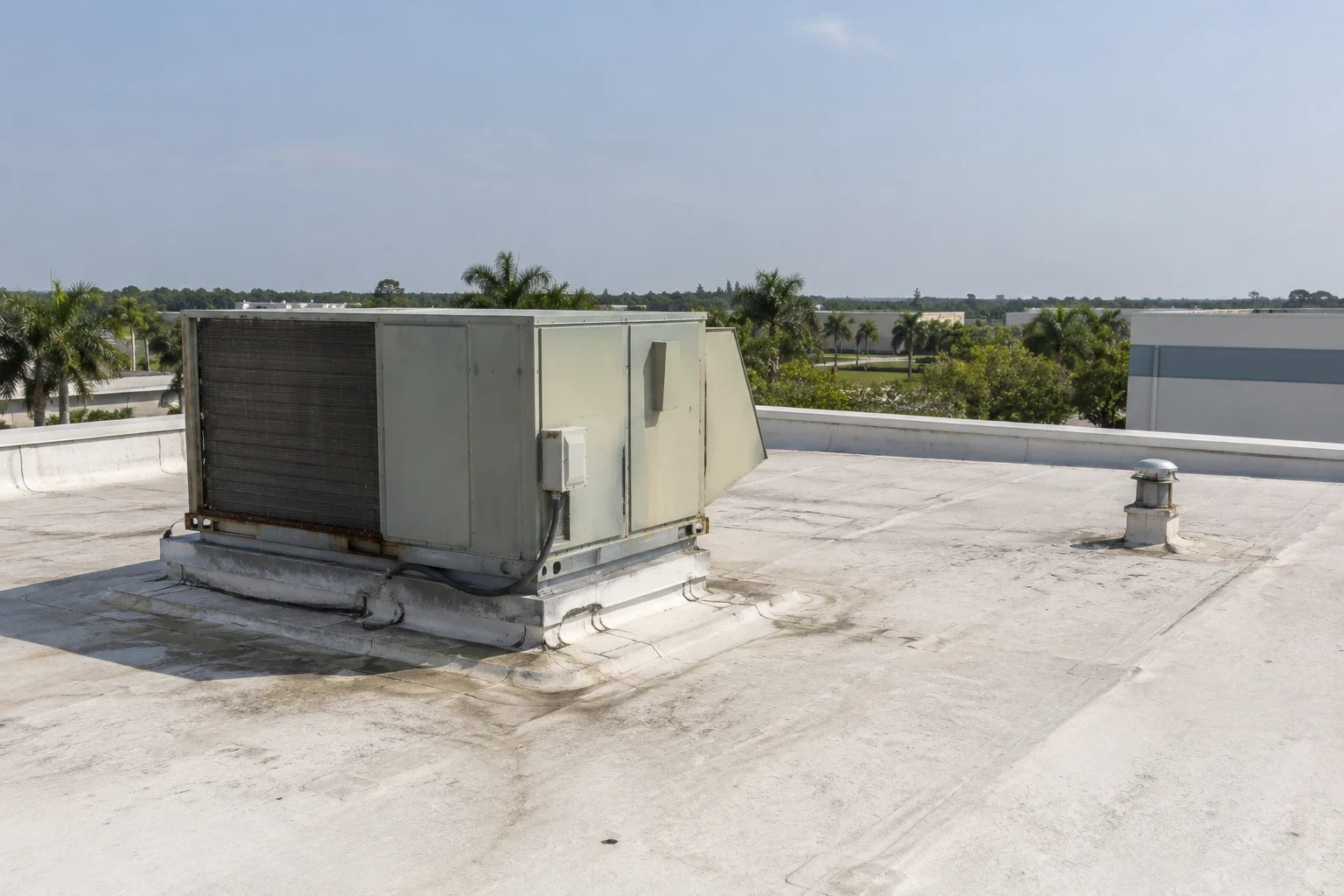
Large distribution roofs can route water across long distances to internal drains, scuppers, gutters, or downspouts. We check strainers, overflow paths, discharge, and water held near curbs or parapets. A clear drain at the roof surface does not confirm the entire discharge line is open. If ponding remains after cleaning, we evaluate slope, insulation, and deck condition before proposing a coating or recover that would leave a low area unchanged.
Fort Lauderdale's climate normal assigns a substantial portion of rainfall to the South Florida rainy season. A drain walk before repeated storms can identify obstructions and details that need follow-up. A drain inspection records outlets reached and access limits. For a logistics operation with loading scheduled by shift, we agree on a time for roof access and keep staging out of truck routes. The maintenance record identifies the basin, action taken, and the next date to revisit any outlet requiring plumbing access.
Shift access: Schedule roof work around dispatch
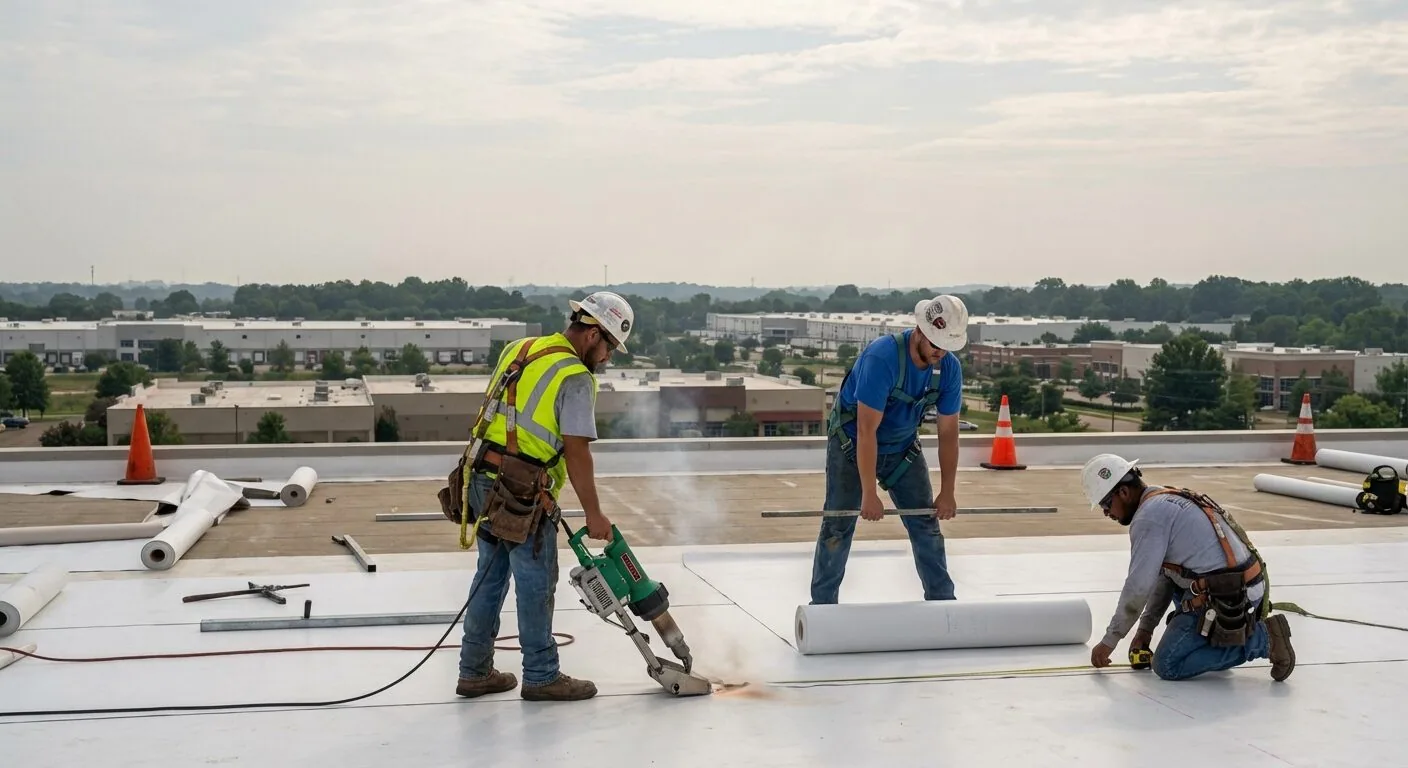
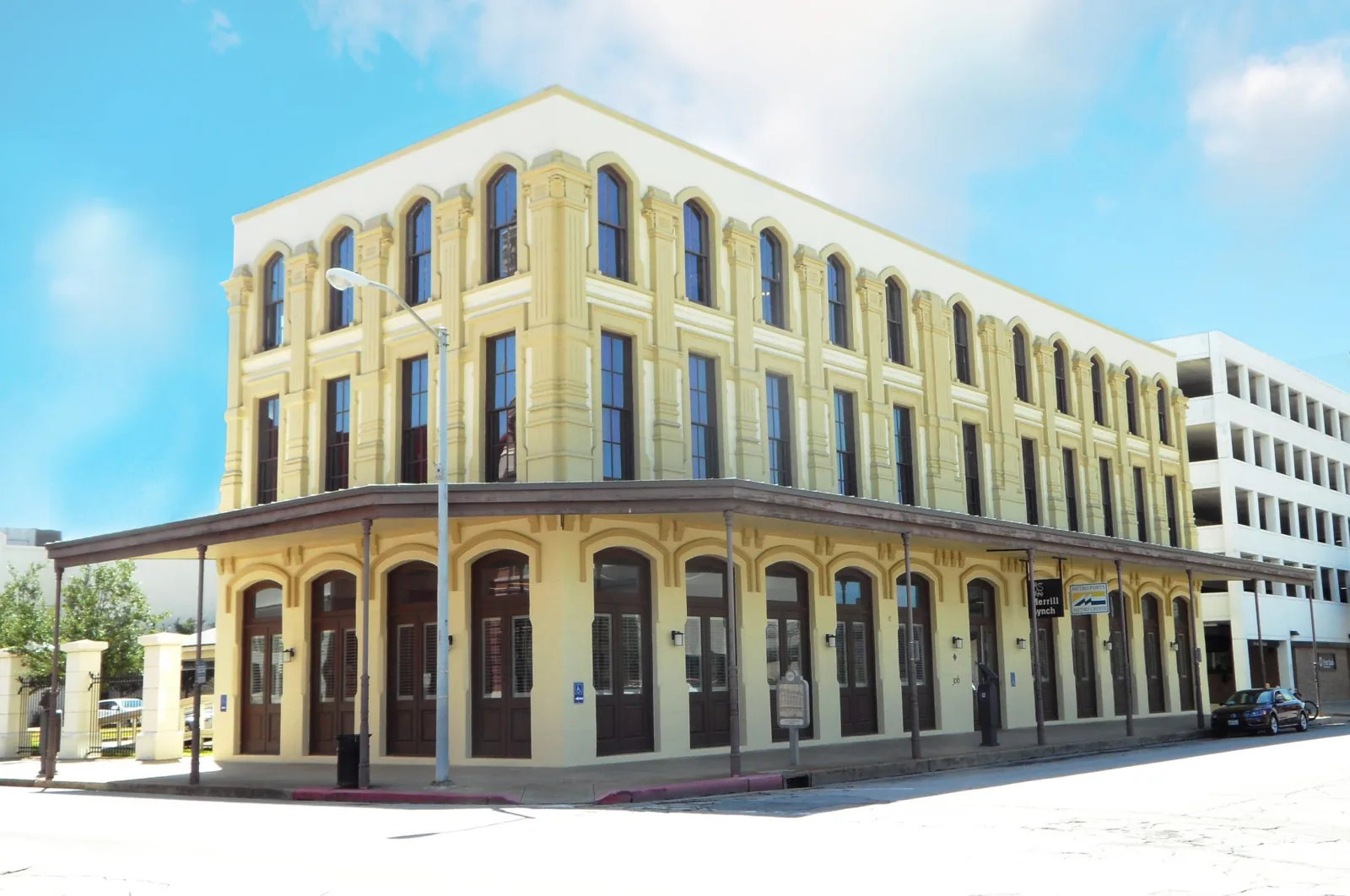
Roof work can affect dispatch lanes, truck movement, employee entrances, and rooftop equipment. Before opening membrane, we identify which loading doors sit below the work, where lifts can stage, and whether ventilation or another system needs isolation. The facility contact sets shift boundaries and approves any interruption. The crew keeps drains clear, contains fasteners, and closes each section watertight before leaving for the day.
A phased sequence can move from one bay or building to the next while unaffected operations continue, if roof layout and weather permit. The plan lists expected noise, access limits, material deliveries, and a contact for changed conditions. Sunrise is bordered by regional highways and provides access to Florida's Turnpike, but the operator sets the truck route, dock schedule, and roof staging area for its facility. We coordinate with site operations before placing materials or closing an access lane, then report which area is released at each shift handoff.
Capital comparison: Repair one detail or address a wider zone
A single puncture, seam failure, or damaged curb may be repaired locally. Repeated leaks across separate bays, widespread wet insulation, weak attachment, or deck deterioration can point to a broader project. We show confirmed boundaries and note which areas remain inaccessible or untested. That evidence lets the operator compare a local repair with replacement or restoration without assuming the entire roof has the same condition.
Cost and timing vary with removal depth, equipment, disposal, staging, weather, and the amount of inventory protection needed. We list those drivers by zone so the bid reflects dispatch and warehouse conditions. Before tear-off, the operator identifies goods that cannot tolerate dust, vibration, or temporary exposure. We set containment, opening size, and weather hold points, then record the dry-in status if work pauses. Dispatch receives the zone status before the next shift. A phased reroof plan can preserve loading functions where the work area can be isolated. A manufacturer may share a park with logistics users, but production constraints differ; manufacturing roof work may require equipment shutdowns, while logistics plans center on docks, inventory, and vehicle circulation.

Asset records: Tie service history to the roof map
The closeout file should identify the building, roof zone, membrane where confirmed, drains, equipment, test points, photographs, repairs, and open items. If the property manager handles multiple tenants, keep suite and loading-area notices connected to the corresponding zone. A new leak can then be compared with earlier repairs without mixing records between buildings or assuming that a recurring symptom has the same source.
Share the roof plan, dock layout, equipment schedule, leak log, shift calendar, and any inventory protection rules. Those materials help us coordinate inspection and write a scope operations can review. For a facility in Sunrise, distribution and manufacturing activity can affect loading and service windows; the property's site plan sets truck access and roof staging. On larger sites, name an alternate contact for nights and weekends so urgent roof access does not wait on a single shift lead. Property managers can use the same zone labels for work orders, tenant notices, and future maintenance visits.
Frequently Asked Questions
Can a distribution center stay open during roof repairs?
Often the work can be phased by bay or roof zone. Loading access, lift staging, noise, inventory protection, and weather determine which areas can remain active.
How do you protect inventory below an active roof leak?
We locate the roof entry and provide temporary protection where needed, while the facility moves or covers affected goods. The permanent scope follows the tested wet boundary.
What should the dock manager provide before inspection?
Share the dock layout, truck schedule, roof drawings, leak dates, equipment locations, and access rules. That helps us plan lifts and keep dispatch paths open.
Does a clear roof drain mean the whole drainage line is clear?
No. We check the bowl, overflow detail, and discharge path where access allows. If water remains, slope and insulation need review before the roof surface is recoated.
When is a full roof replacement worth comparing?
Repeated failures across separate bays, broad moisture, weak attachment, or deck damage can shift the decision. We map confirmed areas and compare repair quantities with broader work.
Coordinate the roof scope with dispatch
Send the roof plan, dock layout, equipment list, leak reports, inventory constraints, and shift calendar. We will map the affected zones and define workable repair phases.
Call 555-555-5555 or request a roof assessment.