
Modified Bitumen Roofing in Sunrise, FL
Modified Bitumen Roofing
A modified bitumen roof is a layered asphalt membrane reinforced with fabric, and the repair depends on the cap sheet, interply layers, attachment, and flashing detail actually installed. In Sunrise, FL, we inspect laps, surface wear, blisters, punctures, drains, and prior patches before deciding whether local repair or broader replacement is justified. A granulated cap sheet, smooth surface, or dark stain does not identify the full assembly by itself. Broward Lakes Business Park includes flex and office buildings, while Sunrise Commerce Park includes manufacturing, distribution, offices, and multi-tenant facilities. Each roof has a different maintenance history and traffic pattern. A commercial roof inspection can map the surface and details, and a recover review can determine whether additional layers are appropriate. The work scope identifies how the assembly will be prepared, tied in, and protected at the end of each shift.
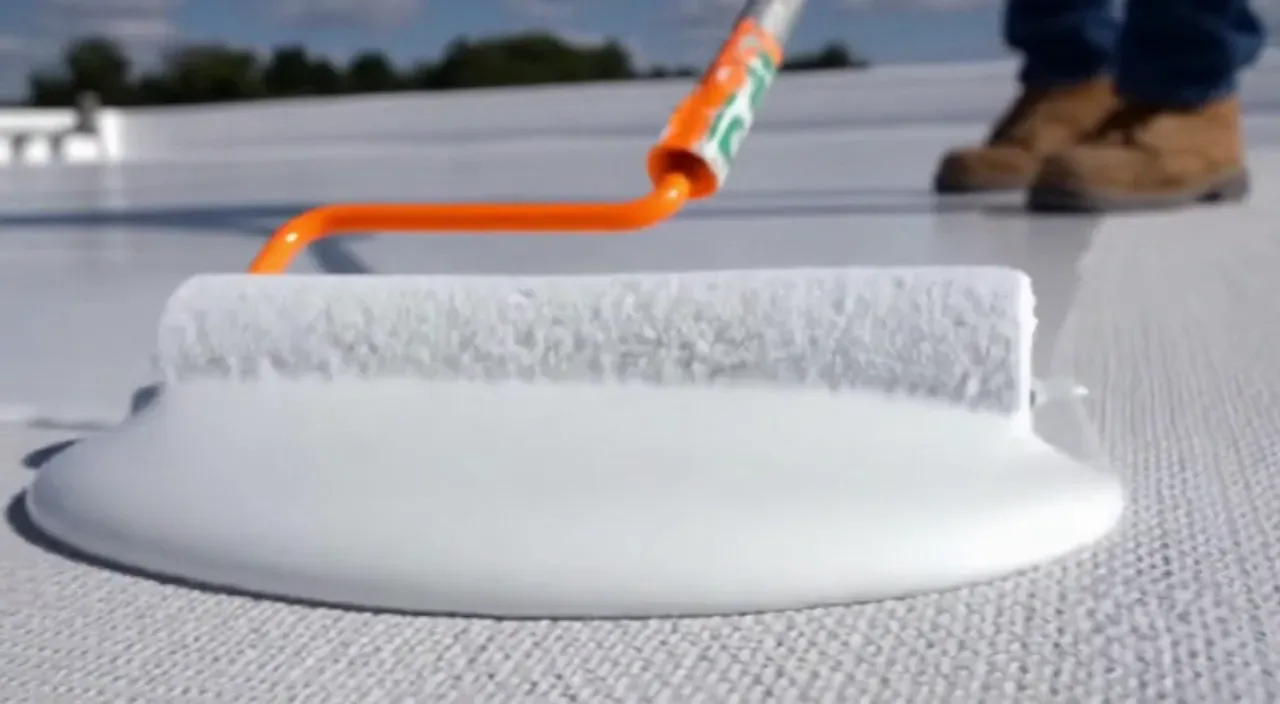
Roof Systems in Sunrise, FL
Repair or replace modified bitumen commercial roofs in Sunrise, FL with ply, lap, flashing, moisture, and safe installation checks.
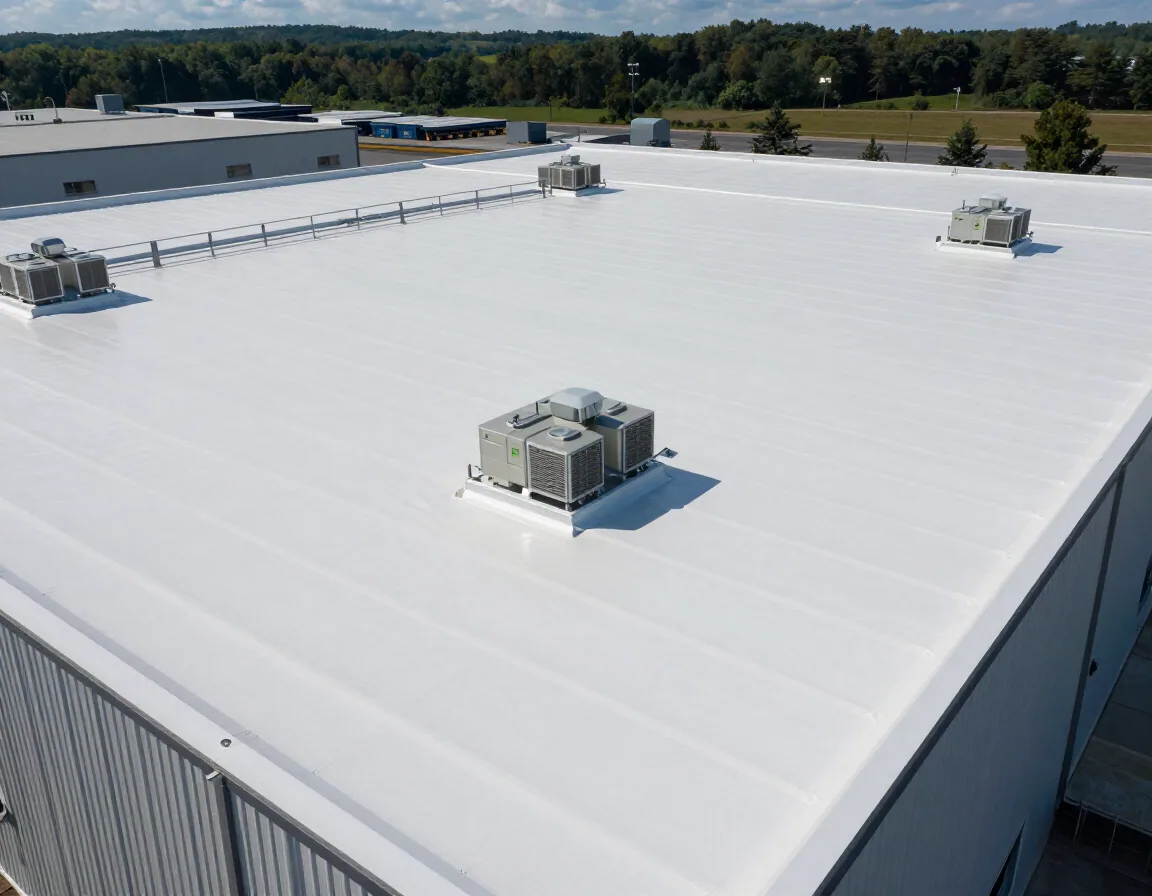
Layers: Identify the cap sheet and base plies
Modified bitumen may include a base sheet, one or more reinforcing plies, and a cap sheet with a smooth, mineral, or other finished surface. We review roof records and accessible edges to identify the system, then note whether the layers are adhered, mechanically fastened, or installed with another approved method. If previous recover work obscures the build-up, a test opening may be needed to verify how many layers are present and whether the material below is dry and stable.
SBS and APP membranes have different modifiers and application methods; the repair material and installation detail need to match the existing roof or specified replacement. We do not select a patch from appearance alone. At a test cut, we photograph each layer, reinforcement, insulation, cover board, and deck condition visible. A condition report can connect those findings with roof zones and test locations. For a multi-ply alternative, a built-up roofing review can compare assemblies while keeping the existing modified-bitumen findings distinct.
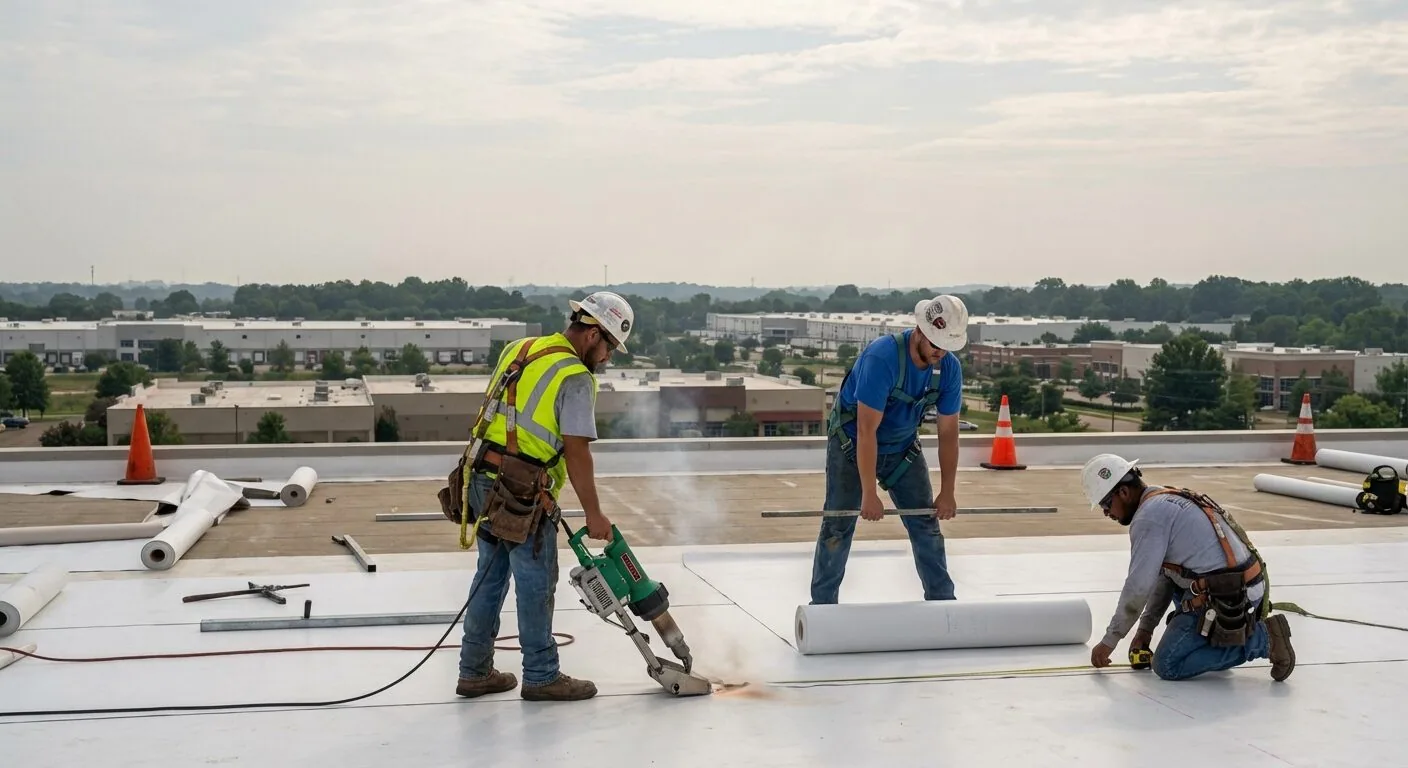
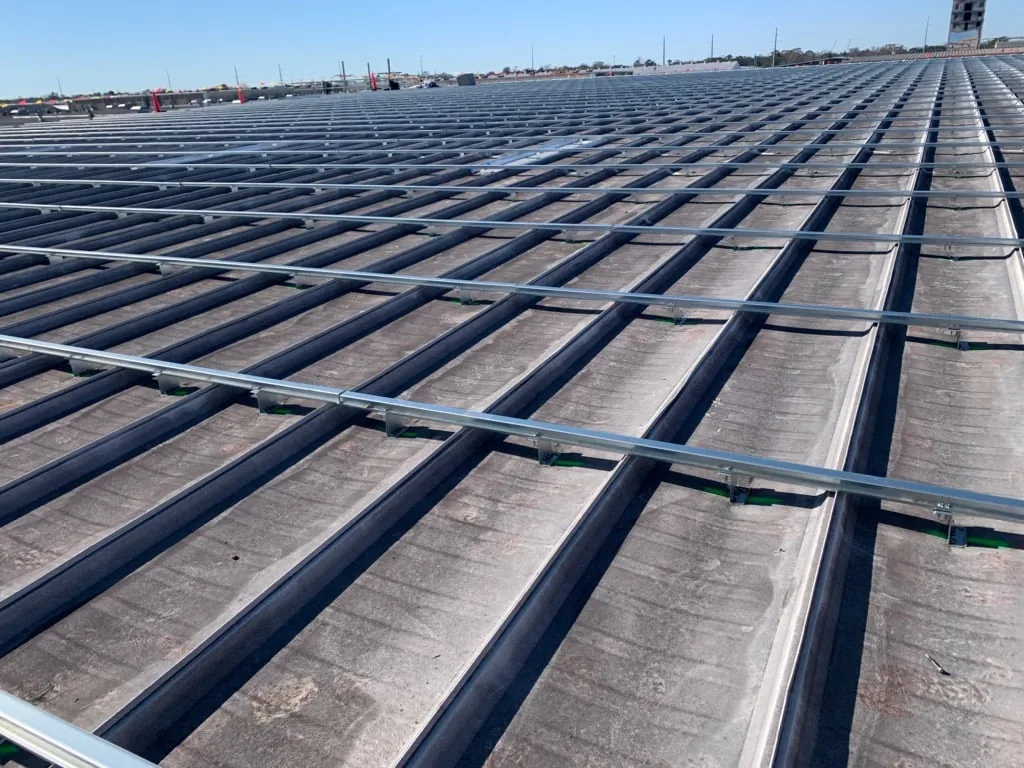
Laps: Find the point where layers have opened
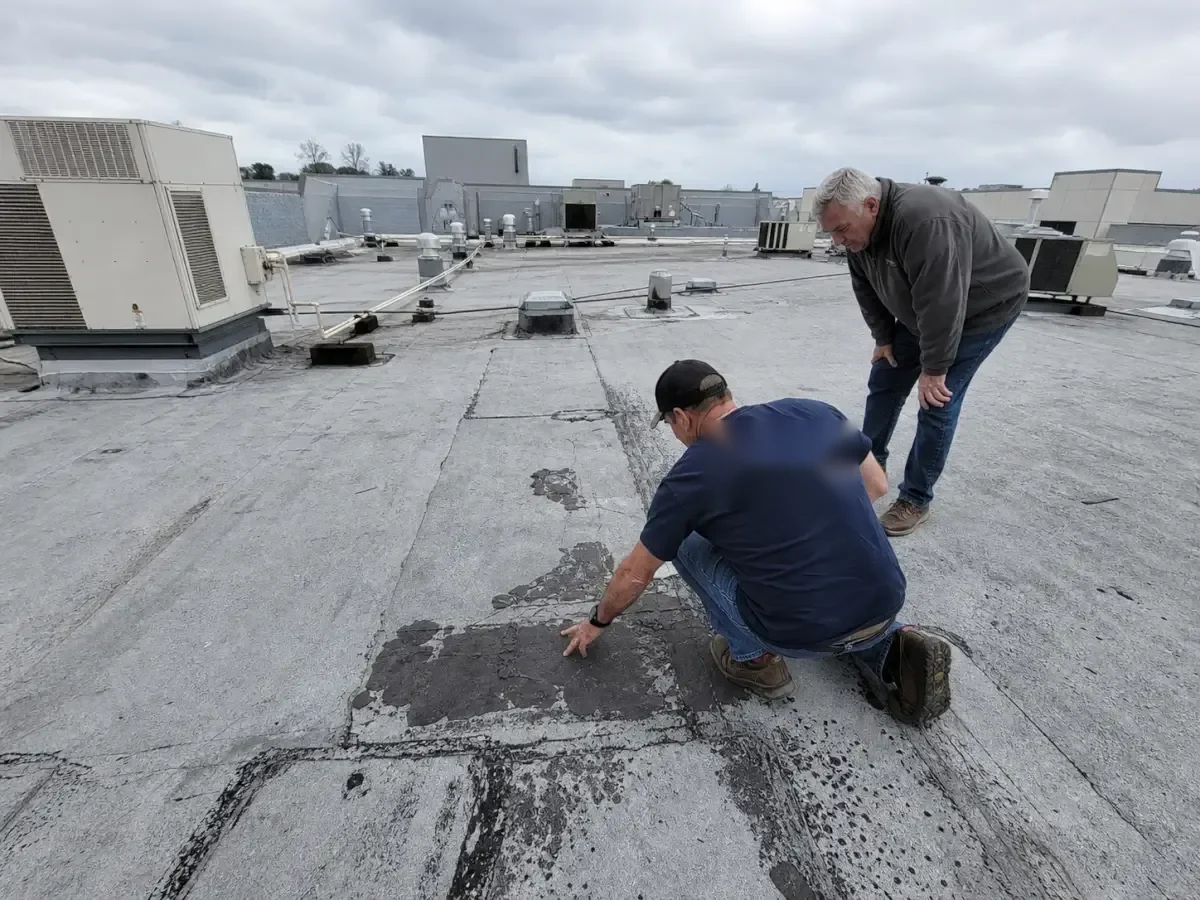
Leaks can begin at side laps, end laps, fishmouths, cap-sheet splits, or a patch edge that has lost adhesion. We check lap direction, bond, surface condition, and whether water or debris has entered an opening. A blister may be isolated or may indicate moisture beneath the membrane; we mark its location and determine whether an approved test is needed before cutting it open. Surface cracking can also relate to aging or movement and should be mapped against prior repairs.
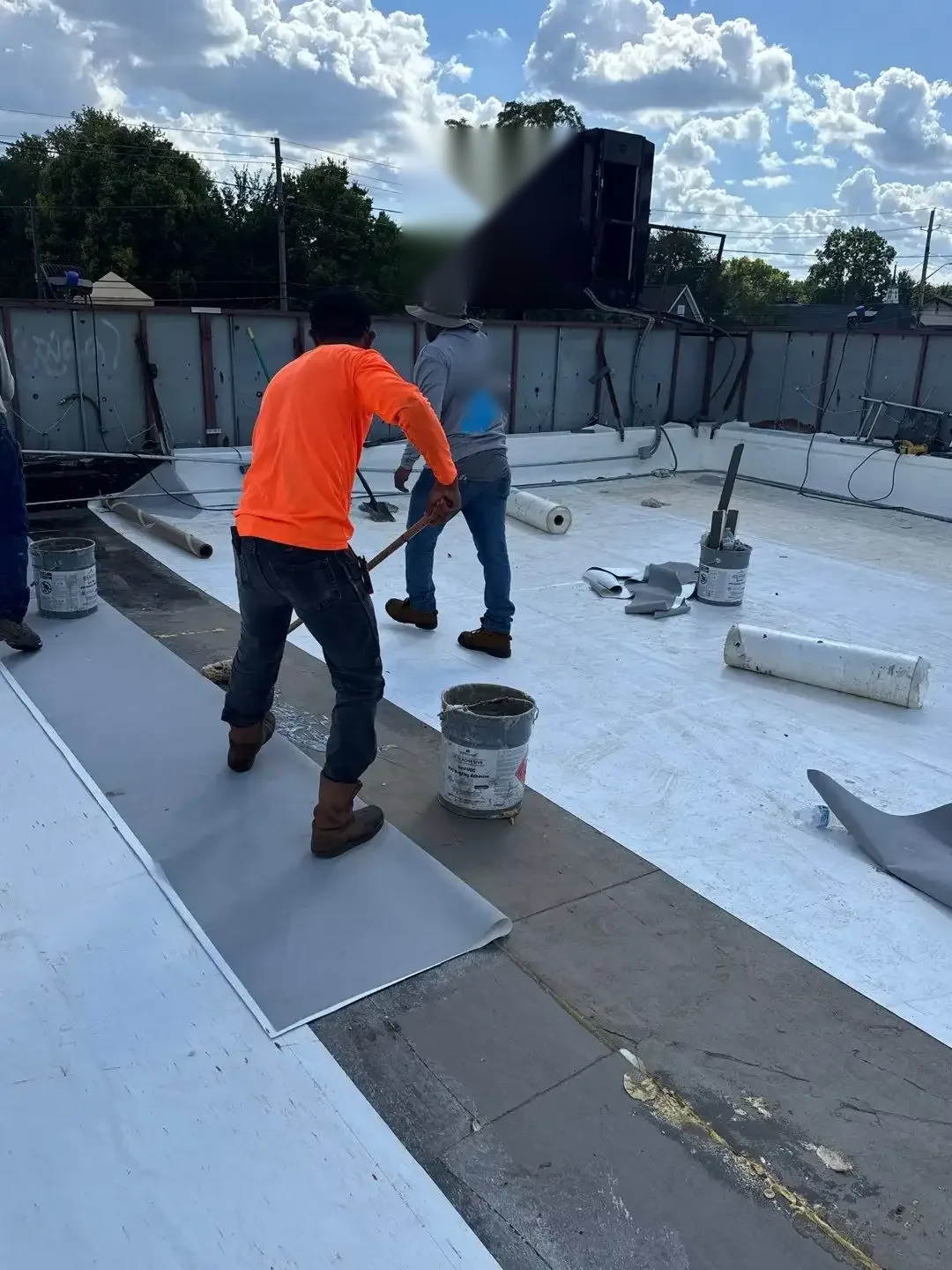
Repair preparation removes loose material and exposes sound membrane around the defect. The chosen patch needs a compatible bituminous sheet, reinforcement, and secure edge treatment. If heat is used, hot-work controls and fire watch requirements are established before work starts. We keep flame or hot-air procedures away from combustible materials and follow the approved roof-system instructions. Where temperature, wind, or moisture prevents a reliable bond, the area is protected and work resumes in suitable conditions. A localized repair scope lists the defect and required preparation.
Flashing: Connect field plies to roof openings
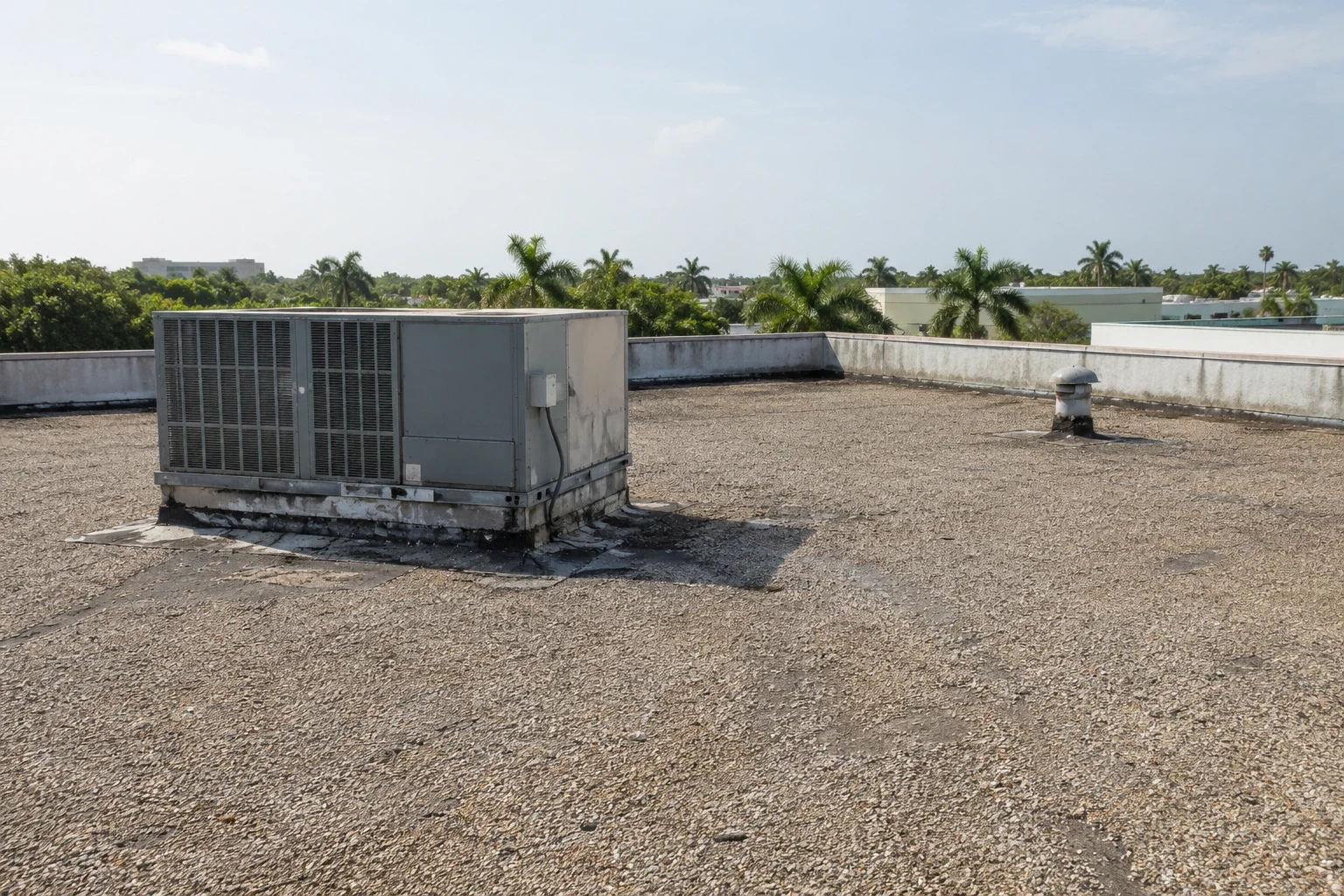
Modified bitumen transitions at drains, scuppers, curbs, parapets, and expansion joints require more than a surface patch. We inspect the membrane turn-up, cant or angle change, metal termination, counterflashing, drain ring, and any evidence that the layers have separated. At equipment bases, the roof detail must accommodate the curb and maintain service clearance. At walls, the cap sheet and metal should direct water away from the assembly rather than allow it behind the termination.
Sunrise's commercial parks include office, manufacturing, and distribution uses. We map each modified-bitumen roof's drains and overflows by building before seasonal storms. In Sunrise, we check whether drains and overflows remain clear and whether low points or debris lines relate to a flashing defect. A drain inspection can evaluate the outlet, while penetration flashing work can address curbs and openings. We record each detail separately so a membrane patch is not presented as correction of a drain or metal failure.
Moisture: Test before setting the removal limit
Moisture trapped between plies or within insulation can weaken adhesion and change the repair boundary. We compare interior reports with surface observations, available scans, and test openings when authorized. The findings should show which layers are wet, where dry material begins, and whether the deck needs a separate review. A test cut is closed with an approved temporary detail until permanent repair is scheduled.
A recover may be feasible when the existing system is dry, attached, compatible, and able to support added height. The evaluation also checks drain elevations, door thresholds, curb clearances, edge metal, and total layer count. If the roof cannot accept another layer, a tear-off plan can define how the occupied building remains protected as the assembly is removed. A replacement assessment can compare that path with a repair, and TPO system information can inform a separate membrane selection. The recommendation follows the layers and attachment found at the inspected roof.
Installation: Control heat, fire watch, and daily closure
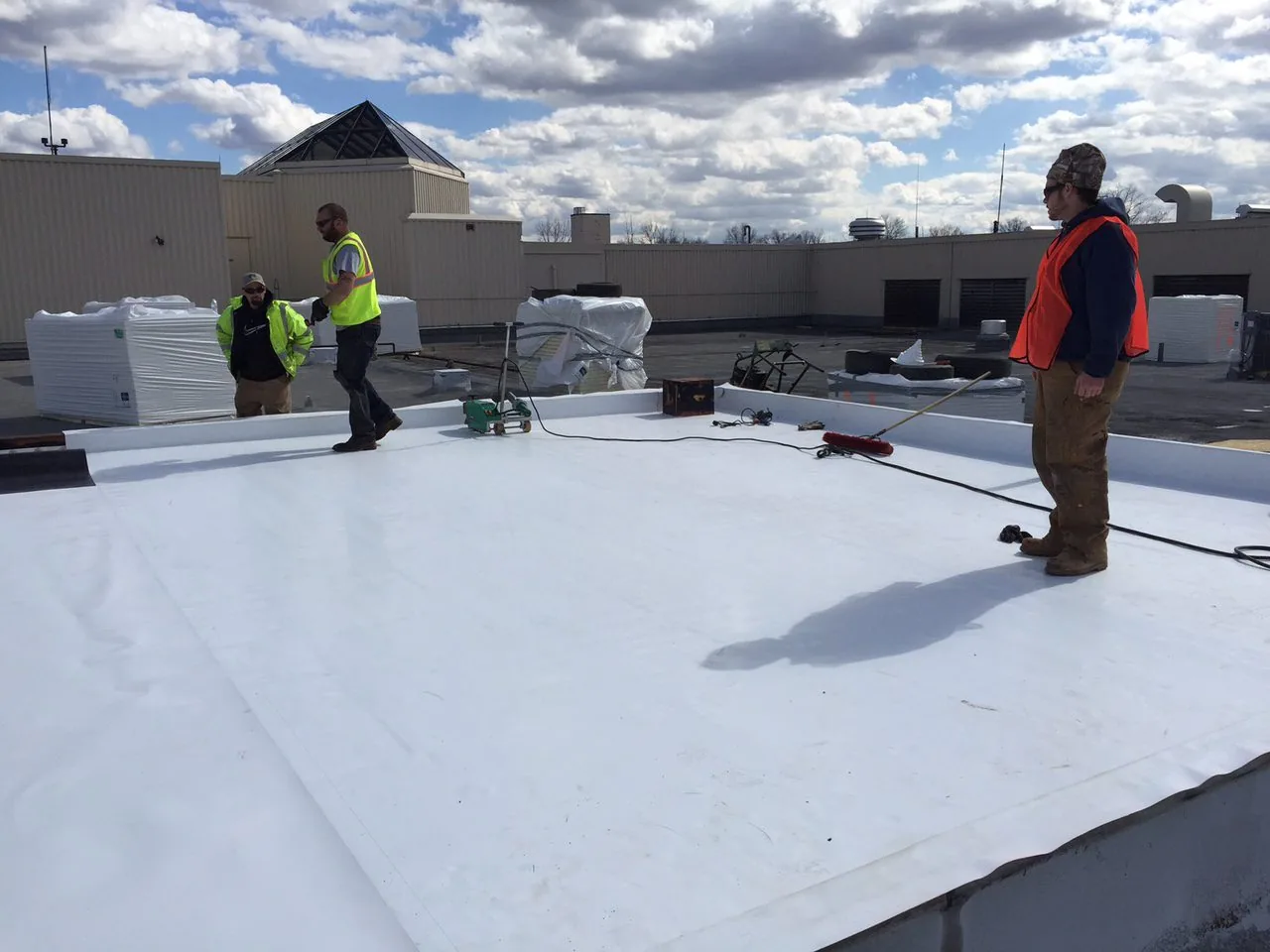
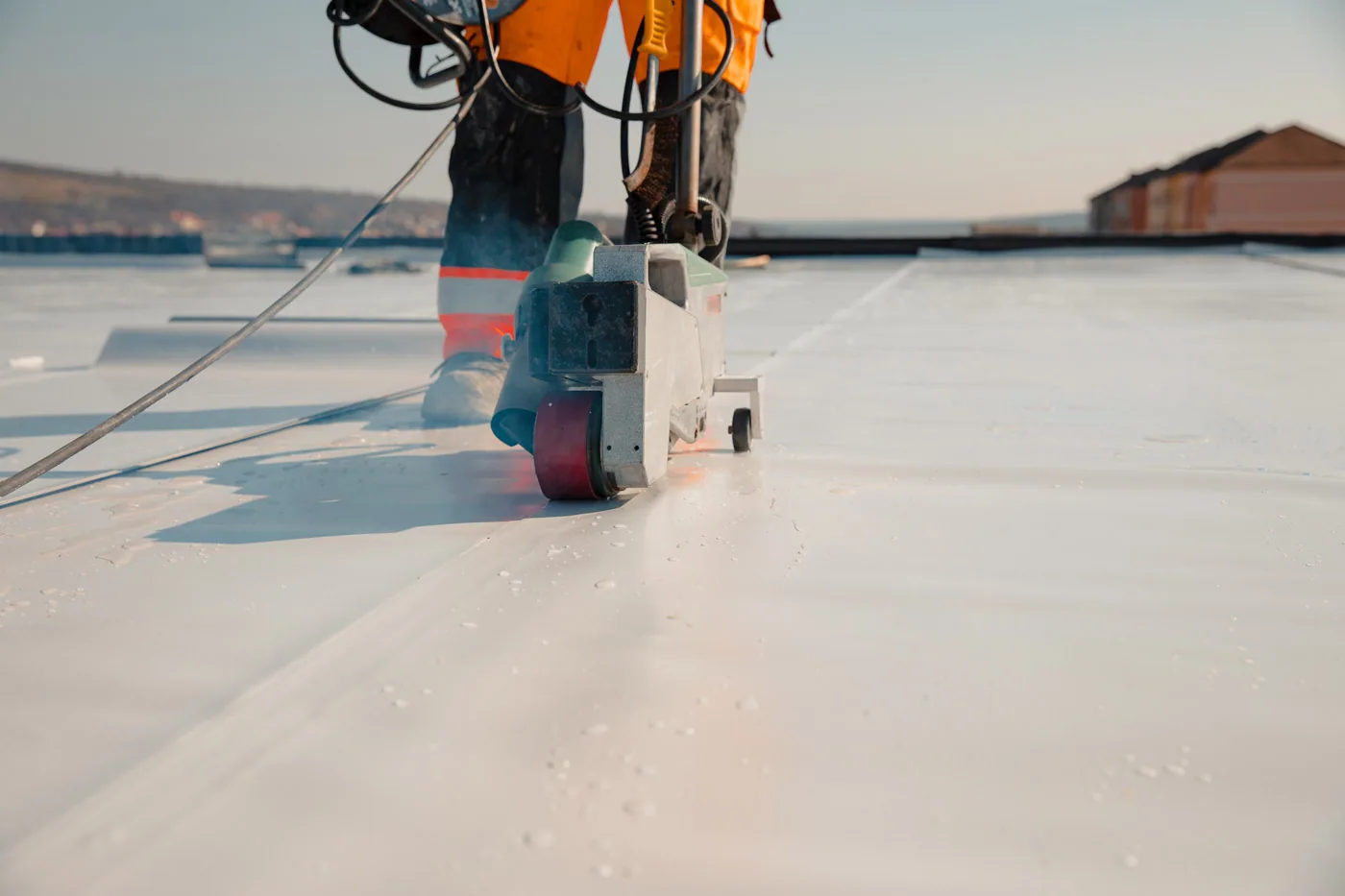
Modified-bitumen work may involve hot asphalt, torch application, or other heat-producing methods depending on the specified system. The supervisor identifies the approved method, permits, fire watch, extinguishers, combustible materials, and post-work monitoring required for the site. The crew protects walls, equipment, roof openings, and completed work from heat or dropped material. Where a safer cold-applied detail is specified, surface preparation and cure conditions still need to be controlled.
South Florida's warm, humid weather and seasonal rainfall can affect work windows. We stage only the material that can be installed and secured, keep drains open, and close each exposed section before leaving. Sunrise Commerce Park's manufacturing and distribution operations may require coordination around production, deliveries, and crane placement. We confirm access and shutdown rules with the building contact, then record the area completed each shift. A daily closure plan should identify temporary edges, weather protection, and the point where the next crew can resume without disturbing finished plies.
Closeout: Save the system and repair history
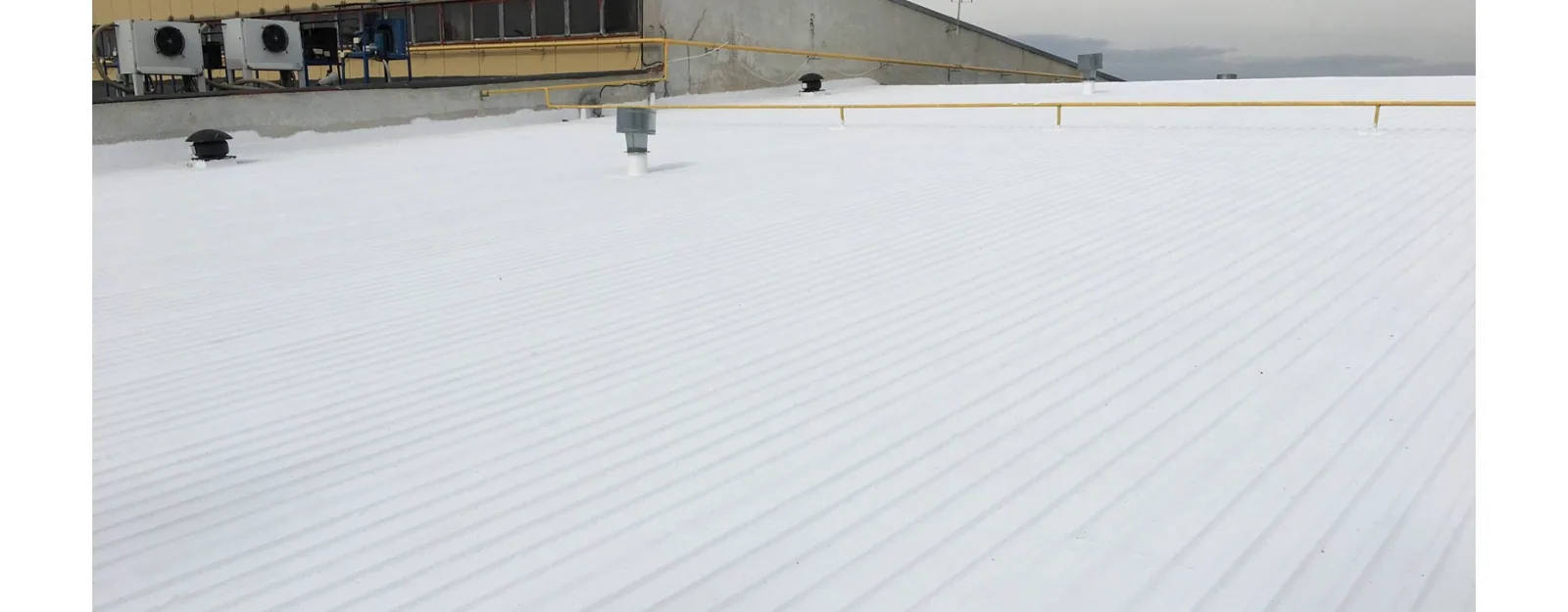
Closeout identifies the modified-bitumen products installed, application method, repaired roof zones, photographs, test results, and any excluded condition. If the work used a torch or hot asphalt, retain required fire-watch and inspection records with the project documents. The owner should also know which areas need a future check and what kind of patch or maintenance is compatible with the installed system.
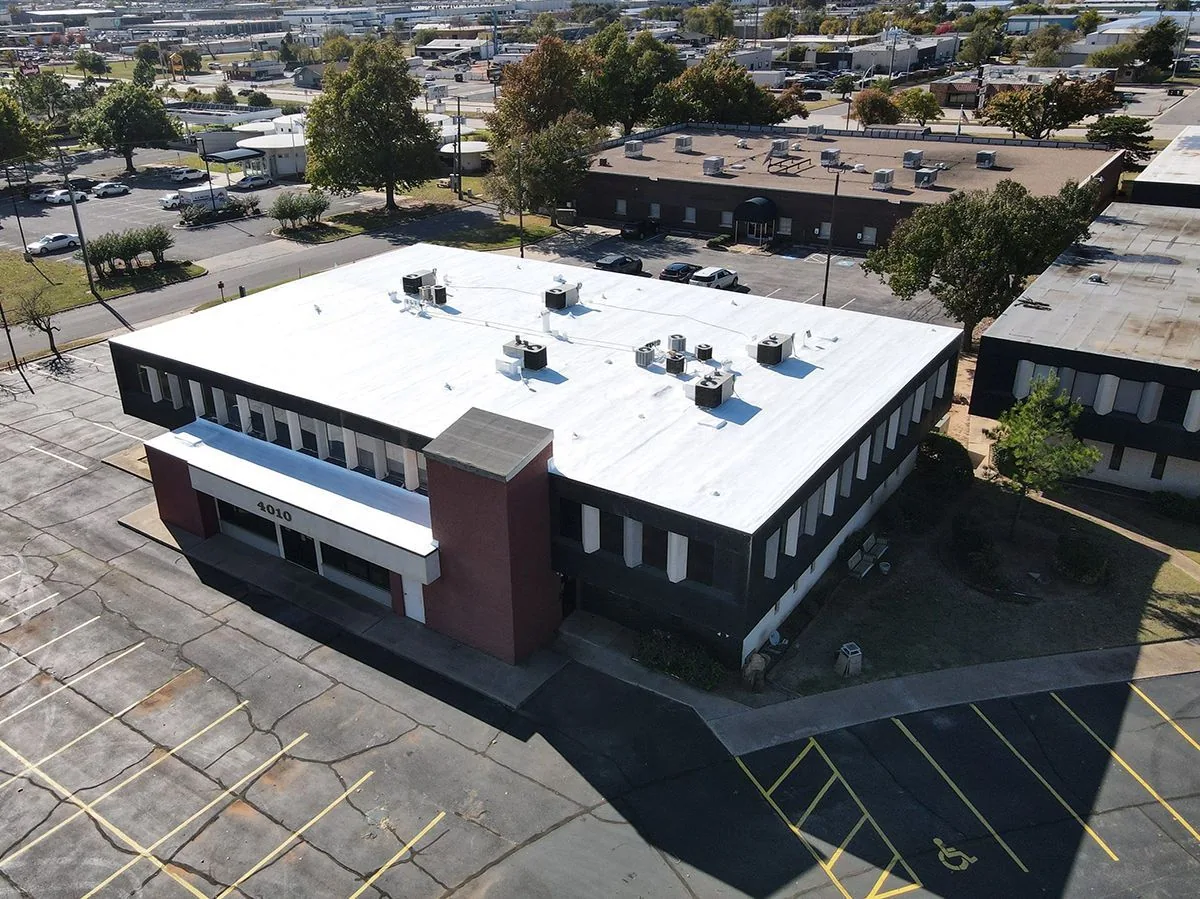
In Broward Lakes Business Park and Sunrise Commerce Park, facility teams may manage offices, manufacturing, and distribution under separate building records. A roof file should keep each structure's layer information, repair dates, access limits, and warranty terms apart. A maintenance visit can inspect lap edges, drains, and penetrations after repair. For a Sunrise modified-bitumen assessment, send roof drawings, prior repair details, leak locations, access requirements, and any available product submittals so the inspection can begin with the right assembly.
Frequently Asked Questions
How can you tell whether a roof is modified bitumen?
We review product records, exposed edges, cap-sheet finish, seams, and accessible test openings. A surface appearance is not enough to identify the number of plies or whether the system is SBS, APP, or another assembly.
Can a modified-bitumen roof be repaired without a tear-off?
Often, if the affected area is bounded and the surrounding plies and substrate are sound. We inspect and test as needed, then identify whether a local patch, recover, or removal is supported by the roof condition.
Does a modified-bitumen repair require a torch?
Not always. The approved repair method depends on the existing system, product requirements, site conditions, and hot-work controls. The proposal identifies the application method and protection required for the building.
What causes blisters in a modified-bitumen roof?
Blisters may relate to trapped air or moisture, application conditions, or movement between layers. We map each one and verify what lies beneath before deciding whether it should be opened or repaired.
What should be included in a modified-bitumen roof inspection?
Review cap sheet, laps, flashing, drains, prior patches, attachment, moisture indicators, and the roof layers where accessible. The report should map findings by zone and list any test needed to confirm concealed conditions.
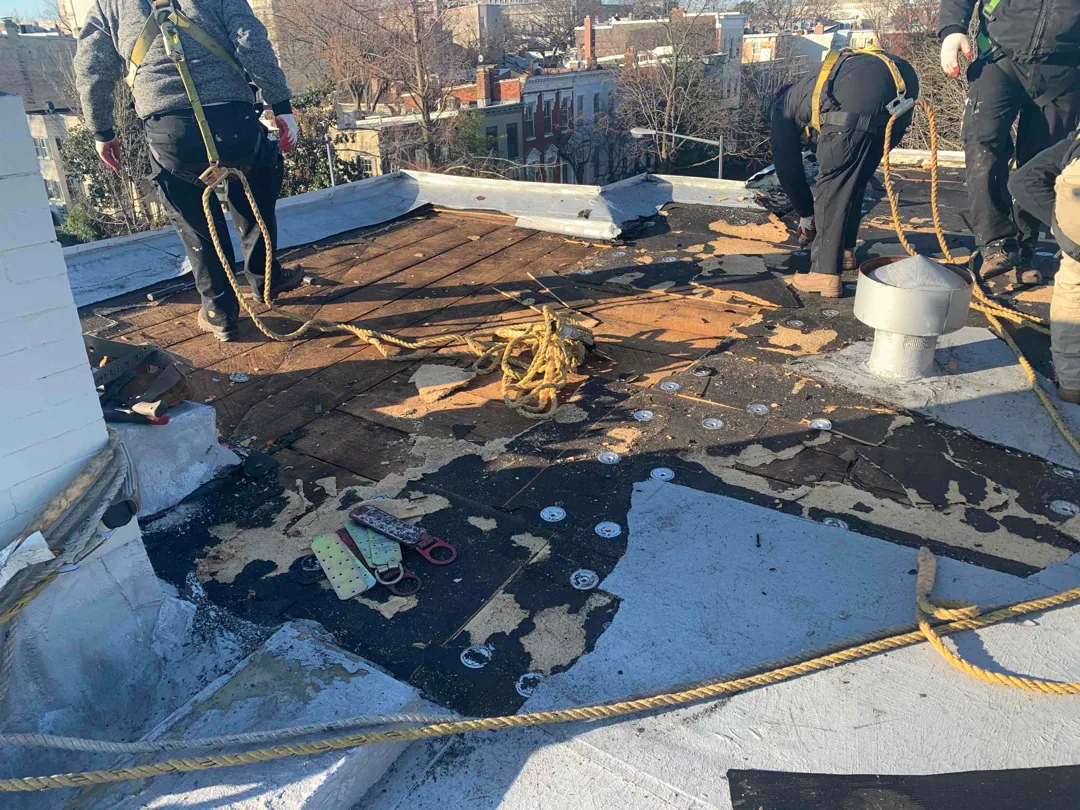
Identify the plies before repair
Share roof plans, product submittals, leak history, prior patches, and access rules. We will inspect the cap sheet, laps, flashing, and moisture conditions before setting a repair or removal boundary.
Call 555-555-5555 or request a roof assessment.