About Commercial Roofing Sunrise
Commercial roof repair, replacement and maintenance for Broward County buildings.
Who We Are
A commercial roof decision has to connect what is visible above the deck with the operation below it. Commercial Roofing Sunrise inspects, repairs, maintains, restores, and replaces low-slope and metal roofs across Sunrise, FL. We map the affected roof zone, identify the membrane and transitions that can be confirmed, and state what remains concealed. A facility director should be able to see why a repair boundary stops where it does, what test could change that boundary, and how the work will be kept weather-tight during the shift.
Inspection: Follow the assembly
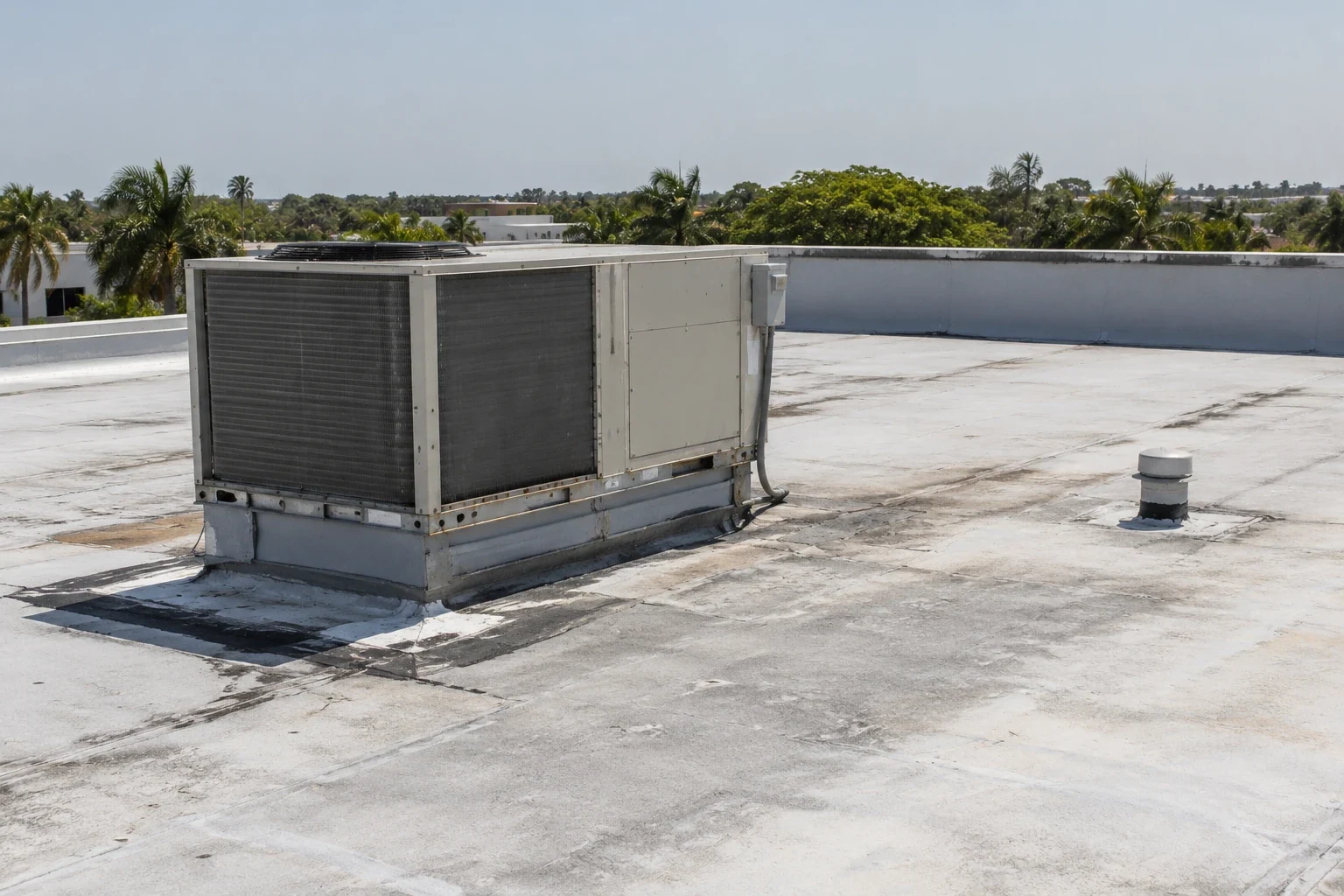
An inspection starts with the building's roof plan, known leaks, access conditions, and operating hours. On the roof, we check seams, penetrations, drains, scuppers, edge metal, curbs, rooftop equipment, and previous repairs. Below, we compare reported staining or moisture with the roof zones above it. This comparison can distinguish a visible symptom from the detail that needs repair. When access is limited or an overview would help establish roof geometry, a drone inspection can supplement hands-on checks. Infrared patterns may help identify areas for closer review, and a moisture survey can inform selected test locations. Neither method substitutes for confirming concealed layers where the decision depends on the substrate or wet boundary.
The deliverable is a working record, not simply a condition label. Photos and notes identify the building, roof section, observed detail, and next action. We separate facts that were seen from conditions that still require a test. A condition report gives the owner a clear way to compare later visits and keep repairs attached to the correct roof zone.
Repair: Define what will be opened
Water entry can begin at a lap, drain, curb, skylight, edge, or a transition between roof areas. Water may then move within an assembly before it reaches an interior finish. We trace the route that can be supported by inspection, identify surrounding materials, and set a repair boundary based on compatible tie-in conditions. If moisture or deck condition remains uncertain, a test cut can expose the layers at an approved location. The repair scope names what will be removed, what will be installed, how the transition will be closed, and which concealed condition would require a separate decision.
Urgent response is available around the clock, including weekends and holidays, when active water or an exposed opening threatens operations. The first objective is to protect the interior and establish a temporary weather-tight condition. Permanent work follows once the roof can be inspected safely and the assembly evidence is clear. Our leak repair work follows the confirmed path; a drainage repair addresses outlets and overflow routes; and a perimeter detail repair restores the roof edge connection.
Renewal: Compare a recover with replacement
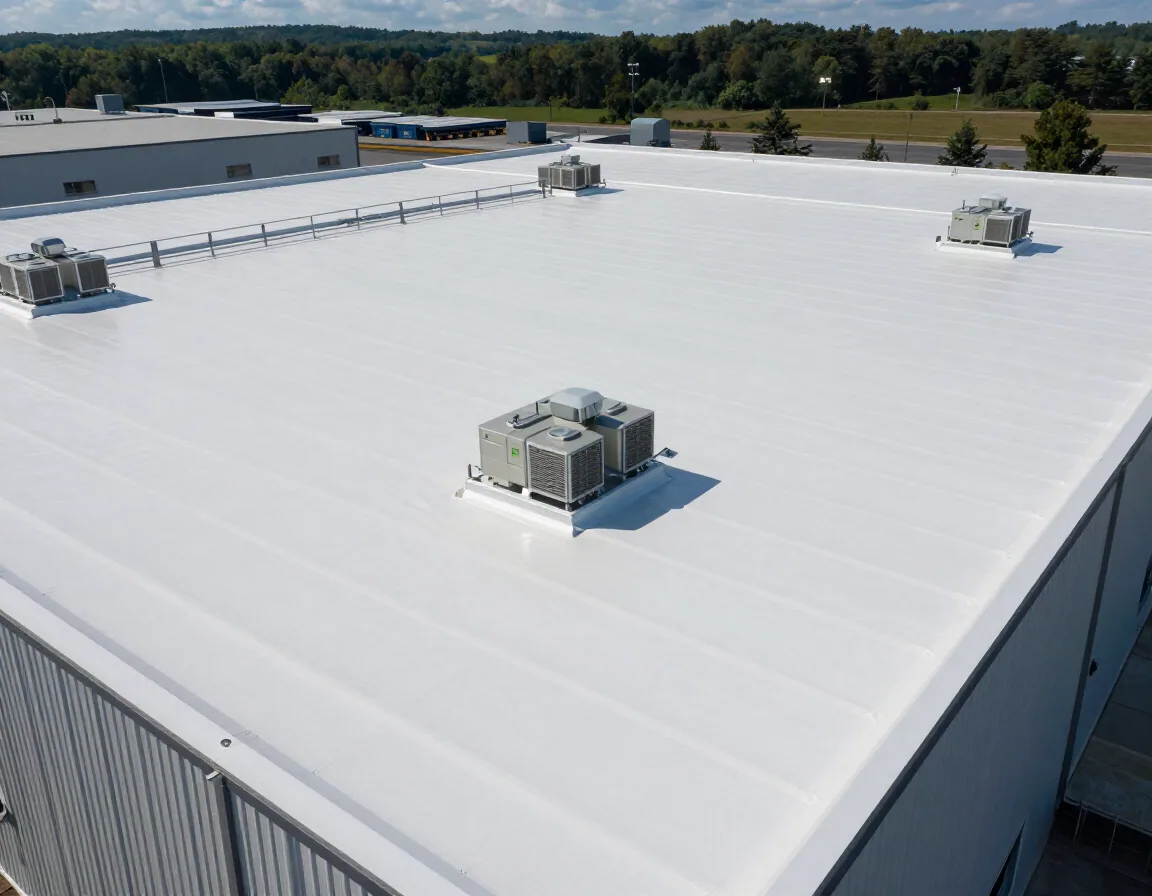
A recurring leak does not automatically call for a new roof, and a sound-looking surface does not prove the layers underneath are dry. We examine membrane condition, attachment, insulation, cover board, deck, drainage, and existing height at walls and equipment. A recover may be feasible when the existing assembly and deck support another layer and moisture is controlled. Removal may be necessary where wet materials, poor attachment, incompatible repairs, or deck concerns prevent a reliable tie-in. A recover evaluation and replacement assessment compare these conditions before the owner approves scope.
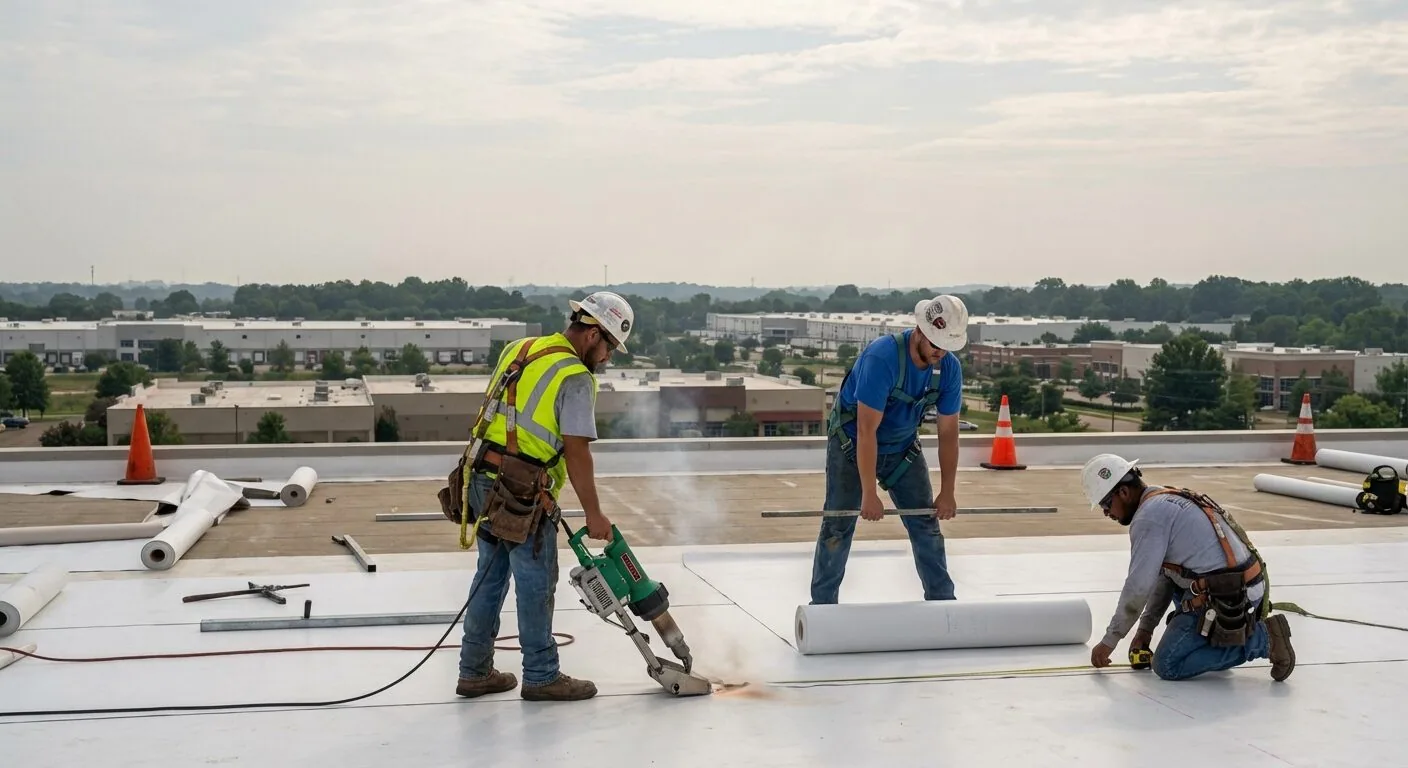
For replacement, the work plan names insulation and membrane layers, fastening, perimeter treatment, drainage changes, daily opening limits, and weather protection. The statewide 2023 Florida Building Code is in effect, and Broward County provides commercial energy-code guidance. Applicable project details still depend on the building, its assembly, and the work being undertaken. We identify known requirements and confirm the items that need project-specific review rather than treating one assembly as suitable for every roof.
Maintenance: Record changes by roof zone
Preventive visits keep drains, seams, penetrations, edge metal, rooftop equipment, and prior repairs in view. Debris that blocks a drainage path, an opened sealant joint, or a lifted flashing may be manageable before water reaches an occupied area. We photograph changed conditions and assign each item a location and next action. A maintenance program can help the facility team track repeated findings and time repair decisions around operations. Each report identifies the assembly and conditions inspected, then lists any test needed before the owner chooses material or scope.
Sunrise's long humid season, intense heat, and substantial rainy-season rainfall make water movement and membrane transitions practical inspection concerns. Fort Lauderdale's long-record climate normals show warm, humid subtropical conditions and substantial year-round rainfall. At each Sunrise property, we inspect slope, drains, and overflow routes before setting repair scope. South Florida's rainy season can bring thunderstorm wind, lightning, flooding, hail, and occasional tornadoes. We document storm-related roof conditions at the property before identifying a cause or permanent repair.
Local buildings: Plan around use and access
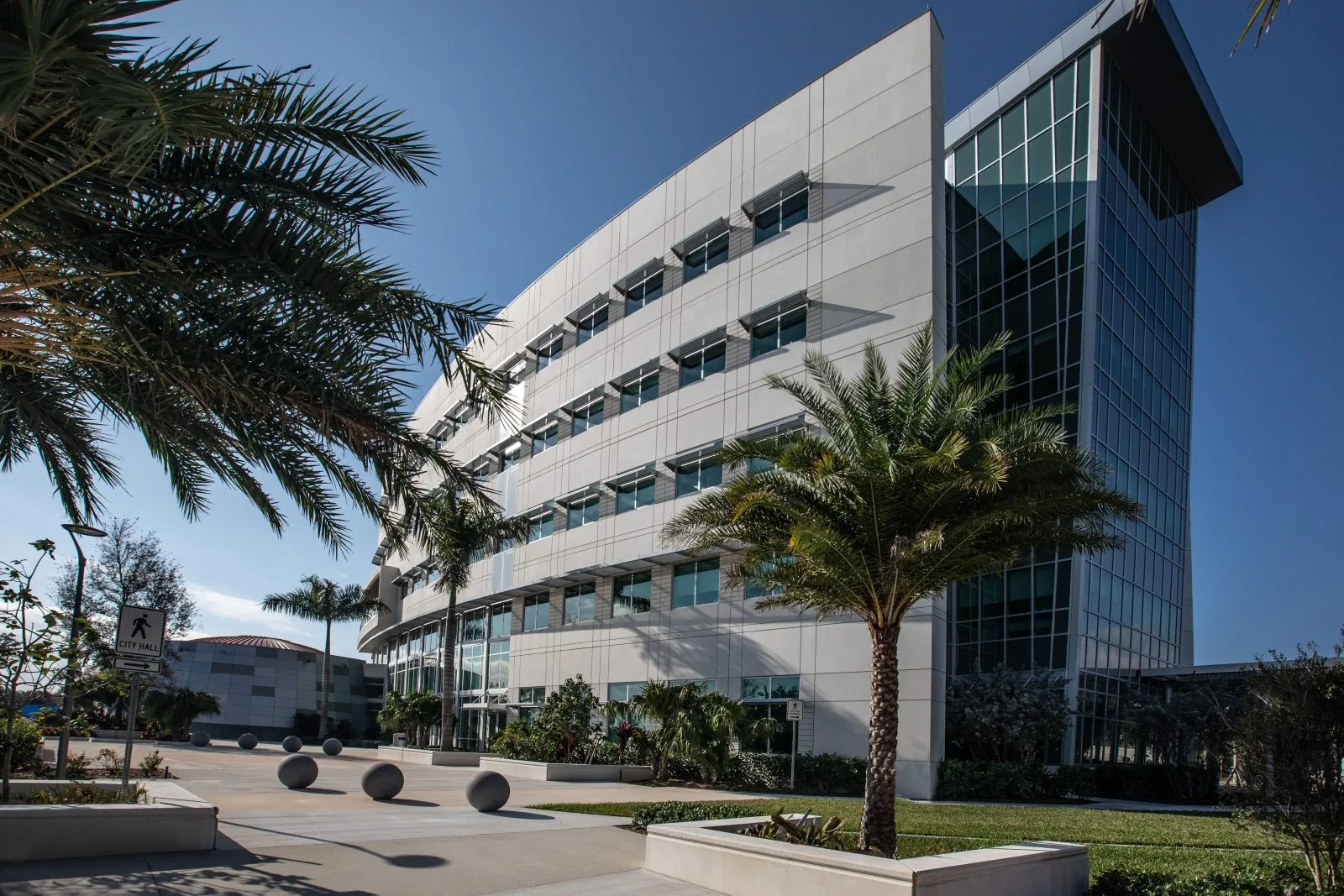
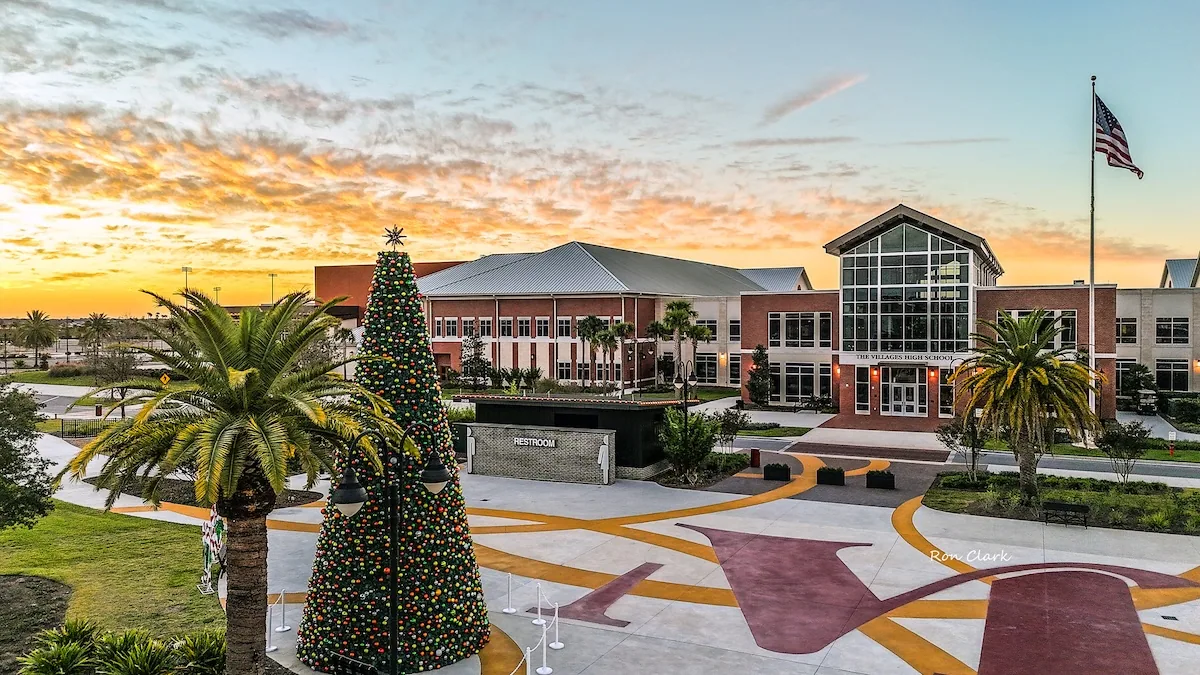
Sunrise contains several multi-building commercial parks with different roof and work constraints. Sawgrass International Corporate Park includes headquarters and regional offices as well as research, financial services, healthcare, manufacturing, and executive uses. Across 550 acres in northern Sunrise, Sunrise Commerce Park accommodates distribution, manufacturing, low-rise offices, executive suites, and multi-tenant operations. Sawgrass Technology Park includes multiple office and technology buildings, so its roof records should stay separated by building and access plan. Sunrise's western district spans four square miles, where office, retail, arena, and mixed-use schedules can affect staging. We confirm the membrane, equipment, access route, occupied zones, and operating schedule at each property before planning the work.
That operating context changes how roofing work is sequenced. A distribution facility may need dock lanes open; an office may require quiet hours and protected entries; healthcare or research functions may impose equipment, intake, or room restrictions. We agree on roof access, material staging, lift locations, debris movement, and interior protection with the facility contact. Each shift has a defined work zone and closeout condition. When a concealed problem changes the plan, photos and a written description give the owner a chance to review the additional work before the boundary expands.
Closeout: Give the owner a usable record
At completion, we document work performed, materials used, roof zones opened, test results, and details that were not accessible. The handoff identifies the completed repair and any remaining condition that needs a later inspection or decision. For a portfolio, keeping each building's records separate prevents a test result at one address from becoming an assumption about another roof. The same zone map can help a facilities team compare a later maintenance visit with the original photographs and repair scope.
To begin, share available roof drawings and system records, reported leaks, prior repairs, equipment constraints, restricted interior areas, and building hours. We will agree on the inspection question and access route, then identify what the field evidence supports. Commercial Roofing Sunrise works with building owners, facility teams, property managers, asset managers, and general contractors who need a specific roof condition translated into a practical scope. The next step should be clear: inspect, test, repair, maintain, or evaluate renewal.
Frequently Asked Questions
What should we send before scheduling an inspection?
Roof plans, assembly records, leak locations, prior repairs, equipment limits, access requirements, and operating hours help define a useful route. We can identify what remains unknown before the visit.
Do you respond to an active leak outside normal hours?
Yes. Response is available at any hour, including weekends and holidays. We work to protect the building and record the affected roof zone, then define permanent repairs from inspection evidence.
How do you decide whether an assembly can be recovered?
Moisture, deck capacity, attachment, material compatibility, drainage, and added height all affect feasibility. We inspect and test the existing roof before describing a recover as an option.
Can roofing proceed while tenants or staff remain inside?
We plan roof zones, access, staging, interior protection, and work periods with the facility contact. The schedule also identifies the daily weather-tight boundary and how a change will be reviewed.
Start with a defined roof question
Send the roof plan, leak locations, available assembly records, equipment constraints, and operating hours. We will set the inspection route and identify the evidence needed for the next decision.