Manufacturing Plant Roofing in Sunrise, FL
Manufacturing Plant Roofing
Manufacturing roofs in Sunrise, FL may carry process exhaust, rooftop equipment, service lines, and penetrations added as production changes. A leak near one unit can trace back to its curb, nearby seam, or a drainage path several bays away. We identify the roof assembly and operating limits before setting a repair or replacement scope. Sunrise Commerce Park includes manufacturing among its distribution, office, and multi-tenant uses. At each plant, we verify the roof assembly and process-equipment curbs before specifying tie-ins. A roof inspection maps the defects, access routes, and operating areas that shape the work sequence.
Property Types We Roof in Sunrise, FL
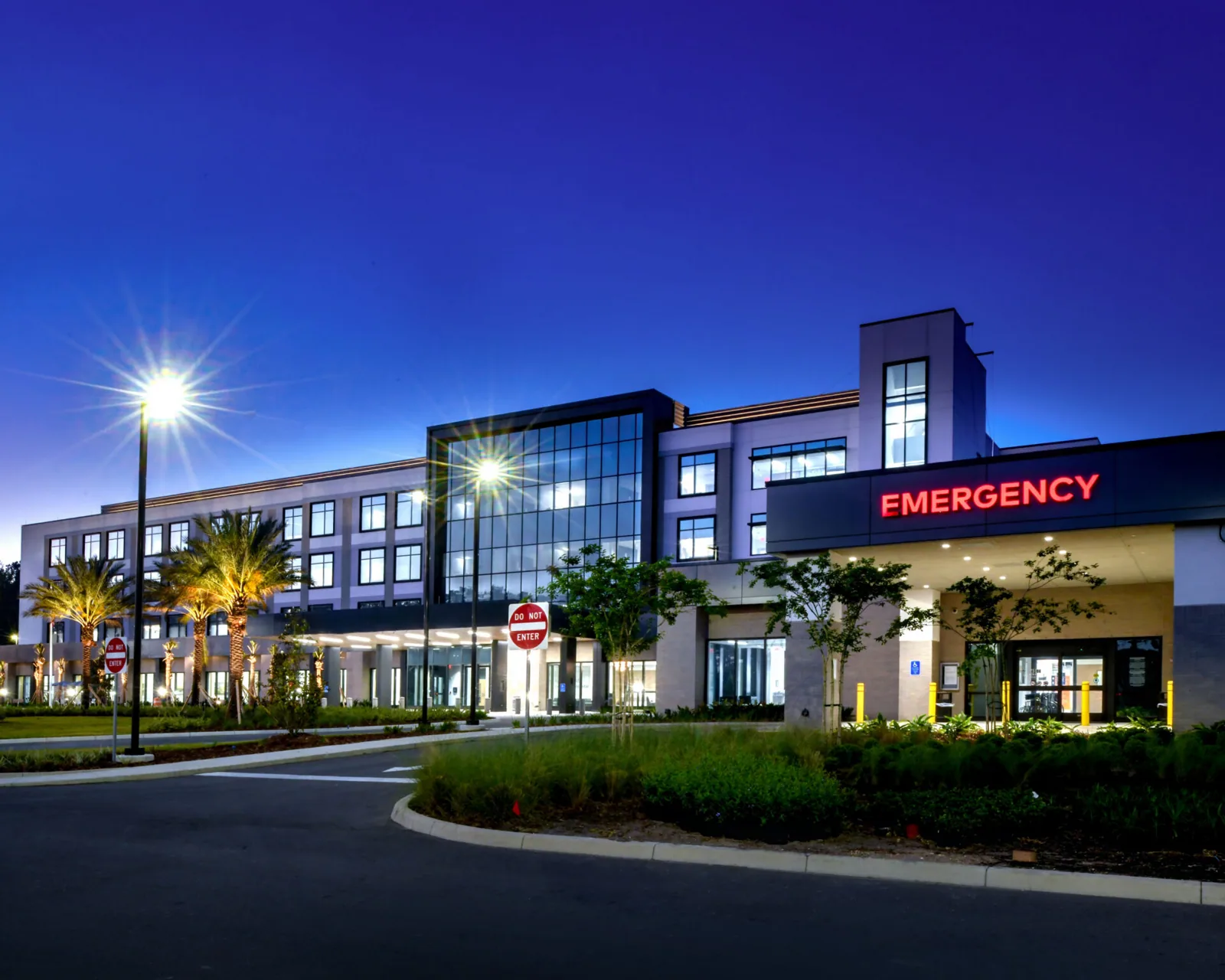
Manufacturing roof repair in Sunrise with exhaust, equipment, drainage, and production schedules included in the inspection and work plan.
Process equipment: Inspect the roof at each interface
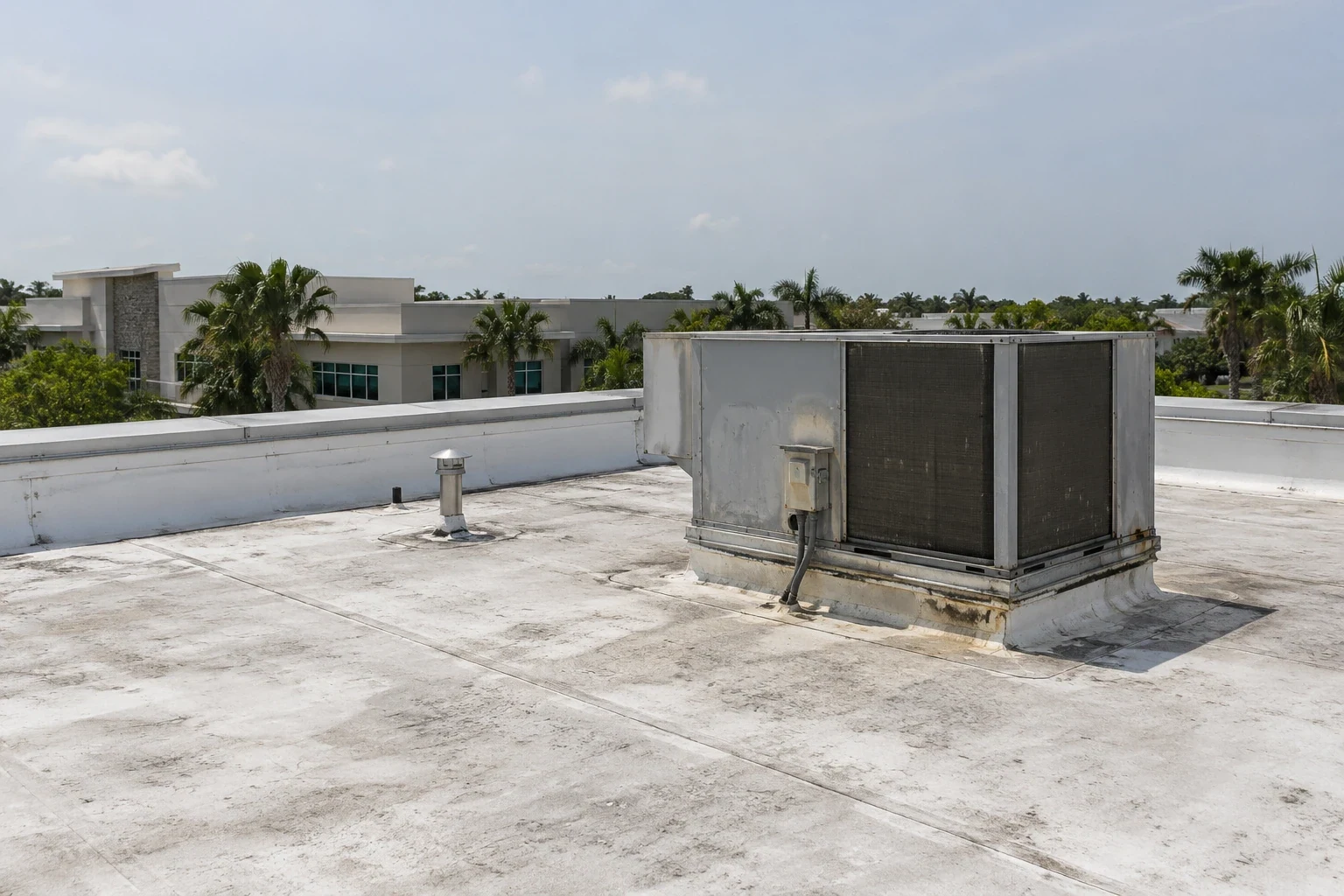
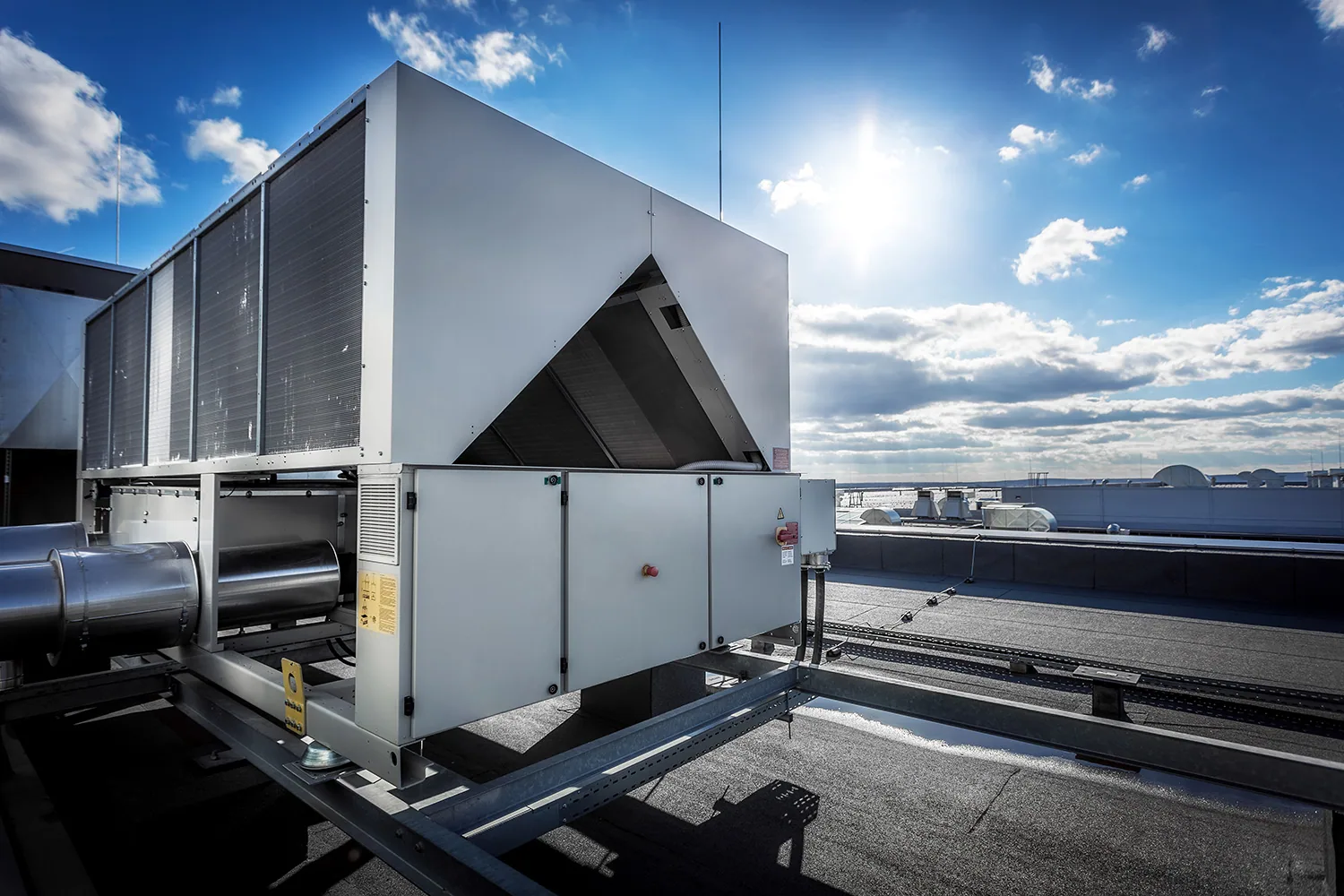
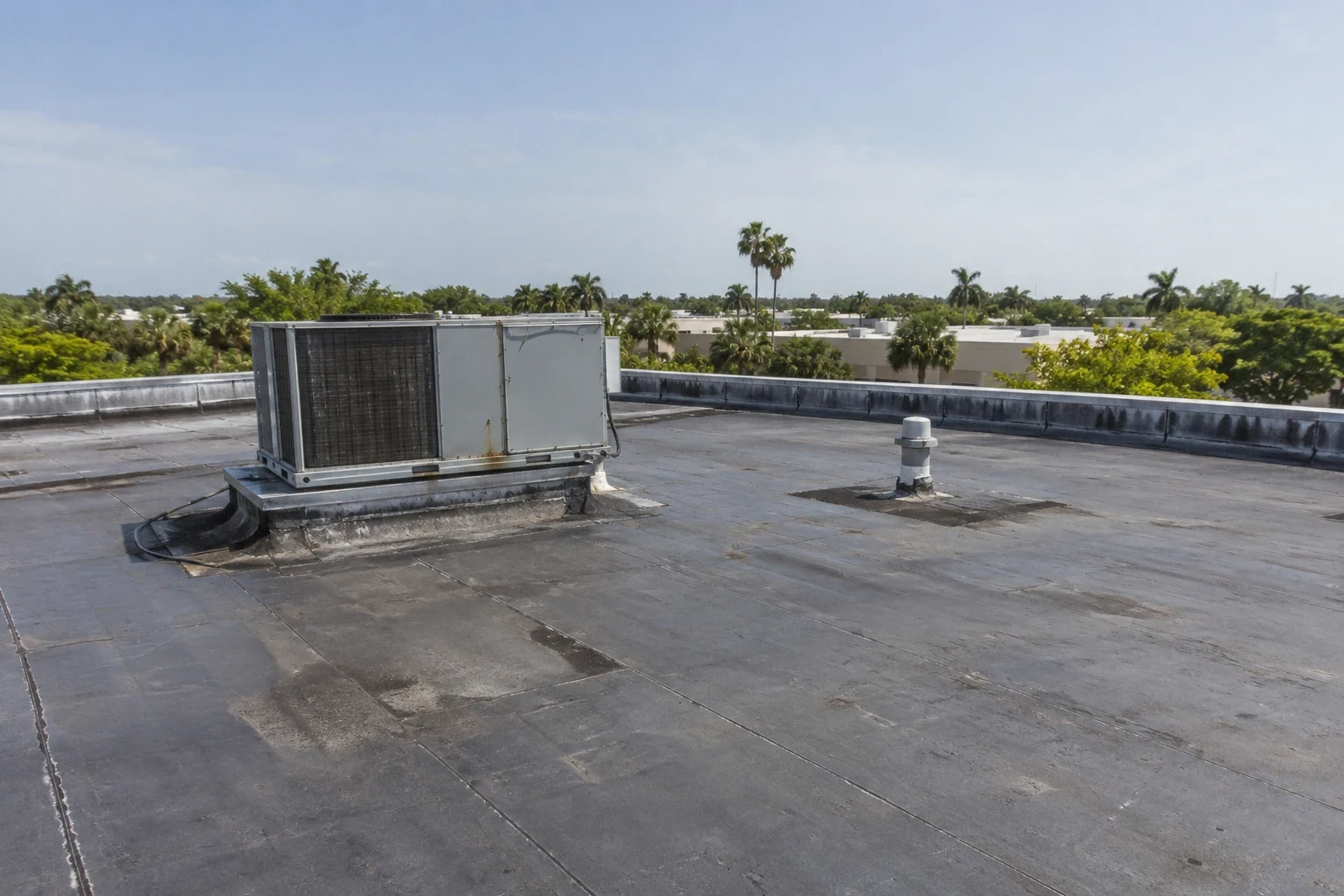
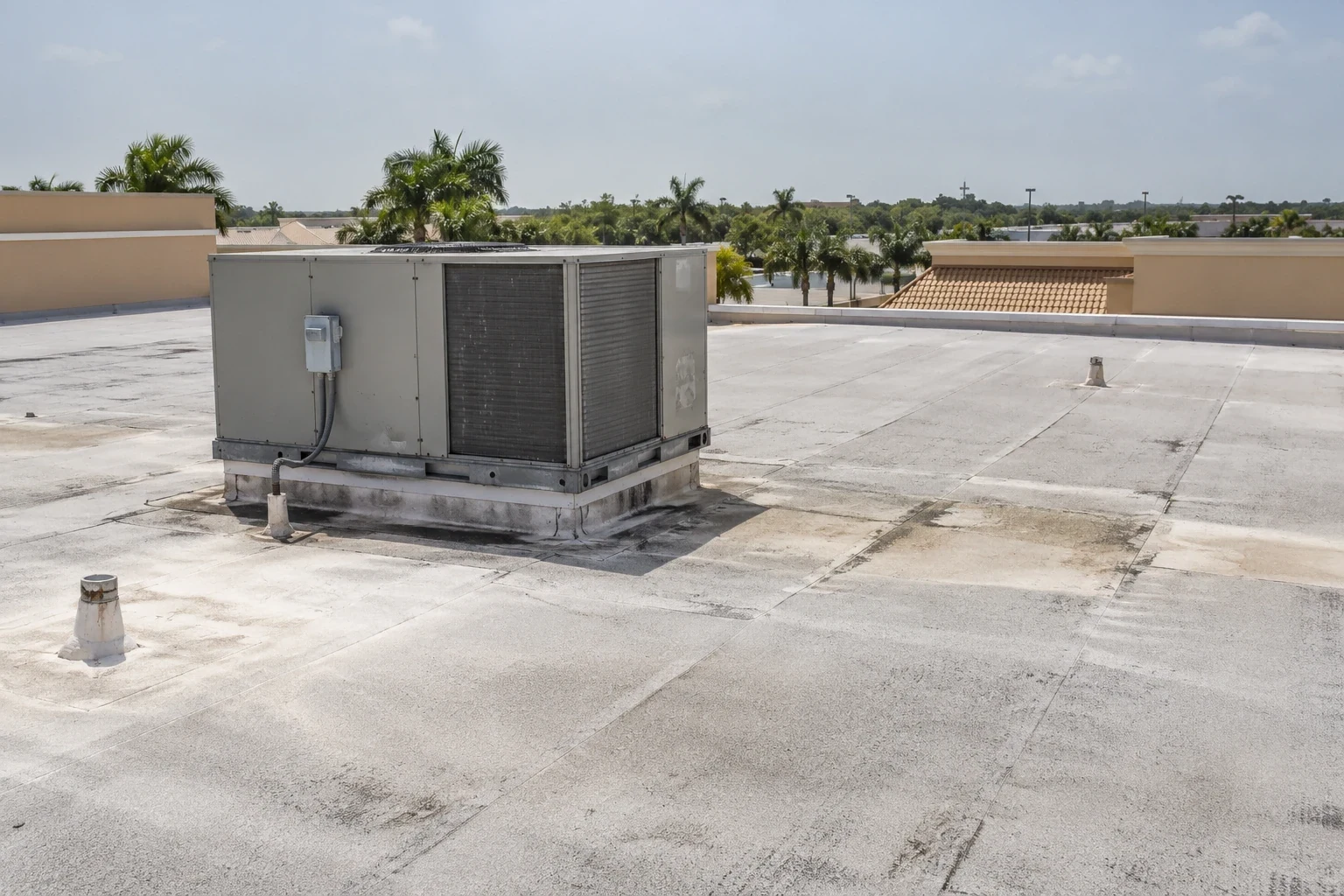
Exhaust fans, ducts, pipes, electrical raceways, supports, and curbs create roof details that can move or require repeat service. We look for separated flashing, loose counterflashing, stress around a curb, penetrations added through an older patch, and walk paths that wear the membrane. Vibration can loosen supports or open a transition. The inspection should note which equipment stays online and which unit can be isolated for repair, rather than treating all roof openings as a single detail.
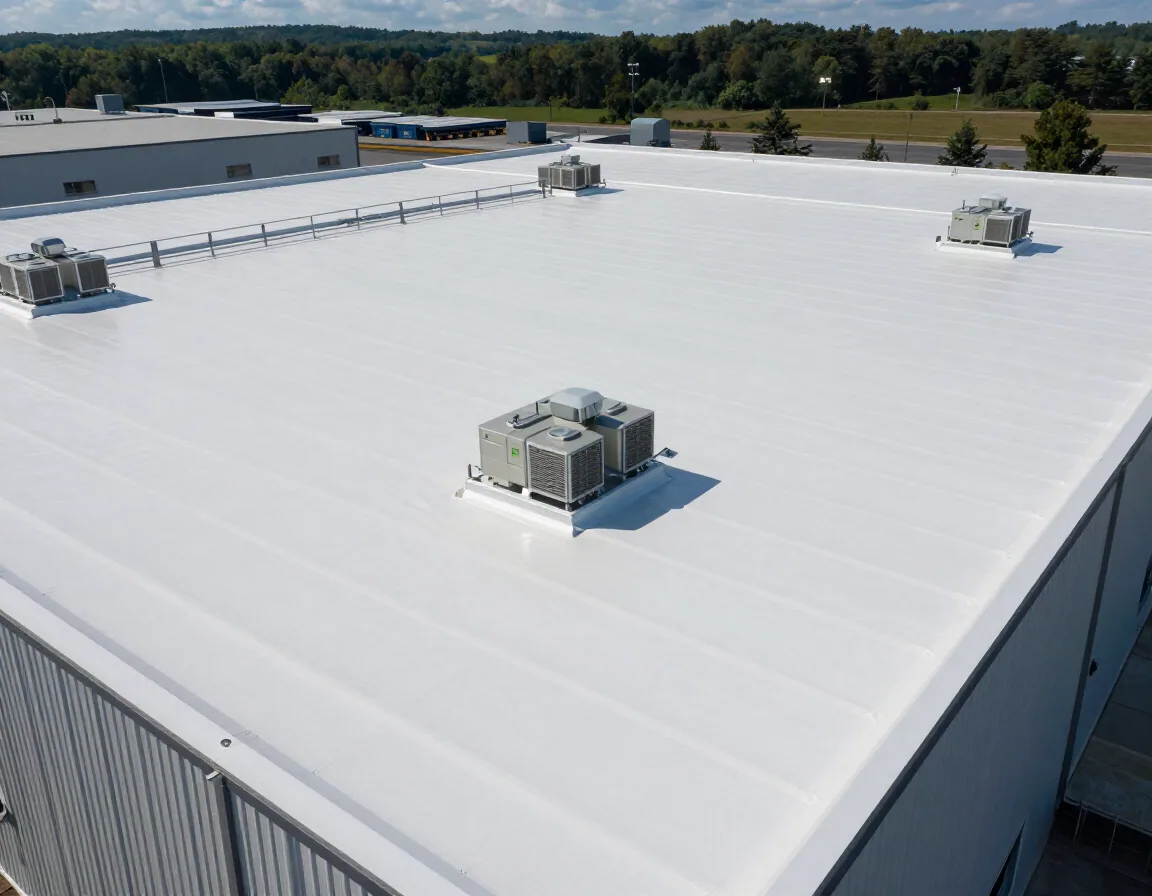
Manufacturing campuses can expand in stages, leaving different roof assemblies over connected production areas. Sawgrass Technology Park has offices, technology, and technology uses across a multi-building campus, while Sunrise Commerce Park includes industrial and manufacturing activity. We inspect the plant’s actual assembly, penetrations, drains, and rooftop equipment before recommending a repair or replacement. We record the actual membrane, deck where visible, fastening pattern, insulation, and prior repair layers in each plant zone. A curb and support assessment can coordinate roofing with mechanical work, and a condition report can preserve the map for future shutdowns.
Leak path: Separate process release from roof entry
Water below an exhaust hood or process line can be mistaken for condensation, a pipe issue, or a roof leak. We compare the timing and location reported inside with weather, equipment operation, roof seams, flashing, drains, and the underside where accessible. If condensation remains plausible, that question should be checked with the mechanical team. Roof testing checks membrane condition, penetrations, and insulation to trace moisture to a specific assembly detail.
When concealed wet material could change the repair area, targeted testing can determine whether the membrane is the only affected layer. A test opening records the actual assembly and whether the substrate accepts a durable repair. The work plan shows the sample location, findings, and repair method so the plant can review what was confirmed before a wider removal starts. Infrared patterns may help prioritize locations, while direct inspection determines the repair boundary. For a plant that reports moisture near washdown or process equipment, we compare the timing with rainfall and operating cycles and keep the mechanical question separate from the roof findings. This is especially useful where old and new production areas meet or a roof addition interrupts the drainage plane. We can test the existing insulation at that transition and record whether the sampled layers remain suitable for repair.
Assembly and runoff: Match repair to plant conditions
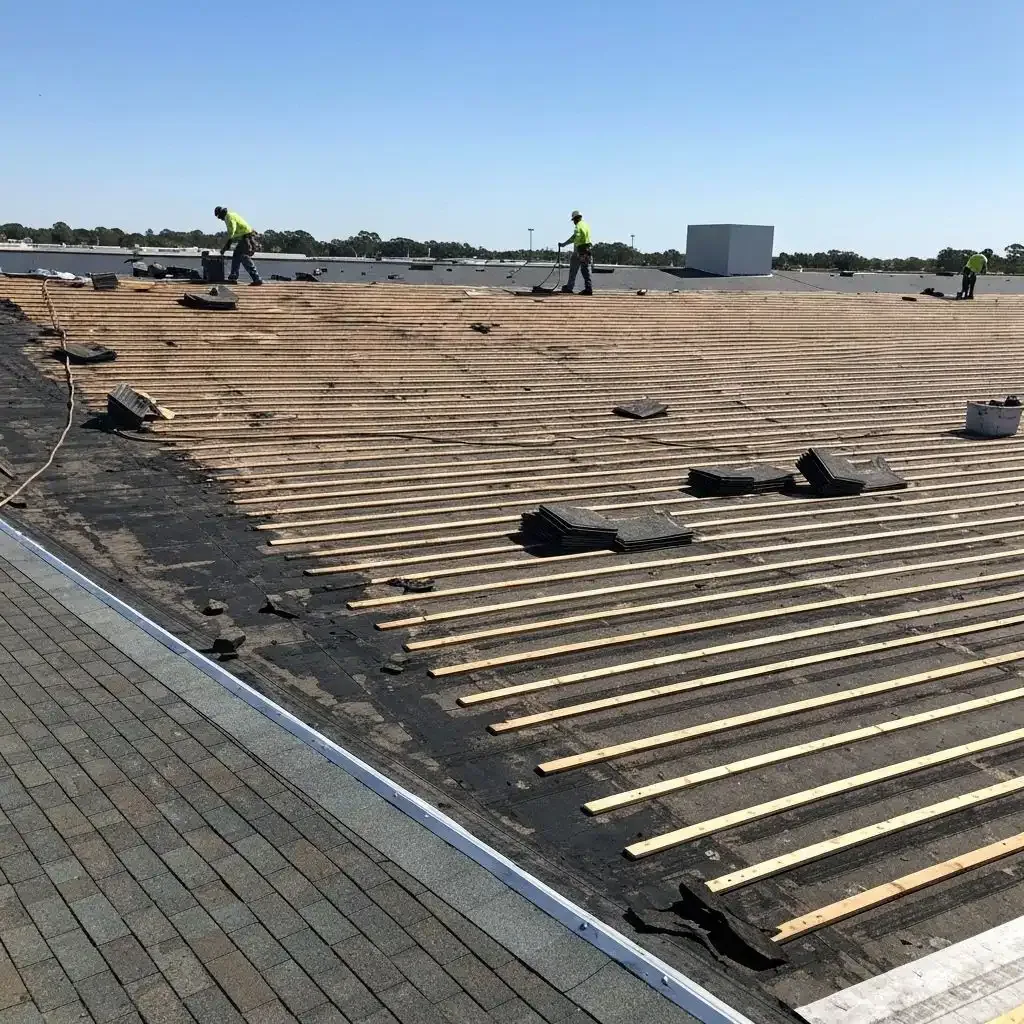
A mechanically attached membrane, adhered sheet, built-up roof, metal panel, or coated surface each needs a compatible repair. We inspect seams, fasteners, surfacing, and transitions before ordering material. A patch can fail when it bridges a moving joint or bonds to a contaminated surface. If the roof includes multiple systems, the plan identifies each section and its different flashings rather than choosing one repair method for the entire plant.
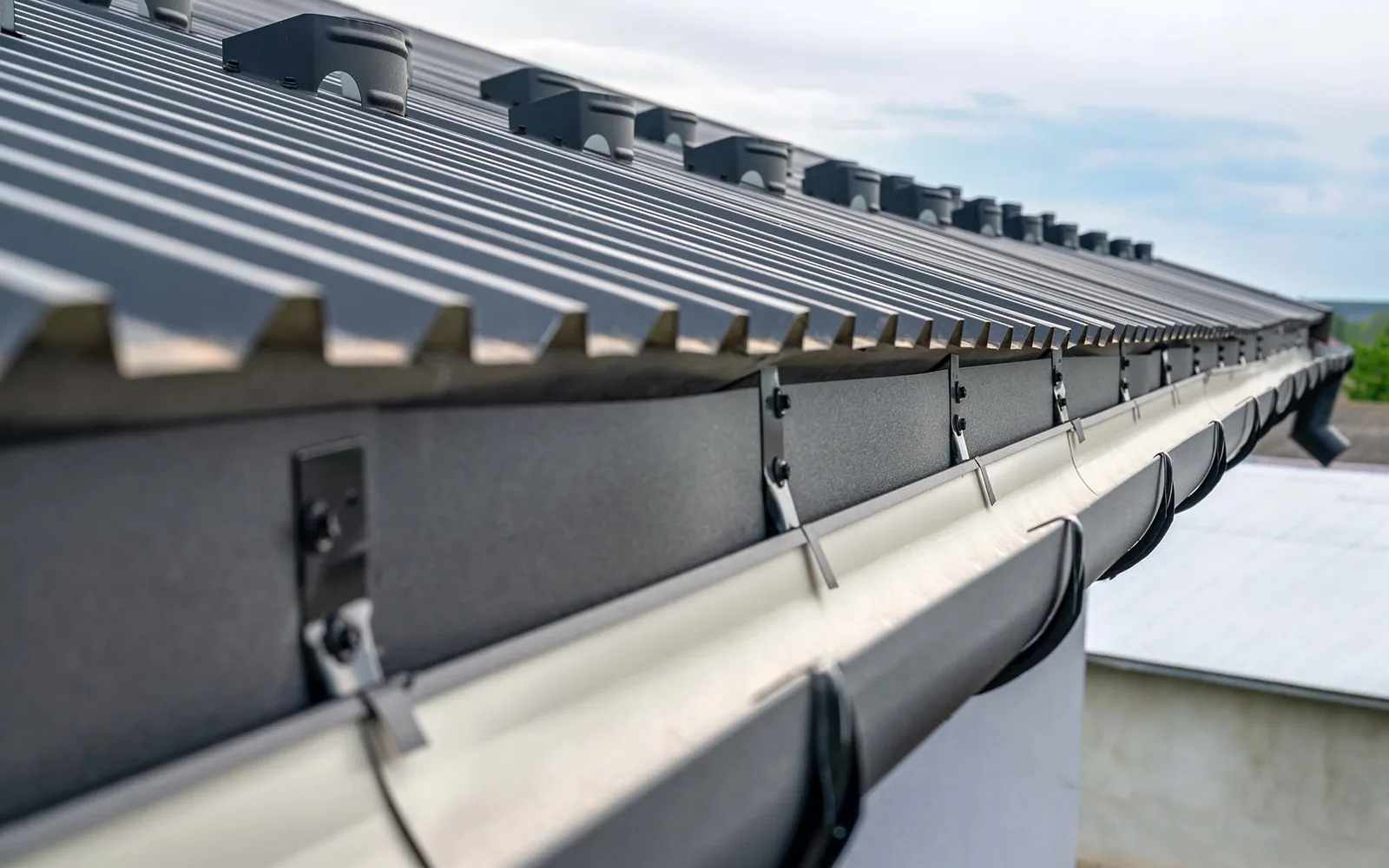
Sunrise's wet season concentrates heavy rainfall, and the Fort Lauderdale normal puts 37.49 inches in that part of the year. Drain bowls, overflow routes, scuppers, and gutters should be checked before the production area below is affected. A drainage service can clear and assess outlets; for a membrane comparison, TPO roofing and modified bitumen involve different seam and flashing methods. The proposal connects the selected material with the actual assembly and notes any equipment work outside the roofing scope.
Production window: Define shutdowns and protected zones
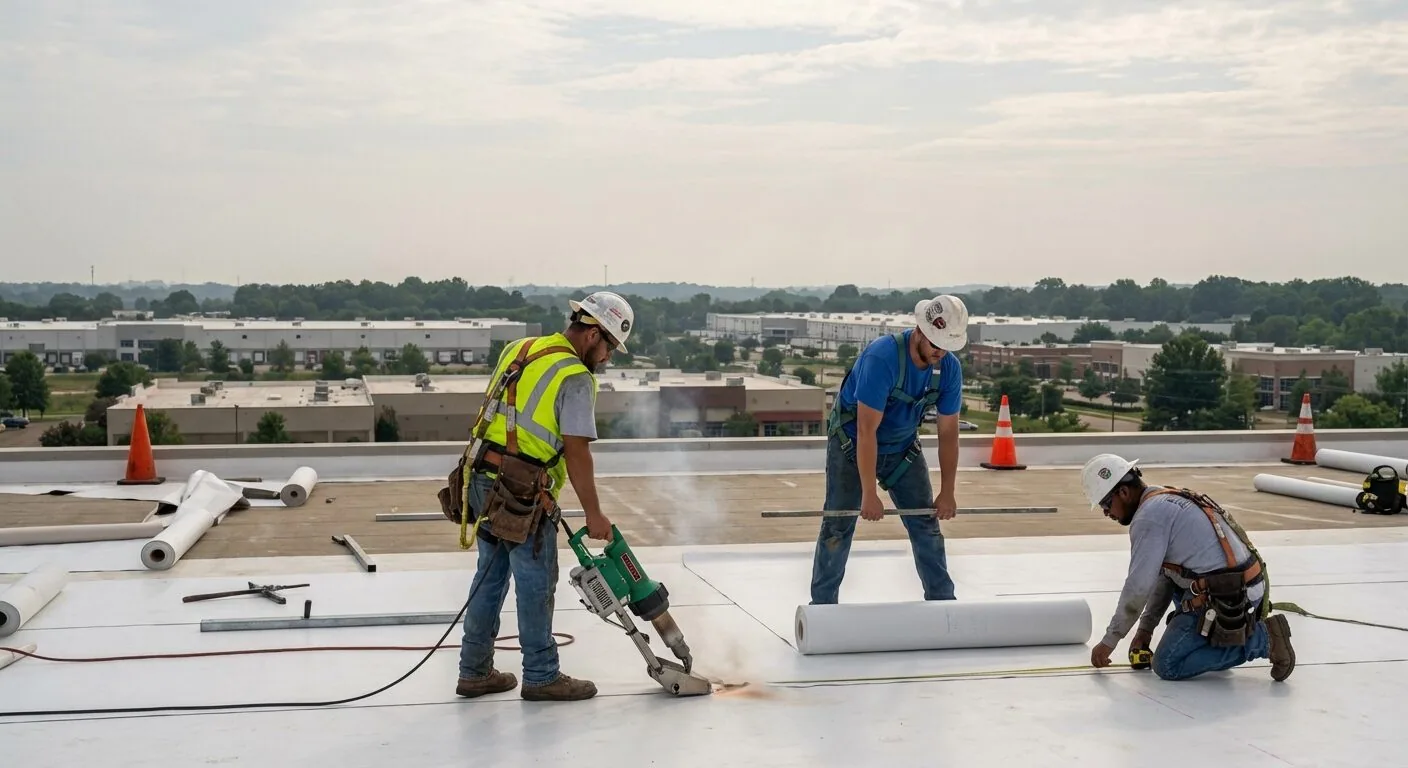
Roof work near a production line needs an agreed window for equipment shutdown, rooftop access, interior protection, and reopening. We mark the area that can be worked safely, identify any exhaust intake or process opening that needs cover, and coordinate the path for tools and removed material. If an emergency repair is needed, the first visit can secure the leak area and identify what must be inspected once operating conditions allow. Before cutting or grinding near production, we confirm interior protection, collect debris, and identify whether dust-sensitive equipment or materials need to be covered. The agreed work limit should be visible to both roofing and plant staff.
In a large plant, dividing work by roof zone can reduce interference, but the temporary boundary must remain watertight through the shift. The sequence identifies who may authorize an equipment change, how the crew will communicate weather holds, and where debris or coating materials may be staged. A phased work plan can preserve designated routes for plant personnel and maintenance contractors. If the facility has adjacent warehouse or cold-storage space, separate warehouse roof and cold-storage roof conditions should stay on their own building records.
Scope record: Tie each repair to a production area
Repair is appropriate when the leak path and damaged material can be isolated and adjoining membrane remains serviceable. Repeated failures at multiple penetrations, widespread wet insulation, deteriorated deck, or incompatible layers may support a larger project. We identify the observation and test that supports each option. The estimate distinguishes confirmed roofing quantities from equipment relocation, structural repair, or testing that needs separate approval.
Sunrise's road network connects industrial sites to I-595, I-75, and the Sawgrass Expressway, while a plant's own receiving and shift calendar governs daily access. For a manufacturing roof in Sunrise, provide the roof plan, process equipment list, shutdown limits, leak reports, and earlier repair documents. Closeout includes zones repaired, materials installed, photographs of concealed conditions, and any issue left open for mechanical or structural review. The plant's next maintenance visit can then focus on the areas with actual evidence rather than repeating a broad walk without a roof map.
Frequently Asked Questions
Can roof repairs be completed without stopping production?
Some repairs can be isolated by area, but the process equipment, exhaust, roof access, and interior protection determine whether a shutdown is required. We identify affected zones and coordinate with the plant contact before work. Any opening must have a defined weather seal before the crew leaves.
How do you tell a roof leak from condensation near process equipment?
We compare the timing, interior location, roof-side penetration, membrane condition, and operating pattern. Condensation may need review by the mechanical team. Roofing tests focus on the assembly and water path, with that finding listed separately from any process-system question.
What roof information matters for a manufacturing plant?
The useful record shows membrane type, drains, exhaust and piping penetrations, equipment supports, walk routes, repair history, and any different roof sections. Add production windows and equipment that cannot be shut down so the proposed sequence fits the plant.
When should a plant replace a roof instead of repairing it?
Broad moisture, unstable deck, repeated failures across separate process penetrations, or incompatible roof layers can make recurring patches a poor choice. We test the assembly where needed and compare a mapped repair area with removal and replacement quantities.
Can work be phased across connected production buildings?
Yes, when roof sections and access can be separated safely. We plan the temporary boundary, weather closure, equipment constraints, and material route for each phase. Separate structures or assemblies receive separate roof-zone records and closeout photographs.
Set the roofing sequence around plant operations
Share equipment locations, process limits, leak history, roof plans, and allowed work windows. We will inspect the interfaces and drainage before defining repairs or larger renewal work.
Call 555-555-5555 or request a roof assessment.