
Built-Up Roofing in Sunrise, FL
Built-Up Roofing
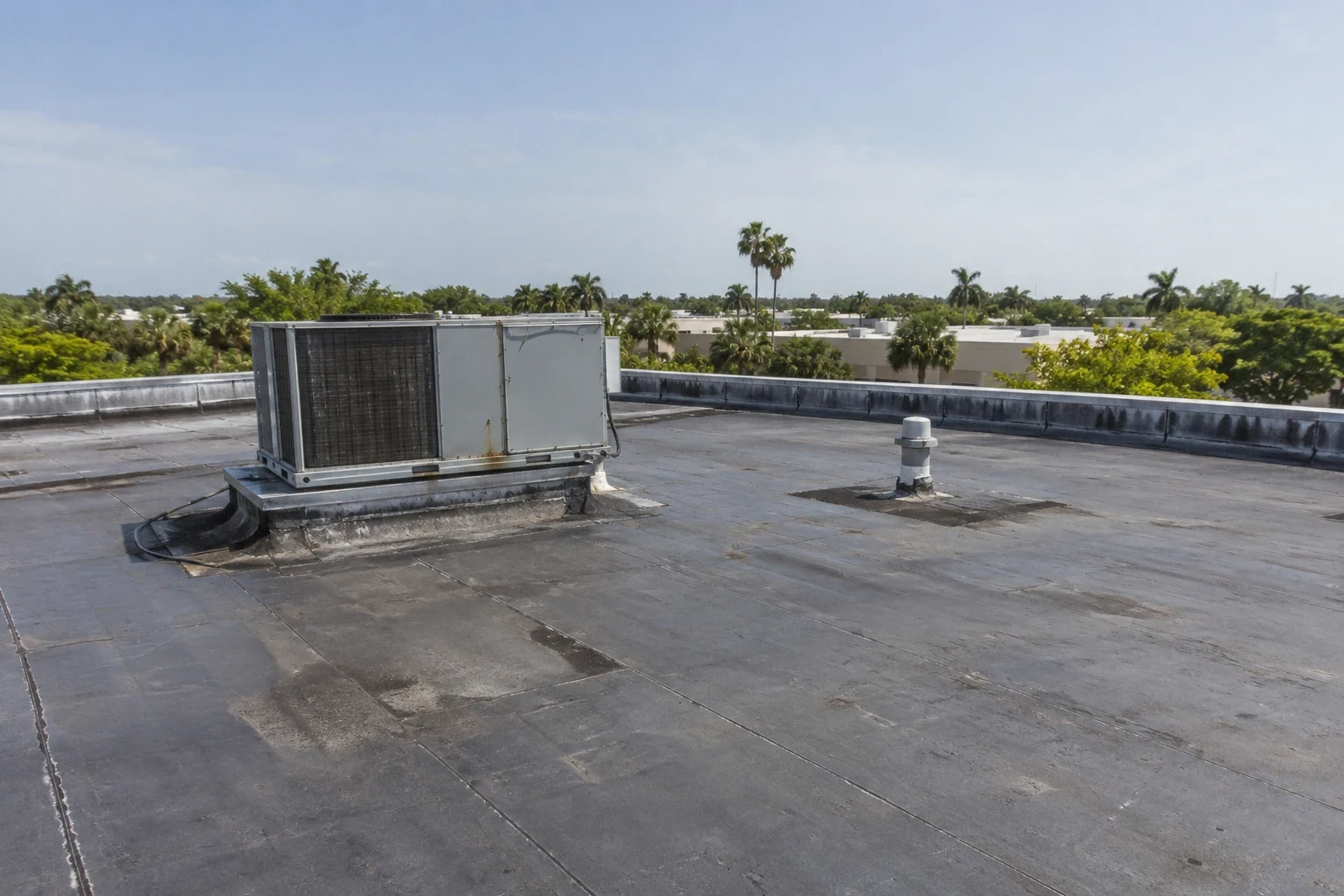
Built-up roofing is a multi-ply assembly of bitumen and reinforcing felts, often finished with aggregate, a cap sheet, or another protective surface. Its repair depends on the number and condition of layers, the interply bond, surfacing, and substrate. In Sunrise, FL, we inspect the roof surface and accessible edges before deciding whether to patch, recover, or remove the assembly. Granules, gravel, or dark bitumen do not show how many plies remain or whether moisture is trapped below. Sunrise Commerce Park includes manufacturing, distribution, office, and multi-tenant buildings; Broward Lakes Business Park has flex and office properties. Each roof's records and service history should be checked independently. A roof inspection maps observed conditions, while a replacement review can define a removal boundary when the plies or deck cannot remain.
Roof Systems in Sunrise, FL
Inspect and repair built-up commercial roofing in Sunrise, FL with ply, surfacing, flashing, drainage, and moisture conditions documented by zone.
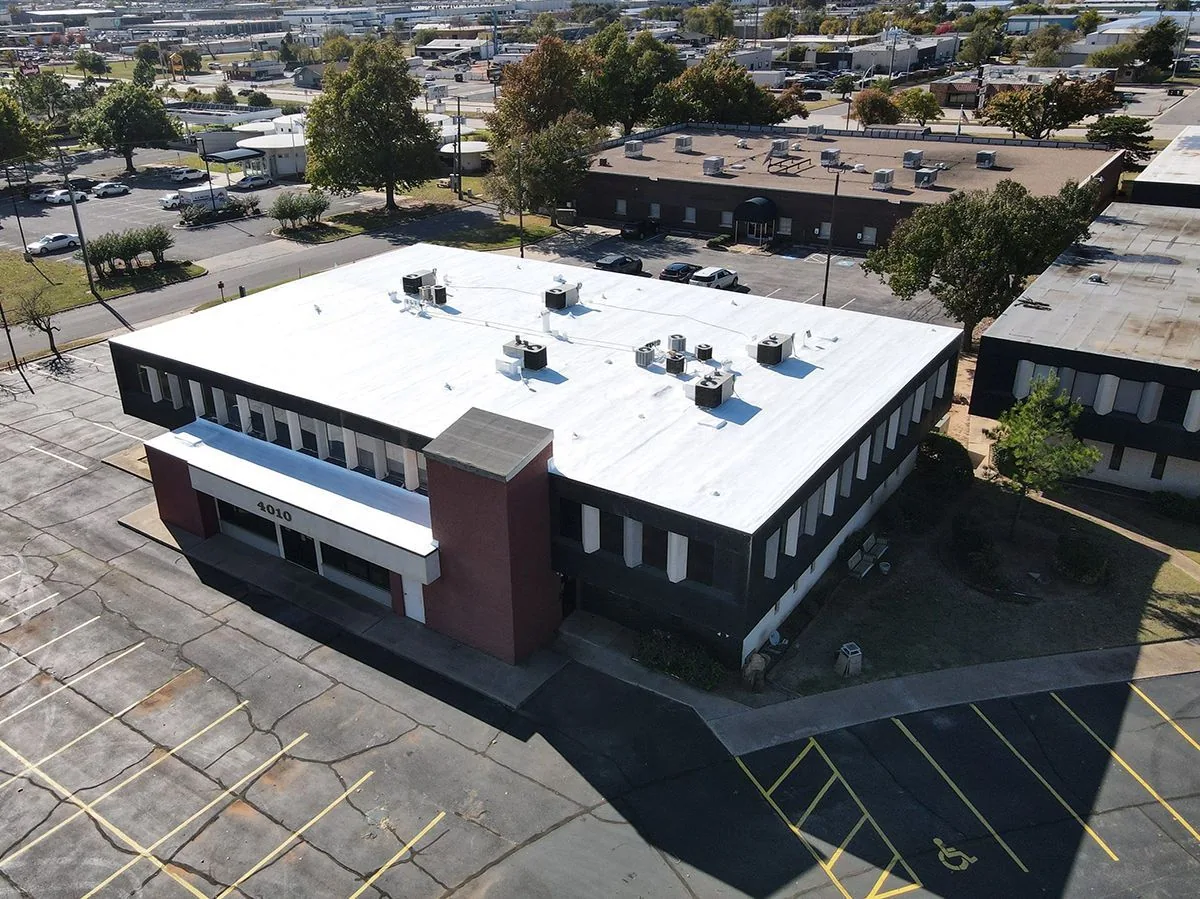
Ply count: Verify the build-up before opening the scope
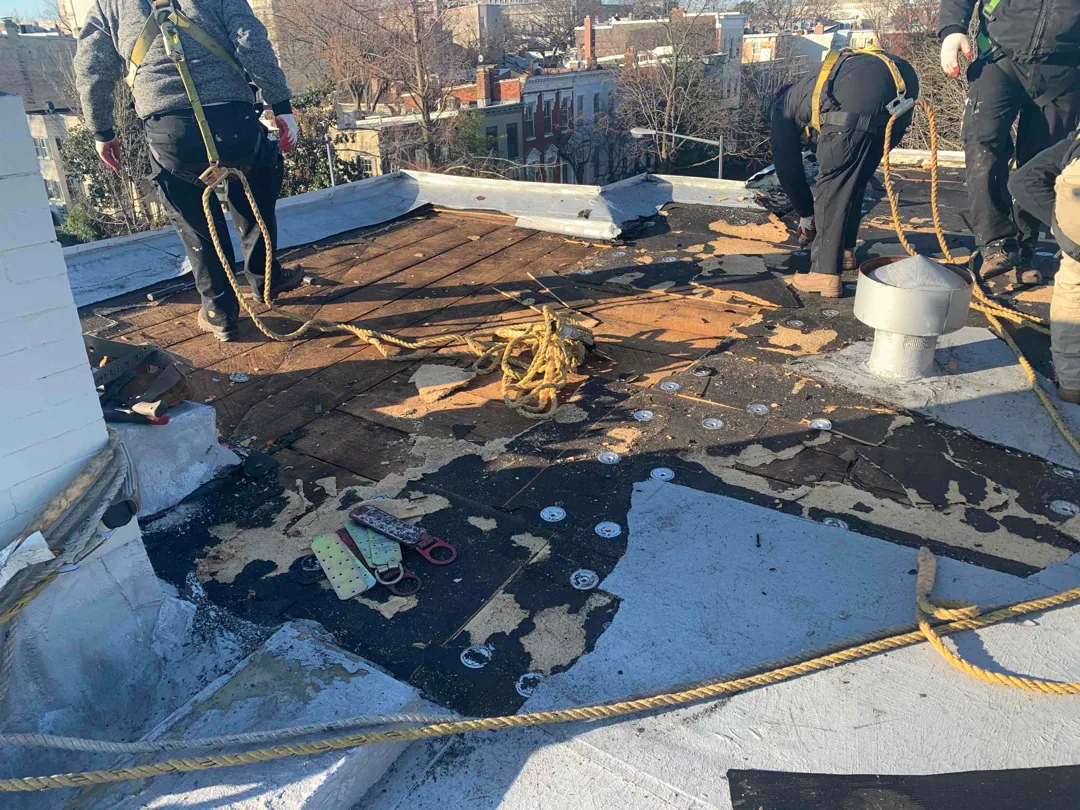
Available drawings and maintenance records can describe the roof, but an exposed edge or test cut may be needed to confirm the installed build-up. We identify the surface, reinforcing layers, bitumen between plies, insulation, cover board, and deck where visible. The inspection notes whether the plies are separated, fractured, saturated, or still bonded. A previous recover can add layers that are not apparent from the roof surface, so test locations are chosen to answer a specific question.
The number of layers affects repair access, tear-off volume, edge height, and the amount of material that can be removed in one shift. If a roof section contains more than one system, the work plan identifies where the assembly changes. A condition report can keep test results and photographs tied to each zone. At a warehouse roof, we map large areas and equipment routes while recording the inspected building's own assembly details.
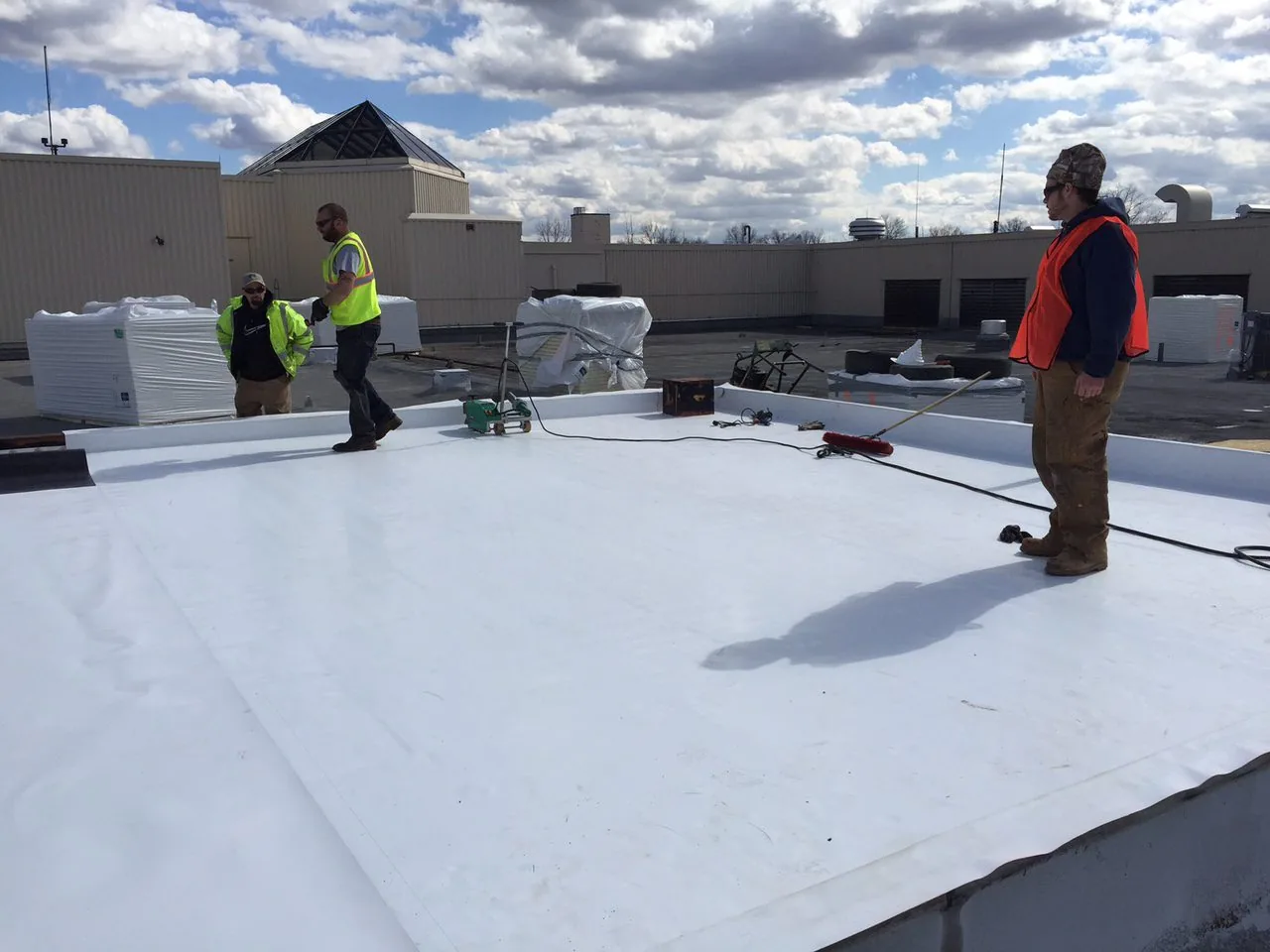
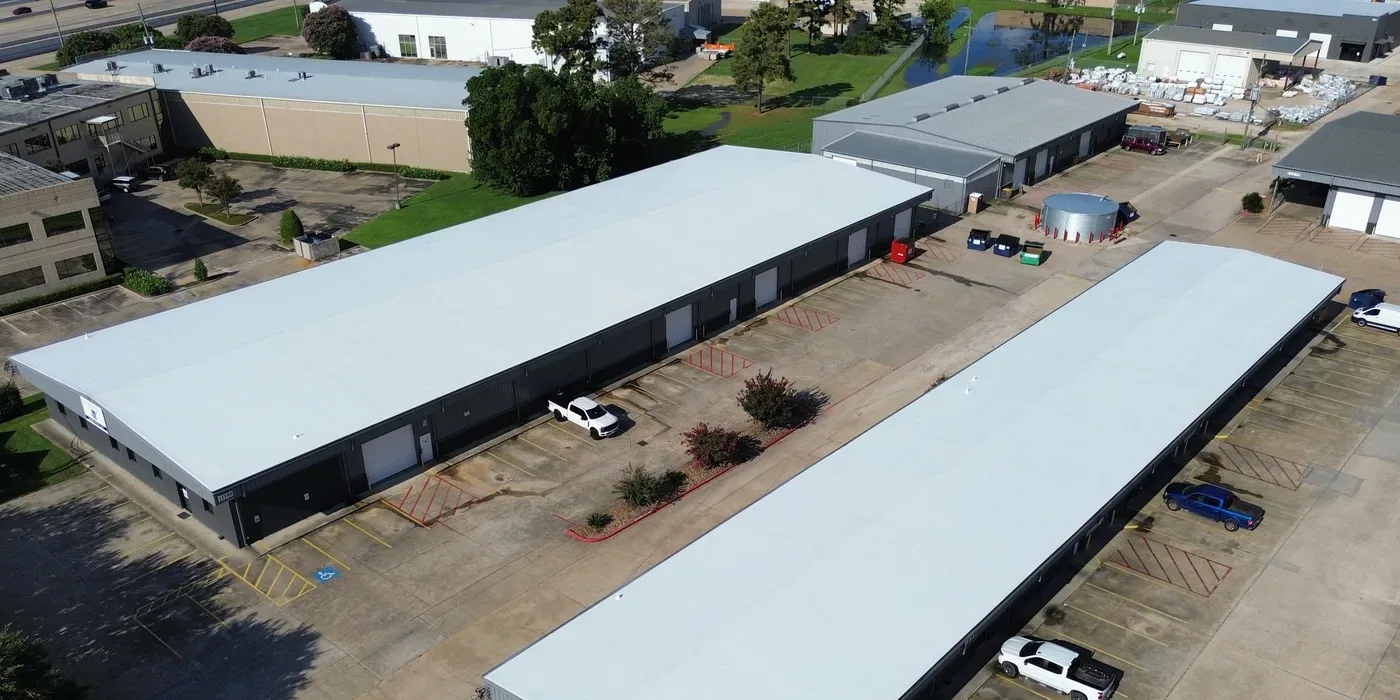
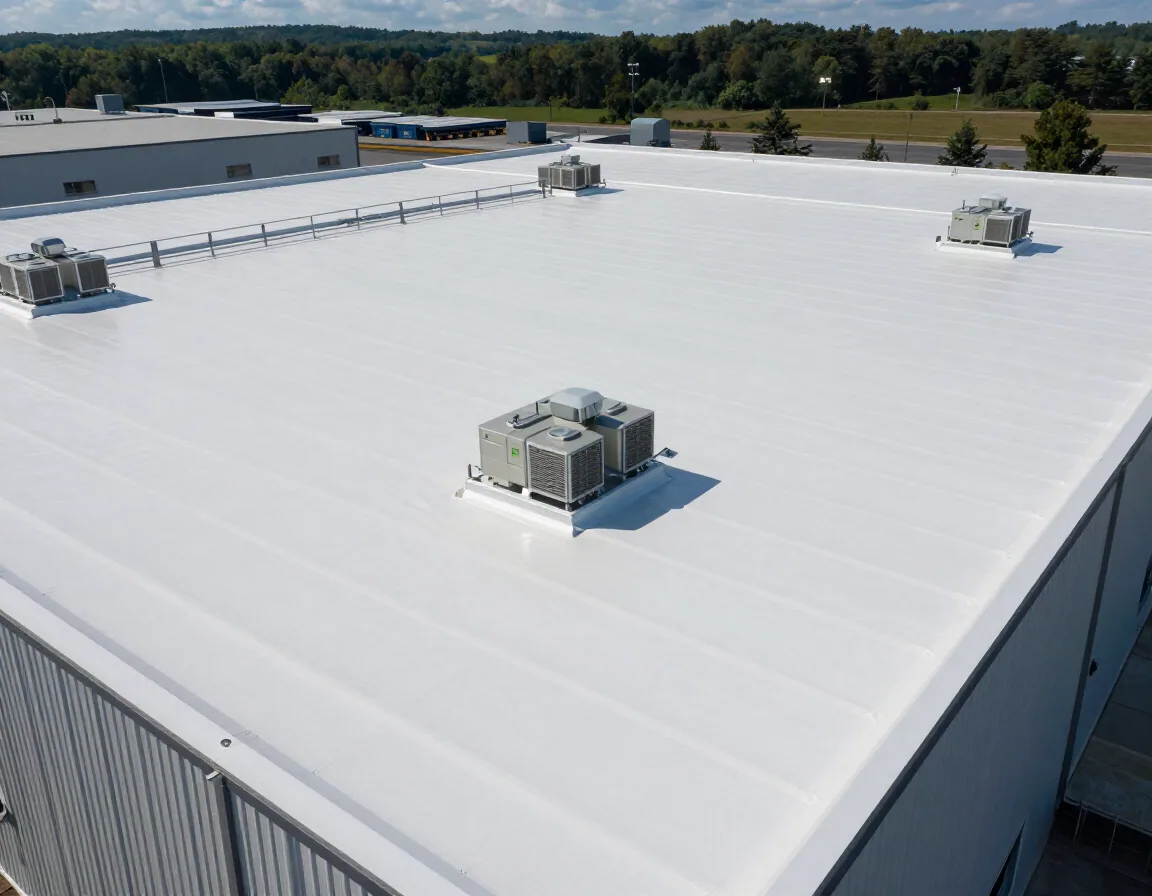
Surfacing: Read gravel, coating, or cap sheet separately
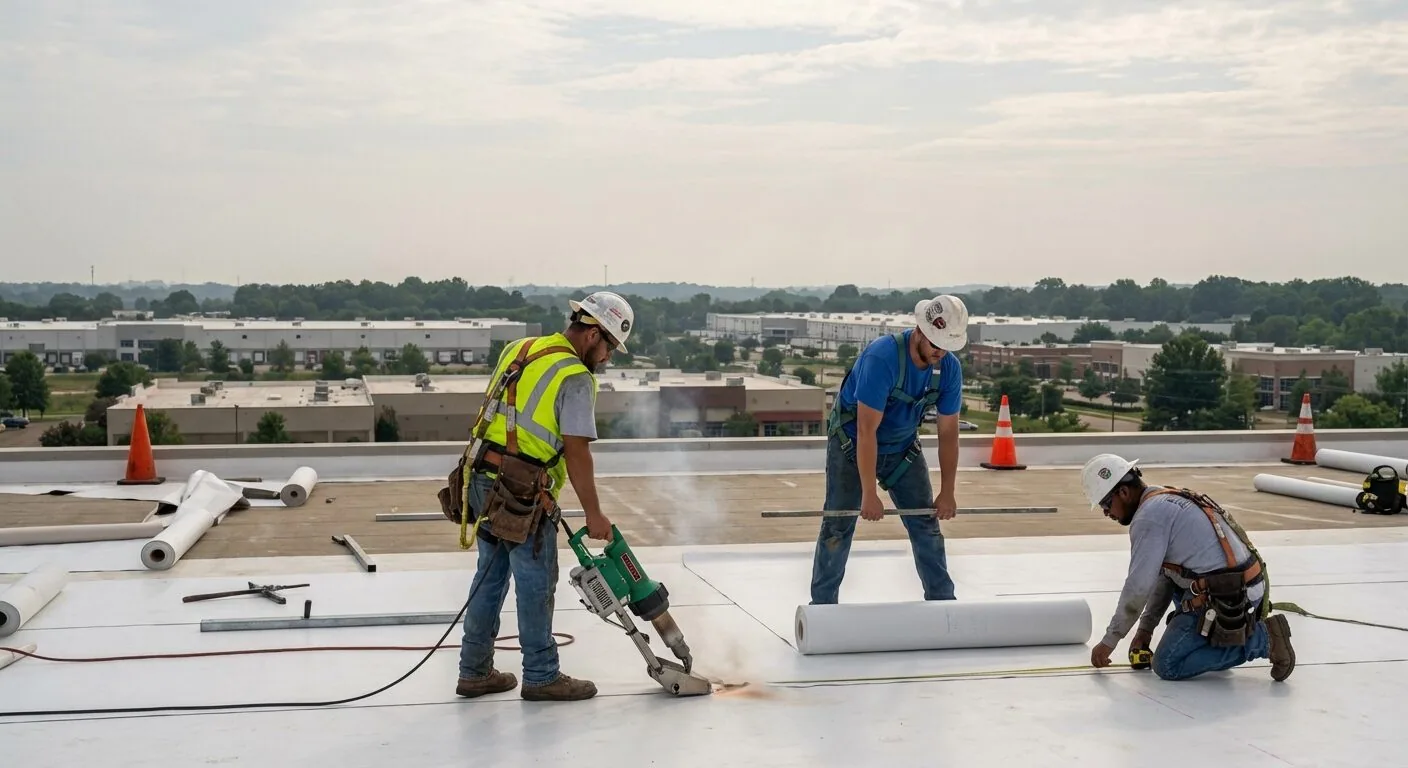
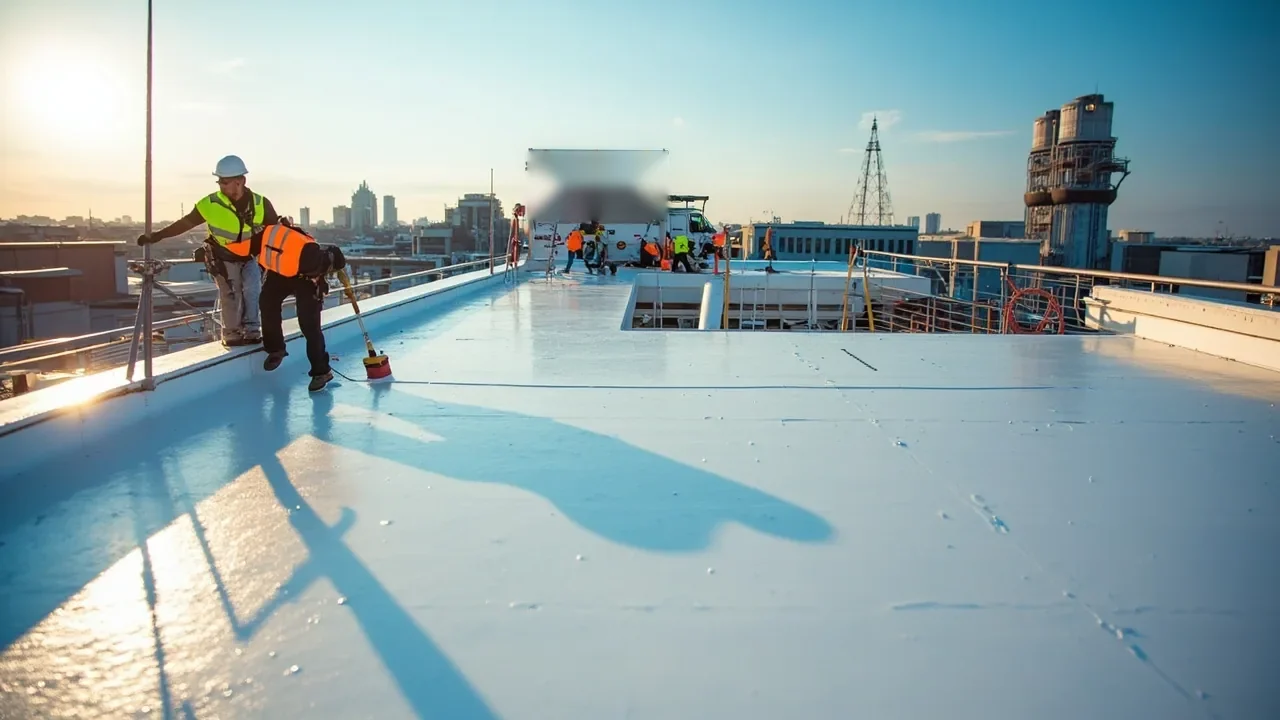
Aggregate protects some built-up roofs from sunlight and foot traffic, while other systems use a smooth or granulated cap sheet. We look for displaced gravel, bare bitumen, exposed reinforcement, ridges, depressions, and areas where surfacing has been swept toward a drain. Loose aggregate can hide small splits or complicate a patch, so it may need to be moved and restored as part of the work. A coating over a rough or dirty surface will not automatically correct a defective ply beneath.
Where the surface is smooth, we inspect for cracking, blistering, alligatoring, open laps, and previous patches. The visible pattern guides testing but does not establish moisture depth. We record the area and determine whether a core, probe, or localized opening is needed to choose the repair. If the owner is comparing assemblies, a modified-bitumen system review can describe a different membrane construction, and TPO roofing can provide a single-ply comparison. The recommendation remains tied to the existing roof, not a surface preference alone.
Leak path: Separate surface damage from hidden moisture
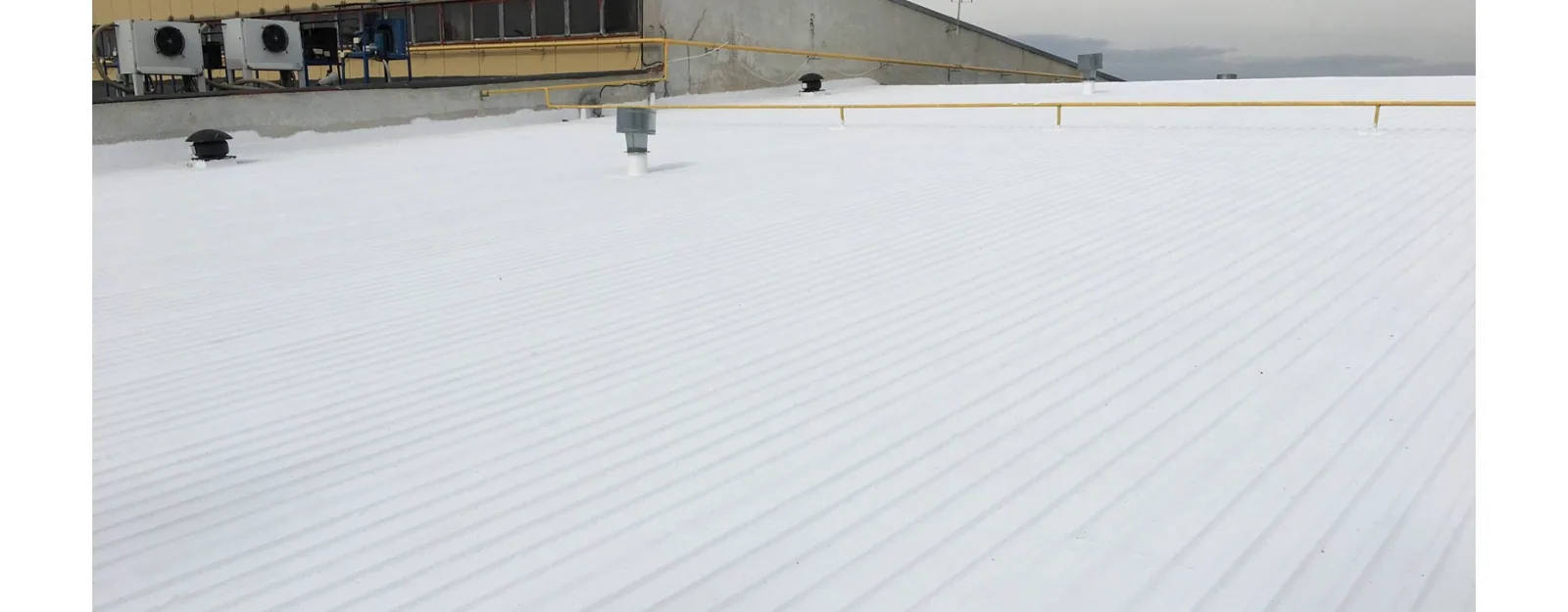
Water can move between plies or along a deck before it appears indoors. We map the reported room, time of leakage, roof zone above, and any visible stain or blister. At an opening, the inspector records which layers are wet and where dry material begins. If the field surface is intact, drains, walls, penetrations, and equipment transitions are checked before the owner approves a broader tear-off. Observed water entry and the suspected entry point remain separate on the plan until evidence connects them.
Fort Lauderdale's climate normals show 60.95 inches of annual rainfall, and the South Florida rainy season brings a concentrated share of that water. On a Sunrise roof, we check the route to each outlet and the condition of transitions to see how the assembly handles runoff. Inspection findings establish whether a repair is needed. A drainage review can inspect the outlet and overflow path, and an authorized test opening can establish whether the plies below are affected.
Details: Tie repair into drains, walls, and equipment
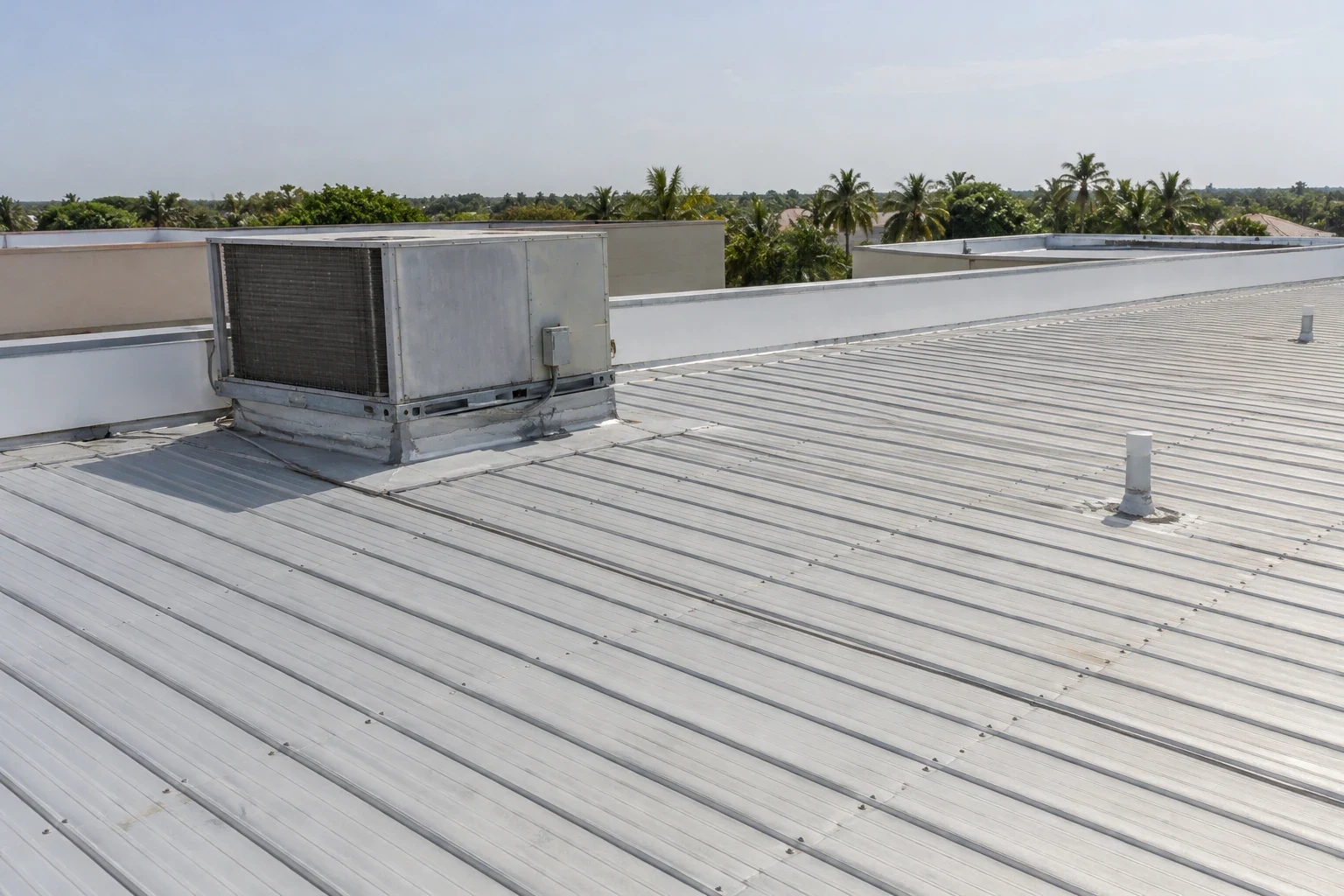
Built-up roofs need secure transitions at drain bowls, scuppers, parapets, curbs, and expansion joints. We check whether bitumen and reinforcing layers turn up or terminate as specified, whether metal has separated, and whether movement has opened a joint. Gravel or coating may have accumulated at an outlet and should be cleared before drain condition can be judged. At a wall, flashing should shed water without leaving bitumen exposed at the top edge.
Equipment bases can settle or vibrate, stressing the surrounding plies. If a curb needs lifting or replacement, the roofing and mechanical scope must be coordinated so the opening does not remain exposed. A repair estimate lists membrane work, metal, equipment, and drainage tasks separately. Sunrise Commerce Park's manufacturing and distribution uses may require a specific access window for roof work; we confirm the building contact and staging plan before moving material. A curb and support review can coordinate those interfaces.
Repair or recover: Use evidence to define the next layer
A local patch can be appropriate when the affected ply is bounded and the surrounding assembly is dry, bonded, and stable. If test cuts show wet insulation, delaminated plies, or a deteriorated deck across several areas, isolated patching may not correct the underlying condition. We identify confirmed removal quantities and note where an additional opening could change the scope. The owner sees the difference between measured work and an allowance for concealed material.
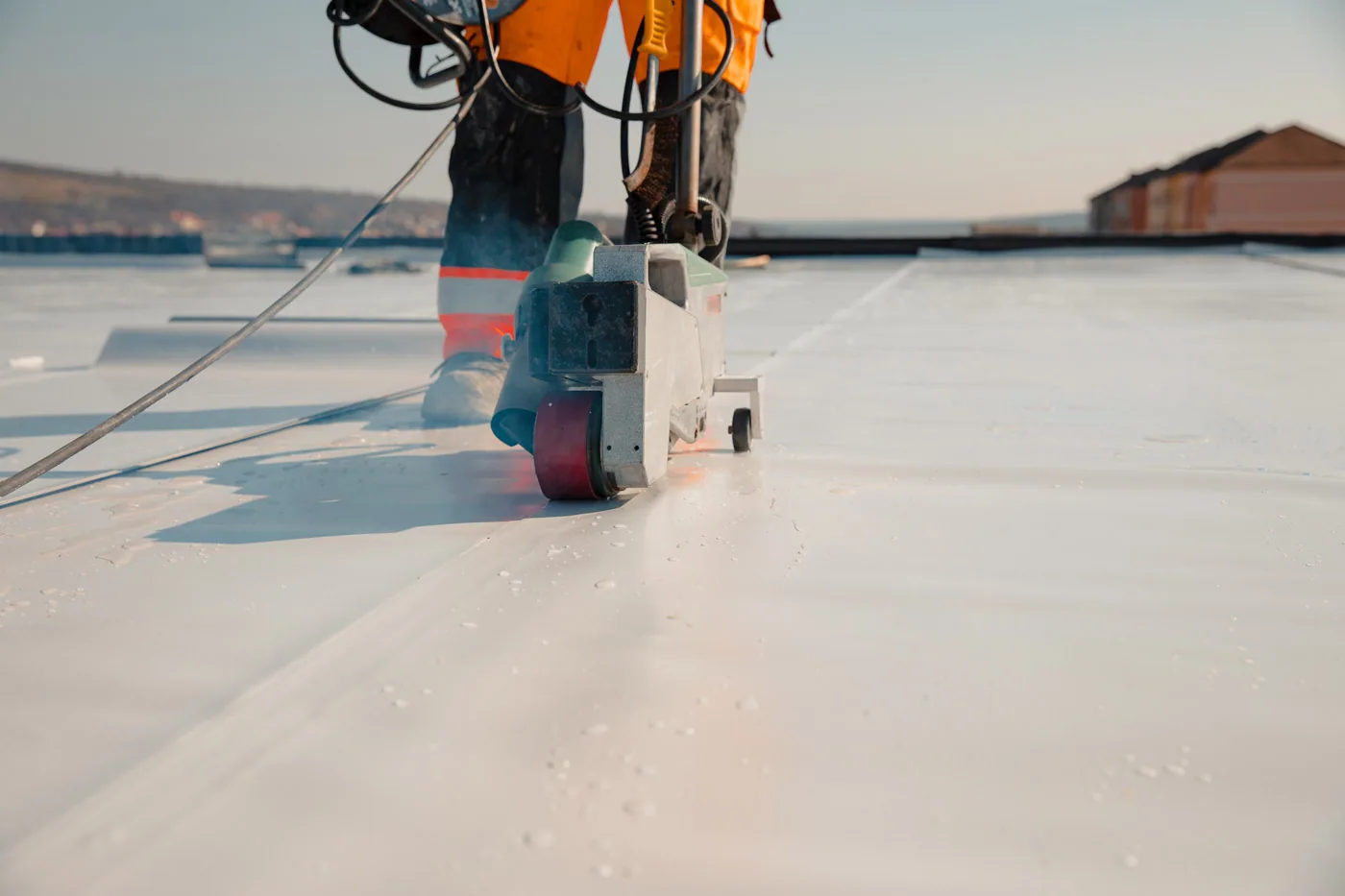
A recover requires a compatible, stable base and available height at drains, edges, and equipment. We check the layer count, attachment, moisture, and roof elevations before planning new material. If the existing gravel or surfacing must be removed, that operation should be included in the sequence and disposal plan. A recover assessment can compare the option with removal, and a replacement proposal can show whether the deck and transitions need broader work. We document what remains outside the approved work so later maintenance does not mistake it for a repaired condition.
Closeout: Leave a record of the layers and repairs
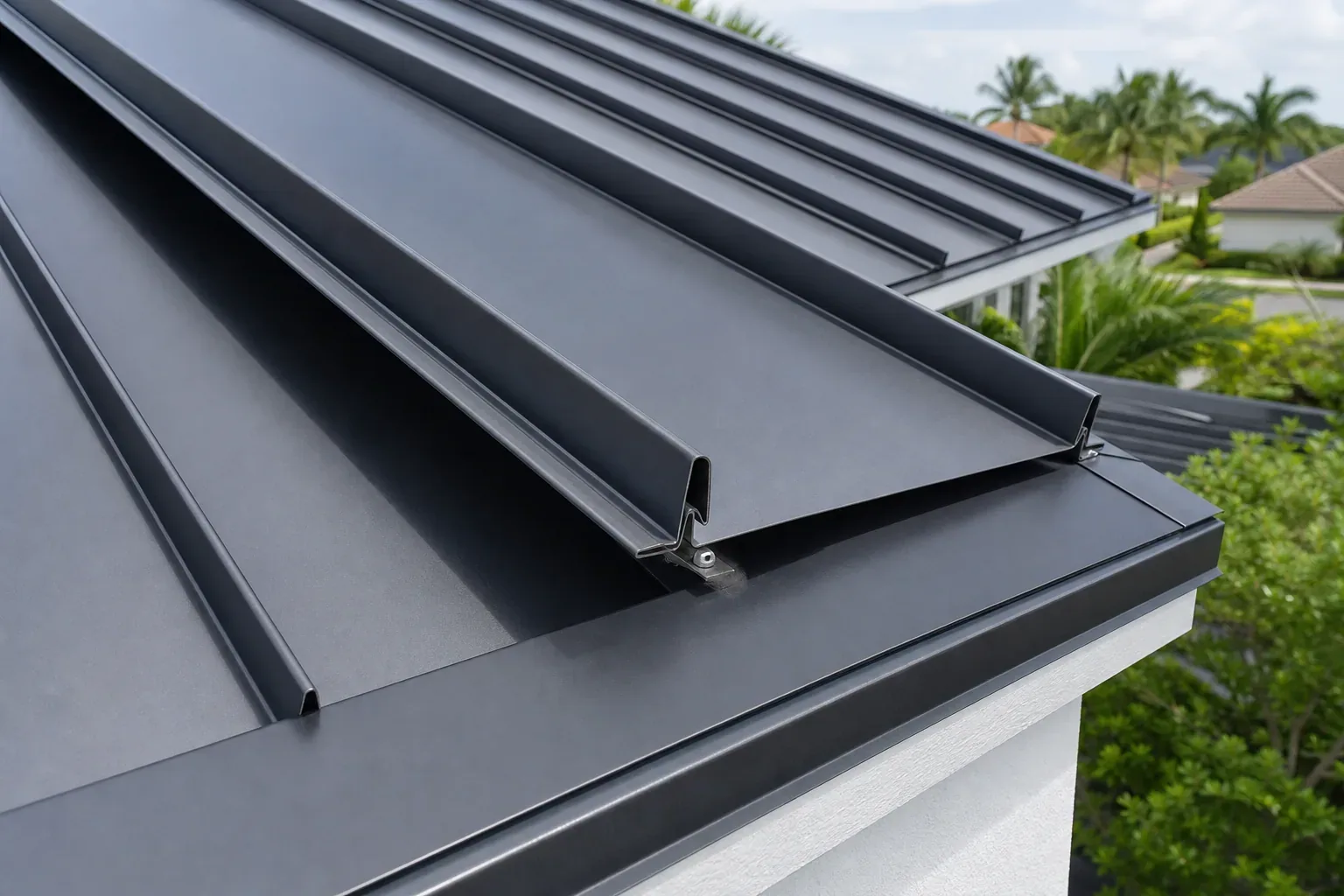
The closeout identifies the built-up system layers where verified, surfacing type, repair material, work zones, and photographs of representative details. Test openings are shown on the roof plan with the layer observations recorded. The report lists any area that could not be reached and any condition that needs separate deck, plumbing, or equipment work. If a repair depends on a new cap sheet or surface restoration, the owner receives its product and maintenance information.
Facility managers should keep the record alongside prior roof plans, leak reports, and repair invoices. Broward Lakes and Sunrise Commerce properties can each contain different roof structures, so labels should identify the exact building and section. A Sunrise built-up roof assessment begins with those records, the current leak locations, and access restrictions. We can then set inspection points and scope by assembly rather than quoting a generic square-foot patch.
Frequently Asked Questions
How do you determine how many plies a built-up roof has?
We review roof documents, exposed edges, and authorized test openings. The inspection records the layers visible at each sample location and notes where the assembly changes or remains concealed.
Can gravel be left in place during a built-up roof repair?
Sometimes, but the repair detail may require aggregate to be moved or removed so the membrane can be inspected and prepared. The scope states how surfacing will be handled and restored around the repair.
Does a blister mean the whole built-up roof must be replaced?
Not by itself. We map the blister and test the affected layers when authorized. The repair boundary depends on whether the separation is isolated or connected to moisture, delamination, or other defects.
Can a built-up roof be covered with another system?
Possibly, if the existing layers are dry, stable, compatible, and within applicable project limits. The review also checks drain elevations, edge height, deck condition, and total layer count before a recover is recommended.
What should be included in an inspection of built-up roofing?
Inspect surfacing, plies, seams, flashings, drains, prior repairs, and visible moisture indicators. The report should show test locations, confirmed findings, and any concealed areas that could affect the repair or recover scope.
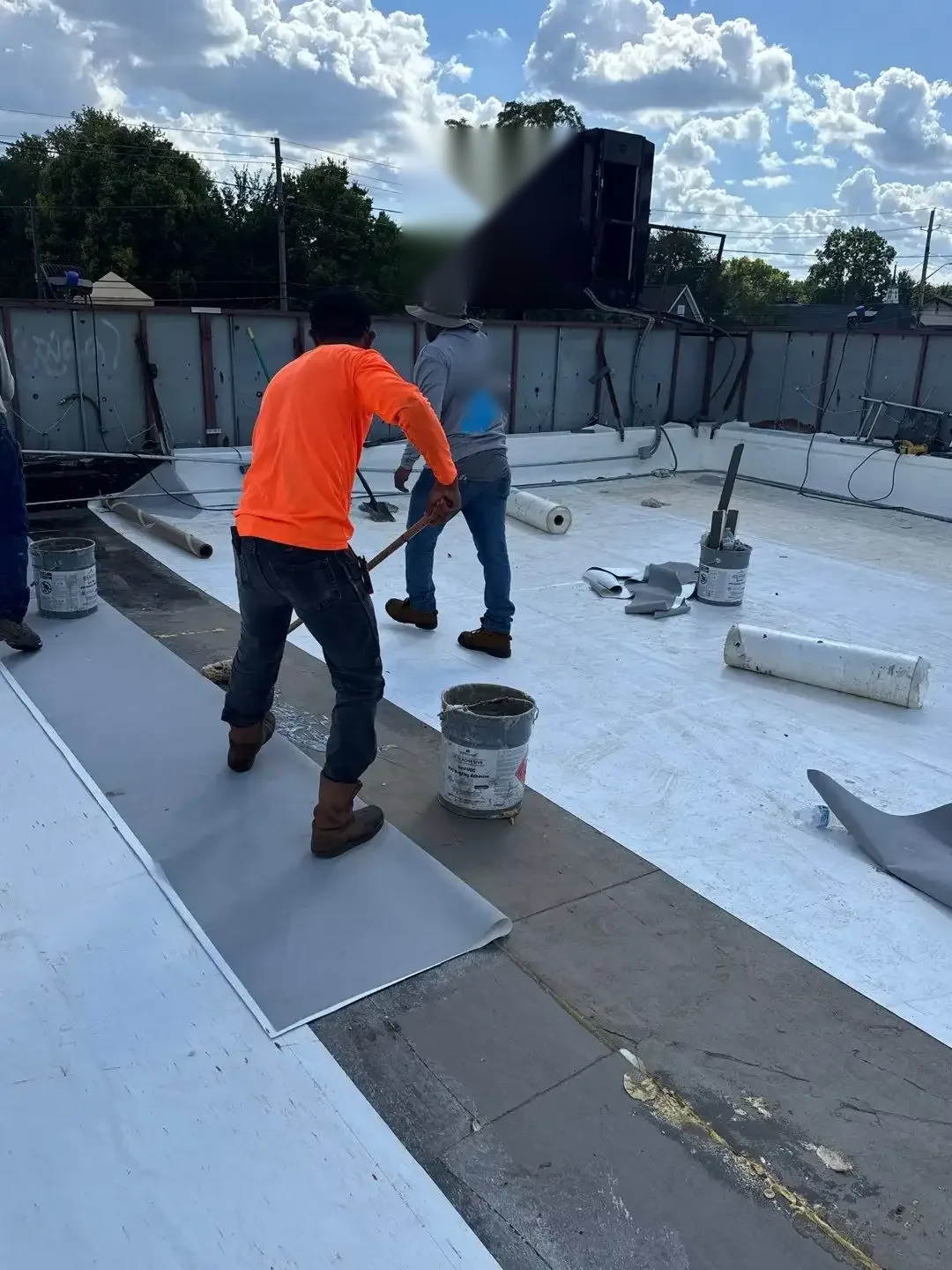
Confirm the assembly before pricing repair
Send roof plans, layer records, leak history, prior patches, and access information. We will identify the built-up layers and map the surfaces and details that need repair.
Call 555-555-5555 or request a roof assessment.