Commercial Roof Inspection in Sunrise, FL
Commercial Roof Inspection
Facility directors at multi-building properties in Sunrise, FL need inspection findings that connect roof conditions to operating decisions. We record the assembly where identifiable, map drains and transitions, photograph defects, and distinguish visible evidence from areas that require testing. The inspection is hands-on, with roof zones tied to interior reports and equipment constraints. Sawgrass International Corporate Park has corporate offices, financial services, healthcare, and high-technology manufacturing; Sawgrass Technology Park spans a dozen office and technology buildings. We assign each roof map to its own building identifier, then record visible conditions and the zones that need testing. The resulting report can support a repair, moisture test, maintenance plan, or capital review without turning every observation into an immediate project.
Commercial Roofing Services in Sunrise, FL
Inspect commercial roofs in Sunrise, FL with zone maps, assembly observations, drainage findings, and clear limits on testing and recommended work.
Route: Inspect the assembly by zone
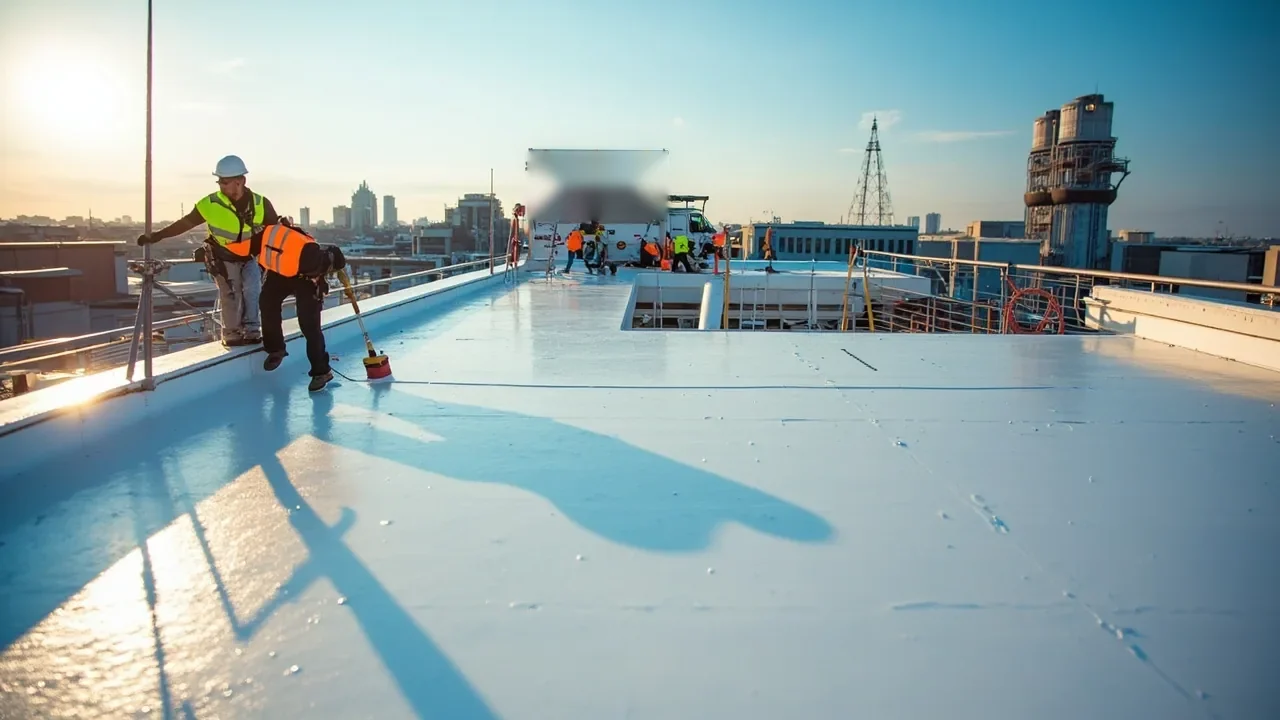
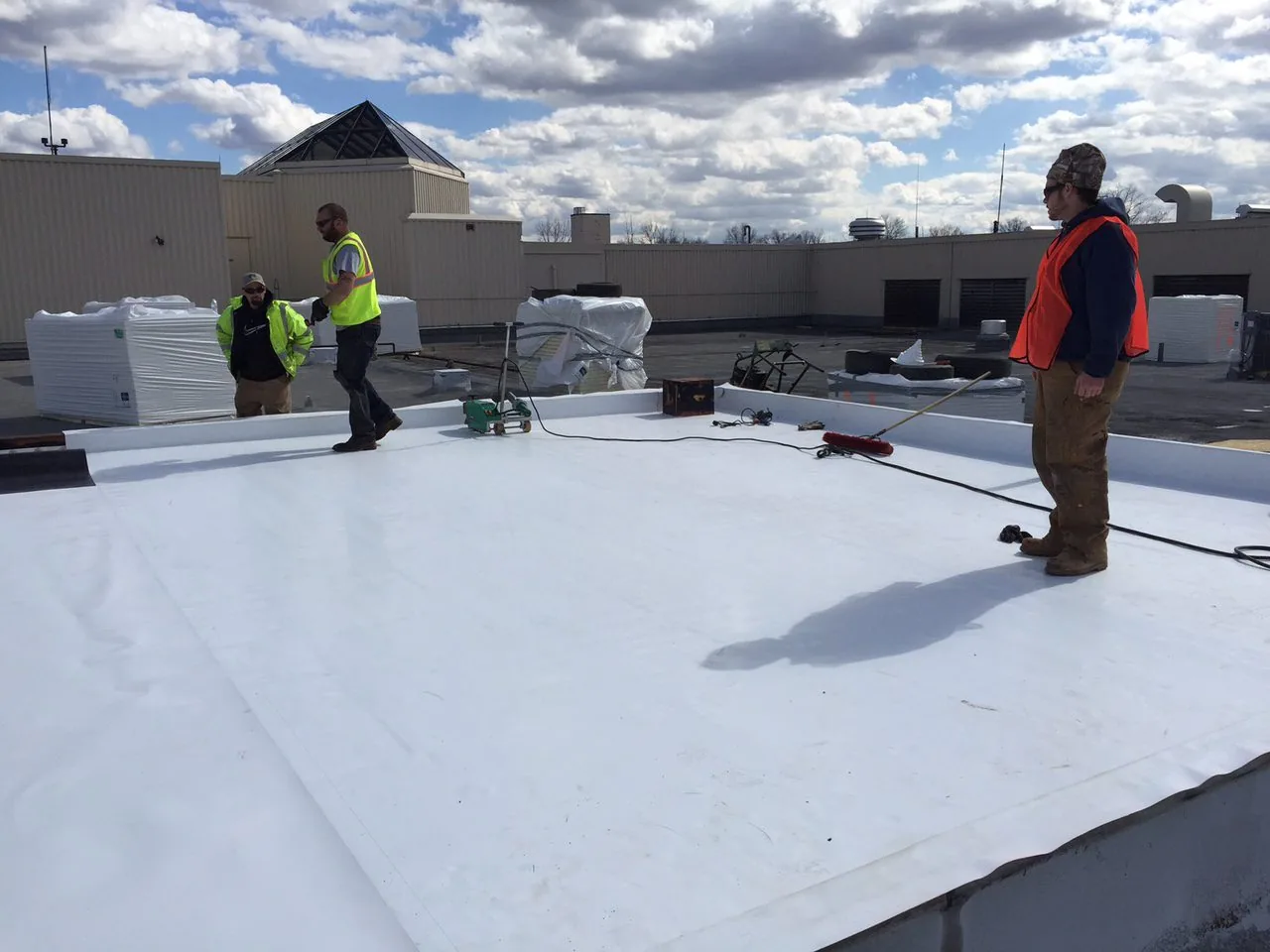
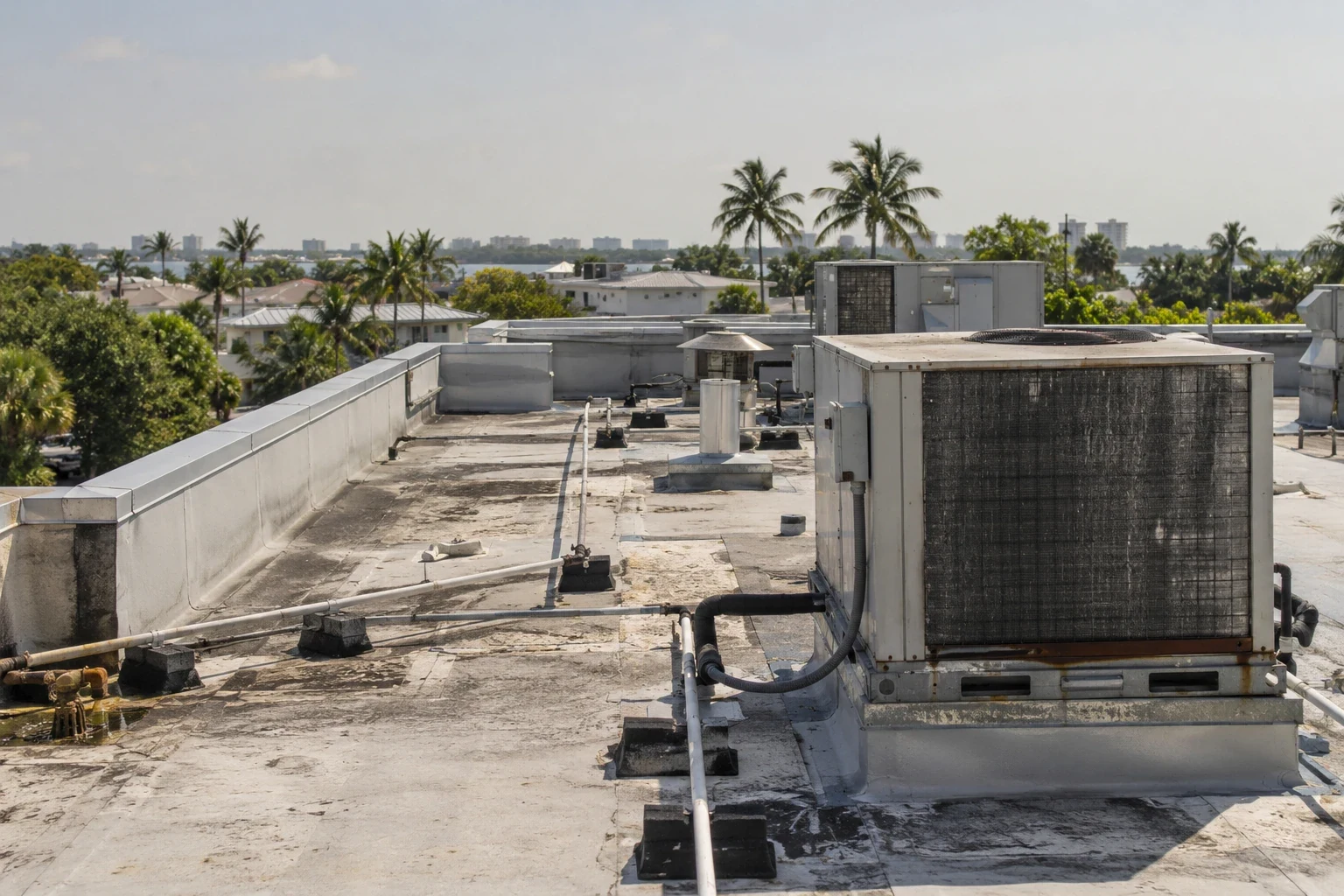
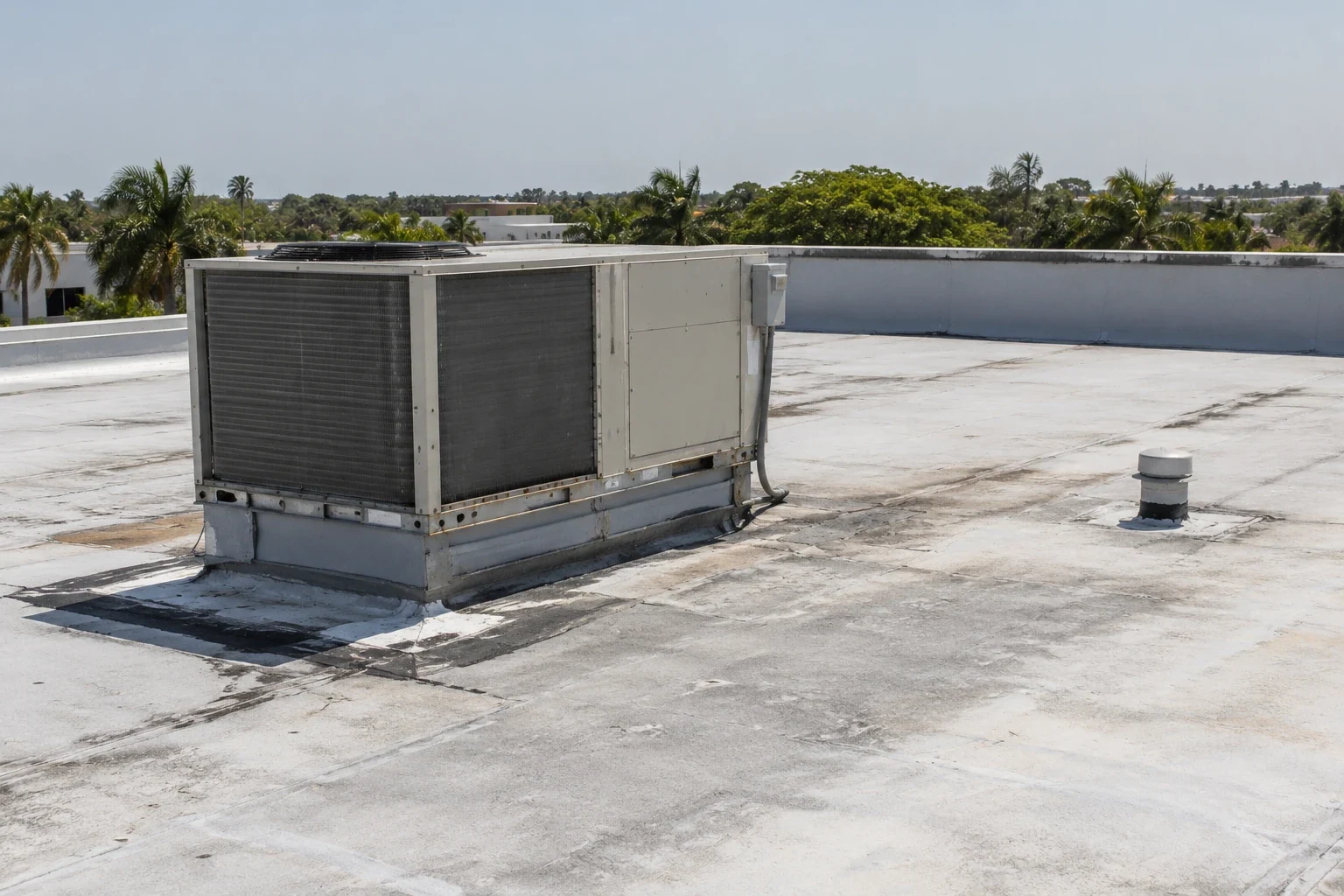
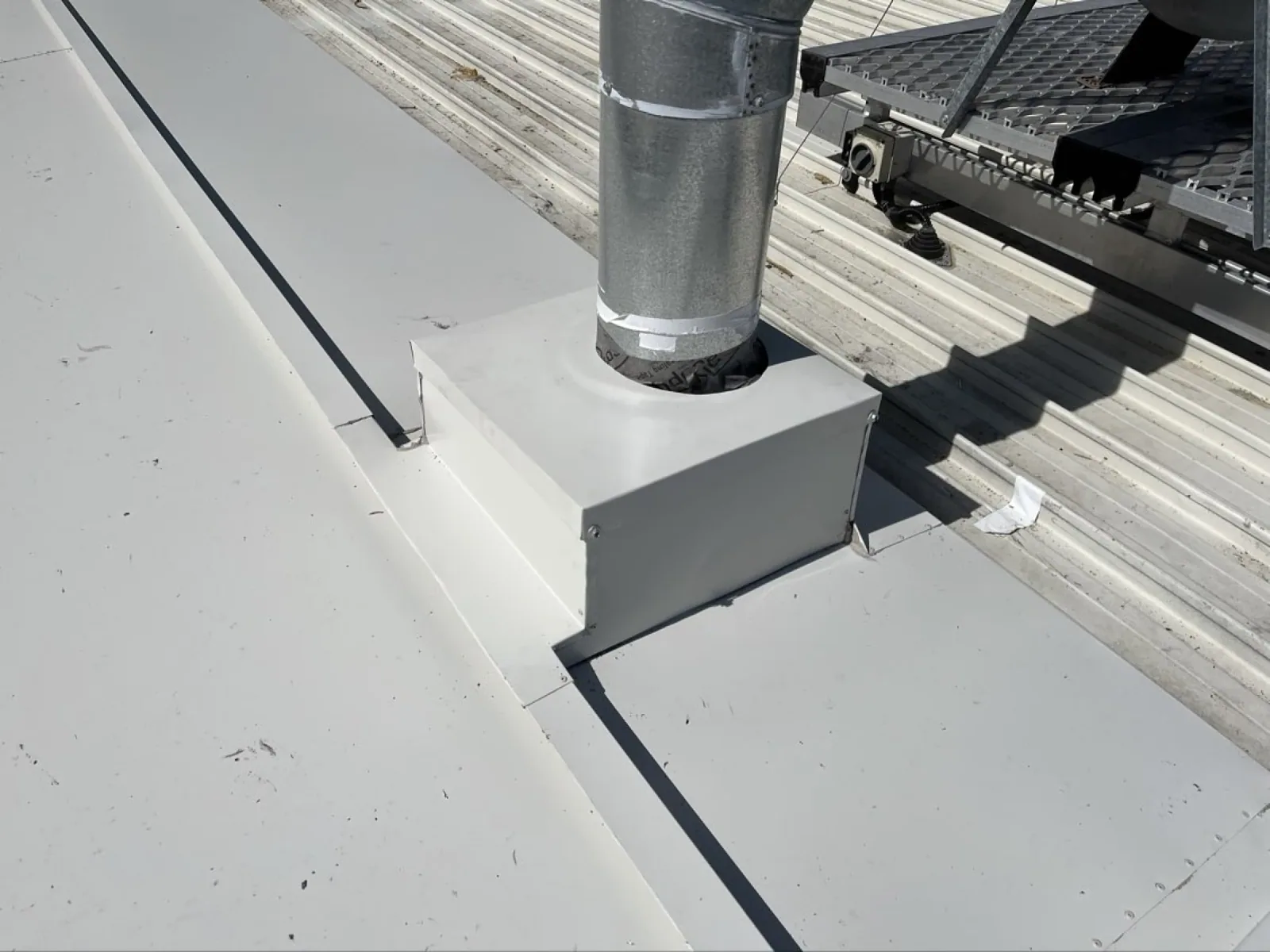
We begin with access, roof plans, prior repairs, active leak locations, and known equipment limits. The route covers membrane fields, seams, penetrations, curbs, walls, drains, overflow paths, and perimeter edges. We note surface conditions, visible attachment, movement at transitions, and areas hidden by equipment or unsafe to reach. Each finding gets a zone reference and photograph so the owner can locate it without relying on a general description such as north side or near the unit.
Where records show several roof sections, we keep them distinct. An office wing may have different repairs from a loading area or laboratory support zone. Sunrise Commerce Park's distribution, manufacturing, office, and multi-tenant buildings bring different equipment and access needs. We map each facility separately and confirm the inspection route with the person responsible for roof entry. A drain and scupper review can focus on water outlets, while perimeter details address edge conditions.
Evidence: Separate observation from diagnosis
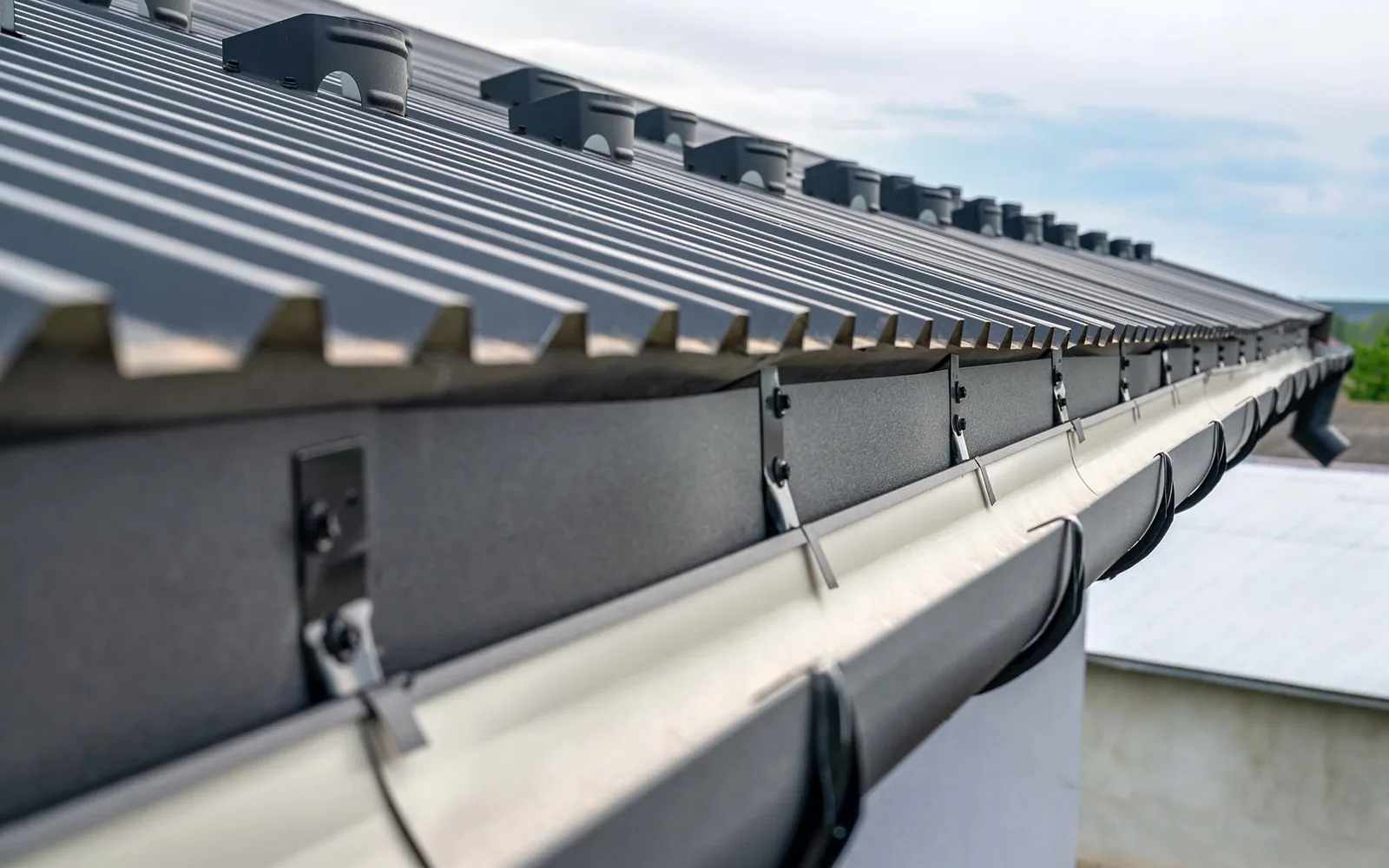
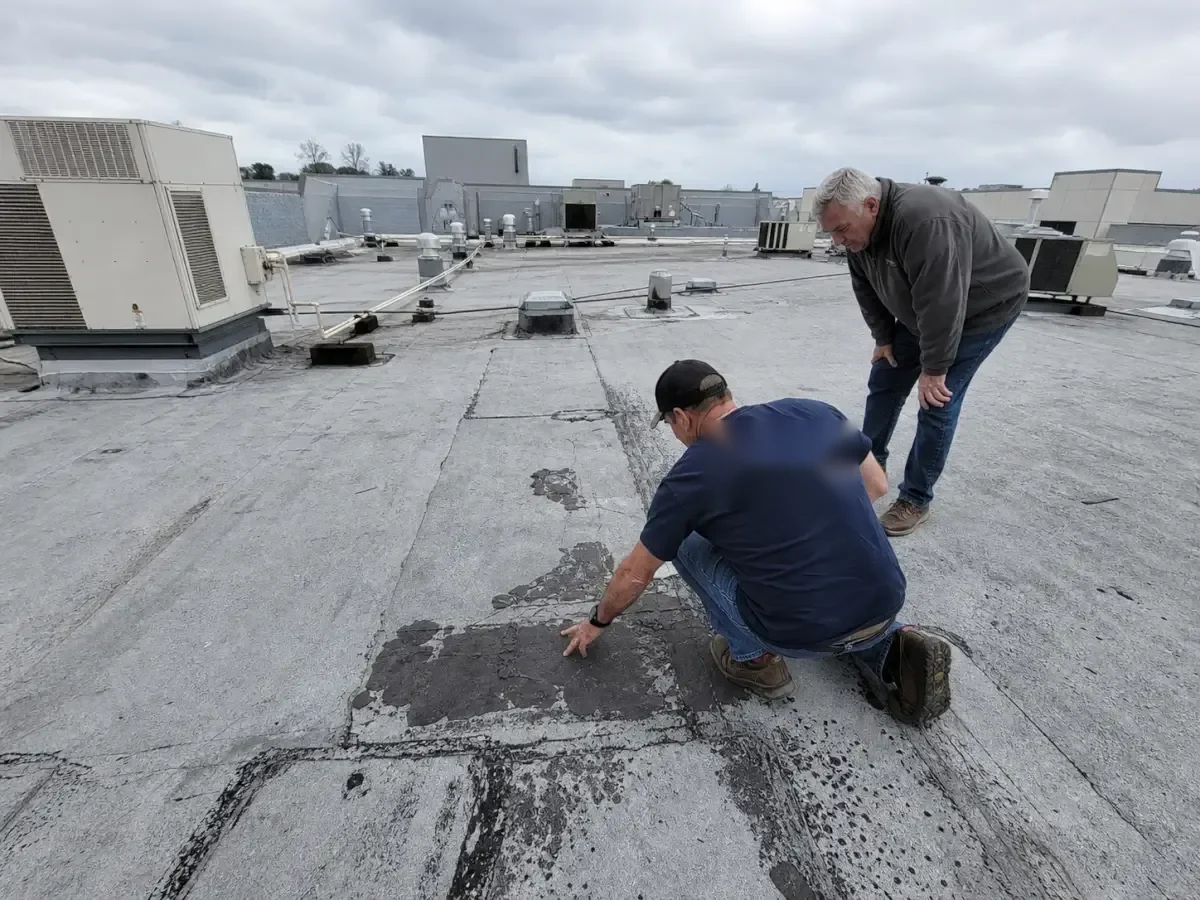
A roof inspection records what is visible under the conditions of the visit. A cracked sealant bead, open lap, displaced edge, or ponding mark is an observation; the repair cause may need a closer look. We note whether a condition is active, appears aged, or cannot be classified from the surface. Interior staining is mapped separately from the suspected roof entry. That separation helps the owner see which conclusion is supported and which question still needs a test.
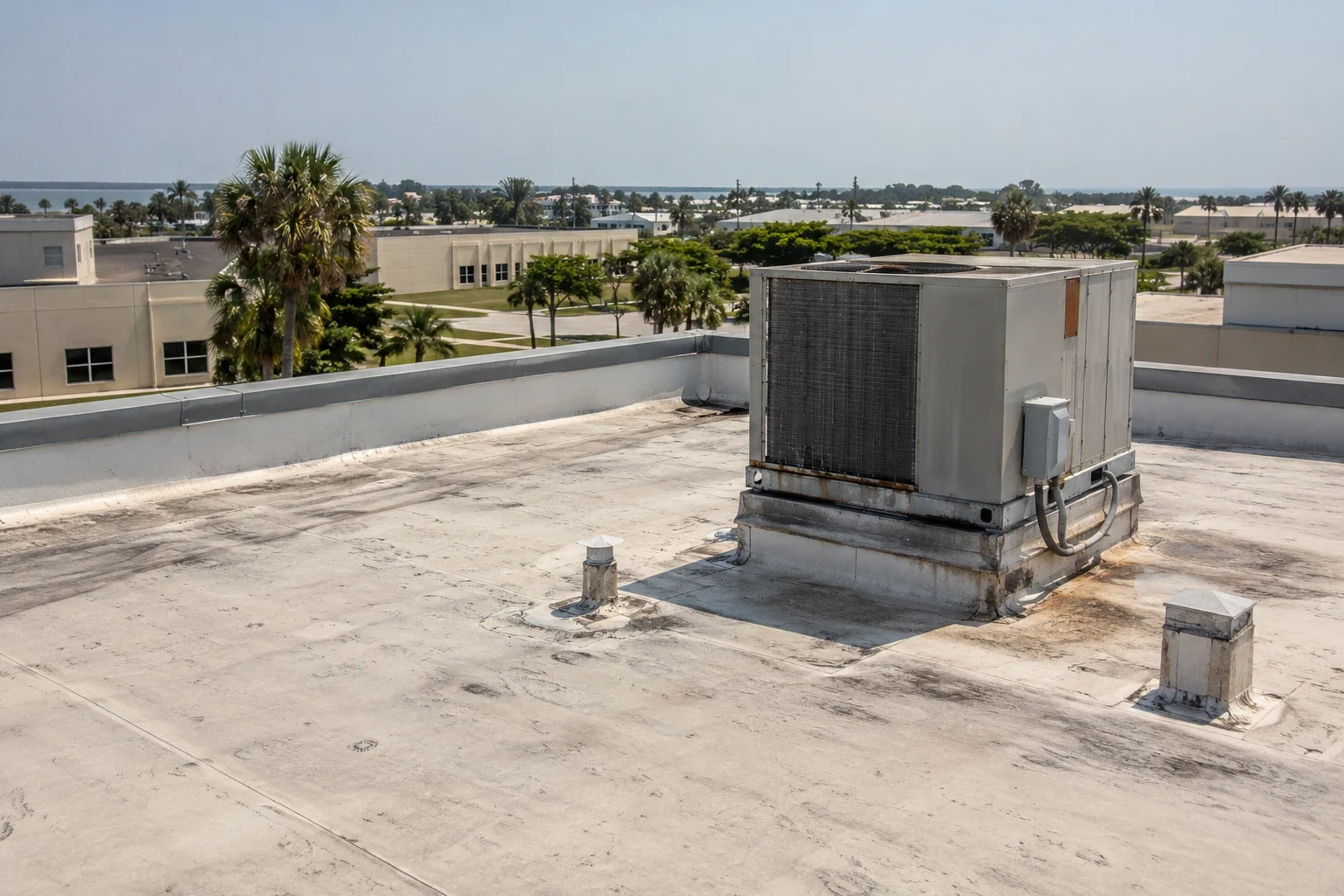
Fort Lauderdale's long-term climate is warm and humid, with substantial yearly rainfall. Those conditions make drainage, flashing movement, and moisture useful inspection priorities for Sunrise facilities before the wet season. A photo-based condition report can organize findings by zone, while a moisture survey adds a separate test when concealed wet insulation is suspected.
Test: Choose the question first
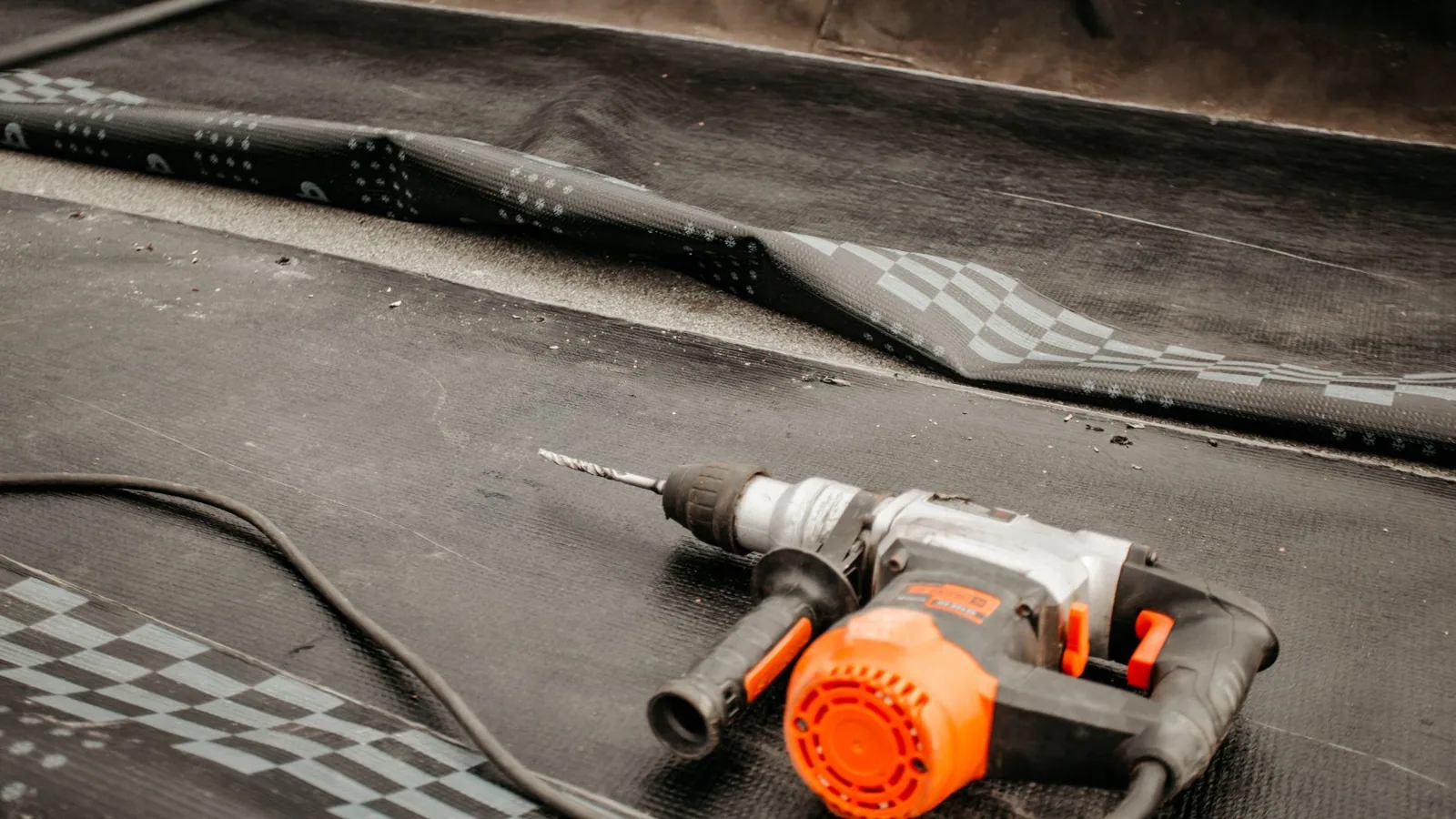
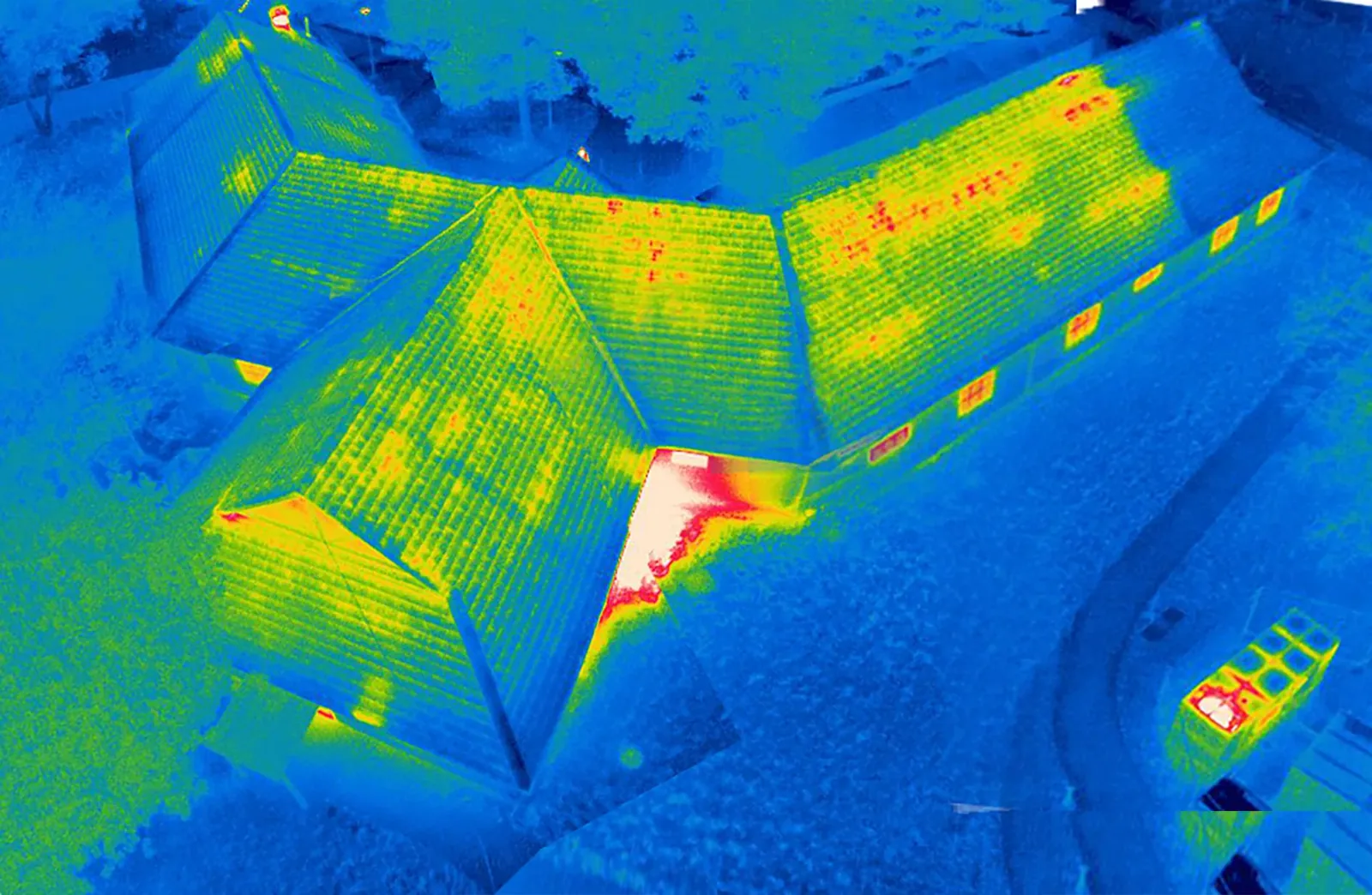
Testing makes sense when it can change the repair boundary or system choice. At a selected opening, we record the exposed layers and moisture condition; a pull test can evaluate fastener engagement when the deck and assembly call for it. Infrared imaging can show temperature patterns, but roof construction, recent weather, and surface conditions affect interpretation. We identify the question, test area, method, and authorization before opening the roof. Results apply to the locations tested, not automatically to every roof section.
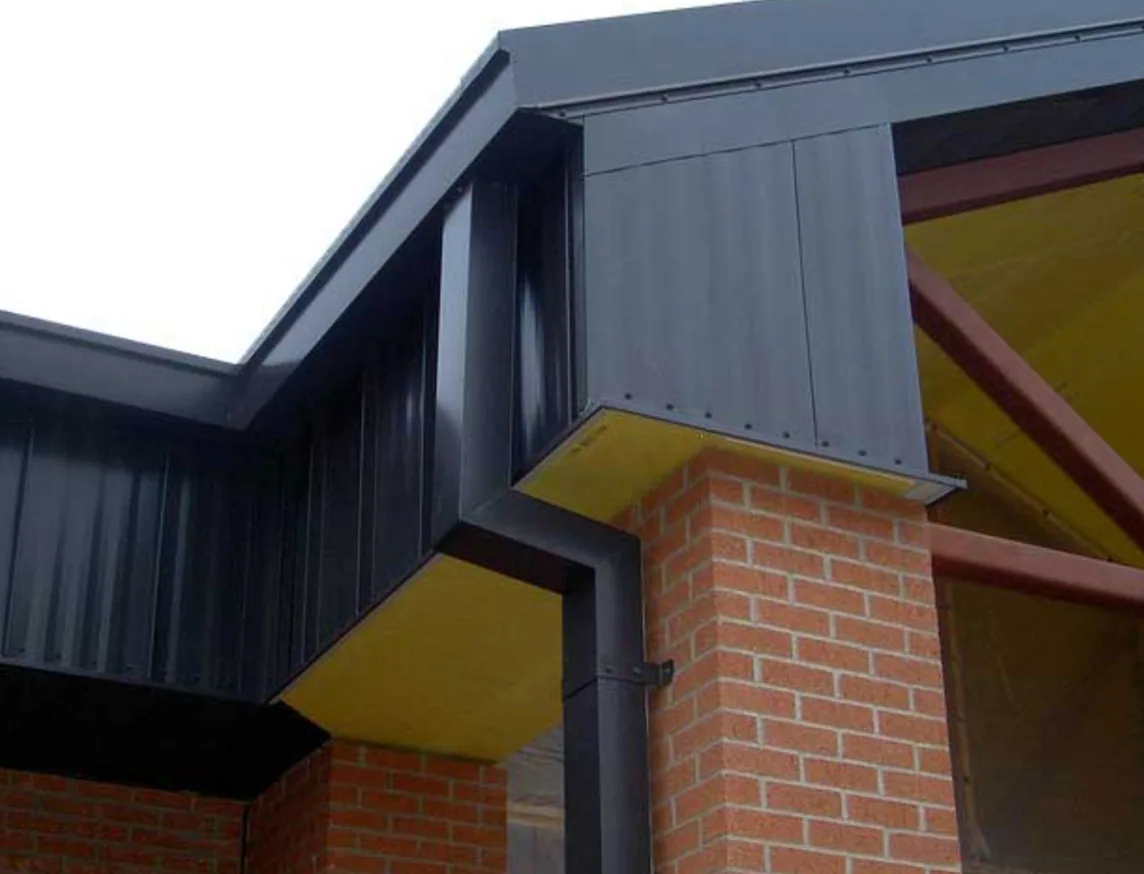
We also record fastener exposure, movement at expansion joints, metal corrosion, coating condition, and signs that a previous detail has been altered. These observations do not establish concealed deck strength, but they can guide a targeted pull test or opening. Wind design and perimeter reinforcement deserve attention where attachment looks inconsistent or roof edges have changed. The written findings separate a visible concern from a design question that needs project documents or an engineer’s review.
When the inspection suggests moisture beyond one detail, we label the affected and untested zones separately. A due-diligence survey can answer a purchase or planning question, while a cover-board review examines the substrate that a repair or recover would meet. The report should explain what evidence would support another test and whether the building can remain in service during that work.
Priority: Turn findings into work
Inspection findings need a priority tied to consequence and evidence. An active opening above equipment may need prompt protection. A loose edge may need repair before seasonal winds. A minor surface condition without an identified water path could remain under observation. We label actions as protect, repair, monitor, or test and state what changes the priority. The owner can authorize a defined repair without approving unrelated recommendations.
Fort Lauderdale averages 37.49 inches of rainfall during the South Florida rainy season. Before those heavier-rain months arrive, we check outlet capacity, temporary protection needs, and safe roof access at the property. A maintenance program can track recurring items; a repair scope can address a confirmed defect. After a storm, we inspect the property for visible effects and record only what the roof shows during the visit. The inspection date and access conditions help distinguish new observations from earlier records, particularly where temporary protection was installed.
Report: Preserve limits and next steps
The report includes date, weather, access limits, roof zones inspected, areas not reached, photographs, observations, and recommended next steps. We identify whether moisture testing, deck review, or a return visit is needed. If a roof plan is missing or inaccurate, the map can begin with field labels and be reconciled when records become available. Recommendations separate confirmed work from allowances for conditions concealed beneath the membrane. We also state whether the visit was visual only, whether testing was performed, and which assumptions should not be carried into a repair bid. A date-stamped record provides a baseline for the next walk, especially after severe weather or rooftop equipment work. The report is useful when the facility director can trace every photo to a roof zone and every action to a specific observation. We label roof drawings and photographs so maintenance staff can hand off the same locations between shifts and contractors. If the owner later approves testing, we carry the zone identifiers into each test record so the results stay aligned with the original observation. The next inspection can then compare the same roof area and note whether a repair changed its condition.
For Sunrise's business parks, the asset manager may need the same reporting fields across several buildings, but each roof receives its own findings. A roof asset register can preserve the history by site, while Sawgrass Technology Park inspection still follows the assembly and access conditions found at that property. Send roof drawings, leak history, equipment restrictions, and operating hours so we can build a route that answers the inspection question.
Frequently Asked Questions
What does a hands-on commercial roof inspection include?
We inspect accessible membrane fields, seams, flashing, drains, penetrations, curbs, and edges, then map observations and limitations by roof zone. Testing is recommended separately when it answers a specific question.
Can the inspection confirm hidden moisture?
A surface walk cannot establish every concealed layer. Infrared patterns can help select test locations, and test cuts confirm materials at those points. We distinguish tested areas from untested ones.
Will the report tell us which repairs are urgent?
Findings are grouped by protect, repair, monitor, or test, with the evidence and trigger for action stated. The facility director can approve a defined scope without accepting every recommendation at once.
How should several roofs on one campus be documented?
Use an asset or building identifier, separate roof-zone maps, consistent photo labels, and a list of access or test limits for each structure. We document each roof's condition independently, even when buildings share a use or campus.
What should we send before the inspection?
Provide roof plans, prior repair records, leak locations, equipment constraints, access instructions, and operating hours. If drawings are unavailable, field labels can establish a starting map.
Define the inspection question
Send roof plans, leak locations, repair history, equipment restrictions, and operating hours. We will map the inspection route and state where further testing is needed.
Call 555-555-5555 or request a roof assessment.