Cold Storage Roofing in Sunrise, FL
Cold Storage Roofing
Cold-storage roofs must manage a temperature difference between refrigerated space and Sunrise, FL's hot, humid exterior air. A small break in the air or vapor control layer can move moisture into insulation, where it may reduce thermal performance and complicate a roof repair. We inspect the roof assembly together with penetrations, joints, and reported interior conditions before defining work. Sunrise Commerce Park includes distribution and manufacturing buildings, while separate facilities may have freezer, cooler, or loading areas under different roof zones. A roof inspection identifies the layers and details that need testing without assuming one temperature-control design fits every building.
Property Types We Roof in Sunrise, FL
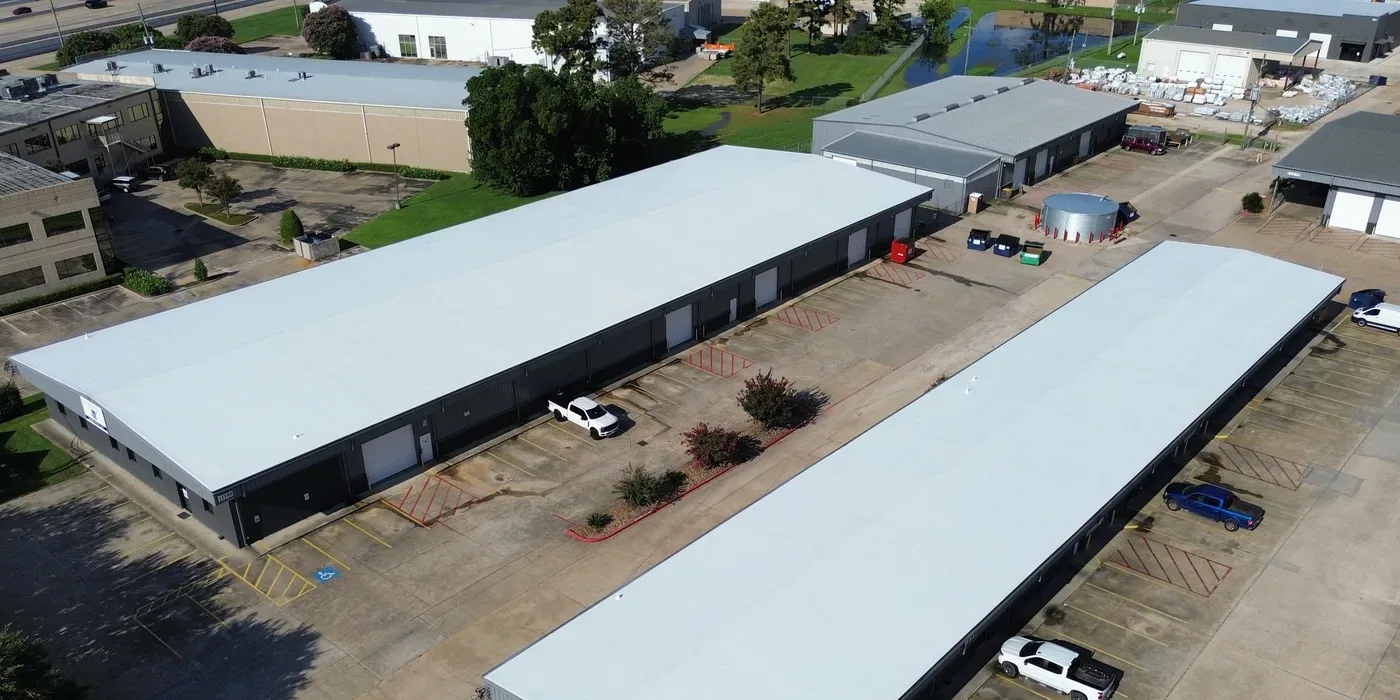
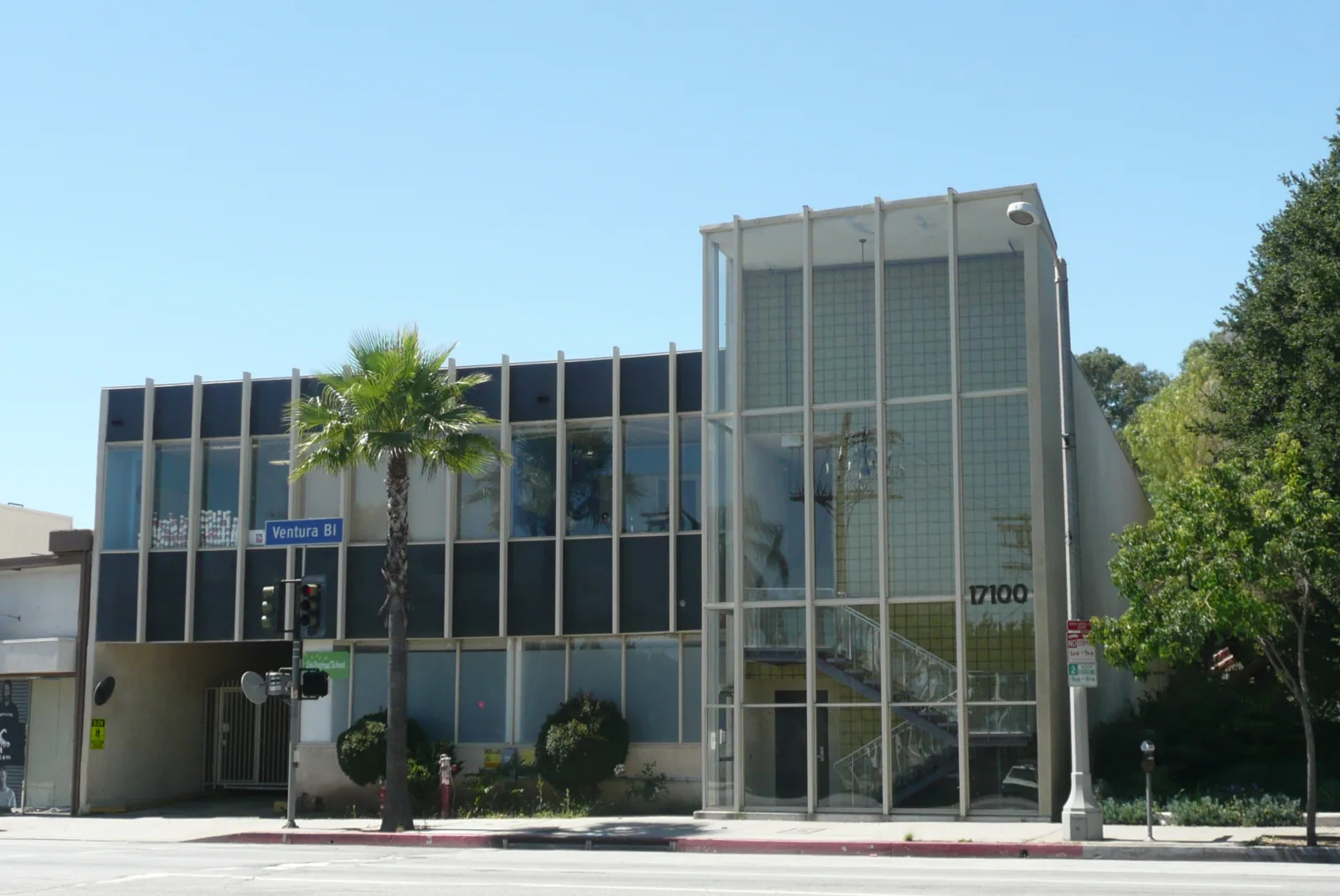
Cold-storage roof inspections in Sunrise, FL examine vapor control, insulation, penetrations, and drainage around refrigerated operations and loading zones.
Vapor control: Trace openings through the assembly
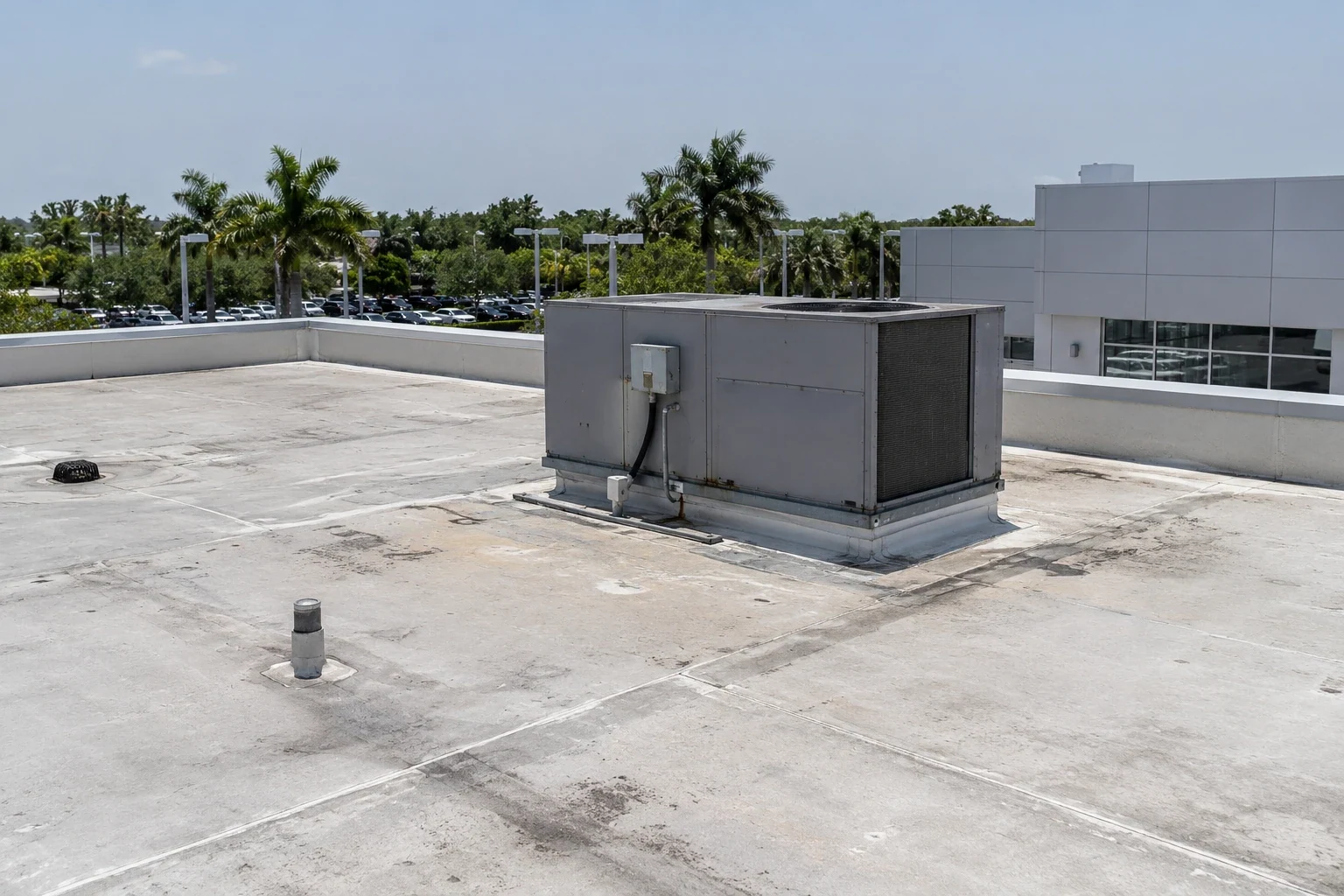
Cold-side moisture can form when humid air reaches a surface below its dew point. Roof penetrations, wall-to-roof transitions, unsealed curbs, and changes in insulation continuity can create paths through the assembly. We check these areas against interior observations, refrigeration schedules, and the roof-side membrane. Condensation and rain entry can resemble one another below the roof, so we compare timing, weather, equipment activity, and visible flashing before settling on a repair.
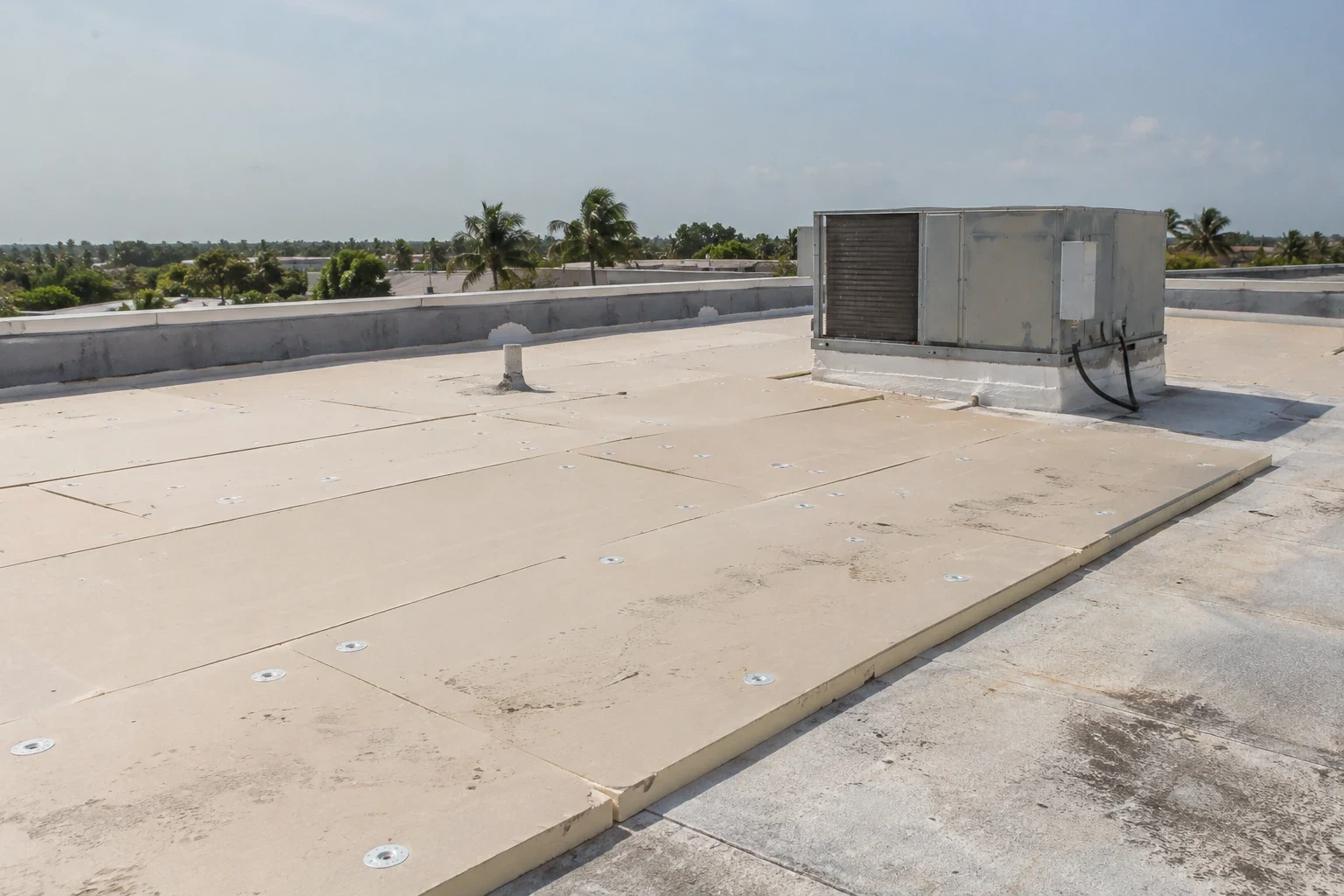
The insulation, vapor retarder, deck, and membrane work as a system. A thermal bridge at a fastener or support may produce a local temperature difference, while broad wet insulation suggests a larger boundary question. We mark test locations and record the actual layers from a sample before deciding whether material can remain. A condition report can show confirmed wet areas separately from zones that still need testing. Sawgrass Technology Park has multi-building office and research-oriented space; the wider Sunrise market includes technology, distribution, healthcare, and manufacturing uses that place different loads on roofs and building controls.
Refrigeration penetrations: Keep service changes watertight
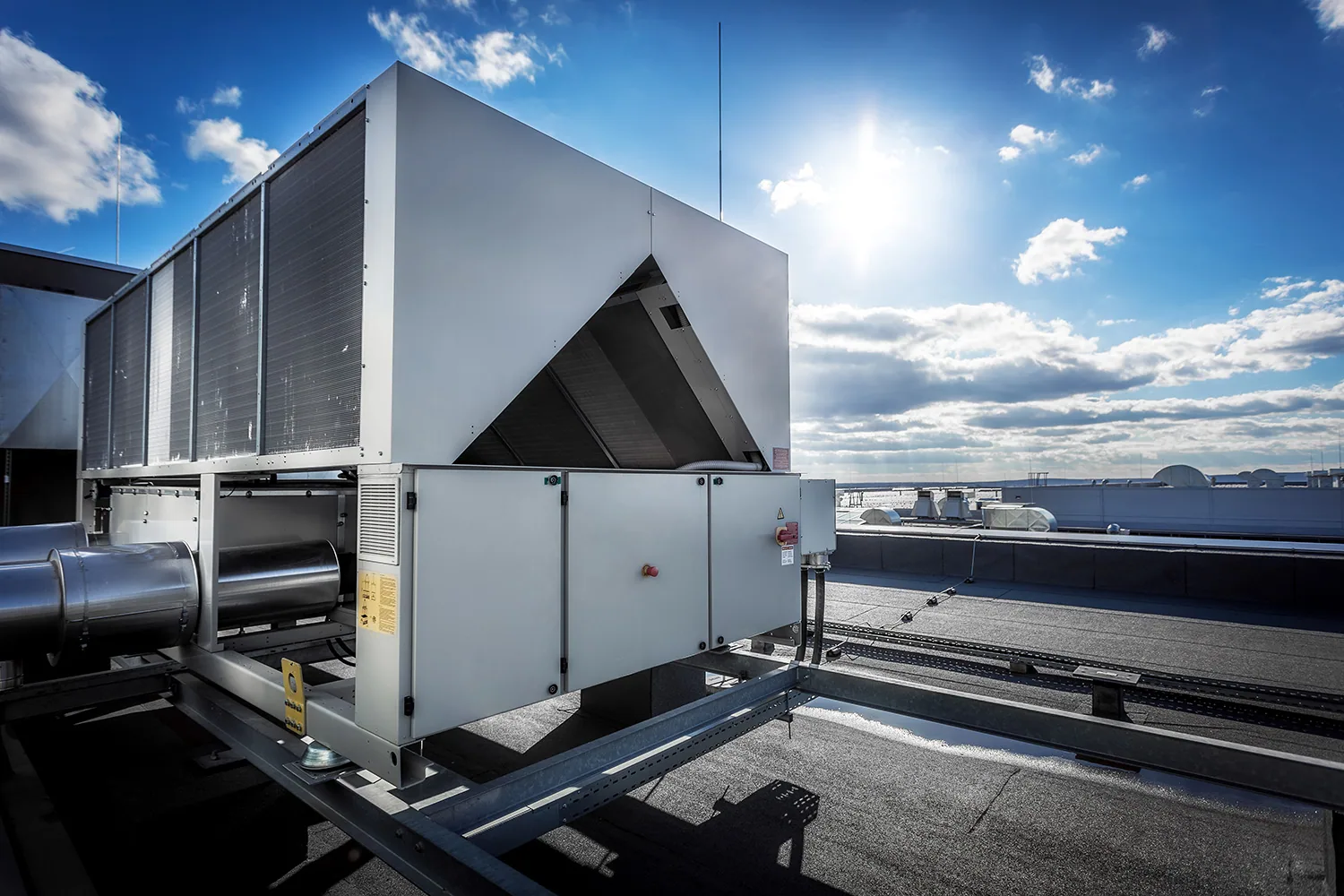
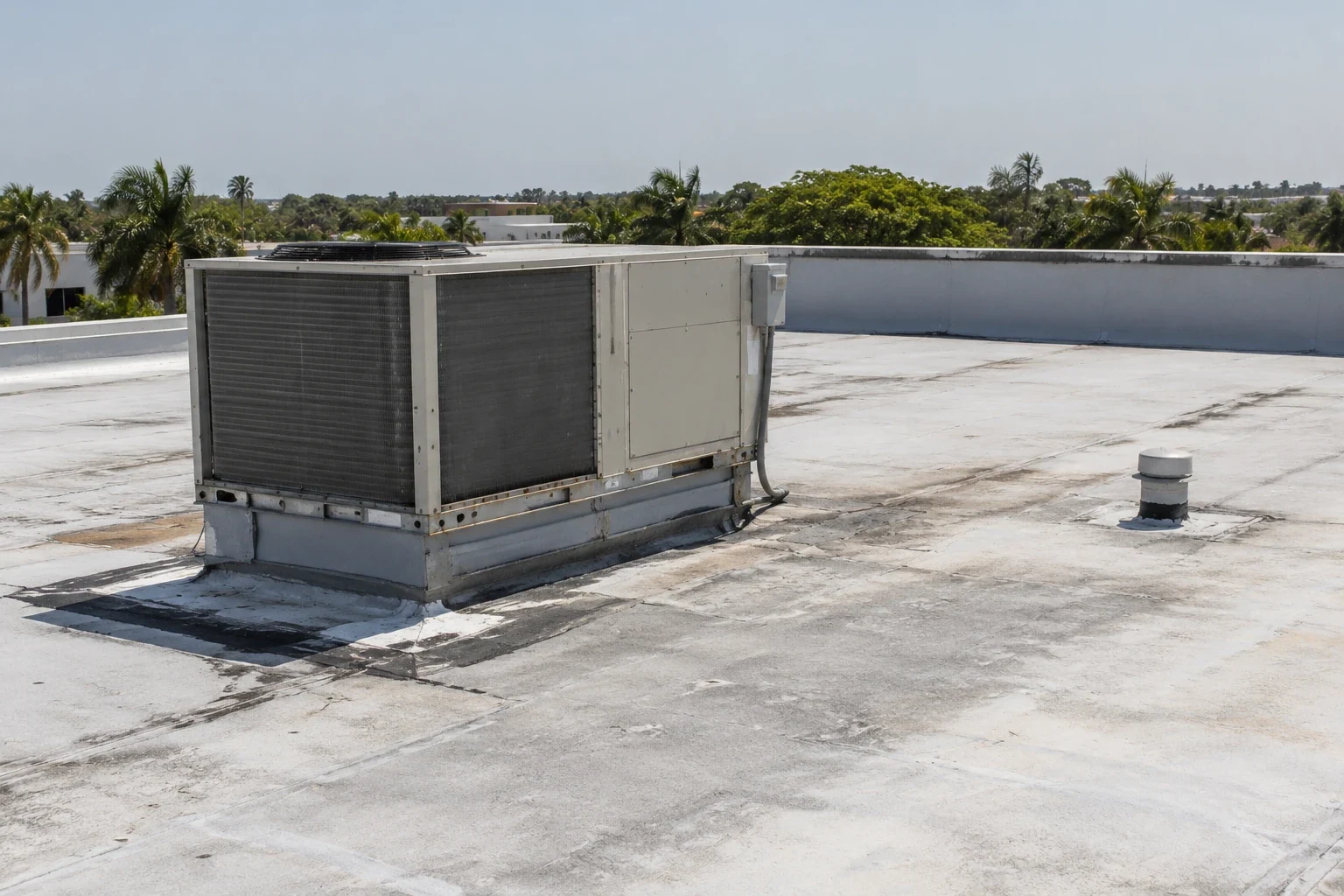
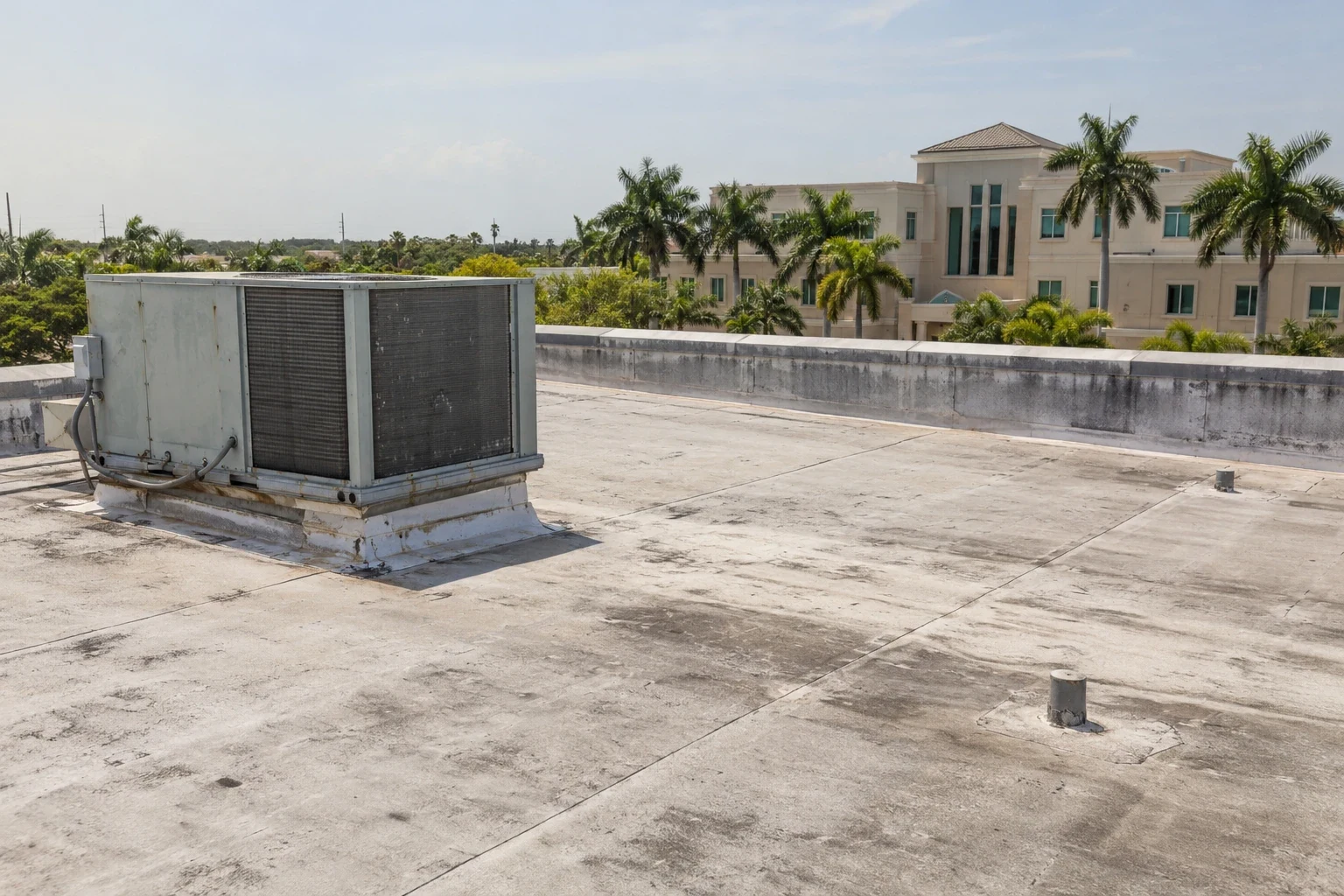
Refrigeration lines, electrical conduits, exhaust, pressure-relief equipment, and rooftop condensers can change as a facility is upgraded. Each new opening needs a curb or flashing compatible with the membrane and vapor-control details. An old sealant collar may have cracked or become detached, and a new pipe can pass through insulation without restoring the air seal. We inspect the roof detail and coordinate with refrigeration or mechanical trades when access or shutdown affects the repair.
Repeated service visits can also wear walk pads or disturb membrane around supports. We identify routes used to reach equipment and note where condensate or wash water may discharge. A maintenance plan should check the penetration after equipment work instead of waiting for an interior ceiling mark. The property should keep details for roof and refrigeration modifications together so a later technician knows what assembly was restored. A curb and support review can address movement or an unsupported line; a preventive maintenance visit can inspect those details and drains on a defined schedule.
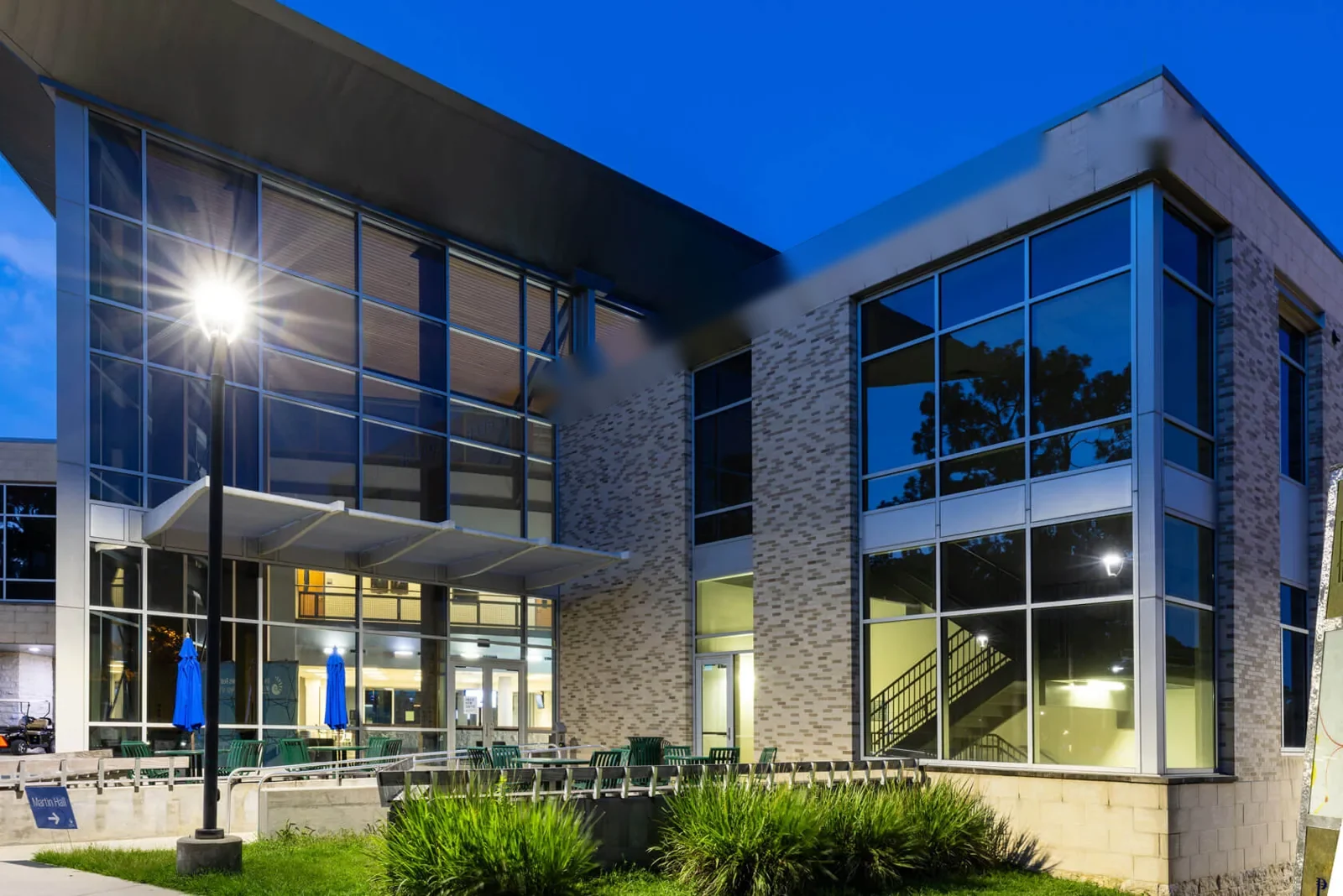
Drainage: Protect insulation at low points
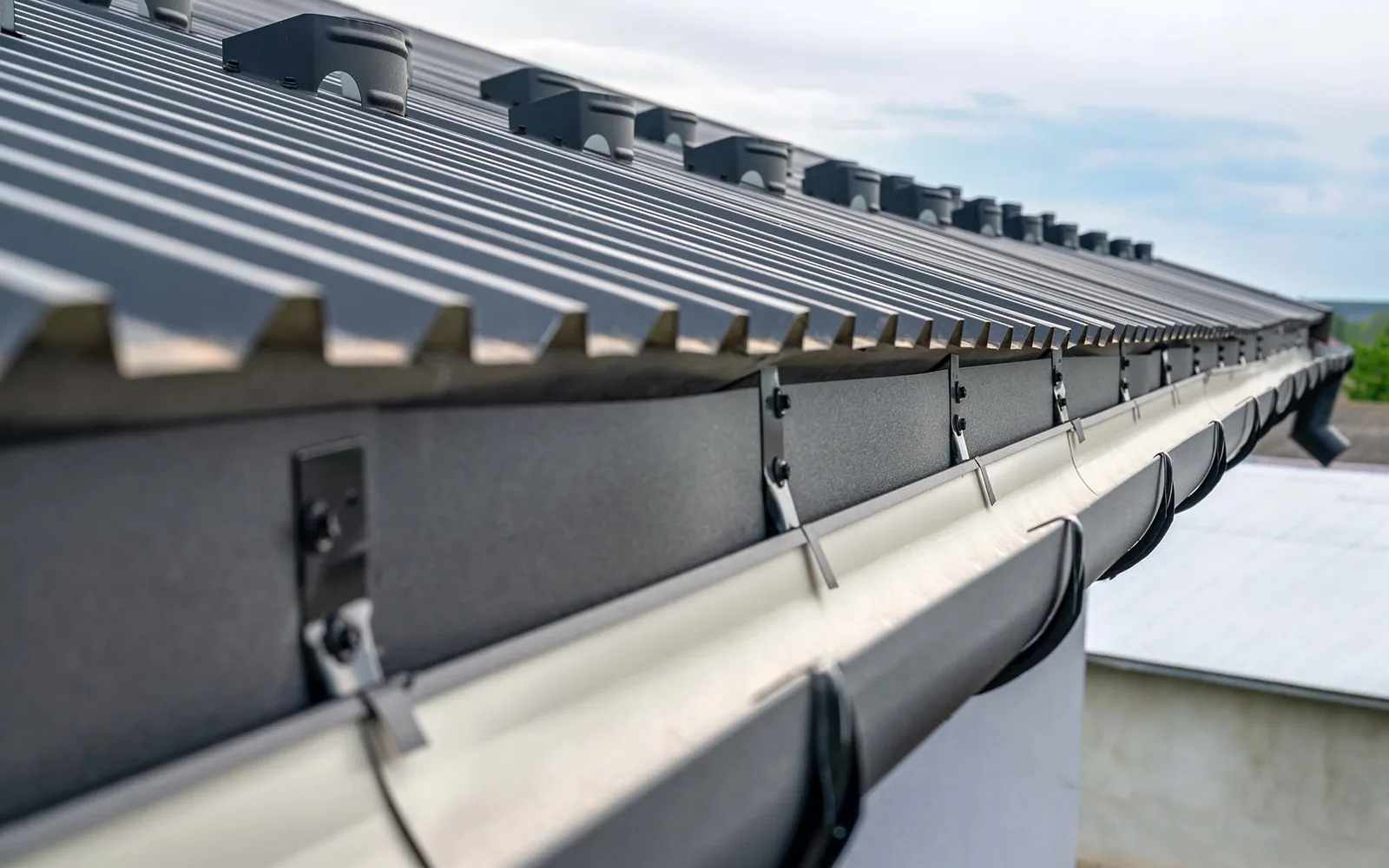
Water held above a cold room can enter through a seam or penetration and become difficult to separate from condensation below. We inspect drain basins, scuppers, overflow paths, and membrane transitions for debris and ponding, then compare those conditions with insulation and interior reports. A blocked outlet is a roof defect even if the refrigerator is holding temperature. Persistent water can keep a flashing under pressure and delay drying after a repair.
Fort Lauderdale's South Florida rainy-season normal includes 37.49 inches of rainfall during that period. Before the wettest months, outlet condition and roof-to-wall terminations deserve a documented check. A drainage inspection can clear the runoff path, while roof work should preserve overflow capacity after insulation or curb changes. When testing shows widespread wet material, a cover-board and insulation scope may be necessary to restore the assembly rather than cover a moisture problem with a surface repair.
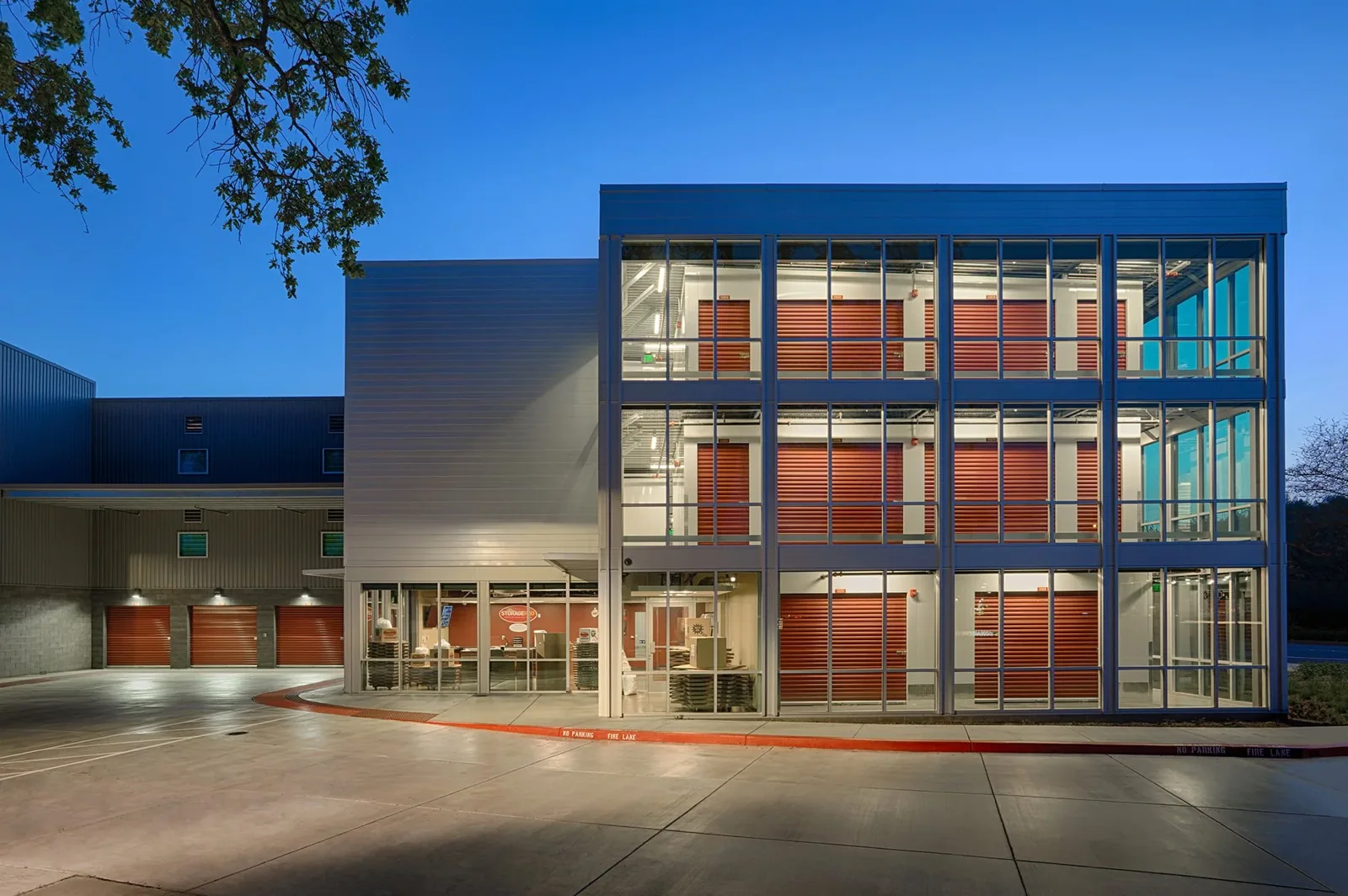
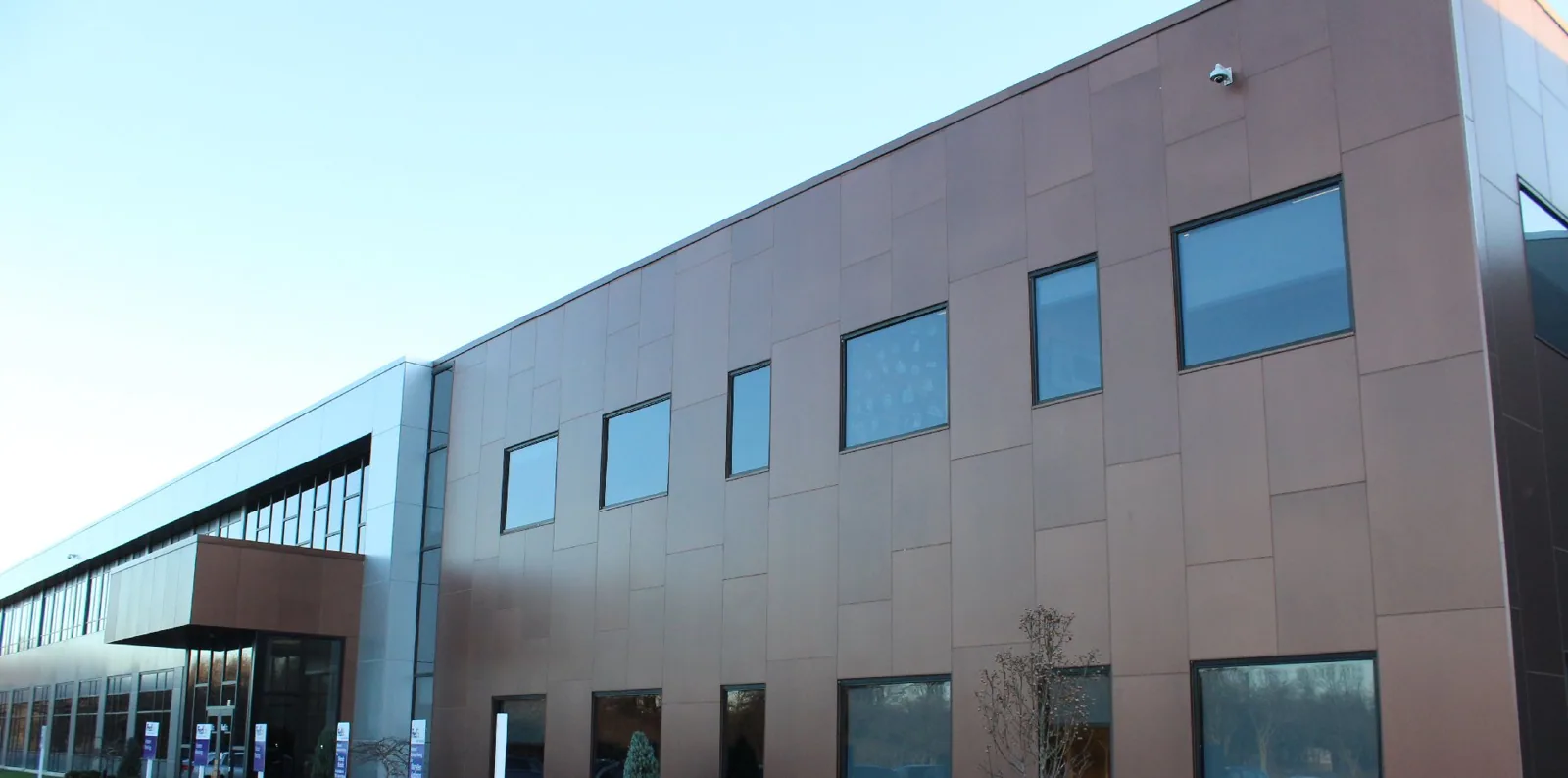
Repair materials: Match the temperature-control design
Cold-storage facilities may use single-ply membranes, built-up roofing, metal sections, or other assemblies. The visible surface alone does not identify the vapor-control layers underneath. We verify product and attachment where records or test openings permit, then select repairs that bond to the actual substrate and preserve the insulation design. A patch that is watertight at the membrane but open at the air-control layer may leave the condensation path untouched.
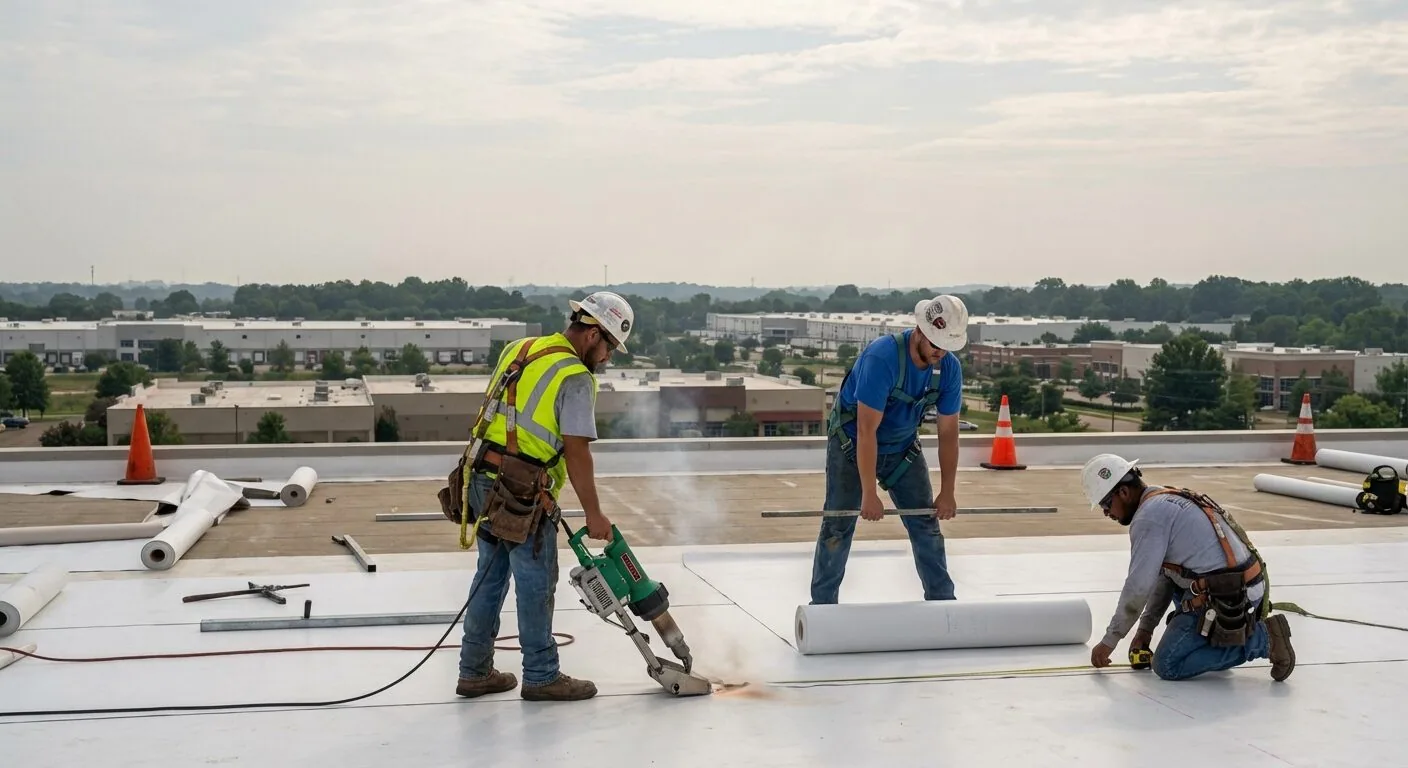
A repair above an operating cold room may require protection against dust, open roof exposure, and temperature change. We define the work zone, duration, temporary closure, and any equipment shutdown before removal. For a distribution facility, distribution-center roof phasing can protect receiving activity; at a separate warehouse roof, inventory concerns and equipment routes may differ. If the existing assembly cannot retain its layers or has widespread wet insulation, replacement should be compared with limited repair. TPO or EPDM are possible membrane types, but the specified system must fit the tested substrate and temperature-control strategy.
Facility continuity: Plan access and temperature checks
Roof work can expose a cold room to humidity and heat if the opening is not controlled. We schedule work by roof area, protect openings, and coordinate with operations on how temperature will be monitored during a repair. The daily closure point needs to be clear before removing membrane, particularly where refrigeration cannot be interrupted. The facility contact identifies the product zones, sensitive process space, and any required access separation.
Sunrise is served by I-595, I-75, and the Sawgrass Expressway, but building-level delivery rules still govern material staging and timing. We confirm where a crane or material lift can operate, how crews reach the roof, and whether a loading area must stay clear. For a cold-storage roofing project in Sunrise, provide refrigeration layouts, roof plans, leak times, temperature logs if available, and prior repair details. The roofing scope can then distinguish membrane work from refrigeration-system diagnostics and show who coordinates each connection.

Maintenance record: Track roof and cold-room changes
Closeout should list repaired penetrations, insulation removed or retained, test-cut findings, membrane materials, drain work, and any air or vapor-control layer that was restored. Photographs should show both the roofing detail and the location on the zone map. We note whether a mechanical trade completed a separate seal or adjustment. If the repair depends on a temperature check, the owner should receive the monitoring period and the condition that requires follow-up.
Sunrise Commerce Park is a multi-use employment area with distribution and manufacturing uses. At a cold-storage building, the property record should identify the refrigerated zone below each roof section and the equipment or piping added during the last project. The next review can compare roof condition with operating history and identify changes in moisture or drainage. That helps the facility distinguish a new membrane issue from a process change before broad repairs are authorized. A localized roof repair remains appropriate where evidence supports a narrow boundary; larger moisture findings call for documented removal limits.
Frequently Asked Questions
Why does a cold room show moisture if the roof is intact?
Humid air can reach a cold surface through a gap in air or vapor control, producing condensation that resembles roof leakage. We compare indoor timing and refrigeration operation with weather, roof penetrations, and membrane conditions. The building's mechanical team may need to check the controls while roofing verifies the assembly.
Can a roof patch restore the vapor-control layer?
Only if the repair reaches and reconnects the affected layer. We inspect the assembly and confirm what is accessible before setting the patch boundary. A membrane-only repair may stop rain entry but leave an air or vapor path through a curb, wall joint, or line penetration.
What roof records help diagnose cold-storage moisture?
Useful items include roof plans, insulation and vapor-retarder details, refrigeration line changes, repair photographs, drain locations, and the time or operating condition when moisture appears. We tie test results to the roof zone and separate verified roof findings from mechanical-system questions.
Can roof work be done while the cold room remains in service?
It may be possible with defined zones, temporary closure, interior protection, and coordination with the refrigeration operator. We agree on the opening size and daily dry-in before work starts. Some repairs require a shutdown or a separate mechanical step, which should be scheduled into the plan.
When does wet insulation require replacement?
The answer depends on how much insulation is affected, whether it has dried, and how the assembly is designed. Targeted openings and inspection establish the wet boundary. The scope then lists material to remove and any test area that remains uncertain before replacement quantities are approved.
Check vapor paths as well as roof leaks
Share roof and refrigeration drawings, leak times, temperature concerns, and previous penetrations or repairs. We will inspect the assembly and define a repair boundary with facility operations in view.
Call 555-555-5555 or request a roof assessment.