Commercial EPDM Roofing in Sunrise, FL
Commercial EPDM Roofing
An EPDM roof is a flexible rubber membrane, and its repairs depend on clean surfaces, compatible primers and tapes, sound attachment, and properly detailed transitions. In Sunrise, FL, we identify the membrane and installation method before choosing a patch or replacement detail. A dark sheet or visible seam alone does not reveal whether the system is fully adhered, mechanically attached, or ballasted. We inspect laps, flashings, penetrations, drainage, and areas exposed to rooftop traffic. Sunrise Commerce Park includes distribution, manufacturing, offices, and multi-tenant business buildings. Sawgrass International Corporate Park includes corporate and regional offices serving healthcare, financial, and research organizations. Each roof needs a building-specific map, even when the membrane appears similar. Our commercial roof inspection can record the condition, while a repair evaluation sets a supported boundary for corrective work.
Roof Systems in Sunrise, FL
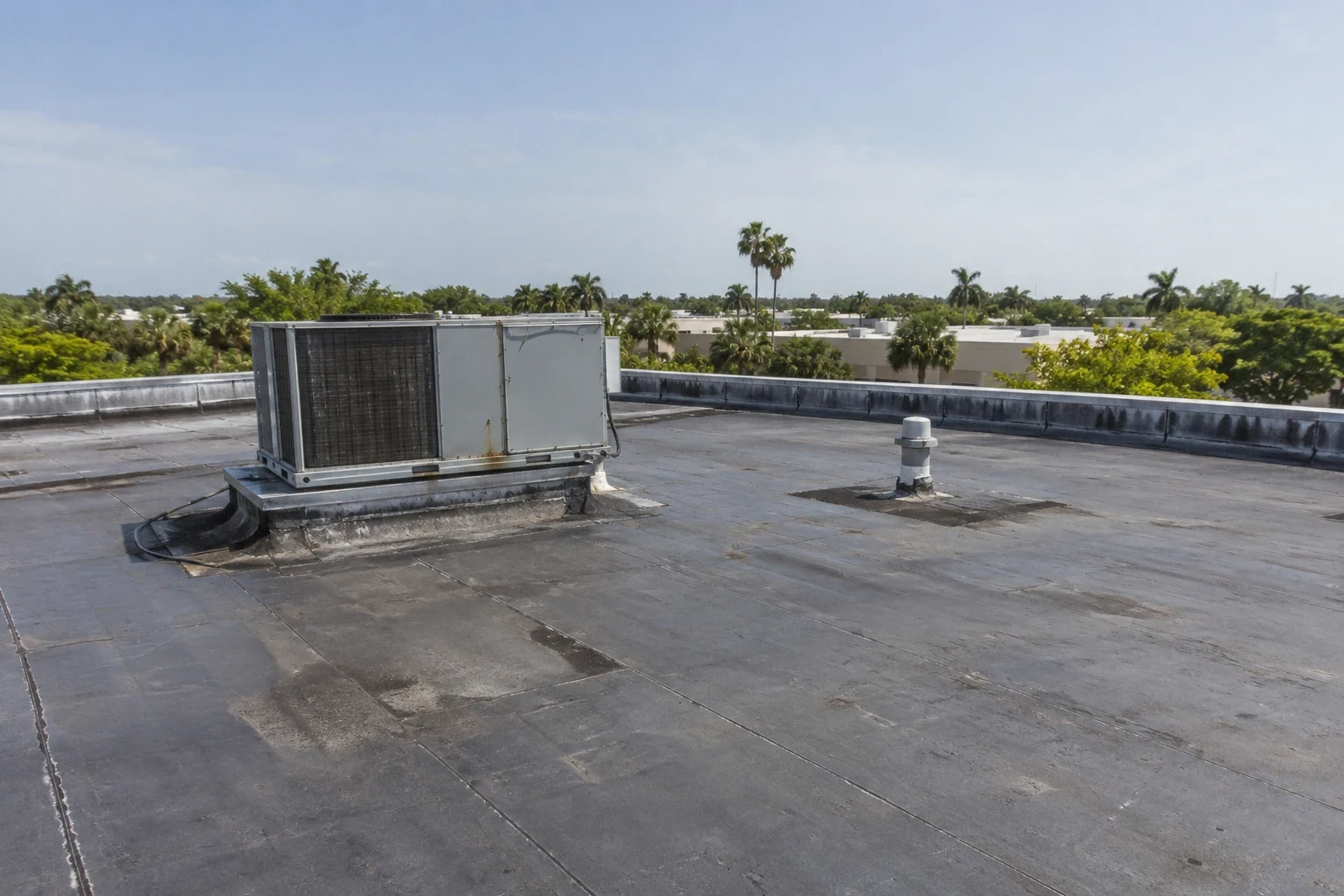
Inspect and repair EPDM commercial roofs in Sunrise, FL with seam, adhesive, flashing, attachment, and puncture-condition checks before repair.
System identification: Find the attachment and lap type
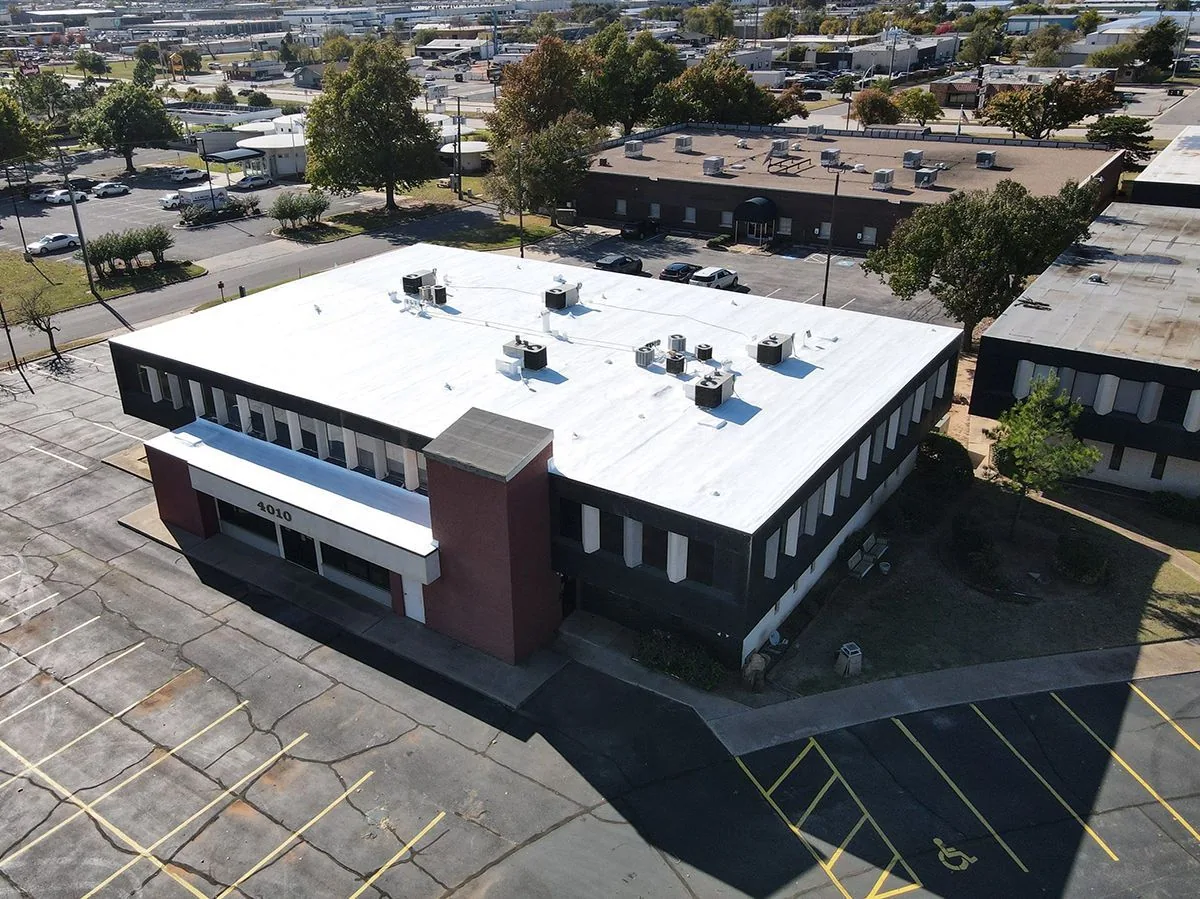
EPDM may be adhered, mechanically fastened, or held in place by ballast. Those methods affect how the sheet moves and where a repair should tie in. We inspect exposed edges, terminations, seams, field movement, and available construction records. If the roof has been recovered or patched, test openings can help identify the number of layers and the condition beneath the visible membrane. We verify an older repair’s product and attachment from accessible edges, project records, or a test opening before choosing a tie-in.
A fully adhered sheet may show tenting or pullback at a wall; a mechanically attached system can reveal movement around plates and seams; ballast can limit access and conceal debris. We map the installation method where it can be confirmed and mark areas that need further exposure. A roof condition report can retain the system observations by zone. For a local reference point, Broward Lakes Business Park includes flex and office properties within a broad 120-acre park; the roof assembly at each building still must be identified directly.
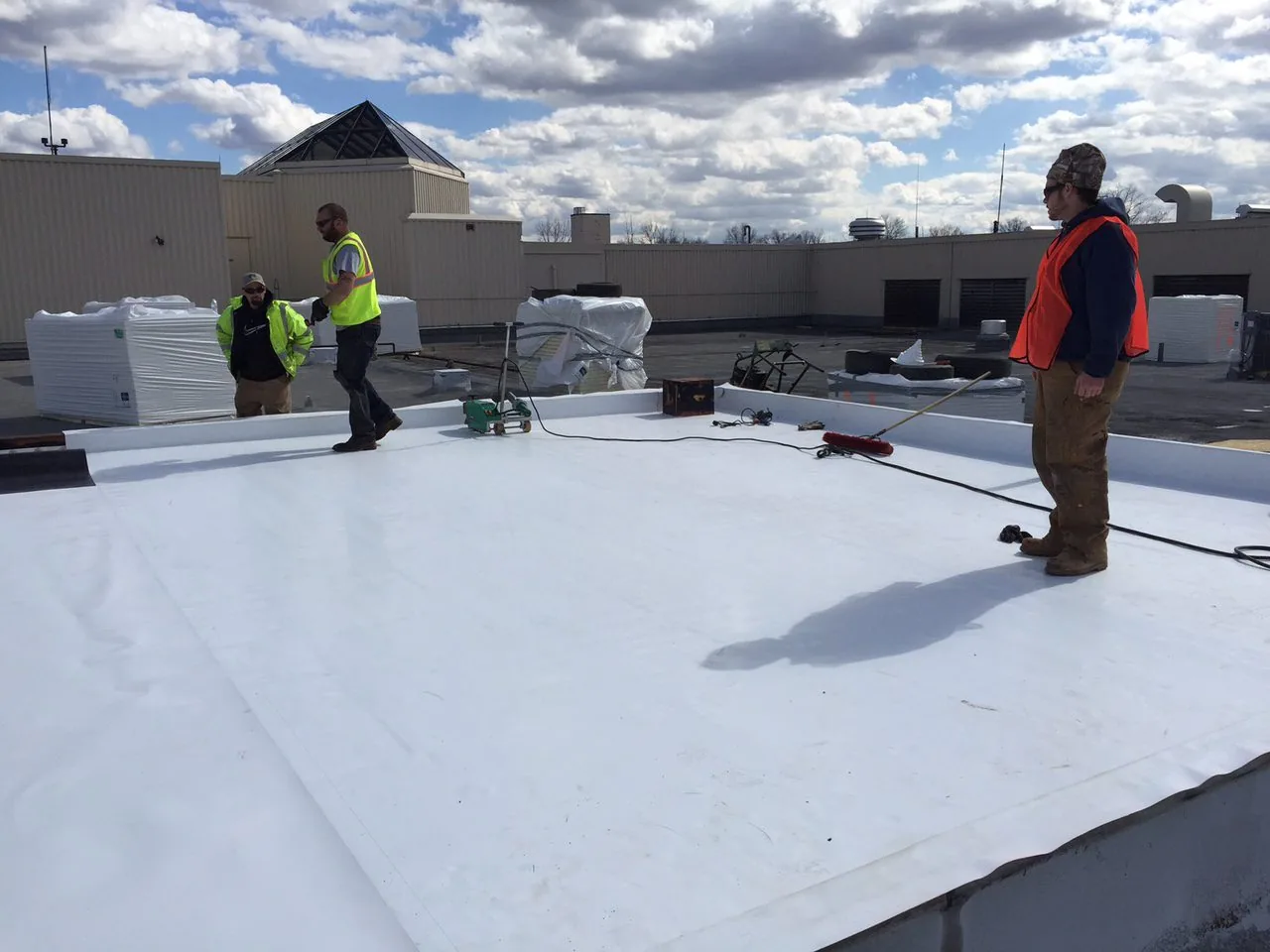
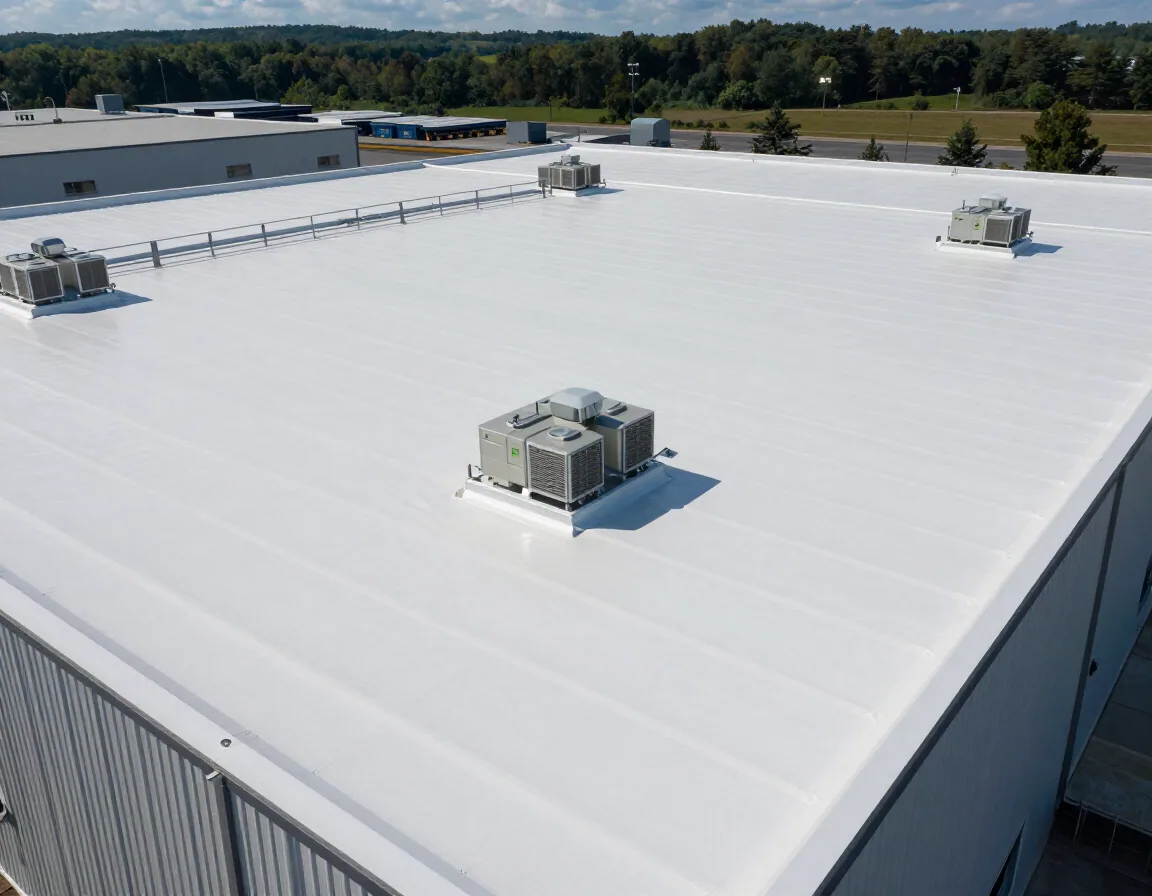
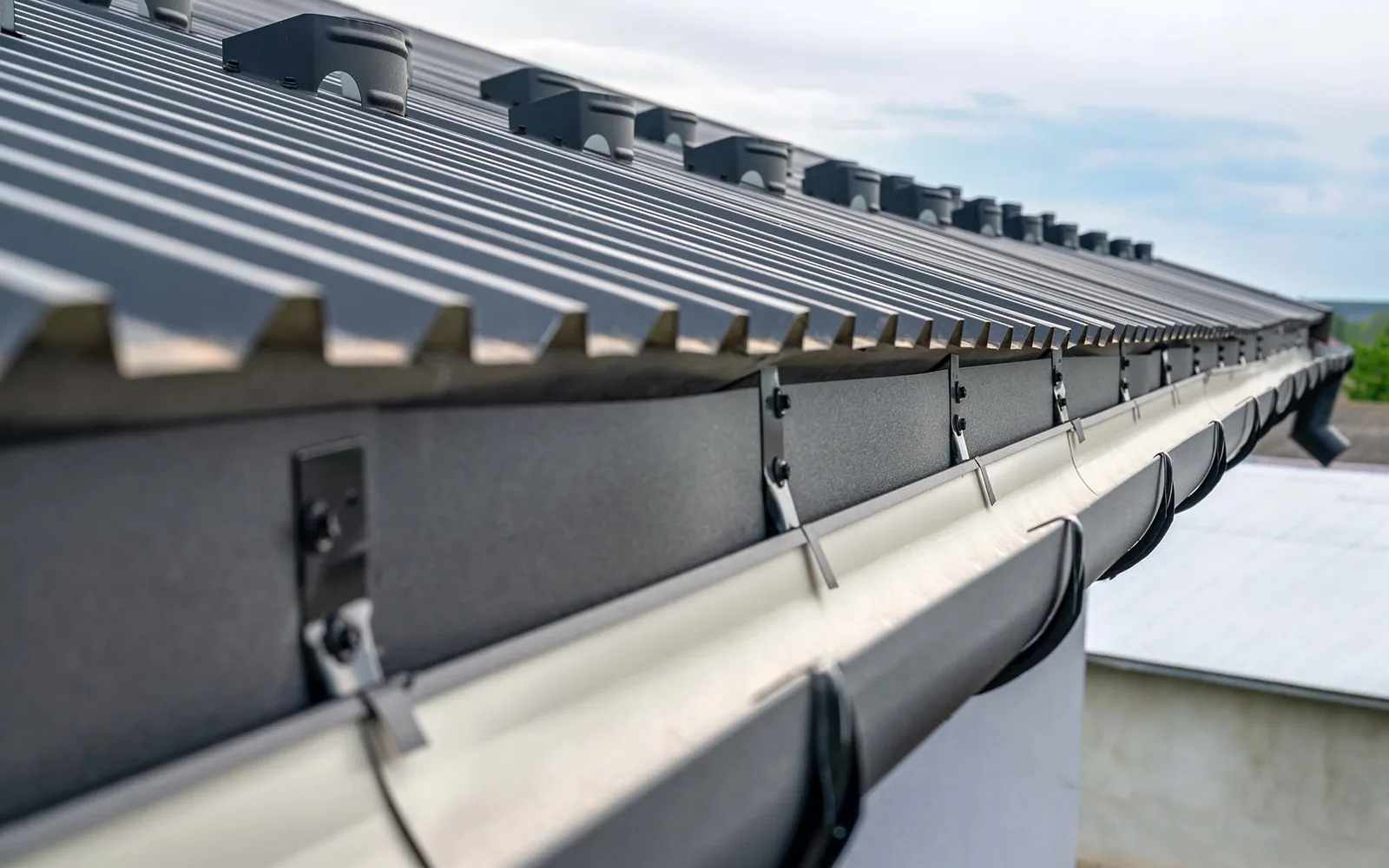
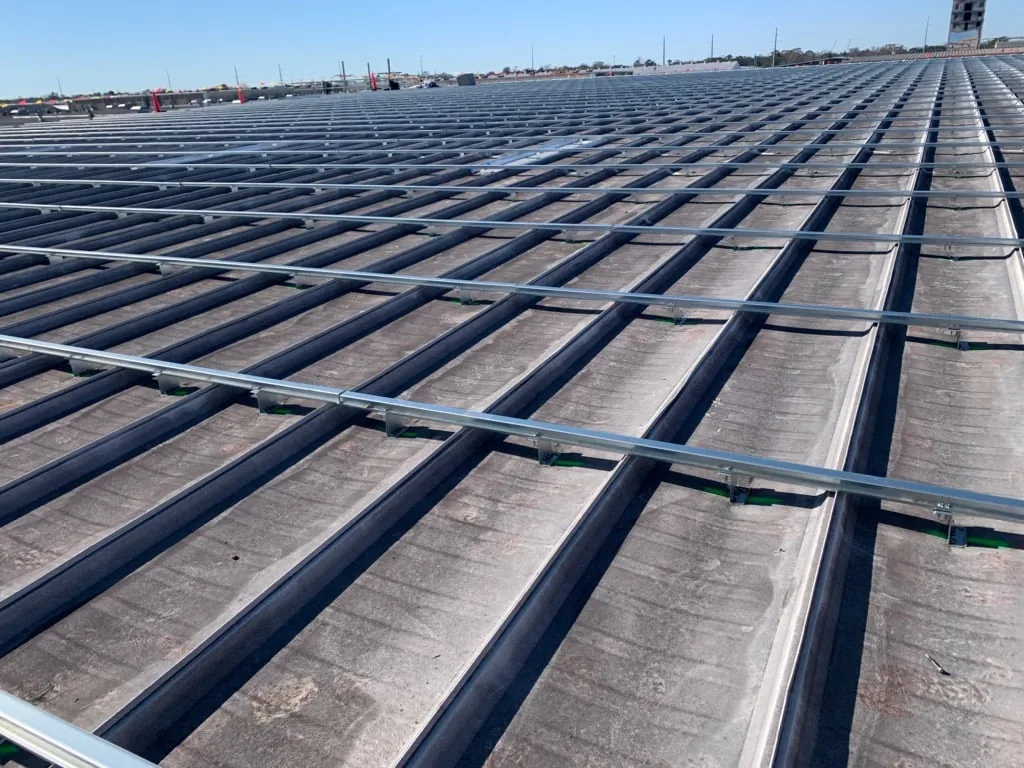
Laps: Prepare the surface before using repair tape
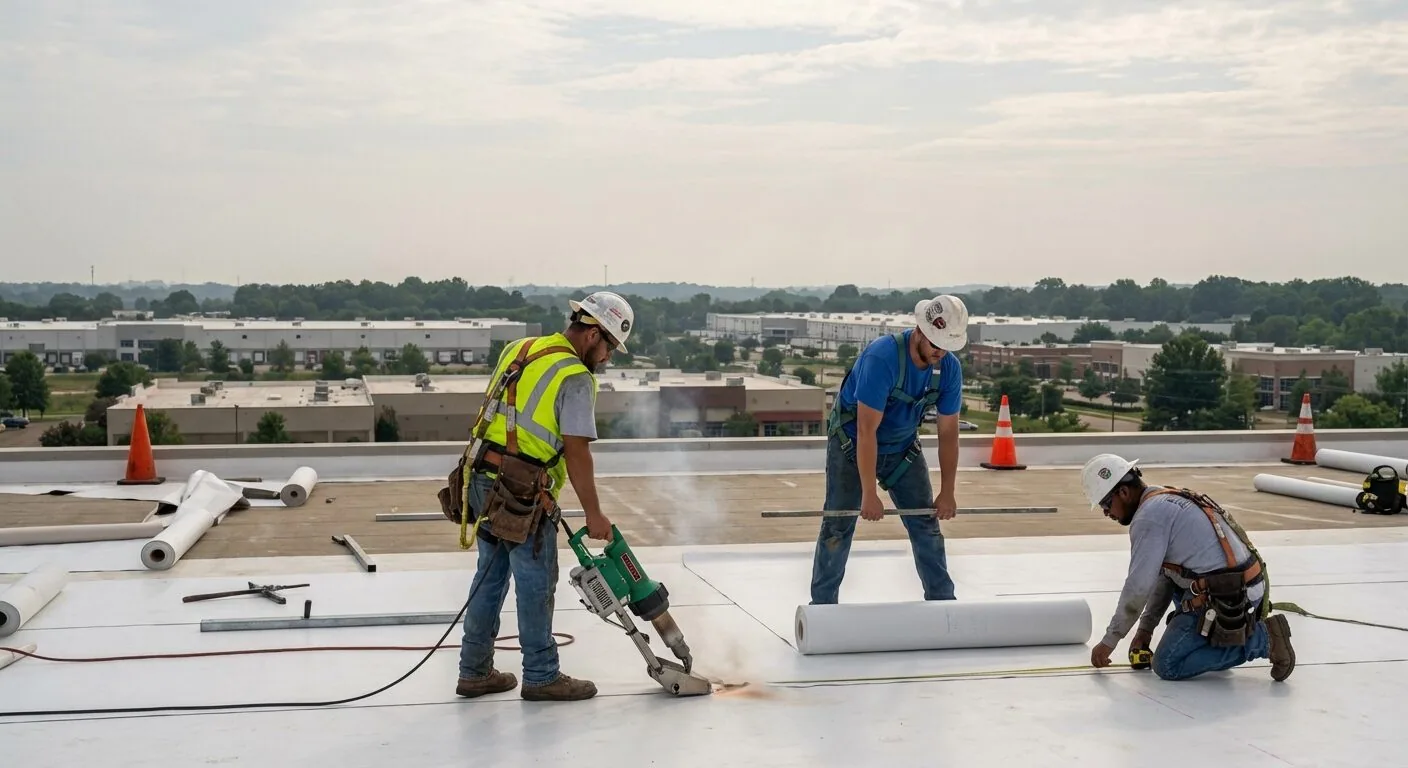
EPDM seams may use splice tape, adhesive, or a system-specific seam detail. Dust, oxidation, moisture, residue, and incompatible products can prevent a new patch from bonding. We inspect lap edges, probe where appropriate, check for fishmouths or lifted corners, and note whether the separation is isolated or repeats across multiple roof zones. A repair should extend beyond loose material onto membrane that can be prepared and bonded.
Before applying primer or tape, the crew cleans and dries the surface as required by the selected product. The repair detail identifies overlap direction, roller pressure, edge treatment, and any compatible cover strip. We avoid stretching the sheet across a gap or sealing over trapped water. When a seam is open at a wall or curb, the vertical flashing may be the actual failure point and needs its own detail. A PVC membrane comparison or TPO system review can help owners compare alternative assemblies when repeated EPDM failures make replacement a consideration.
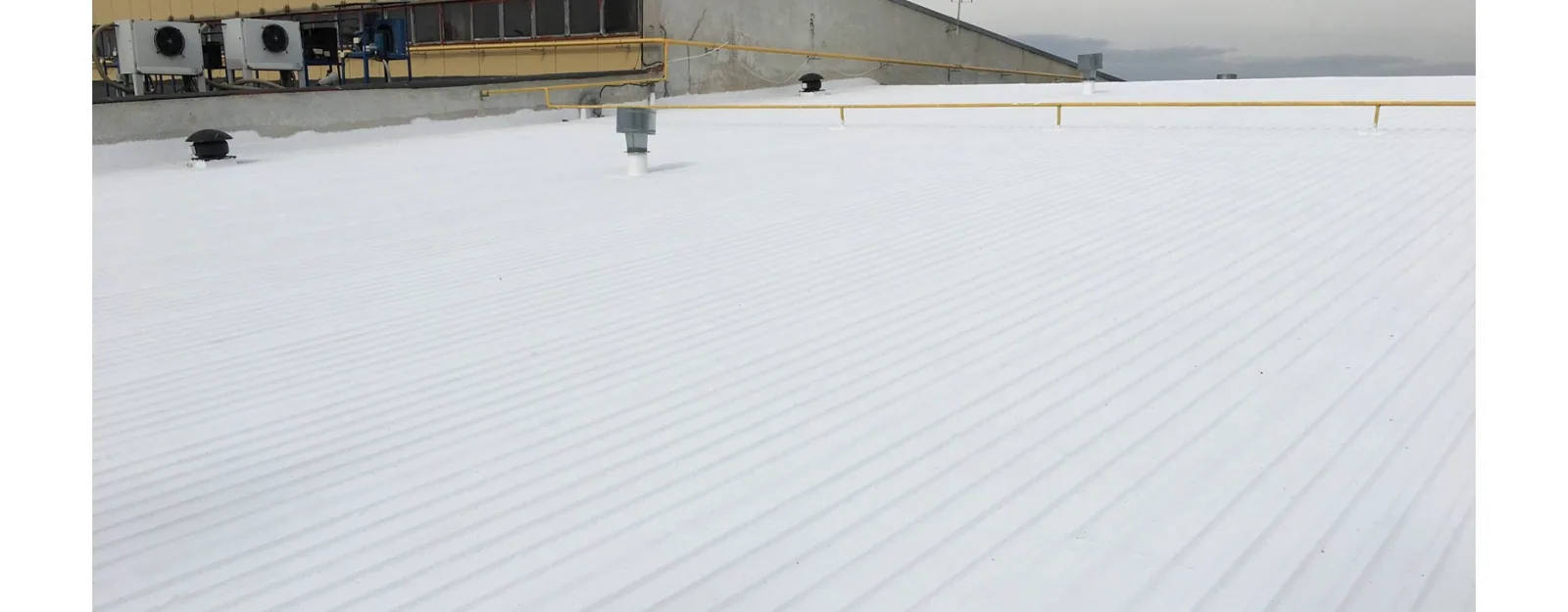
Surface damage: Trace punctures to their source
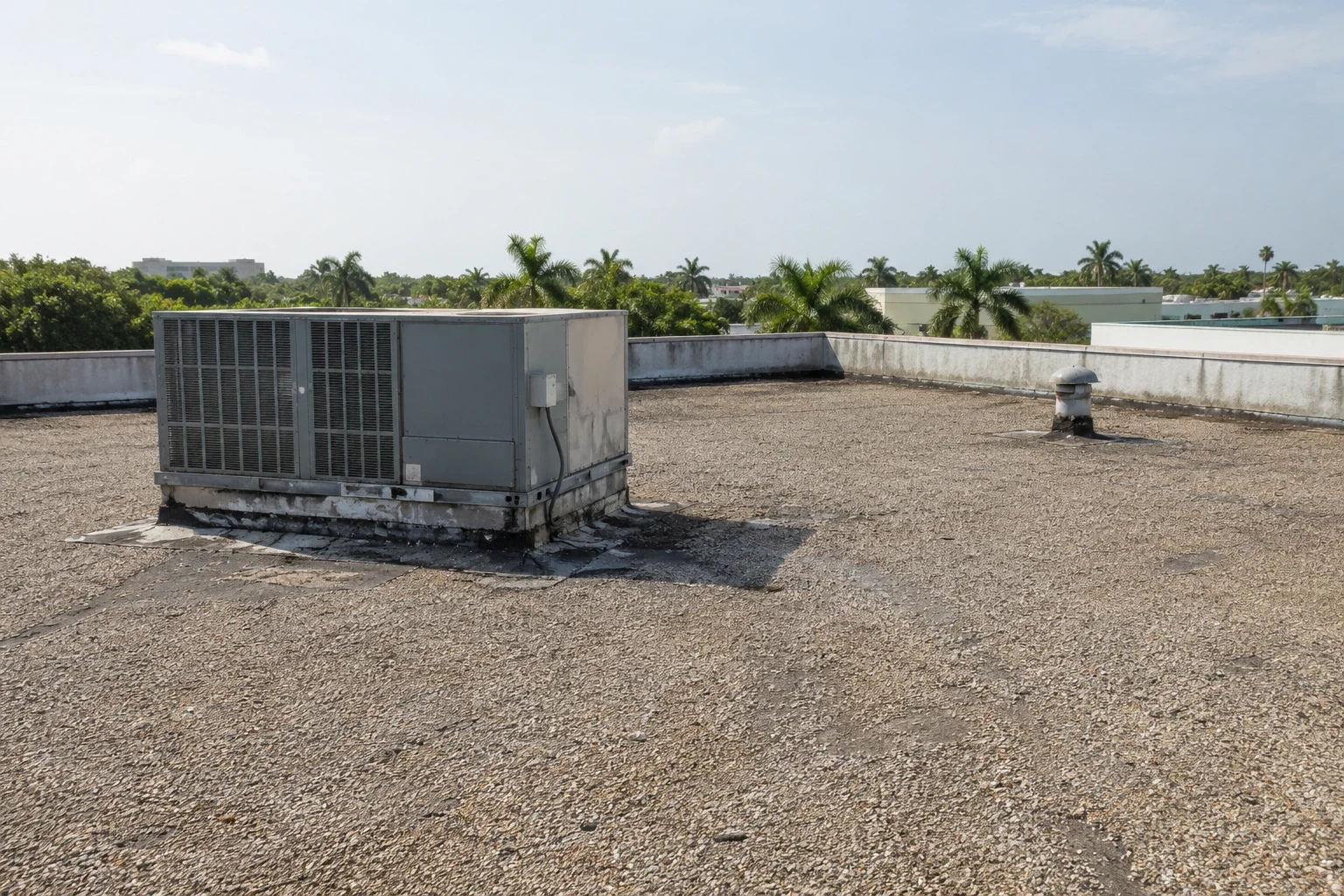
Foot traffic, dropped tools, unsecured material, sharp edges, and equipment service can puncture or abrade an EPDM sheet. We examine the membrane for cuts, surface wear, displaced ballast, exposed reinforcement, and patch edges that have curled or separated. The hole may be smaller than the wet area below, so interior staining and insulation moisture are recorded separately from the visible puncture.
Walkway pads and designated service routes can reduce recurring damage, but they need to be installed over a sound assembly and kept clear of drains. We ask who accesses the roof, what equipment is serviced, and whether contractors use the same route. Sunrise Commerce Park covers about 550 acres beside the Sawgrass Expressway and includes distribution and manufacturing uses. For a puncture near a loading or equipment route, we record the building and roof zone before choosing a repair. An equipment-access review can address bases and supports, while the EPDM repair scope covers membrane work alone.
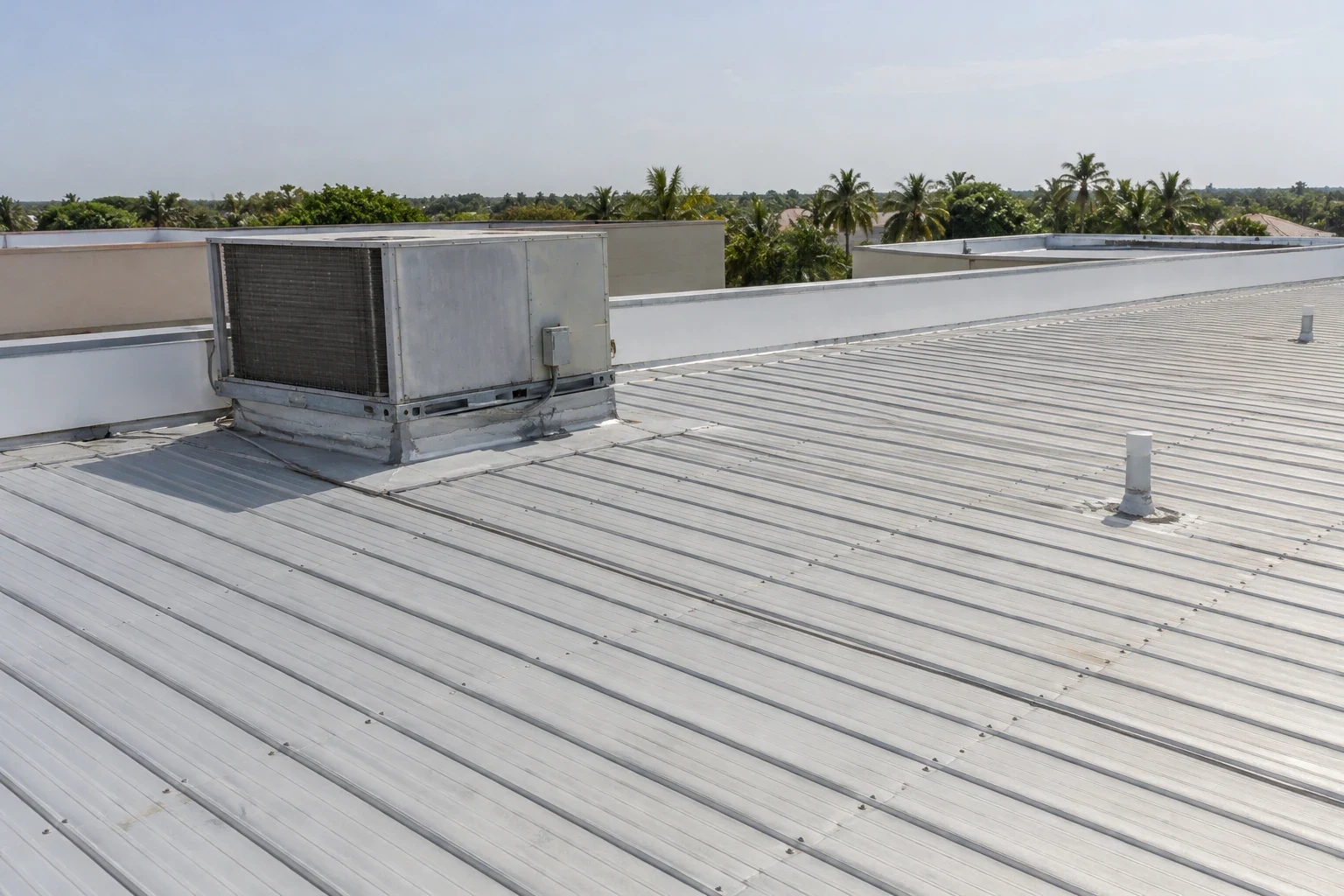
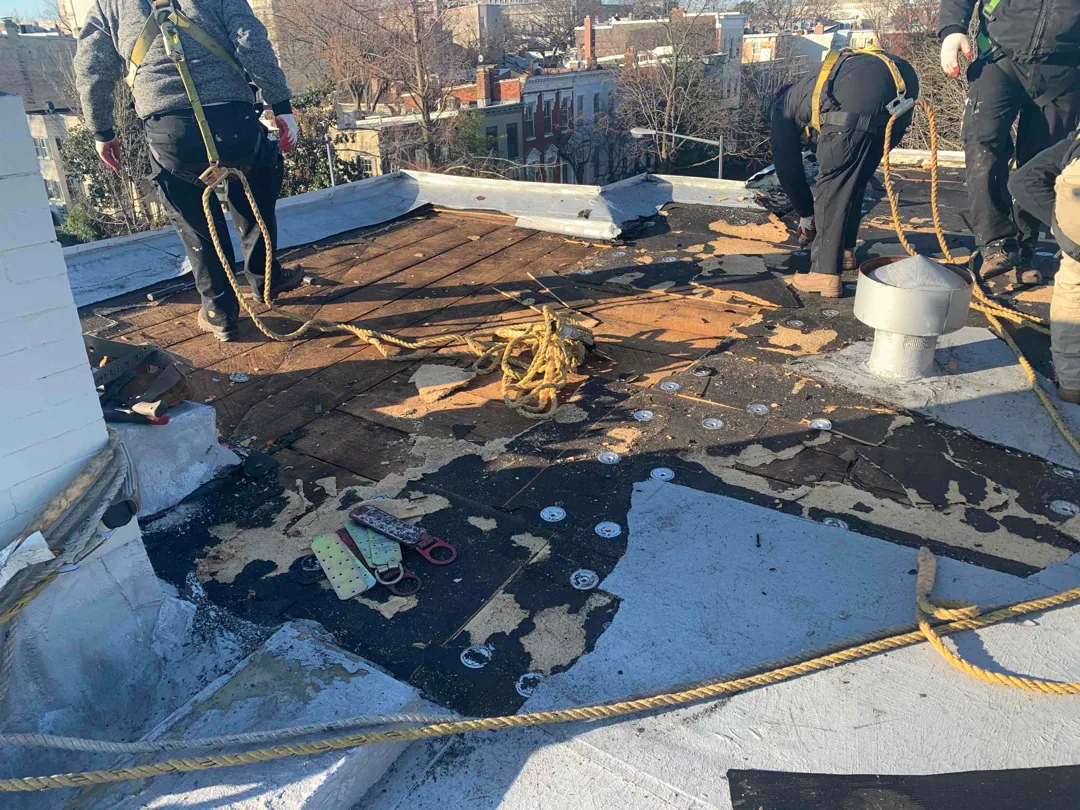
Water and aging: Read the full drainage pattern
Water can collect at a low area, travel beneath an adhered sheet, or enter at a lap far from the interior stain. We map drains, scuppers, overflow paths, walls, and roof transitions, then compare the water pattern with the membrane and insulation conditions. Long-term ponding can leave dirt lines or biological growth, but those marks do not establish whether the deck or insulation is wet. Testing may be necessary before the removal limit is set.
Fort Lauderdale's long-record climate normals include 60.95 inches of annual rainfall, and 37.49 inches occur during South Florida's rainy season. In Sunrise, wet-season preparation includes accessible outlets, open overflow paths, and seams that can be repaired during a suitable dry period. A drainage inspection can check the outlet assembly; a recover assessment can evaluate the remaining layers if moisture or attachment concerns extend beyond a local patch. The report distinguishes confirmed conditions from areas that remain concealed.
Repair or replace: Compare work by roof zone
A localized EPDM repair can be effective when the sheet and substrate are stable and the defect is isolated. Repeated shrinkage, seam openings, adhesive failure, punctures across several sections, or wet insulation can support a larger scope. We record the evidence for each option and identify test openings that would change the recommended boundary. The owner can then compare repair quantities with recover or replacement work using the same roof plan.
Adding another layer can raise drains, reduce curb height, and change termination details. Before a recover, we check layer count, compatibility, moisture, attachment, and project requirements. If removal is required, we note how the crew will protect the building while insulation and membrane are open. A replacement scope can address broader renewal, while scheduled maintenance can monitor a sound existing roof and its repair history. The proposal lists what remains outside the approved work.
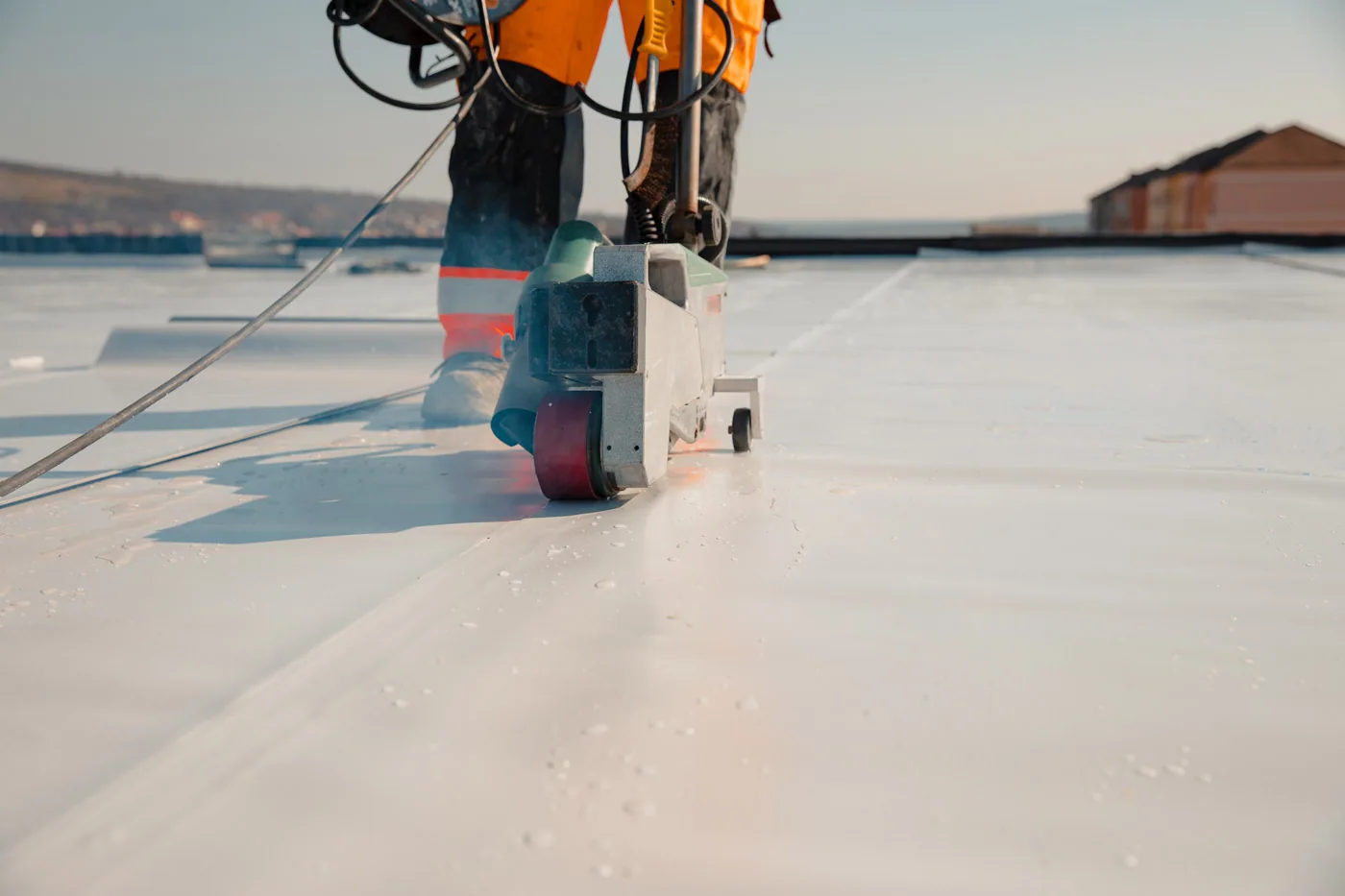
Closeout: Keep the repair record useful
Closeout documents the EPDM product where verified, attachment method, repaired zones, lap or flashing materials, and photographs before and after work. We note tests performed, areas that could not be reached, and any separate drainage, deck, or mechanical work still needed. A new patch should have an identifiable location and a repair date so later inspections can compare its condition.
For portfolios that include offices, research, manufacturing, and distribution uses, consistent zone labels help property teams compare records without assuming that every roof has the same construction. Store warranties, product instructions, leak reports, and contractor access details with the building file. To schedule a Sunrise EPDM roof assessment, share the roof plan, repair history, access instructions, and any record of prior overlays. We will identify which areas need direct inspection before selecting a repair material.
Frequently Asked Questions
Can EPDM seams be repaired with tape?
They can be repaired with compatible seam materials when the sheet is identified and the surface can be properly cleaned, dried, and primed. We inspect the seam and prepare the repair area before selecting the product.
How do I know if the EPDM roof is ballasted or adhered?
Inspection looks at the field surface, exposed edges, terminations, and records. Ballast, plates, or adhesive may be visible in accessible areas; test openings can confirm layers and attachment where the assembly is concealed.
Does an EPDM leak always mean the membrane is worn out?
No. A leak may start at a flashing, drain, puncture, seam, or connection, and water can travel before it appears indoors. We trace the path and separate a local detail failure from broader membrane or insulation concerns.
Can an EPDM roof be recovered with another membrane?
Possibly, if moisture, attachment, layer count, compatibility, and project requirements support it. The evaluation also checks drain and curb heights and how new material would terminate at edges and openings.
What helps prevent repeat punctures on an EPDM roof?
Identify who uses the roof and why, then provide a suitable service path and protection over a sound membrane. Equipment work, material staging, and walk routes should be coordinated with the facility team.
Map the EPDM system and repair limits
Share roof plans, membrane records, prior repairs, leak locations, and roof-access rules. We will inspect the attachment, laps, flashings, and drainage before recommending the repair boundary.
Call 555-555-5555 or request a roof assessment.