
Commercial TPO Roofing in Sunrise, FL
Commercial TPO Roofing
A TPO roof can look uniform from the ground while one seam, curb, or perimeter termination has started to fail. In Sunrise, FL, we identify the membrane, attachment method, age, repair history, and water path before recommending a patch, recover, or replacement. TPO is a thermoplastic single-ply membrane. We probe heat-welded seams at field laps and details, because a bond can fail intermittently even when the sheet edge looks closed. Sunrise Commerce Park includes distribution, manufacturing, office, and multi-tenant buildings, while Sawgrass Technology Park contains multiple office and technology structures. Roof size and equipment density vary across these settings. Our roof inspection maps seams, penetrations, drains, and edges; a replacement review sets the removal scope when the assembly cannot support a local repair. We connect visible conditions to a specific roof zone so the owner can compare a repair with broader work.
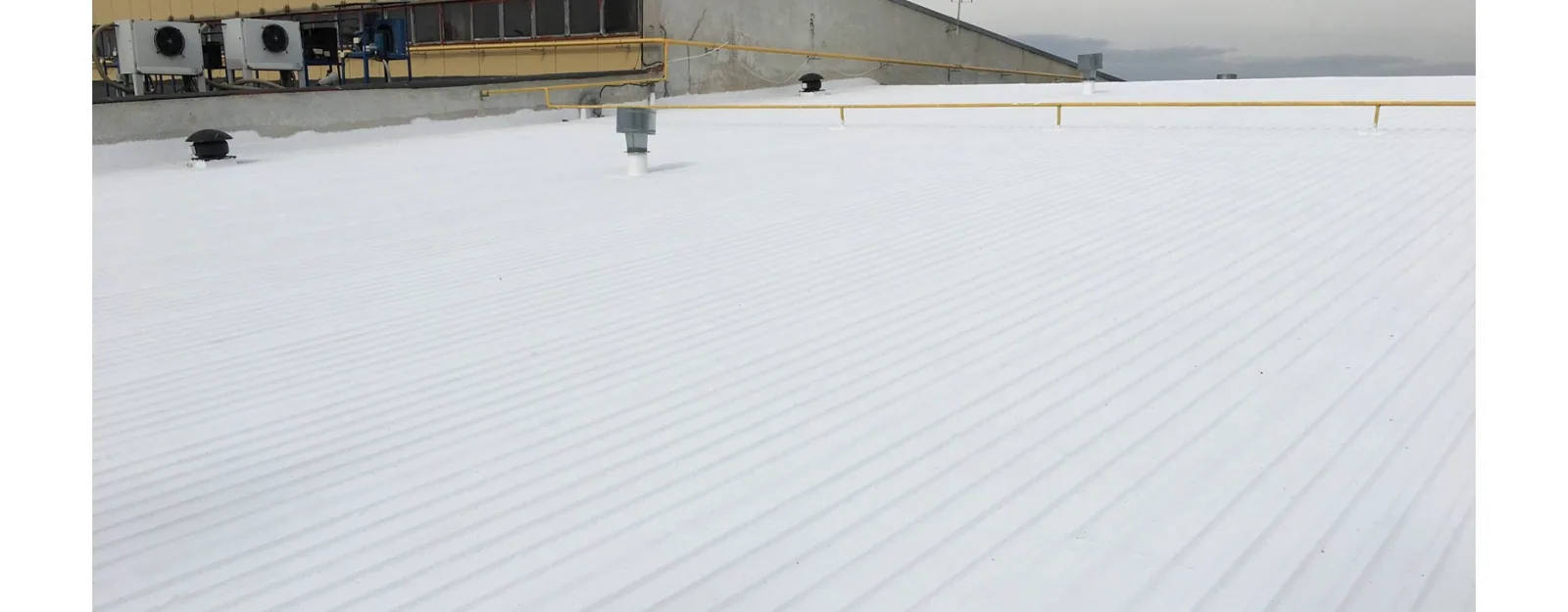
Roof Systems in Sunrise, FL
Inspect, repair, or replace commercial TPO roofs in Sunrise, FL with seam testing, flashing review, attachment checks, and mapped repair limits.
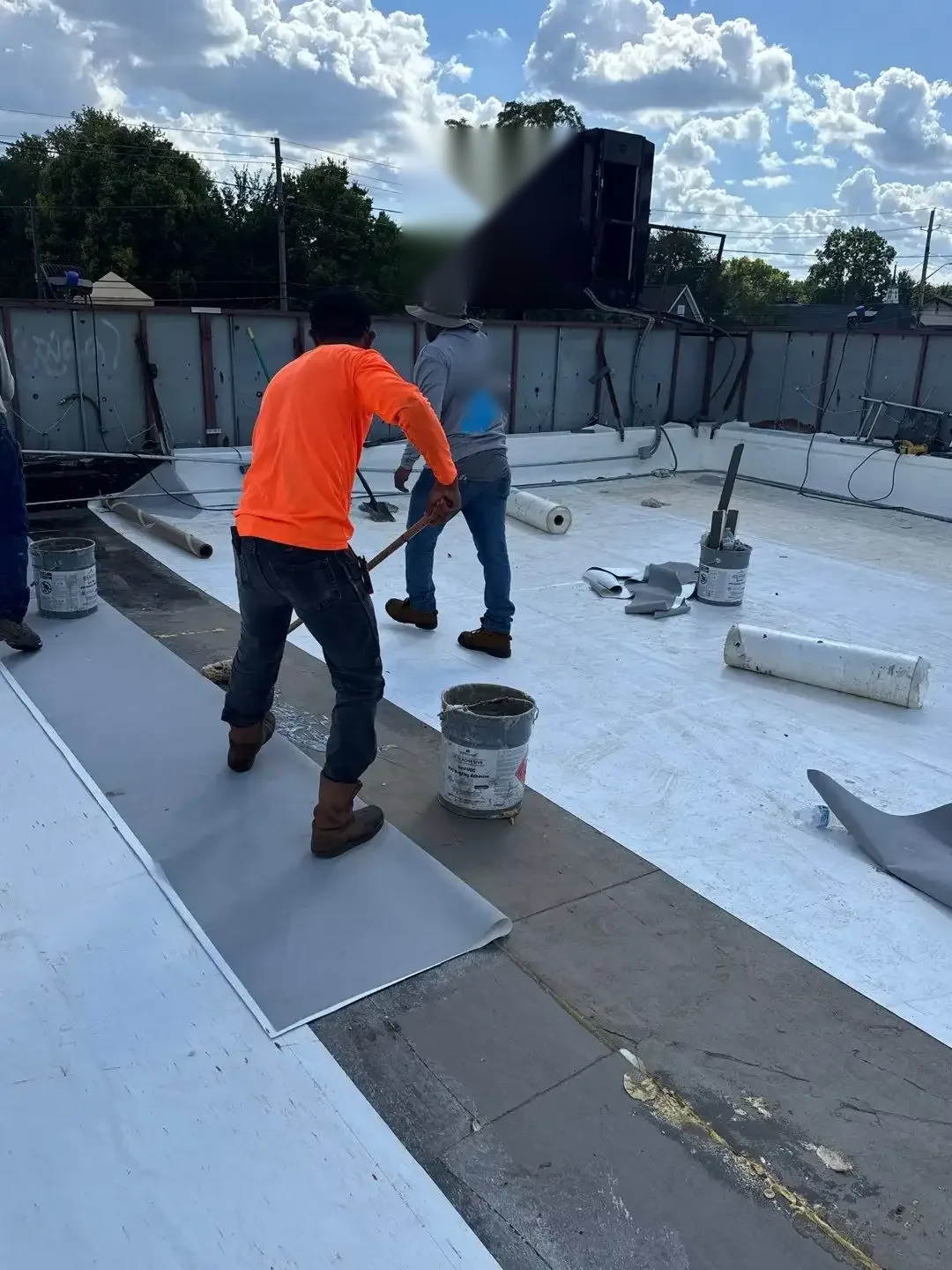
Membrane identification: Confirm the sheet and attachment
We confirm that the existing roof is TPO before proposing a heat-welded repair. Product markings, construction records, exposed edges, and test openings can help distinguish TPO from other single-ply membranes or older coating systems. The inspection records membrane thickness where it can be verified, seam layout, insulation and cover-board layers, fastening pattern, and the substrate observed at an opening. If the record is incomplete, the scope names the test needed instead of assuming the assembly from its color.
Attachment may be mechanically fastened, adhered, or held by a ballasted design. That choice affects how the membrane responds around the perimeter, rooftop equipment, and repair areas. We look for plate movement, loose fasteners, adhesive release, wrinkles, or evidence of wind movement, then identify which observations need a wider review. A condition report can pair the roof plan with photographs and test points. For a warehouse or distribution property, a warehouse roof assessment can account for access and rooftop traffic without replacing the system-specific inspection.
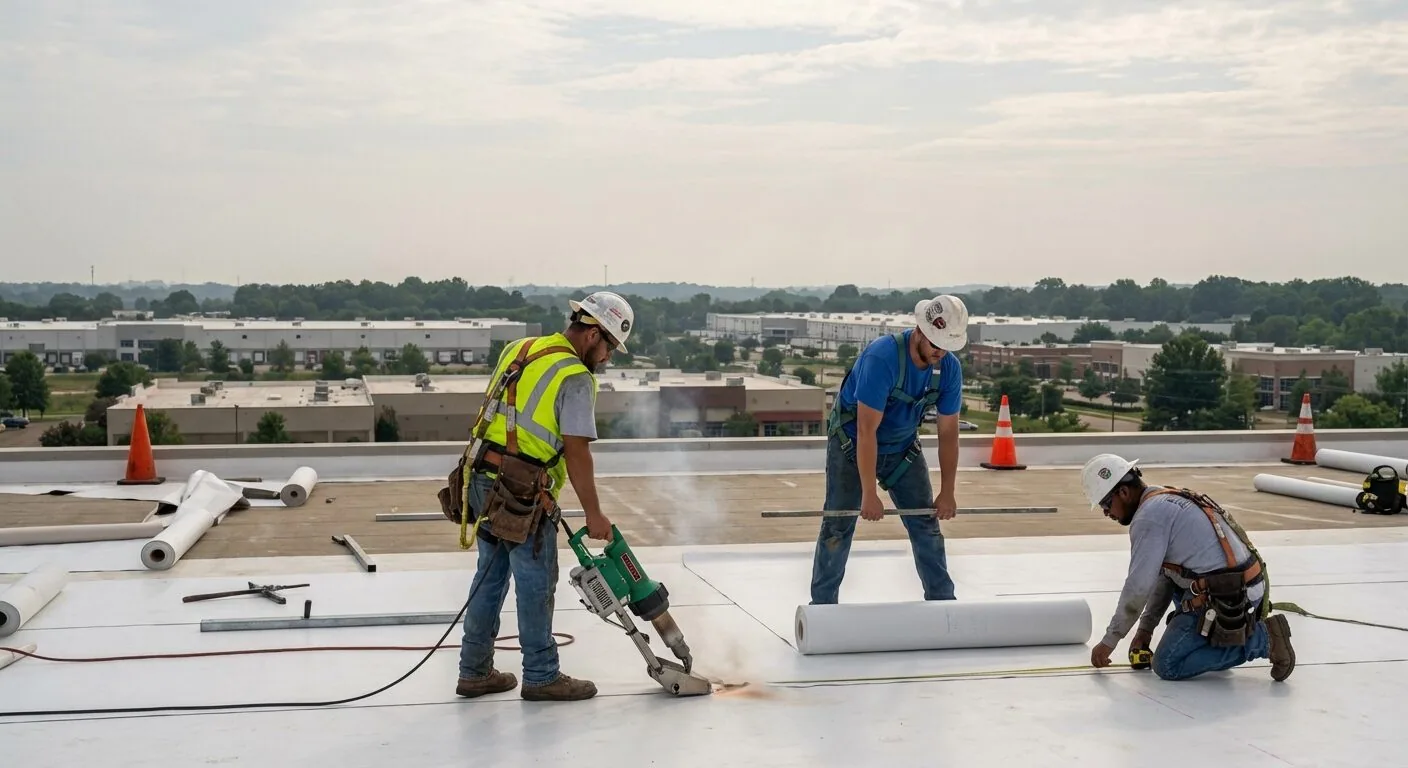
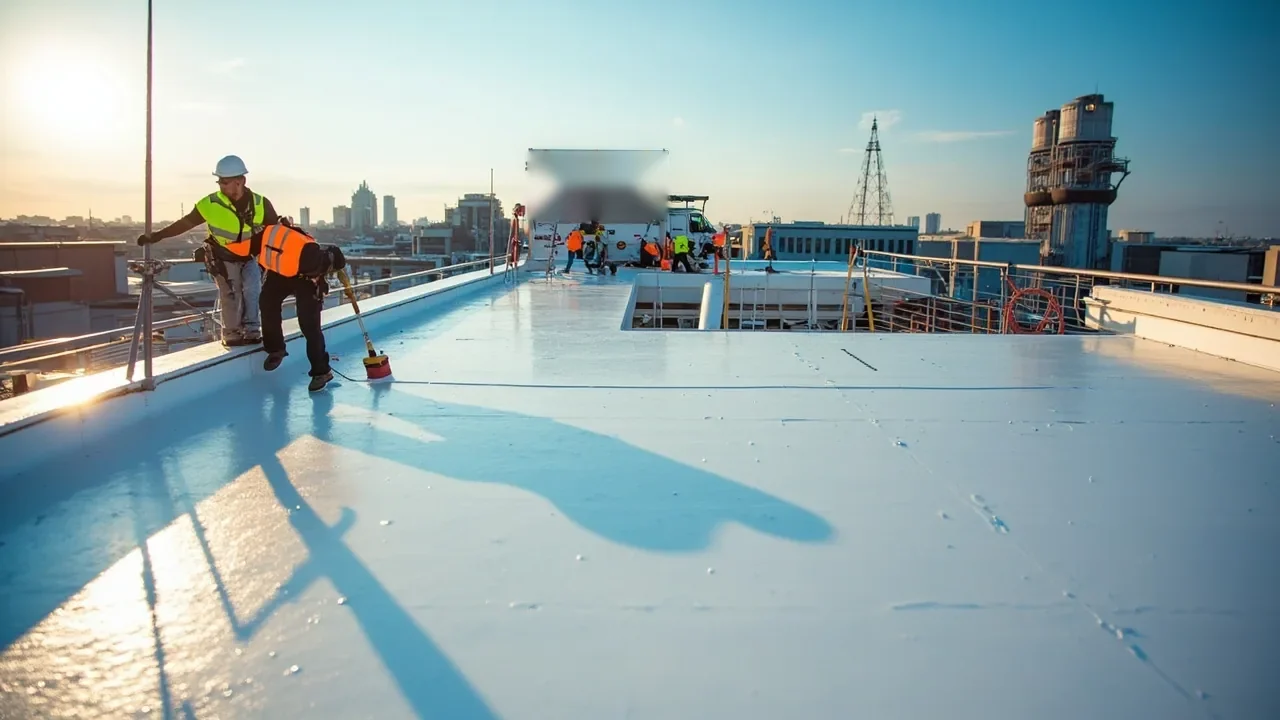
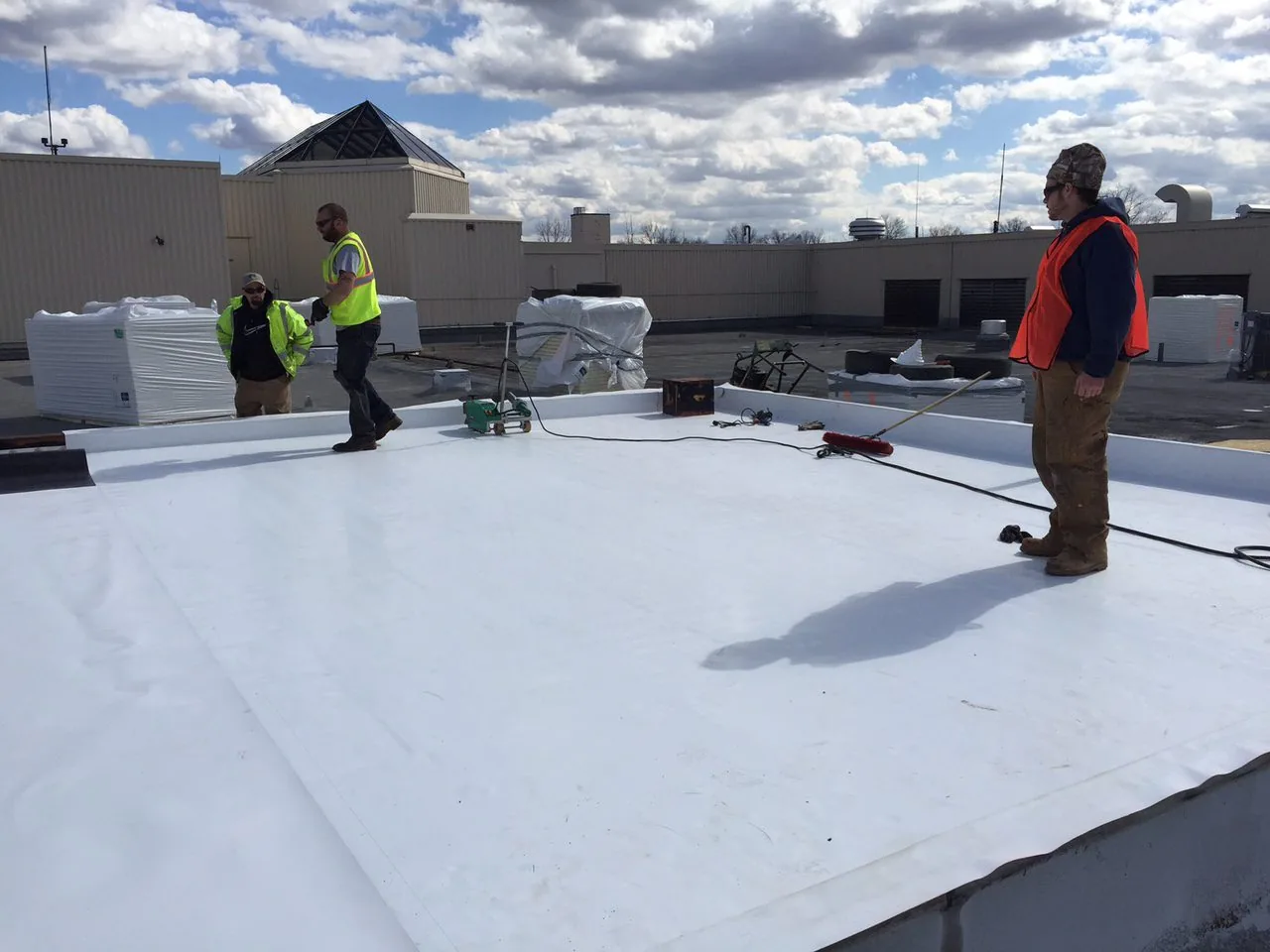
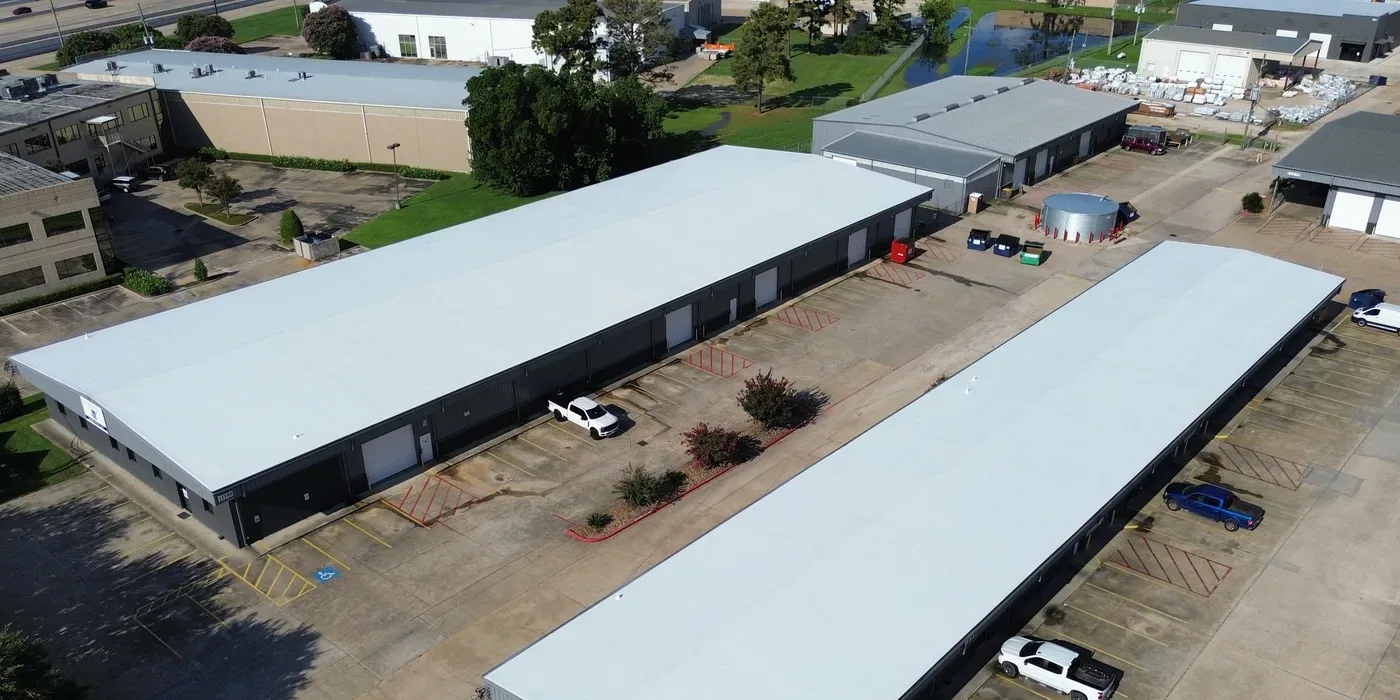
Seams: Test welds instead of judging by color
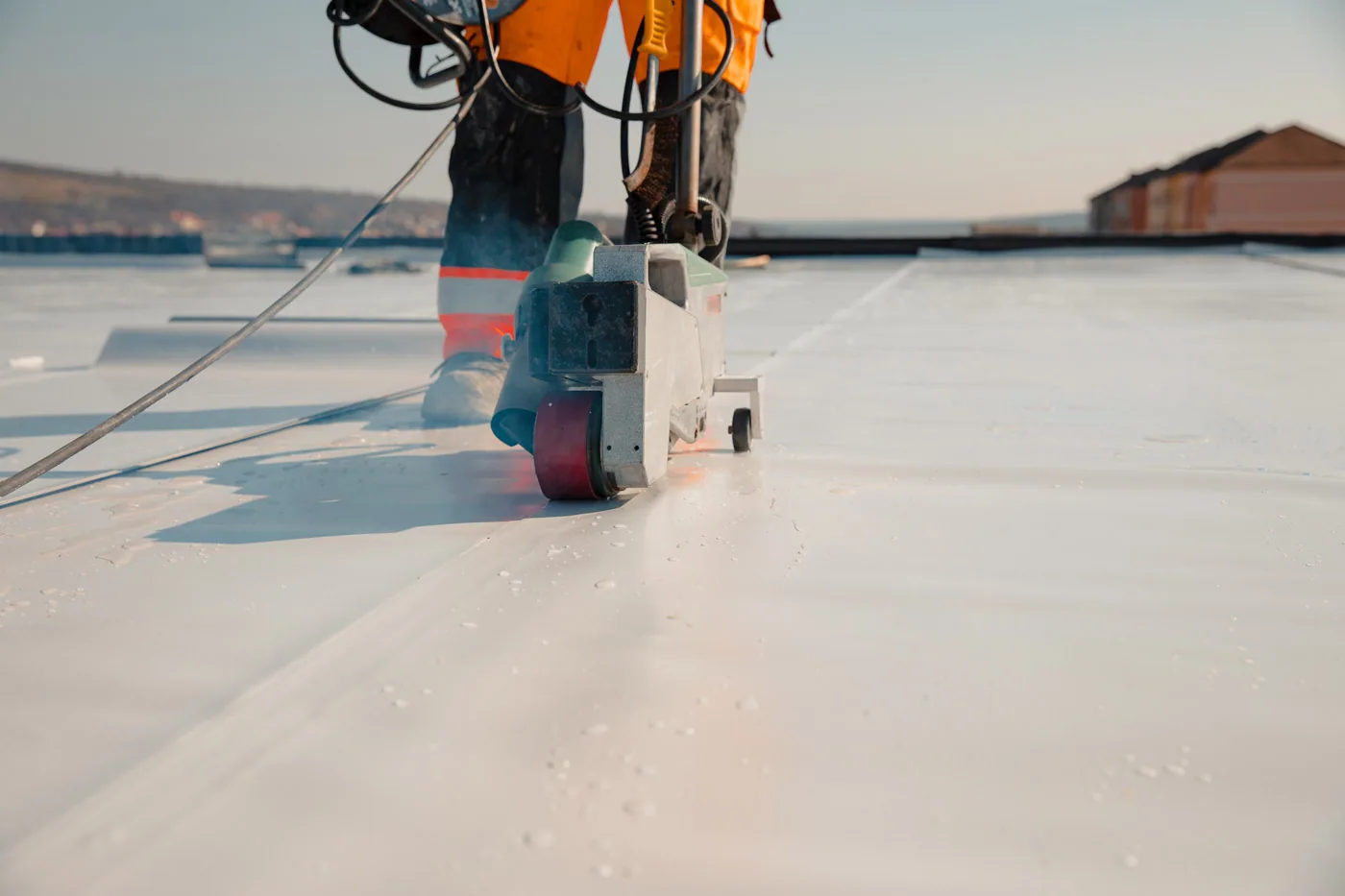
TPO sheets are joined by heat welding. A seam failure can appear as a lifted edge, fishmouth, contamination, incomplete weld, or split caused by movement. We probe accessible seams with a blunt tool after confirming that the surface is suitable, and we note the length and location of any separation. A weld can be sound in one section and weak at a corner or previous repair, so inspection findings are mapped rather than generalized across the roof.
Repair preparation matters. Dirt, moisture, oxidation, prior coatings, or incompatible patch material can interfere with a new weld. The crew cleans and prepares the surface as the membrane manufacturer requires, then uses compatible sheet material and the correct weld procedure. Compare the intended assembly with PVC roofing and EPDM roofing only after confirming the project's membrane and service requirements. After cooling, the finished edge is checked for continuity and the repair is photographed. If field seams are repeatedly opening, we look at sheet movement, attachment, and substrate rather than adding patches without reviewing the pattern.
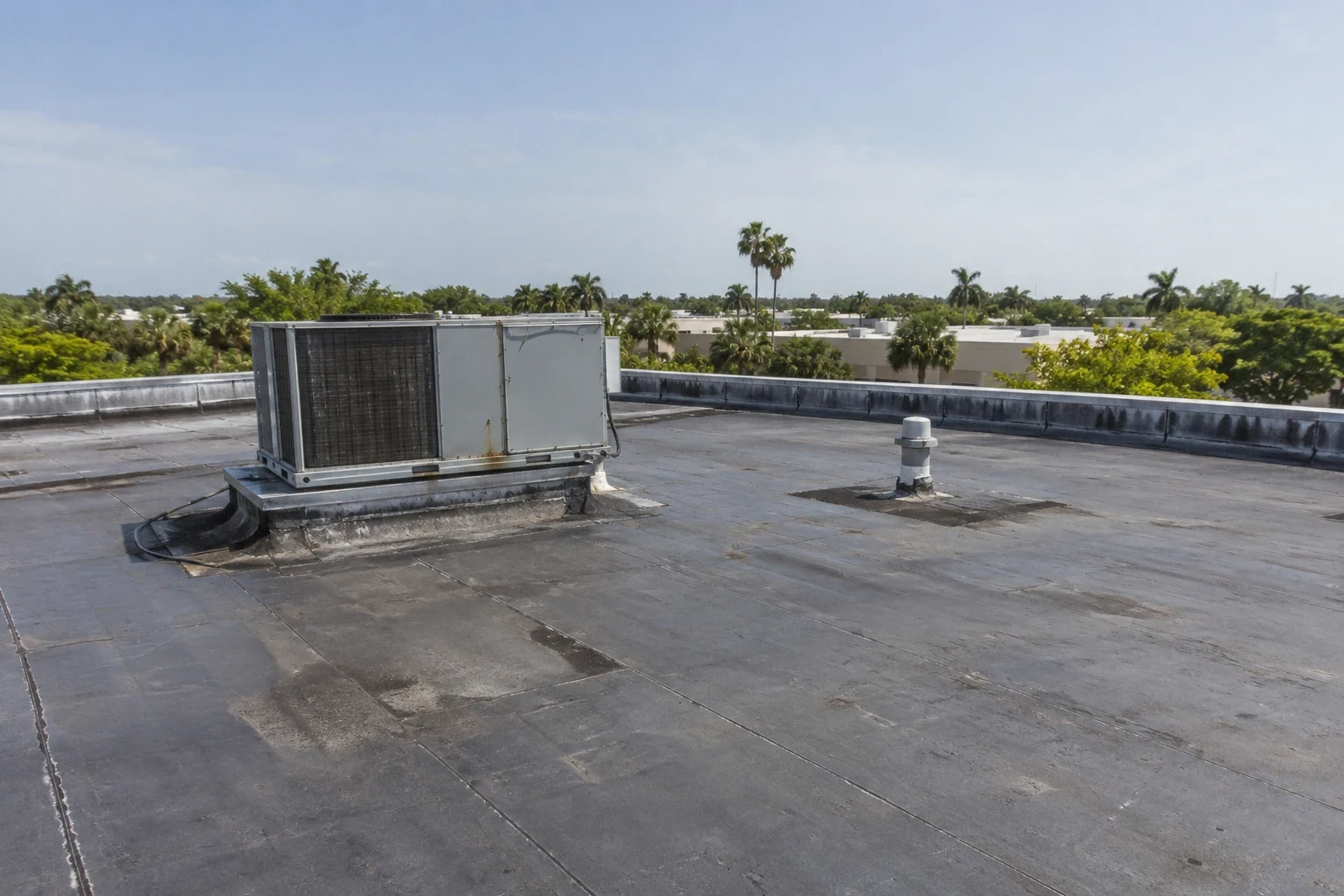
Details: Inspect the transitions that interrupt the field
Most roof openings require a transition between horizontal membrane and a vertical or irregular surface. We check pipe boots, skylight curbs, equipment bases, pitch pockets, drains, expansion joints, and wall terminations for secure attachment and watertight laps. A repair should restore the specific detail and maintain the membrane's designed movement. Sealant by itself may not correct a loose counterflashing, low curb, cracked boot, or inadequate termination height.
At a drain, the membrane must be integrated with the bowl and clamping ring; at a curb, corners and top termination need separate attention. Sunrise's humid climate and concentrated seasonal rainfall put extra demand on drains and curb transitions. We inspect those details on the actual roof before setting repair scope. A drain and scupper service can address the outlet separately, and penetration-flashing work can repair a curb transition. We label each Sawgrass Technology Park roof by structure and unit so photos and repair records remain with the correct building.
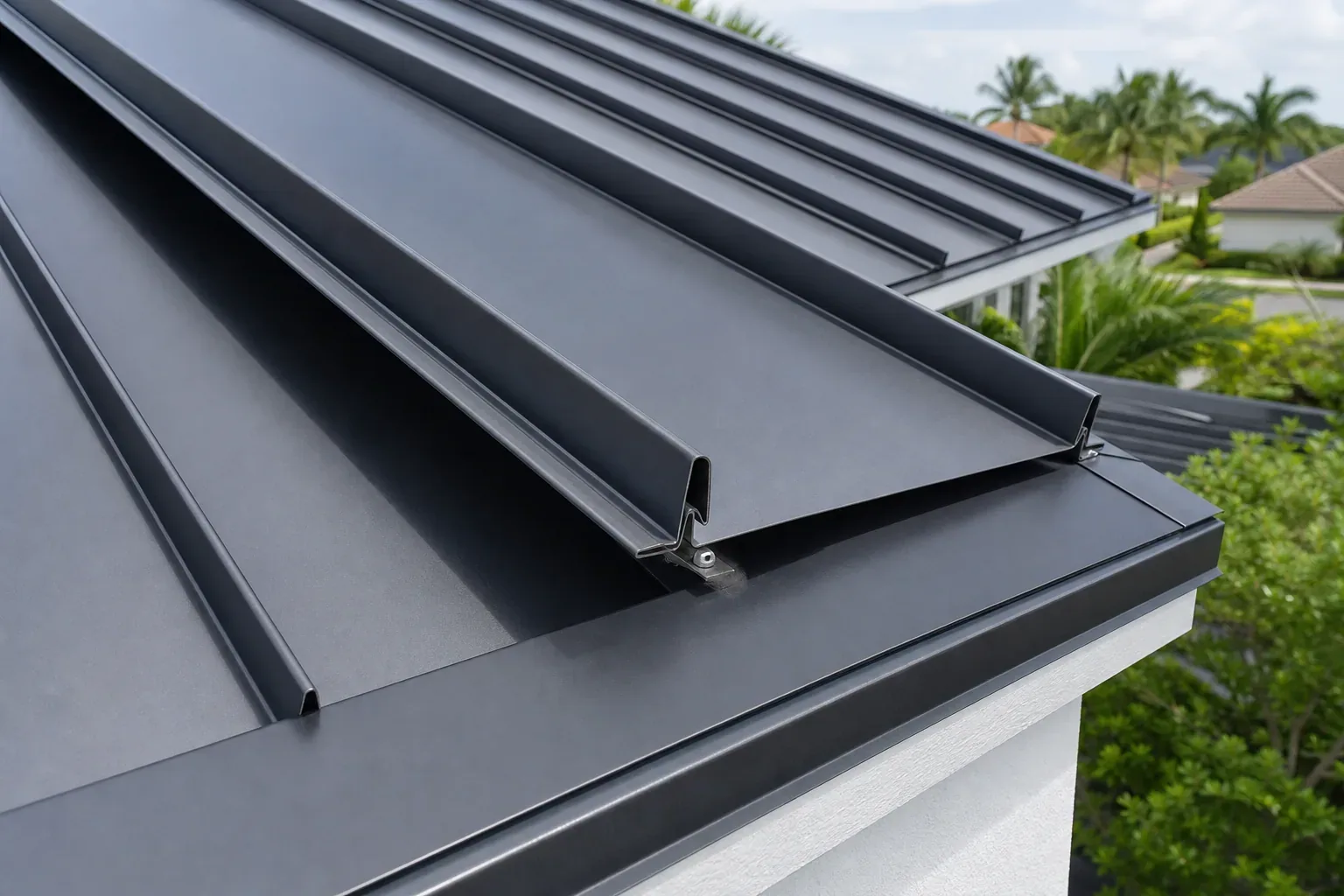
Repair options: Set a supported boundary
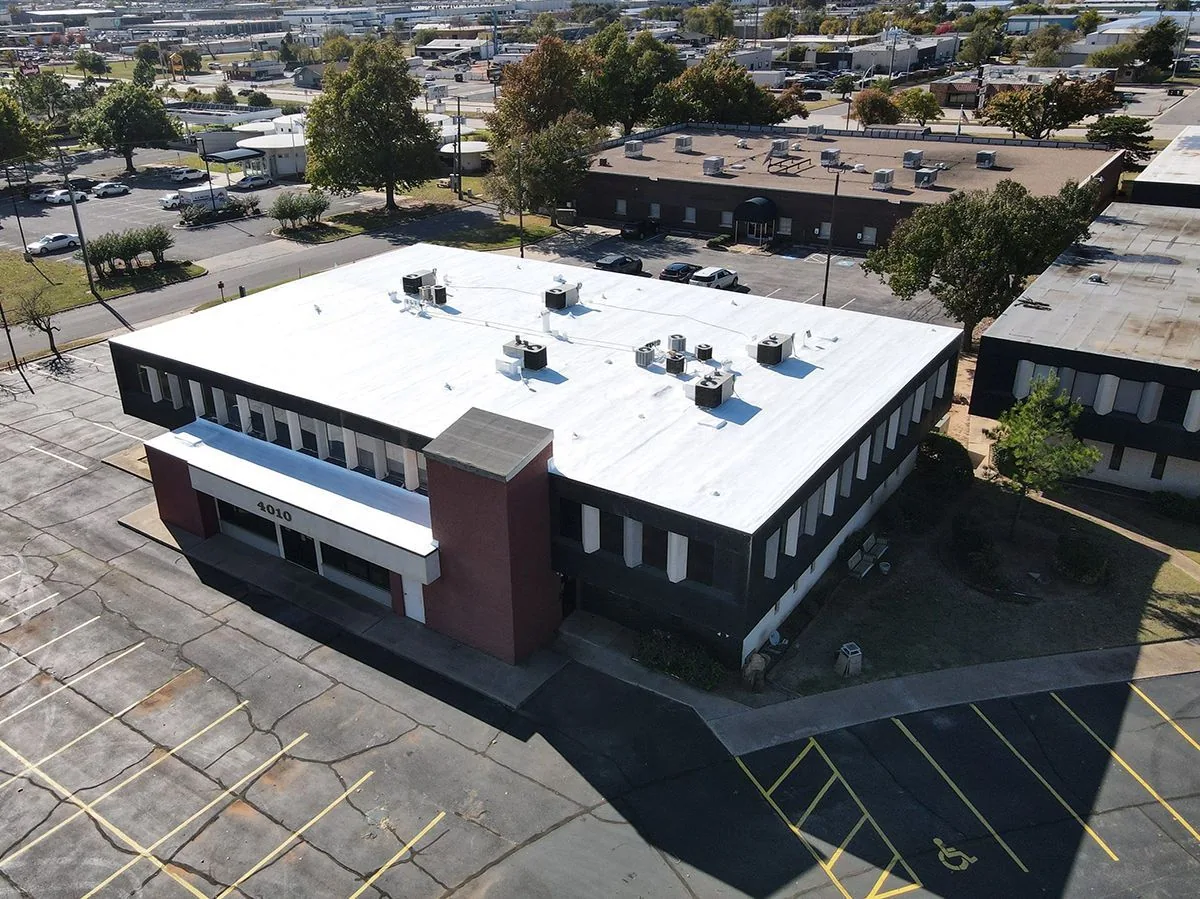
A localized TPO repair is appropriate when the membrane is compatible, the substrate is sound, and the defect has a defined limit. If insulation is wet, attachment is failing across several zones, or seams show a repeated pattern of separation, a patch may only delay a broader decision. We map confirmed conditions, identify test areas, and distinguish repair quantities from concealed conditions that require approval after opening the roof.
A recover may be considered when the existing assembly is dry, stable, and permitted by the project requirements. Replacement may be preferable when layers are saturated, incompatible, poorly attached, or beyond a practical repair boundary. We inspect drain heights, edge securement, equipment clearances, and wall transitions before adding material because the new membrane plane can change those details. A recover evaluation can compare the remaining options, while a cover-board review can address substrate and insulation in a larger assembly scope.
Installation: Control heat welding and daily closure
Welding conditions affect seam quality. The crew adjusts heat and travel speed for the membrane, surface temperature, wind, and equipment used, then verifies the first weld before continuing. If moisture or contamination enters the work zone, preparation restarts rather than being hidden beneath a new patch. Repairs should be sized so the exposed area can be completed and closed within the shift, with temporary protection defined if weather interrupts work.
Fort Lauderdale's climate normal shows 60.95 inches of annual rainfall, with 37.49 inches during the South Florida rainy season. On a TPO roof, that makes drain access and dry work conditions part of the sequence. We protect open drains, keep materials secured, and confirm that completed seams and temporary edges are watertight before leaving. Where work is scheduled across several buildings, Sunrise Commerce Park's mix of manufacturing, distribution, offices, and multi-tenant properties can require separate access windows and closeout records.
Closeout: Record the membrane and seam work
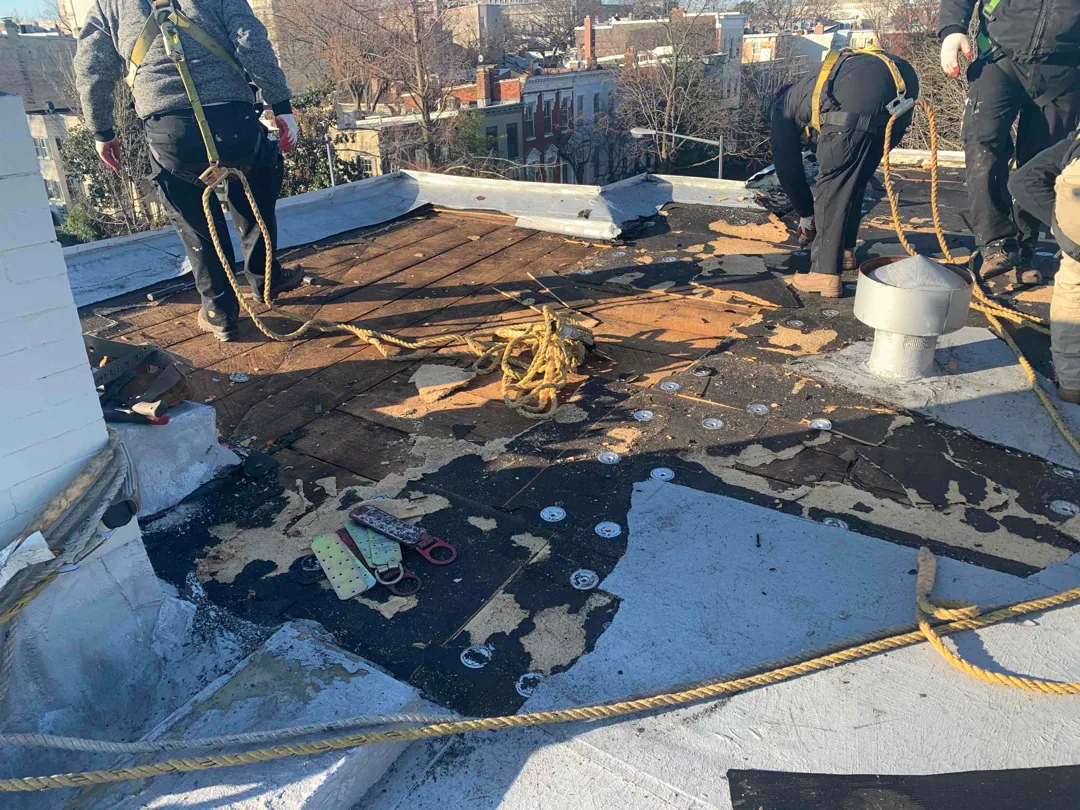
The closeout records confirmed product, attachment, completed roof zones, and representative seam and transition photographs. The report lists test results, any area not reached, and any condition that remains outside the contract. If another trade must lift equipment or repair a drain line, that task is kept separate from the membrane work.
A durable roof record helps the facility team avoid guessing which product or repair was used later. It should include the manufacturer information available, installation or repair date, warranty terms, and maintenance requirements. A maintenance visit can monitor drains, flashings, and areas with prior seam repair. For a Sunrise TPO roof inspection, share the roof plan, leak locations, repair history, and any available system records so we can begin with the correct membrane and building zone.
Frequently Asked Questions
How can I tell if our roof is TPO?
Color alone is not enough. We review product records, visible edges, seam construction, and any accessible test opening to identify the membrane and attachment. If the assembly is unclear, the inspection lists the verification needed before repair material is selected.
Can a leaking TPO seam be repaired?
Often, when the surrounding sheet and substrate are sound. The repair area must be clean, dry, compatible, and prepared for welding. We test and map the affected seam, then check the completed weld after it cools.
What does a TPO roof inspection include?
The inspection reviews field seams, attachment, flashings, curbs, drains, perimeter terminations, prior repairs, and visible moisture concerns. Findings are tied to roof zones, with test openings identified when concealed conditions could affect scope.
Should we coat a TPO roof instead of replacing it?
That depends on membrane condition, compatibility, moisture, attachment, drainage, and project requirements. We compare a coating only when testing and manufacturer guidance support it; a coating does not correct a wet or unstable assembly.
What information helps estimate TPO work?
Send roof plans, product or warranty records, leak history, previous repairs, equipment locations, and access rules. We use those records to organize inspection points and define the repair boundary for each roof area.
Map the TPO condition before pricing work
Share the roof plan, leak history, system records, and access limits. We will inspect seams, transitions, attachment, and drainage before defining a repair or replacement scope.
Call 555-555-5555 or request a roof assessment.