Commercial Roofing in Sawgrass International Corporate Park, Sunrise, FL
Sawgrass International Corporate Park
Corporate headquarters, regional offices, high-technology manufacturing, financial services, healthcare, and executive offices share the 612-acre Sawgrass International Corporate Park. A roof visit here must identify the specific building, access route, equipment field, and operating limits before a crew makes a repair. We map the assembly, inspect penetrations and perimeter details, and compare interior leak evidence with drainage and seams. The park connects with I-595, I-75, Sunrise Boulevard, and the Sawgrass Expressway, but convenient regional access does not replace a property-specific staging plan. Separate roof drawings are needed for each building and zone. A hands-on commercial roof inspection records membrane, attachment, drains, curbs, and any area that needs a test cut before the owner compares repair, recover, or replacement.
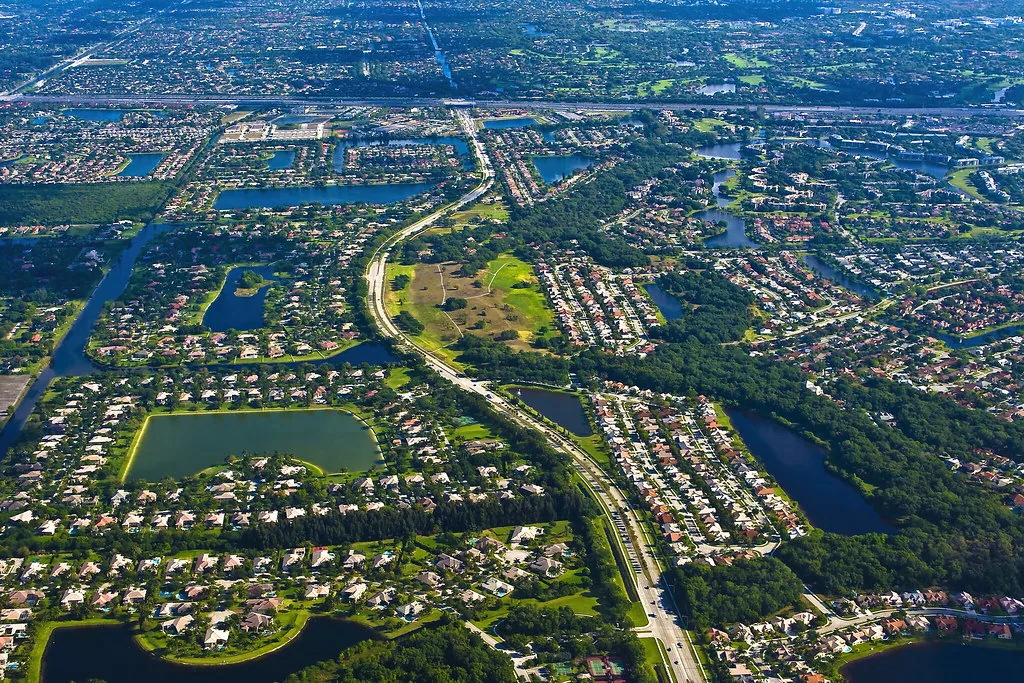
Service Areas in Sunrise, FL
Commercial roofing for Sawgrass International Corporate Park in Sunrise, FL, with building-specific inspection, drainage review, repairs, and project planning.
Access: Start with structure and operations
This corporate park is a multi-building employment area, not one roof or one operating schedule. We confirm the building contact, entrance procedure, roof access point, equipment restrictions, business hours, and any controlled interior space. Healthcare, manufacturing, and financial office uses can require different coordination even when two roofs appear similar from the ground. The work map names the structure and roof zone so inspection photos, repair tickets, and later maintenance records stay attached to the right assembly.
Some roof work can proceed during normal operations when the access boundary and protection plan are defined. A lift, crane, debris route, or equipment shutdown may change the sequence, and those details are agreed before material is moved. We identify drains and temporary closure points within the active zone, then keep completed membrane protected from foot traffic. For a regional portfolio, Sunrise roof planning can coordinate separate buildings, while nearby Sawgrass Technology Park has its own building records and access requirements. Neither business-park name can stand in for the facility manager’s actual instructions. We confirm whether roof access requires an escort, a sign-in, or a separate key, and we note where materials can be staged without blocking service or loading activity. If equipment isolation is needed, the scope identifies who must authorize it and when the roof area can be reached.
Inspection: Follow water through the assembly
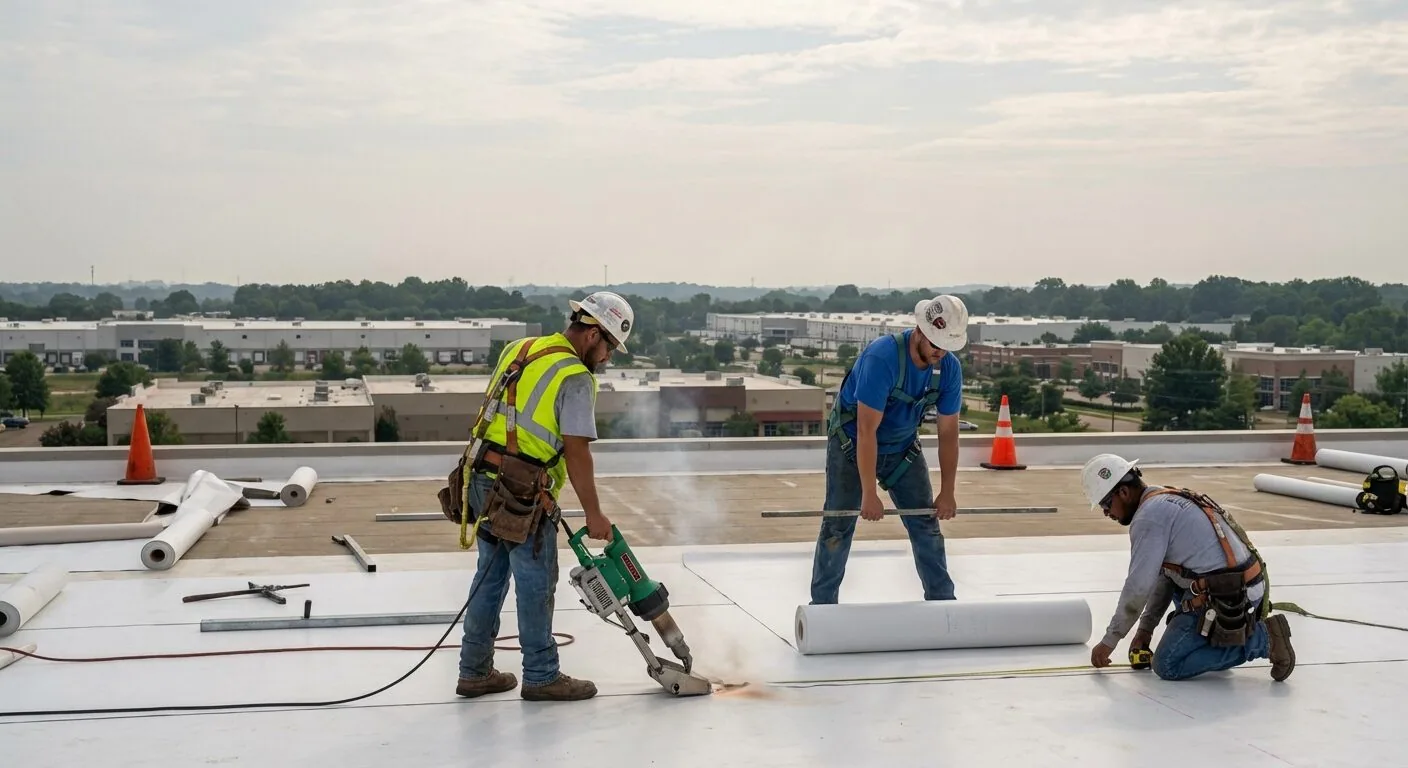
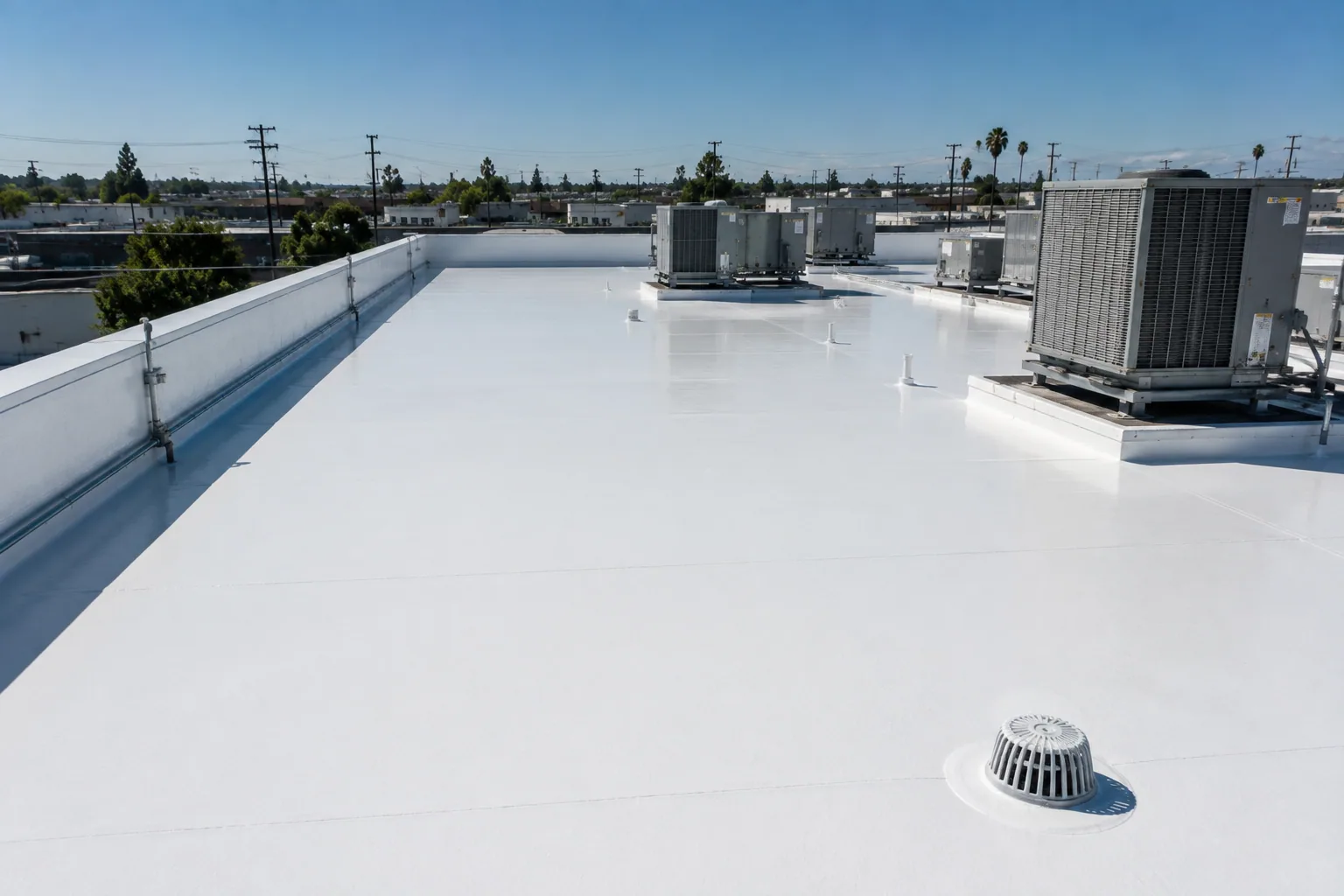
A commercial leak may appear below a roof zone that is not directly above the interior stain. We compare the room, ceiling, equipment, and time of water entry with roof seams, curbs, drains, parapets, and prior patches. The first walk records membrane type where it can be confirmed, visible attachment, flashing condition, debris, ponding, and changes in surface or support. If a detail is concealed or the assembly record is incomplete, we state that before specifying a material.
Sunrise’s hot, humid weather and recurring seasonal storms make drainage details and exposed membrane worth checking across the corporate park. We assess the actual building’s slope, drain bowls, scuppers, and overflow routes, then record where water remains after adjacent roof areas clear. We check scupper openings, drain bowls, overflow routes, and water remaining near equipment. A drainage review can separate a blocked outlet from a membrane failure; an infrared survey or test opening can help locate concealed moisture. We mark every test on the same roof plan used for the repair proposal.
Details: Check the transitions around equipment
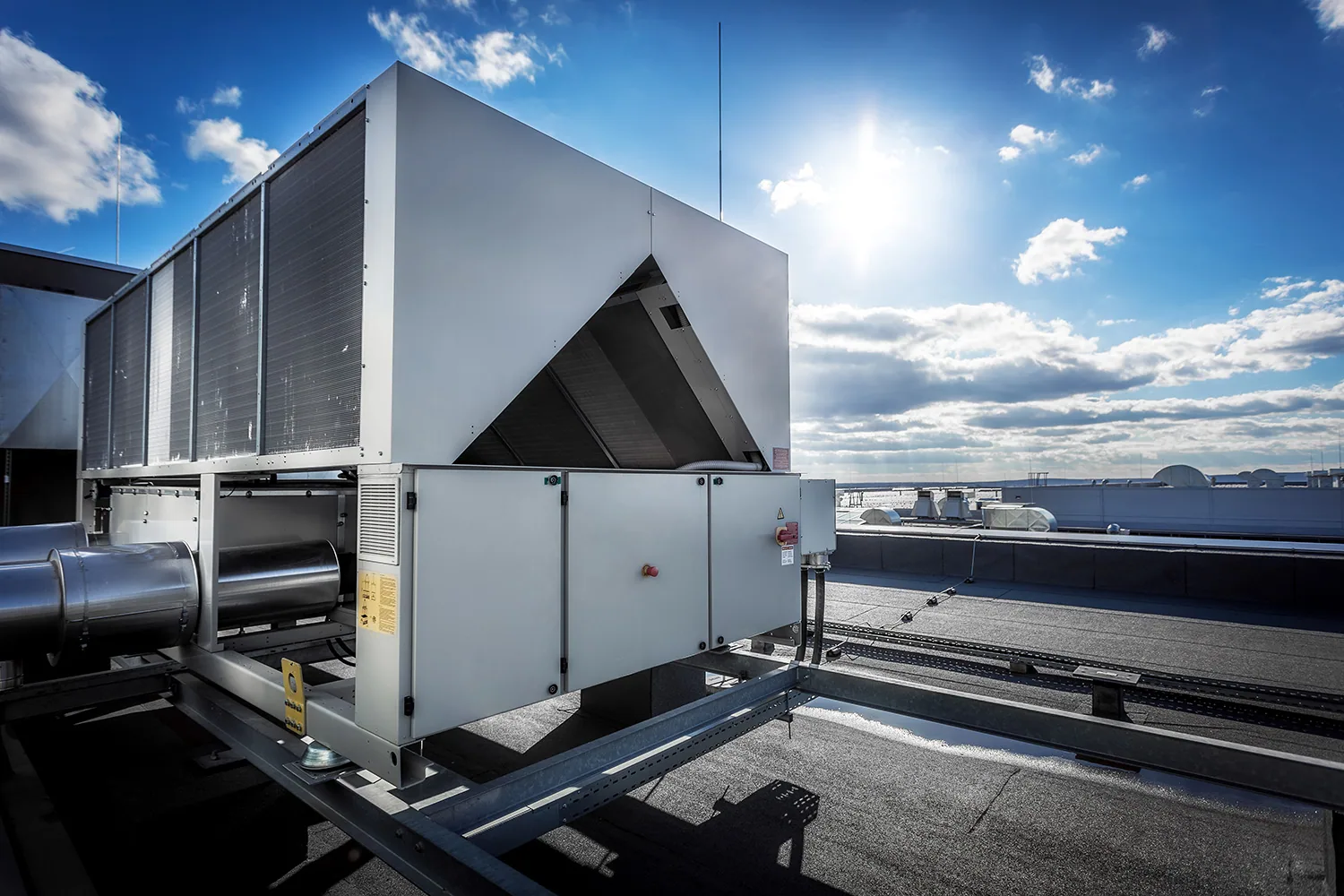
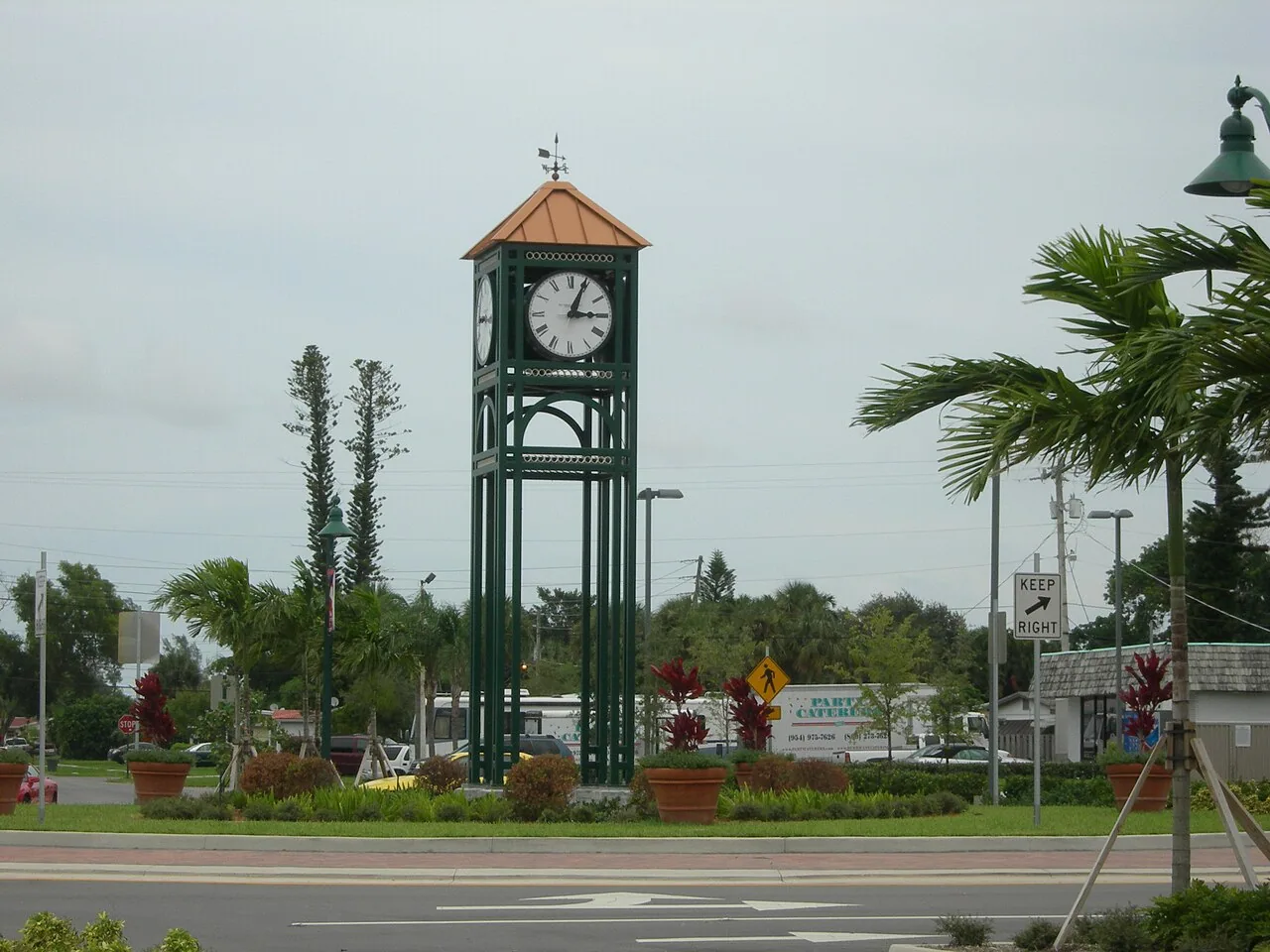
Corporate and office buildings may have rooftop mechanical units, conduits, pipes, and service routes, but each roof’s equipment layout must be inspected rather than inferred from the tenant mix. We examine curb corners, pipe boots, flashing laps, support pads, and membrane terminations for open edges, movement, or water paths. If a contractor has changed equipment, we compare the current curb and flashing with the previous roof record. A new mechanical opening needs a coordinated detail that restores the membrane, insulation, and support interfaces.
South Florida’s thunderstorms and tropical wind exposure make secure edges and well-closed penetrations important. We inspect coping, cleats, fasteners, and wall transitions without assuming a storm caused a visible condition. A curb and support inspection can coordinate roofing and mechanical details, while flashing repair addresses a confirmed separation. If the roof surface has a welded membrane, representative seams are tested before a patch is selected. We also check whether water flow is directing repeated exposure toward a curb or wall and include that drainage observation in the report.
Scope: Choose a repair boundary that holds
When damage is isolated and surrounding membrane remains suitable, a localized repair may restore continuity. We remove loose or failed material, prepare the substrate, tie new membrane or flashing into sound edges, and inspect the finished lap. If moisture reaches beyond the visible defect, the repair boundary follows the wet insulation or affected deck rather than a convenient rectangle. Test cuts can answer how far saturation extends; the owner sees the opening, layers, and test result before additional removal is authorized.
For a broader assembly problem, a recover or replacement may be more practical. Recover planning checks moisture, deck capacity, drainage, load, and transition height around parapets and equipment. Replacement planning can include insulation, cover board, membrane, edges, and penetrations, phased around building use. Cost and timing depend on access, the amount of material opened, equipment coordination, staging, and weather protection. We can compare options in a replacement assessment or discuss a recover review after the existing roof layers are confirmed. A clean scope states what remains outside the approved work.
Closeout: Preserve a building-specific roof record
Closeout includes the roof-zone map, before-and-after photographs, repairs performed, system details confirmed, test results, and any inaccessible or excluded area. The facility director can use that record to schedule maintenance or compare future changes without assuming every park building shares a membrane. If the assembly is opened, we note the layers exposed and the condition found. A question about product warranty or code compliance remains tied to the project records and governing terms.
When arranging service, provide building identification, roof drawings, leak locations, prior repair records, mechanical work planned, access instructions, and operating hours. The park’s connections to I-595, I-75, Sunrise Boulevard, and the Sawgrass Expressway can support delivery planning, but entry, loading, and roof access are confirmed with the facility. A photo-based condition report can preserve the evidence, and a maintenance visit can revisit drains and flashings before the next wet season. We will identify which condition merits immediate repair and what can remain on a tracked schedule.
For a multi-building portfolio, name each structure consistently across the roof plan, photographs, access instructions, and repair proposal. If a tenant area has escort or equipment restrictions, attach that note to the relevant building rather than the entire park. The property team can then sequence inspections without transferring one site's limits to another.
Frequently Asked Questions
Can you inspect several buildings in the corporate park during one visit?
We can plan a multi-building route when access and operating windows are confirmed. Each roof is mapped and reported separately so conditions do not carry from one structure to another.
What should we do if a leak appears below an office area?
Share the room, time, weather, and any equipment affected. We compare that interior evidence with roof details and drainage before selecting a test or repair.
Can roof work happen while a facility remains active?
The sequence can be phased around access, equipment, loading, and occupied areas. We set a defined zone, interior protection, and a weather-tight closeout with the site contact.
How do you decide if wet insulation must be removed?
Testing establishes the wet boundary and substrate condition. The proposal shows the area opened, material found, and any added removal needed before the owner authorizes that work.
What records help compare repair and replacement?
Provide roof drawings, system submittals, maintenance reports, repair photos, leak history, and planned equipment changes. We compare those records with the field assembly and access limits.
Plan a corporate-park roof inspection
Send building IDs, roof plans, system records, leak locations, equipment schedules, access rules, and operating hours. We will map each roof zone and define the testing or repair needed.
Call 555-555-5555 or request a roof assessment.