
Occupied-Building Reroofing in Sunrise, FL
Occupied-Building Reroofing
A commercial roof can be replaced while the building stays open, provided each work area has a defined boundary and a reliable weather closure. In Sunrise, FL, we plan occupied reroofing around entrances, deliveries, tenant hours, equipment, and the rooms directly below the roof section. The owner should know which area is active, when roof access is restricted, and how the crew will secure exposed work at the end of each shift. The western Business and Entertainment District includes retail, an event arena, corporate offices, and mixed-use development; Sunrise Commerce Park has manufacturing, distribution, office, and multi-tenant properties. These operations need different work windows and communication. Our roof inspection maps conditions before phasing, and a replacement proposal identifies removal boundaries, tie-ins, and daily closures. The plan should protect people and inventory while keeping the roof assembly dry and the work sequence practical.
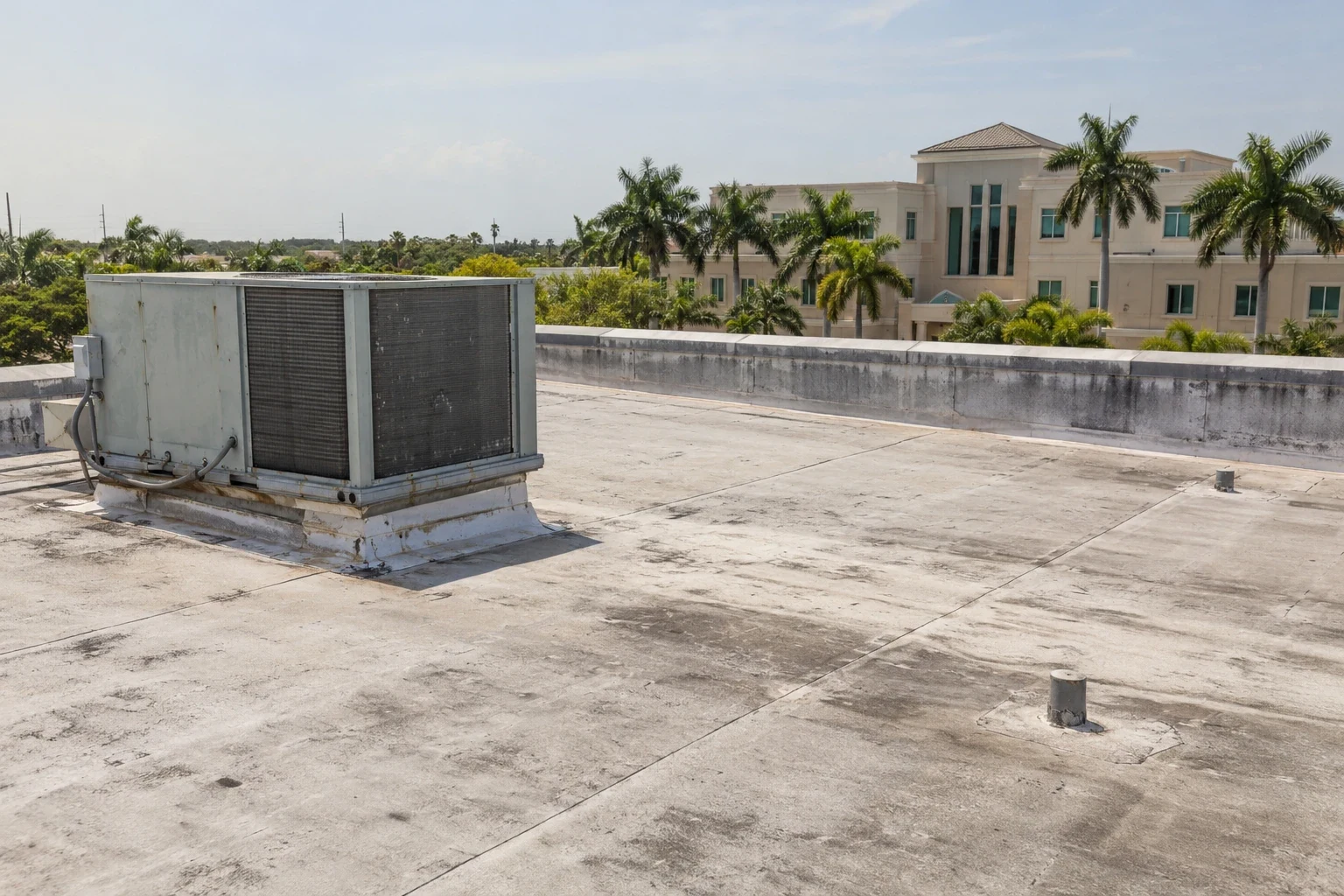
Commercial Roofing Services in Sunrise, FL
Reroof occupied commercial buildings in Sunrise, FL with phased work zones, interior protection, weather closures, and access plans for tenants and staff.
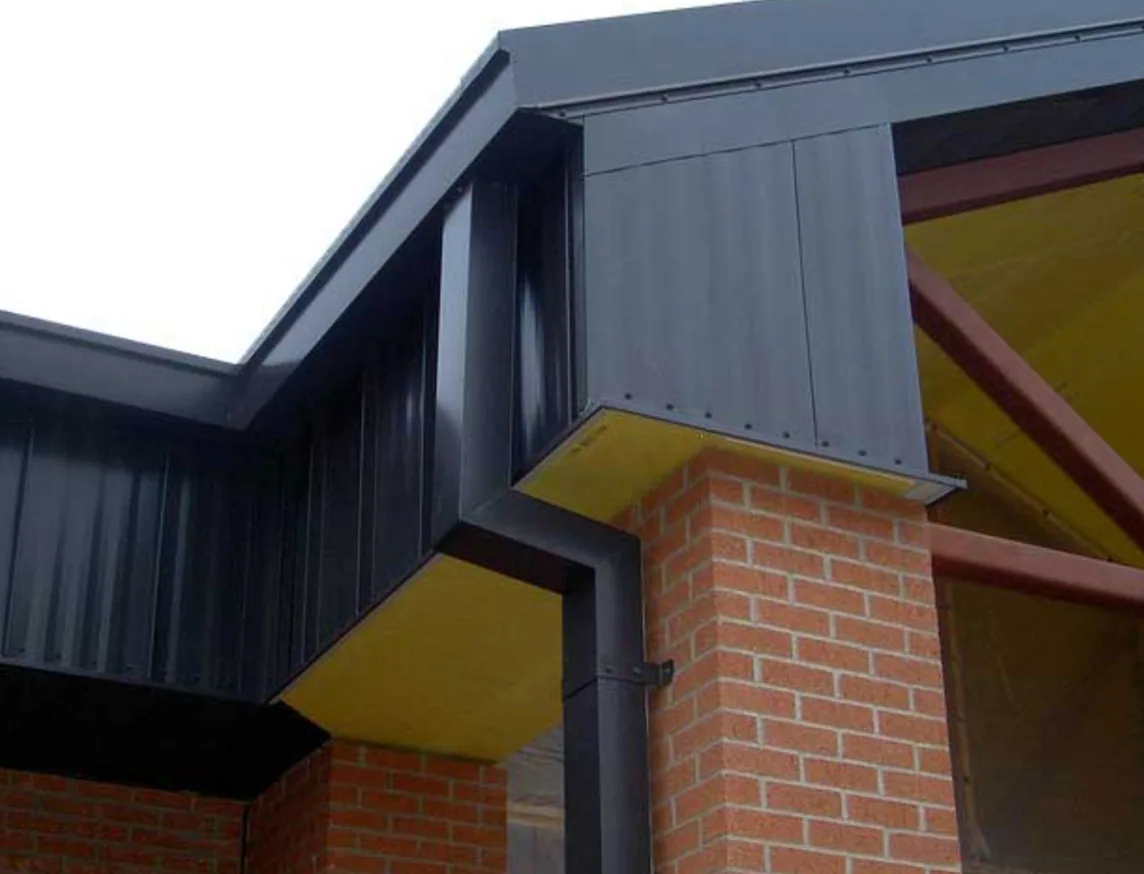
Phase map: Divide work into closable sections
We divide the roof into zones that can be opened, insulated, covered, and made weather-tight within the crew's shift. Each zone includes its drains, curbs, perimeter edges, and tie-in to completed work. A phase line should avoid leaving a reverse lap, exposed insulation, or a narrow strip that cannot be sealed securely if weather interrupts production. The plan also marks crane placement, material staging, temporary pedestrian paths, and any entrance or loading area affected below.
At Sawgrass Technology Park, multiple buildings share a technology and office campus, so the facility manager may need separate schedules and access rules by structure. Sunrise Commerce Park includes distribution and manufacturing operations where a loading window or production shift can be more important than the size of a roof section. We confirm those constraints with the site contact and show the intended handoff points. A multi-building sequence record can track phase status across a portfolio, while each work zone remains tied to its own roof drawing.
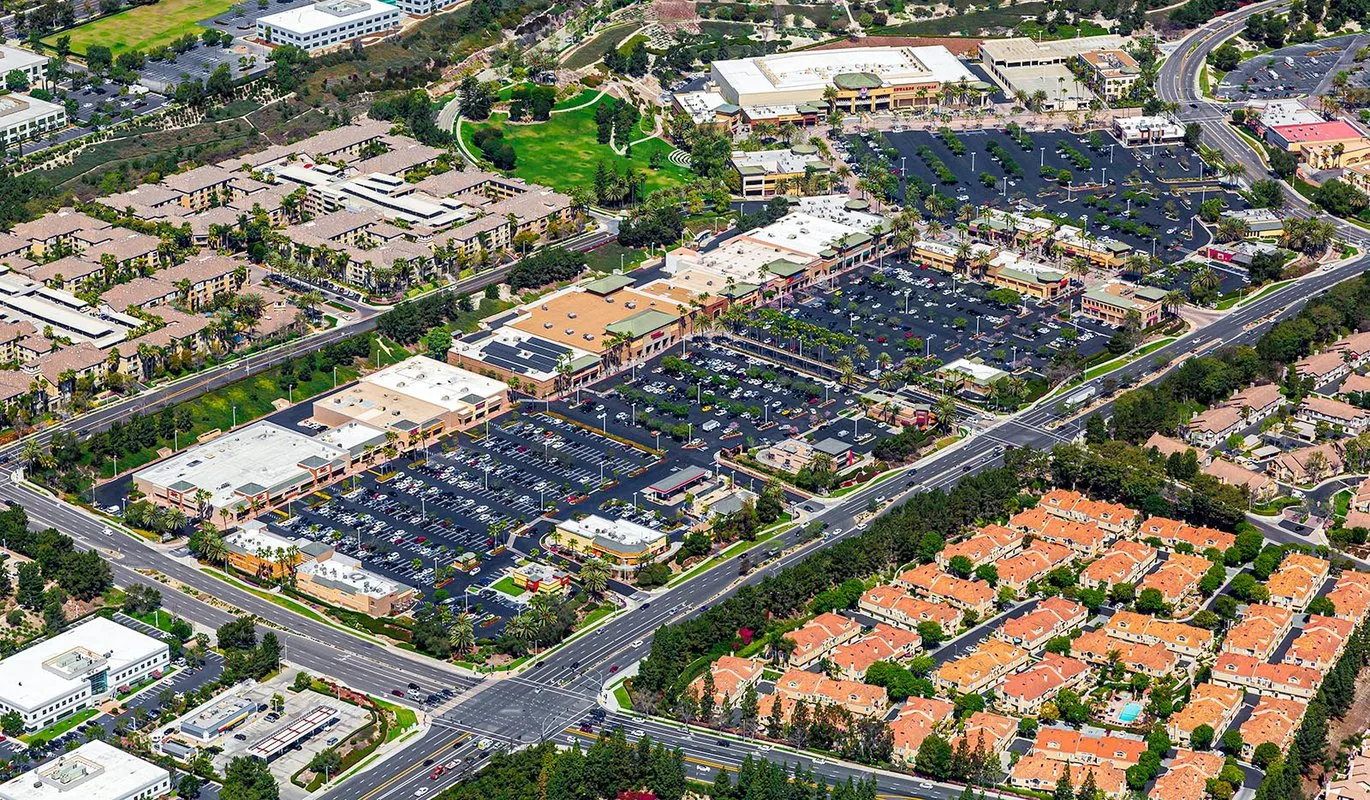
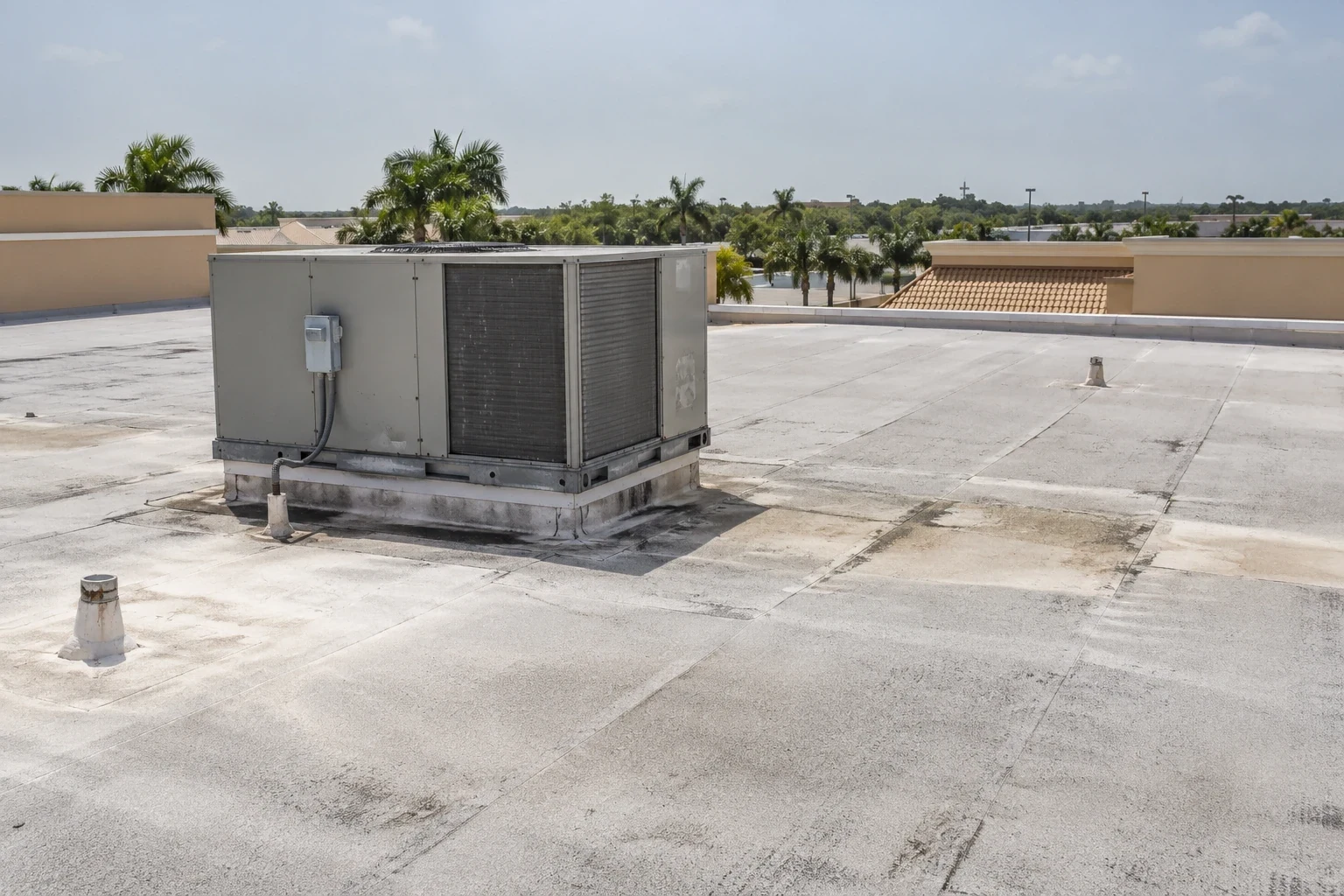
Interior protection: Prepare the rooms below
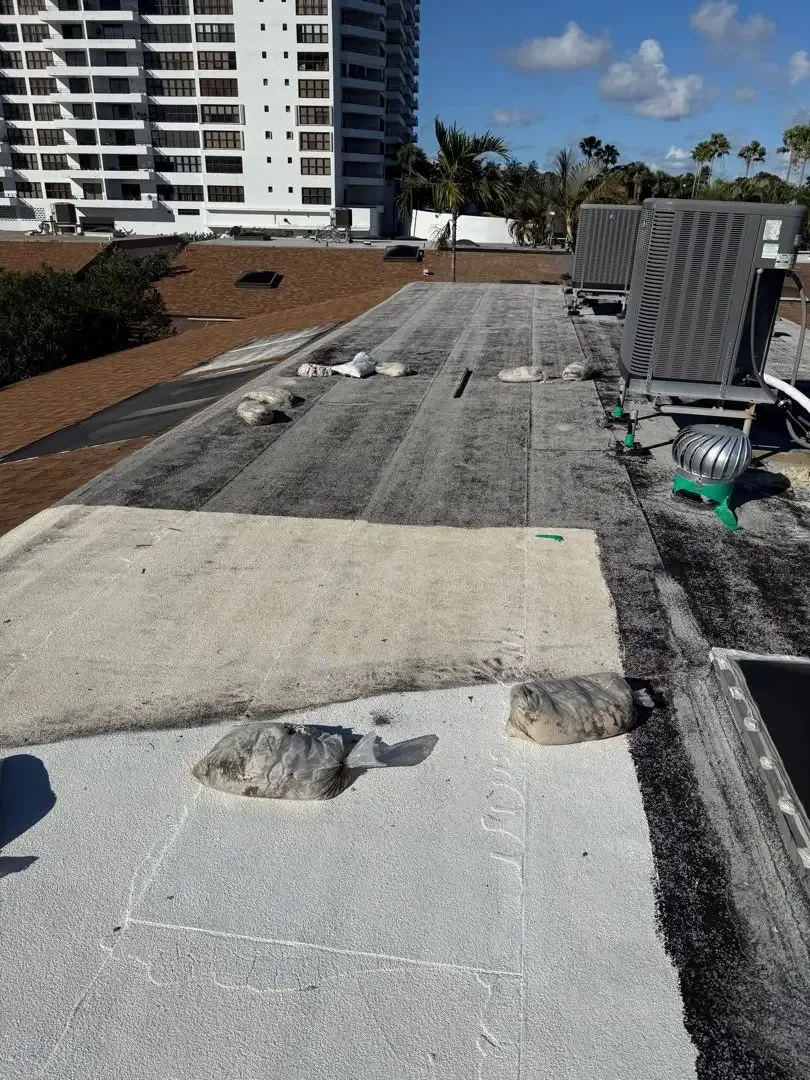
Before tear-off, the owner identifies sensitive rooms, merchandise, production lines, ceilings, electronics, and areas where dust or vibration could interrupt operations. We review interior access, protection needs, and the procedure for a leak or unexpected deck condition. If the roof contains wet insulation or a damaged substrate, opening the assembly can expose conditions that were not visible from above. The crew keeps the removal boundary small enough to protect the interior and closes it before leaving the building.
We coordinate with the facility contact on temporary covers, ceiling protection, and how staff report a new water mark. A condition in one suite should not cause access restrictions across an entire property unless the work plan requires it. In the western district's retail and event settings, public circulation and scheduled activity may shape crane lifts and noisy preparation. A shopping-center roof plan can account for tenant circulation, while a roof asset record keeps the approved phasing map and contact details available for later visits.
Daily closure: Leave no open assembly at shift end
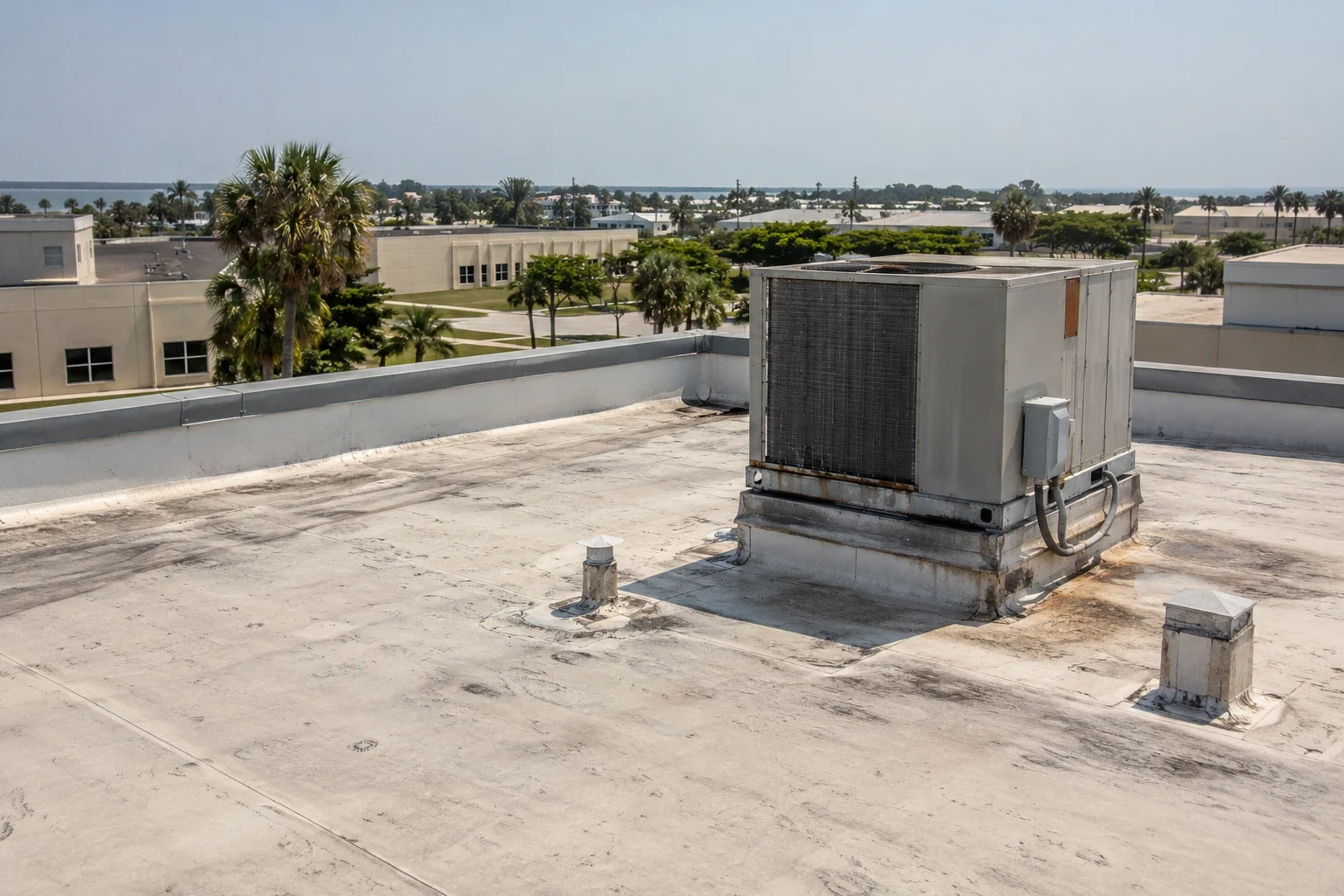
Each shift needs a planned endpoint. We remove only the area the crew can rebuild and close, protect completed membrane from traffic, and check temporary tie-ins before tools come down. If rain threatens or a hidden condition slows production, the supervisor has a defined closure detail rather than leaving exposed board overnight. The daily record notes the last completed zone, any temporary measure, and the area that remains unavailable.
South Florida's severe-weather peak runs from May through August, while Atlantic cyclone activity is concentrated from August to October. The schedule must account for weather checks and a secure closeout when conditions shorten the work window. We do not leave temporary materials loose or block roof drainage to protect an unfinished area. If an active leak or sudden opening appears, emergency roof service can protect the building while permanent work is reviewed. The approved recover option may be considered when the existing assembly supports it, but each tie-in still needs its own closeout.
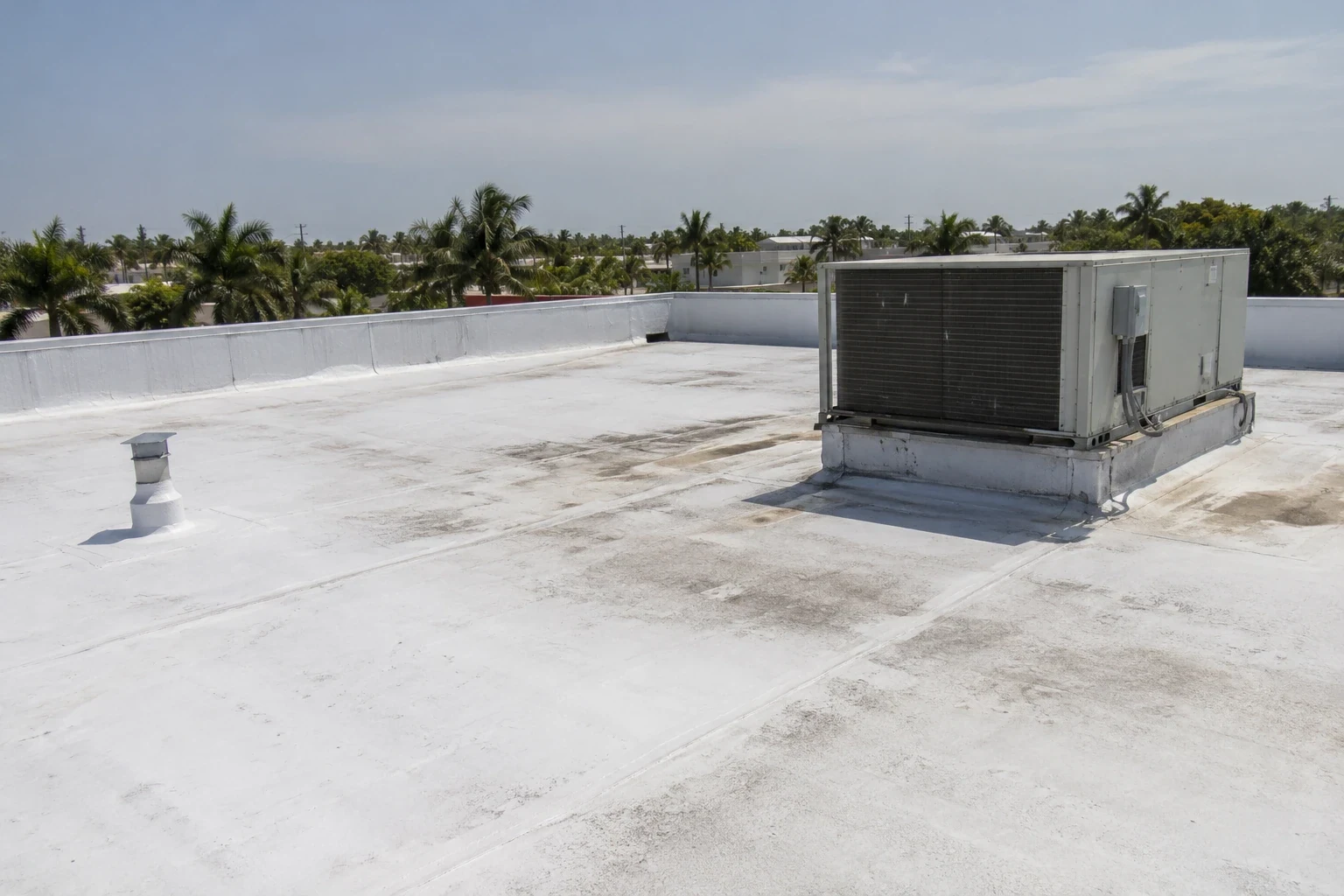
Coordination: Keep tenants and equipment informed
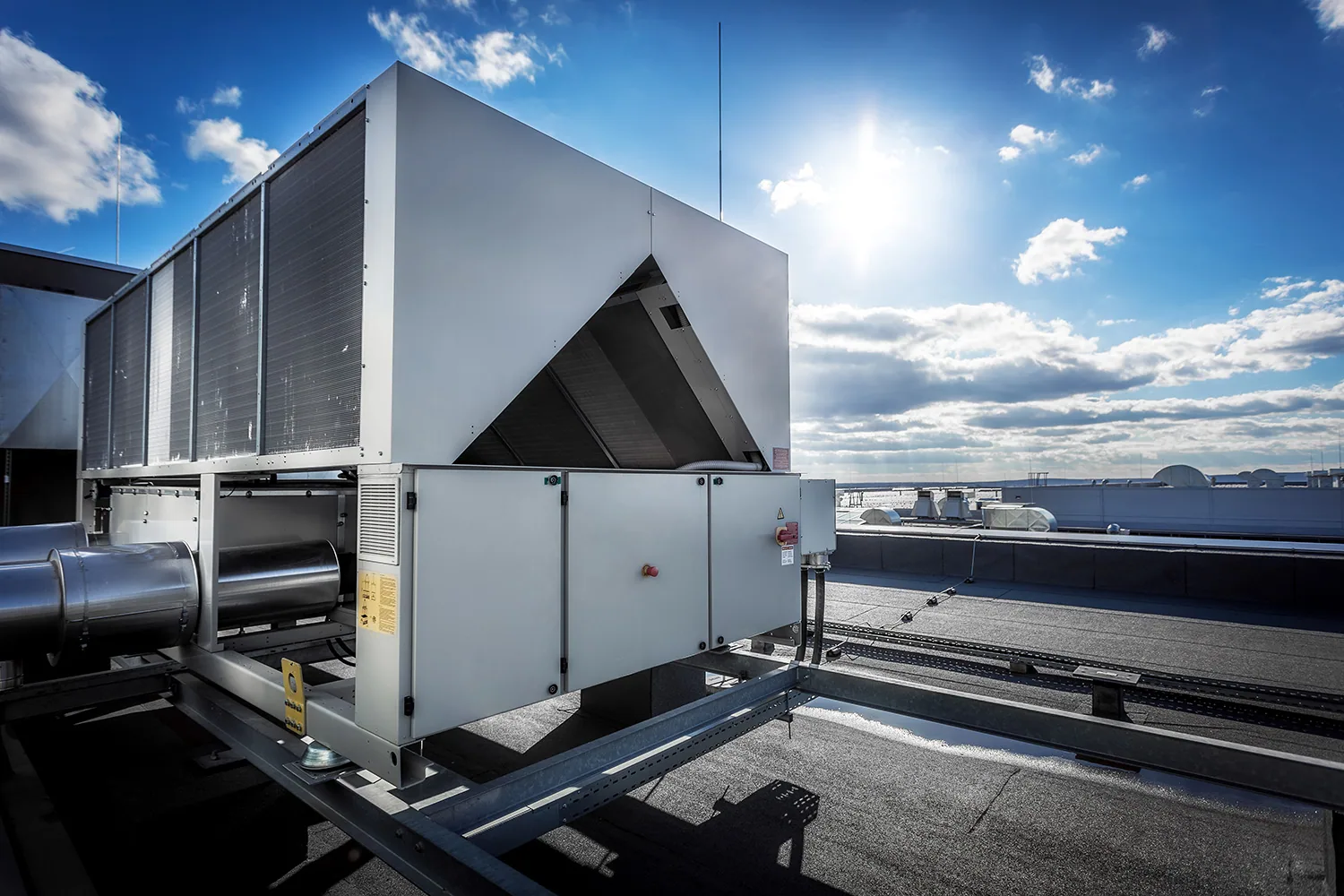
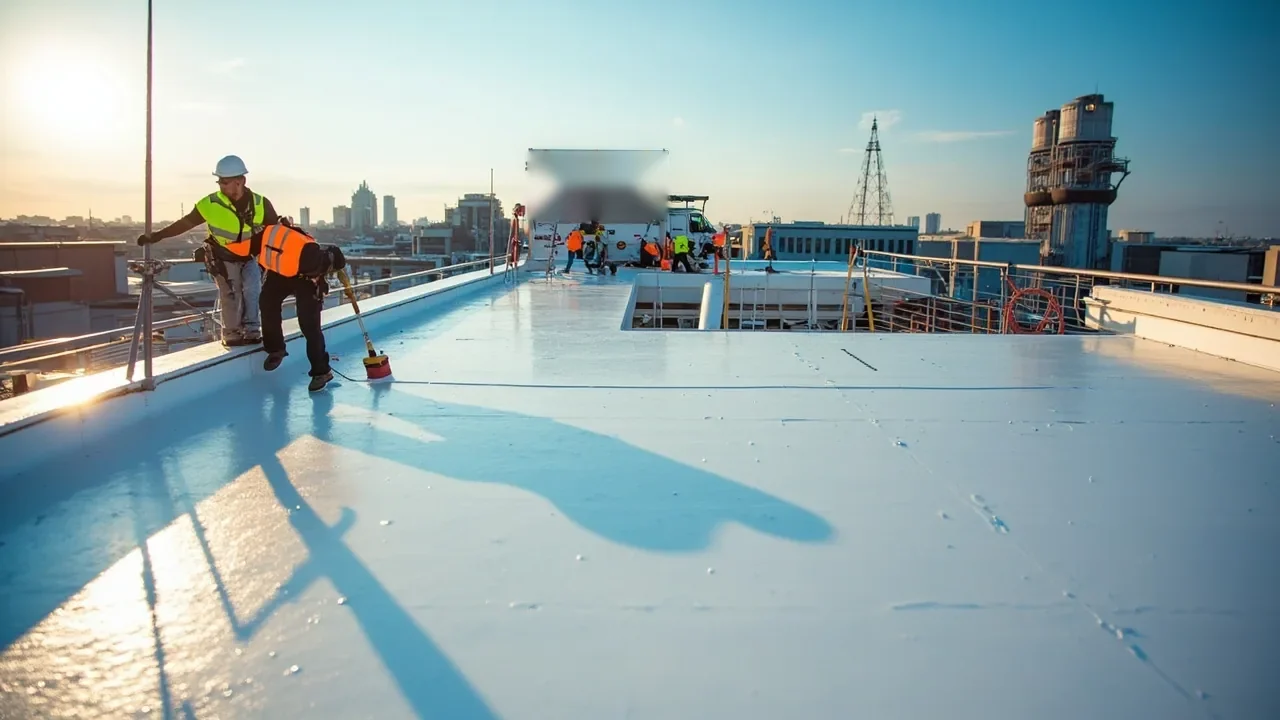
A reroof can change which doors are used, where vehicles can stage, and when an air-handling unit or rooftop service route is unavailable. Before mobilization, we identify tenant notices, escort requirements, delivery restrictions, crane clearances, equipment shutdowns, and the person who can approve a field adjustment. The owner receives a simple phase calendar with access windows and a contact for urgent changes. If a repair requires disconnecting equipment, that work is coordinated with the responsible mechanical contractor.
Research, healthcare, financial, and corporate offices share space at Sawgrass International Corporate Park. Those uses can require controlled access to specific rooms or equipment, but the schedule follows each building's actual operations. We list work by roof zone and structure so property teams can issue precise notices rather than broad closures. A curb and equipment review can resolve support or flashing work before the membrane crew reaches that area. For drainage adjustments during a phase, drain and scupper work should be scheduled before the section is closed.
Acceptance: Inspect transitions before releasing a phase
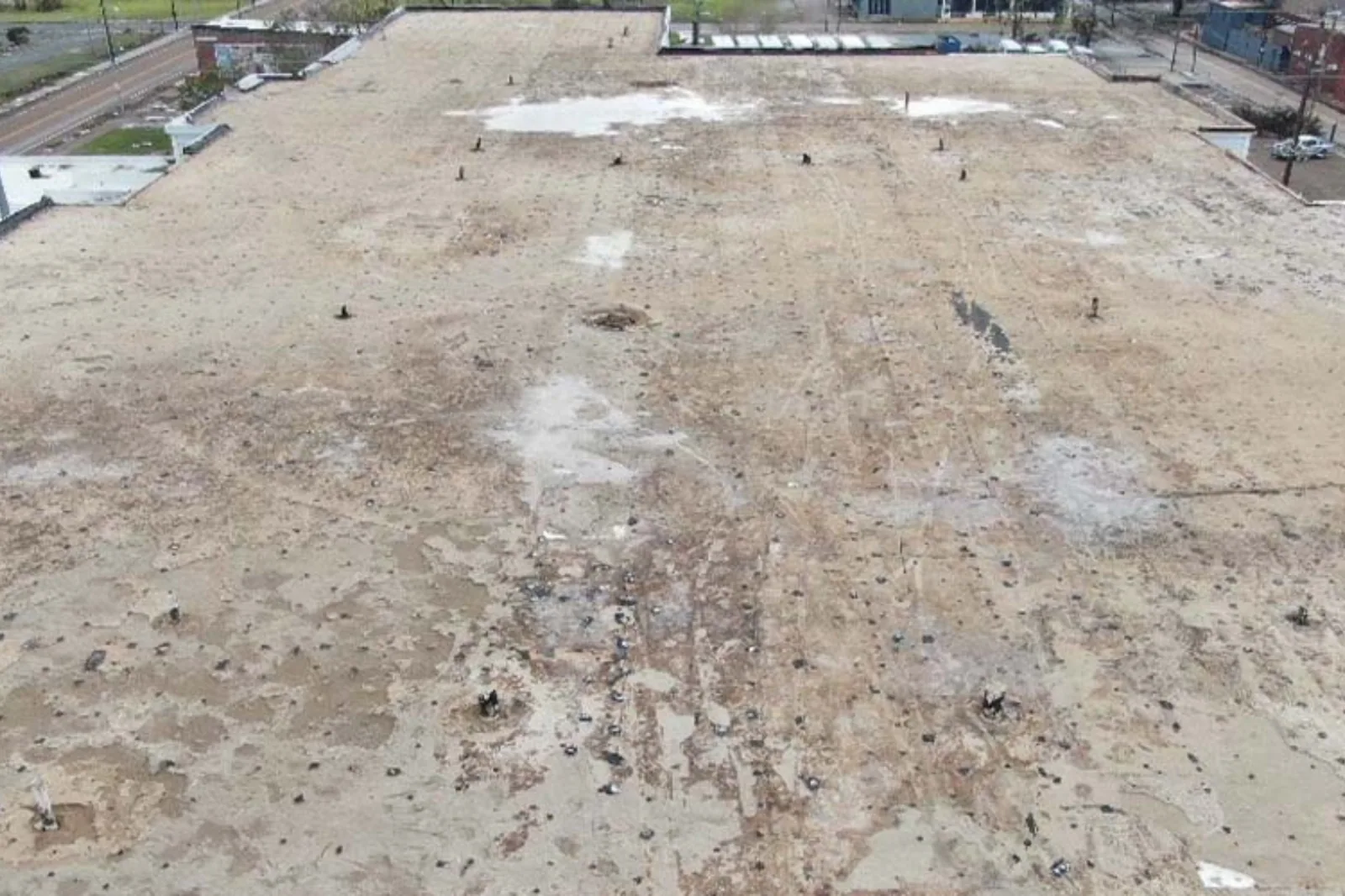
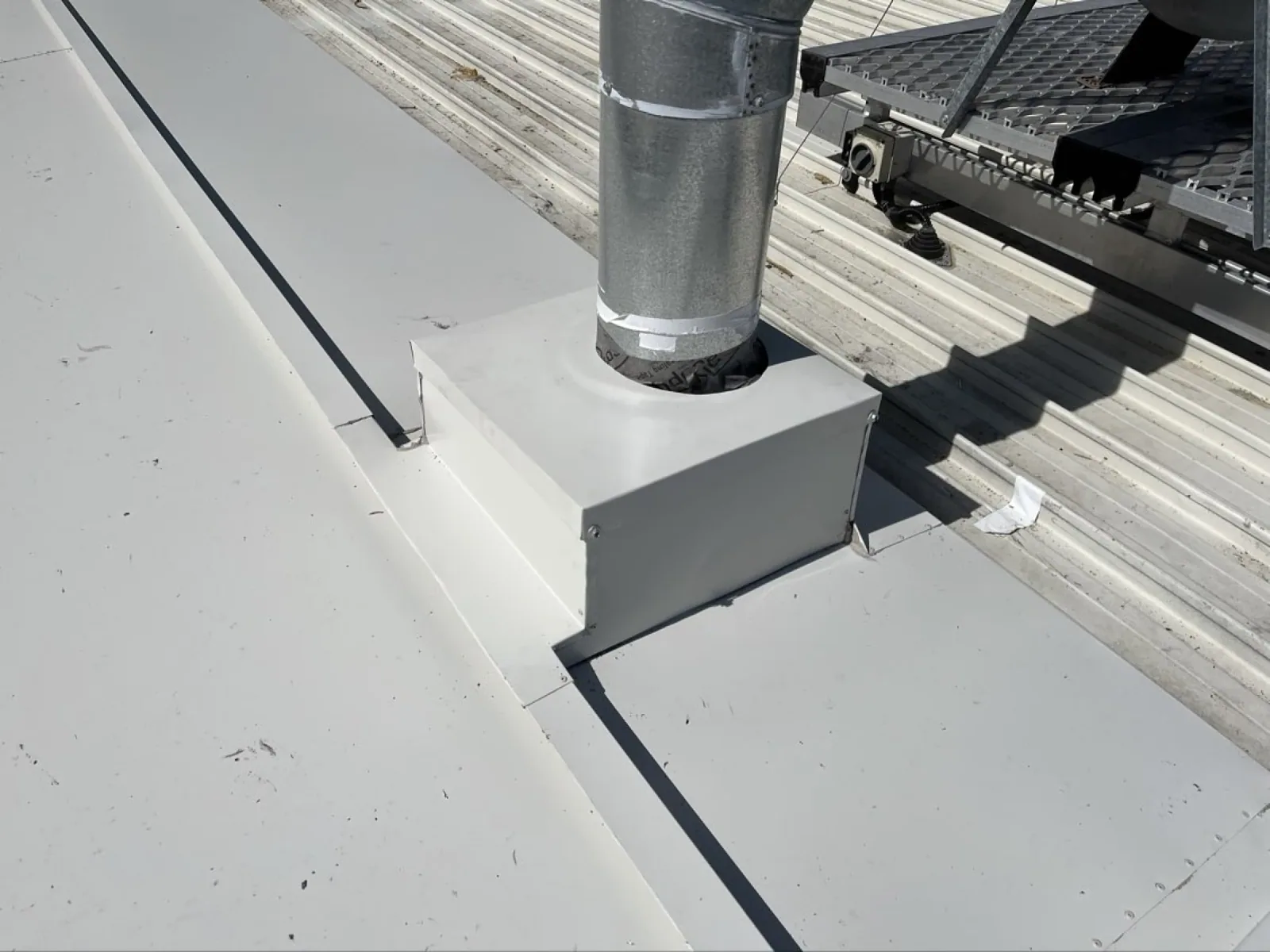
At the end of each phase, we review seams, terminations, drains, edges, penetrations, and the connection to the prior roof section. The inspection checks that temporary and permanent closures are continuous and that material handling has not damaged completed work. Any condition needing a follow-up is labeled with a zone, photograph, owner, and target date. This gives the property team a usable answer about what is complete and what remains restricted.
When sections are completed across several weeks, the record should retain the membrane system, installation details, and weather-related changes for each phase. Sawgrass Technology Park's multi-building layout makes structure IDs useful when photos and access records are reviewed later. A condition report can preserve those findings, while a maintenance visit can check drains and repaired transitions after handover. The final acceptance list states any excluded skylight, metal, or equipment detail so the owner can plan separate work.
Closeout: Hand operations back cleanly
After the last phase, we remove staging materials, confirm the roof access route, clear debris from drains, and review the site with the owner. The closeout includes completed zones, materials, photographs, warranty documents, any test results, and items not included in the reroof.
Sunrise's commercial parks range from manufacturing and distribution to offices, research, healthcare, and multi-tenant buildings. A phased roof plan can keep each operation moving while still allowing full assembly replacement where it is warranted. For a Sunrise reroof visit, send the roof plan, tenant list, operating calendar, equipment schedule, leak history, and access rules. We will map the work zones and identify the decisions needed before the first area is opened.
Frequently Asked Questions
Can a commercial roof be replaced without closing the building?
Often, yes. Work is divided into sections that can be opened and made weather-tight within each shift. The property team and roofing supervisor coordinate interior protection, access, deliveries, and any temporary closure needed for active work.
How do you protect tenants and inventory during tear-off?
Before work, we identify sensitive rooms, inventory, operating equipment, and the route beneath each roof zone. The sequence limits open areas, defines protection and notice requirements, and names the response if removal reveals a condition that changes the plan.
What happens if rain interrupts a reroofing phase?
Each shift has a planned closure point and temporary weather detail. If conditions stop production early, the supervisor closes the exposed assembly, checks drainage, and records what remains incomplete before leaving the roof.
Can work be scheduled around deliveries or business hours?
Yes. We build the phase calendar around loading periods, tenant activity, equipment shutdowns, crane access, and any controlled areas. The owner receives notices by building and work zone so restrictions are specific.
What do you need to plan an occupied reroof?
Provide roof plans, leak history, tenant and operating hours, equipment schedules, access rules, delivery windows, and areas requiring interior protection. Those details help define a safe work boundary and shift-by-shift sequence.
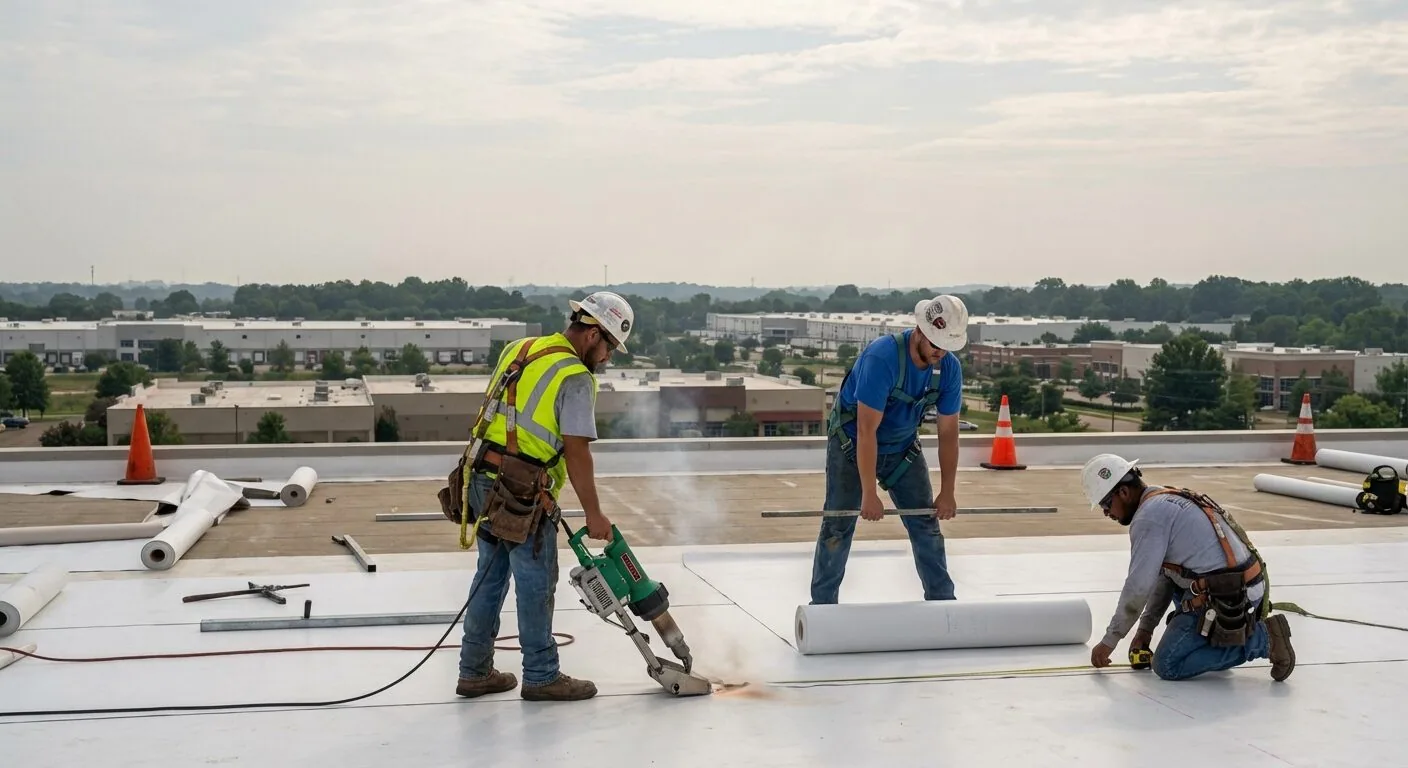
Plan the first weather-tight phase
Share building plans, tenant schedules, access rules, equipment needs, and leak history. We will map a phased reroof sequence with defined closures and handoffs.
Call 555-555-5555 or request a roof assessment.