
Commercial Roof Condition Reports in Sunrise, FL
Commercial Roof Condition Reports
A useful roof report lets a facilities director find the observation on the building, understand how it was checked, and see what action follows. We inspect the assembly, map roof zones, photograph details, and distinguish observed conditions from test results and inaccessible areas. Sunrise's business parks include offices, distribution, manufacturing, technology, and healthcare, where roof access and equipment affect how an inspection proceeds. A commercial roof inspection provides the field observations; the written report keeps them available for repair, maintenance, or capital review.
Roofing Capabilities in Sunrise, FL
Sunrise commercial roof condition reports with zone maps, photographs, inspection findings, test limits, repair priorities, and next actions.
Map and scope: Identify exactly where the crew looked
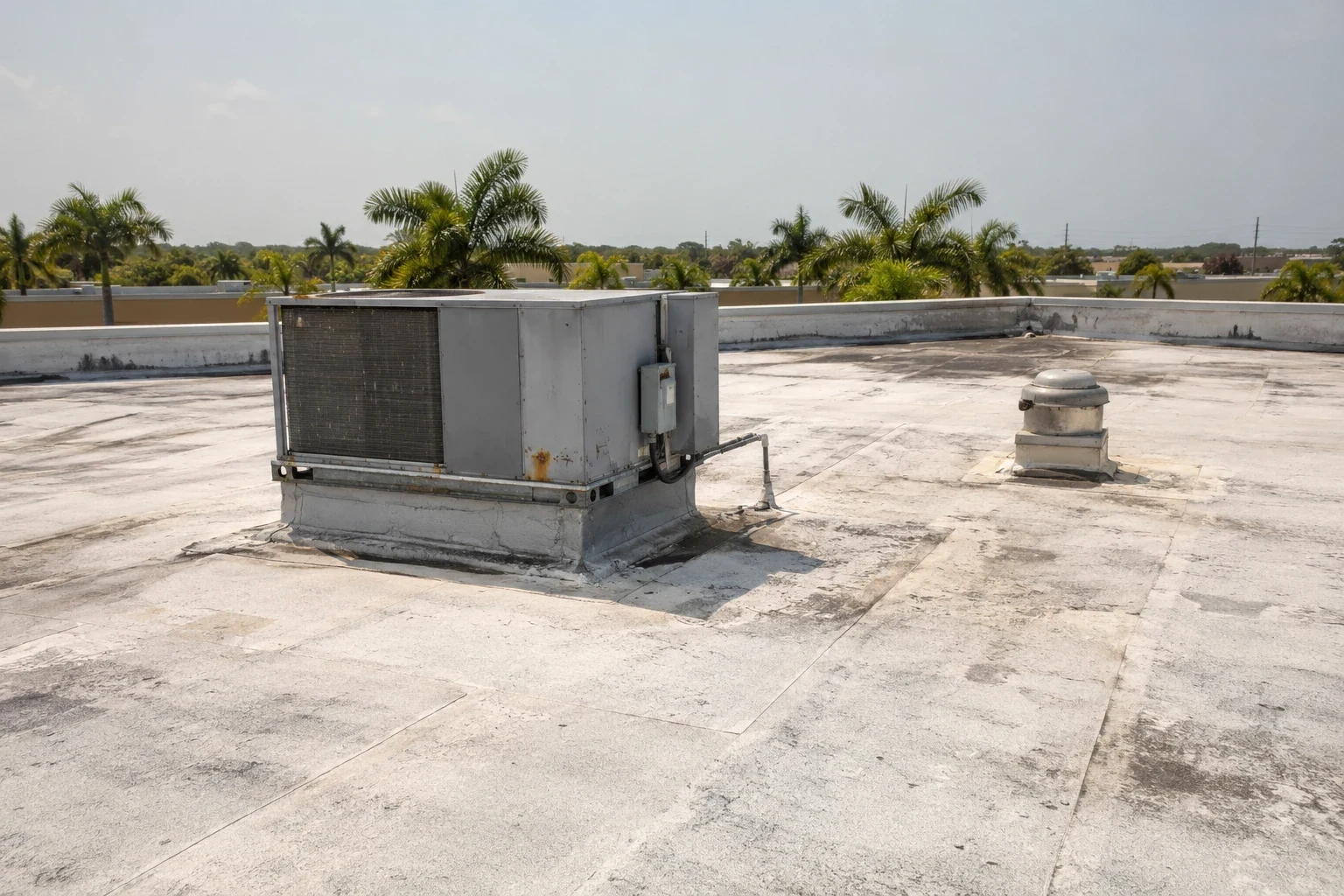
The report begins with the property identifier, roof plan, inspection date, and section labels that match the building. We mark drains, curbs, penetrations, transitions, walk paths, and areas where a leak or repair was reported. If an area could not be reached, it is identified as inaccessible rather than described as sound. These labels let the owner connect a photograph to a roof location without guessing which elevation or wing it shows.
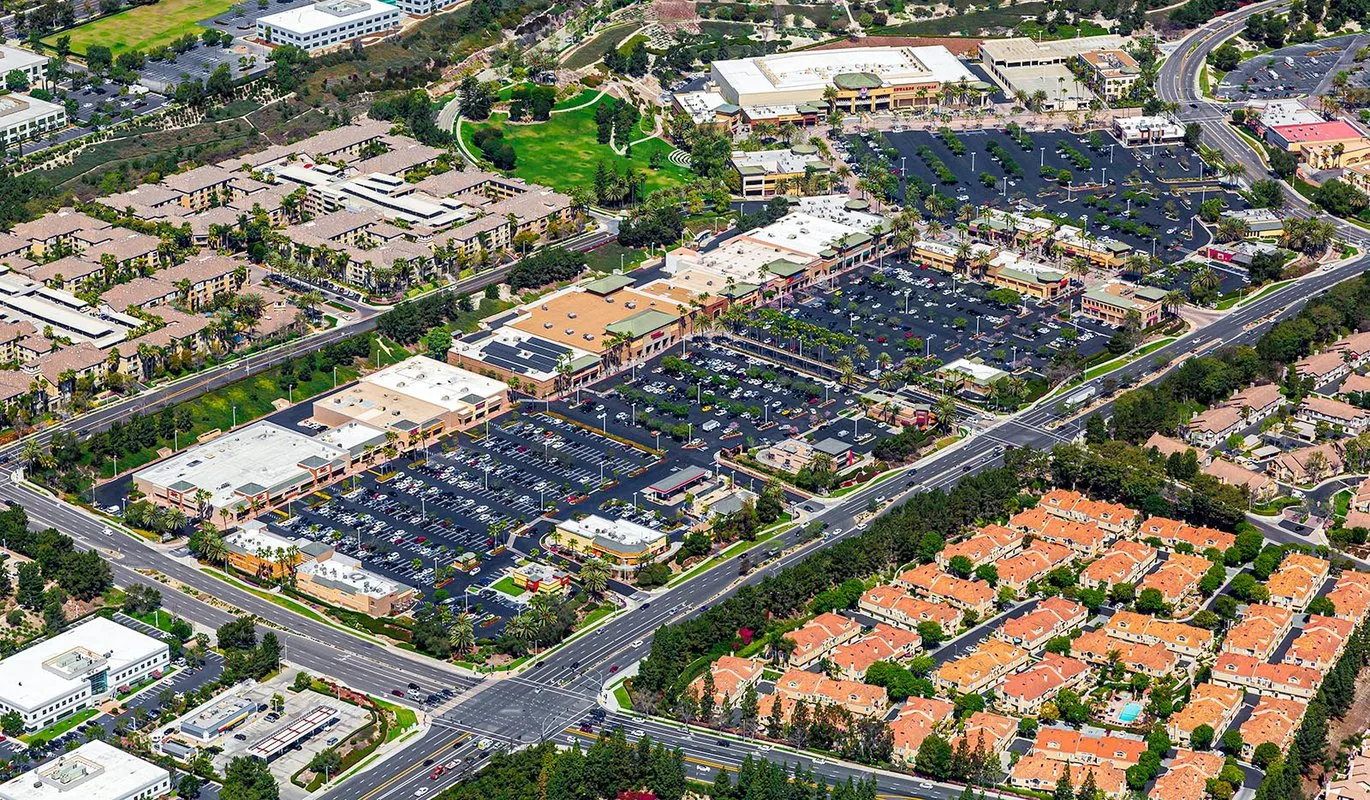
Sawgrass International Corporate Park contains corporate headquarters and regional offices, while Sunrise Commerce Park includes distribution and manufacturing buildings. Work routes and rooftop equipment differ, so the report records the actual inspection path for each asset. A roof asset file can retain the map with prior visits, and a portfolio report can compare consistent fields while preserving each roof's own layout. We confirm the drawing with the site contact before using it to label findings.
Observations: Separate evidence from interpretation
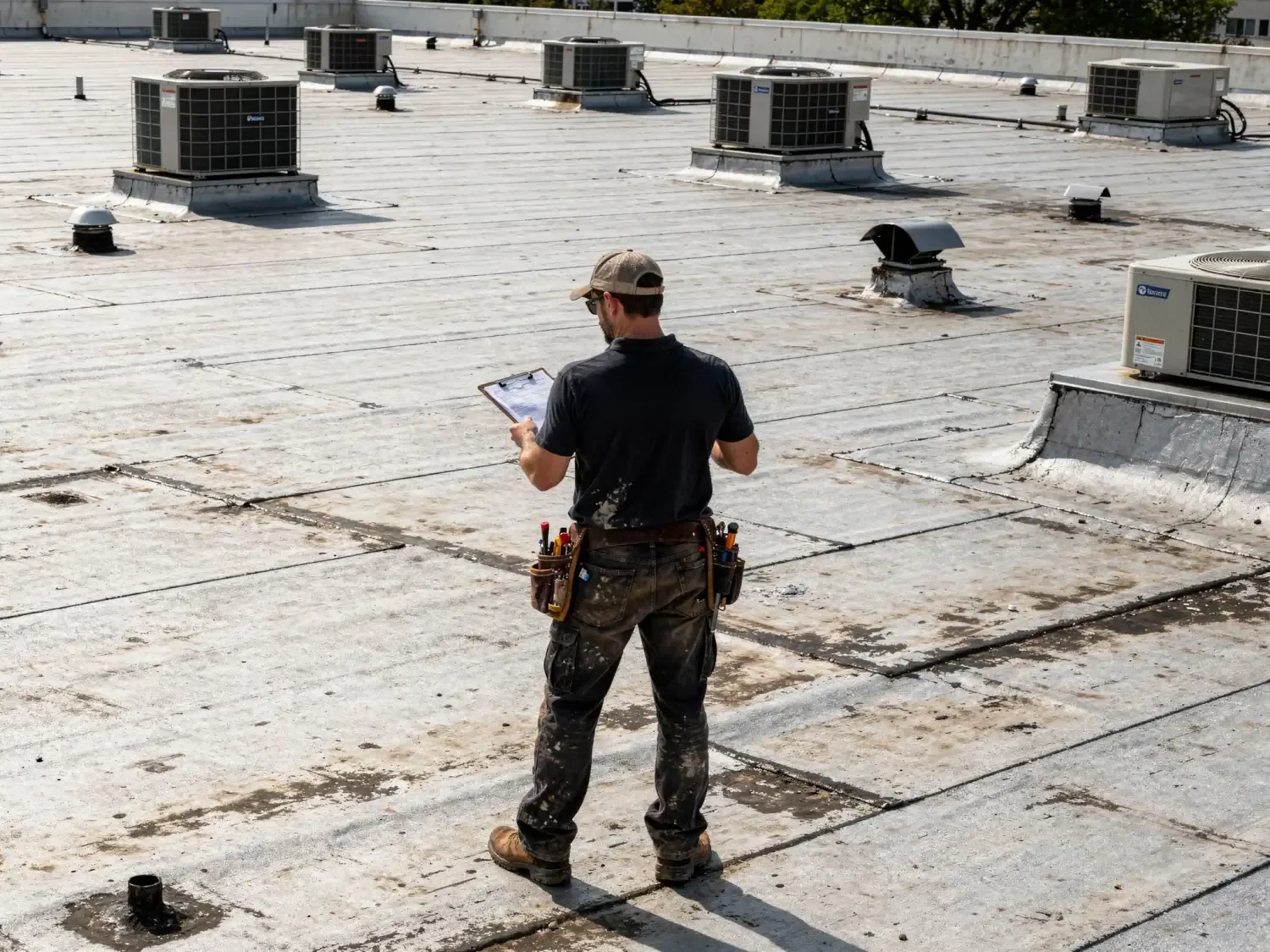
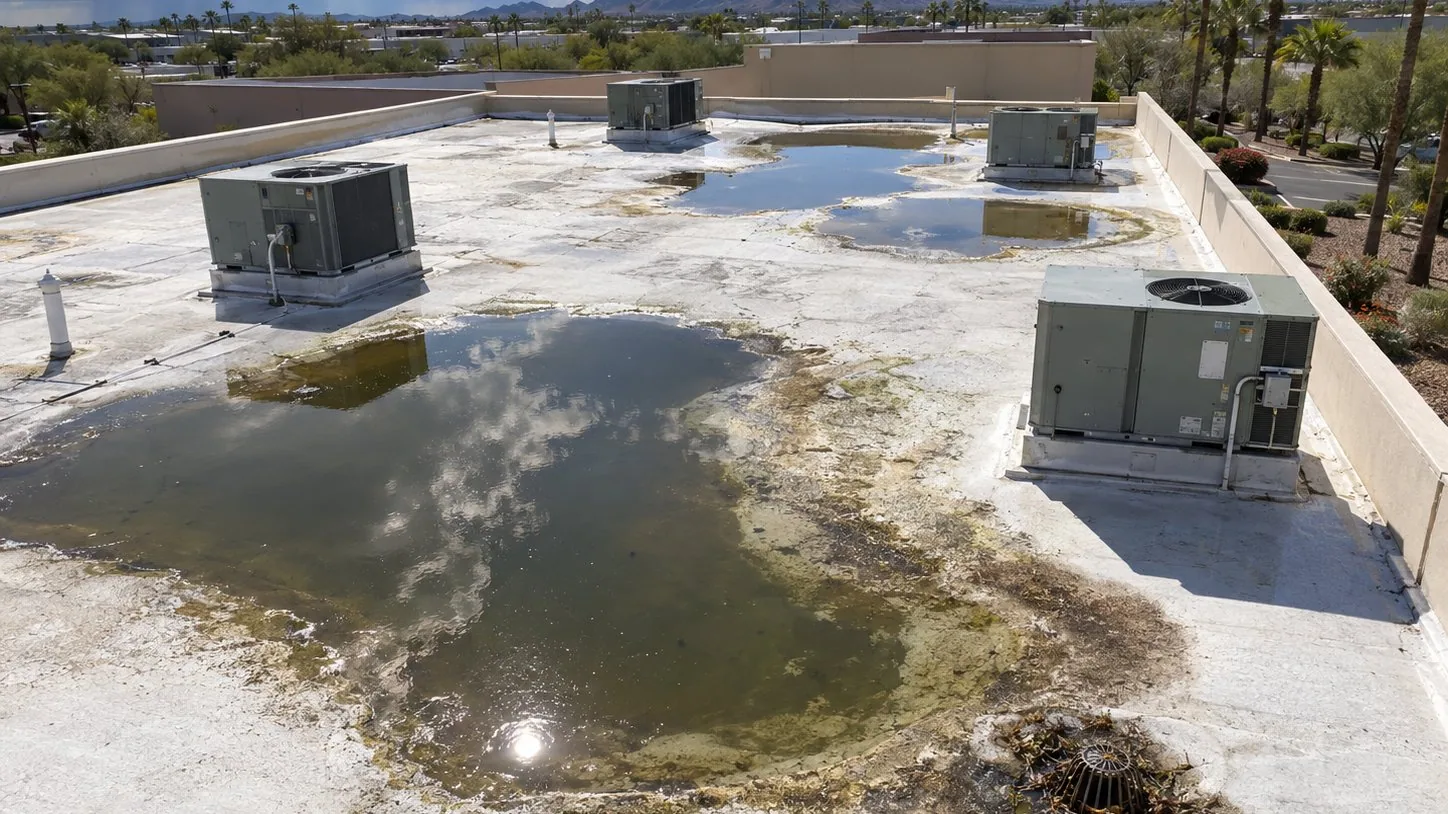
Each finding states what was visible: an open lap, cracked sealant, dented metal, blocked strainer, soft surface, exposed fastener, or water mark. We note its location, approximate extent, and whether photographs or a closer test support the finding. A suspected moisture path guides the inspection and testing needed to locate the opening before repair is priced. The report avoids assigning a roof condition from an interior stain alone.
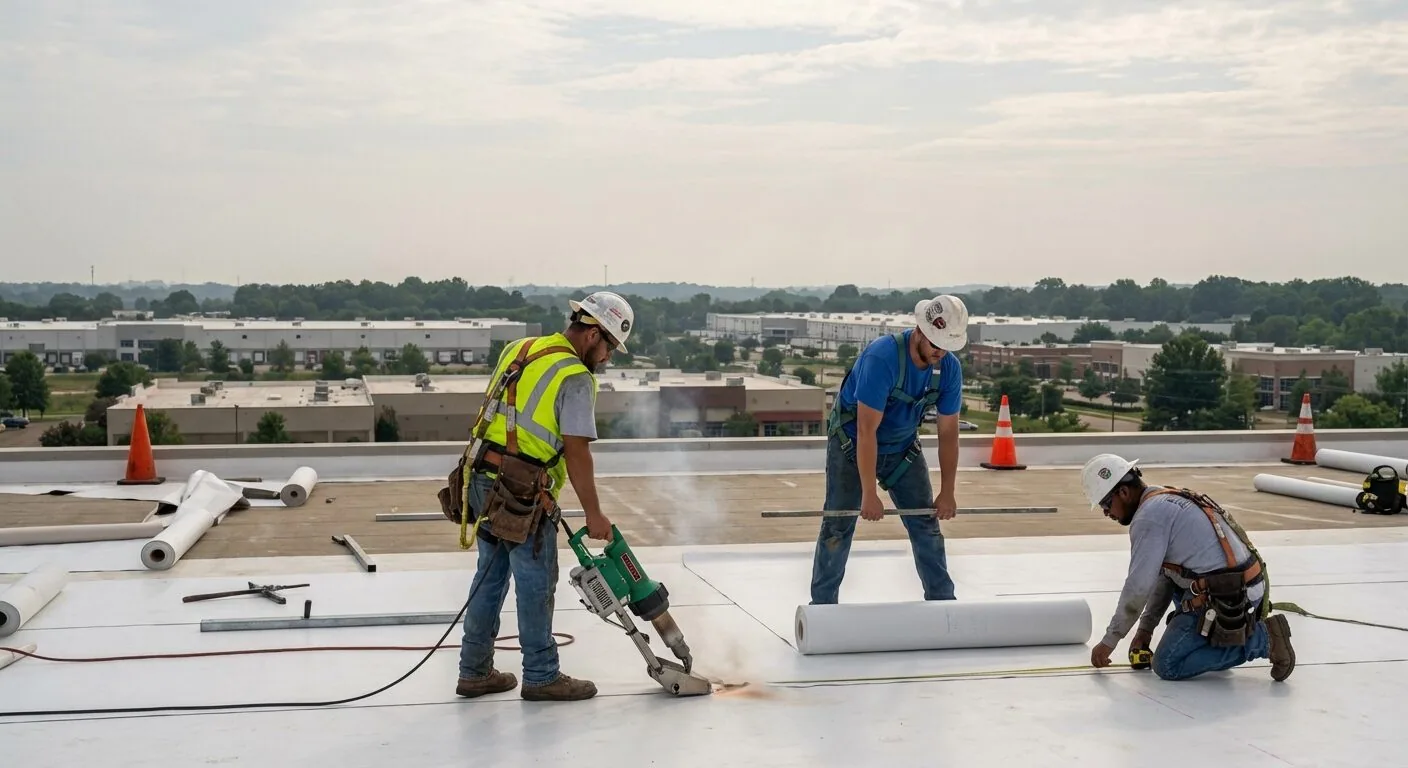
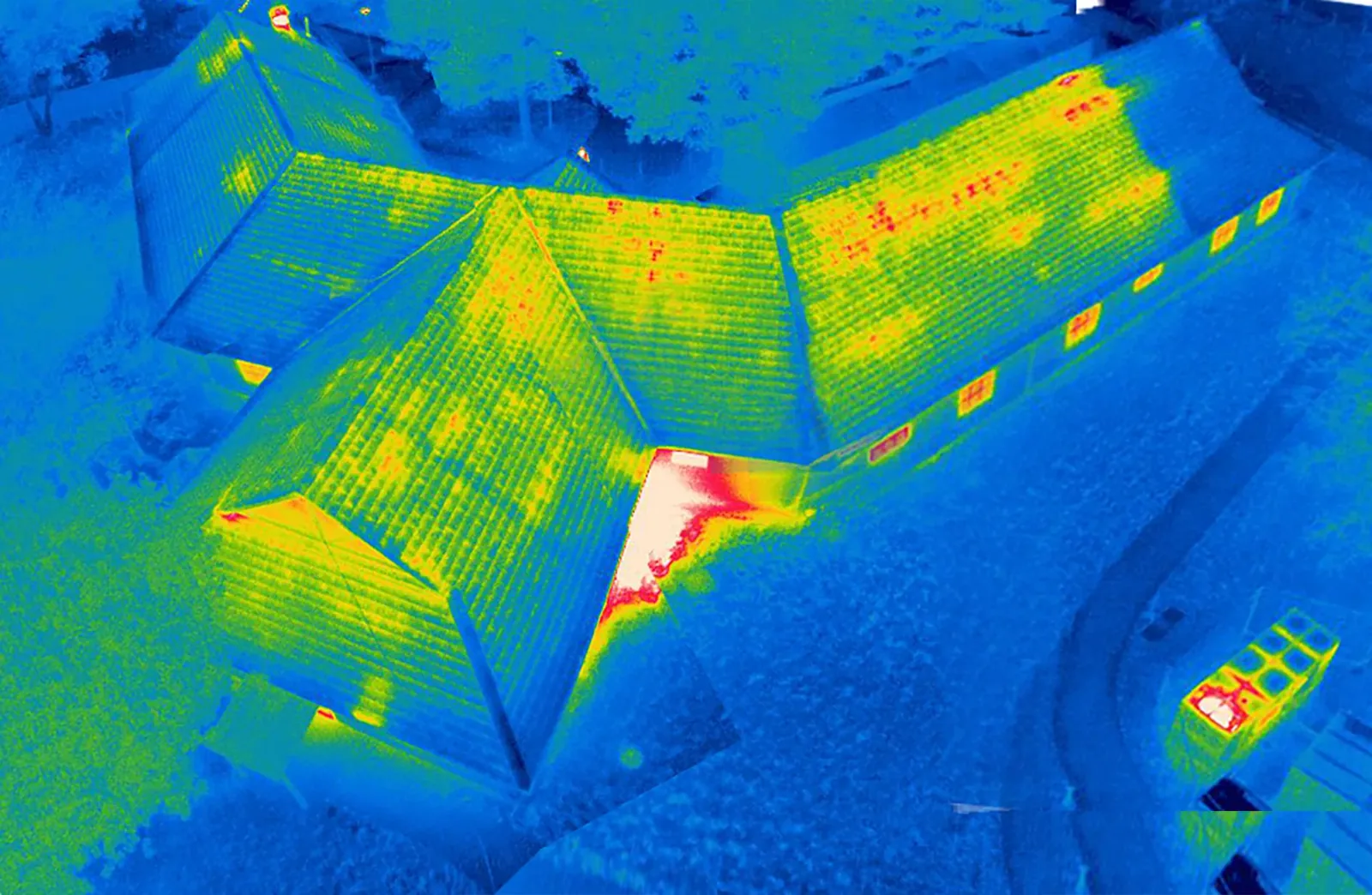
For Sunrise buildings, long humid seasons, hot roof surfaces, heavy rain, and tropical wind make drainage and edge details regular inspection points. We give drains, perimeters, and equipment transitions added attention, then identify the membrane from the roof in front of us. We identify the system where confirmed and note visible condition at seams, flashings, attachment, insulation, and deck. A moisture survey may identify candidate areas; a test cut records the layers and wet boundary only at the tested opening. Each method and its limit is stated beside the result.
We also record the difference between direct observation, owner-reported history, and a test result. An interior leak reported last month is a useful lead, but it is not the same as a roof opening observed during the visit. When the reported condition could not be reproduced, we state the date and conditions of inspection and identify a follow-up route. That gives the next reviewer context without converting a single visit into a prediction about future weather.
Photos and tests: Make the finding reviewable
Photographs should show both context and detail. A wide view locates the roof zone, while a close view identifies the seam, curb, edge, or drain condition. We label images consistently and note when a detail is obscured, wet, or inaccessible. If a test opening is made, the report includes its position, materials found, moisture result, and how the opening was restored. A photograph without a location or date is difficult to compare during a later visit.
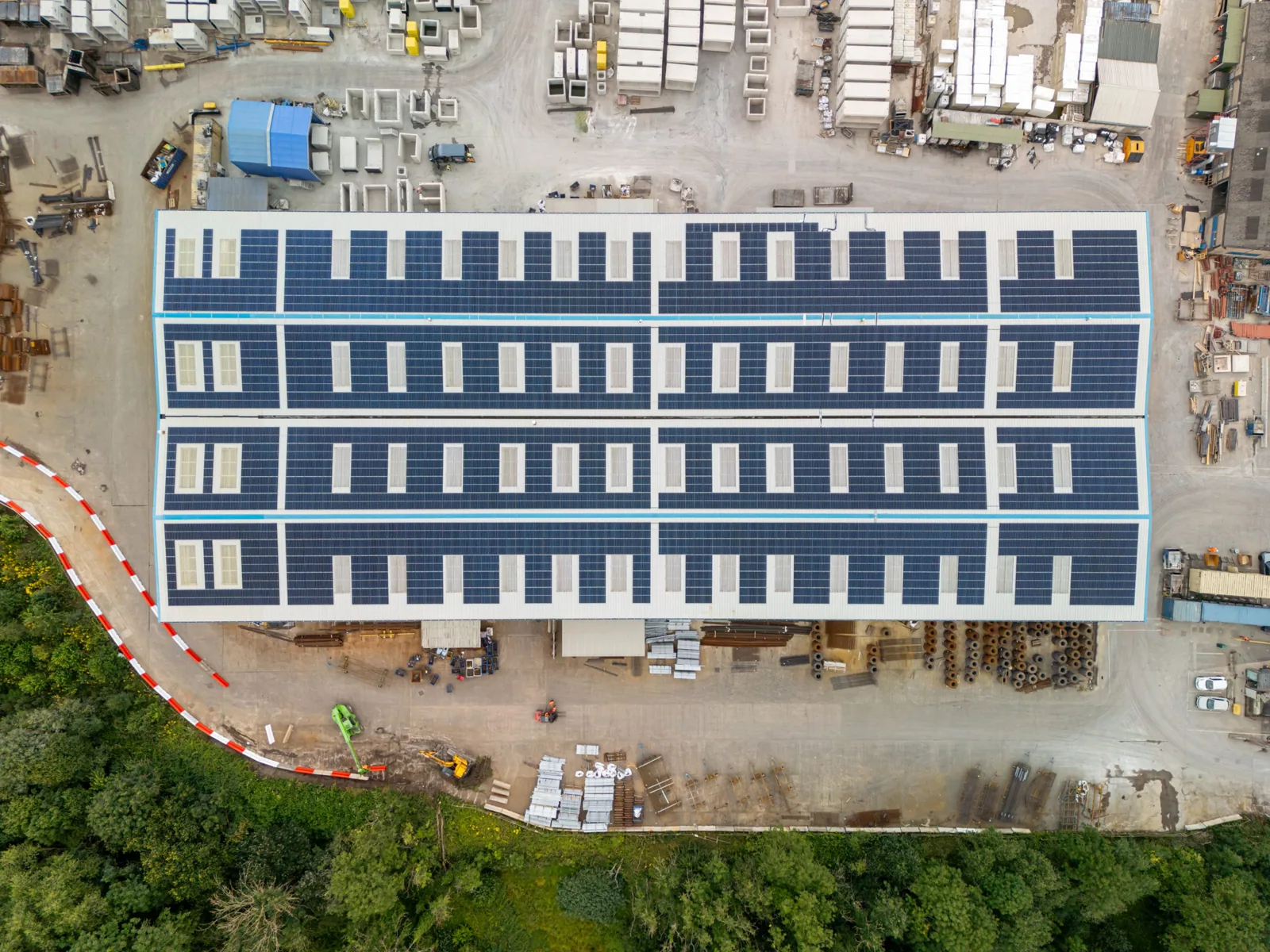
In the western Business and Entertainment District, retail, offices, event facilities, and mixed-use development operate within one broad commercial area. That activity can affect inspection timing and access, so we record restrictions that limited the route. A drone survey can capture broad surface context when approved and weather allows, but close inspection may still be required at penetrations and seams. Aerial images show broad surface conditions; hands-on checks examine seams and penetrations, and testing identifies concealed layers.
Before the report is issued, we check that image labels, drawing references, and written observations use the same zone names. If the owner uses a different building convention, we can map the field labels to that record and state the correspondence. That avoids a handoff where a clear roof finding cannot be located by the maintenance team.
Priority: Link each finding to a practical next action
We separate active water entry, safety concerns, maintenance items, and longer-term renewal questions. Each priority names the observed condition and the next action, such as clearing a drain, repairing a flashing, testing insulation, or reviewing attachment. If the recommended repair depends on a concealed layer, the report lists the test that would resolve that uncertainty. This gives the owner a sequence instead of a general statement that the roof needs attention.
Cost and schedule depend on access, work area, material, removal depth, interior protection, and weather. A drainage repair evaluation can address a persistent basin, while a repair scope defines a confirmed local failure. We identify work that needs authorization separately from tasks already completed during the visit. The report states roofing findings and identifies when an engineer or insurer must make a separate determination.
Each action can be assigned a responsible party and a suggested order, such as clear the drain, schedule a moisture test, then price a repair after the test boundary is known. We identify safety items that need immediate attention and work that can be grouped with planned maintenance. The report gives the owner roof evidence and consequences to compare before choosing the budget and timing.
Follow-through: Preserve a baseline for the next visit
A report is most useful when repairs and changes can be added without losing the original inspection. We retain dated photographs, roof-zone labels, test results, and closed work items, then note any new condition on the next visit. If a leak returns at the same seam or basin, the manager can compare location and repair history. The follow-up identifies what changed, what remains, and whether further access or testing is needed.
For a Sunrise roof, share the roof plan, prior reports, repair invoices, coating or system documents, and access requirements. We will map the inspection findings and present next steps by zone. A capital planning review can use the report to compare measured repairs and renewal options, and our Sunrise service area can coordinate inspection access with the property team. Keep each building's findings separate even when several roofs share the same owner.
If the building has several additions, we note which plan version was used and mark any mismatch with field conditions. A later project can update the drawing while preserving the older map and its inspection labels.
A useful report also states how each observation was verified: visual review, moisture scan, test opening, or owner-provided record. It labels photographs by roof zone and notes any area the crew could not reach. That distinction helps the next reviewer separate a confirmed defect from a question still awaiting access or testing.
Frequently Asked Questions
What should a commercial roof condition report include?
Include the roof plan, inspection date, zone labels, photos, observed conditions, test results, inaccessible areas, recommended action, and remaining questions.
Does a report confirm what is under every roof area?
Only inspected or tested areas are confirmed. We label inaccessible and untested sections so they are not mistaken for dry or damaged material.
Can a report help compare repair bids?
A mapped scope with quantities, photos, assumptions, and test boundaries gives reviewers a common basis for comparing the work proposed.
How do you document a moisture test?
We record its location, roof layers, material condition, moisture result, photograph, and the way the test opening was restored.
What helps make the inspection more complete?
Provide a current roof plan, leak history, previous repair records, equipment information, access limits, and the site contact for each building.
Turn roof observations into a usable record
Share roof drawings, leak history, prior reports, repair invoices, and access rules. We will map findings, photograph relevant details, and state the next action and its limits.
Call 555-555-5555 or request a roof assessment.