Holcim Elevate Roofing Systems in Sunrise, FL
Holcim Elevate Roofing Systems
Records may refer to Firestone Building Products or Holcim Elevate; we identify the installed membrane and assembly from field details. Holcim Elevate offers commercial systems that include EPDM, TPO, PVC, asphalt, and metal; each has different seams, flashing, attachment, and repair requirements. We begin by identifying the actual system and matching it to the accessible field details. Sawgrass International Corporate Park sits between I-595, I-75, and Sunrise Boulevard, while Sunrise Commerce Park is beside the Sawgrass Expressway and serves a mix of distribution and manufacturing buildings. Rooftop equipment and operating constraints vary across those buildings. A membrane review or roof inspection should document the assembly, not assume it from an old product label. We mark each condition by structure and zone, then determine whether the owner needs a seam repair, drainage correction, or broader assembly work.
Roofing Manufacturers in Sunrise, FL
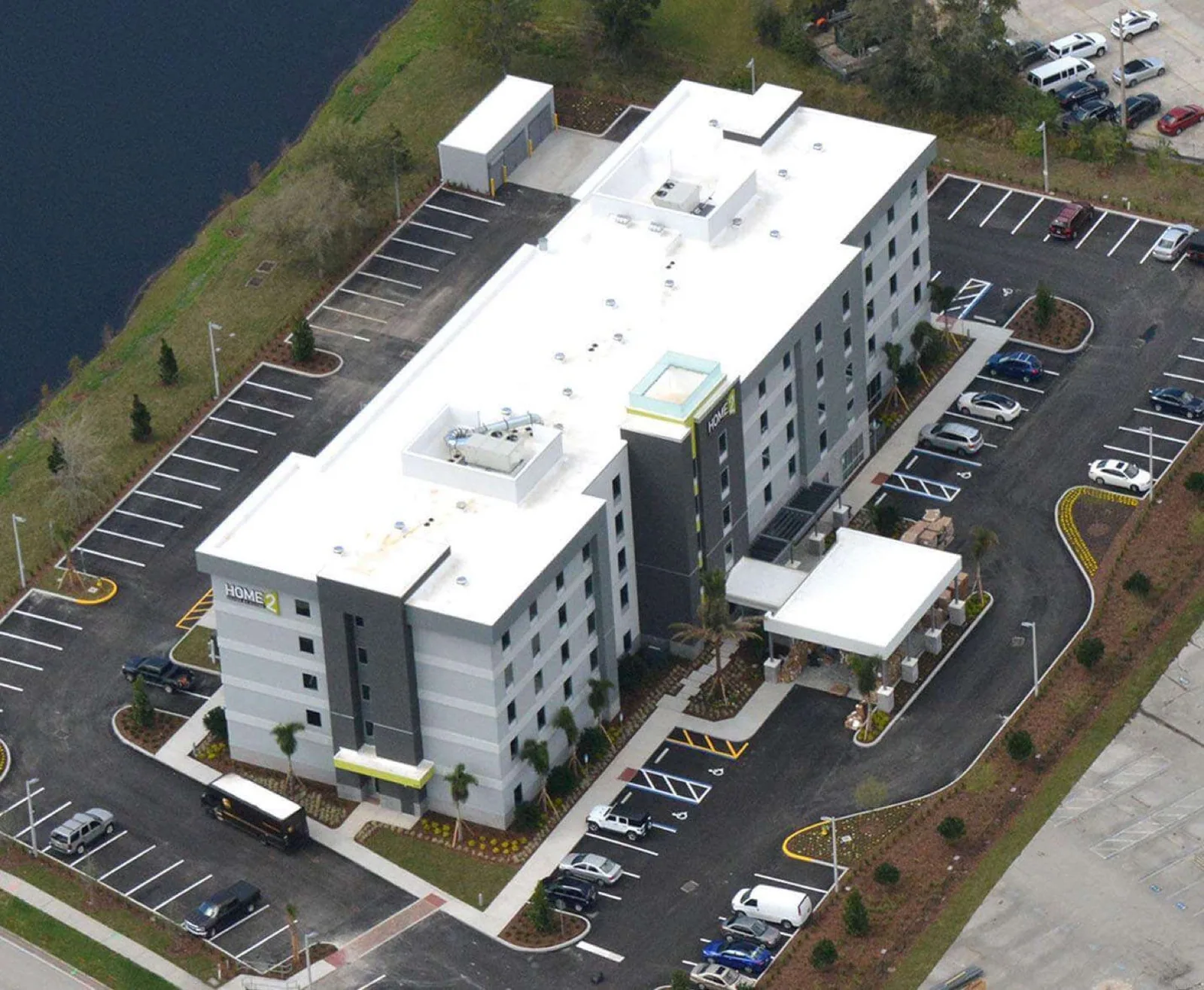
Review Holcim Elevate commercial roofing in Sunrise, FL by confirming membrane type, attachment, drainage, roof details, and the assembly record.
System family: Match the name to the installed layers
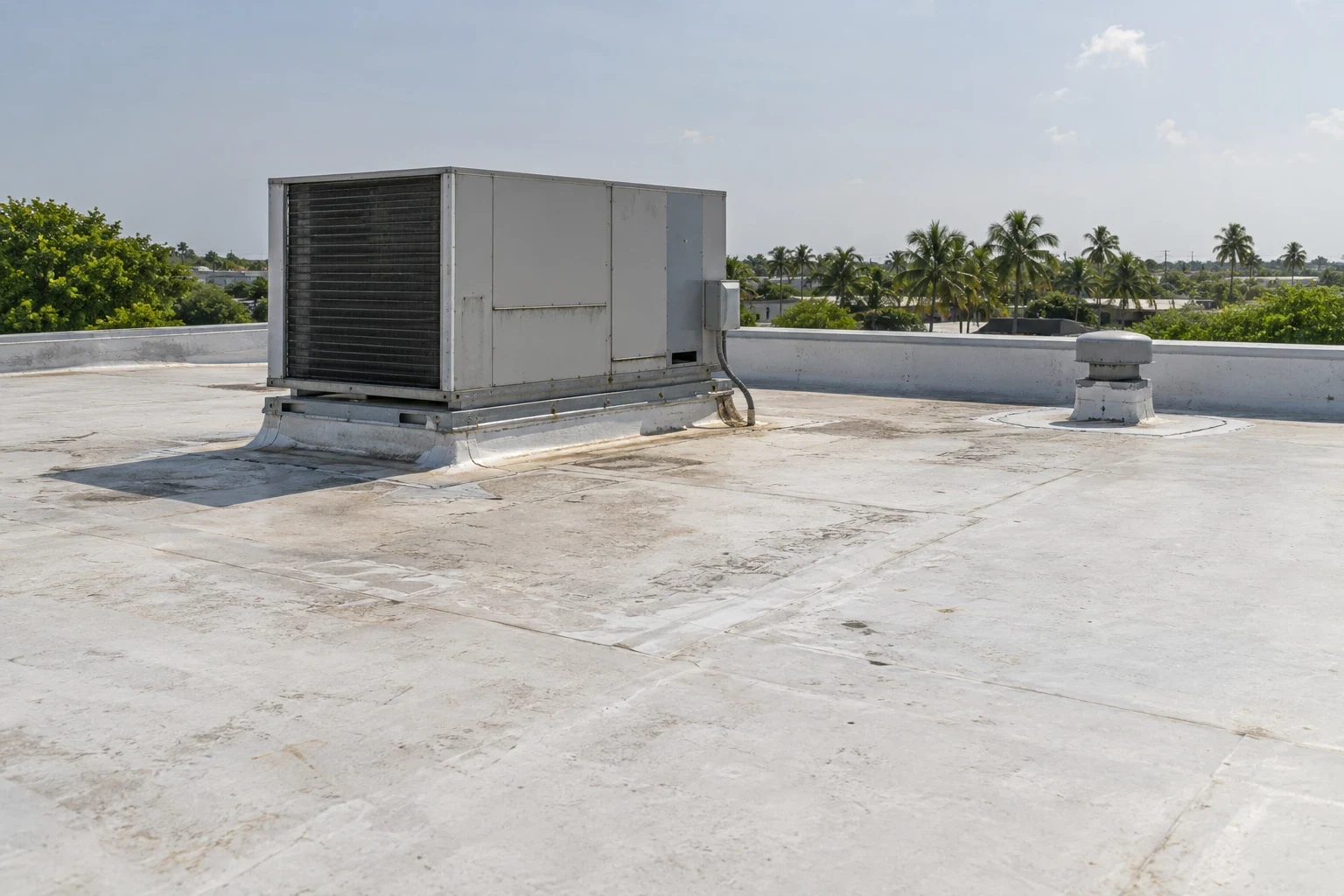
Holcim Elevate’s product range spans several system families, including RubberGard EPDM and UltraPly TPO. Product names can help locate technical details, but a roof may include different generations, accessories, or materials introduced during later repairs. We check the membrane, insulation, cover board, deck, attachment pattern, and perimeter components. EPDM splice materials differ from the heat-welded seams used on TPO and PVC, so a repair plan has to start with confirmed material rather than brand shorthand.
Sunrise has several multi-building business parks. Sawgrass Technology Park includes office and technology buildings, and Broward Lakes Business Park contains multi-tenant flex and office projects. We inspect each building's assembly and keep its roof details in a separate record. We label each building, compare records against exposed edges and penetrations, and flag any mismatch before specifying material. A Carlisle system comparison or Johns Manville assembly review can help frame a product discussion, while the actual selection follows the roof plan and field conditions.
Details: Inspect seams, edges, and penetrations
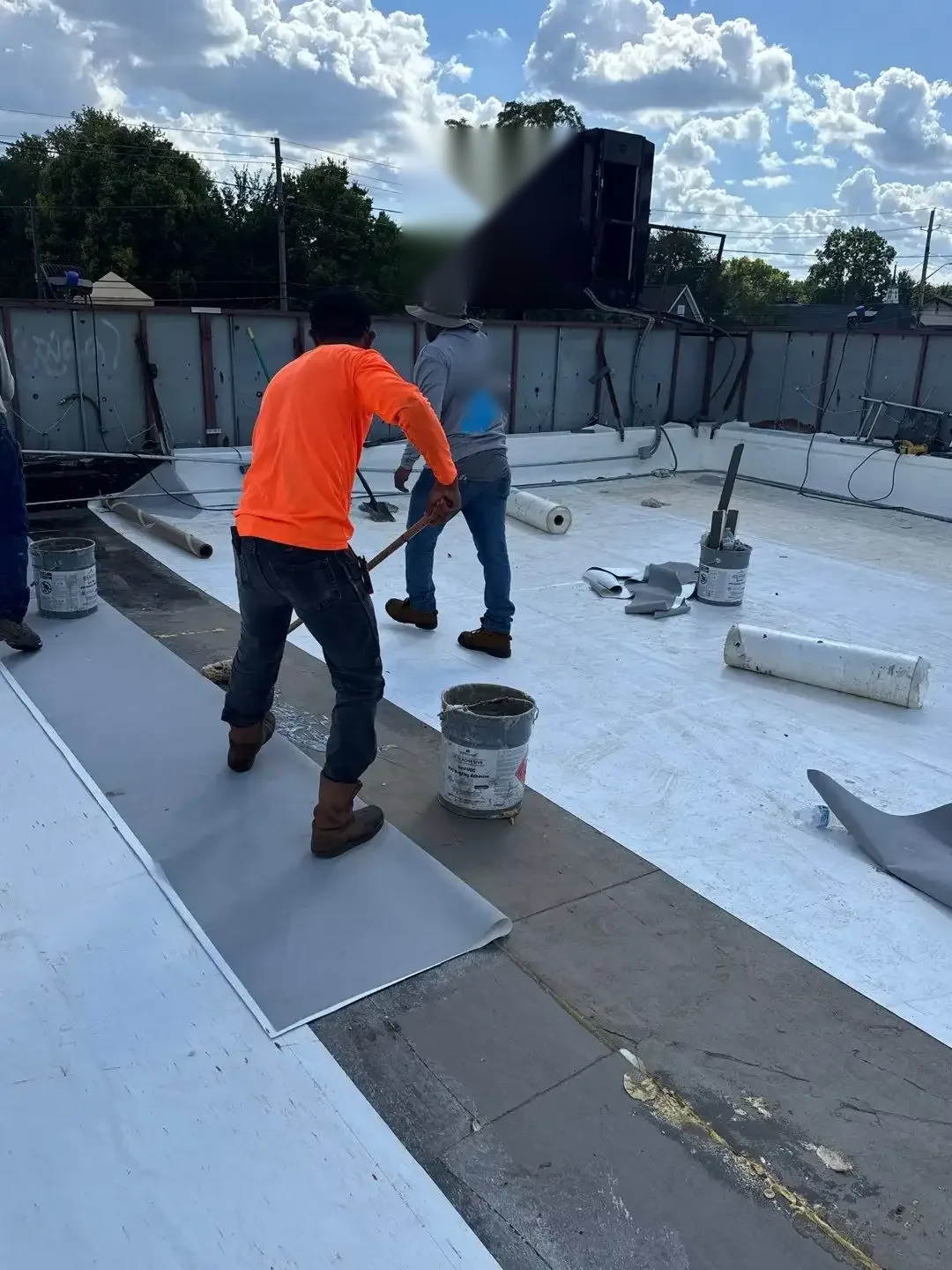
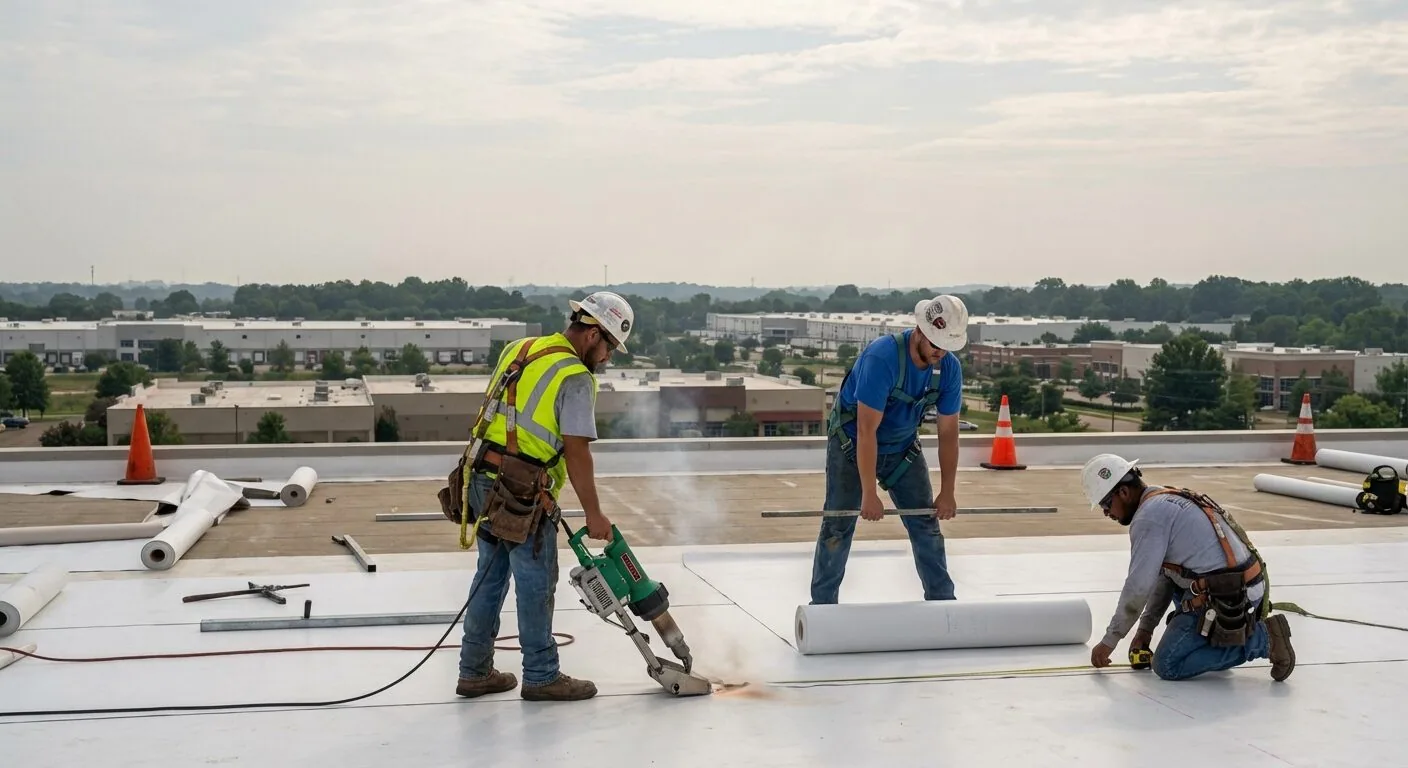
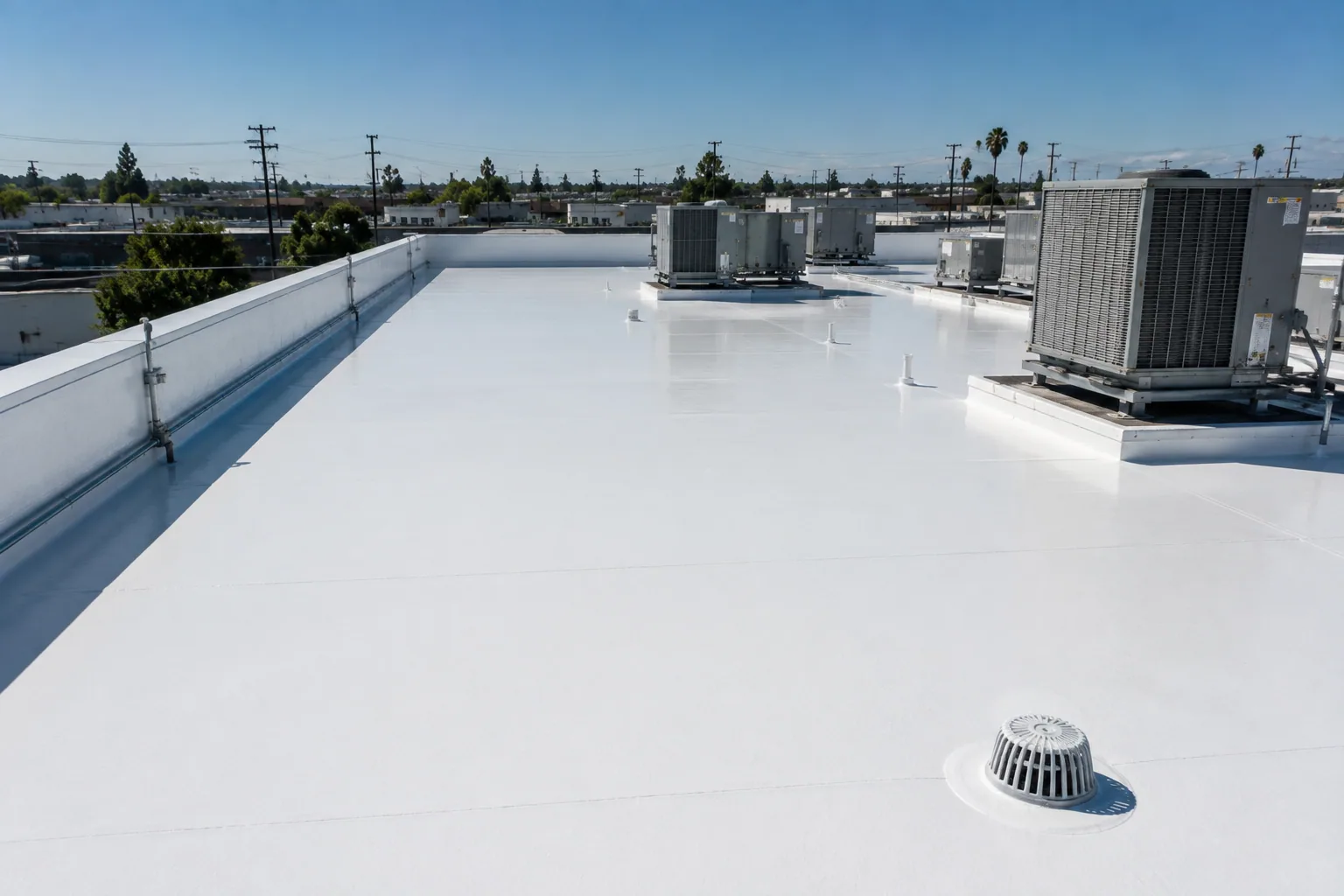
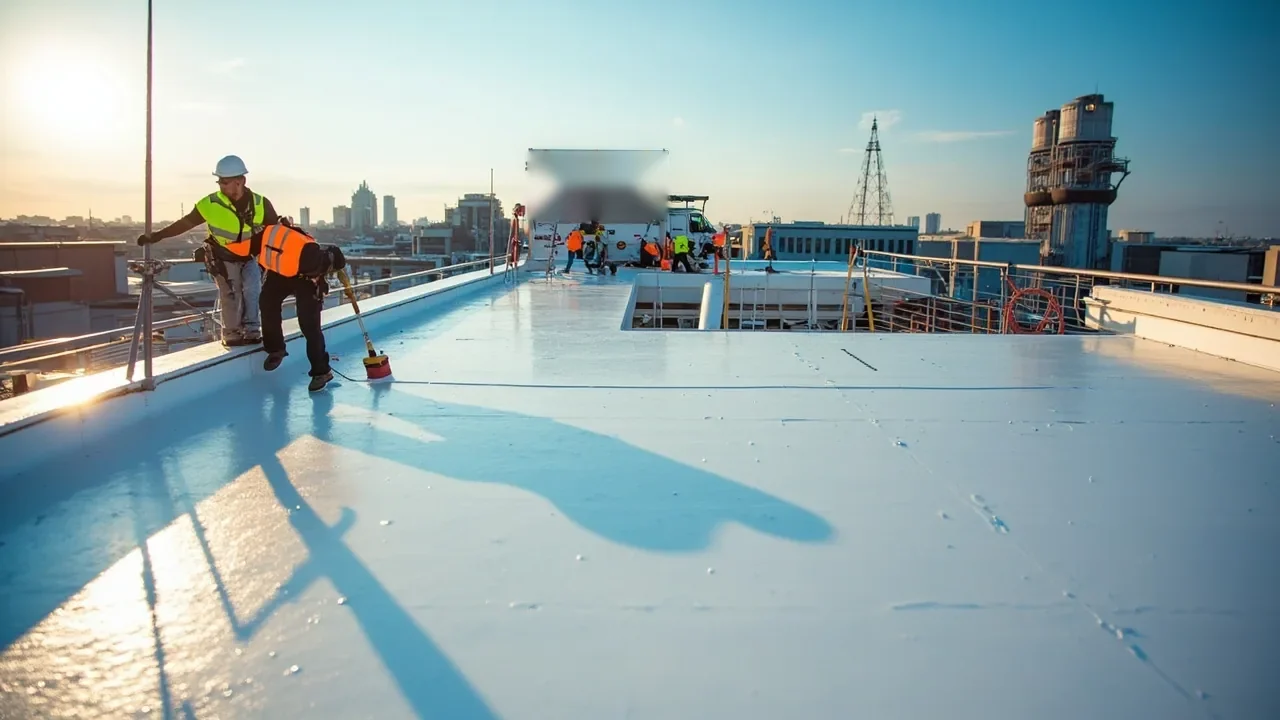
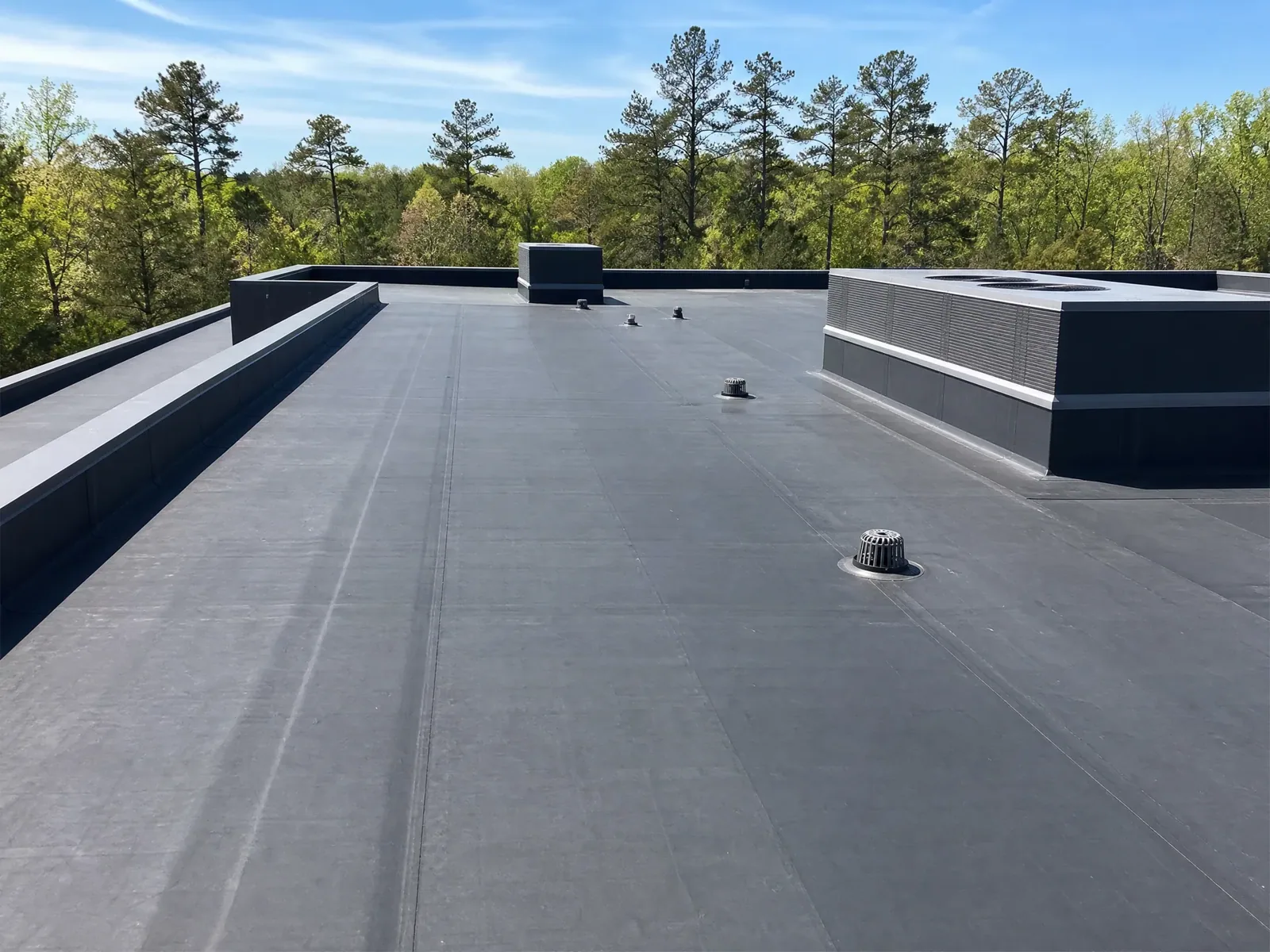
Water entry commonly follows a detail that moves, separates, or loses continuity. We inspect membrane laps, patches, drain bowls, pipe boots, equipment curbs, wall flashings, and roof edges as parts of the same water-control surface. On EPDM, splice condition and flashing compatibility deserve close review; on TPO or PVC, weld continuity and surface preparation matter. At a change of plane or material, we look for stress, unsupported corners, open laps, or a prior repair that no longer bonds to the field sheet.
South Florida’s rainy season puts repeated demand on drainage paths and exposed transitions. We trace where water sits after a storm, whether an outlet is restricted, and whether the low point corresponds with the interior condition. A drain and scupper inspection can address outlet performance, and flashing repair can correct a confirmed transition defect. The inspection record distinguishes what is visible from what needs a test opening. That separation matters when a surface repair may otherwise conceal wet insulation or a deteriorated deck.
Attachment: Check the fasteners and the perimeter
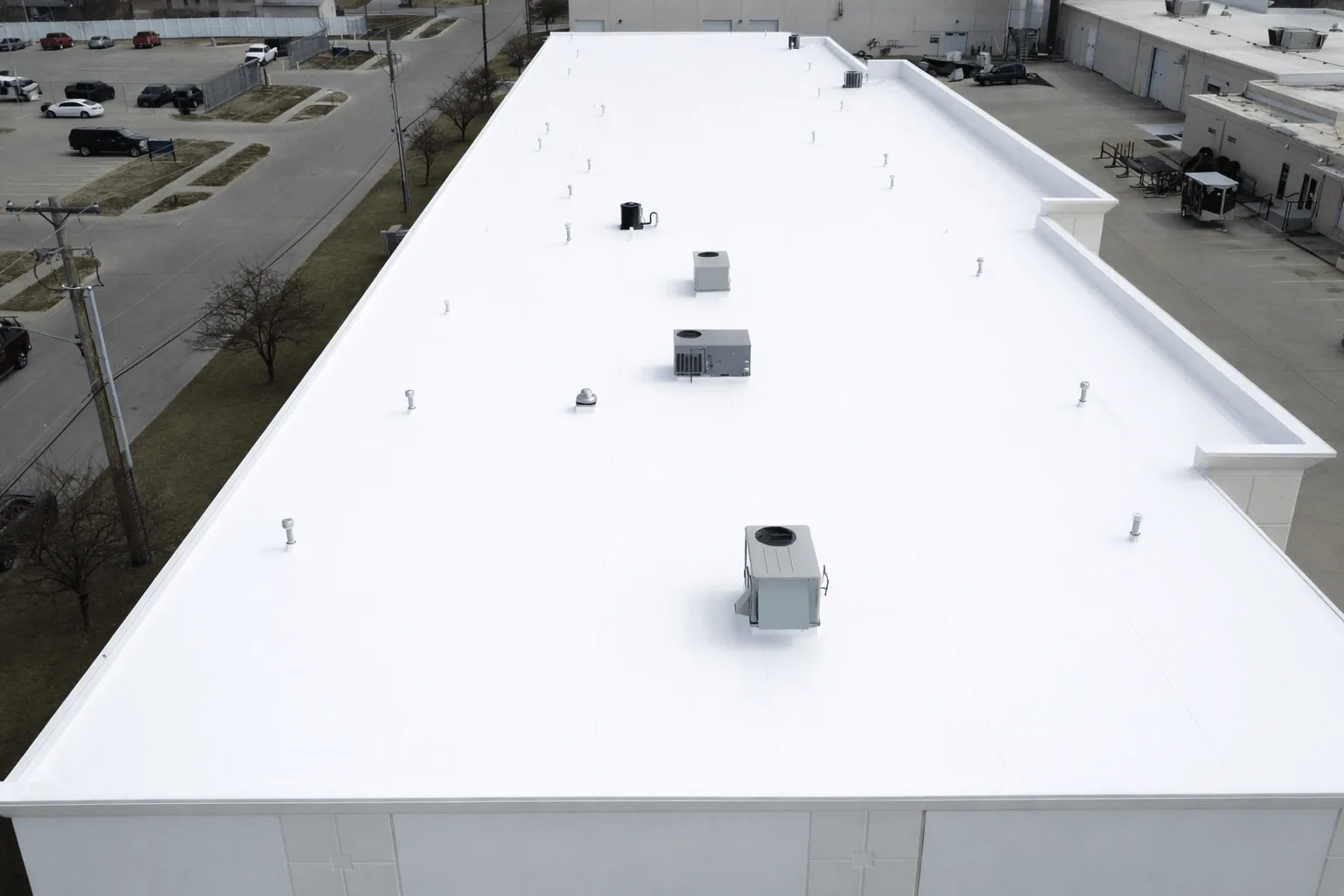
The attachment method is part of the roof system. We review fastener type and pattern, adhesive bond, deck condition, cover board, perimeter securement, and roof geometry where accessible. A membrane that appears flat may still have a weak bond or loose edge. At corners and parapets, the load path continues through the membrane termination, metal cleat, fasteners, and supporting substrate. A repair that restores one visible seam does not correct a failed connection elsewhere in that path.
The 2023 Florida Building Code is effective statewide, and Broward County maintains commercial energy-code and High-Velocity Hurricane Zone resources. If work changes membrane attachment, roof height, or edge construction, the project needs an applicable design and permit review. We record what is known about the existing assembly and identify details that remain concealed. A replacement scope can compare system options when repair is no longer appropriate, while a condition report documents the edge, deck, and test locations. The building’s district or product label cannot substitute for those observations.
Repair or recover: Define a sound tie-in
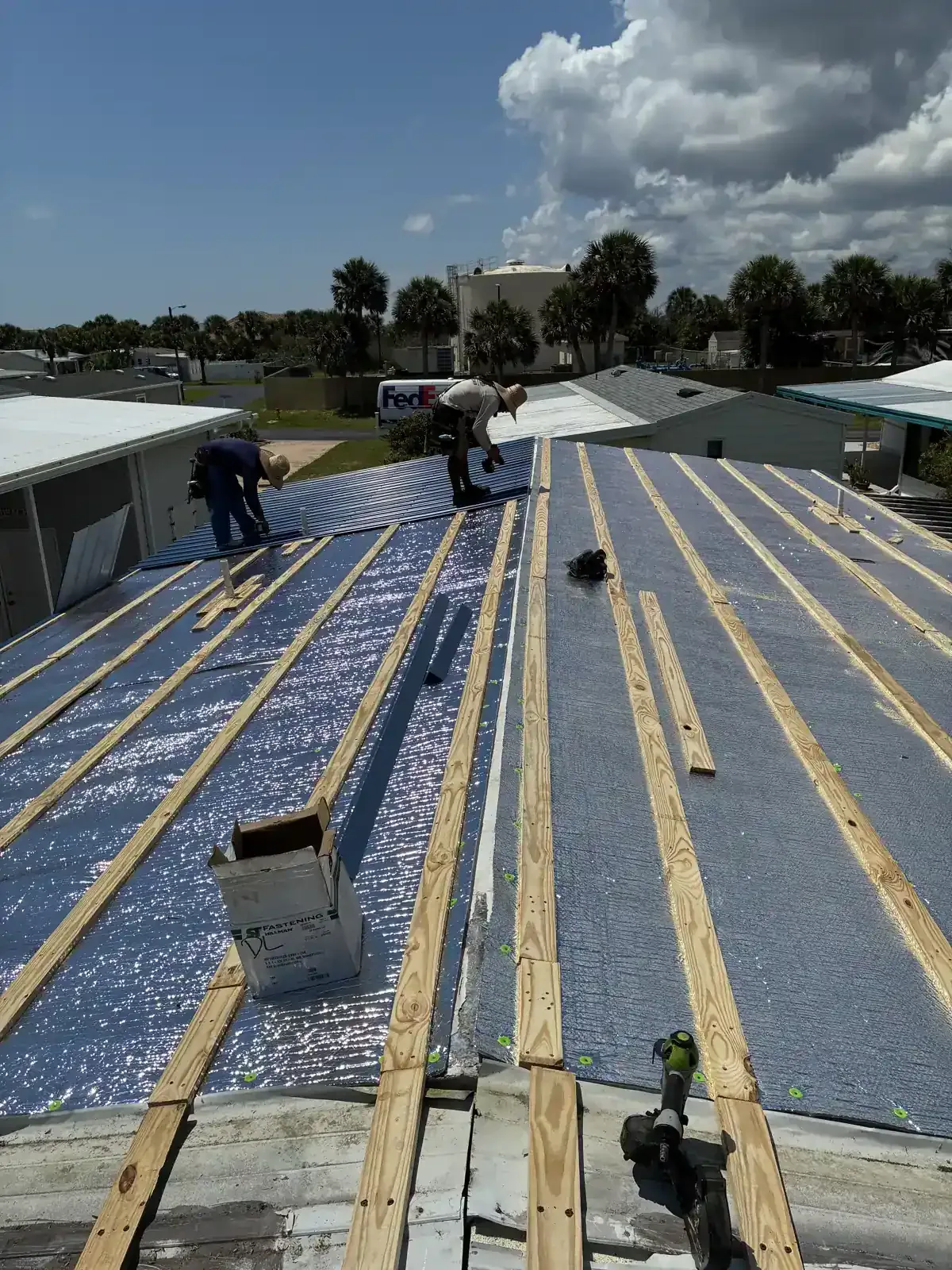
When the defect is local, we determine whether the adjacent membrane can accept a compatible patch and whether the substrate is dry and stable. If moisture extends under the field sheet or attachment is broadly compromised, a small repair may not control the condition. Infrared mapping, test cuts, and selective removal can establish how far the problem reaches. We mark the affected zone and explain whether the proposal includes only the exposed defect or the layers beneath it.
A recover can be considered only after drainage, moisture, deck capacity, existing roof layers, and height at walls and equipment are reviewed. Holcim Elevate documents system assemblies and components, but applicability depends on the specific project and current technical requirements. A recover assessment can map the retain-or-remove decision; a leak investigation can trace active water. We also compare alternate system choices without claiming a product is right for every building. The written scope lists preparation, substrate repair, fastening or bonding, flashing, and closeout checks. We also note whether a tie-in reaches a wall, curb, or adjacent roof section, because those boundaries can affect the sequence and temporary water protection. If equipment needs to be moved or disconnected, that work is coordinated with the responsible trade and shown separately. Before materials are ordered, the owner receives the selected detail, the assembly layer it attaches to, and any assumption that still needs field confirmation. This keeps the price and schedule connected to the physical scope rather than a broad system name.
Record: Preserve product and project information
At closeout, the owner should have the confirmed system family, roof-zone map, repair details, photographs, test results, and any remaining observation item. We note products installed and interfaces changed, then retain manufacturer data with the project record. The closeout file should keep product identity, repair details, registration status, and approved project documents together. Before discussing roof warranty coverage, we review the specific system, registration, approved details, and governing documents.
The Sawgrass western district and Sunrise Technology Park each contain multiple commercial properties, while Commerce Park includes industrial and office uses. Asset records should keep each structure separate. For a Sunrise roof assessment, provide drawings, known Holcim or Firestone submittals, previous repair invoices, leak locations, equipment limits, and operating hours. We will compare the roof file with accessible details, check whether repair materials meet the identified membrane and flashing requirements, and state which unanswered issue calls for further testing. This gives the facility director a clear path from the product record to the decision about repair, recover, or replacement.
Frequently Asked Questions
Are Firestone and Holcim Elevate records interchangeable?
A product record may use either name, but we still verify the installed membrane, assembly generation, and components. The roof itself determines which current detail can be applied.
Which Holcim Elevate system is on the building?
We compare the submittal, labels, exposed membrane, seam type, and repair history. If evidence remains incomplete, a test opening can identify concealed layers before specification.
Can EPDM and TPO use the same repair method?
No. Their seam construction and compatible accessories differ. We confirm the membrane family and substrate before choosing preparation, flashing, and repair material.
What if the roof still leaks after a prior patch?
We map the interior condition against nearby seams, drains, curbs, and wall transitions, then check for moisture beyond the patch. The next repair should address the confirmed path and its boundary.
Does the manufacturer name confirm warranty coverage?
Coverage depends on project documents and applicable terms, not the name alone. We can organize the roof record and identify what needs review.
Inspect the actual roof system
Send the roof plan, product records, repair history, leak locations, operating hours, and access limits. We will identify the installed system and define the next inspection or repair step.
Call 555-555-5555 or request a roof assessment.