Johns Manville Commercial Roofing in Sunrise, FL
Johns Manville Commercial Roofing
A Sawgrass office or Sunrise Commerce Park distribution building can carry a Johns Manville product record, but that name does not identify every layer now on the deck. JM offers commercial TPO and PVC roofing systems, yet membrane family alone does not tell the owner how insulation, cover board, fasteners, adhesive, edges, and flashing were installed. We compare submittals with accessible field details before selecting a repair method. Sawgrass International Corporate Park contains headquarters and regional offices alongside financial services, healthcare, and high-technology manufacturing; Sunrise Commerce Park includes distribution, manufacturing, and multi-tenant buildings. Access and rooftop equipment differ across those operations. A TPO system review or PVC assembly inspection starts with the observed membrane and its tie-ins. We mark the roof section, confirm what can be confirmed without opening it, and show where testing is needed before work proceeds.
Roofing Manufacturers in Sunrise, FL
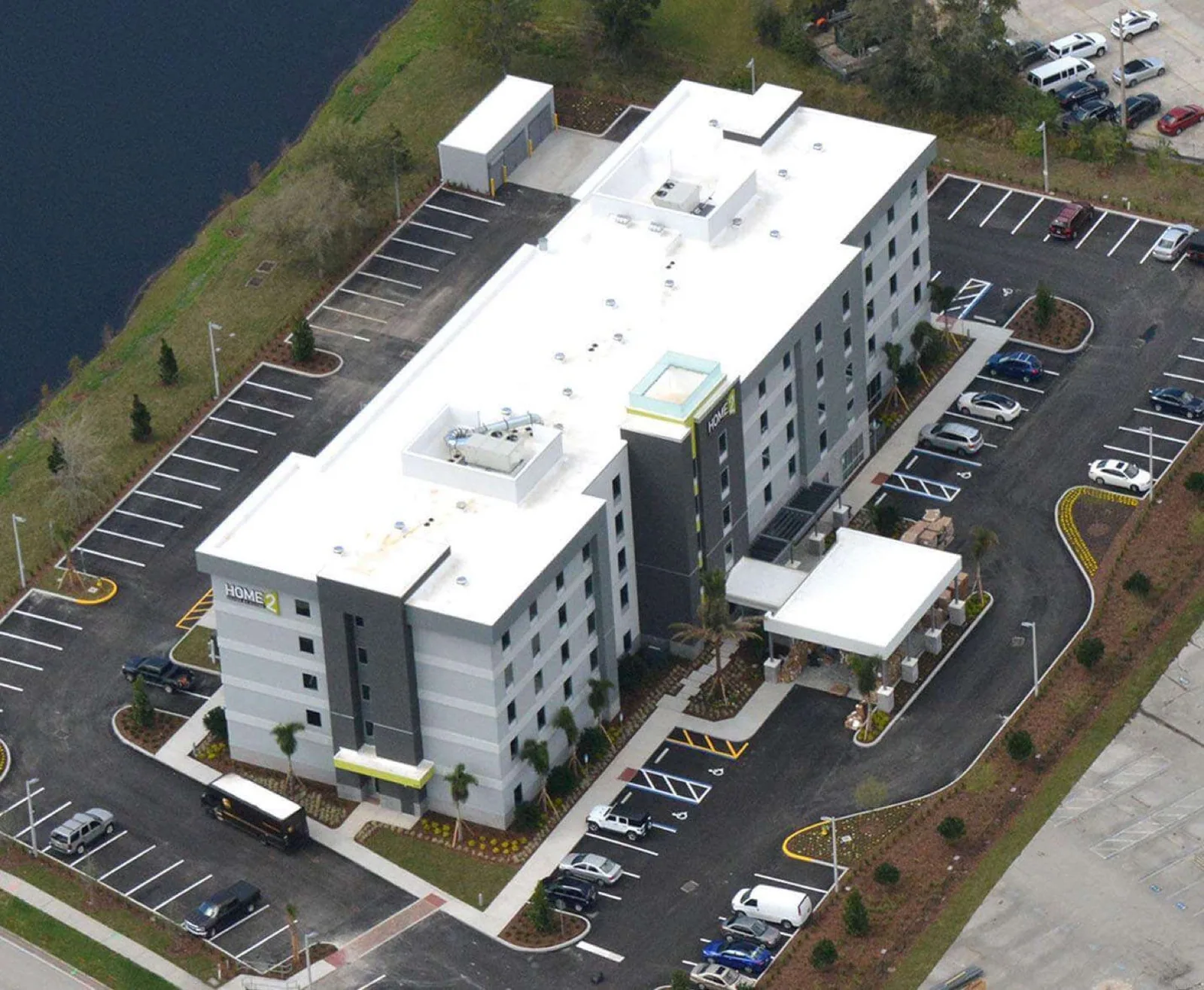
Evaluate Johns Manville roofing in Sunrise, FL by matching TPO or PVC components, attachment, seams, drainage, and documented field conditions.
Membrane family: Confirm TPO, PVC, or another layer
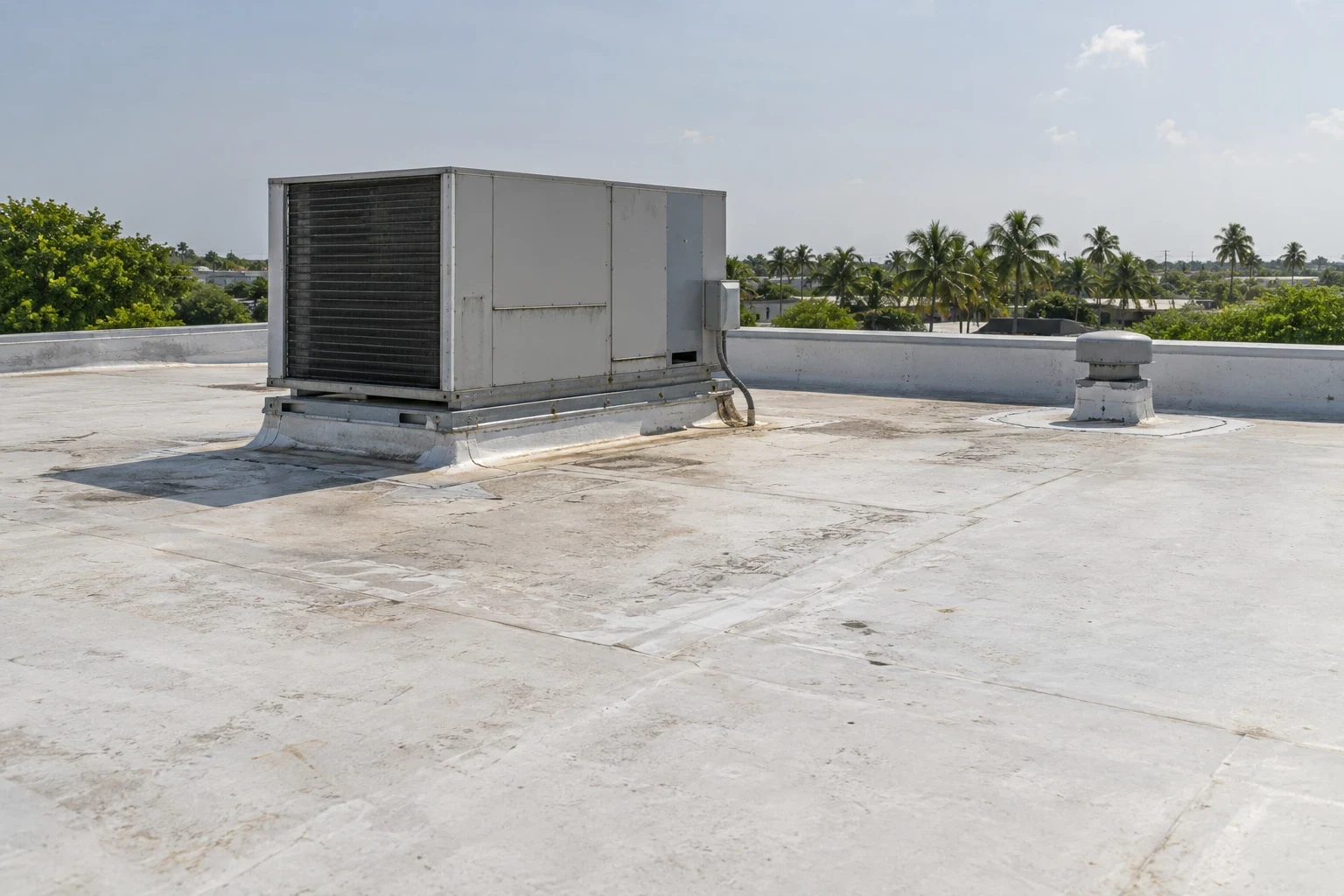
JM’s commercial range includes reinforced TPO and PVC membranes, including product variants with different facers and application choices. The difference matters at seams, flashing, bonding, and transitions. A TPO weld and a PVC weld should not be assumed to accept the same repair product, and a field patch must match the system details and existing surface. We look for manufacturer labels, exposed laps, previous repairs, and product submittals. If those do not establish the membrane, we describe the uncertainty and propose a small test opening only when it changes the decision.
A white roof surface may be painted or coated, and a prior recover may conceal the original sheet. Sawgrass Technology Park is a dozen-building office and technology complex, so each roof needs its own assembly record. In Sunrise Commerce Park, distribution and manufacturing uses can bring different equipment and access constraints. Each building needs a separate assembly record. A GAF product comparison or a Carlisle system comparison can clarify how manufacturer offerings differ, but selection still depends on the deck, project specification, and actual roof condition.
Seam condition: Inspect bond, intersections, and movement
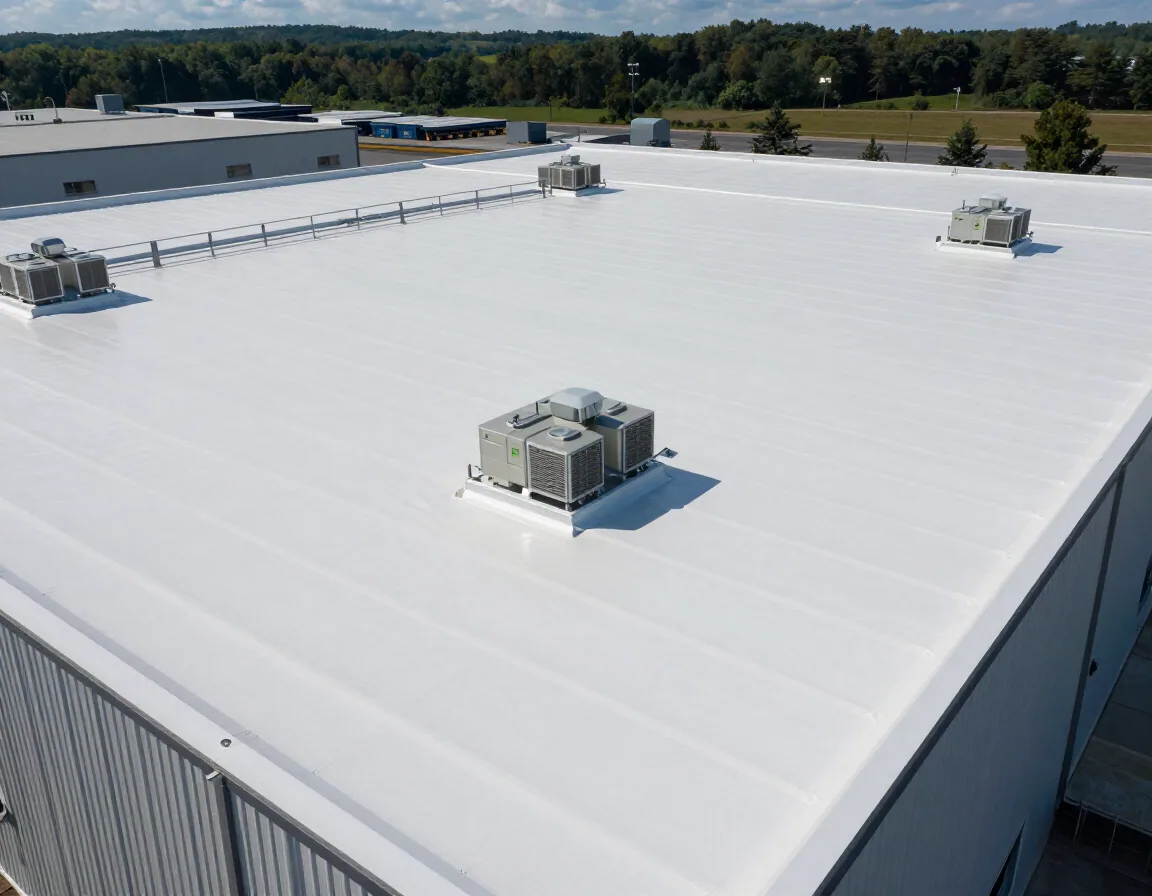
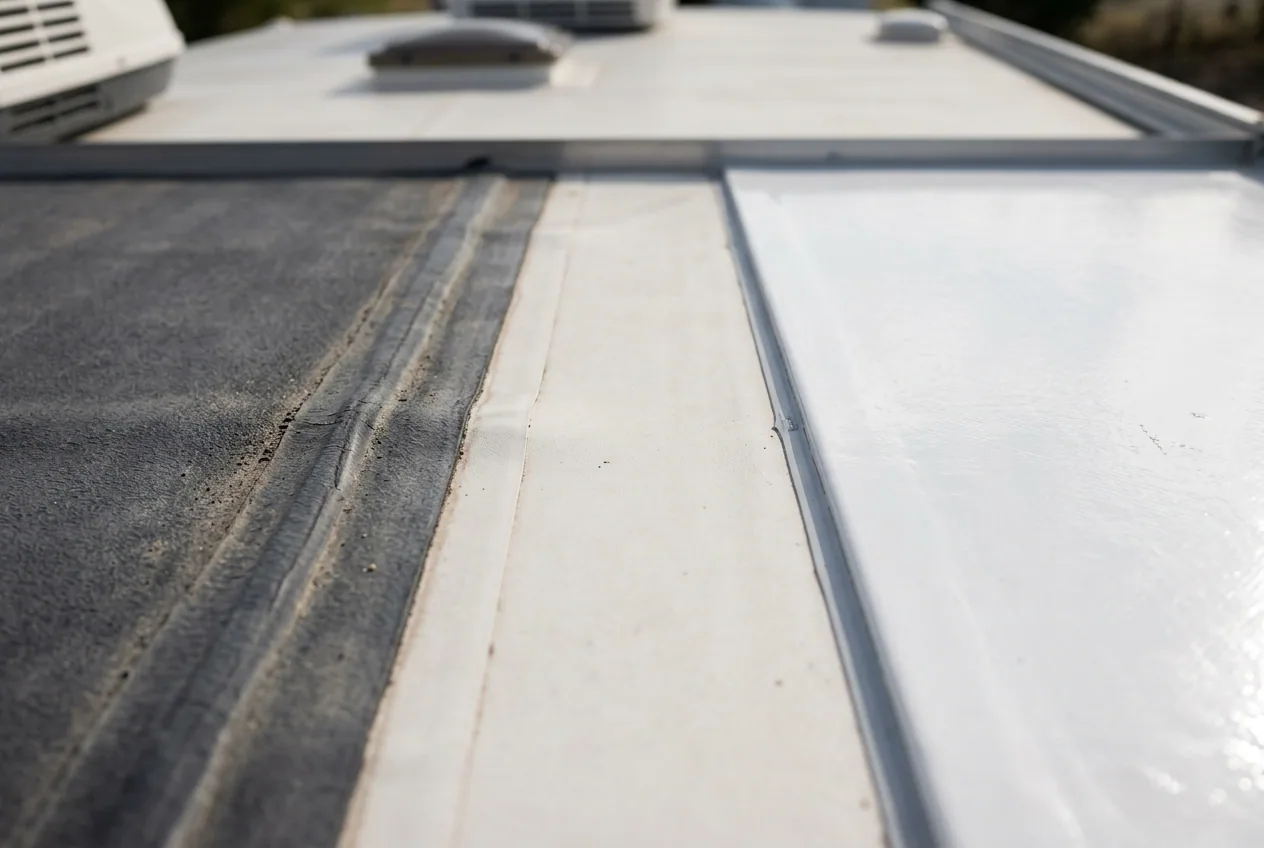
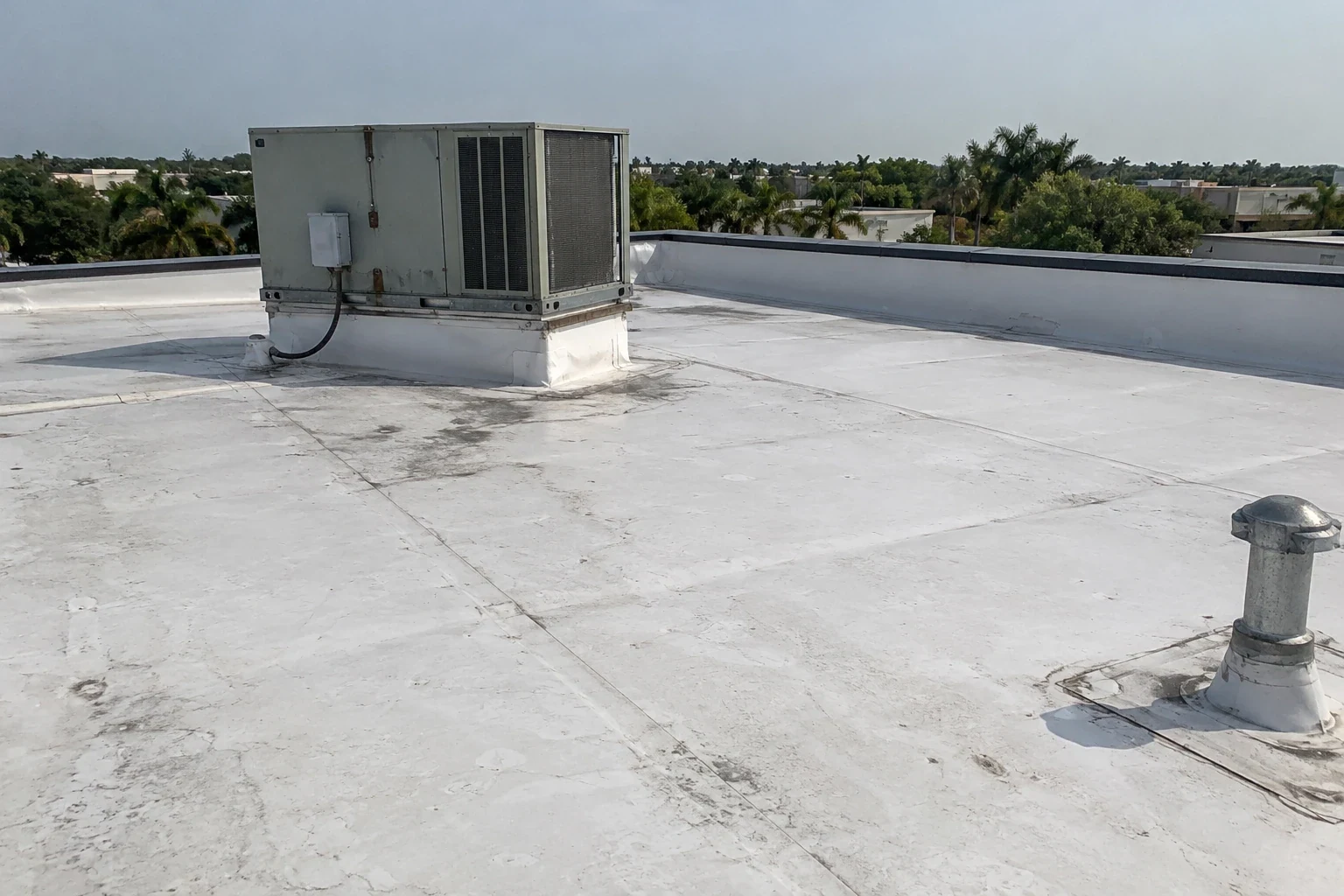
Heat-welded seams need continuous fusion along the lap and careful transitions at patches, corners, drains, and penetrations. We examine the surface for contamination, adhesive residue, open edges, ridges, wrinkles, and evidence that the seam has moved. A probe check at selected locations can locate a weak segment; a test weld on sound material helps determine whether the surface can accept repair. The repair detail must restore continuity without trapping moisture or placing a new lap over a failed substrate.
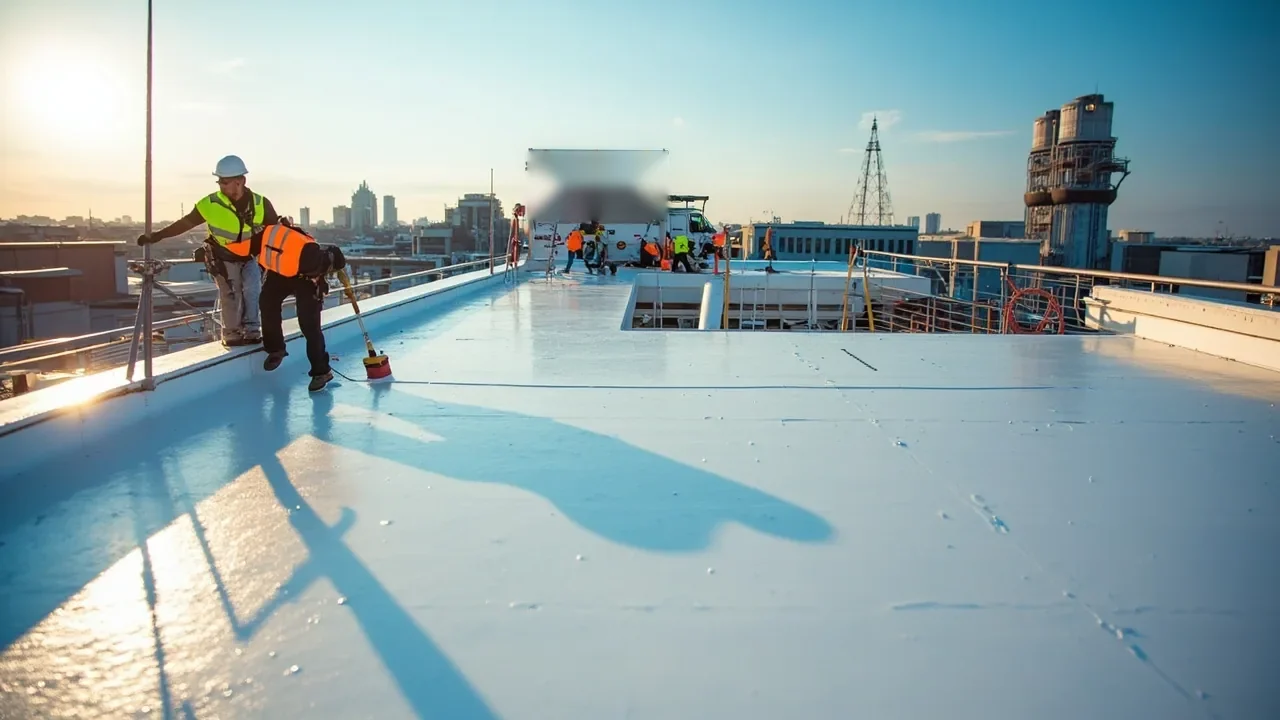
Frequent South Florida rain can expose small breaks in a lap, but an interior stain alone cannot identify the entry point. We map the affected room and compare it with roof seams, drains, curbs, and wall transitions. A seam repair visit can address a confirmed joint problem, while an active leak may call for water-path tracing. If the area is broad or concealed moisture is suspected, a moisture survey can help place test cuts. Sawgrass International Corporate Park’s healthcare and manufacturing operations can require defined work windows, so we label tested roof zones before arranging access.
Assembly design: Match components to the deck
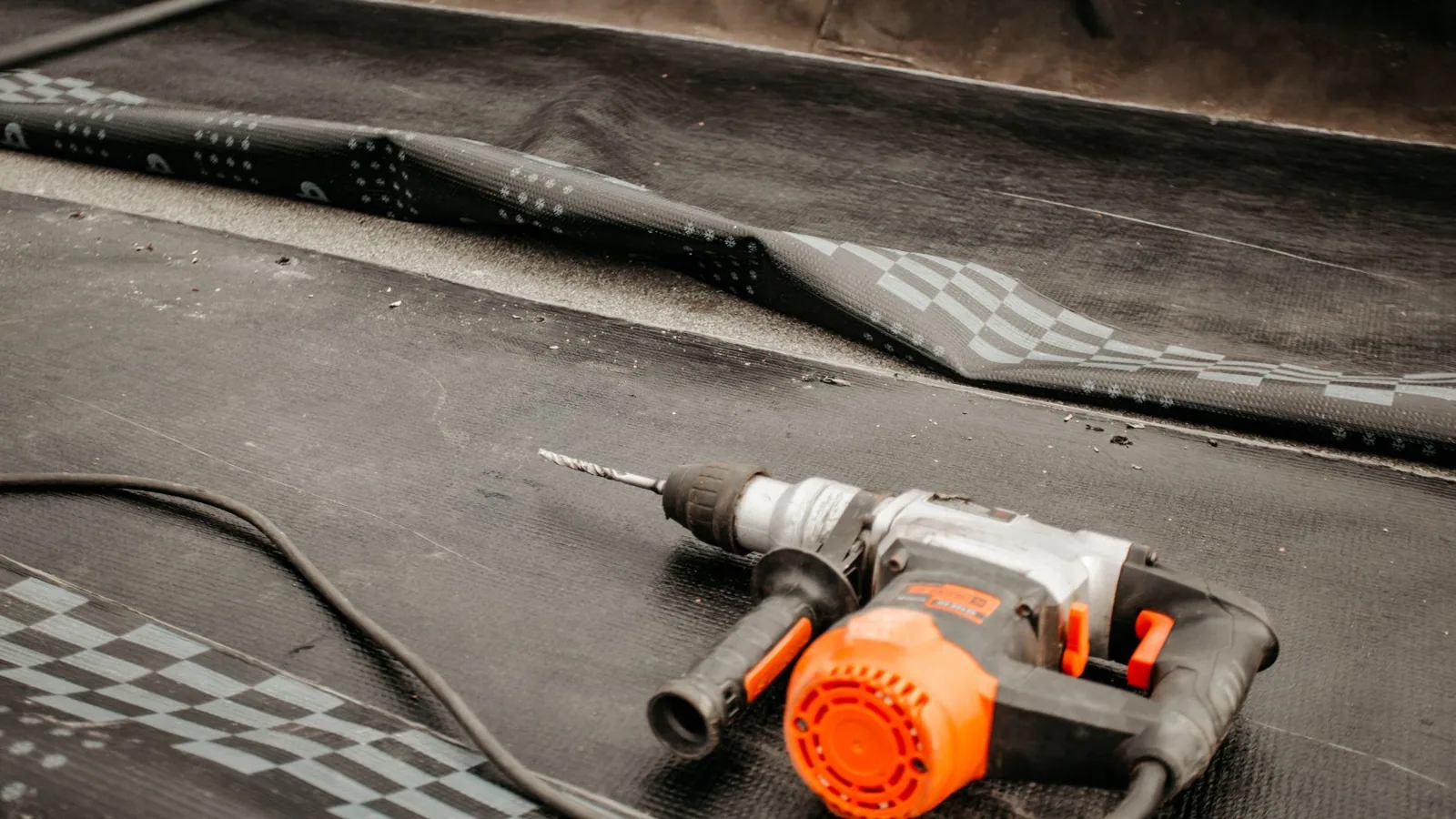
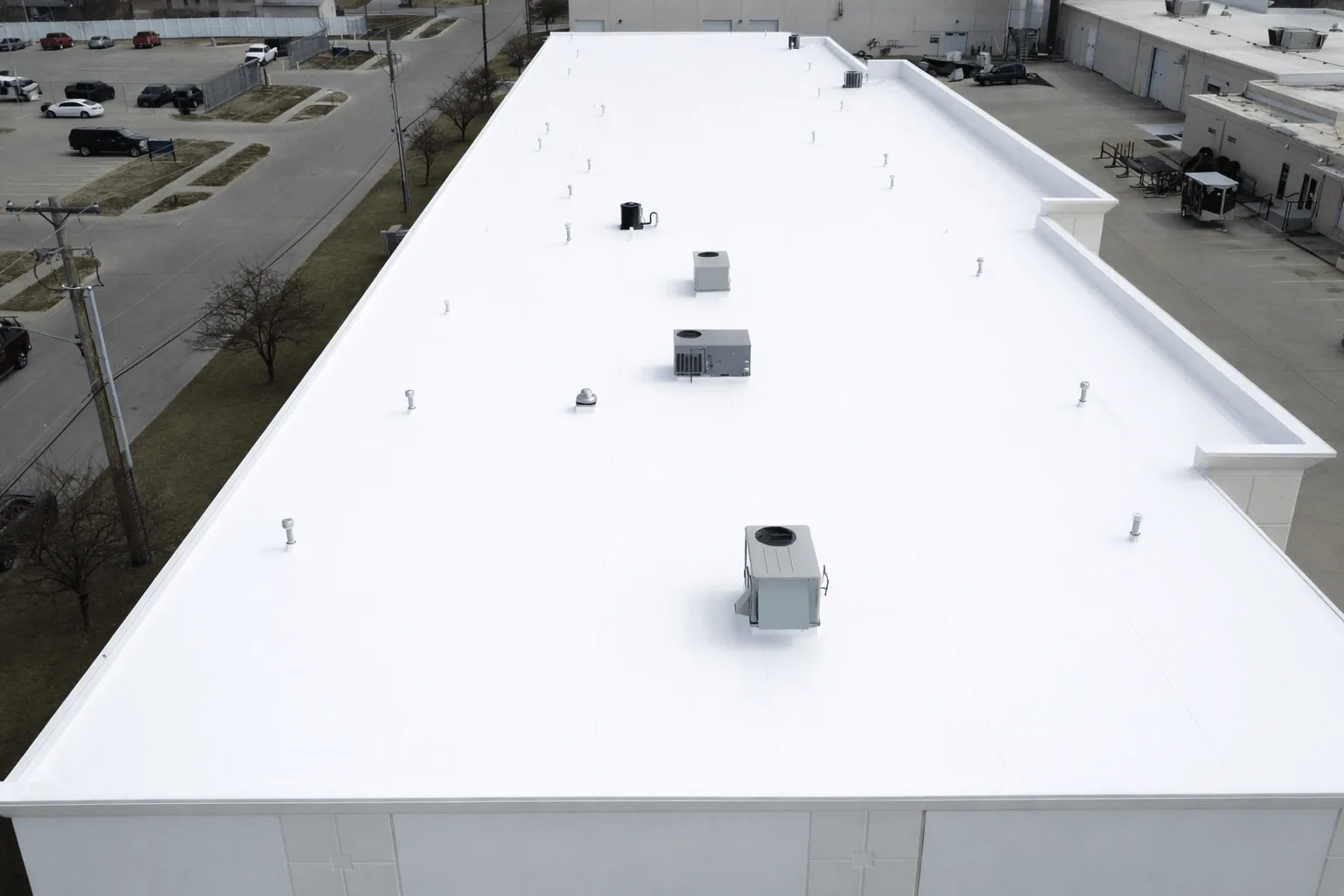
System design considers deck material, fastener pullout, insulation layers, cover board, slope, drains, perimeter geometry, and the attachment method. A membrane replacement that ignores a deteriorated deck or insufficient drainage leaves the primary cause in place. We review available plans, expose a limited area when necessary, and compare the specified fastening or adhesive pattern with accessible conditions. Changes to insulation or attachment may affect edge height and flashing dimensions, so transitions need to be laid out before field installation begins.
The current 2023 Florida Building Code took effect statewide, and Broward County publishes commercial energy-code and High-Velocity Hurricane Zone resources. Any proposed assembly change should be checked against applicable code, design, and permitting requirements rather than treated as a like-for-like repair by default. We document the existing roof build-up and open questions for the project team. A cover-board and insulation scope can be coordinated with the membrane work, while a replacement assessment compares the available roof paths. The final recommendation should state the assembly boundary, attachment assumptions, and details requiring design confirmation.
Water path: Resolve drainage before closing the repair
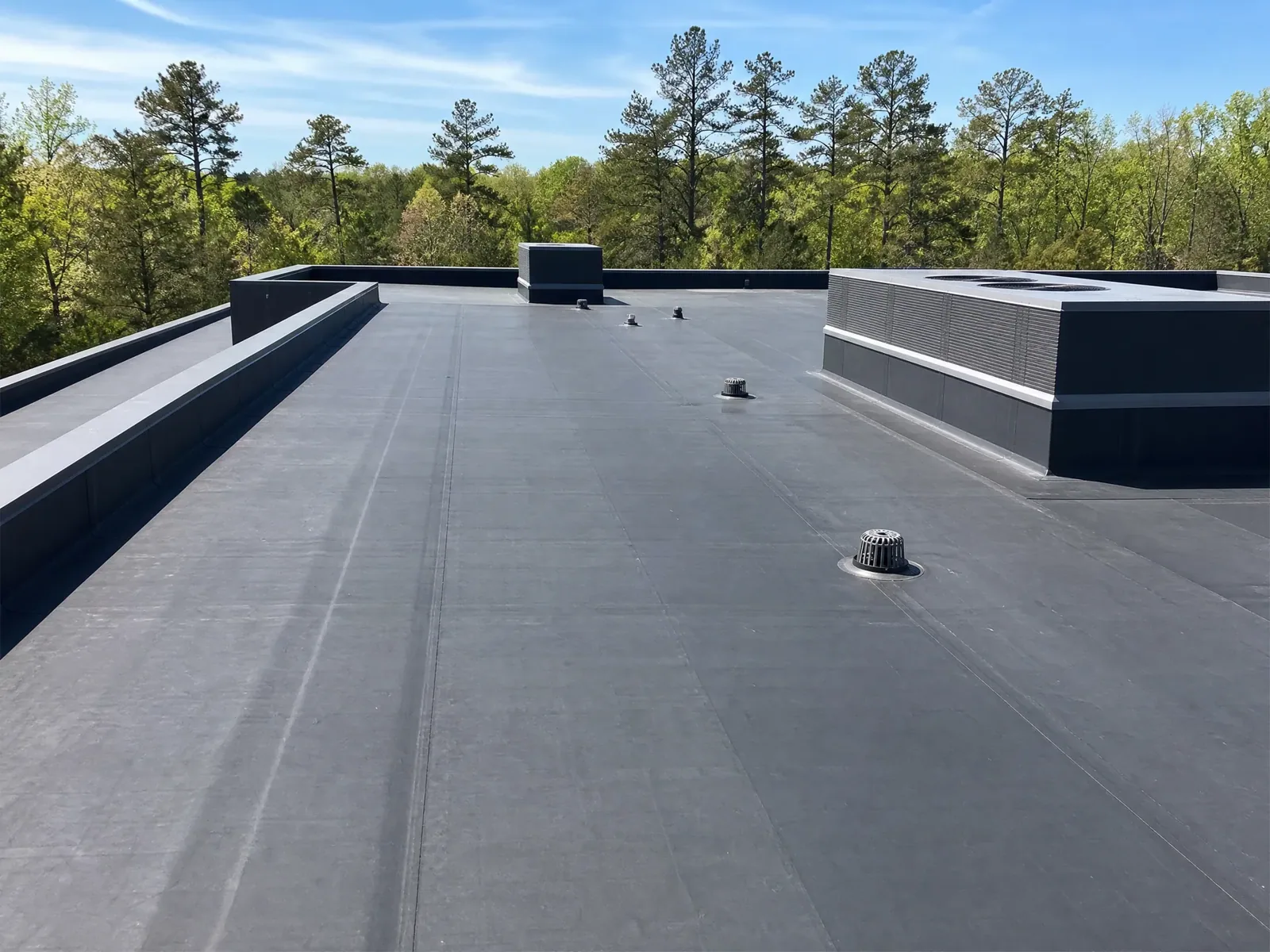
Membrane selection cannot compensate for blocked drains, low areas, or a downspout that returns water to the roof. We inspect the drainage plane, primary outlets, overflow provisions, and slope around equipment and parapets. Where water stays near a seam or curb, the repair should address both the membrane detail and the flow condition that repeatedly wets it. We do not infer the roof’s slope from a distant building plan; measurements and field observations establish where water moves.
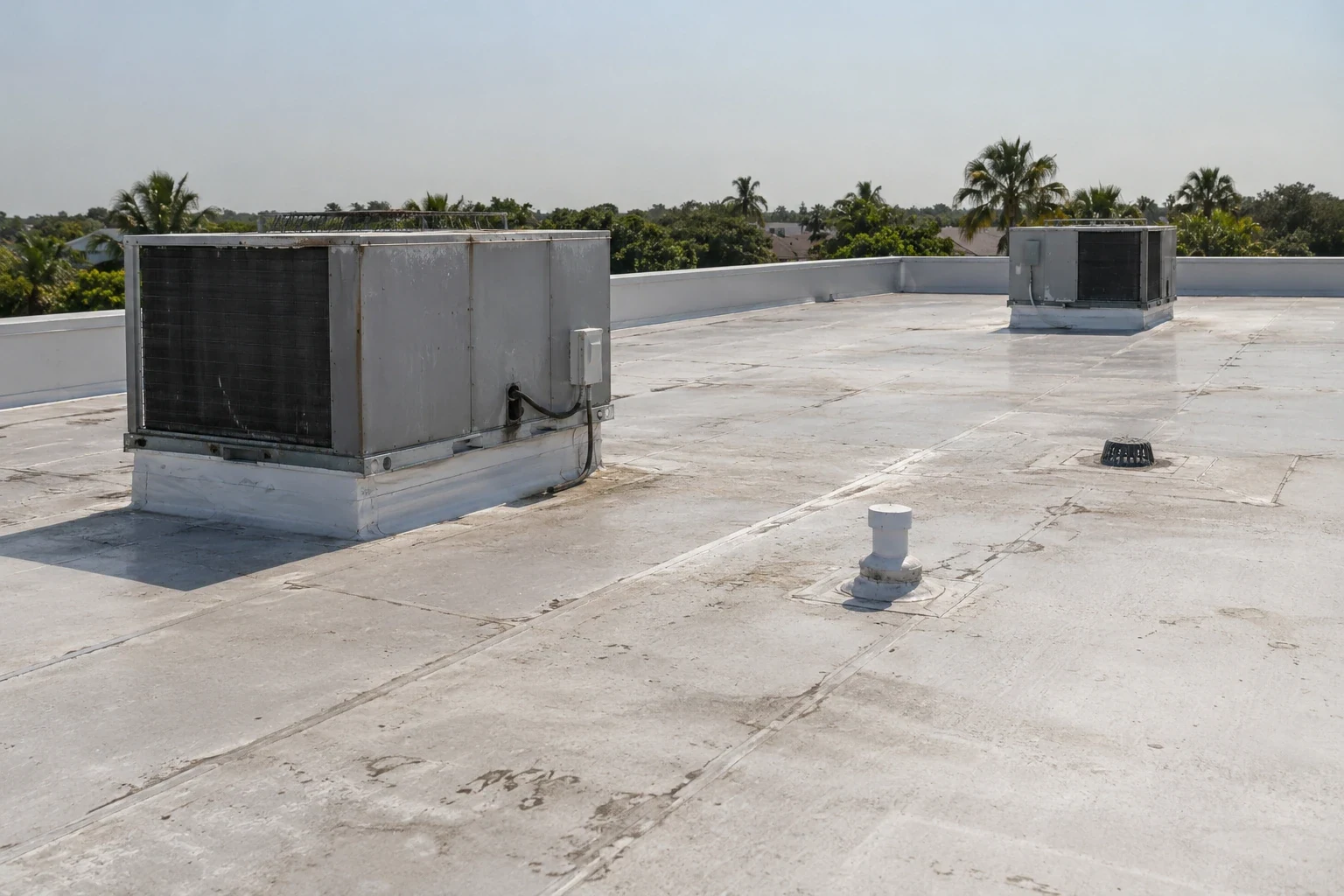
Fort Lauderdale’s nearby long-record climate station records a warm, wet South Florida setting, and the regional rainy season brings concentrated drainage demand. For a specific Sunrise roof, we inspect its outlets, ponding duration, and overflow marks rather than assigning the station’s rainfall to the building. A drain and scupper assessment can locate restrictions; ponding-water repair can evaluate a low area. At Sawgrass Commerce Park or Broward Lakes Business Park, the building’s actual roof plan and access route guide the inspection, not the district’s name. We photograph each outlet and note which area remains wet after the surrounding field drains.
Closeout: Record the selected JM system details
After work, the record should identify the membrane confirmed, materials installed, repaired seams and transitions, test results, and remaining conditions. We note whether an area was opened, what insulation or deck appeared below it, and where the repair stops. Product documentation and project records should be preserved together so a future manager can distinguish the roof’s actual build-up from a generic manufacturer literature sheet. Warranty questions must be checked against the governing documents; a JM product label alone does not define the coverage or term.
Several Sunrise business parks contain multiple commercial structures. A roof-zone drawing and building identifier make closeout useful when an asset manager compares future inspections or schedules work by tenant. A condition record can retain photos and open items, and a visit to Sunrise Commerce Park can be coordinated around distribution or production hours. Share the roof plan, known system records, leak locations, equipment constraints, and prior repair history. We will show what the inspection confirms, which detail needs more exposure, and whether a localized repair can be separated from a broader assembly project.
When a repair package is assembled, attach the confirmed product information to the marked roof area and list the materials used at the seam, flashing, and perimeter. If a later project changes a transition or adds equipment, document that work separately so the next compatibility review starts with an accurate assembly record.
Frequently Asked Questions
Which Johns Manville membrane is on our building?
We compare submittals and labels with exposed seams, edges, flashing, and repair details. Where those do not establish the product, a limited opening may be required before material selection.
Can JM TPO and PVC be repaired with the same materials?
No. The membrane family and system detail control surface preparation, weld settings, flashing, and accessory selection. We confirm the existing material before beginning a repair.
What does a roof assembly review include?
We check membrane, seams, attachment, insulation, cover board, drainage, penetrations, and perimeter details, then note which conditions are confirmed and which require testing.
Can a roof recover keep existing insulation?
That depends on moisture, deck condition, attachment, and allowable build-up. We inspect and test the existing layers before recommending that they remain beneath a new system.
What records should be retained after JM roof work?
Keep the roof plan, product data, repair locations, photographs, test results, and project documents together. The governing warranty and registration records should be reviewed separately.
Connect the JM product file to the roof
Share membrane records, drawings, leak history, prior repairs, equipment limits, and operating hours. We will confirm the assembly and identify the testing needed to define the work.
Call 555-555-5555 or request a roof assessment.