Auto Dealership Roofing in Sunrise, FL
Auto Dealership Roofing
A dealership roof can span a glass-front showroom, service bays, parts storage, customer offices, and covered vehicle areas. Each zone puts different demands on curbs, skylights, drains, and roof transitions. In Sunrise, intense sun and humid rainy-season weather make flashing movement and drainage worth checking before water reaches vehicles or customer spaces. The Plantation Gateway corridor includes auto dealerships among its business uses, while nearby Sunrise Commerce Park has distribution, manufacturing, office, and multi-tenant properties. A roof inspection records the actual assembly and details at the dealership.
Property Types We Roof in Sunrise, FL
Auto dealership roofing in Sunrise, FL protects showrooms, service bays, and vehicle areas. We trace leaks, inspect transitions, and plan work by zone.
Showroom and shop: Map different roof zones
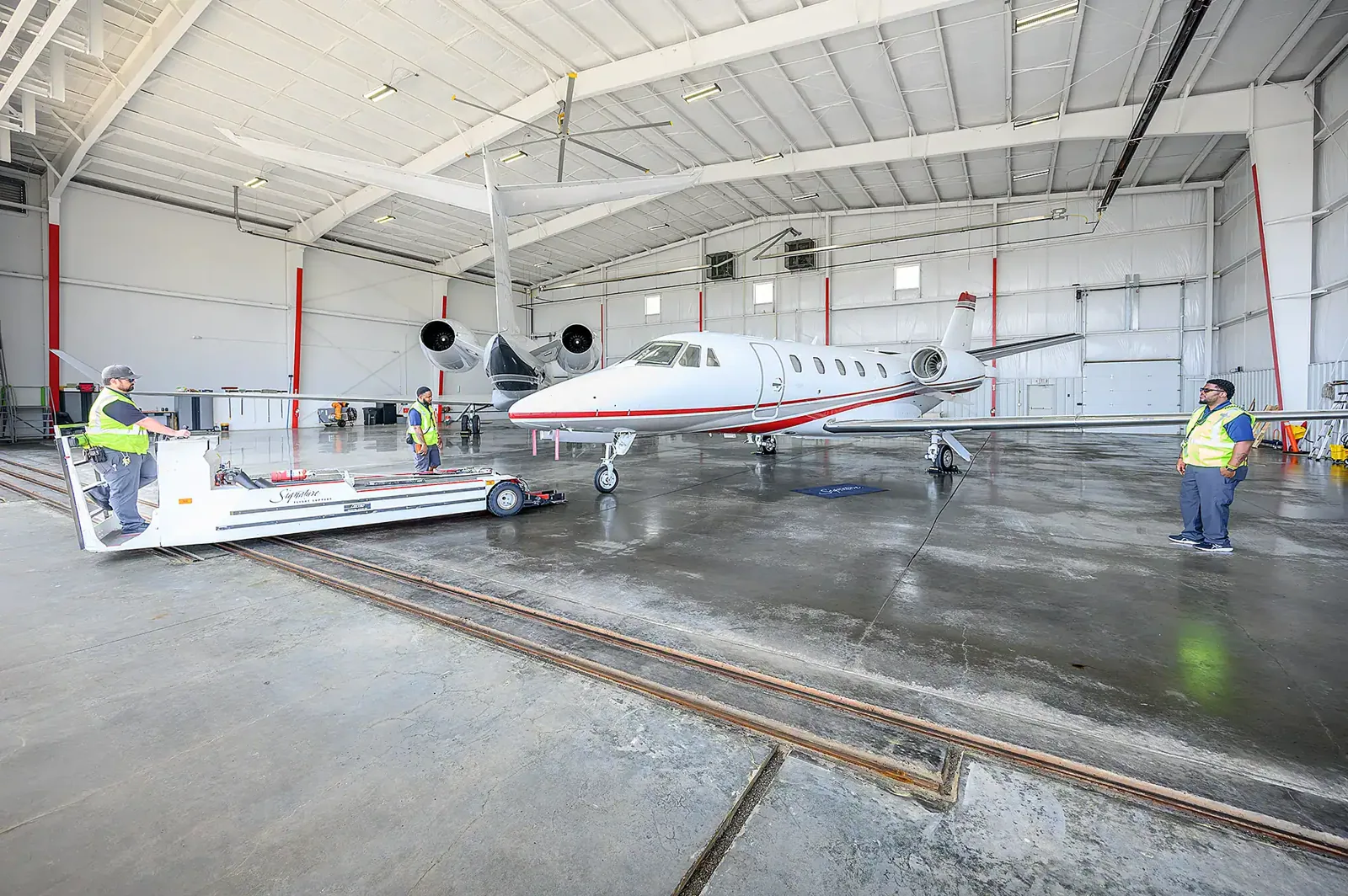
Showroom glazing, taller service bays, and lower parts or office wings can meet at multiple roof elevations. We identify those joints and record where the membrane turns up walls, meets parapets, or passes equipment curbs. A leak at the glass line may trace to a roof termination or wall flashing, while water over a service stall can follow a seam or drain basin. The inspection map connects each report to its roof section rather than treating the building as one uniform plane.
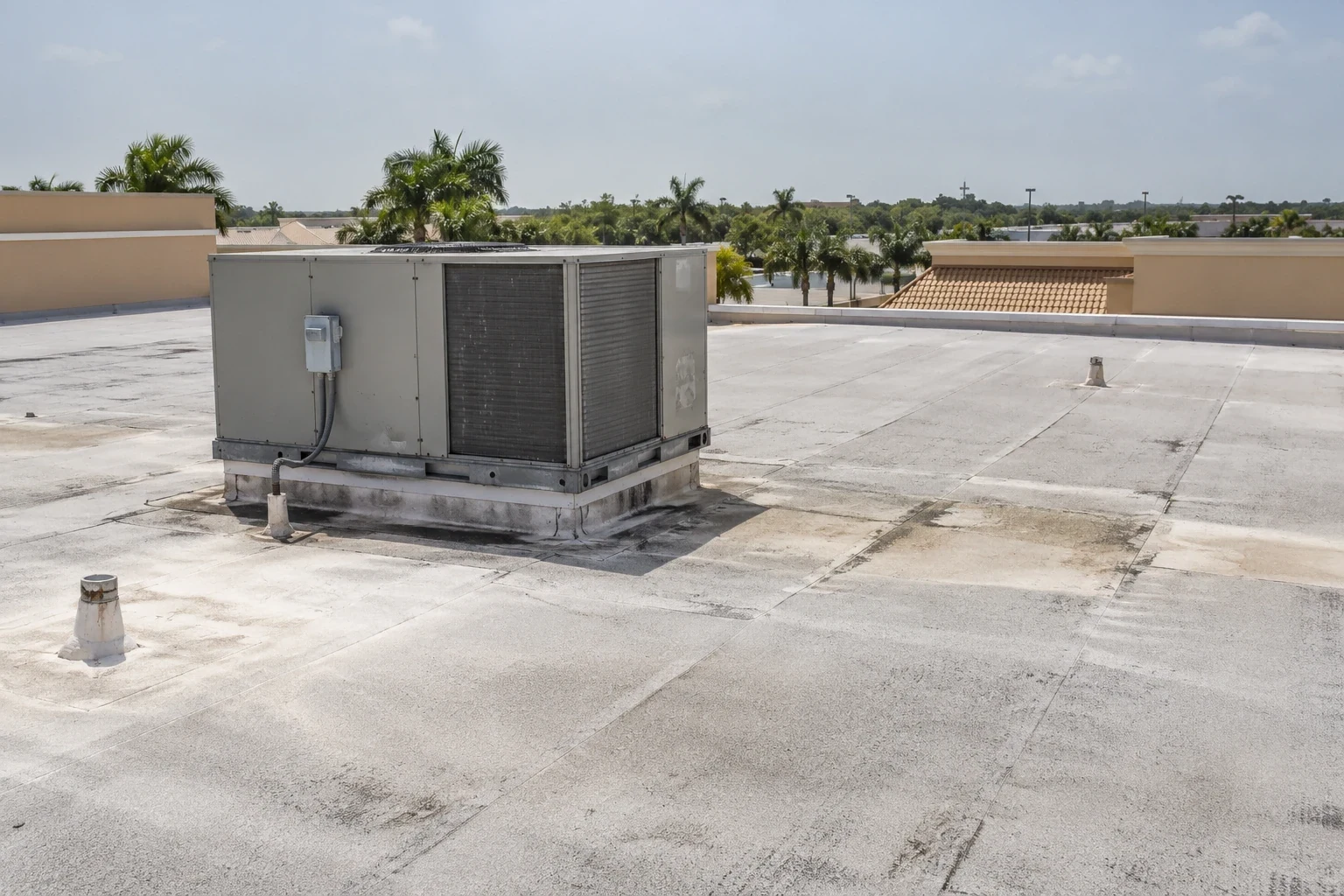
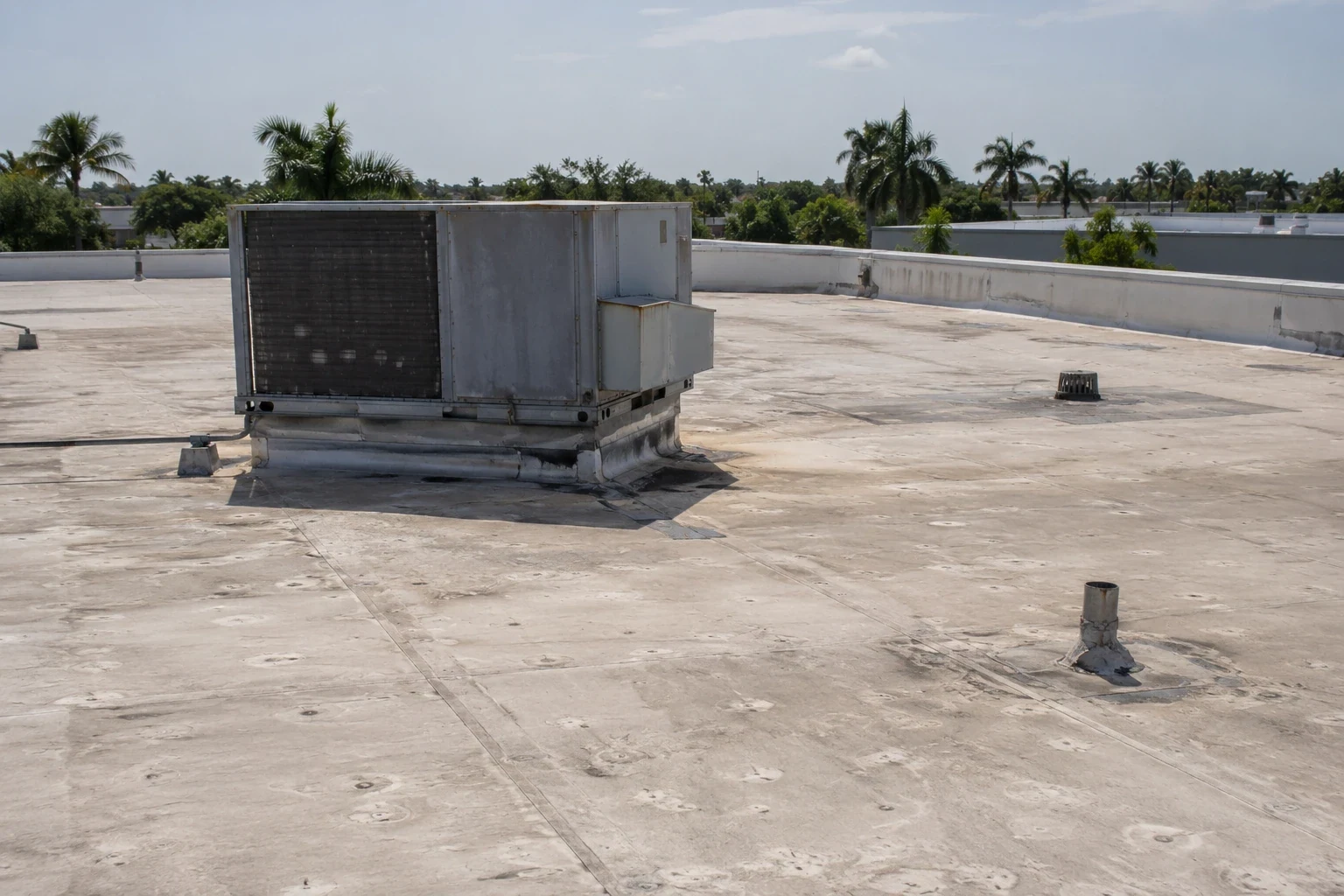
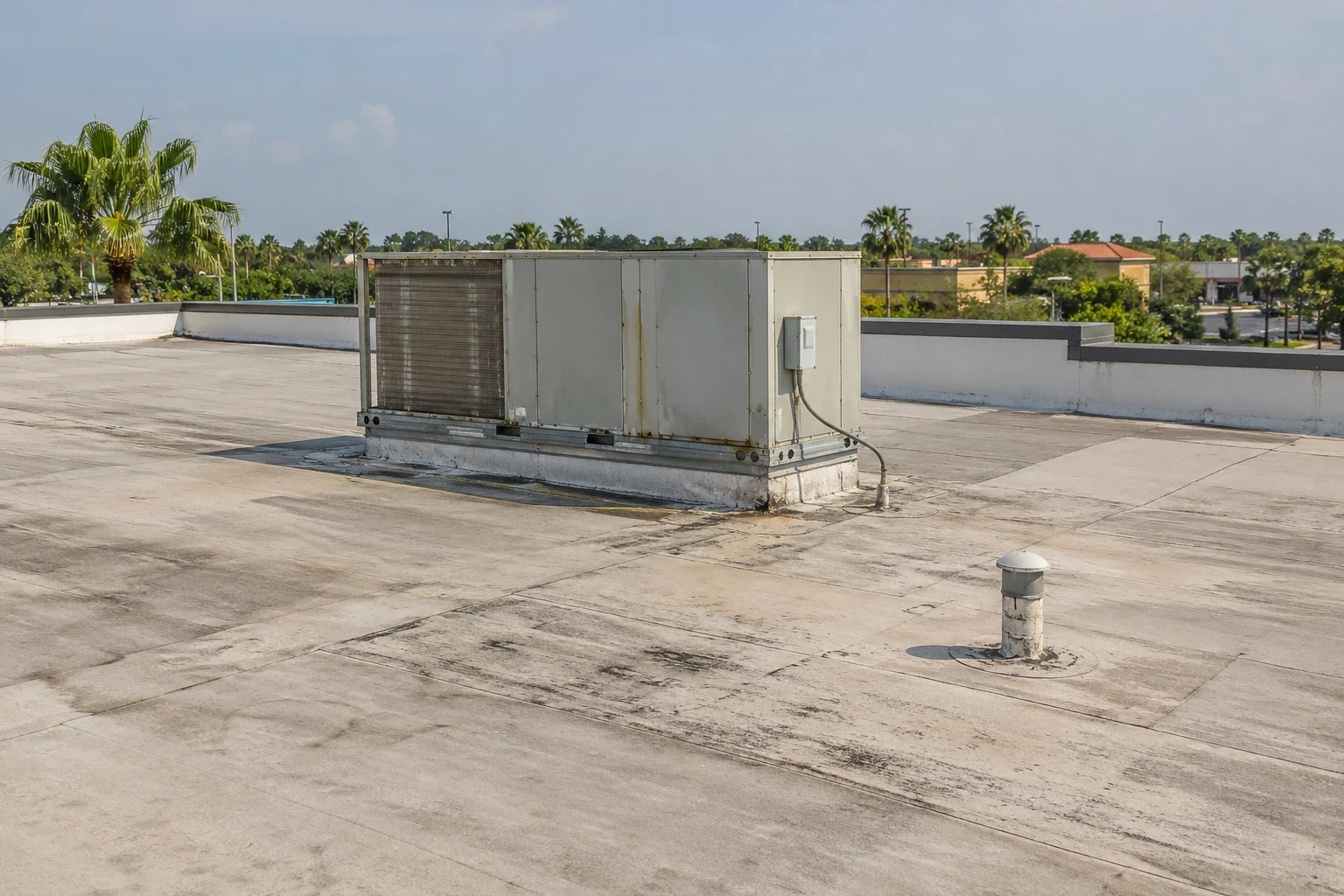
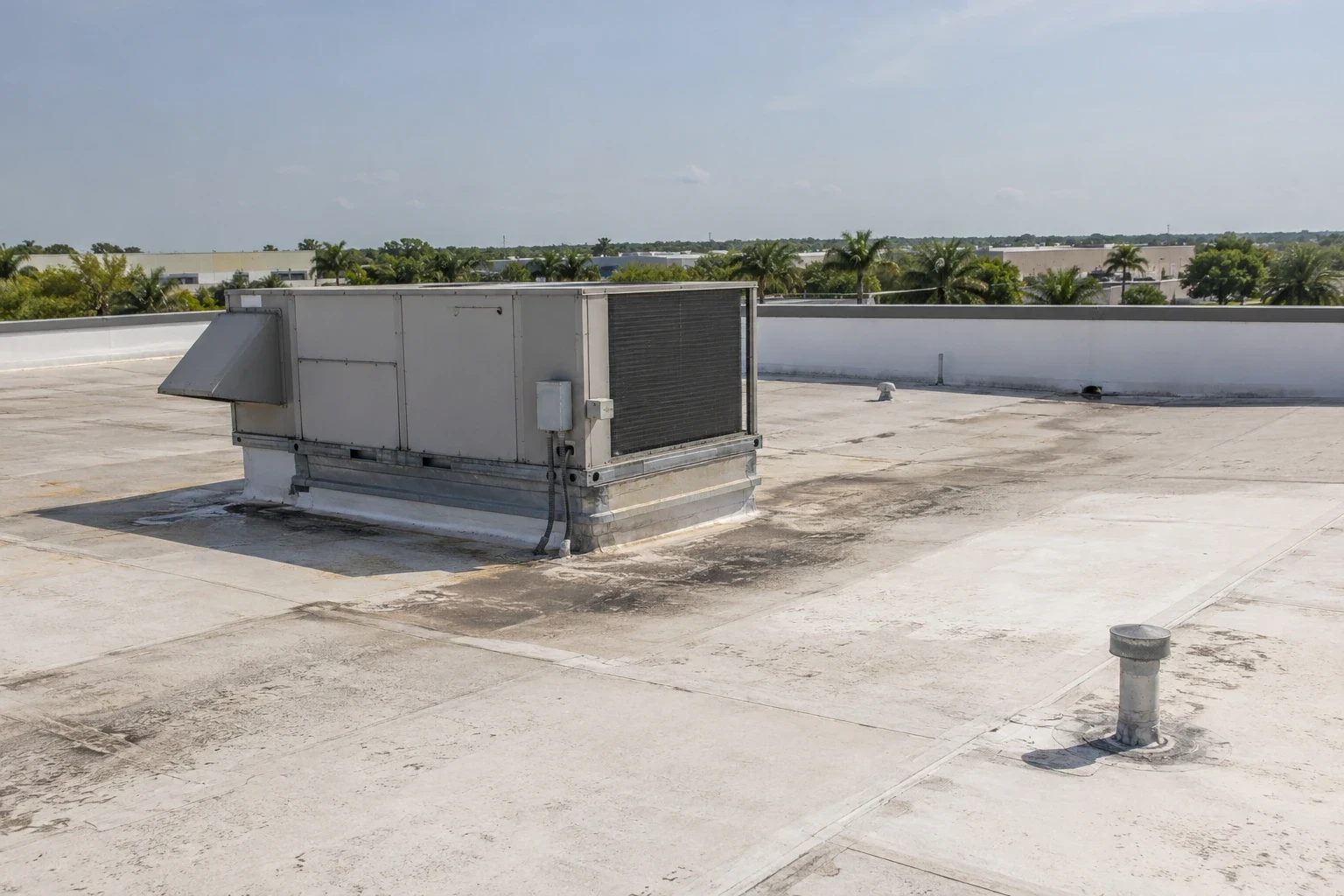
Service areas can have exhaust fans, make-up air units, plumbing vents, and lifts with overhead clearances. We inspect the curb corners, pipe boots, support pads, and walk paths around those items. Any equipment replacement that altered an opening deserves a close look at the membrane tie-in. Retail properties along Plantation Gateway include dealerships, medical, professional, and commercial uses; a shopping center roof review may have different tenant access, while this facility needs service-bay coordination and vehicle protection.
Leak path: Protect vehicles while locating the entry
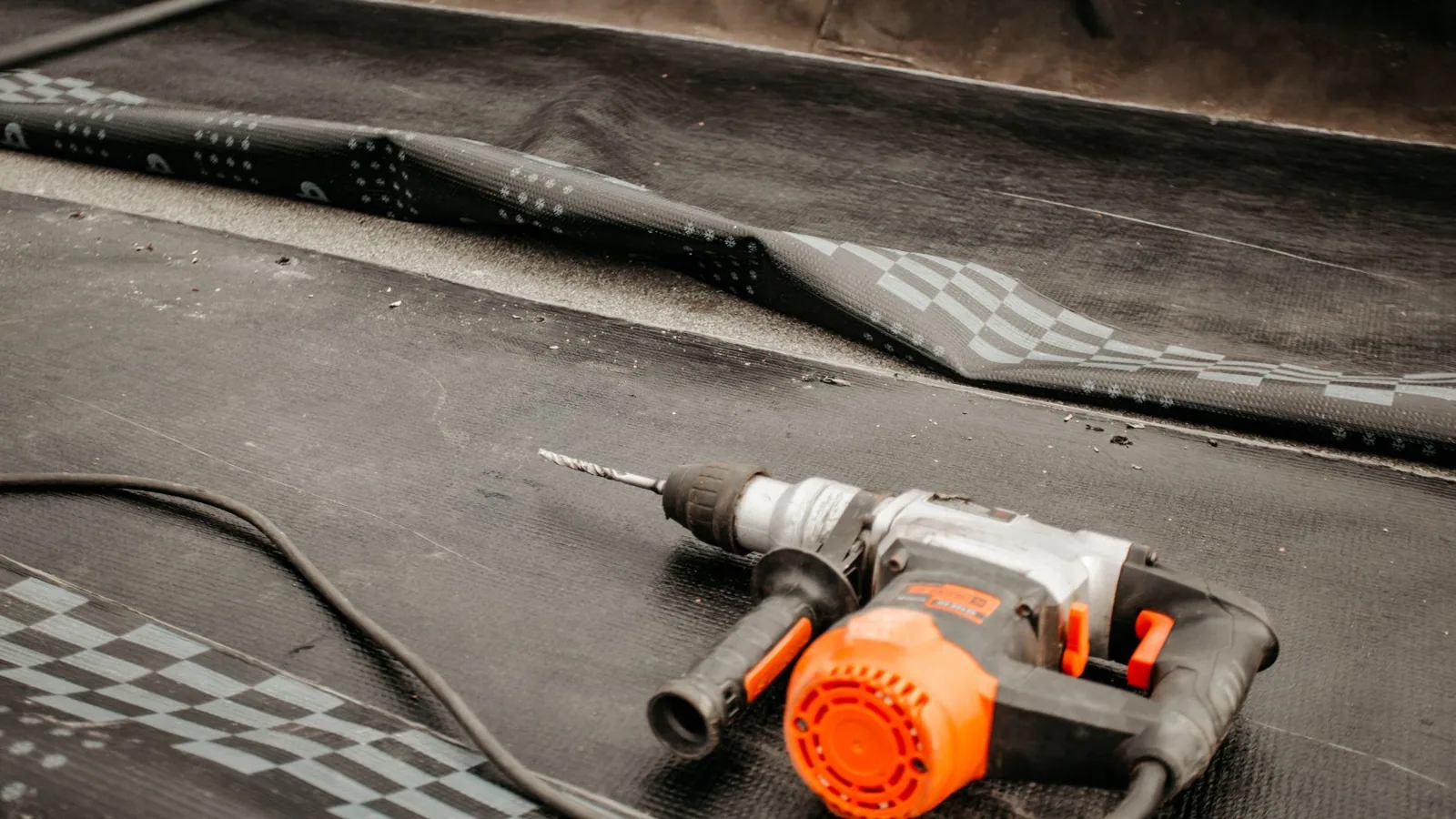
Water showing over a service lane does not identify the roof defect by itself. We compare the stain location and timing with nearby penetrations, seams, drains, and changes in roof height. If a vehicle is under the reported area, the dealership can move it while we inspect and contain any active water. We use a test cut only when the assembly layers or wet boundary would change the repair. The opening is dried in or repaired before the shift ends.
Interior humidity and condensation can also affect a cool service bay, especially near metal ductwork or uninsulated surfaces. We check roof conditions and interior sources separately instead of assigning every drop to the membrane. A leak repair follows the confirmed path, and any wet insulation quantity is identified by roof zone. If a roof-level storm report follows hail or strong wind, we photograph damaged details and compare them with the unaffected field area before expanding the scope.
Drainage: Keep roof water away from work areas
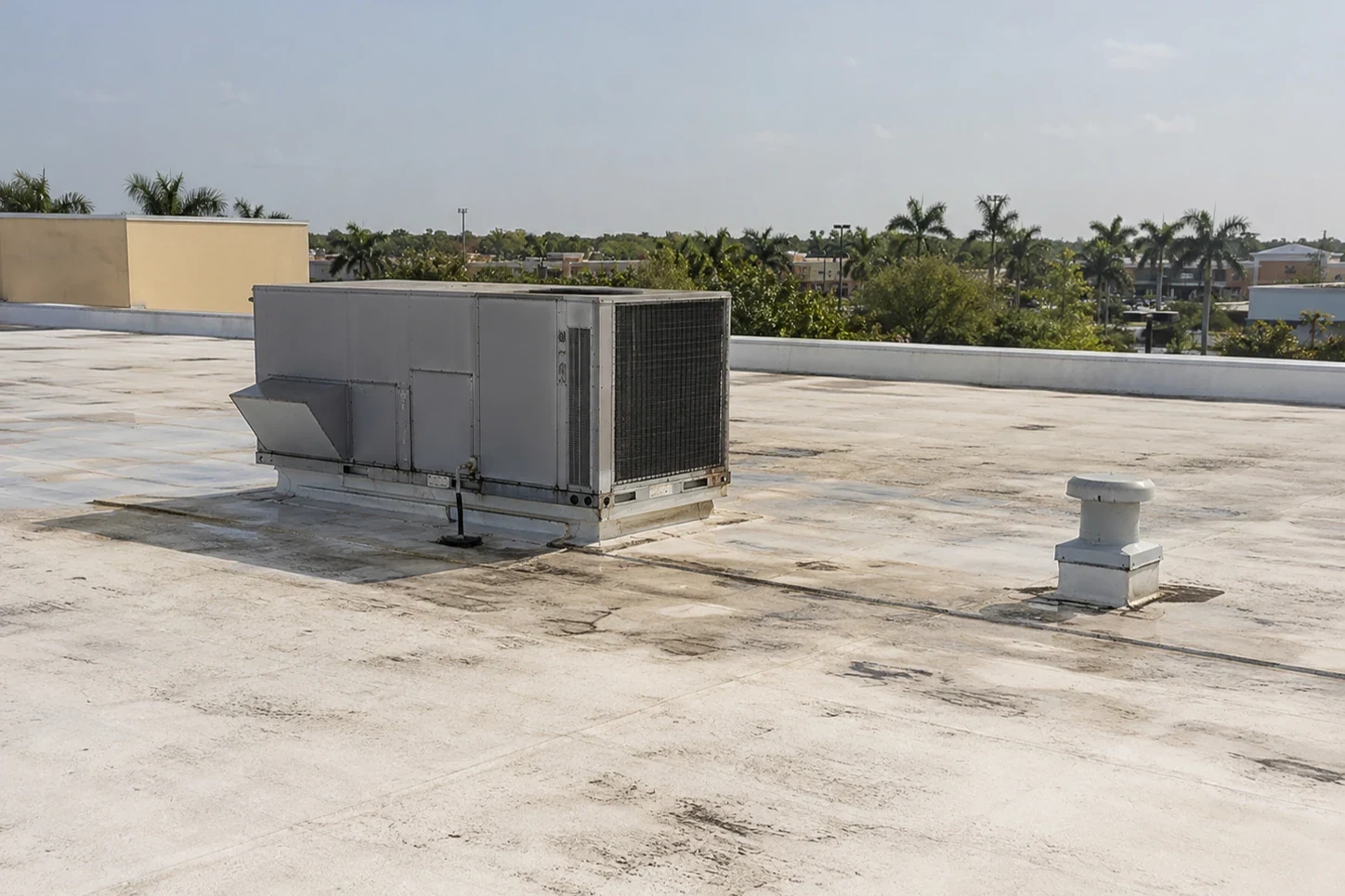
Dealership roofs can collect water at low areas near large rooftop units, parapets, or transitions between the showroom and shop. We inspect drain strainers, scuppers, gutters where present, and overflow points, then look for water lines at curbs or wall bases. An outlet that appears clear may still have a restricted discharge beyond the bowl. If ponding remains after cleaning, we test whether slope or compressed insulation is holding water.
South Florida's rainy season brings repeated downpours, so clearing the drainage path before that period reduces the chance that a small restriction becomes an interior interruption. Service lanes and customer entrances must remain usable while roof work proceeds. A drain inspection can identify the accessible outlets and remaining obstructions. We coordinate access windows with the service manager and note where runoff or repair materials could affect a vehicle route or delivery lane.
Storm review: Check panels, edges, and rooftop equipment
Thunderstorm winds and tropical systems can loosen edge metal, lift flashing, shift rooftop equipment screens, or drive rain through a weak curb detail. We inspect corners and perimeters, probe seams where appropriate, and document any displaced material before temporary protection. Hail can mark metal or rooftop components, but a surface mark does not by itself prove membrane failure. The repair scope distinguishes functional openings from cosmetic impact and records each affected zone.
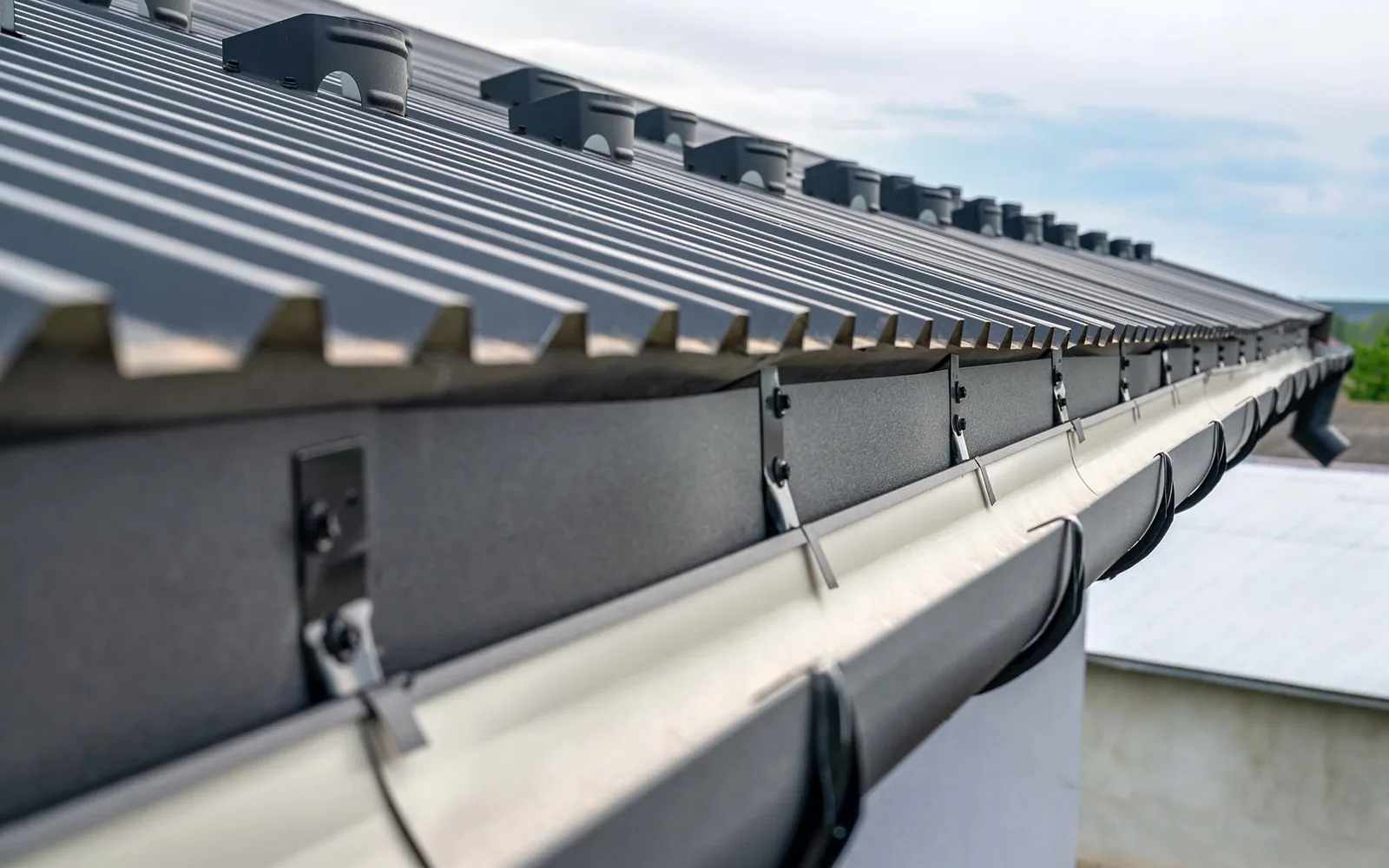
Where the building uses a metal roof or metal canopy, thermal movement and fastener condition matter alongside coating or finish. For membrane sections, attachment and seam condition guide the repair. Panel joints and clips need their own review, while hail damage assessment records observable roof impact. A manufacturing roof review may include process equipment, but the dealership's lift exhaust and vehicle operations determine its own access sequence.
Work sequence: Preserve service and delivery flow
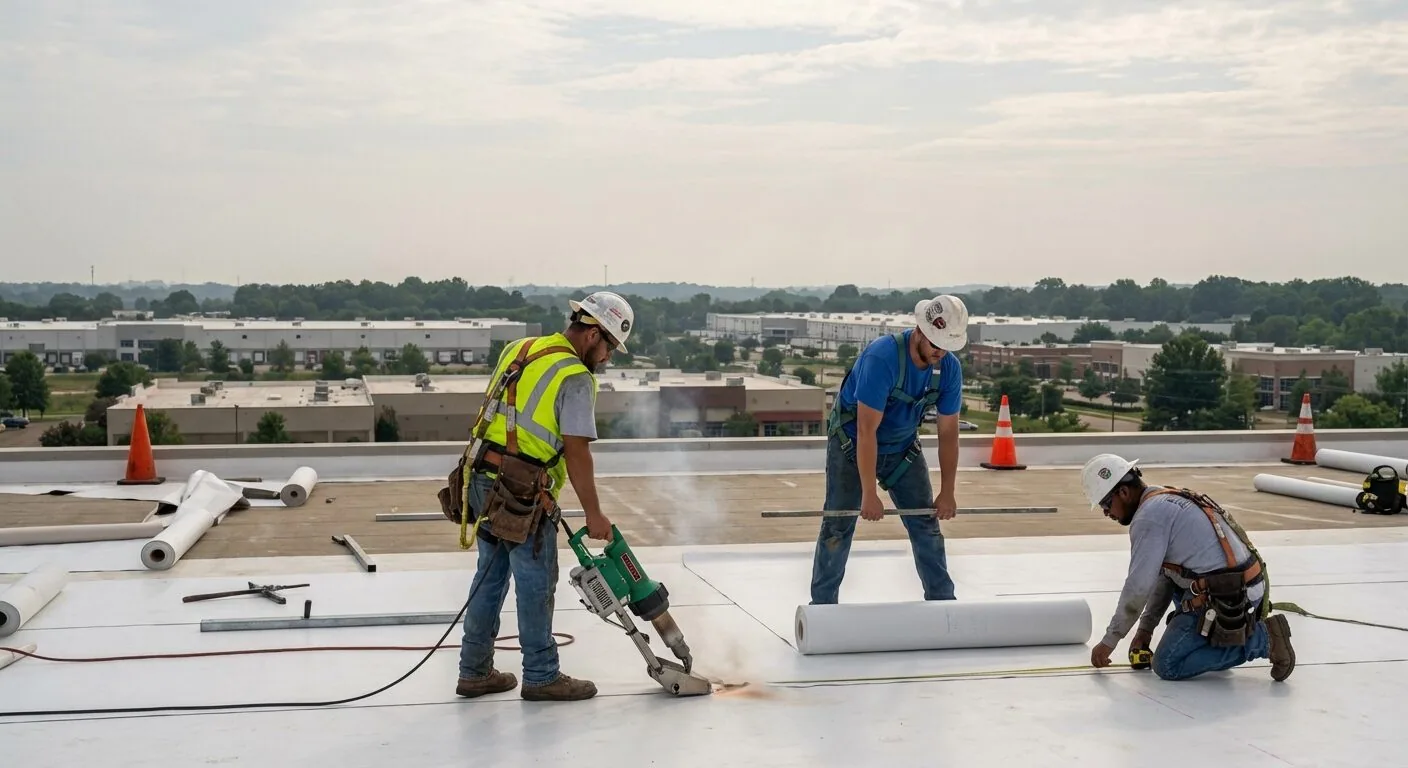
Before opening a roof, we identify the work zone, vehicle movement below it, customer access, parts deliveries, and any work bay that cannot close. The daily plan lists staging, noise, temporary covers, and who can approve a change when concealed deck or insulation differs from the test area. Crews keep drains free of debris and leave each opened section watertight. The facility can then move vehicles or redirect work based on the zone, not a site-wide closure.
Large roof replacement may be divided by showroom, service shop, and back-of-house wing if the assembly and phasing permit. An occupied project requires closeout at every shift boundary, especially before overnight rain. A phased reroof plan can state when a lane or entrance is available again. For a dealership in Plantation Gateway, share repair history, roof drawings, equipment schedules, and service hours so work can be aligned with the facility's operating calendar.
Scope choice: Repair a detail or plan wider work
An isolated seam split, failed curb, or puncture may call for a local repair. Repeat leaks across the showroom and service wing, broad wet insulation, weak attachment, or deck damage can change the decision. We map confirmed findings, list areas not tested, and show where additional investigation could affect quantity. The dealership can compare a targeted repair with broader replacement using roof evidence and the interruption each option creates.
Coating or recover work is considered only after compatibility, adhesion, moisture, slope, and load are checked. A new surface cannot correct wet insulation or an open flashing. The scope should identify preparation, repairs, tie-ins, and access needs before material is selected. Schedule depends on how much wet material is removed, available staging, weather windows, and whether bays or lifts need to move. We list these constraints separately so proposals compare the same zones and protection needs. If a replacement is justified, replacement planning can separate active showroom areas from service bays and define dry-in milestones, weather limits, and customer protection for each phase.
Frequently Asked Questions
Can roof repairs proceed while service bays stay open?
The answer depends on the roof zone, vehicle movement, and whether an opening is required. We coordinate bay closures and overhead access in advance, then leave the section watertight at the end of each shift.
How do you protect vehicles during an active leak?
We first identify the affected area and stop water at the roof opening when conditions allow. The dealership can move vehicles below the zone while we document the repair boundary and temporary cover.
Does hail damage require a full roof replacement?
Not by itself. We inspect the membrane, seams, metal, flashings, and penetrations for functional damage, then separate confirmed openings from marks that do not affect roof performance.
What roof details fail most often around service equipment?
Curbs, pipe seals, exhaust supports, and seams around replacement equipment deserve close review. Movement or an altered opening can break the membrane connection even when the surrounding field is intact.
What records help plan dealership roof work?
Roof drawings, leak dates, equipment changes, prior repairs, service hours, and delivery schedules help set the inspection and work sequence. We use those details to identify zones and protect vehicle routes.
Set a workable dealership roof sequence
Share the roof plan, active leak locations, service-bay schedule, equipment records, and delivery hours. We will inspect the roof zones and define a repair plan that protects vehicle and customer access.
Call 555-555-5555 or request a roof assessment.