
Commercial Hail Damage Roof Repair in Sunrise, FL
Commercial Hail Damage Roof Repair
Hail can dent metal, fracture brittle accessories, or leave a membrane mark that needs closer inspection before it is called a roof failure. In Sunrise, hail is among the severe-weather hazards that can accompany South Florida thunderstorms, alongside wind and heavy rain. We inspect roof surfaces and equipment, compare impact evidence with prior condition records, and test concealed layers when a repair decision depends on them. A roof claim inspection documents the affected zones without treating every roof component as damaged by the same event.
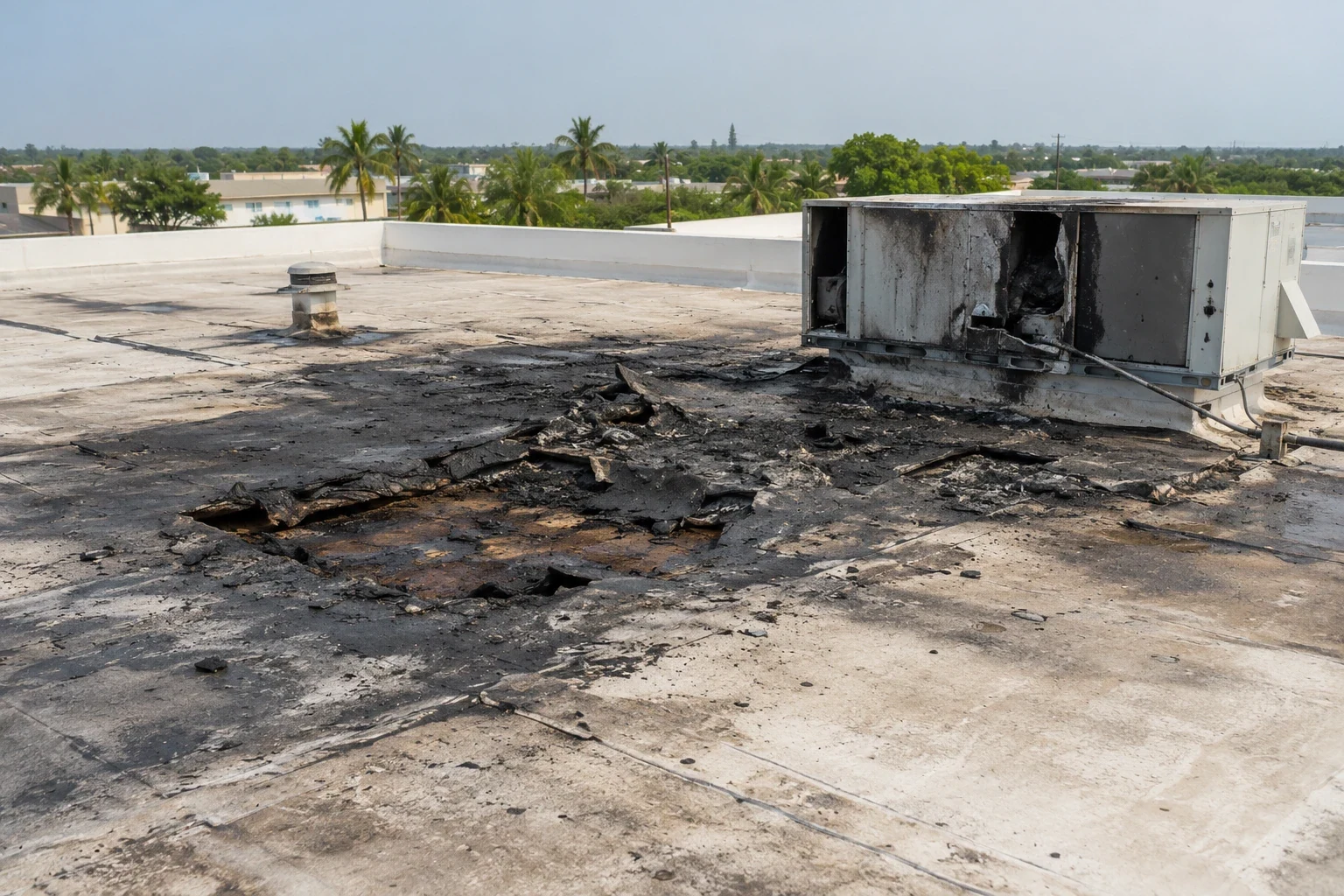
Roof Damage Repair in Sunrise, FL
Sunrise commercial hail damage inspections document impact marks, membrane condition, rooftop equipment, drains, and repair areas before work begins.
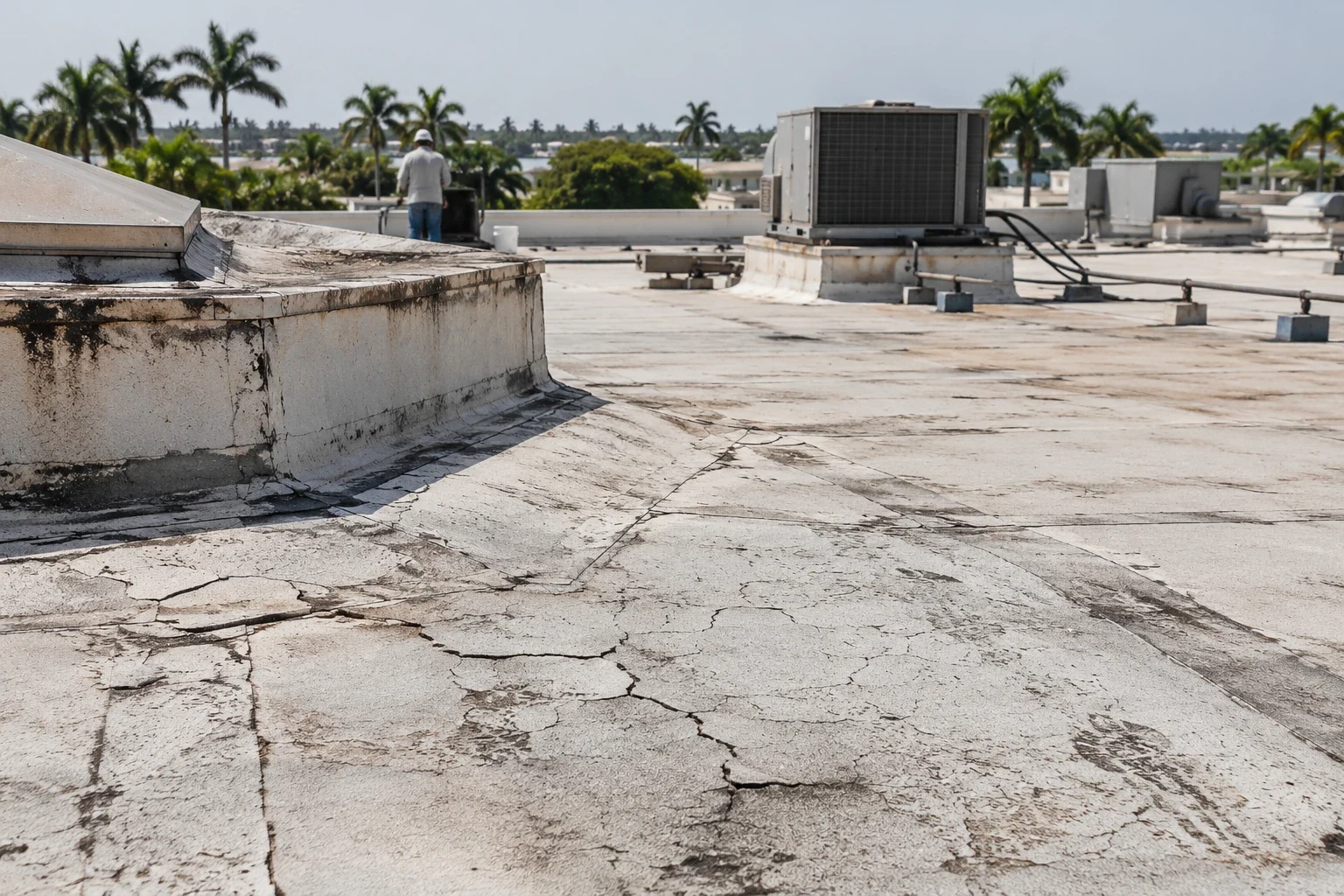
Impact evidence: Check each material for a real breach
Hail impact can leave a dent in soft metal, fracture a plastic vent, dislodge granules, or puncture a membrane. The significance depends on the roof material and whether the waterproofing layer has been breached. We photograph the mark with a scale or nearby detail, note the component, and look for cracks, splits, exposed reinforcement, loose fasteners, or water entry. A cosmetic indentation in a metal panel and an open membrane cut require different repairs.
Sunrise Commerce Park includes manufacturing, distribution, and multi-tenant business facilities with a range of rooftop equipment. We inspect equipment housings, support legs, conduit, skylights, and edge components separately from the field membrane. The building's system and physical evidence control the decision. A puncture review can assess a confirmed opening, while a flashing inspection checks damage where a penetration or curb meets the roof surface.
We examine hard accessories and flexible membrane as separate components because an impact can transmit force differently through each one. A dent in sheet metal may show the direction of force without puncturing the waterproofing, while a split boot or cracked curb seal can open a water path. We note the surrounding surface, attachment, and nearby repairs, then check the same detail from the roof side and below when access permits. An isolated mark is not automatically added to the repair scope unless it affects function or exposes a layer.
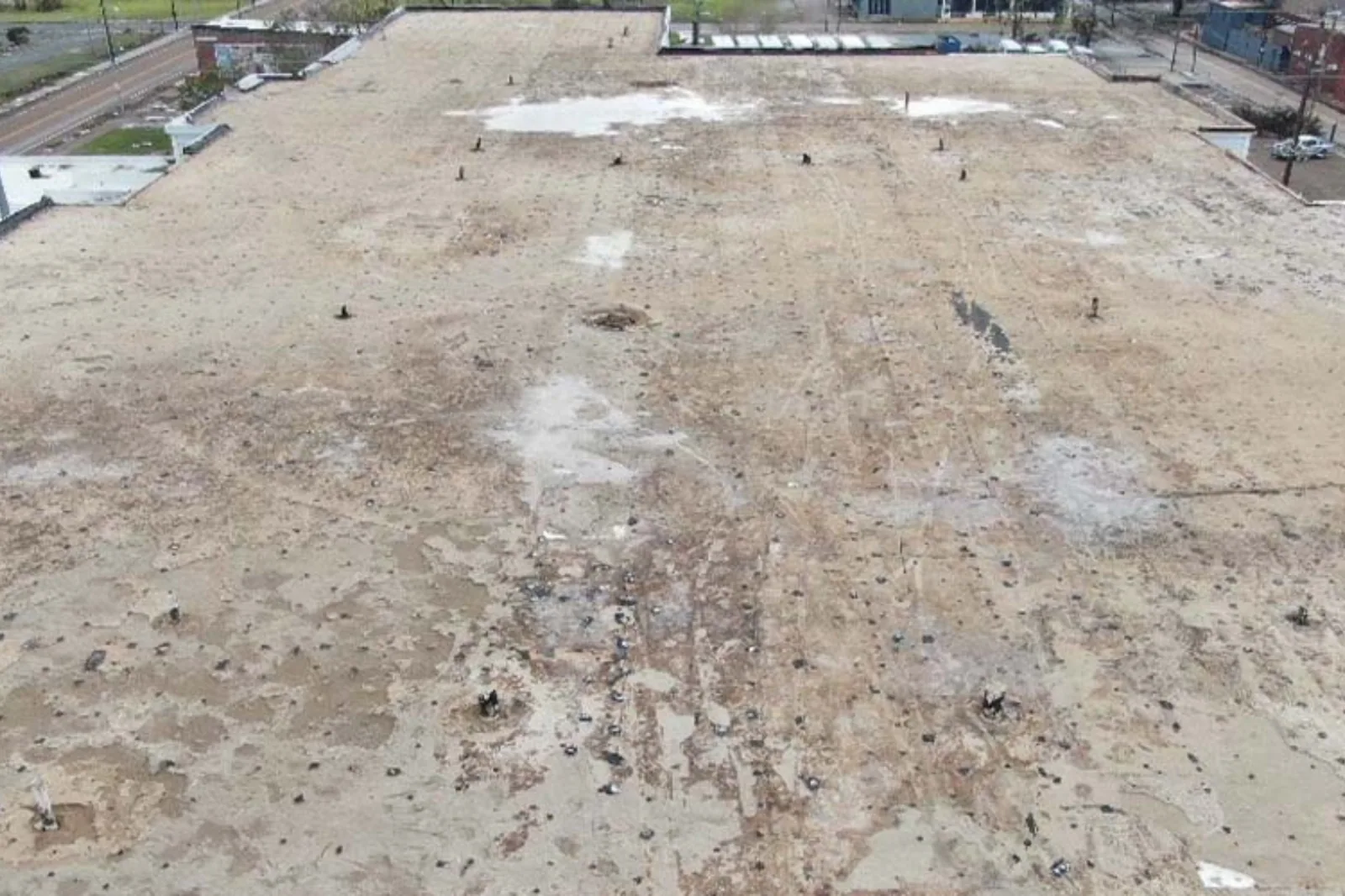
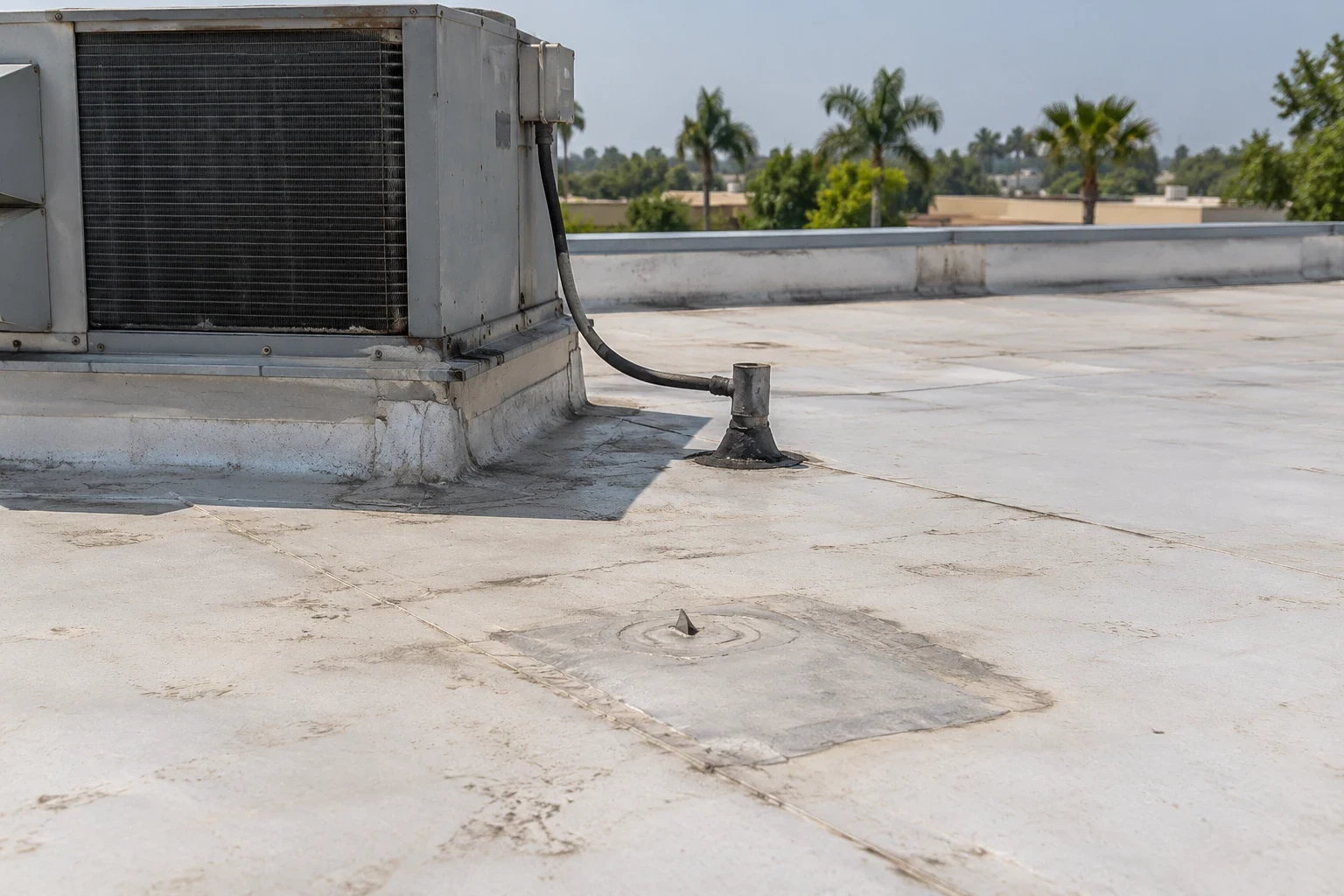
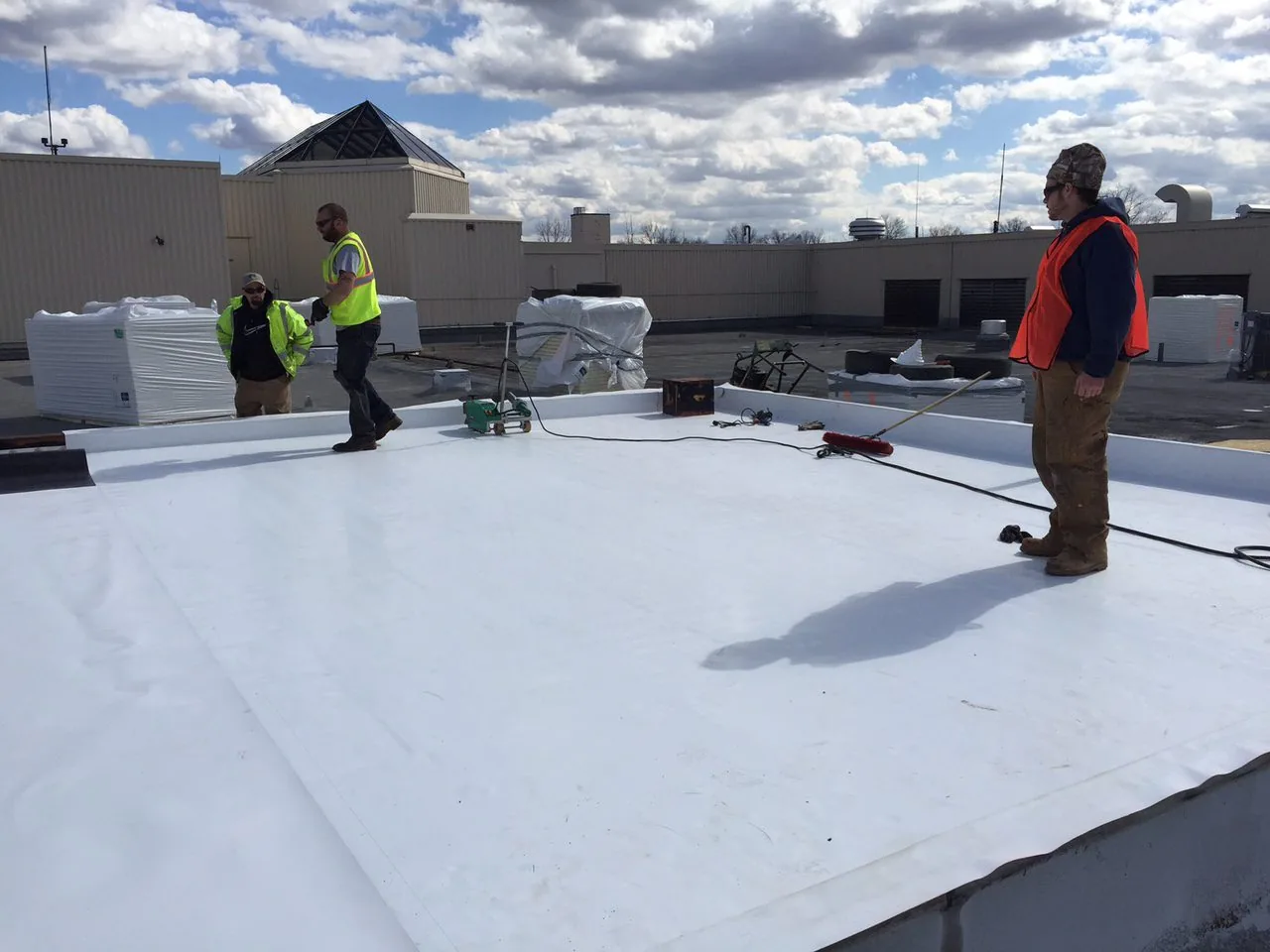
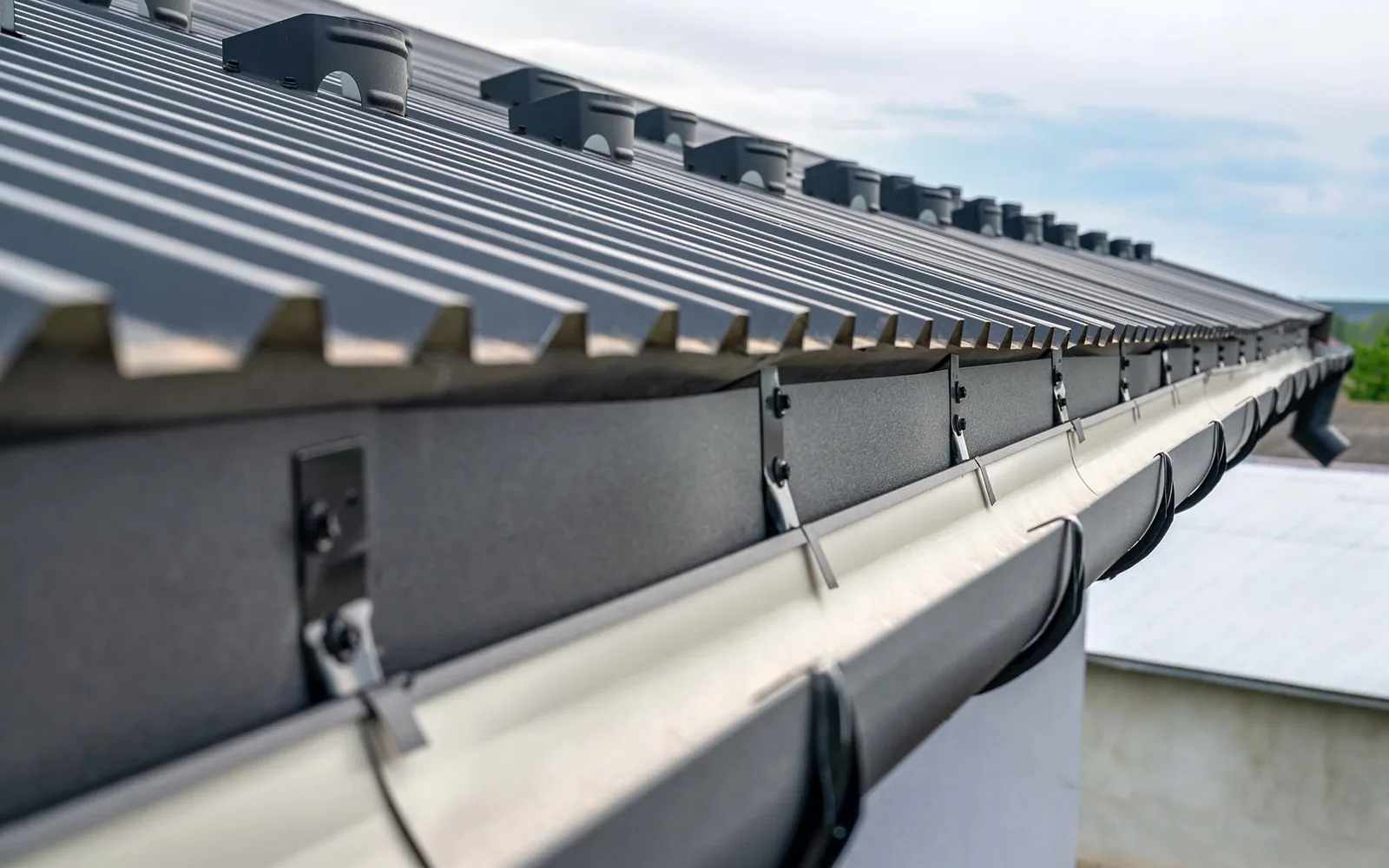
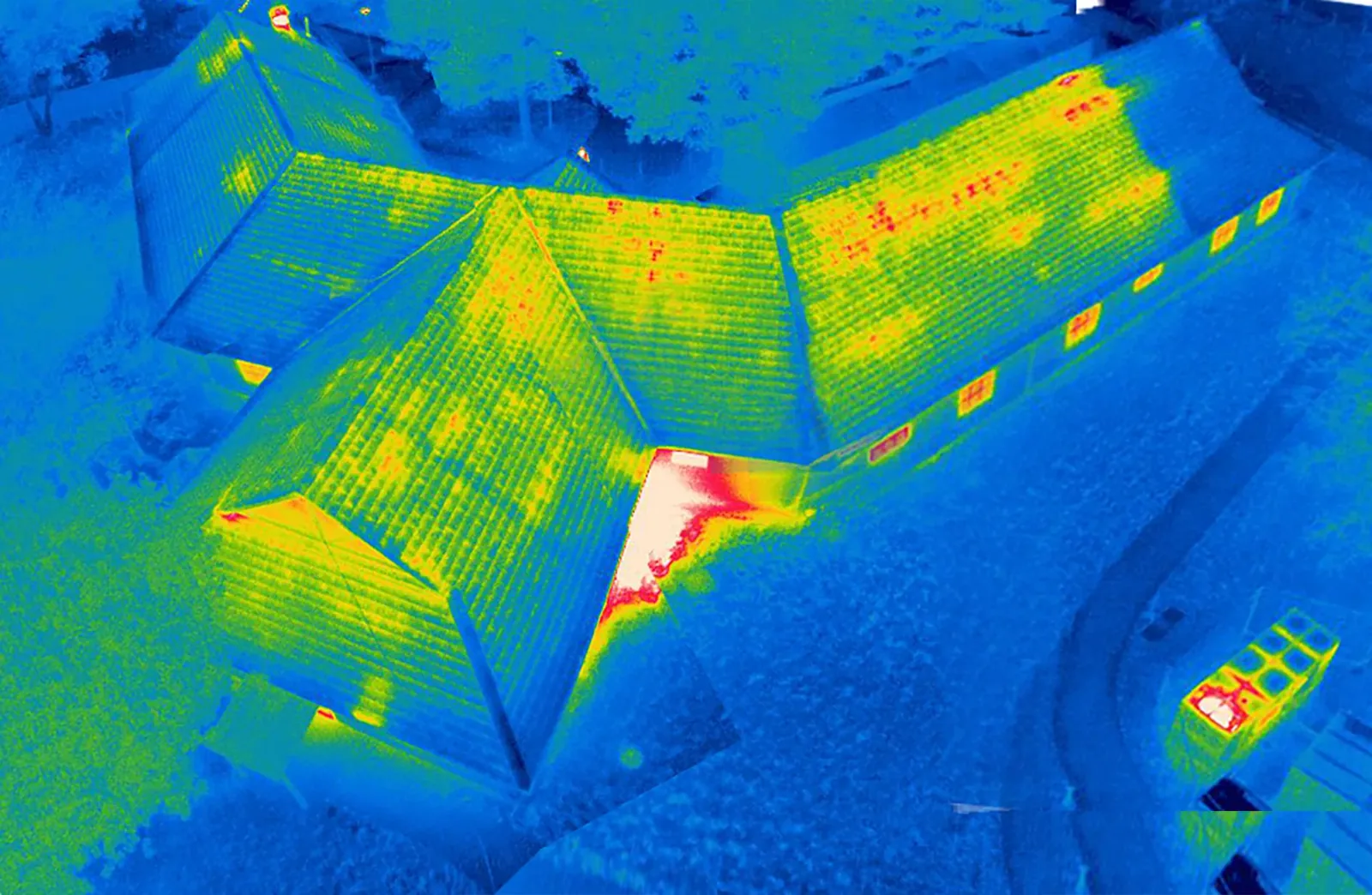
Roof map: Keep impact findings tied to a location
We divide the roof into mapped sections and record where impact was found, where no damage was visible, and where access prevented inspection. Photographs show the direction and scale of each condition. This makes it possible to compare separate roof elevations or buildings without carrying one observation into an uninspected area. If several interior reports followed the storm, each is matched to a roof zone and likely drainage path before repair quantities are assigned.
The western Business and Entertainment District contains retail, office, event, and mixed-use buildings, while Sawgrass International Corporate Park includes regional offices and corporate operations. Those market uses do not establish the roof material at a specific property, but they make roof access and equipment coordination part of planning. A photo condition report preserves the location, component, and test limits. We identify any pre-existing patch, corrosion, or weathering separately so the owner can compare the incident evidence with the roof's prior record.
For a long roof, we work by elevation and zone rather than assuming hail reached every side equally. The file notes observed marks, inspected components, and any part blocked by standing water, equipment, or safety limits. That distinction gives the owner a defensible record of what was checked and what still requires access.
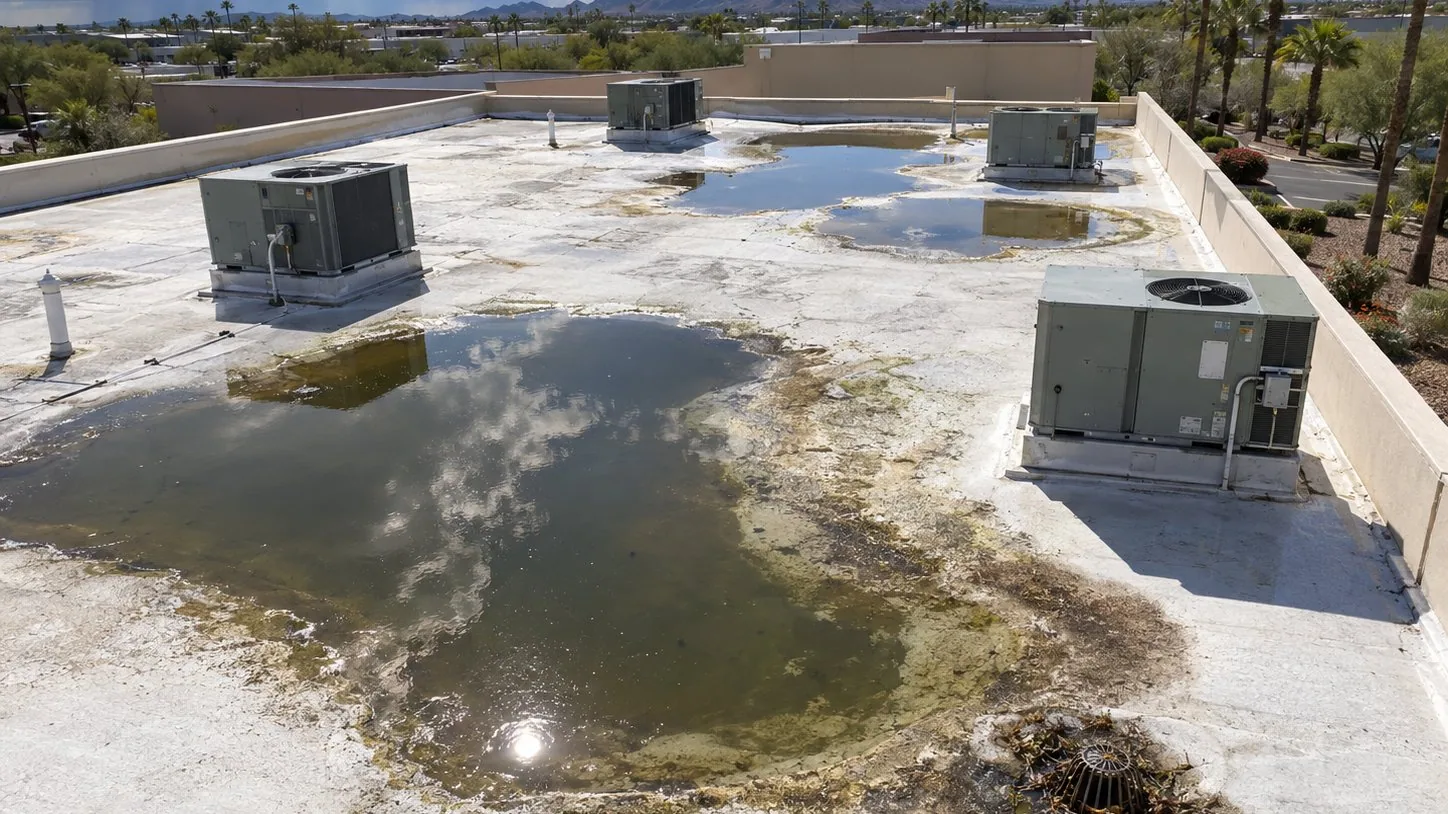
Water check: Inspect seams, drains, and the layer below
Hail may coincide with heavy rain, so an interior leak does not establish which roof component failed. We inspect seams, curbs, flashings, roof drains, scuppers, and overflow paths near the reported area. If the membrane has a puncture or split, we check its edges and the underlying insulation. A test cut can confirm whether wet material extends past the visible mark. The opening is photographed, mapped, and restored using a detail compatible with the identified assembly.
Fort Lauderdale normally receives 37.49 inches of rain during South Florida's rainy season. We record drainage performance and hail impact separately, even when both need attention after the same storm period. Drain performance and hail impact are documented as separate observations, even when the same storm period produced both. A drainage inspection can identify a restricted outlet, while a moisture survey can help select test areas. The repair estimate lists confirmed damage and any additional testing separately rather than assuming all retained water came through an impact point.
Repair choice: Compare a component fix with a wider scope
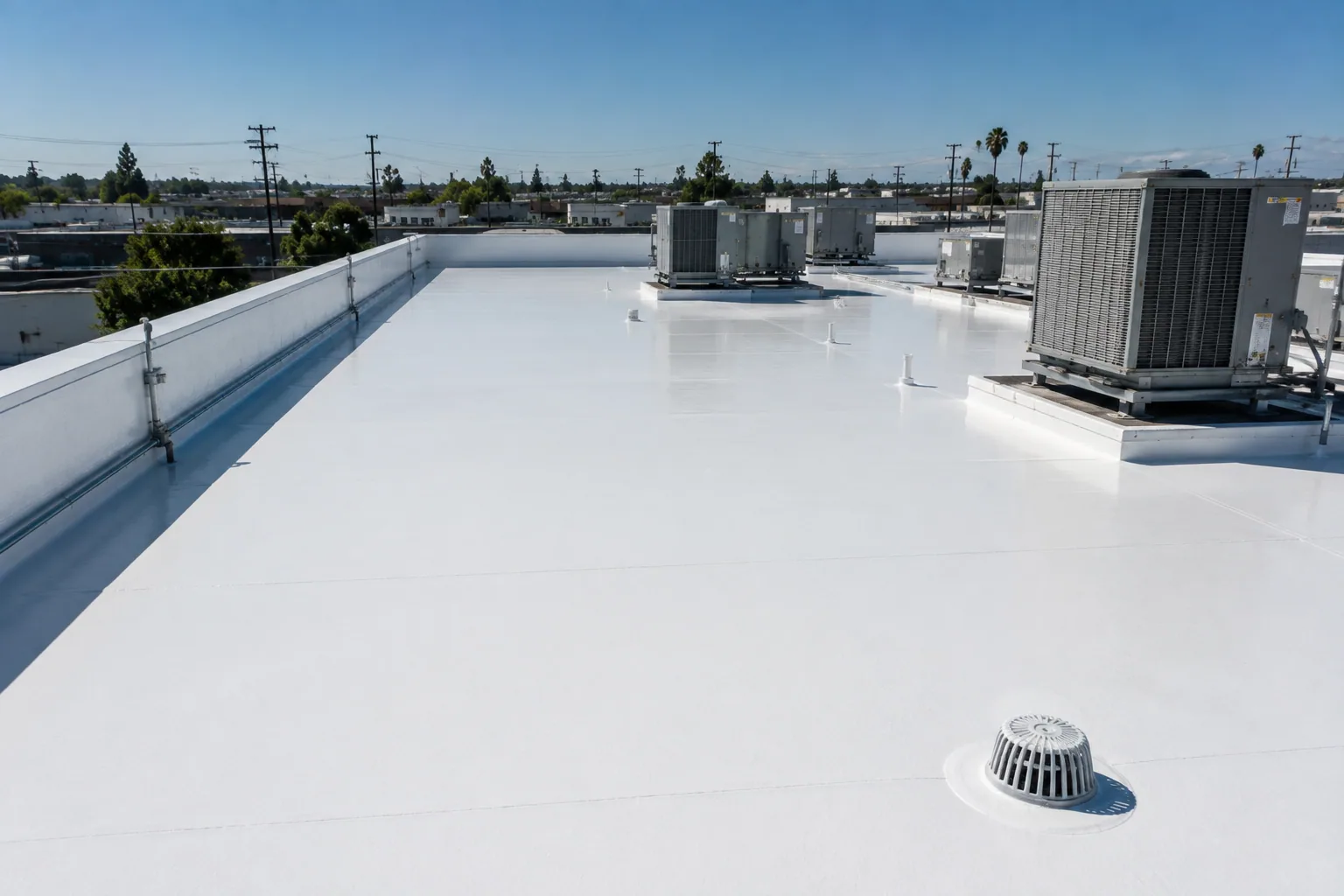
A cracked vent, punctured membrane, or dented edge component may need a local replacement if surrounding material remains sound. If impact damage is widespread, the roof may require a section replacement or a larger restoration scope. We identify the material, attachment, wet boundary, and condition of adjacent layers, then explain why the proposed quantity ends where it does. An estimate should state whether access, equipment removal, interior protection, and disposal are included.
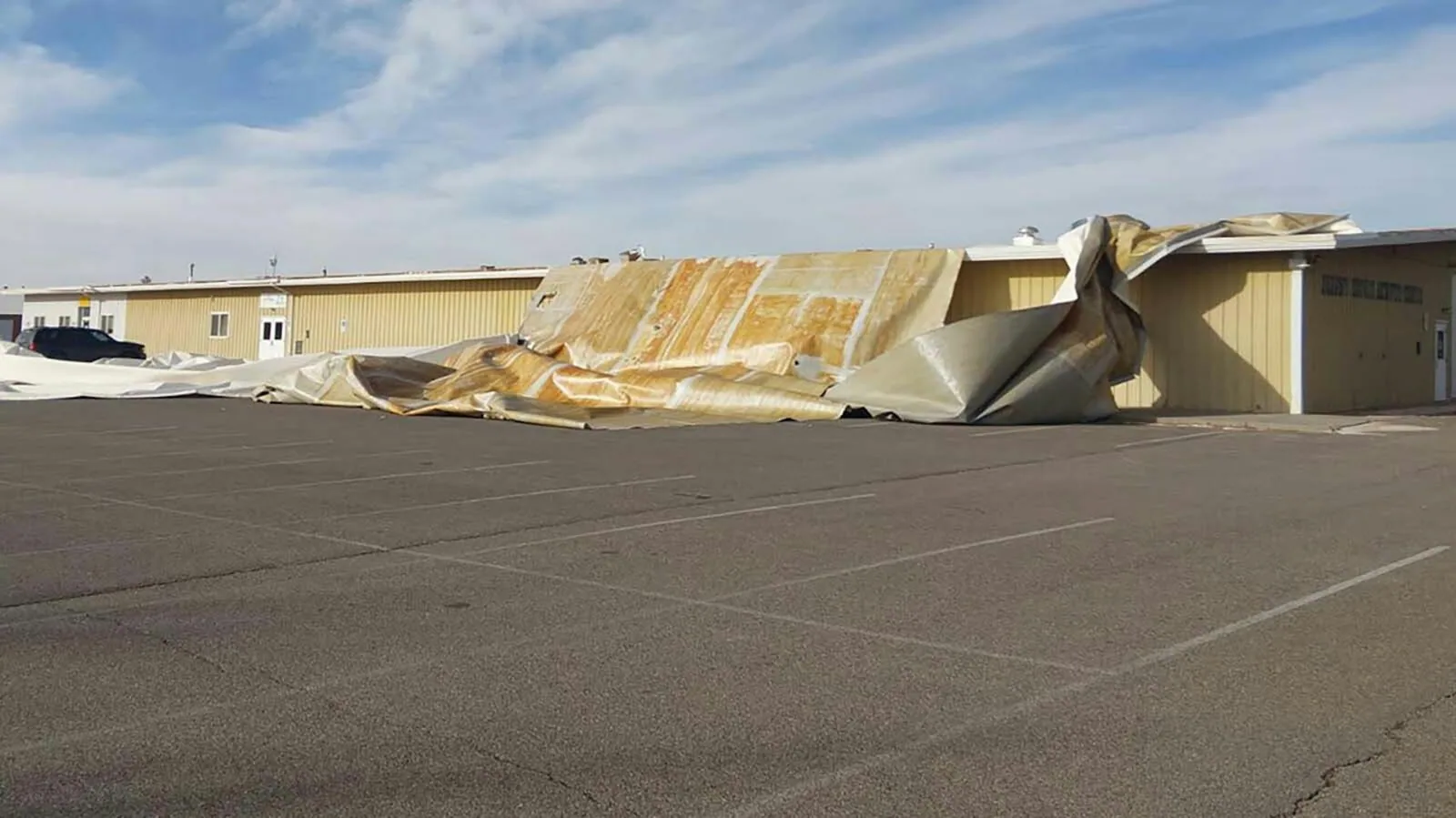
Temperature, moisture, and weather affect preparation and installation. A wind review may be warranted where the storm also shifted edges or equipment, and a seam inspection checks lap integrity. The repair method follows the membrane and substrate, not the weather label. If the roof was already near a maintenance or replacement decision, we report that condition separately from the hail marks so the owner can review event work and planned capital work as distinct choices.
Where many components show similar impact, we sample representative details and define how the sample relates to the remaining zones. The report states which areas received a close inspection and where access or safety limited observation. Replacement can be preferable when several adjacent components have lost integrity, but a single cracked accessory may be changed without disturbing sound membrane. We include any material lead time and temporary protection requirement in the sequence so roof exposure is controlled between removal and final tie-in.
Closeout: Preserve condition and repair evidence
After work, we photograph the repaired component and identify its roof zone, materials used where confirmed, and any remaining test or maintenance item. The record notes areas that were not accessible and keeps them out of the completed quantity. This supports future comparison if another storm affects the building. A repair should be checked at its edge and adjoining detail, not only at the center of the patch.
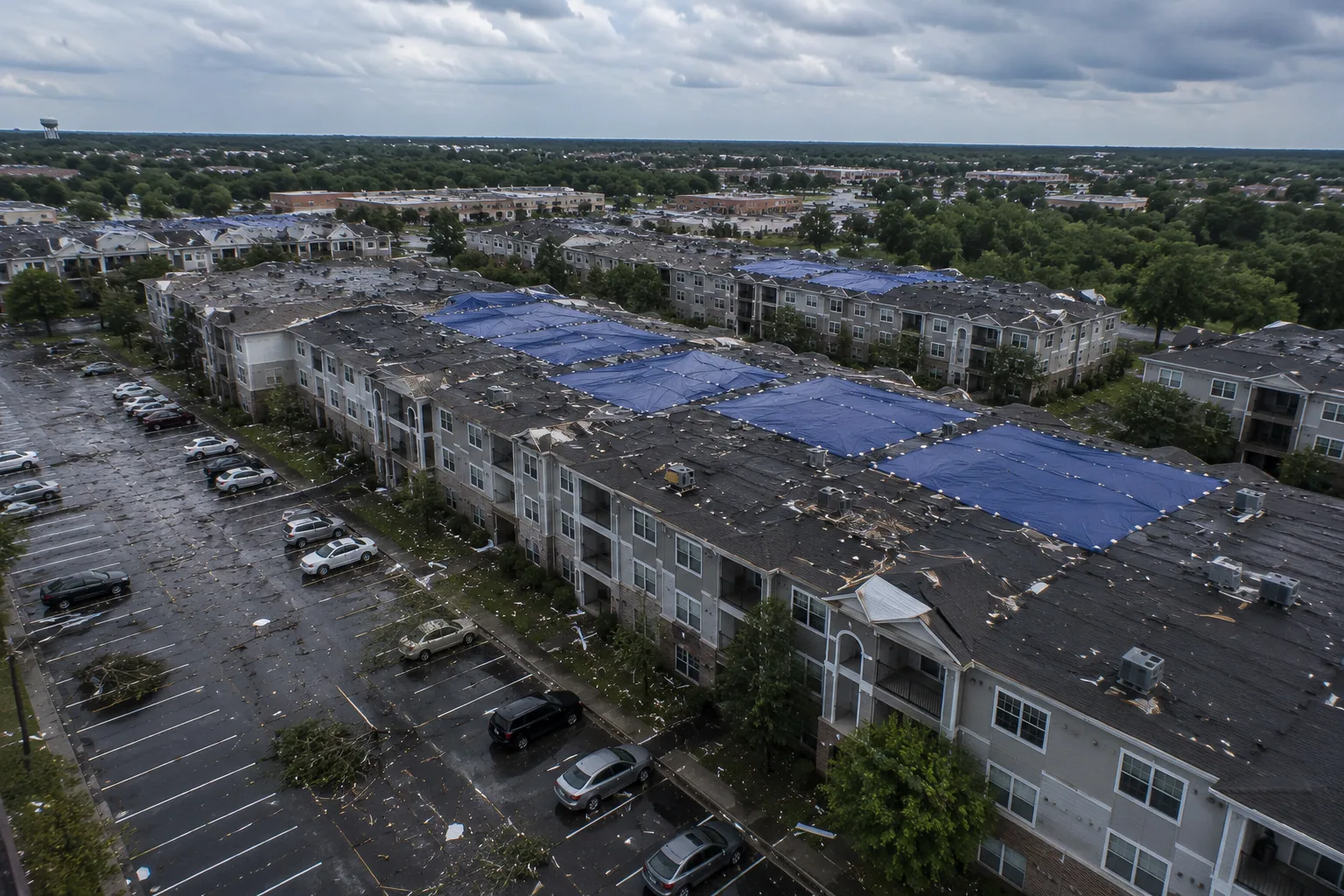
Sunrise's rainy-season storms can include hail, damaging wind, flooding, and occasional tornadoes, so an event file may contain several distinct roof observations. We keep impact, drainage, and attachment findings labeled by component and date. For a property in Sunrise, share roof plans, prior inspection photographs, leak reports, and equipment service records. We will compare the new conditions with the available history, repair confirmed damage, and leave a map for the next roof review.
Facilities can retain undamaged-area photographs as a baseline for future maintenance. A marked roof map helps compare later impacts without relying on memory of the first visit.
Frequently Asked Questions
Does a dented roof component always need replacement?
The component material and evidence of a crack, opening, or loss of function determine the repair. We photograph and inspect before assigning work.
Can you distinguish hail marks from older roof wear?
Prior photos, corrosion, surface aging, material fracture, and the pattern of impact help establish the observed condition. We identify uncertainty rather than extending the event scope without evidence.
Why test insulation below an impact mark?
Testing can show whether water reached concealed layers and whether removal needs to extend beyond the visible surface. That boundary can change the repair quantity.
Should drains be checked after hail and heavy rain?
Yes, outlets and overflow paths should be inspected for debris or displacement. Drainage findings remain separate from impact damage in the roof record.
What details help prepare a hail repair estimate?
Provide the roof map, prior condition photos, event timing, leak locations, equipment records, and access restrictions. Those details help define inspection and repair quantities.
Document each hail condition by roof zone
Send roof plans, prior photographs, event timing, leak reports, and equipment records. We will inspect impact points and adjacent assembly layers before setting the repair quantity.
Call 555-555-5555 or request a roof assessment.