
Fitness Center Roofing in Sunrise, FL
Fitness Center Roofing
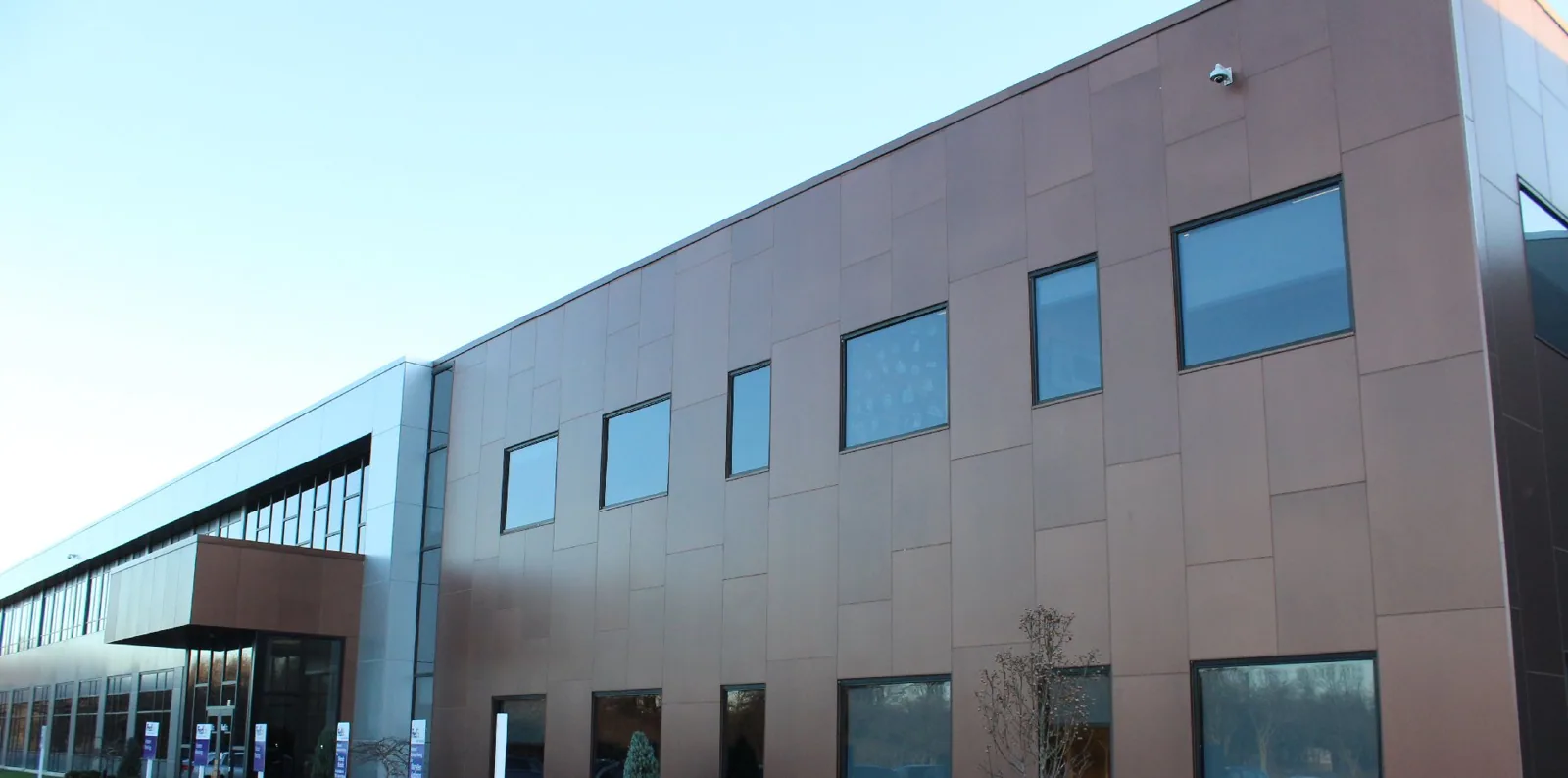
A fitness center roof may cover open exercise floors, studios, locker rooms, offices, and mechanical spaces with different ventilation demands. In Sunrise, humid heat and recurring heavy rain make drainage and equipment penetrations important to check before moisture reaches occupied rooms. We map the roof above the affected space, then inspect seams, curbs, drains, and transitions before selecting a repair. The Sawgrass Business and Entertainment District includes regional retail, event, office, and mixed-use activity; Sunrise Commerce Park contains distribution, manufacturing, office, and multi-tenant buildings. Those varied operations make a building-specific inspection essential. A roof inspection establishes the assembly and access limits.
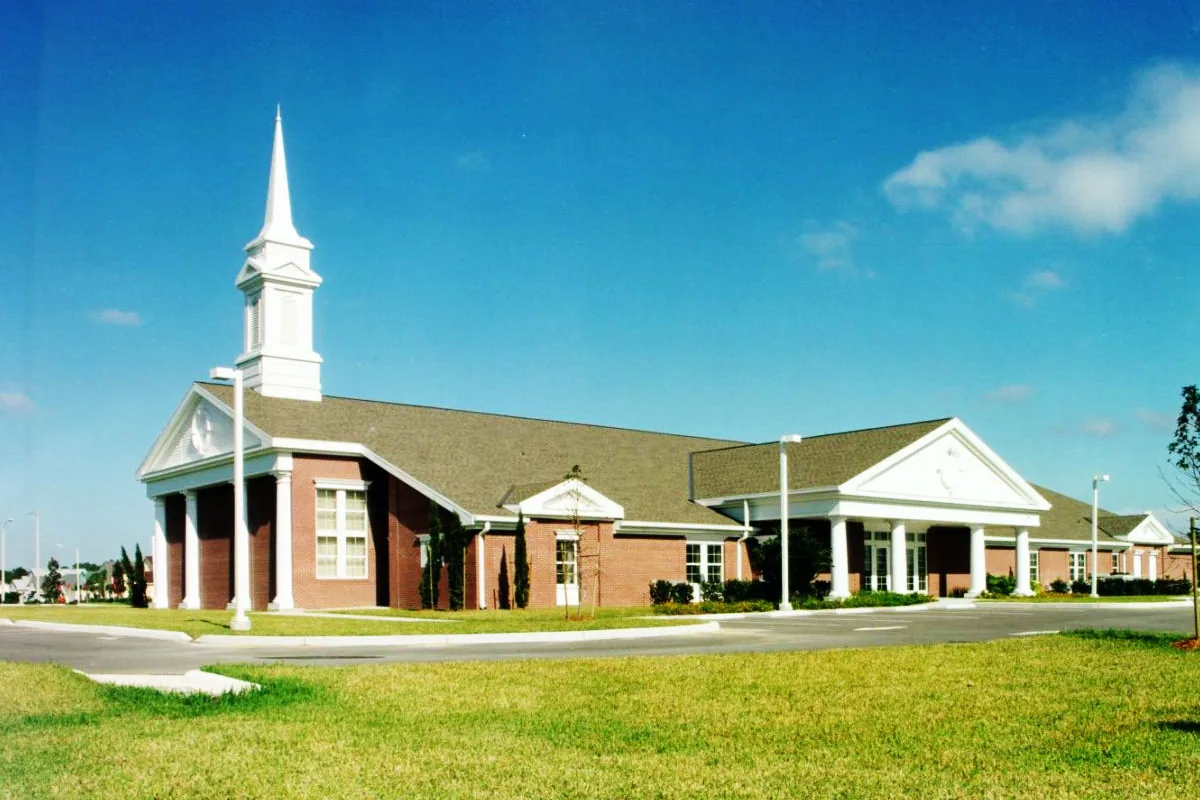
Property Types We Roof in Sunrise, FL
Fitness center roofing in Sunrise, FL accounts for large room spans, rooftop equipment, humidity, and member hours. We inspect and phase repairs by zone.
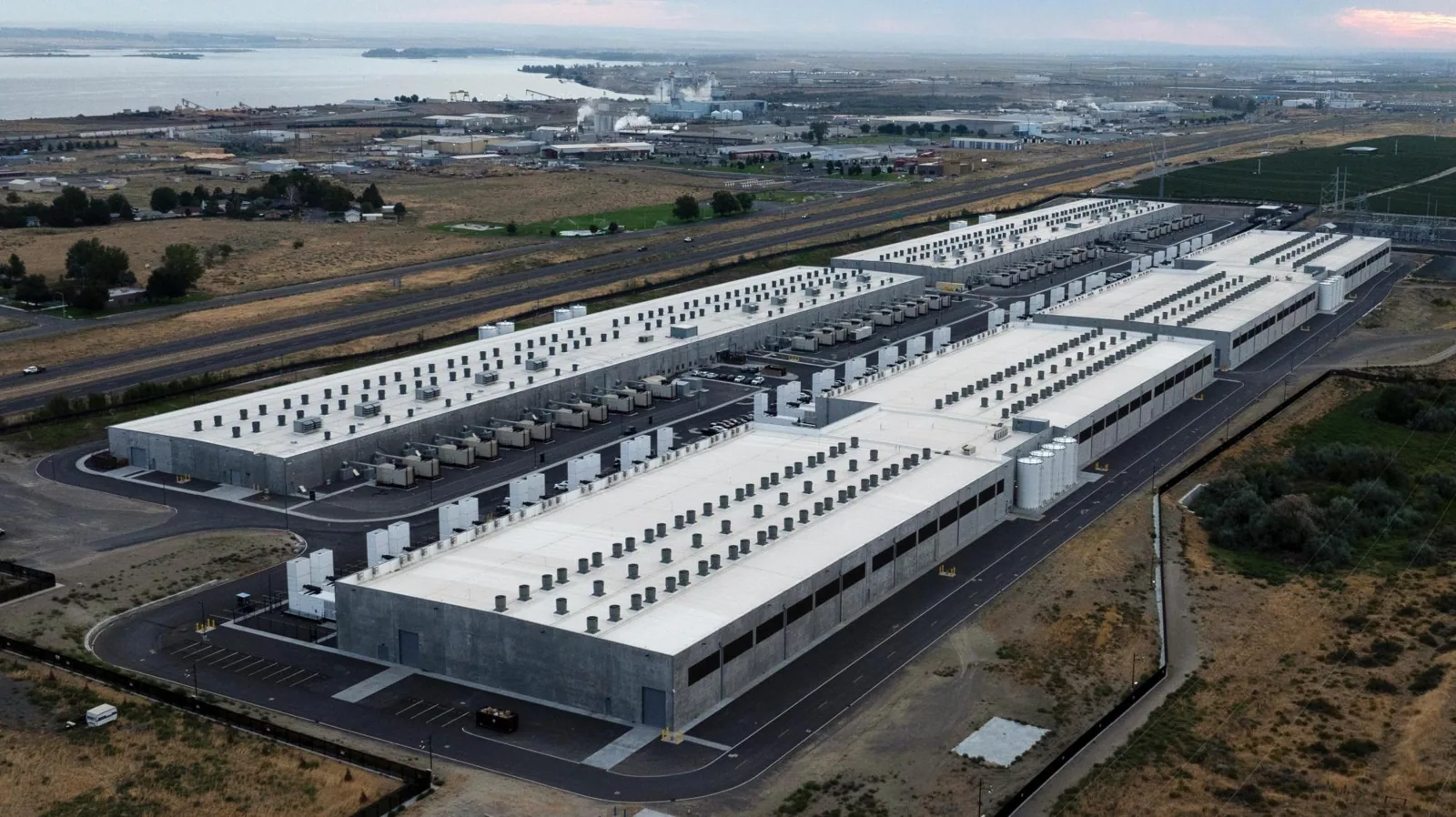
Building zones: Relate the roof to rooms and equipment
Studio ceilings, locker-room areas, and open exercise floors may sit under separate roof sections or equipment zones. We identify the membrane, insulation, deck, and attachment, then map rooftop units, exhaust fans, skylights, and drains to the interior. A leak report over a studio may trace to a curb or roof seam outside that room's footprint. The inspection records the route from the visible mark to the roof detail and notes any interior area that needs temporary protection.
High air exchange and cooling can create interior condensation on ducts or other cold surfaces, which can be mistaken for roof leakage. We check roof details and interior moisture sources separately before assigning a repair. Fitness facilities can also change equipment layouts, adding exhaust, conduits, or supports that interrupt the membrane. A curb and support inspection checks the roof-side connection after mechanical changes. A school roof review has different daily occupancy patterns, while both building types need clear roof-zone labeling and access coordination.
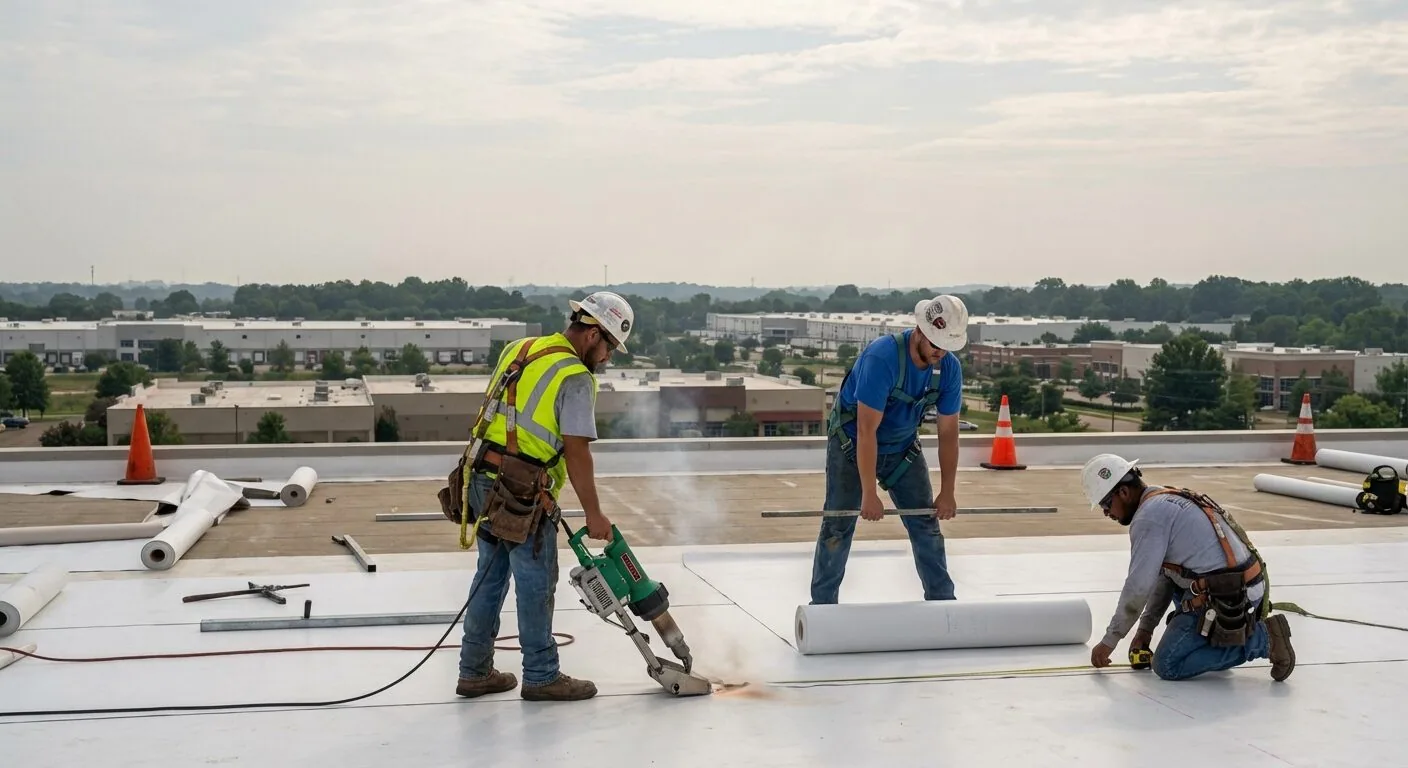
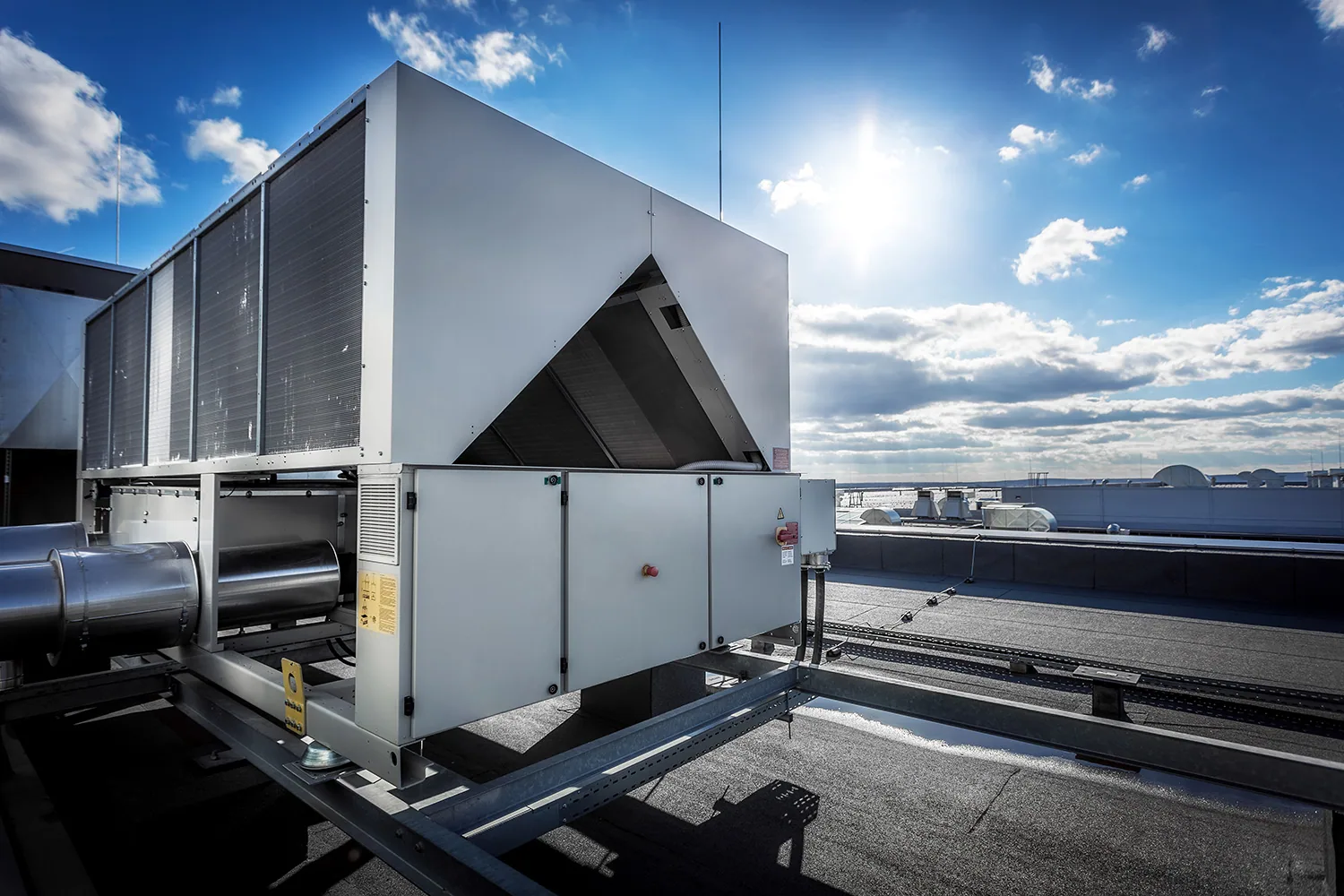
Leak investigation: Identify whether moisture is active
We compare the reported time of a leak with rainfall, equipment operation, and any recent roof work. Seams, flashing, penetrations, and drainage basins are inspected near and upslope from the interior mark. Water can travel through insulation or along framing before reaching a ceiling, so a stain alone does not set the repair boundary. If a test opening would change the quantity, we identify its purpose and location before cutting.
A test confirms the membrane, insulation, deck, and wet boundary. Thermal imagery can direct testing under suitable conditions; a test opening confirms the layers at that point. We repair the test area or include it in the authorized work, and record any material found. An active drip over exercise equipment or electrical devices requires immediate protection below while the roof is assessed. The closeout identifies whether moisture stopped at a localized detail or continued through a larger zone, giving the owner a practical basis for choosing repair or broader work.
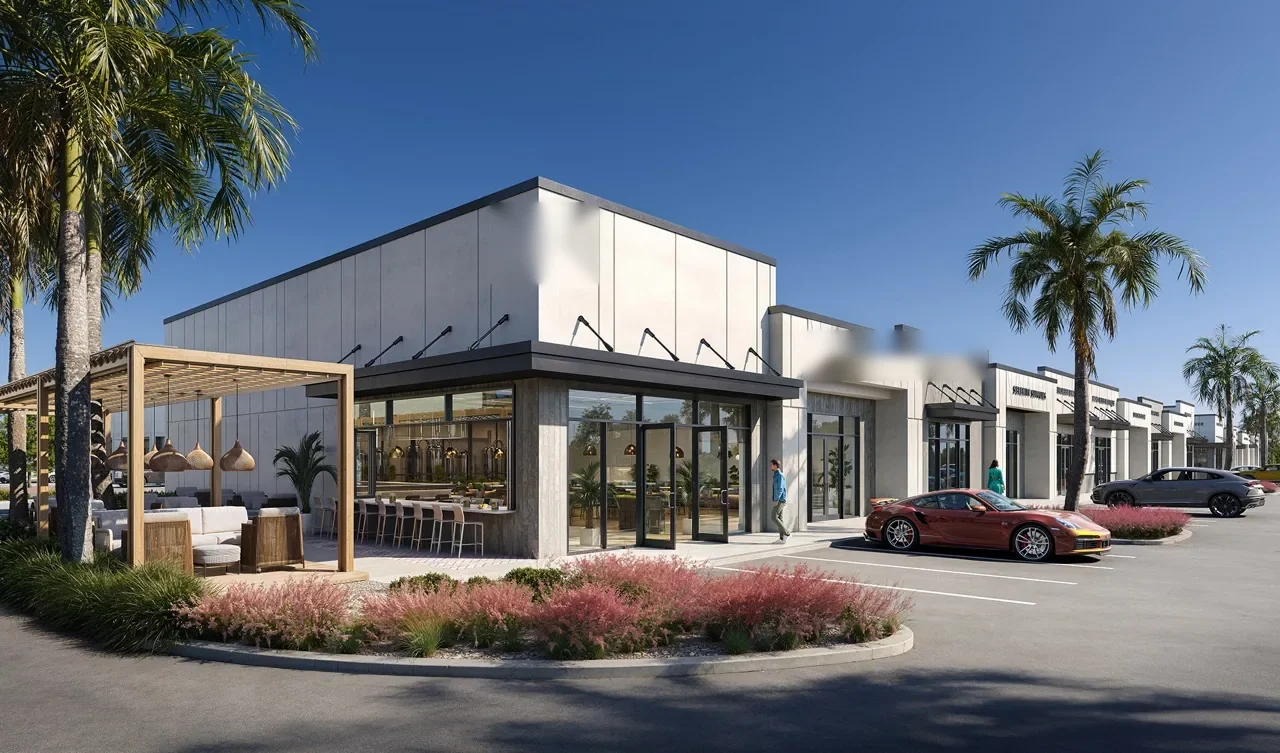
Drainage: Clear outlets before the next storm cycle
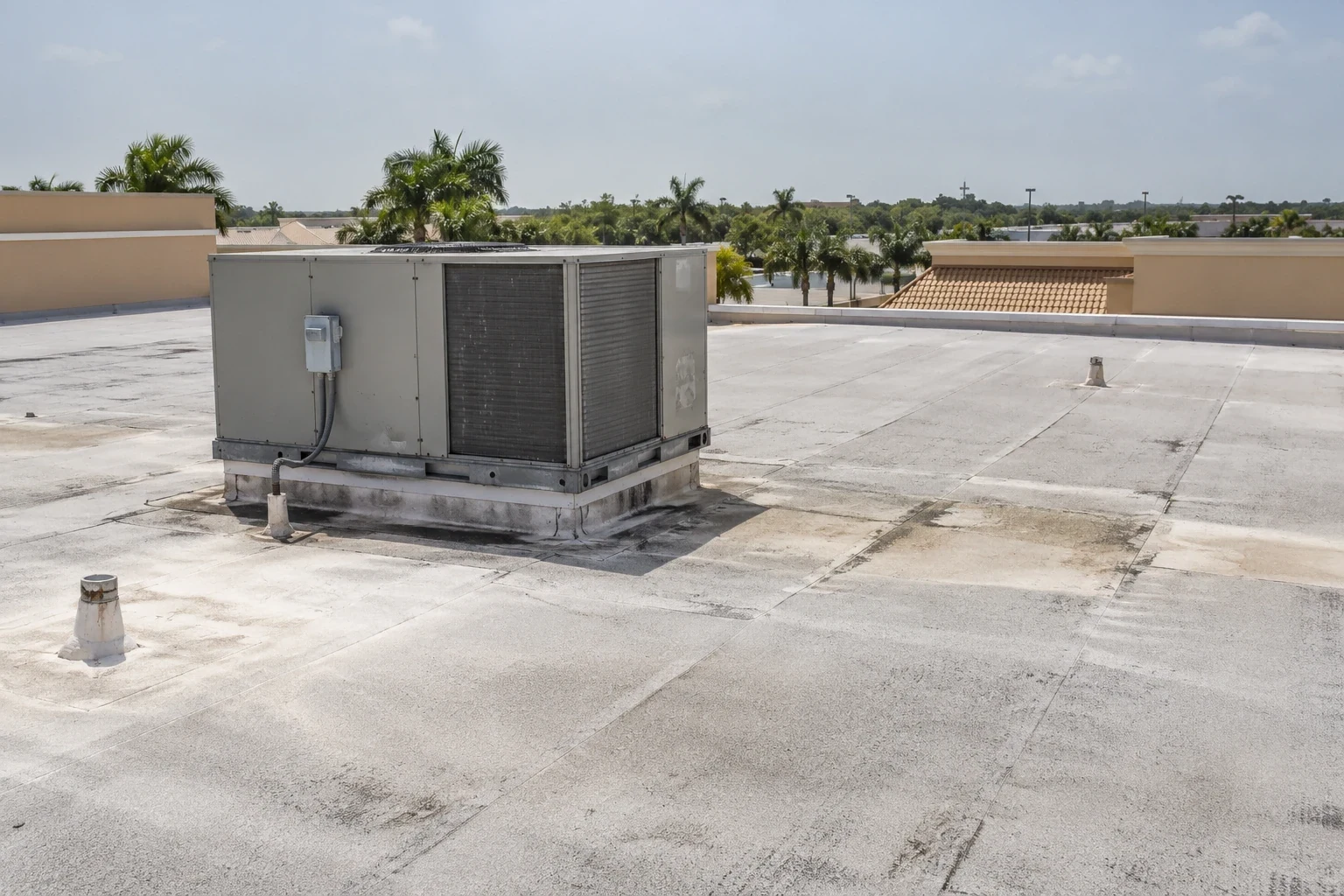
Low-slope roofs often collect water near equipment curbs, parapets, or interior drains. We inspect drain strainers, scuppers, overflow paths, and discharge points, then check for staining or ponding around the basin. A drain may be open at the top while the line beyond it remains restricted. If the outlet is clear but water still holds, the slope, insulation, and deck need review before a coating or overlay is considered.
South Florida's wet season brings frequent downpours, so the facility can use quieter hours to inspect outlets and edge details before recurring rain. A drain and scupper service records the components checked. We schedule roof access around class times, member entry, and equipment use so ladders and staging do not block the main door. For a fitness property serving the Sawgrass business district, that sequencing keeps public movement separate from repair access at the facility.
Member access: Phase work around peak operating hours
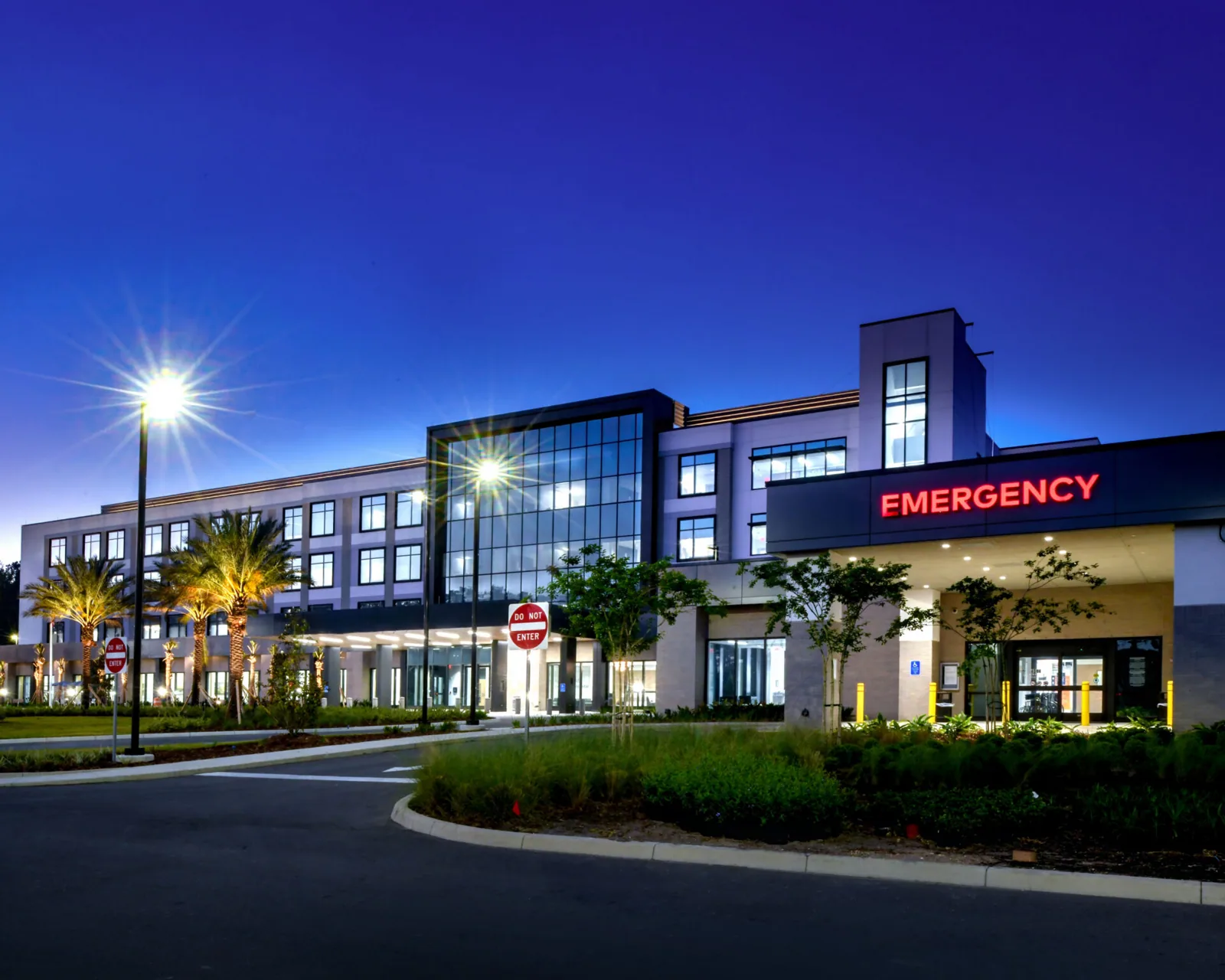
Roof repair can introduce noise, odors, equipment shutdowns, or temporary restrictions below the active work area. We coordinate those effects with management and identify which studio, locker room, or entry sits under the roof zone. Material deliveries and lift staging should not block member or emergency routes. The daily plan states the expected work boundary, who can approve a change, and how each opening will be closed before the crew leaves.
Some tasks can be placed outside high-attendance periods, but weather and product conditions still control the application window. We coordinate ventilation shutdowns with the facility, protect air intakes, and confirm when equipment can return to service. A phased occupied-building sequence can divide work by roof area. Nearby hotel roofing also requires guest coordination, but a gym's class schedule and air-handling plan set its own work hours. We record those limits before pricing the sequence.
Repair choice: Test the assembly before coating or replacement
A local curb leak, open seam, or puncture may need a focused repair. Multiple failures, broad wet insulation, weak attachment, or recurring ponding can point to a larger scope. We mark confirmed areas, identify untested roof sections, and separate repair quantities from concealed allowances. The owner can compare a patch, restoration, recover, or replacement using the same map and the effect each option may have on facility hours.
A coating is considered only when the existing substrate is stable, compatible, dry enough, and properly drained. A new layer cannot correct a wet roof or failed attachment. If a recover is possible, we check existing weight and system compatibility first. Recover planning and replacement planning both need a tie-in detail and a daily dry-in plan. Sunrise's large retail and event uses make schedule coordination important, but the scope remains grounded in the actual facility's condition.
Records: Keep maintenance findings tied to each roof area
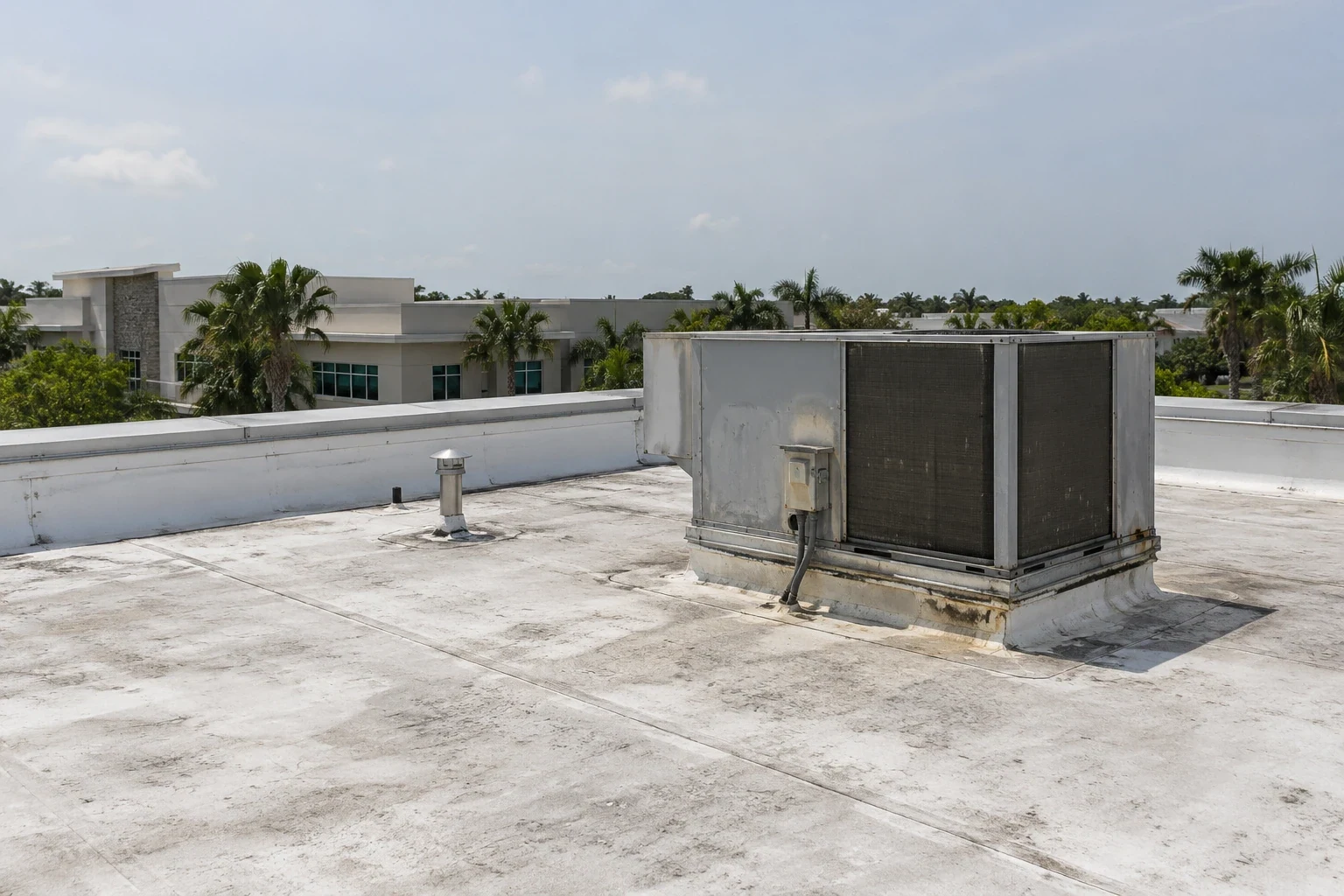
The service record should include roof zones, membrane where confirmed, drain and equipment locations, test results, photographs, repairs, and items not accessed. A facility manager can compare later reports against the same studio, locker-room, or mechanical zone rather than rely on a general leak description. If an HVAC contractor changes a curb or conduit, adding that work to the roof history helps the next inspection focus on the affected transition.
Share prior leak dates, ventilation plans, maintenance logs, roof drawings, and class hours before inspection. That lets us plan access and identify which areas need a hands-on test. If the site is near Sunrise's Sawgrass International Corporate Park or the western business district, those neighborhood uses provide context for traffic and work hours, but the facility's own access map controls how the repair proceeds. A clear closeout states what was repaired and what should be revisited after the next heavy rain.
Before a scheduled repair, the facilities contact should identify rooftop units that serve pools, locker rooms, or workout areas and any operating window for mechanical shutdown. We record the affected zone and the protection needed below, then confirm that the building can return to normal use after the roof is closed.
Frequently Asked Questions
Can roof work be scheduled outside class hours?
We can plan noisy or access-sensitive tasks around class schedules when the repair and weather window allow. The sequence still needs a dry-in at each shift boundary and clear access for emergency routes.
How do you distinguish a roof leak from condensation?
We compare the moisture timing and location with roof seams, equipment curbs, and drainage, then check interior airflow and cold surfaces. A roof test confirms the assembly when it changes the repair scope.
Should a gym close while a roof is repaired?
That depends on the work zone, interior protection, equipment shutdowns, and access below. We define restricted areas in advance and phase the roof where safe conditions permit.
Can a coating fix ponding near rooftop units?
A coating does not correct a low deck or compressed insulation. We inspect drainage and moisture first, then determine whether the roof needs outlet work, slope correction, localized repair, or a compatible restoration.
What should a fitness center provide before inspection?
Share roof plans, equipment locations, ventilation schedules, leak reports, and member hours. Those details help us choose the access route and protect occupied rooms during testing.
Plan roof access around facility hours
Share roof drawings, leak locations, equipment and ventilation plans, maintenance records, and class schedules. We will inspect the roof assembly and set a clear repair sequence.
Call 555-555-5555 or request a roof assessment.