
School Roofing in Sunrise, FL
School Roofing
School roof work in Sunrise, FL needs a controlled path from the roof defect to the classroom, gym, or office below. A ceiling stain may be several bays from a failed seam or drain, so we map the interior report against the roof before setting a repair limit. The local commercial stock spans offices, research, retail, and industrial parks; school assemblies and access plans must be verified at each campus. Davie's downtown road corridor connects to nearby colleges and includes retail and office properties. We confirm each school's entry, bus circulation, and delivery window with its campus contact before scheduling roof work. A roof inspection gives the school facilities team a location-specific condition record.
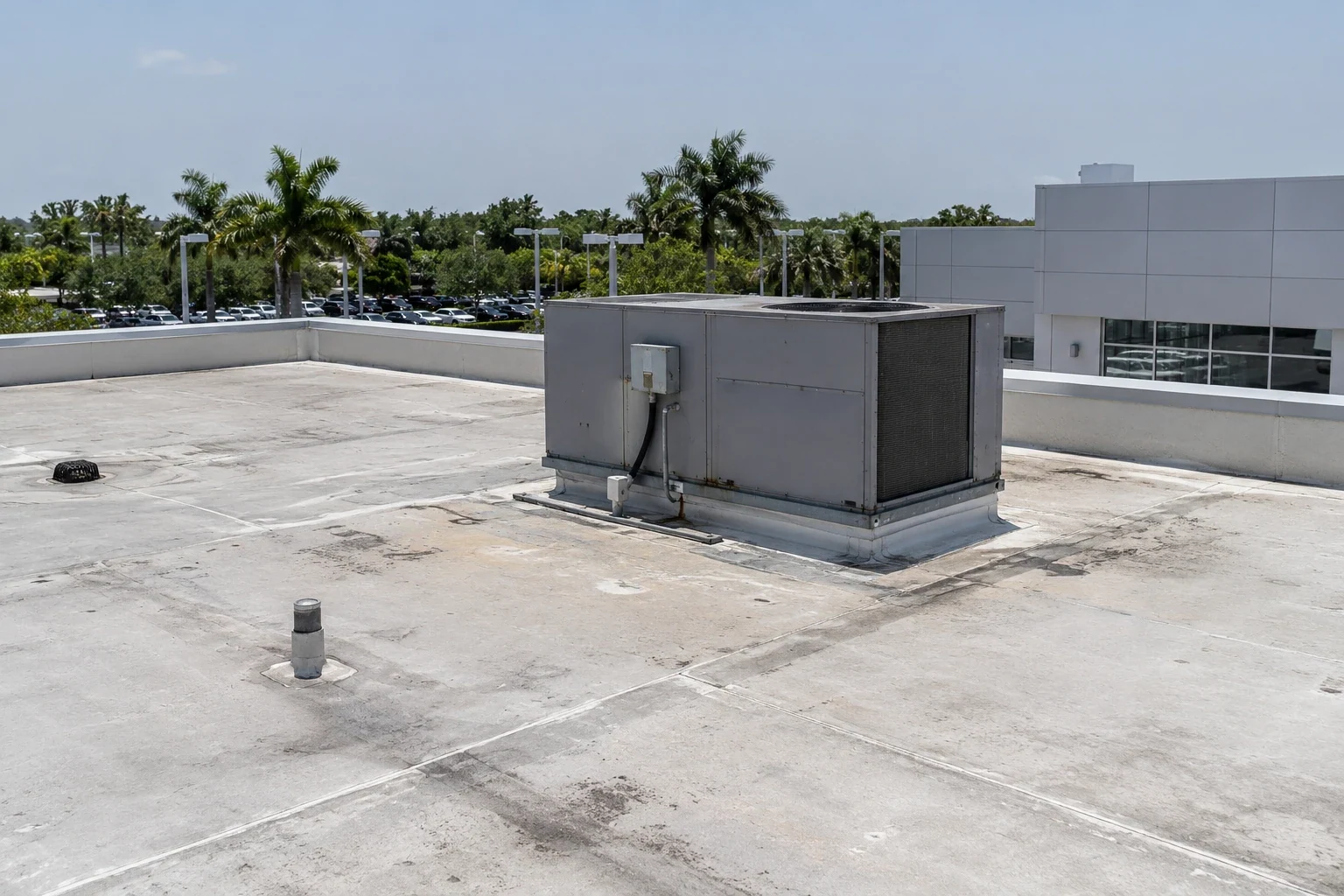
Property Types We Roof in Sunrise, FL
School roof repairs in Sunrise, FL are planned around student schedules, classroom protection, drainage, and the verified condition of each roof zone.
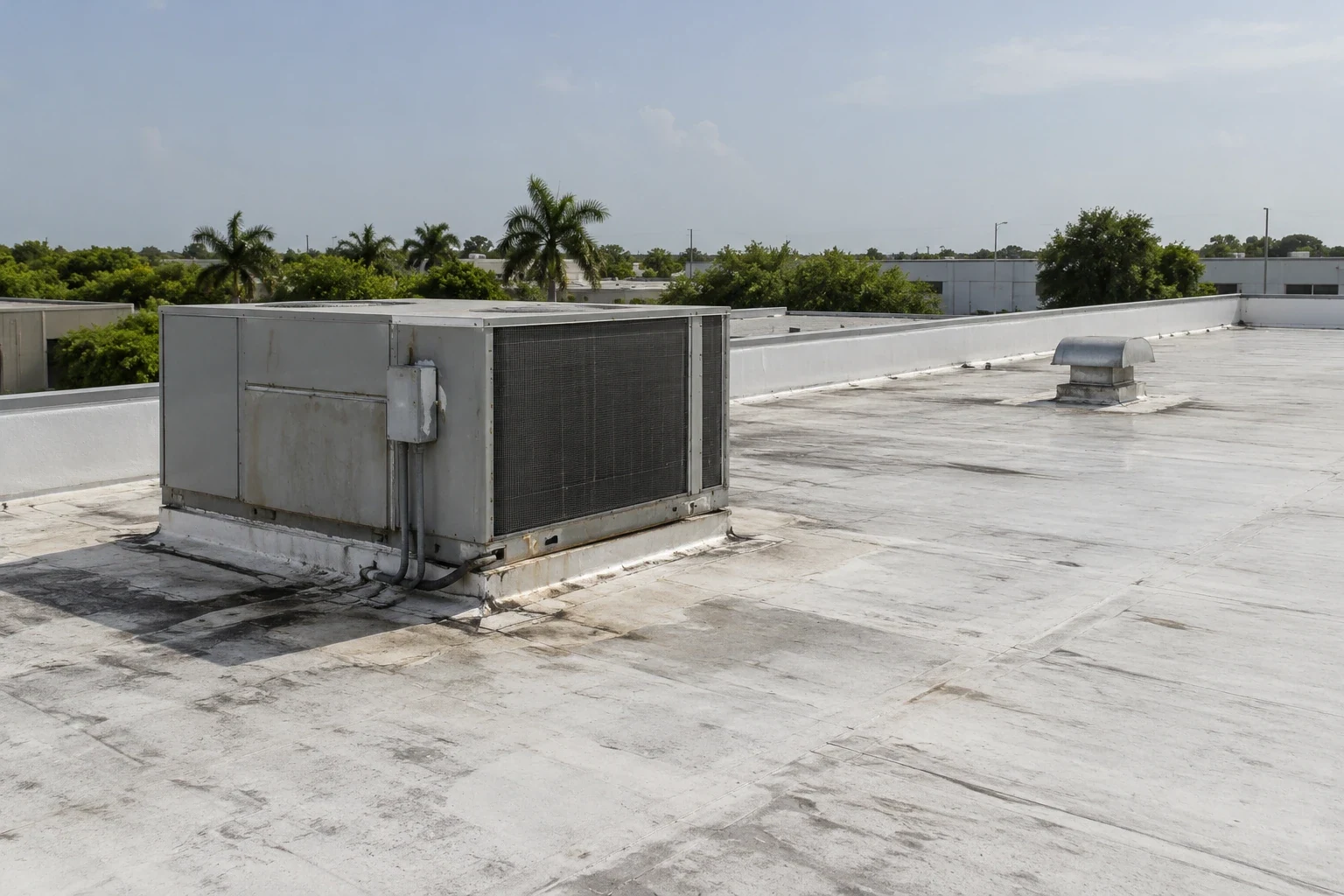
School calendar: Choose a work window that holds
Class schedules, arrival and dismissal periods, after-school activities, deliveries, and summer programs can all affect roof access. We coordinate staging and crew routes with the school contact, protect entrances and play areas below the work, and identify any air intake near roof preparation. If work continues while classes meet, noisy tasks and material movement need agreed limits. A reroof plan should show when each roof zone opens, how it is closed, and who receives the end-of-shift status.
Davie Road is the central commercial corridor through downtown Davie's redevelopment area, which also considers transit links to nearby colleges. Around a school, bus movements and campus schedules still set the access window for roofing. We confirm the actual service entrance, bus routes, emergency access, and permitted delivery hours before mobilizing. A phased occupied-building plan can sequence the loudest tasks outside instructional periods and set protected boundaries around classrooms, kitchens, and assembly areas.
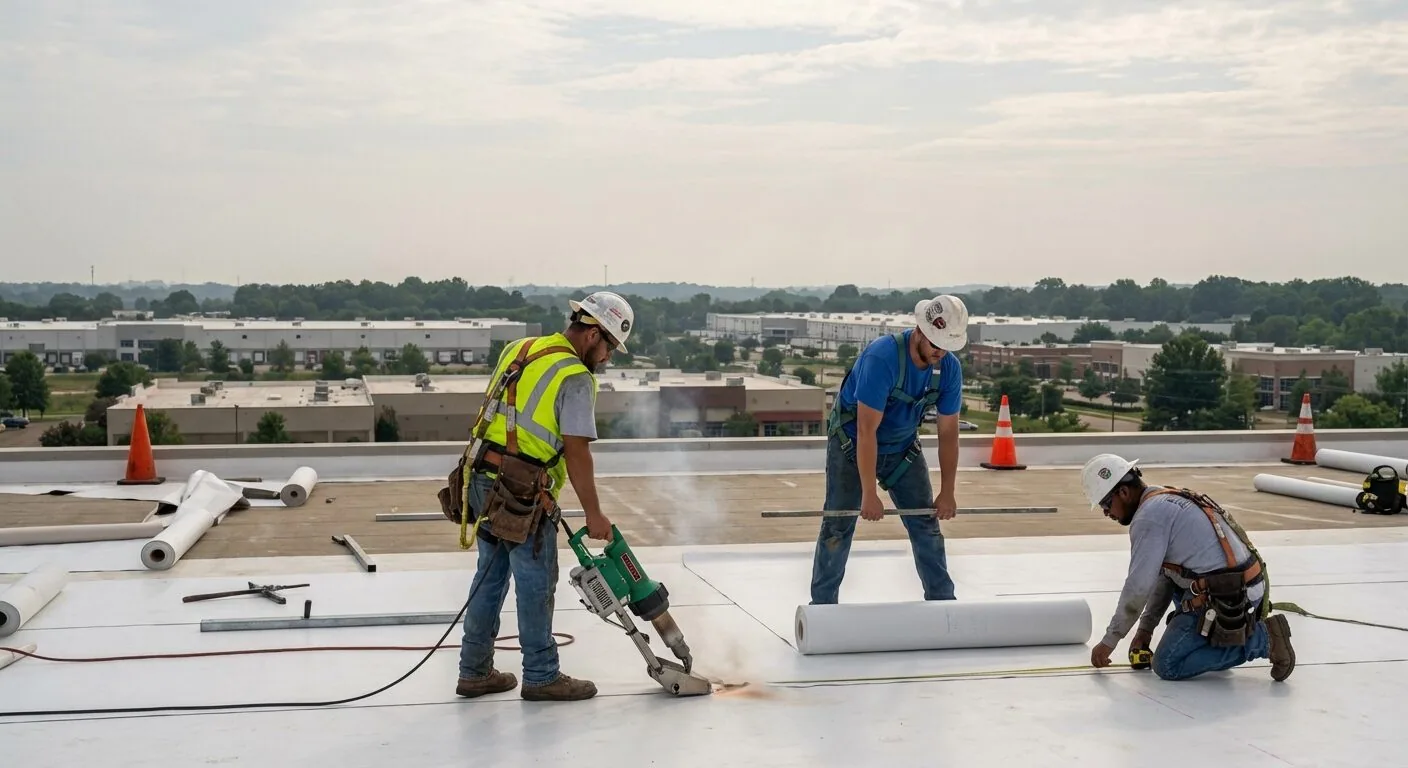
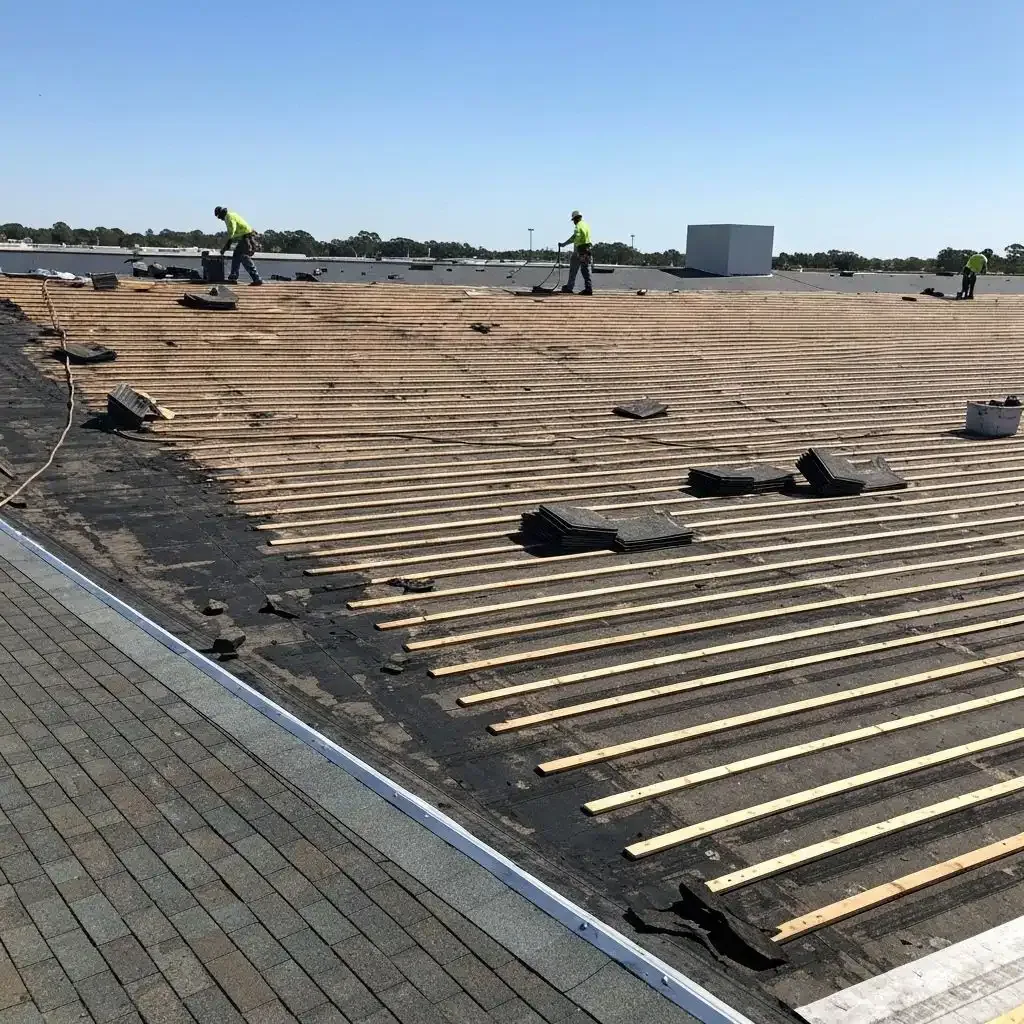
Interior report: Locate the roof section above the room
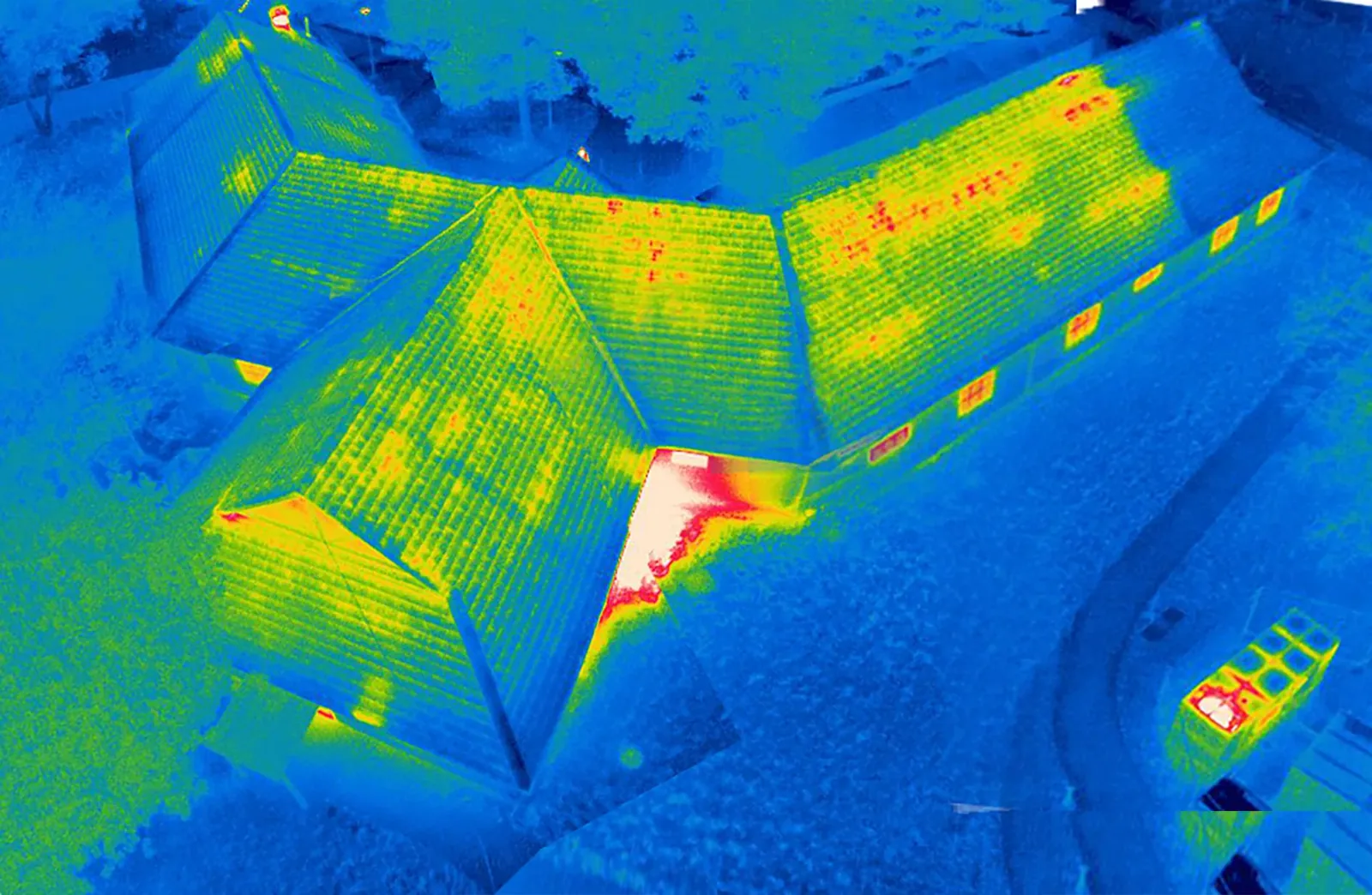
Water can follow deck flutes, framing, insulation joints, or conduit before it reaches a classroom ceiling. We document the room, time, weather, and recurrence, then inspect the roof area above and adjacent drains, curbs, seams, and wall transitions. If the roof has several membrane types or additions, we label each section before choosing a repair method. A test opening may be needed when hidden moisture could expand the work beyond a patch.
The test record shows the location, layers observed, moisture condition, and repair to the opening. We separate a confirmed wet area from a nearby untested zone and note what evidence would change the boundary. Staff can continue a dated leak log during the project so new observations are compared with roof work rather than added to an undifferentiated list. A moisture survey may help select test locations, but the repair scope follows confirmed conditions.
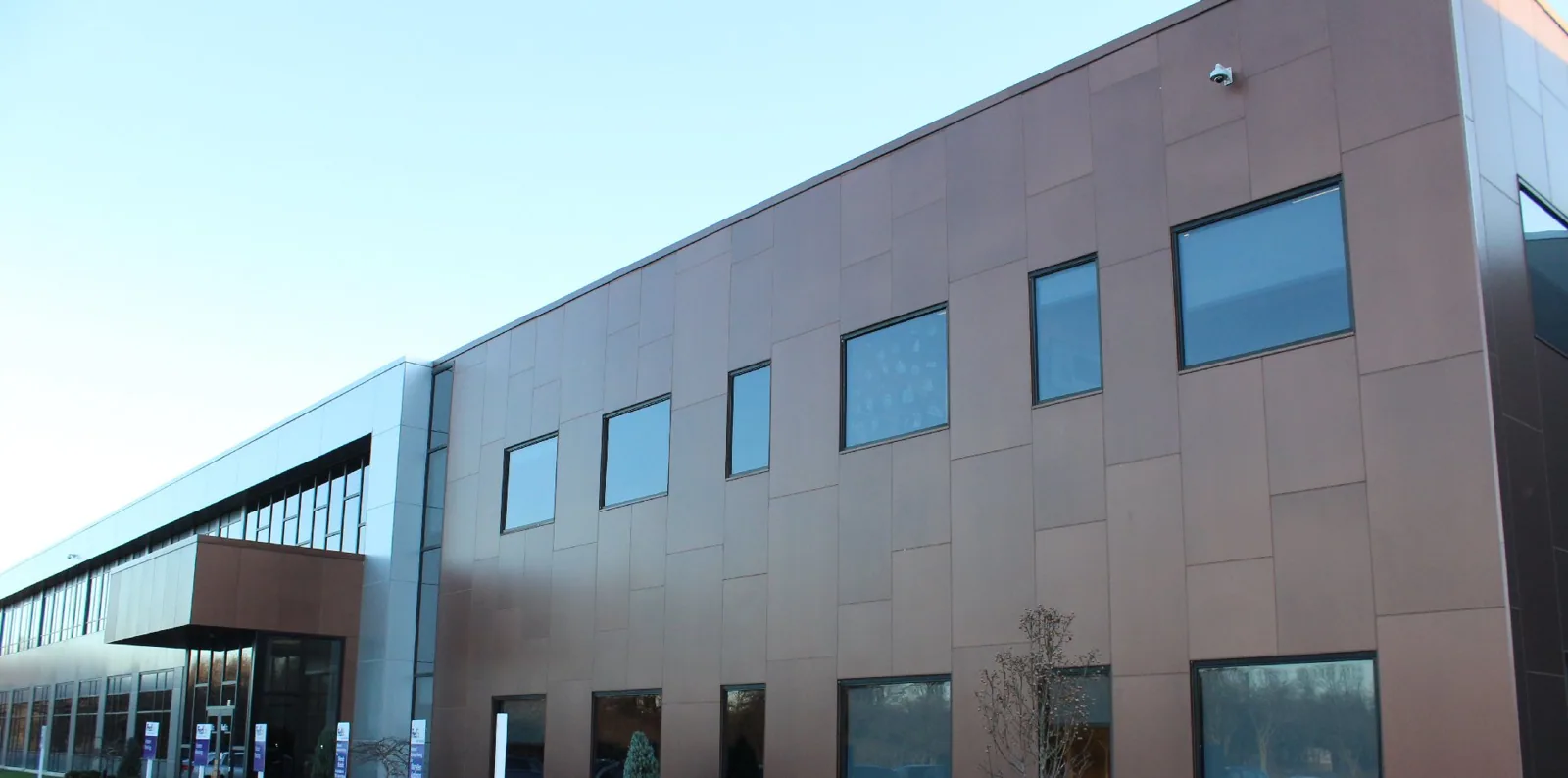
Drainage and edges: Prepare for concentrated rain
A roof's low points and overflow routes need attention before the rainy season. Fort Lauderdale's rainy-season normal contains 37.49 inches of its annual rainfall; clear drains and overflow routes help keep water away from classrooms during that wetter period. We inspect each drainage basin, check strainers and drain bowls, and look for water held against curbs or walls. A patch near a drain cannot correct a low area caused by deflection or wet insulation.
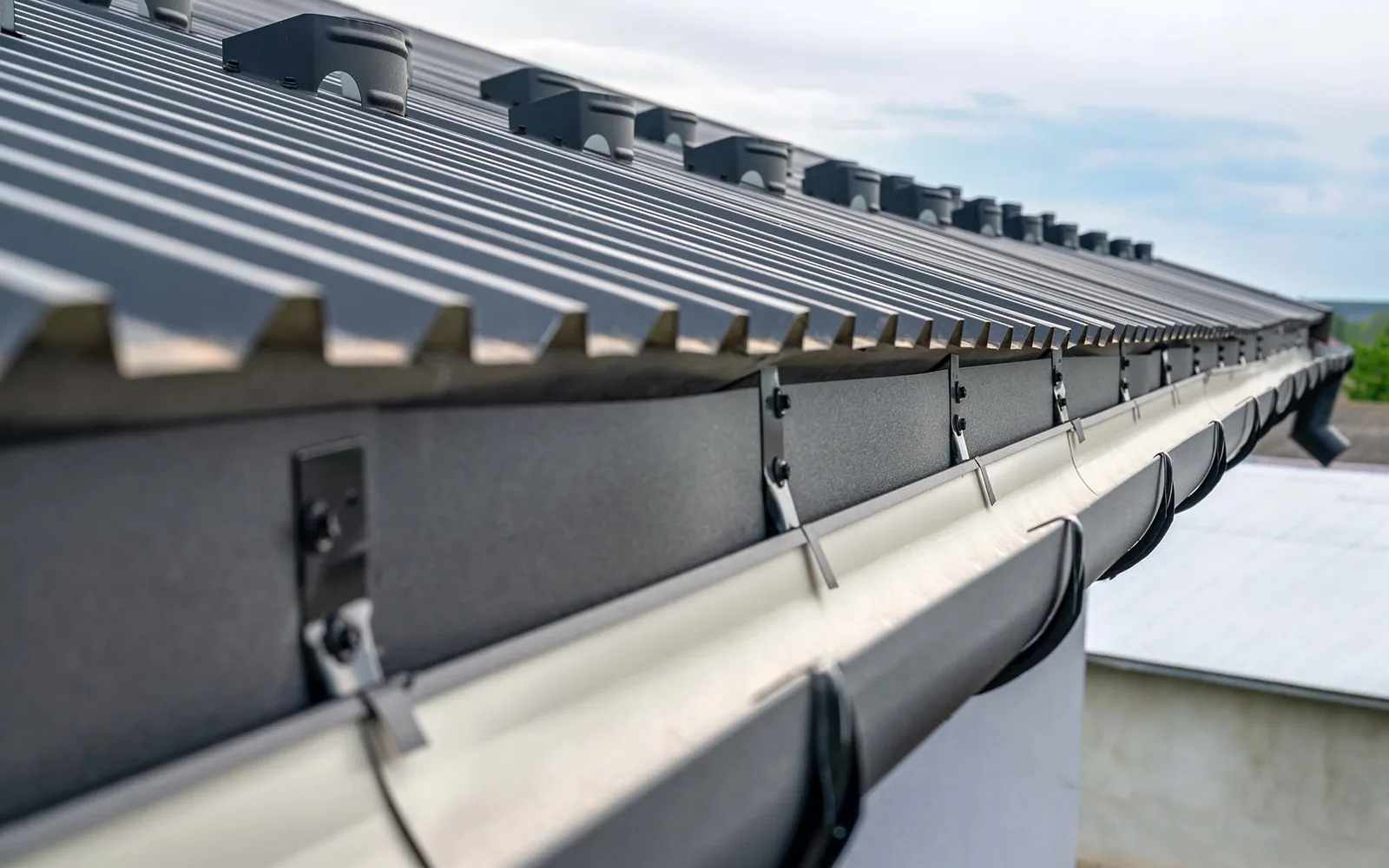
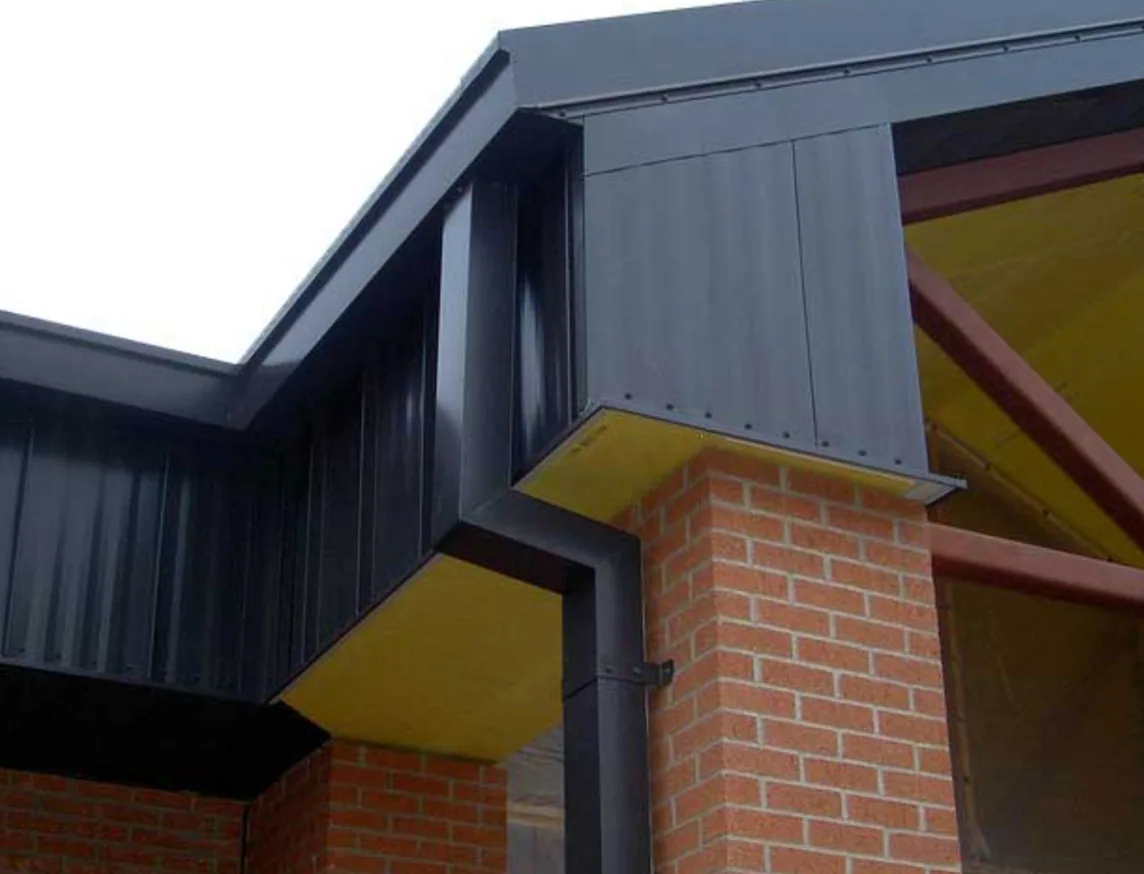
We also review edge metal, coping joints, and roof-to-wall flashing for loose fasteners or openings. The job map shows which details were repaired and which need a separate wall, plumbing, or structural review. A drain and scupper service can address restricted discharge, and edge-metal work may be required where perimeter flashing has separated. The school team receives a list of completed details before rooms below are returned to normal use.
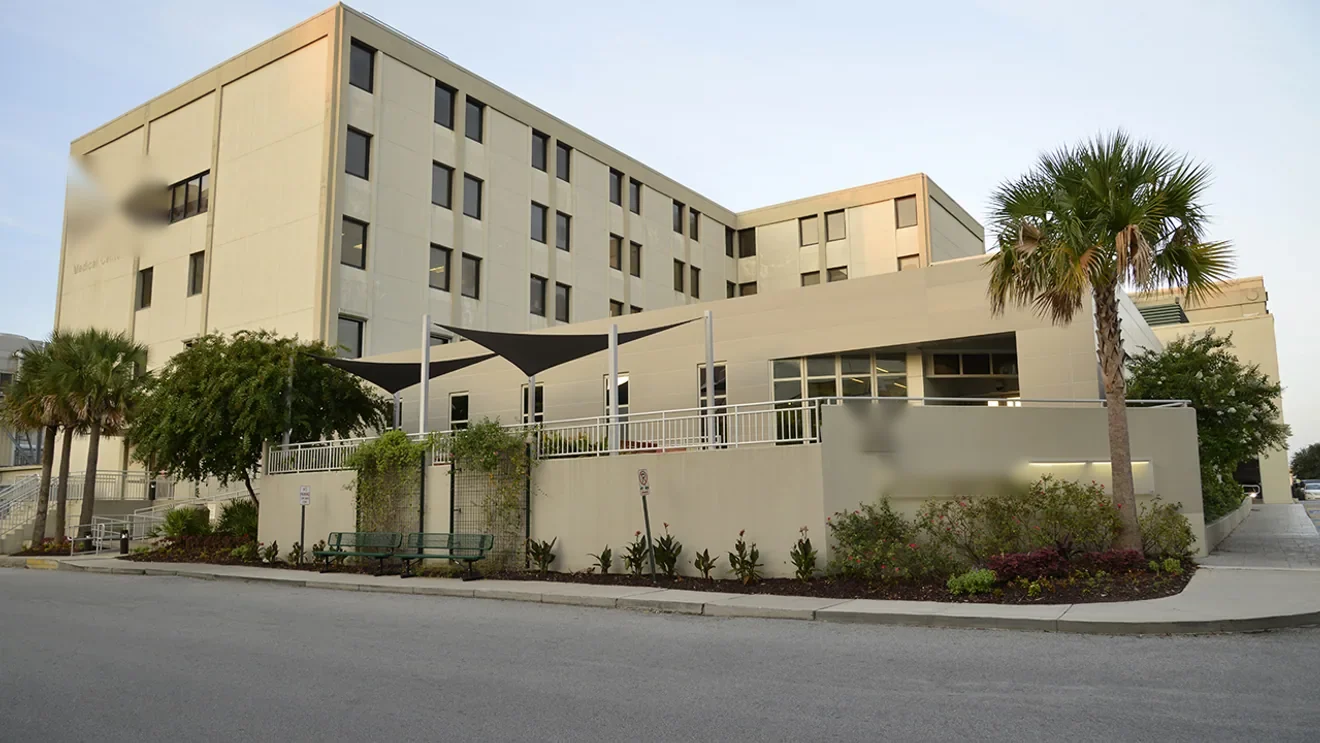
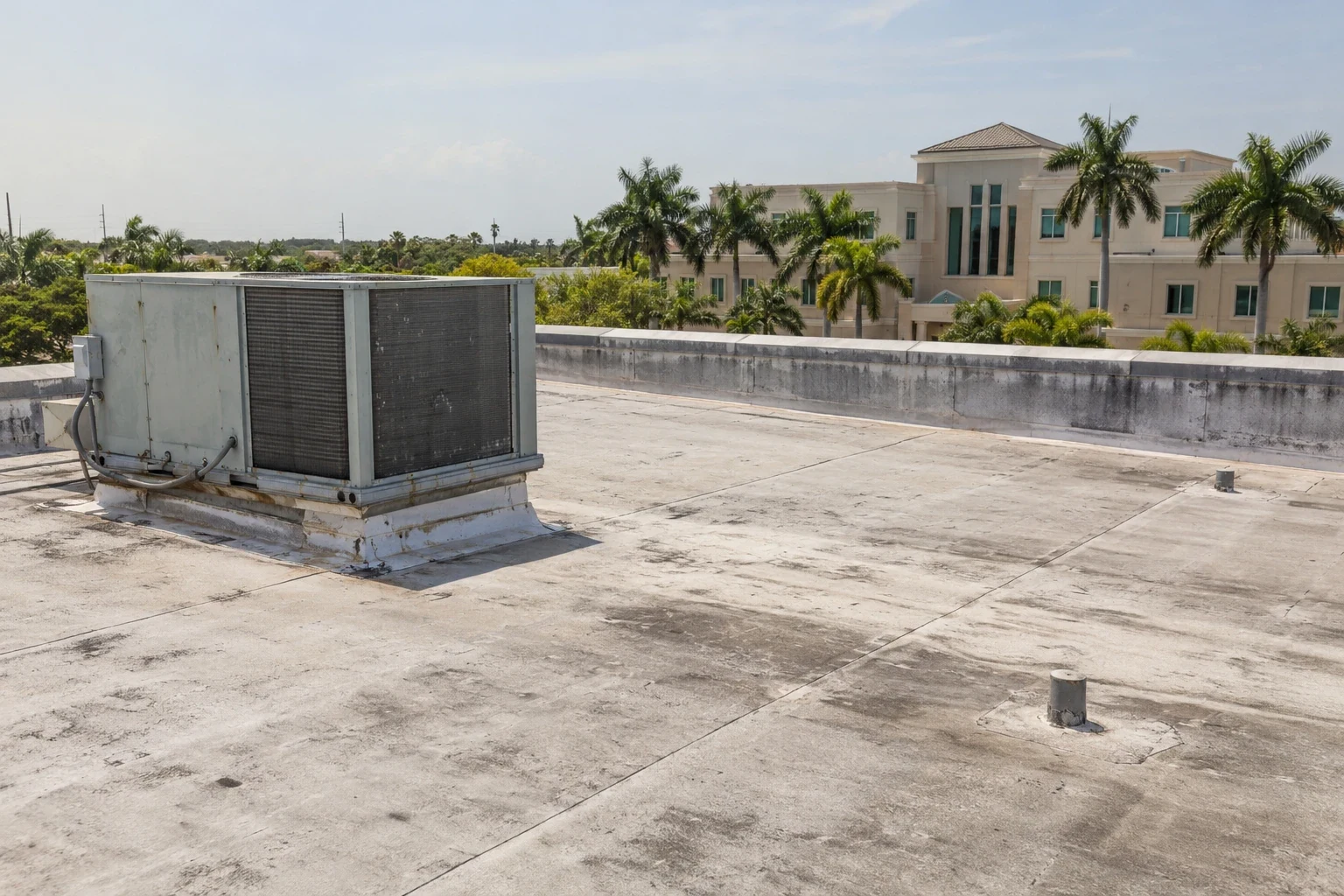
Roof assembly: Verify the membrane and attachment
School roofs may use single-ply membranes, built-up roofing, modified bitumen, metal, or more than one assembly across a campus. We identify the system from records and field details, then use compatible repair materials. Seams, penetrations, attachment, insulation, and deck condition affect whether localized repair, coating, recover, or replacement is appropriate. The inspection records roof edges, drains, and access conditions with the surface type rather than assuming all buildings share a standard design.
The 2023 Florida Building Code became effective statewide on December 31, 2023; scope decisions should reflect applicable requirements for the actual project and assembly. A college or university roof review may involve larger groups of buildings, while a public-building roof plan may include procurement and access controls. School-specific phasing still needs the campus map and schedule. TPO roof work has heat-welded seams that are inspected differently from other membrane joints.
Work control: Protect rooms below each roof zone
Before repairs, we identify the rooms and equipment beneath the proposed work, establish interior protection, and agree on how staff can report an unexpected leak. If a roof opening is needed, the daily limit and temporary dry-in method are confirmed first. The work crew uses a defined route for tools and debris, and the school contact knows when an area is safe to reopen. Any work near a kitchen exhaust, gym, or classroom intake needs its own protection note.
Where a school has several buildings, work can be phased by roof system, access, and the dates when rooms are in use. The facility team should know which areas are underway and which remain untouched. For a school roof project in Sunrise, provide the campus plan, bell schedule, summer dates, leak reports, and any security or delivery rules. We then define the sequence, daily closure, and owner approval point for concealed conditions before crews begin.

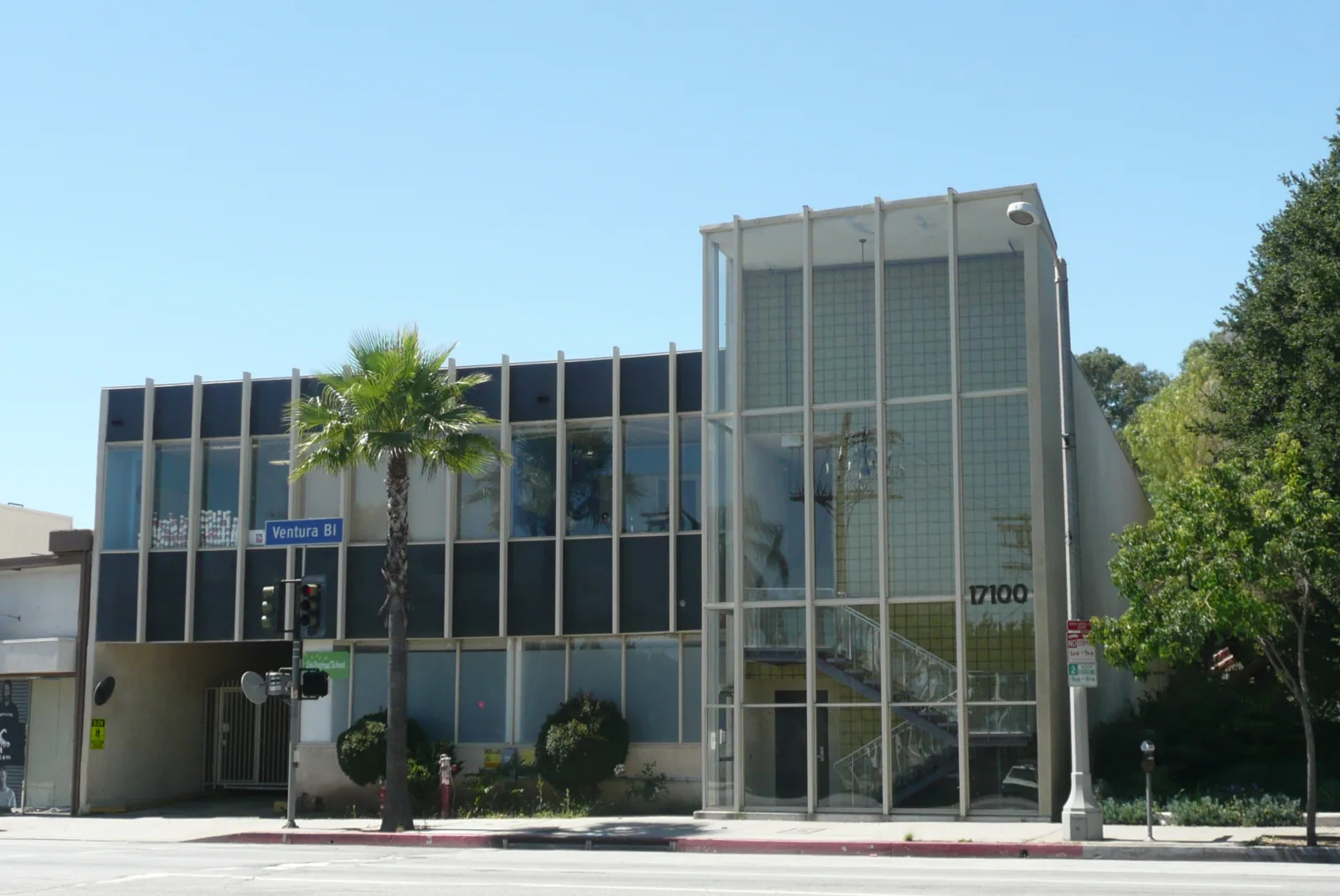
Facilities file: Preserve the campus roof map
Closeout should identify each building and roof zone, membrane where confirmed, repairs, test cuts, drain work, photographs, and open items. The facility team can use that record to locate a detail without asking a new contractor to guess from an old ceiling mark. If a roof area was inaccessible, the file states that clearly and identifies when it can be inspected.
Sunrise has commercial districts with offices, retail, research, and multi-tenant buildings; the school roof file must still stay tied to the campus itself. Keep the map with maintenance records, prior work, and contact information for access approval. A yearly review can compare seams, drains, edges, and previous repairs against the installed materials. Where evidence indicates widespread wet insulation or repeated leakage, the next budget request can use documented quantities rather than a broad replacement assumption.
Frequently Asked Questions
Can roofing work be completed while students are in the building?
Some tasks can be phased during occupied periods if access, noise, interior protection, and daily closure are agreed in advance. We identify rooms below each zone and coordinate with school staff. Work that requires loud preparation or shutdown may fit a break or summer window better.
How do you locate a classroom leak when the roof is large?
We use the room location and leak timing to guide inspection above and around it. Drains, seams, curbs, walls, and prior repairs are checked along likely water paths. If concealed moisture changes the repair scope, a targeted opening can confirm the affected layers.
What should be included in a school roof inspection?
Record membrane and attachment where known, roof zones, drains, edges, penetrations, equipment, prior repairs, and areas that could not be reached. The report should connect photographs and recommendations to campus building labels and the rooms or operations affected.
When is summer the best time for a school reroof?
The school calendar can create more access, but roof condition and weather still set the schedule. We plan daily work limits, delivery routes, temporary protection, and return-to-service dates around the actual campus calendar rather than relying on a seasonal assumption.
Can the district phase work among several school buildings?
Yes. Each building can have its own roof map, system identification, scope, and access plan. The district can prioritize conditions by leak risk and verified moisture, then schedule work around each campus's operating dates and contractor access rules.
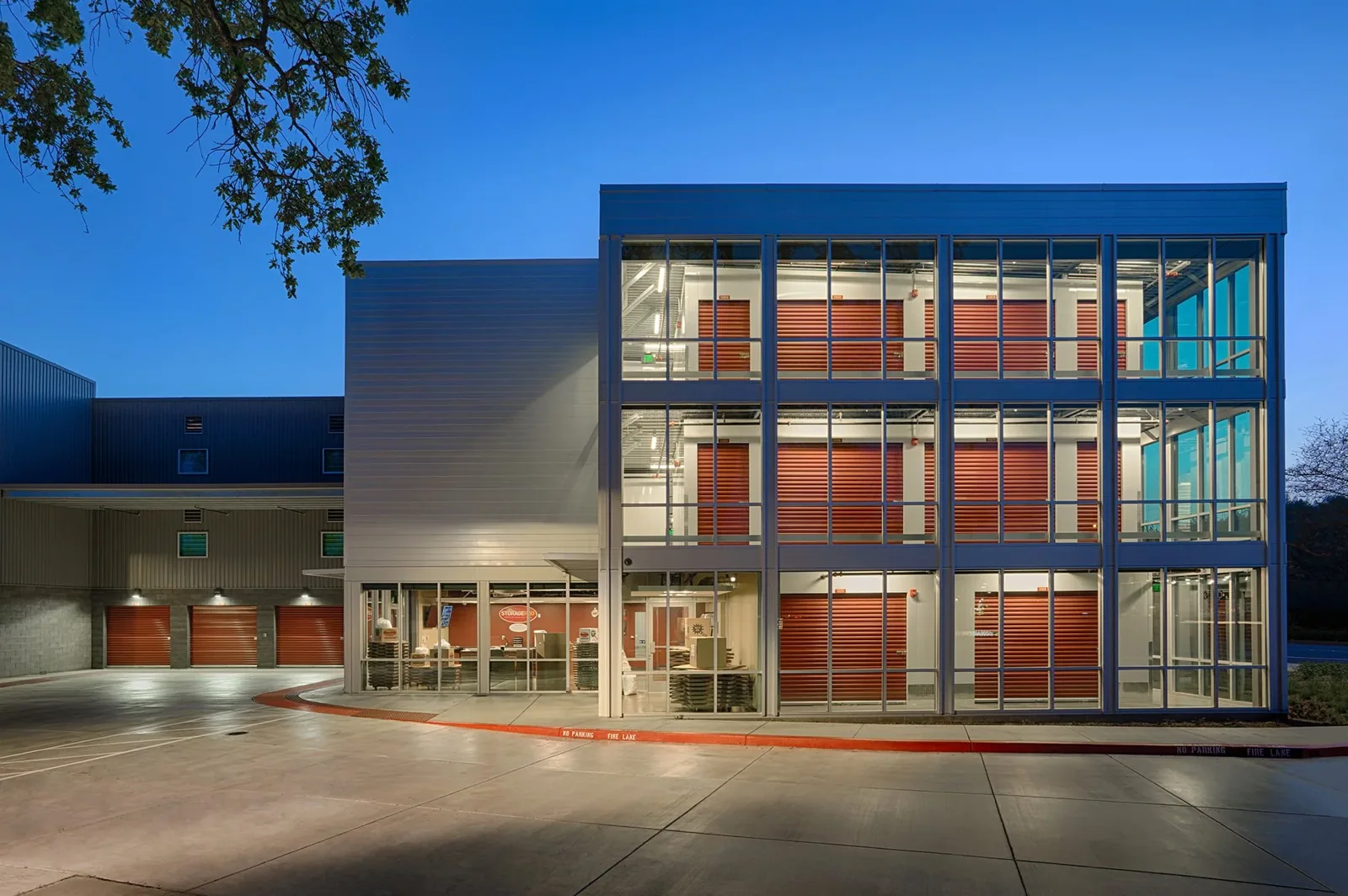
Match roof repairs to the school calendar
Share the campus plan, school schedule, leak reports, roof records, and access rules. We will map the affected roof zones and set a work sequence that protects rooms below.
Call 555-555-5555 or request a roof assessment.