Commercial Roofing in Pompano Beach, FL
Pompano Beach
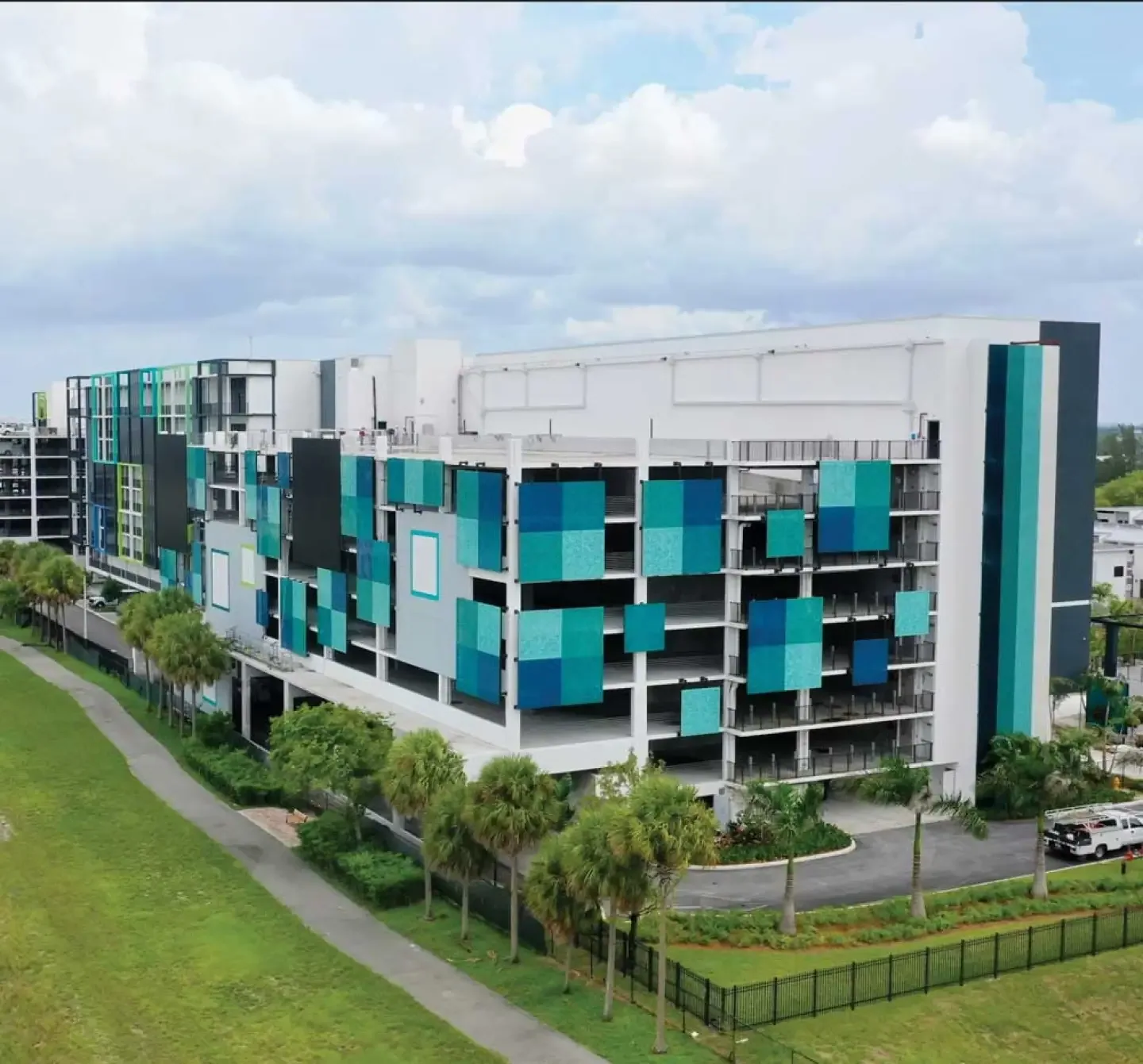
Pompano Beach has more than 28 million square feet of industrial space and is Broward’s largest industrial, warehouse, and distribution submarket. Manufacturing, marine activity, tourism, and entertainment add different operating constraints to the city’s commercial properties. We identify the installed membrane from records and field details before selecting repair materials. A first walk identifies the assembly, loading and access limits, drain layout, roof equipment, and the specific zone tied to a leak or capital question. A commercial roof inspection records the roof itself so a facilities manager can choose repair, testing, or replacement from evidence rather than land use.
Service Areas in Sunrise, FL
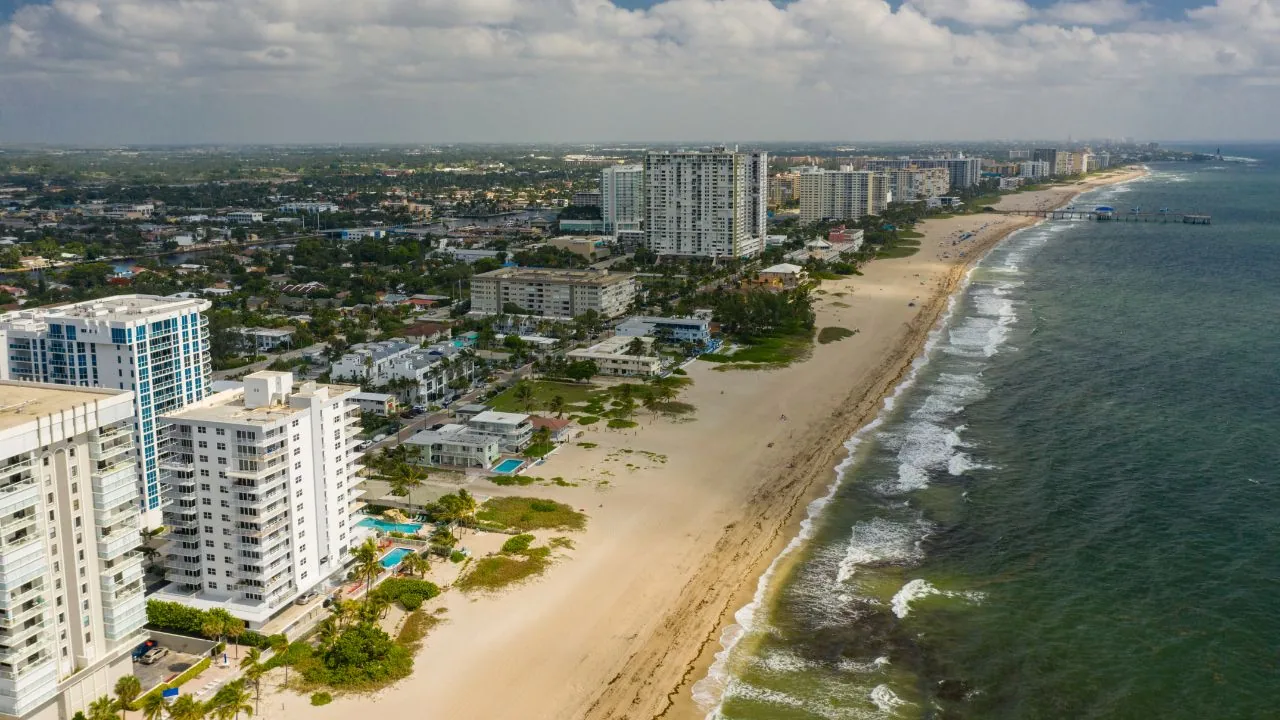
Commercial roof service in Pompano Beach, with inspection and repair for industrial, warehouse, distribution, manufacturing, and marine-related properties.
Loading and roof access: Set the material route
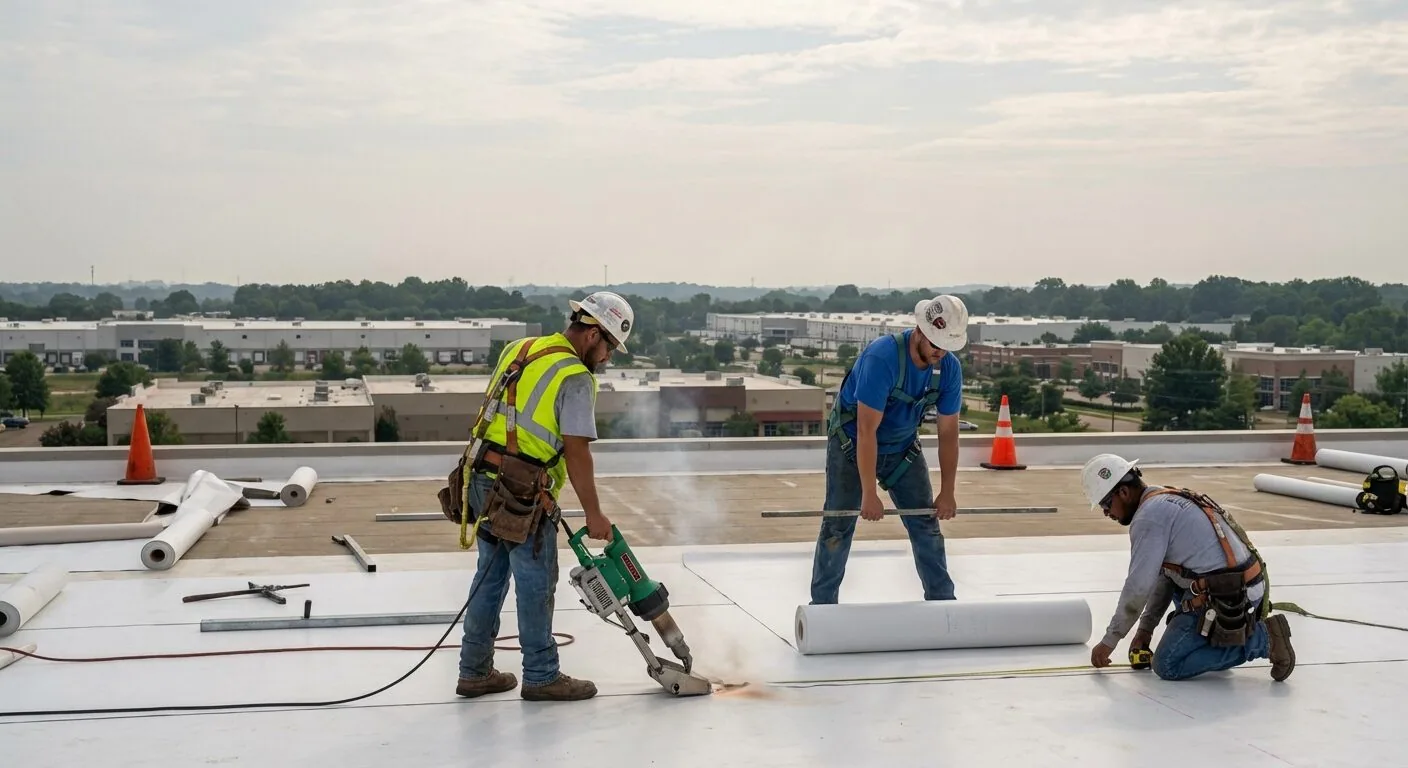
Warehouse and distribution work can involve large rolls, insulation bundles, cranes, and debris containers. Before a delivery is scheduled, we confirm the service lane, turning path, dock activity, overhead clearances, load limits, and safe access from staging point to roof. A marine or manufacturing operation may have separate restricted zones or equipment controls. Before mobilization, the site representative confirms escort, permit, shutdown, and staging requirements for the dock or yard. The daily plan names the material route and the roof section affected.
Pompano Beach reports more than 28 million square feet of industrial space. We measure each roof structure and record its assembly, dimensions, and work limits in a building-specific file. Nearby Margate connects to regional roads and supports a broad business market; its access notes do not transfer to Pompano. A phased reroof sequence can keep shipping lanes clear and isolate a roof section from active production. Where several structures share a property, each receives a zone map and an identified weather-tight closeout point.
Assembly and loads: Confirm support before adding layers
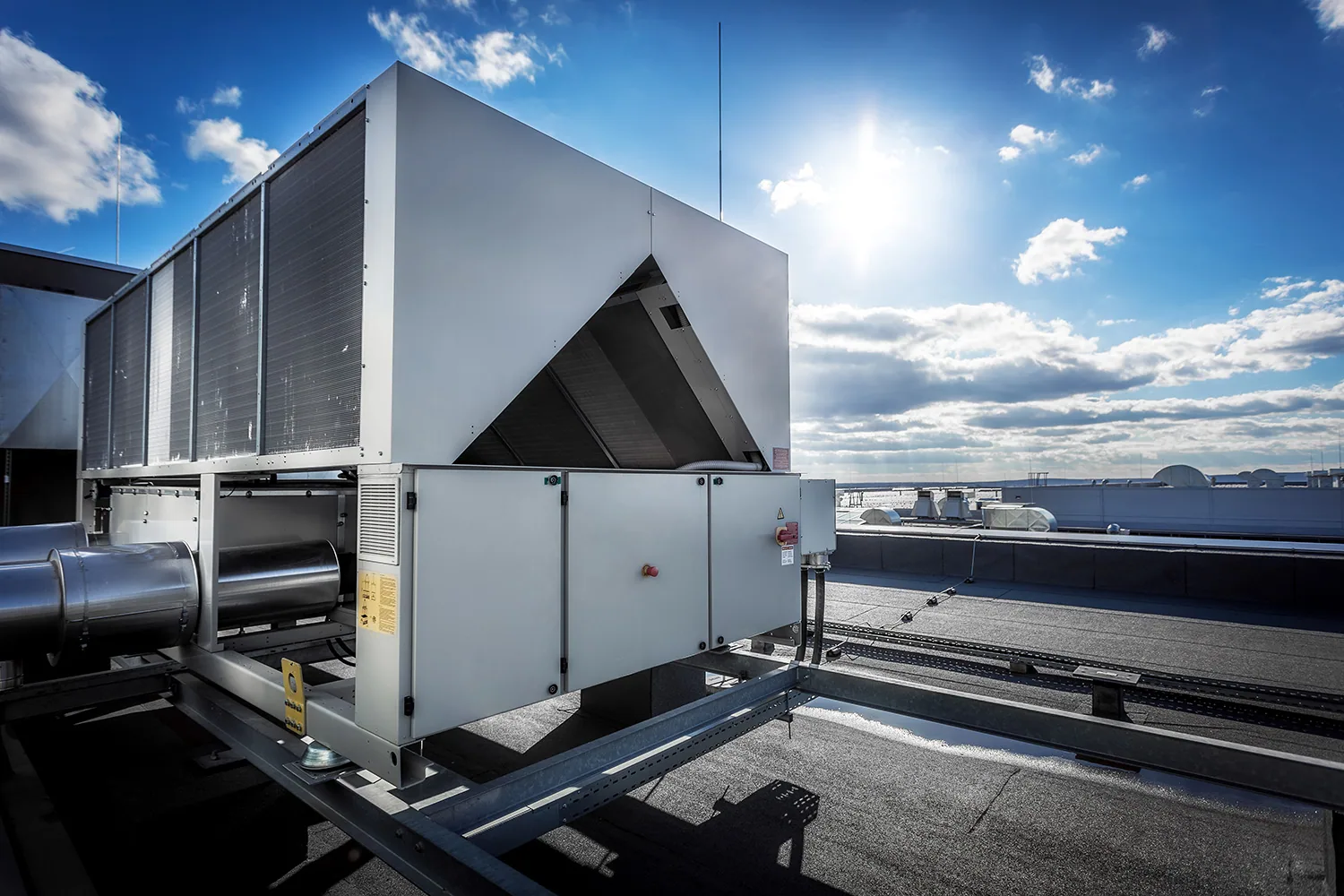
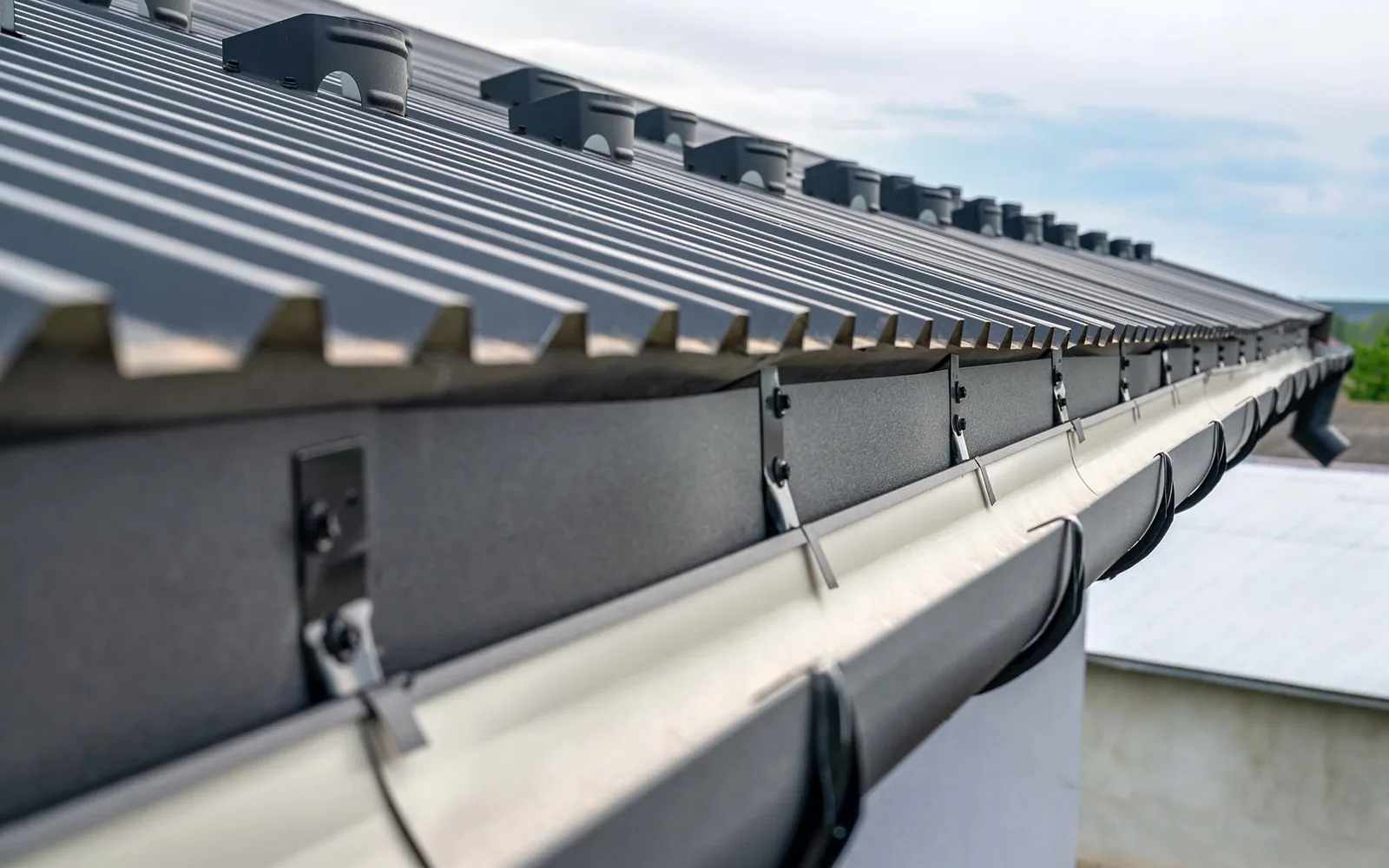
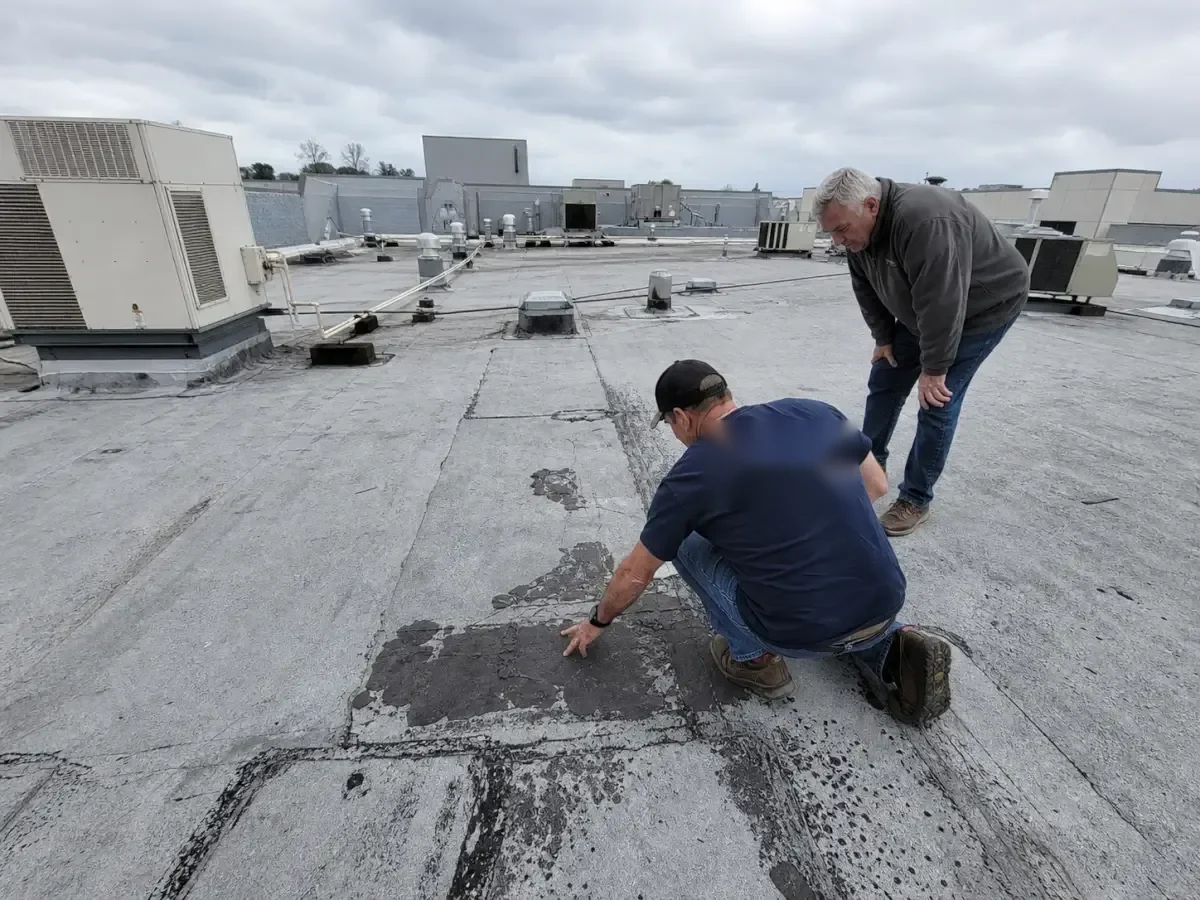
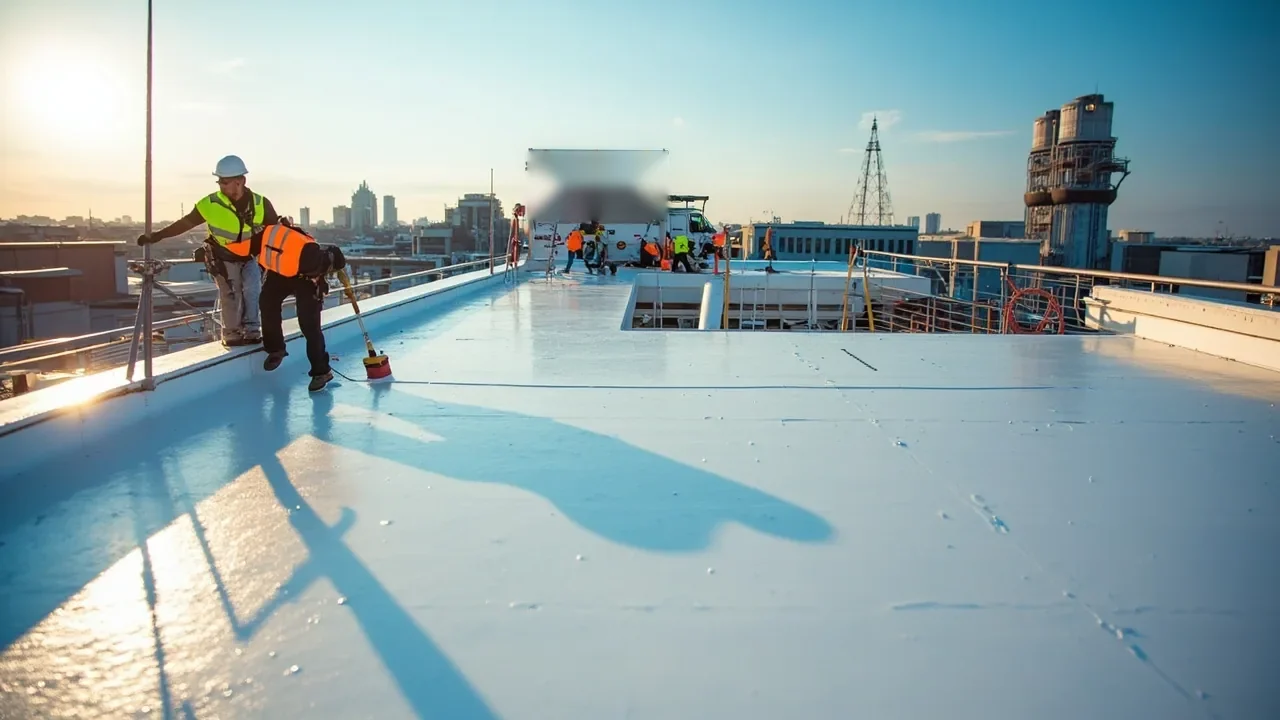
A low-slope roof can carry equipment, ducts, piping, supports, and repair layers added at different times. We inspect the membrane, seams, edge details, roof penetrations, and accessible fasteners, then review the drawings for deck type and support information. Before proposing a coating or recover, we test the existing layers and confirm capacity, drainage, and transition heights. If the roof deck is concealed, records or a test opening may be needed before specifying a heavier assembly.
Pompano Beach lists manufacturing, marine, tourism, and entertainment among its leading industries. We map roof equipment and reported interior conditions at the individual property. We document where supports bear, whether curbs are flashed, and how drainage moves around equipment. A curb and support inspection can coordinate the roofing detail with mechanical work. If the scope includes a new unit, the mechanical contractor and facility manager confirm loads, support locations, and timing before the membrane is opened. The report marks all unverified structural questions for the project engineer.
Water and storm: Inspect drainage after exposure
Warm, humid weather and seasonal storms can test seam adhesion, drain capacity, and perimeter details. We check for debris, standing water, open laps, ponding marks, loose edge metal, and water movement around curbs and rooftop equipment. We compare the leak report’s timing and location with seams, penetrations, drains, and transitions to identify the roof detail for testing. We trace the suspected path and record any area that requires thermal mapping or a test cut. If hail or wind is involved, we photograph impact separately from older repairs and normal material wear.
Pompano Beach’s industrial and distribution stock puts loading, equipment, and broad roof drainage in the same work plan. We check slope, outlets, and overflow paths at the property before defining drainage corrections. We inspect each Pompano Beach roof’s slope, outlets, and overflow route before setting drainage work. A drainage review can isolate blocked flow or an undersized overflow path. An active leak investigation can compare interior evidence with membrane, wall, and drain transitions. We leave temporary protection weather-tight at the end of each shift and list any opening that still needs permanent repair.
Repair or renewal: Price the demonstrated condition
A localized repair can make sense when a puncture, seam, curb, or flashing has failed in an otherwise stable field. We expose the defect to sound material, check adjacent laps and substrate, then restore the detail with a compatible assembly. If wet insulation or corrosion appears below, the owner sees the test opening and affected layer before the removal limit expands. The scope marks the exposed repair limit and lists concealed quantities as allowances until an opening confirms them.
Widespread moisture, loose attachment, repeated leaks, or deck deterioration can support comparison with a new roof. A repair scope can correct isolated defects; a replacement assessment can compare removal with a recover only if moisture, deck capacity, layer count, drainage, and edge height permit. Cost depends on the area opened, material quantity, crane access, disposal, equipment coordination, operations, and weather protection. A recover evaluation states the conditions that must be confirmed before retaining the existing assembly.
Industrial record: Keep roof findings traceable
For a facility team, the closeout should show the roof zone, confirmed membrane and support details, photographs, repairs completed, test points, and any area not safely accessible. If the property contains multiple buildings, the map and photo identifiers remain separate. A roof condition report can rank water risk and distinguish maintenance from capital work. For a separate nearby commercial hub, Downtown Pompano has a planned mixed-use context, with different access and tenant considerations.
Share available plans, system records, leak history, production hours, dock schedules, equipment projects, and roof access rules before the inspection. We will coordinate a site walk around the operation, identify where testing is needed, and return a scope tied to confirmed conditions. For ongoing care, scheduled maintenance can track drains, seams, curbs, and perimeter metal between major projects. A facility’s business category helps us prepare questions; only the roof field and building records establish what work is appropriate. For a distribution building, the record can note loading-side access and overhead equipment that constrains lift placement. For a manufacturing operation, it can flag a shutdown window or process area that must remain protected. The property manager can use those details to sequence roof work with production rather than discover a conflict after materials arrive. Any structural load question remains identified for the engineer rather than folded into a membrane repair. We list the approval contact by roof zone.
Frequently Asked Questions
Does the citywide industrial-space total determine a building’s roof size?
No. That citywide industrial inventory describes market scale, not the dimensions of a particular roof. We inspect and measure the specific structure, then map roof zones, equipment, drains, and repair areas for that property.
Can a distribution facility stay active during roof replacement?
Often, if access, loading lanes, protection below, and work phases are agreed in advance. We plan deliveries and debris removal with the site contact and identify the roof section that can be isolated while other operations continue.
How do you check rooftop equipment supports?
We inspect curbs, support legs, flashing, membrane edges, and signs of movement, then compare them with equipment plans where available. Structural capacity or a proposed load change may require design review before roofing work proceeds.
What evidence is needed before choosing a recover?
The existing layers must be suitable. We check moisture, deck capacity, attachment, drainage, edge and curb heights, and layer count. A test cut can verify a concealed assembly where records and visible edges are not enough.
How is storm damage separated from older wear?
We photograph the affected area, record displaced or punctured material, and compare the finding with earlier repairs and adjacent surfaces. The report distinguishes observed impact from conditions that appear aged or pre-existing.
Inspect the Pompano Beach roof assembly
Provide roof plans, equipment schedules, dock hours, leak reports, system records, and access restrictions. We will map the building’s roof zones and return findings tied to the actual assembly.
Call 555-555-5555 or request a roof assessment.