Multi-Site Commercial Roof Programs in Sunrise, FL
Multi-Site Commercial Roof Programs
A multi-site roof program needs consistent records without flattening the condition of each building into one portfolio average. We map each asset, identify its system where confirmed, and record inspection, maintenance, repair, and open decisions by roof section. Sunrise's business parks include corporate offices, distribution, manufacturing, healthcare, and research uses, while the western commercial district adds retail and mixed-use properties. A shared owner may face different access and operating requirements across that portfolio. A roof asset file gives each building a place in the program while keeping its roof history distinct.
Roofing Capabilities in Sunrise, FL
Coordinate commercial roof inspections and repairs across Sunrise properties with building-specific maps, work records, maintenance, and priorities.
Portfolio map: Group buildings while preserving their differences
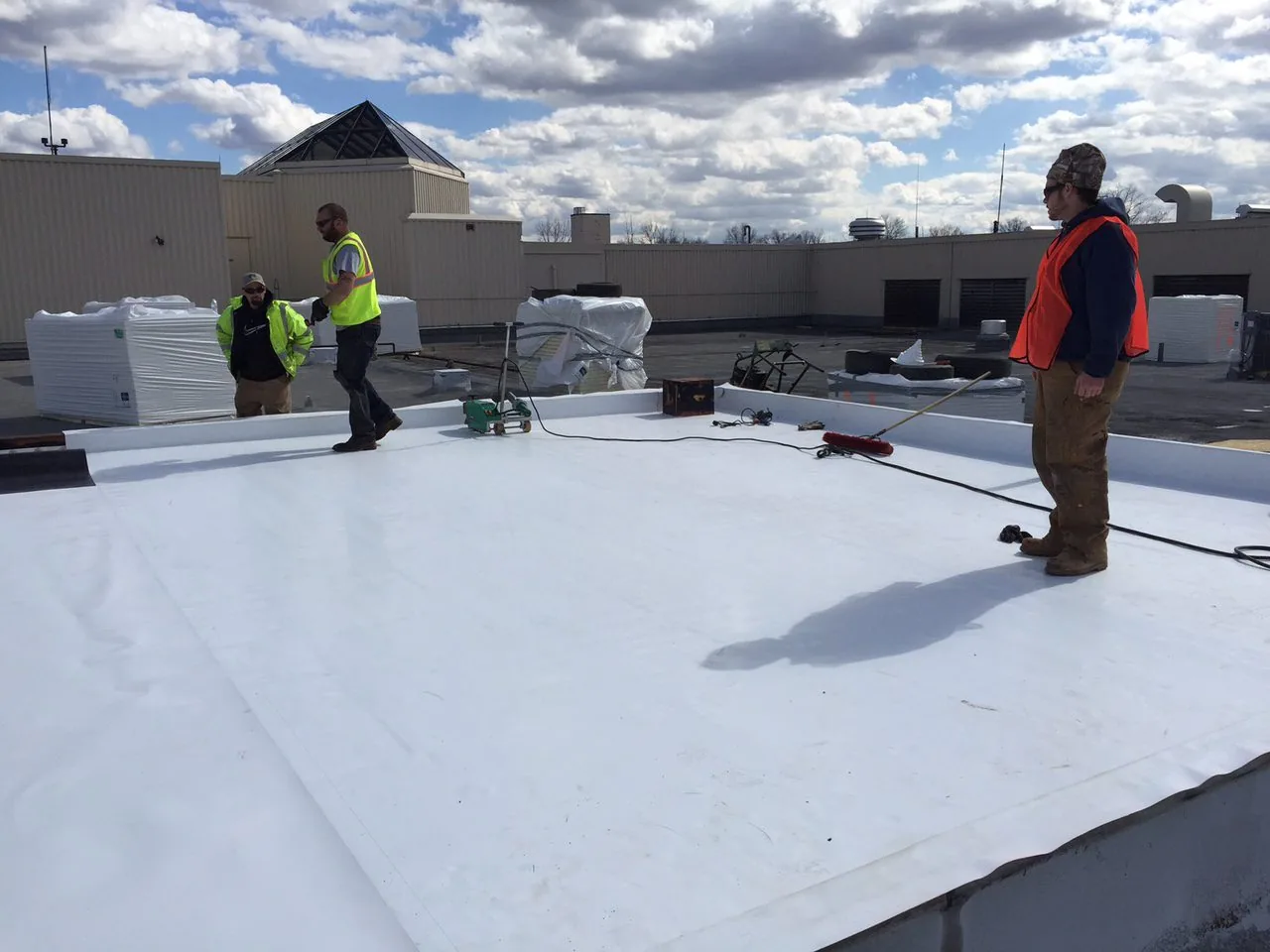
We begin with the owner's building list, roof plans, contacts, and available system records. Each location receives a consistent identifier, but roof zones follow that building's own drawing and layout. We note known membrane, drains, equipment, penetrations, and access restrictions only where documents or field review support them. An unknown assembly remains open for verification rather than being copied from another building with a similar use.
Sunrise Commerce Park includes distribution, manufacturing, office, and multi-tenant business activity. Sawgrass International Corporate Park includes financial, healthcare, and research services alongside office operations. Broward Lakes Business Park and Sawgrass Technology Park add other settings to the city portfolio. The portfolio map can show these assets in a common index, but each keeps its own repair history and route. A condition report uses the building's zone labels; Sunrise service coordination accounts for the access contact and operating schedule at each site.
The index should also track data ownership: which plan is current, who supplied the system record, and when the last field check occurred. When a property is sold or a manager changes, the new contact can identify current files and gaps without treating the oldest drawing as authoritative. We preserve versions and note what changed instead of silently replacing the prior roof map.
Inspection cycle: Apply a shared process to each roof
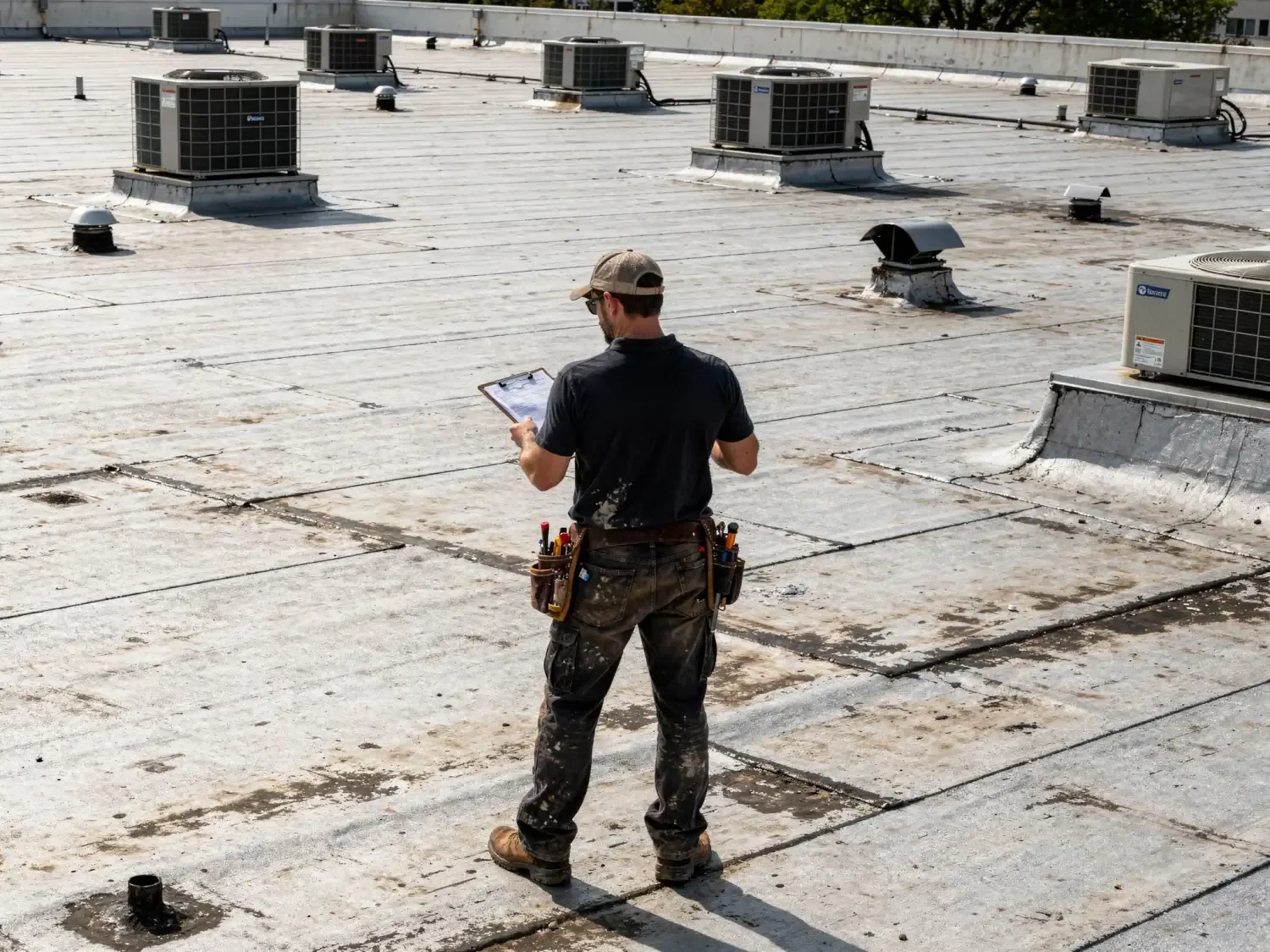
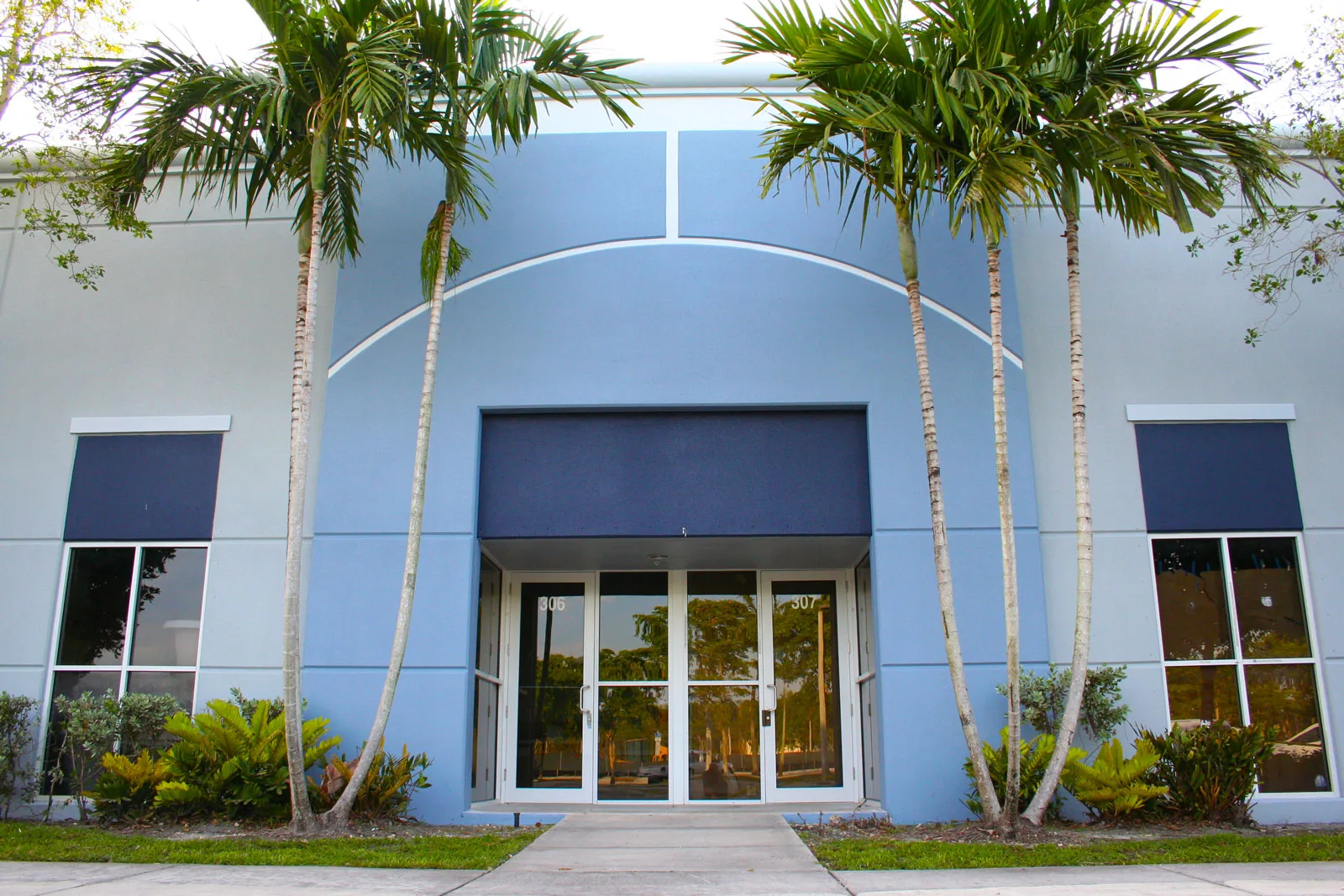
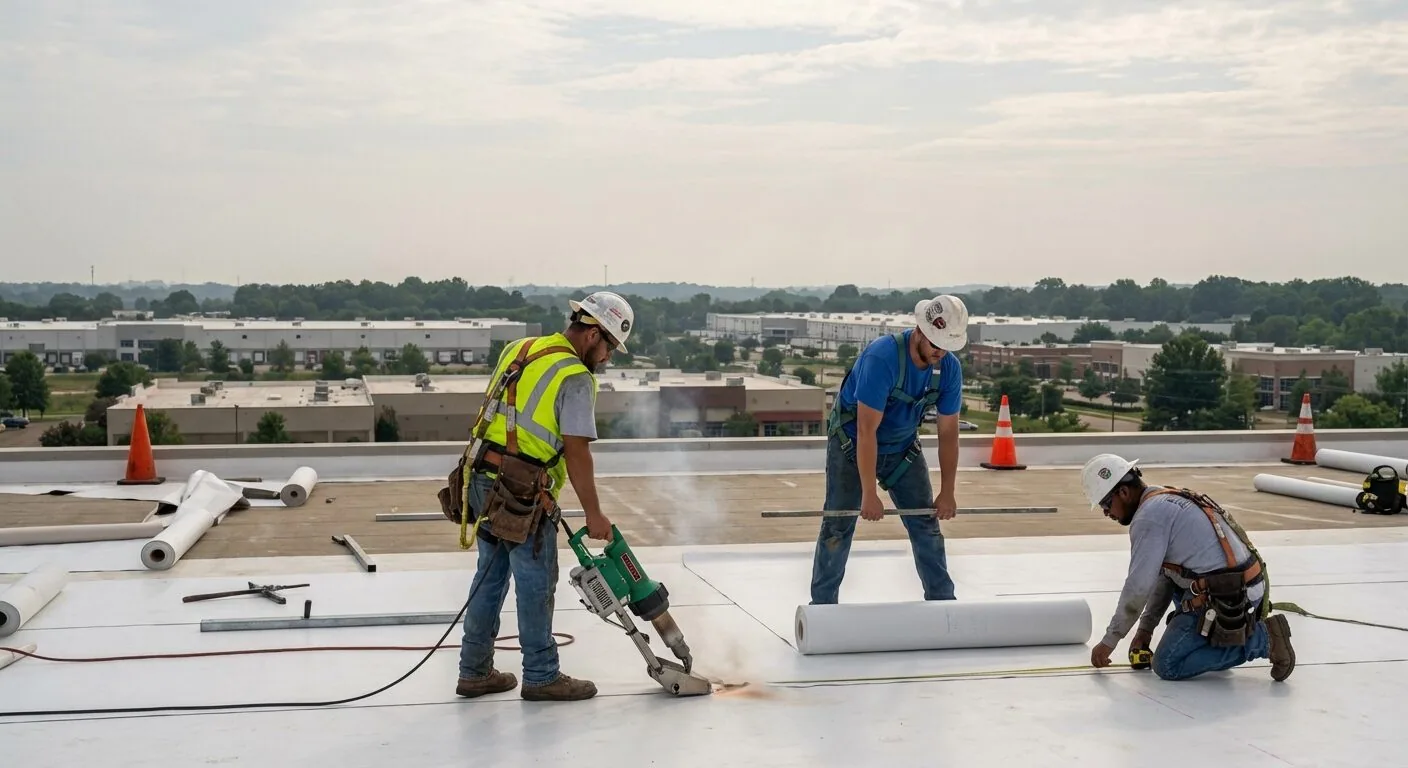
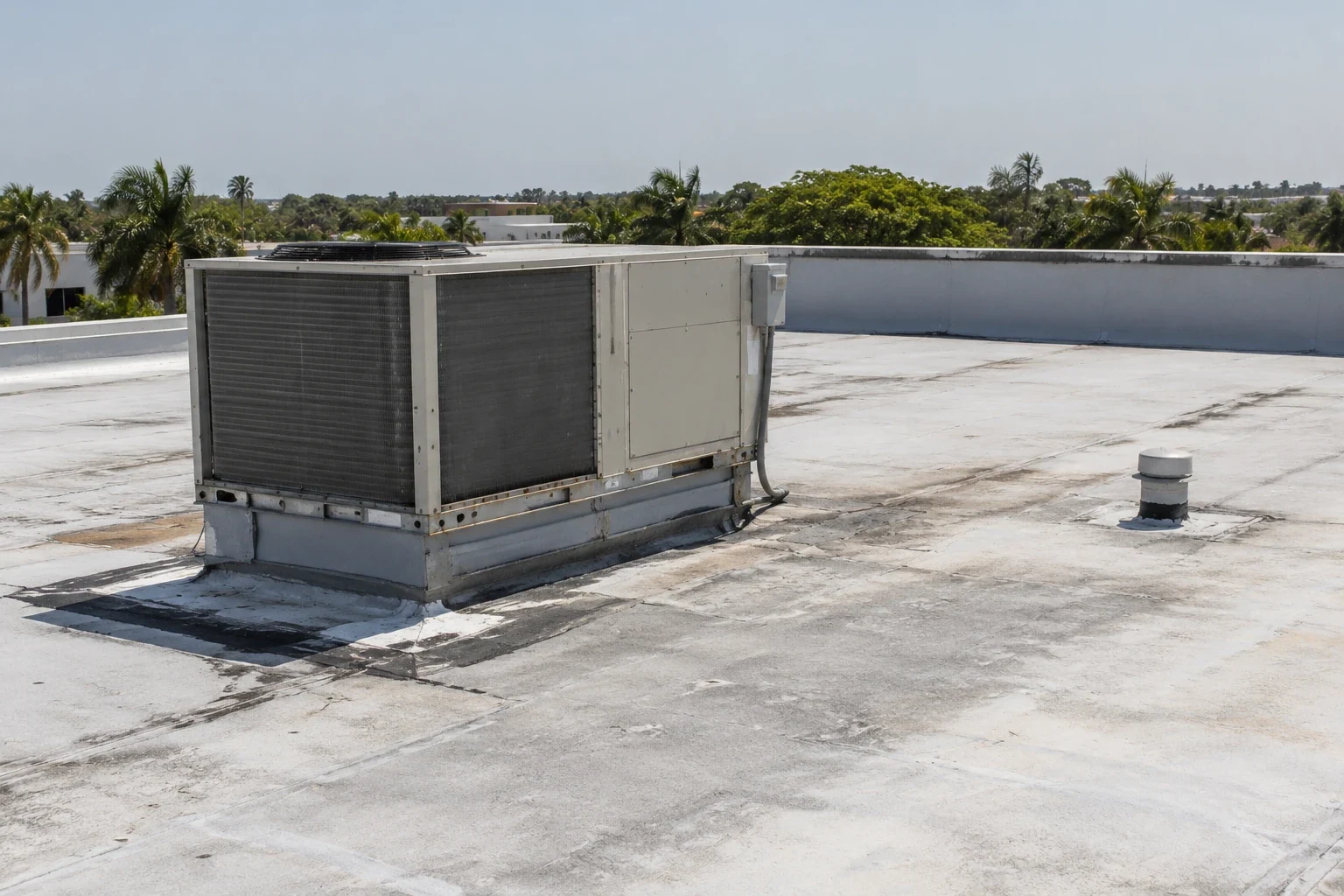
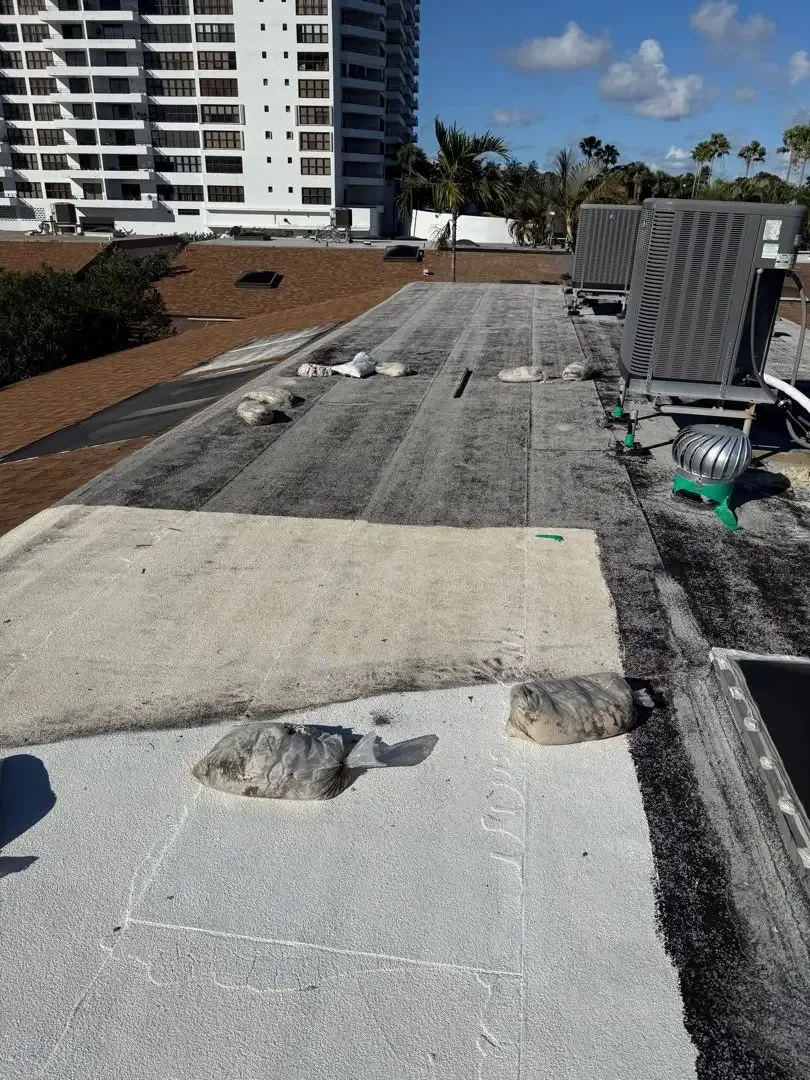
A repeatable inspection method can make records easier to compare: verify the roof map, check edges and penetrations, review drains, photograph visible conditions, and identify where testing is needed. The route still changes with roof geometry, membrane, equipment, safety controls, and occupancy. We document which areas were reached, which were not, and what evidence supports each recommendation. That prevents a checklist from standing in for an actual inspection.
South Florida's wet season puts recurring demand on outlets and overflow paths, while heat and tropical weather can stress exposed details. We schedule visits around access and seasonal readiness without assuming that every roof has the same defect. A scheduled roof inspection can update the record, and maintenance service can complete identified tasks at individual properties. When a condition is urgent, the building's contact can authorize work without waiting for every location in the portfolio to be reviewed.
Inspection frequency follows documented roof condition, maintenance needs, access, and operating impact. We can keep a shared calendar for planned visits while recording missed access or weather delays at the affected building. If a crew finds a new opening, the program routes it to that site's contact rather than holding it for the next portfolio meeting. The facilities team can then make an immediate decision with a record that still fits the broader reporting format.
Triage: Rank work by evidence and operating impact
The program distinguishes active leaks, safety concerns, drainage restrictions, aging details, and future investigation. We note the affected roof zone and the building consequence, such as equipment exposure, occupied space, or a shipping route below. Priority is based on observed condition and operational impact, not on a generic score applied identically to each site. If testing is needed, that action is listed before any broad repair quantity is assumed.
A rapid response can protect an active opening, while a wind inspection can assess attachment after damaging weather. Work orders identify which property is involved, who can authorize access, and whether the finding recurred after a prior repair. A shared owner can review a dashboard or summary, but the underlying roof record remains specific to the inspected building and date.
Procurement: Compare scopes using common records
Consistent location identifiers, quantities, photographs, and work descriptions help facilities review proposals across several buildings. We state whether each scope is a measured repair, an allowance pending testing, or a capital option for future planning. Access, lift needs, removal depth, equipment shutdown, interior protection, and weather windows remain property-specific cost and schedule factors. A portfolio comparison should not assume that a repeated roof type means repeated quantities or identical prices.
Where repair work is grouped, we sequence mobilization around site schedules and material delivery while preserving daily dry-in limits. The owner can compare the scope at Sunrise Commerce Park with an office roof in Sawgrass International Corporate Park, but the map and findings for each remain separate. A capital plan can combine measured work for review; a repair scope ties quantities to the individual roof zone. Change conditions are documented at the affected property before the group schedule is revised.
For comparable procurement, each scope can use common labels for inspection, testing, temporary protection, permanent work, and closeout. The quantities and assembly details remain specific to the building. We identify assumptions in the same place in every estimate, such as whether a deck repair depends on removal findings or whether equipment isolation is by another trade. This makes review easier without making unlike roofs appear identical.
Program review: Keep the records current
After inspections and work orders close, we update each asset's condition, repairs, test results, photographs, and outstanding items. A new tenant, equipment replacement, reroof, or leak can change the access plan or roof map. We keep the prior record and add the new observation by date so the owner can see what changed. Warranty and closeout documents are filed against the roof sections they describe.
For Sunrise portfolio work, share the property list, site contacts, plans, prior inspection reports, maintenance history, and work-order format. We will identify the records that can be carried forward and the locations that need field verification. If the owner adds a building later, its assembly and access details enter the same program without assuming that the existing portfolio template already describes it. The result is a common review process with individual roof evidence.
At a portfolio review, we report both the combined count of completed actions and the property-level detail behind it. If one location had no access or a test was postponed, the status remains visible rather than being counted as inspected. The owner can see where the schedule is complete, where a decision is due, and which building still needs a site-specific visit.
Frequently Asked Questions
Can one inspection standard cover a portfolio?
A common checklist can guide the work, but each roof still needs its own route, assembly, access notes, findings, and zone map. Shared forms should not replace property-specific photographs.
How do you compare conditions across buildings?
We use shared record fields for inspection dates, components, photos, and priorities while preserving quantities and findings by property.
Can one urgent leak be repaired before other sites are inspected?
Yes. The affected building can receive authorized response while the broader review continues, and its work remains in a separate asset record.
What should a portfolio manager provide first?
Send the building list, roof plans, site contacts, service history, access instructions, and any work-order or reporting requirements.
How are unconfirmed roof types handled?
We mark the system as unverified and identify the field check or document needed. A similar building's roof type is not copied into the record.
Coordinate roof care with building-specific records
Share the property list, roof plans, access contacts, inspection history, and service requirements. We will establish individual maps and a consistent program for review and follow-up.
Call 555-555-5555 or request a roof assessment.