Commercial Fire Damage Roof Repair in Sunrise, FL
Commercial Fire Damage Roof Repair
After a fire, roof repair begins with the boundary between heat-damaged material, water from suppression, and roof components that remain serviceable. Smoke staining alone does not show whether the membrane, insulation, deck, or attachment has lost function. We inspect from a safe access point, document the affected zones, and coordinate around fire investigation and building access controls. Sunrise Commerce Park includes manufacturing and distribution uses; Sawgrass Mills and the arena stand within the city's western commercial district, where offices and mixed-use projects also operate. Each site can have different equipment and interior exposures. A roof inspection records conditions without moving or covering material that investigators still need to assess.
Roof Damage Repair in Sunrise, FL
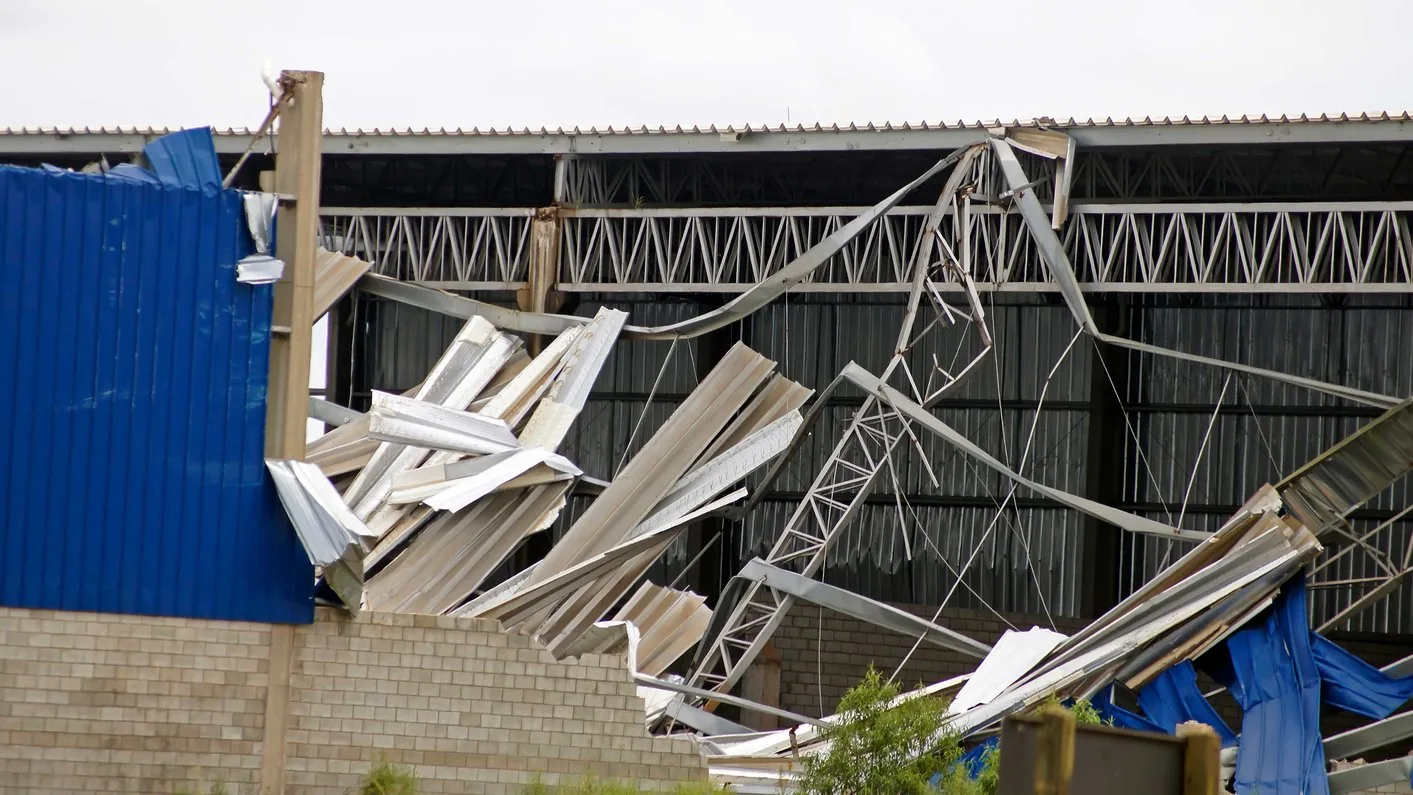
Commercial fire roof inspection and repair in Sunrise, FL. We document heat impact, suppression water, damaged membrane, and safe repair boundaries.
Scene safety: Coordinate access before roof work
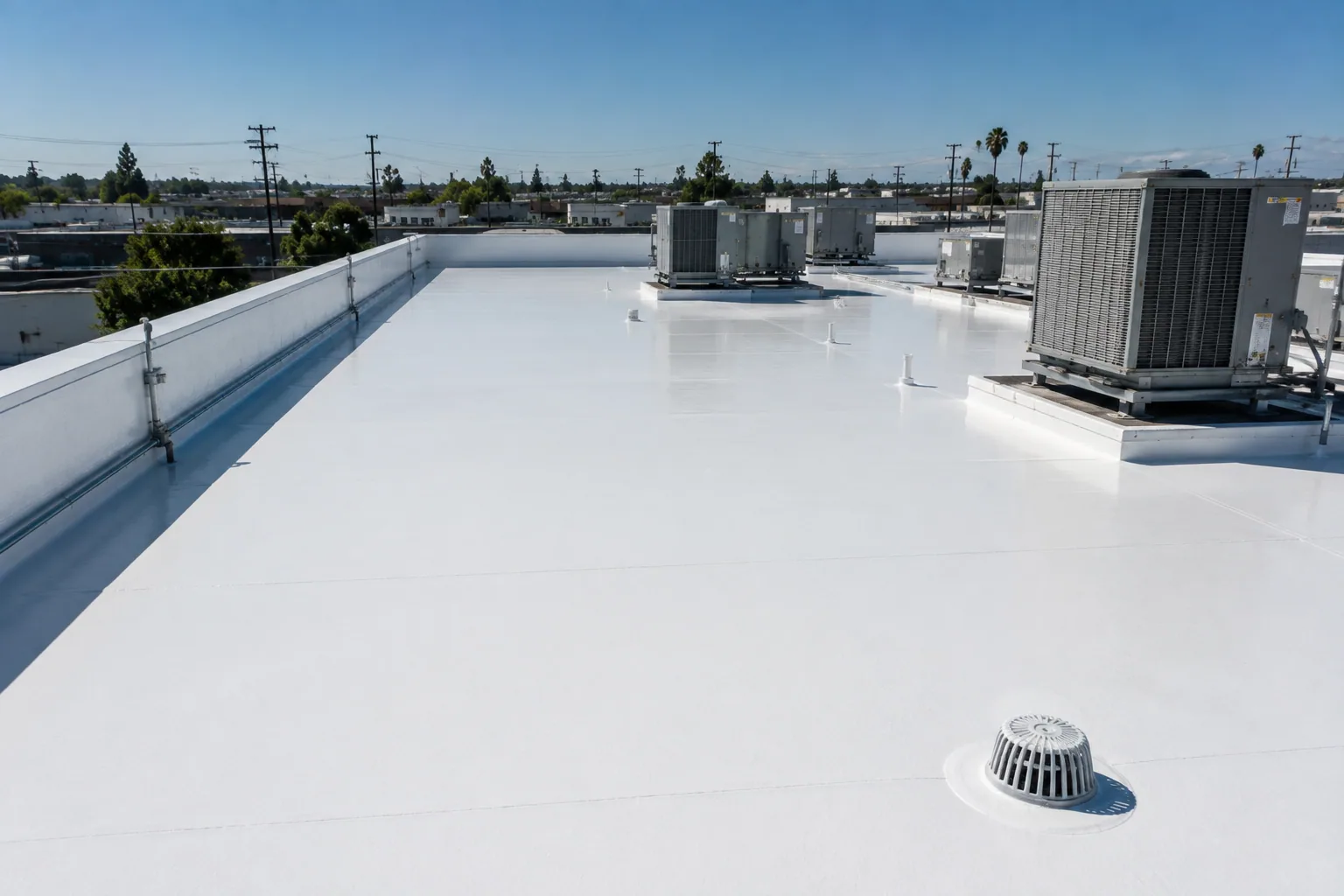
Fire response can leave unstable decking, standing water, damaged electrical equipment, or debris at roof access points. We wait for the property team and fire officials to clear the area before inspection. The route, roof sections, and interior rooms available for entry are confirmed before anyone opens or moves material. If an investigation is active, photographs and observations are coordinated so roofing work does not disturb evidence or interfere with required access.
Once safe access is approved, we map visible burn patterns, openings, heat exposure, displaced metal, and any temporary cover. A emergency roof response can limit weather exposure when the area is released for stabilization. We identify what is protected and what remains open, then set a return inspection for areas that cannot be reached. Temporary dry-in stays separate from the repair scope so the owner can see which work secured the building and which work restores the assembly.
We also confirm that the access ladder, hatch, guardrail, and staging area remain usable after the incident. Damaged access hardware can prevent follow-up inspection even when the roof surface itself is ready for work. Any restriction is recorded for the site manager before material delivery is scheduled.
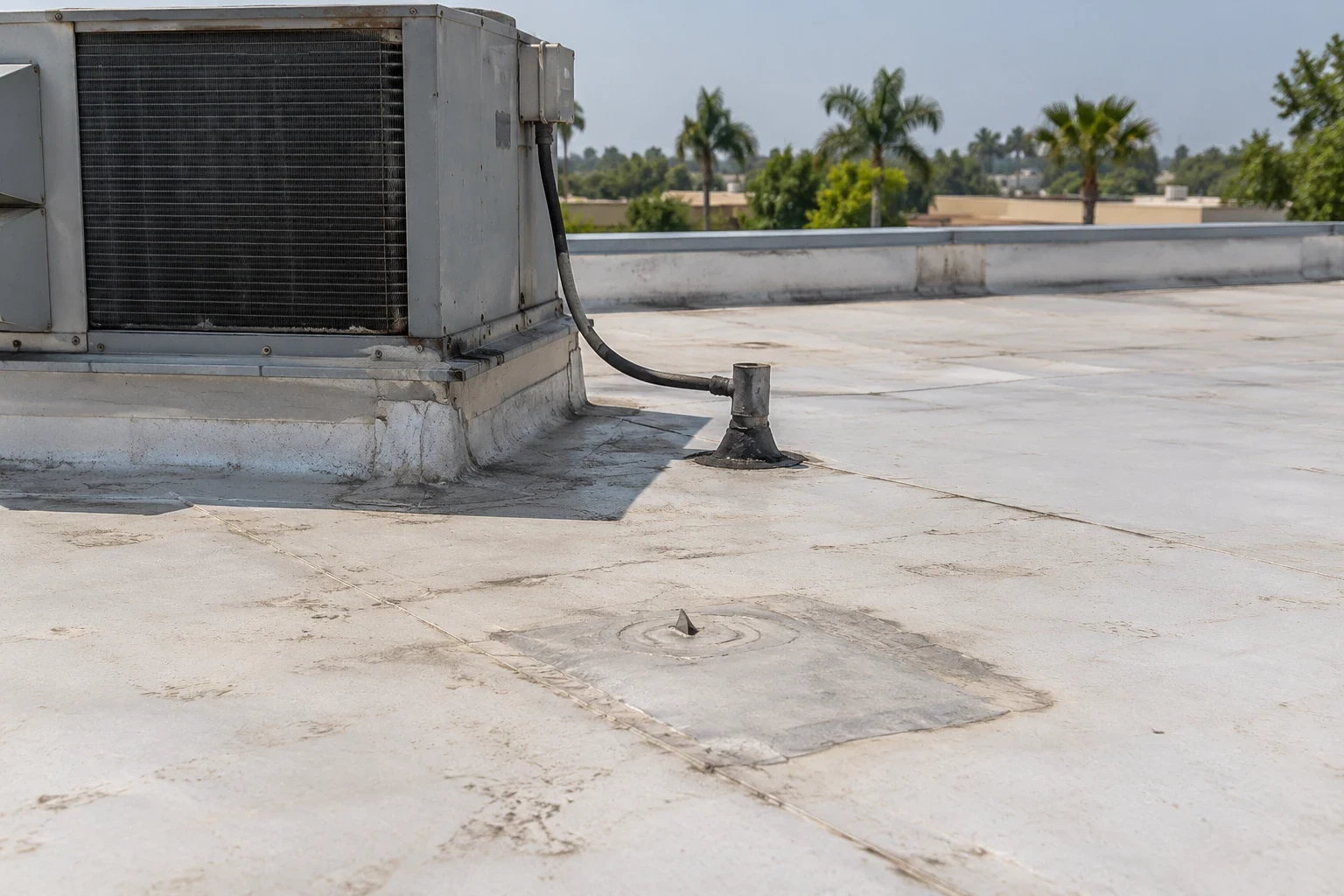
Heat damage: Inspect the roof layers, not only the surface
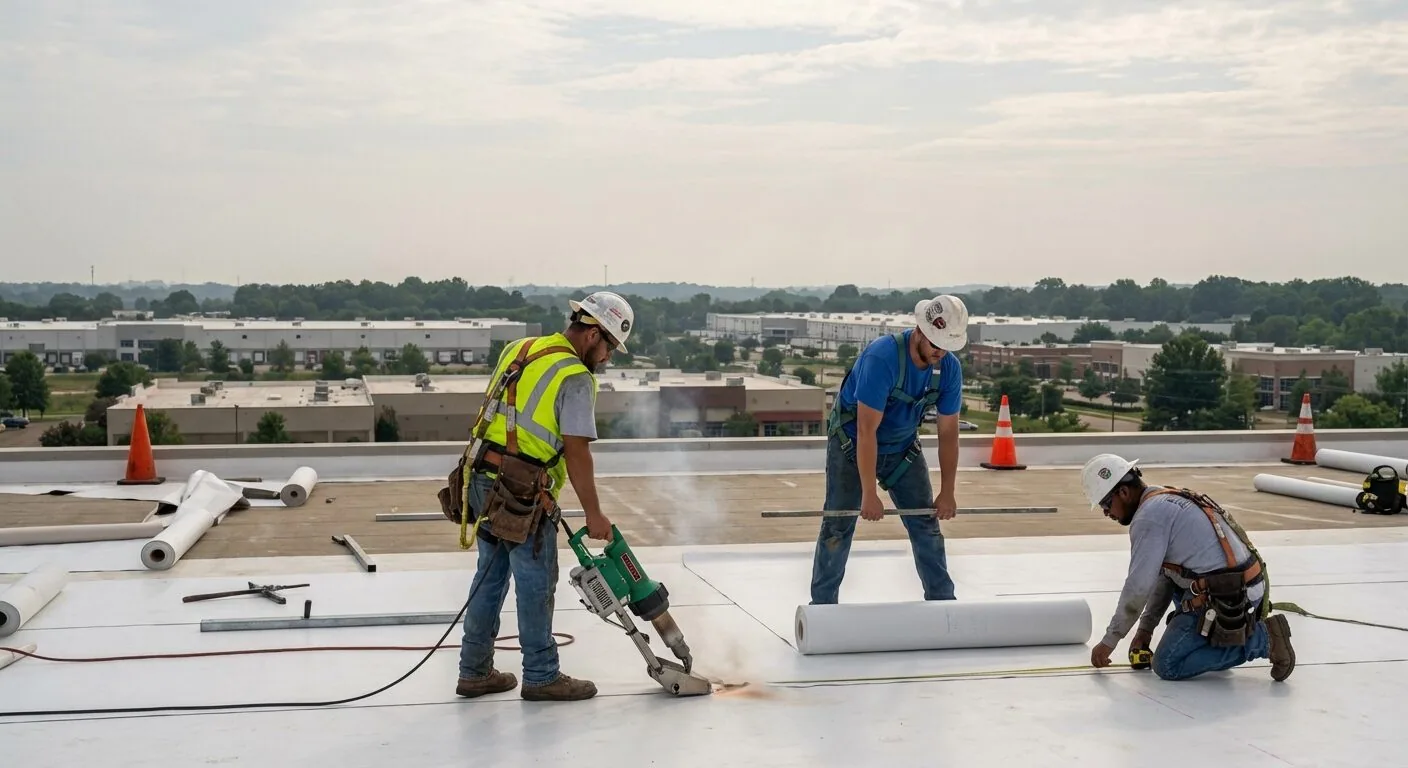
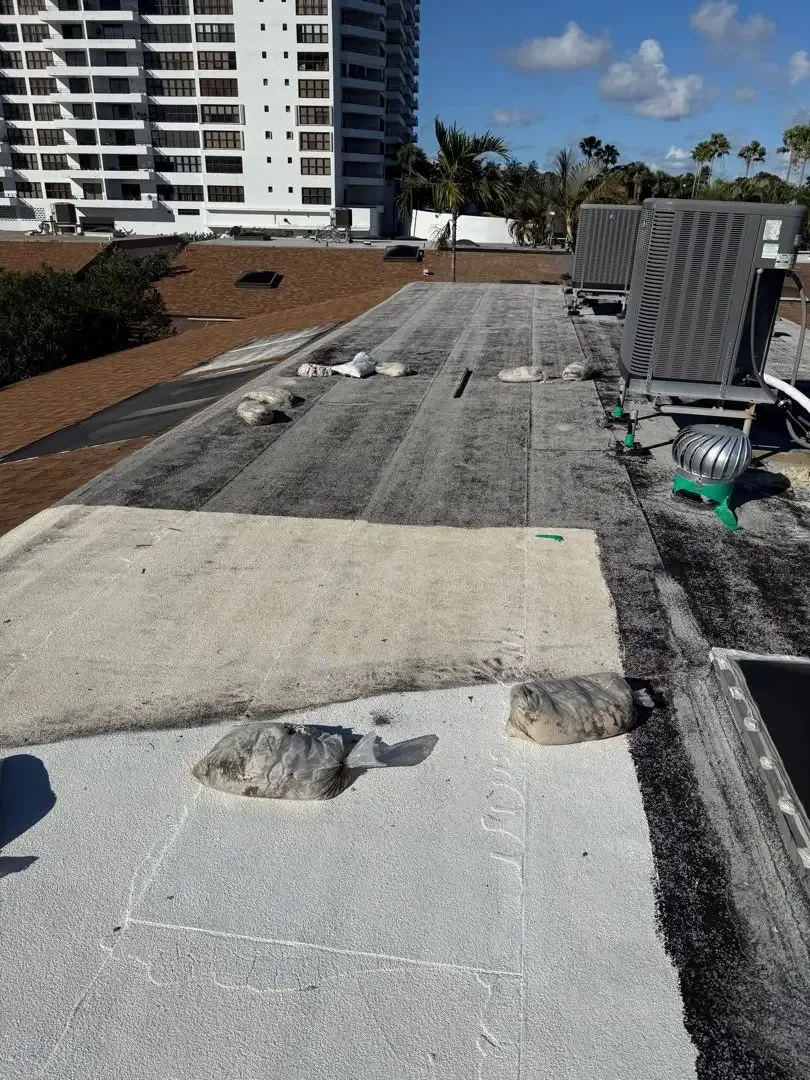
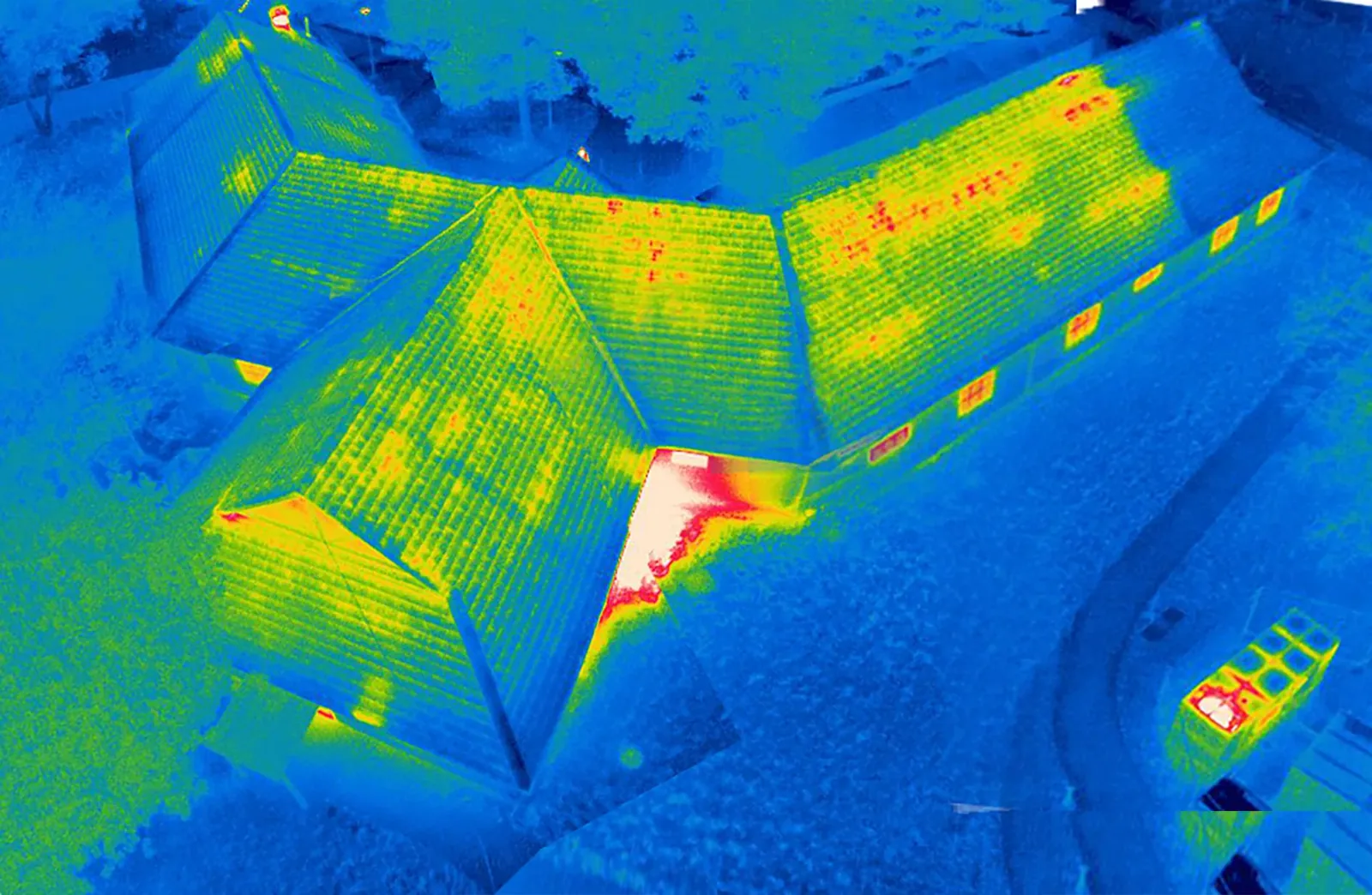
Heat can soften or distort a membrane, damage insulation, affect adhesives, and change the condition of the deck or support below. The visible surface may look intact while concealed layers have lost bond or strength. We check for blistering, shrinkage, seams that have pulled, melted accessories, damaged penetrations, and deformation near the fire area. Where the assembly needs testing, we select locations that establish the extent without creating unnecessary openings.
Sunrise's business parks include healthcare, corporate offices, manufacturing, and distribution operations. The facility's roof records and field conditions identify the assembly. We confirm the system and document each affected zone, noting distance from the fire area when it helps describe observed conditions. A photo-based condition record can separate burn impact from existing wear and show which sections remain untested. If the roof deck is exposed or weakened, the scope includes its support and replacement requirements rather than specifying a membrane patch alone.
Localized heat can also affect accessories outside the most visible burn mark. We check pitch pockets, plastic pipe boots, sealant beads, conduit supports, and insulation edges for distortion or loss of bond. Where the roof surface changes color, we compare the material texture and flexibility with an unaffected area before deciding whether removal is needed. The inspection notes the limit of any heat-related change that can be established by observation or testing. We include the roof zone and image direction so a later review can compare the same boundary.
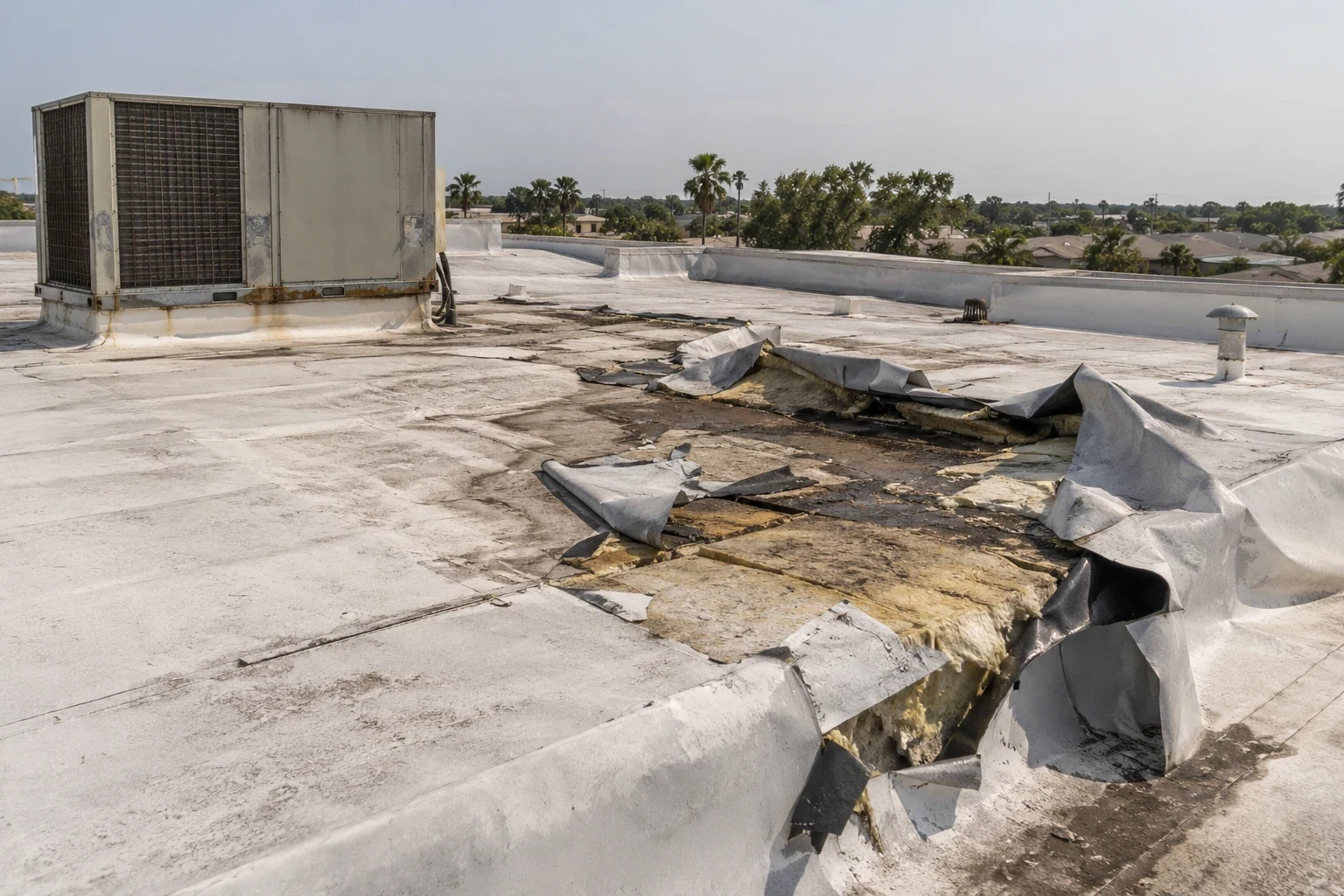
Suppression water: Trace moisture and drainage separately
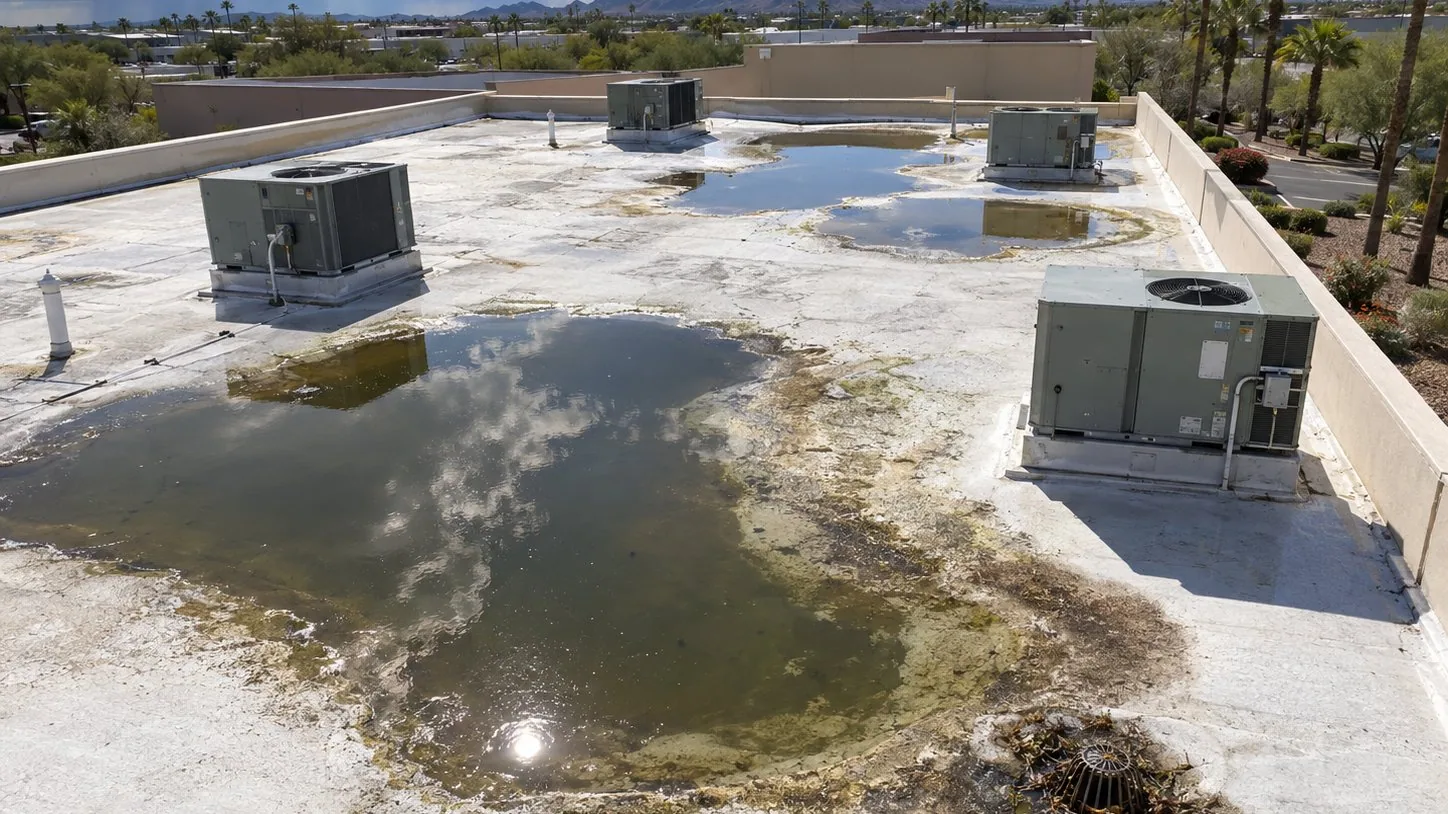
Water used to control a fire may enter through an opening, flow across the roof, or reach interior spaces from above. We compare the roof drain paths, open edges, and affected ceiling areas with the incident timeline. The assessment records water entry and retained moisture as separate conditions from heat damage. This distinction matters when wet insulation or a loaded basin extends beyond the visible burn area.
We inspect drain bowls, scuppers, overflow routes, and low areas for debris or material displaced during response. A drain inspection identifies outlets checked and any line requiring separate access. If water has reached the roof assembly, a moisture survey can help identify candidate test locations; test cuts establish material condition at the opening. The report marks the test boundary and avoids treating an untested section as either dry or damaged.
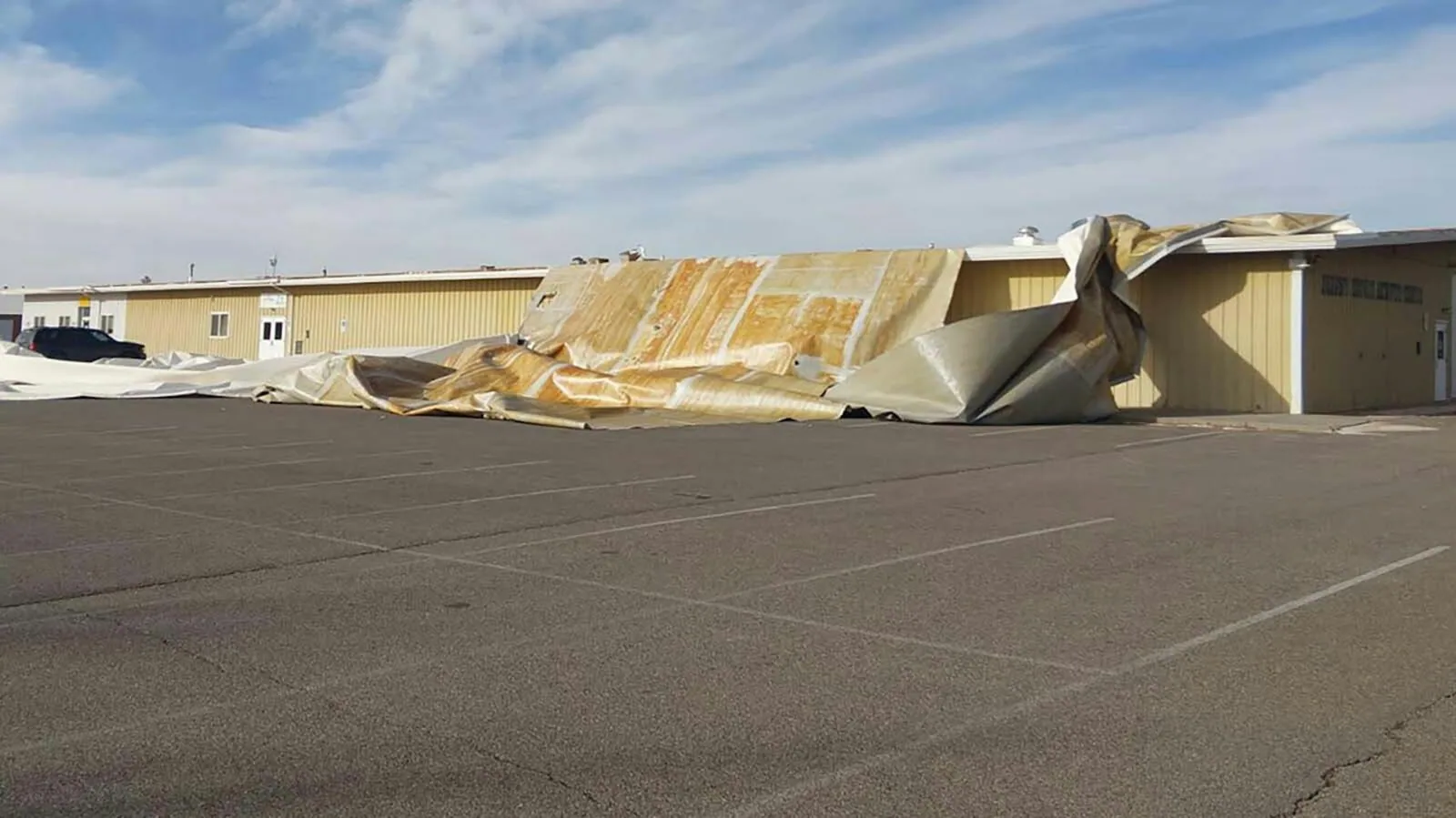
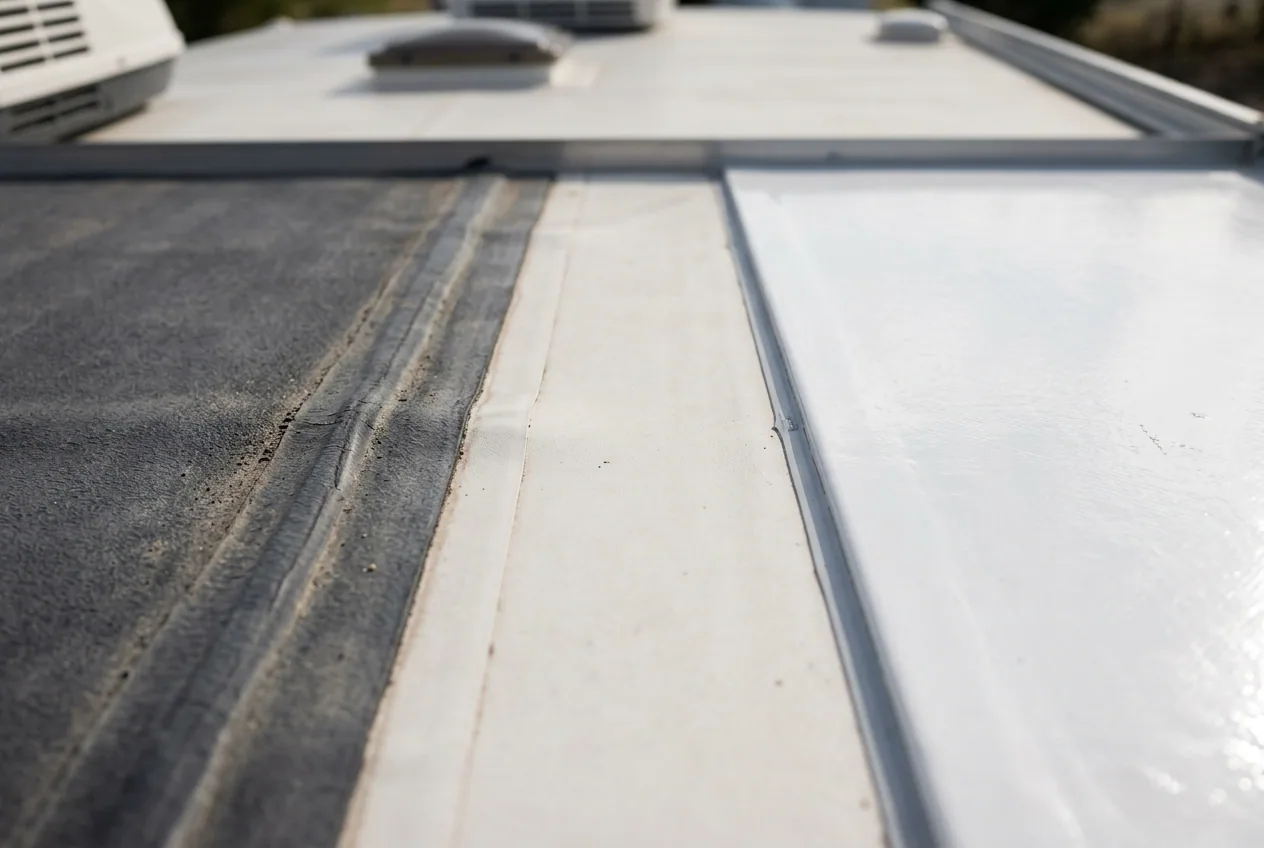
Repair options: Rebuild to a sound and compatible boundary
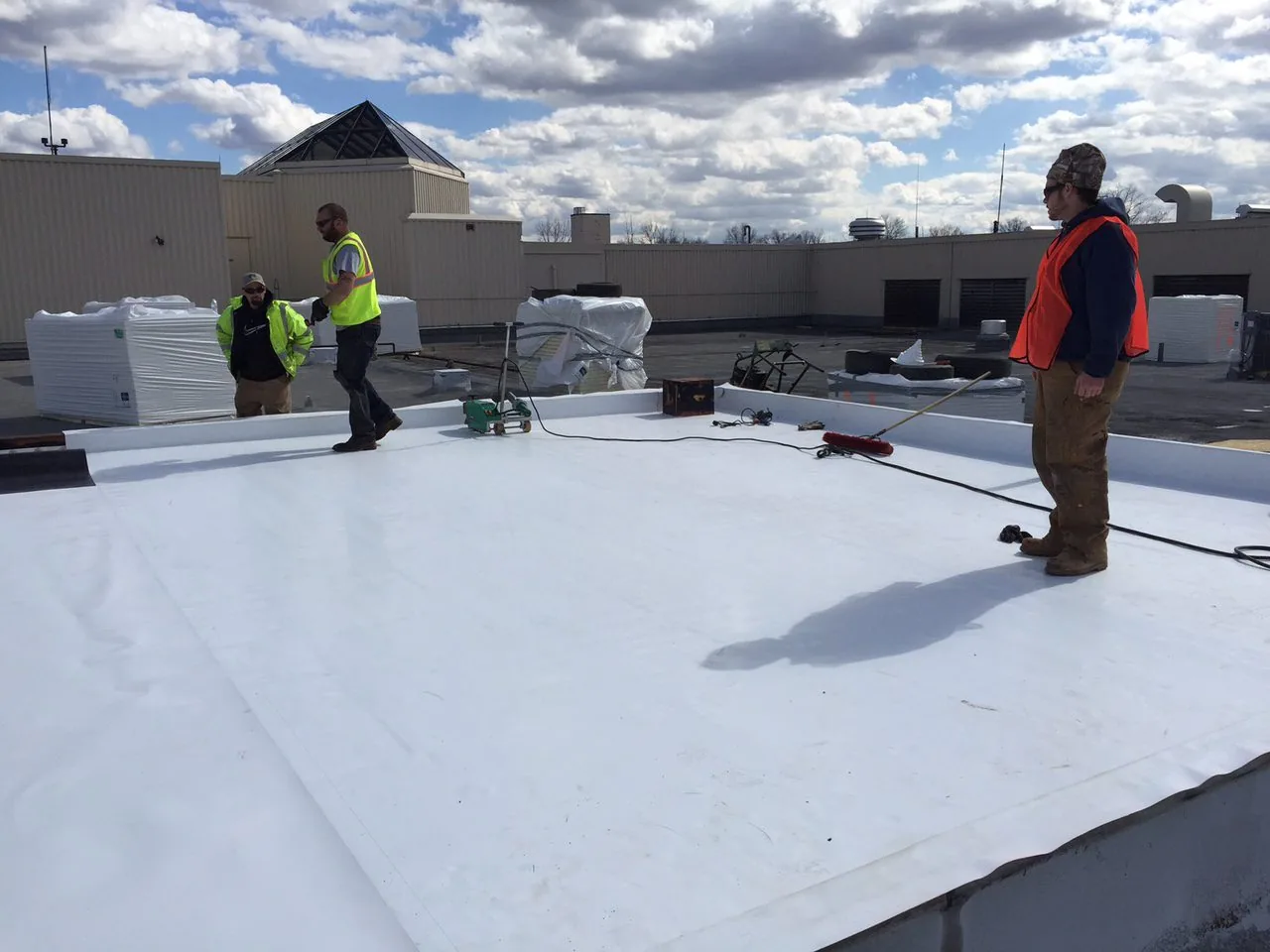
A small isolated area may be repairable if the membrane, insulation, and deck beyond the heat zone remain sound. Wider damage can require removal, replacement, and tie-in to unaffected sections. We identify the membrane, cover board, insulation, deck, and attachment through inspection and testing, then state removal depth and interface details. If equipment supports or conduit were affected, the scope also identifies which items need coordination before the roof is closed.
A membrane repair may address a discrete opening unrelated to the heat boundary, while a seam evaluation checks for lap separation near the affected zone. We keep those conditions distinct in the estimate. Cost and schedule depend on safe access, investigation limits, removal depth, disposal, replacement material, equipment shutdown, and weather. Photos, quantities, and exclusions are tied to the roof map so the owner can review the proposed work before concealed material is removed.
Roof repair may need to follow interior stabilization, electrical isolation, or equipment replacement. We coordinate the order so new conduit and supports do not penetrate a completed membrane without an approved detail. The work plan identifies the party responsible for each opening and the inspection point before it is covered. Once the roof assembly is closed, we photograph the transitions and tie-ins that will be difficult to see after equipment returns.
Return to service: Protect occupants and document closeout
Roof work can remain open until the structure and interior are cleared for normal use. We coordinate access, ventilation, equipment isolation, and barriers with the building team, then set a daily dry-in limit. Materials are staged away from drains and emergency paths. If a concealed condition changes the work, we photograph it and obtain direction before extending the removal area.
After repair, the closeout identifies materials installed where confirmed, roof zones completed, test areas restored, drainage checked, and work remaining. A claim documentation record can organize those observations with incident dates and photographs without deciding policy coverage. For a site in Sunrise, share the incident timeline, investigation restrictions, roof plans, equipment list, and occupancy needs. We will coordinate the roof scope with the authorized site contact and record when each area is ready for its next inspection.
Where odor or residue remains in an occupied space, the property team controls interior cleaning and ventilation. Our roof record identifies the roof work area and material handling, keeping that scope distinct from indoor restoration.
Frequently Asked Questions
Can the roof be inspected while a fire investigation is active?
We coordinate with the authorized officials and property contact before entering or moving material. The inspection route respects any area still under investigation.
Does smoke staining mean the roof membrane must be replaced?
No. We inspect membrane, seams, insulation, deck, and attachment, then test where concealed heat impact could change the repair boundary.
How do you account for fire suppression water?
We map the drainage path and interior reports, inspect outlets, and test roof layers when moisture may affect removal or replacement quantities.
What if the deck is damaged beneath the membrane?
The scope identifies the affected deck area and the repair needed to provide sound support before restoring insulation, attachment, and the roof surface.
What information helps coordinate restoration?
Provide incident timing, investigation limits, roof plans, equipment controls, interior access, and any temporary protection already installed.
Document heat impact before rebuilding the roof
Share the incident timeline, investigation restrictions, roof plans, equipment information, and occupancy requirements. We will inspect approved areas and map the repair supported by testing.
Call 555-555-5555 or request a roof assessment.