
Commercial Roof Seam Failure Repair in Sunrise, FL
Commercial Roof Seam Failure Repair
An open membrane lap creates a direct path through a roof layer designed to stay continuous. In Sunrise, heat, ultraviolet exposure, humidity, and seasonal heavy rain can stress seams differently from the surrounding field. We inspect the joint, identify the membrane, and test the adjacent bond before setting a repair length. Corporate offices in Sawgrass International Corporate Park and industrial buildings in Sunrise Commerce Park can have different systems and service access, so we record each roof by zone. A roof inspection locates the separation and checks whether moisture has moved below it.
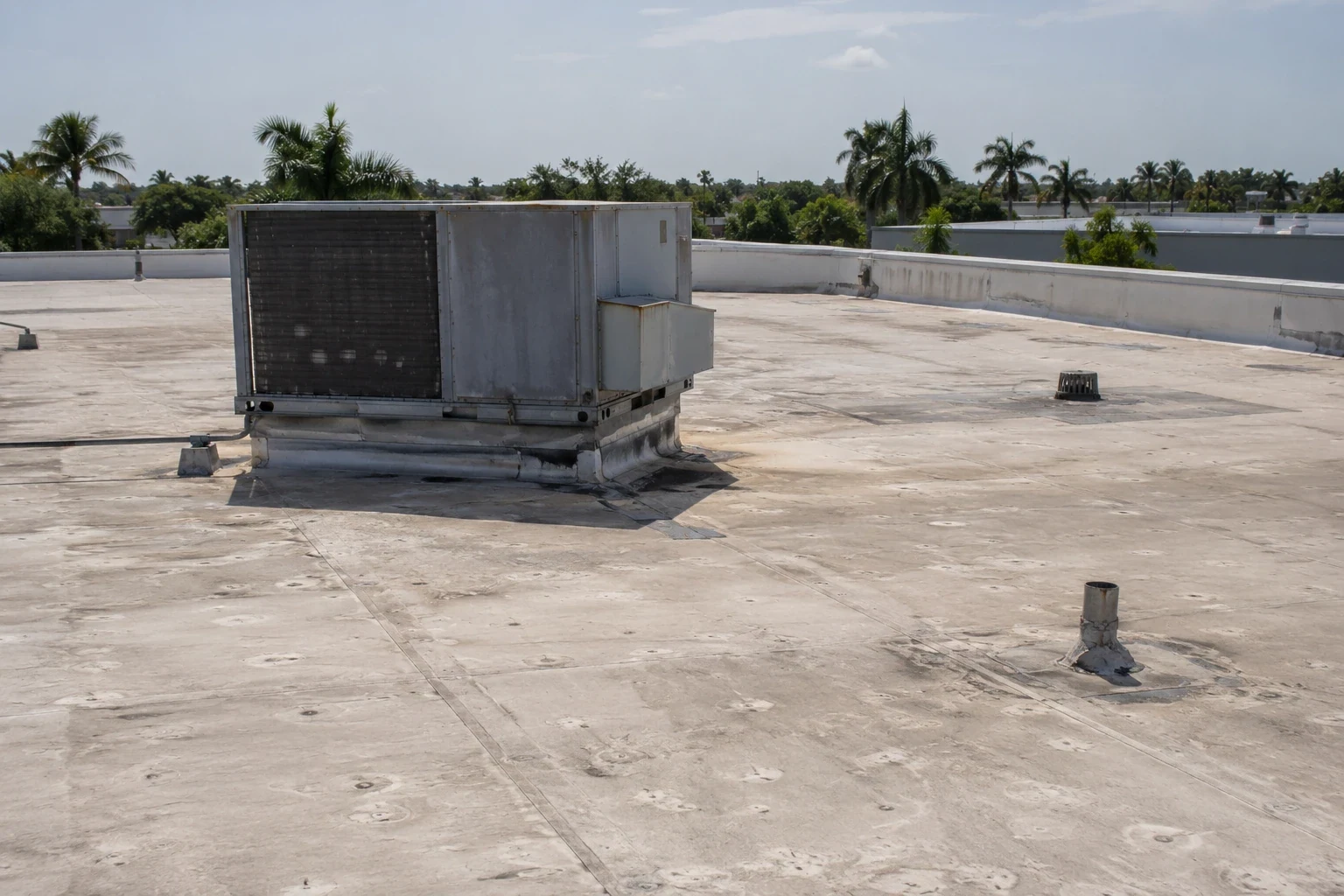
Roof Damage Repair in Sunrise, FL
Sunrise commercial roof seam repair for open laps, failed welds, and adhesive separation. We inspect the membrane and confirm the repair boundary.
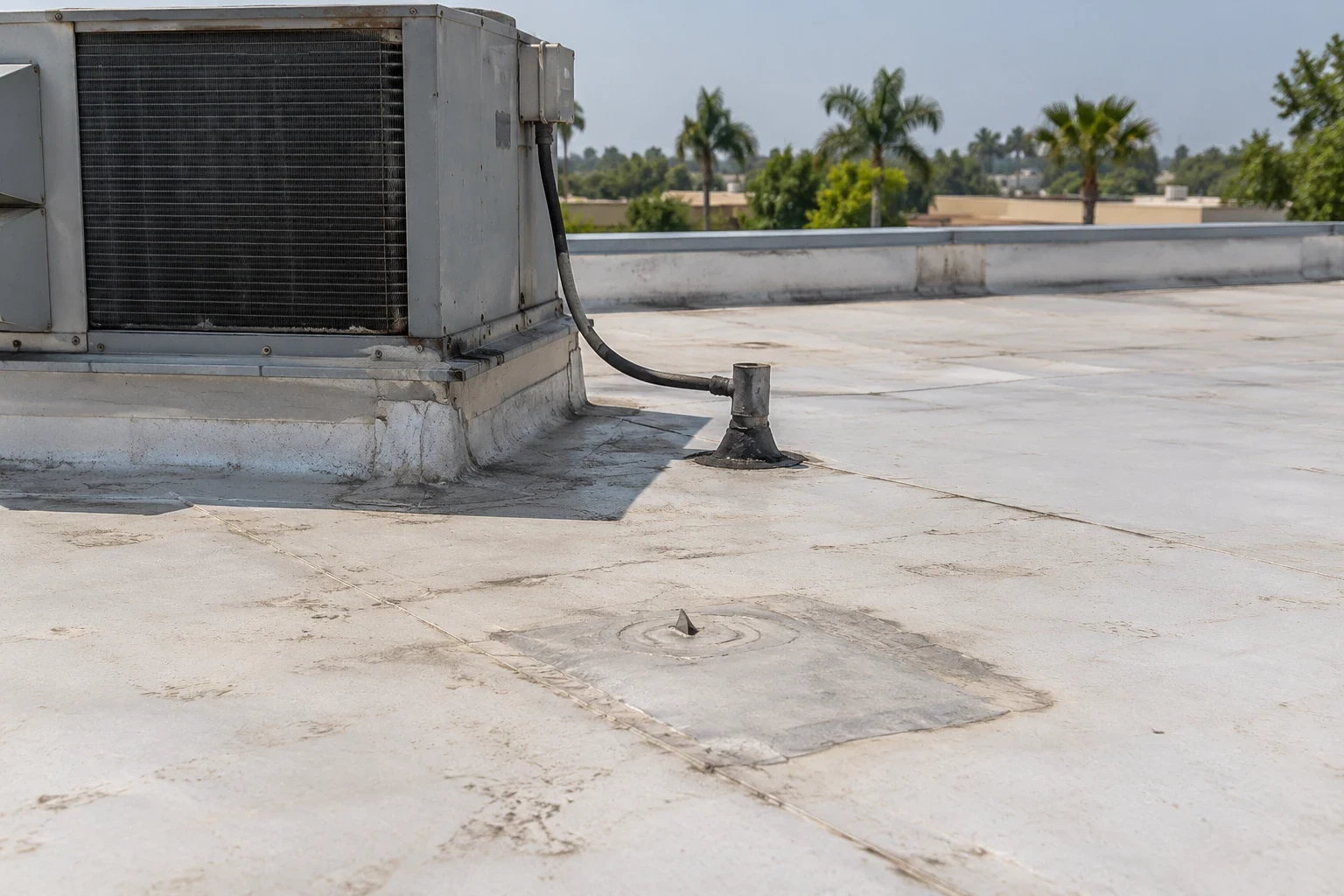
Seam type: Identify the joint before choosing a repair
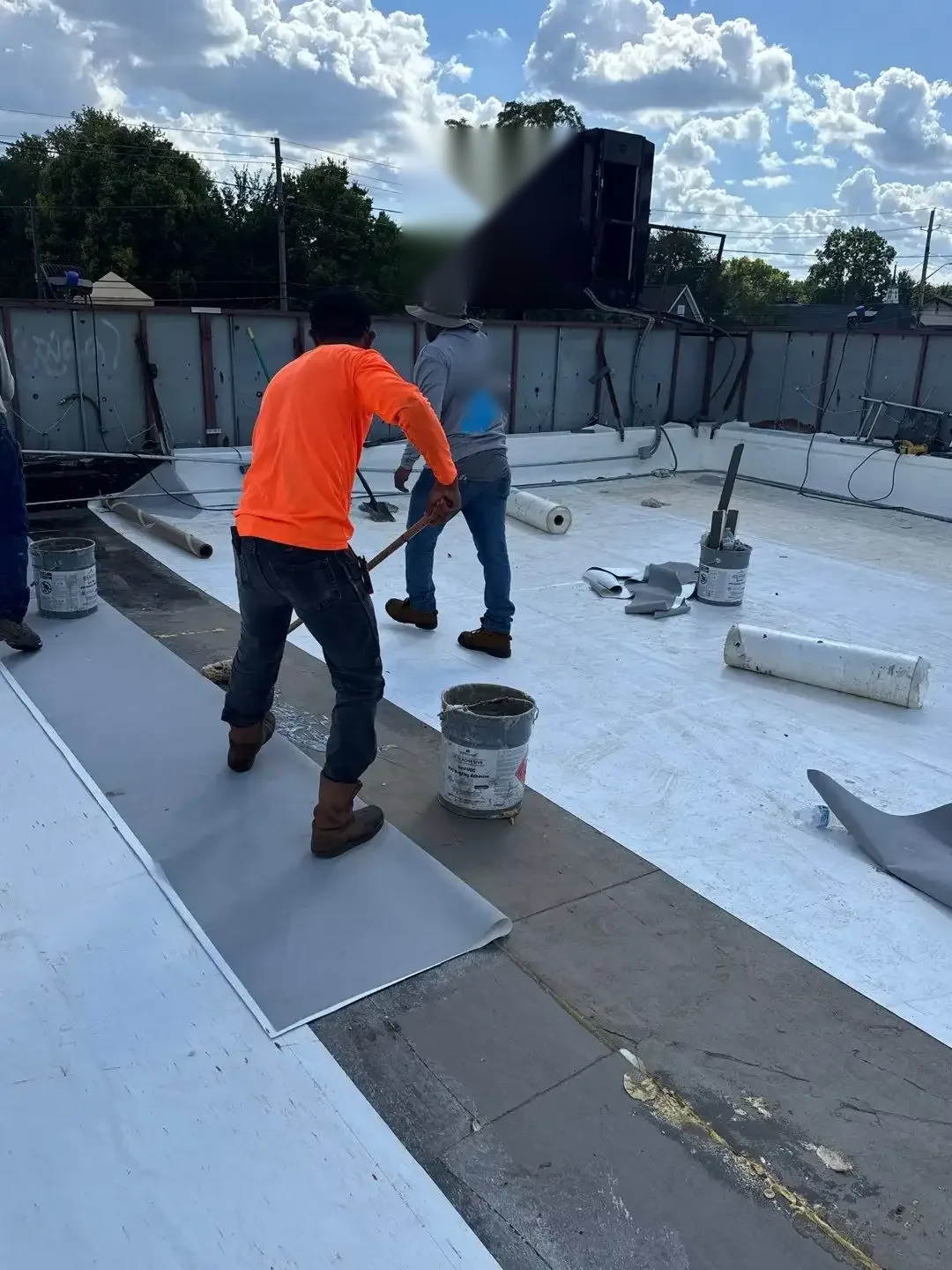
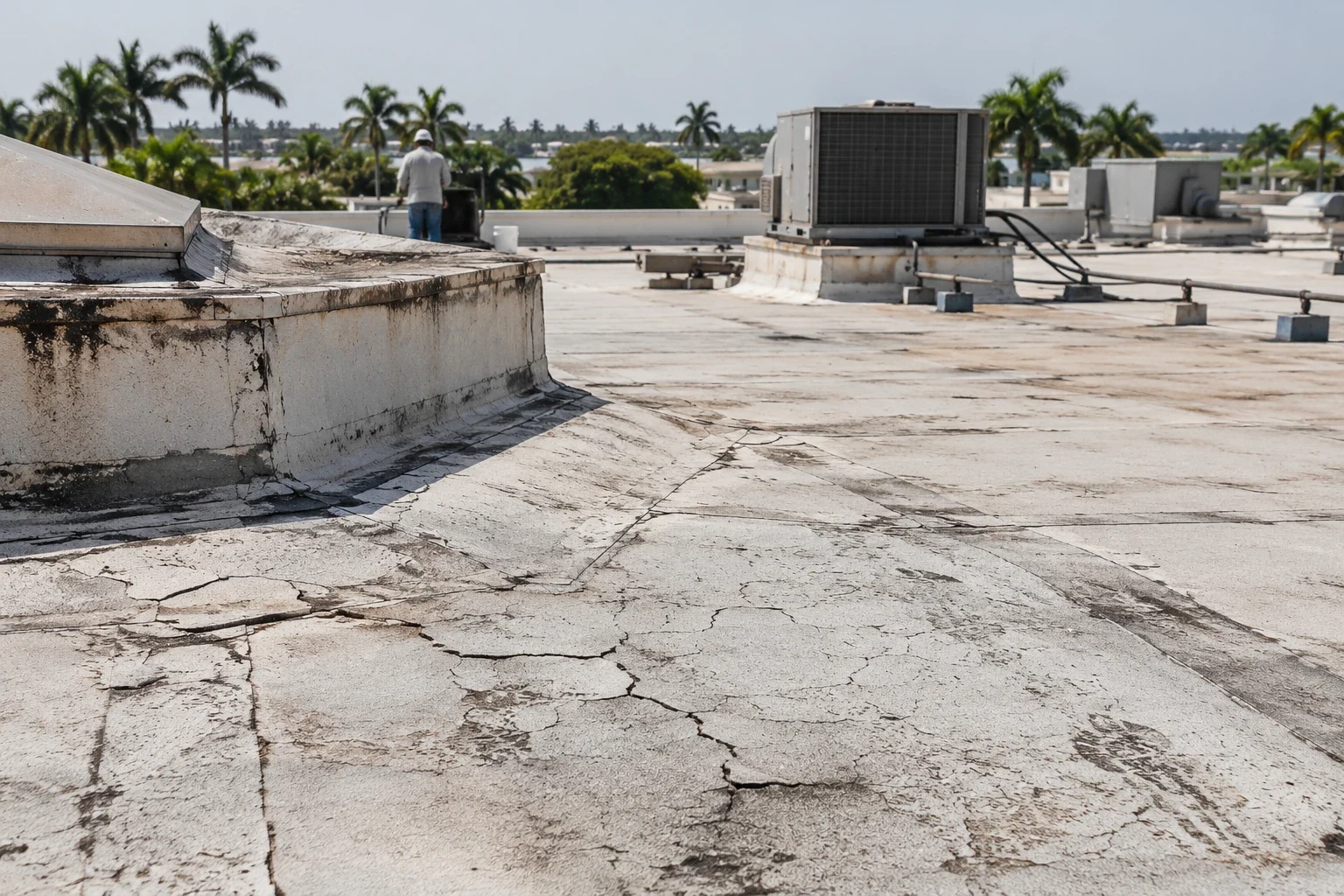
Thermoplastic membranes use welded laps, while EPDM systems typically rely on adhesive or seam tape. Modified bitumen and built-up assemblies have their own lap and flashing details. A repair method that works on one material may damage or fail to bond to another. We identify the membrane and inspect the joint for contamination, poor fusion, adhesive release, wrinkles, fishmouths, and previous patches before preparing the surface.
The inspection records the start and end of visible separation and checks whether the lap opens under light probing. We extend the repair only to a stable, prepared edge. If the seam is dirty or has aged, preparation may need to extend beyond the opening so the new strip bonds to stable membrane. TPO seam work differs from EPDM seam repair, and the product condition and field weld or adhesive test should guide the specified detail.
We compare seam condition at the opening with a nearby section that has not been exposed to the same leak path. On a heat-welded membrane, a probing check can identify a discontinuity at the lap edge; on a taped seam, the bond may release where the surface was not prepared or the tape has aged. We photograph the comparison and note whether the defect follows one repair, one roll edge, or a longer run before setting quantities.
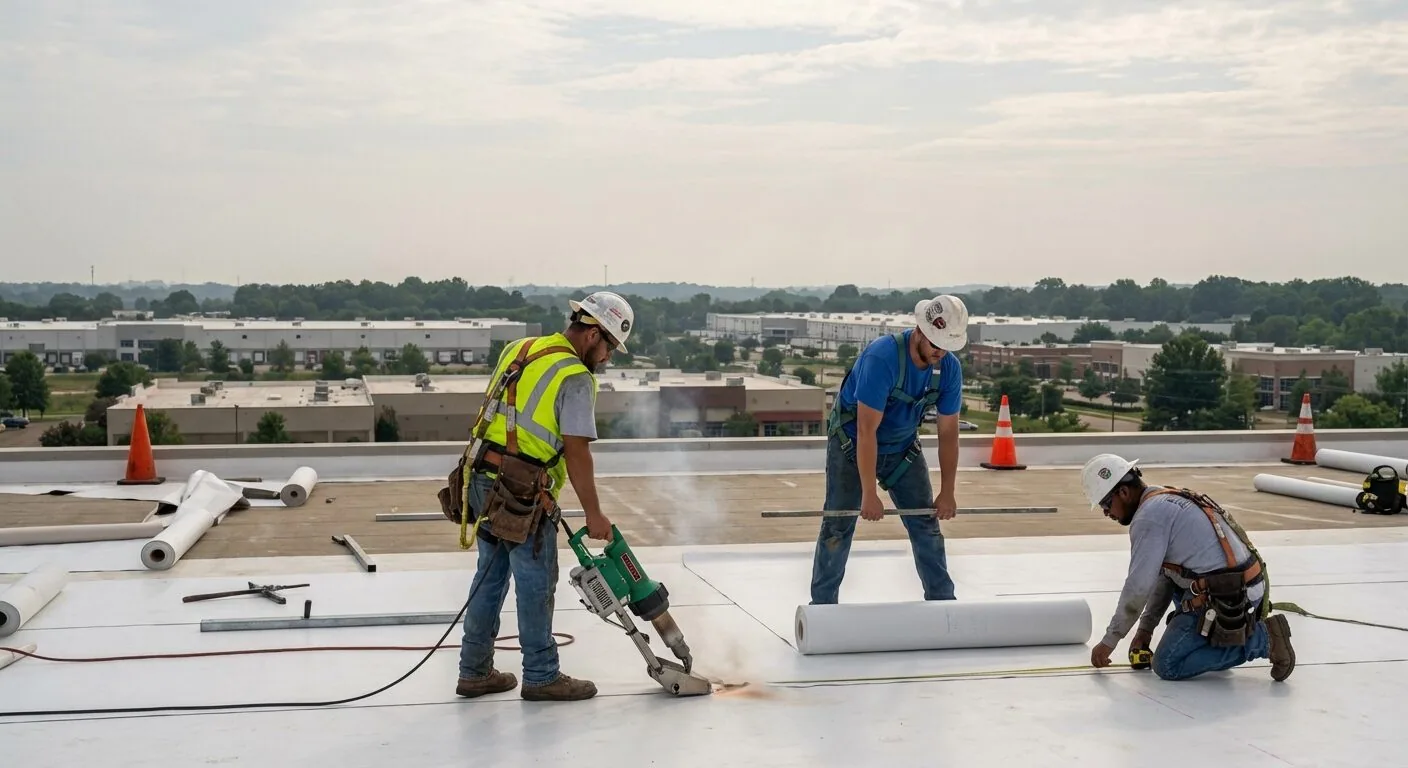
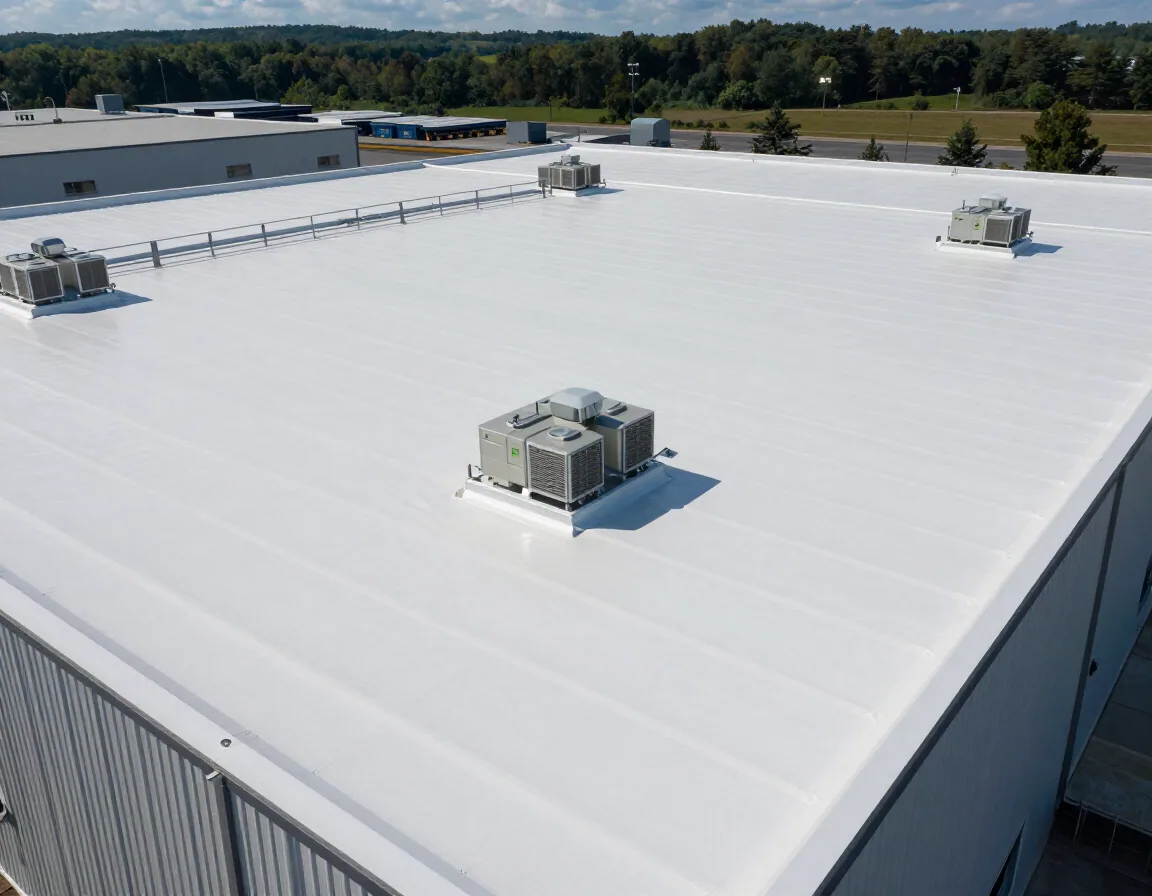
Failure review: Find why the lap released
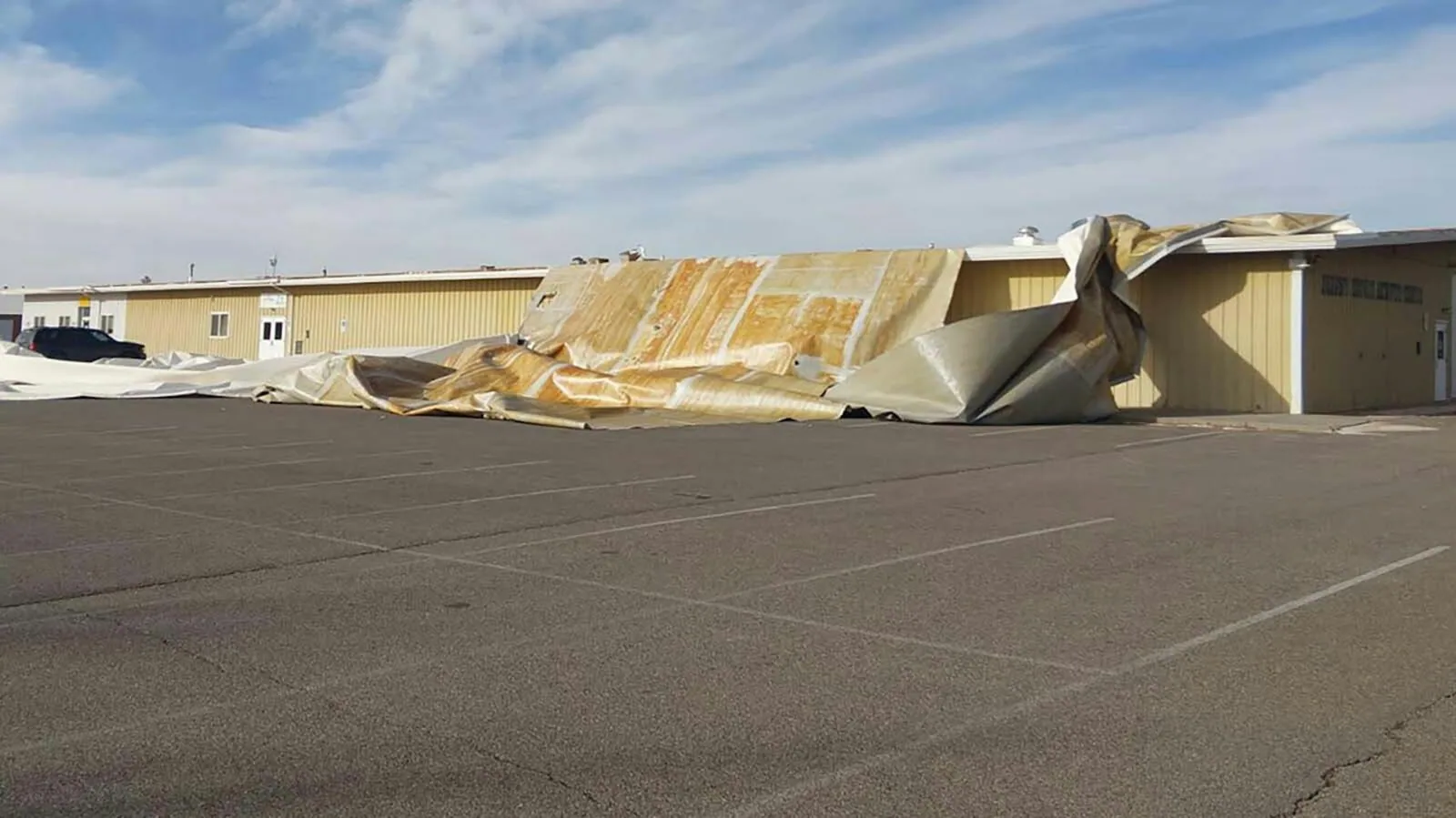
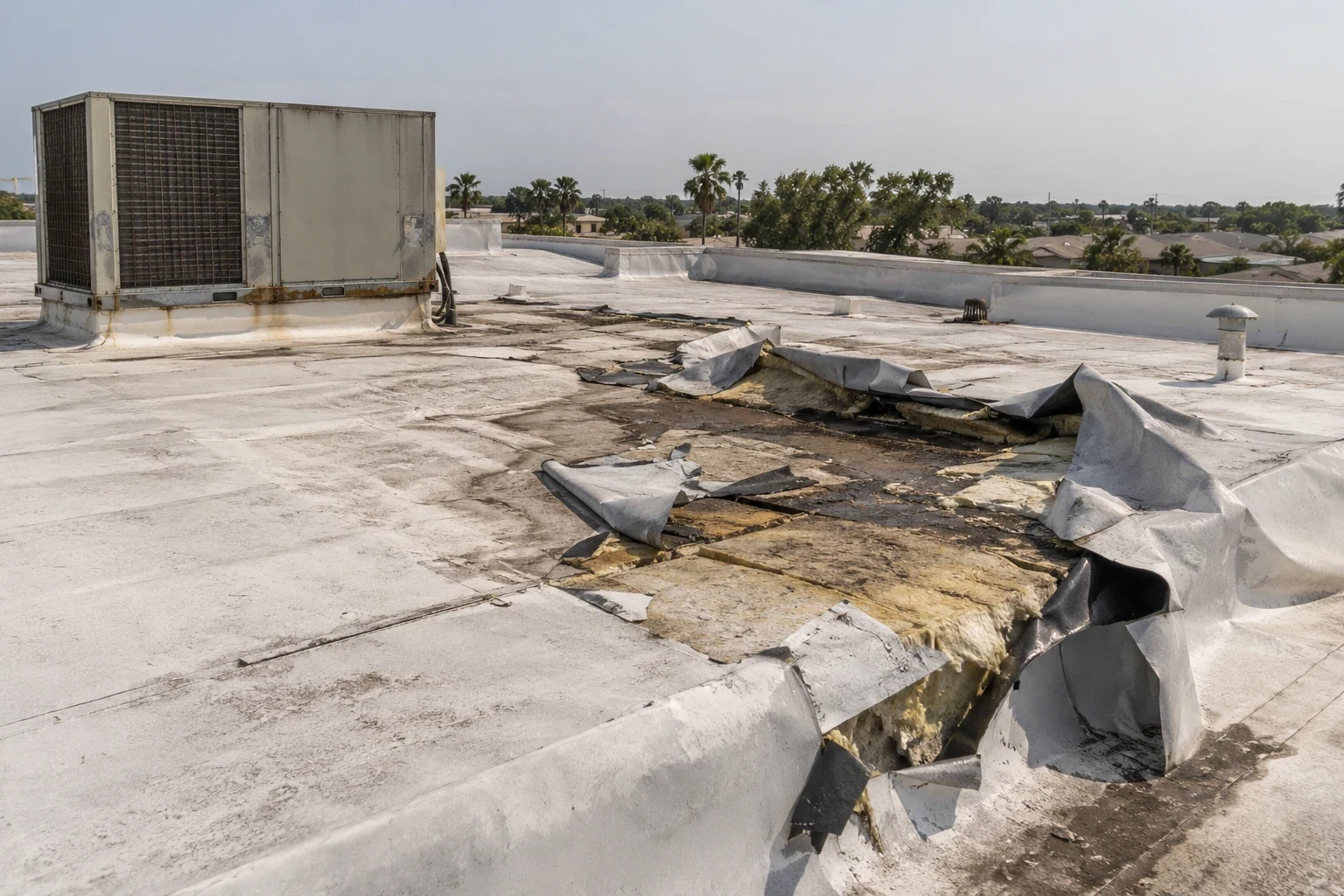
A seam may open because of poor fusion, movement, contamination, incompatible repairs, or stress transferred from an adjoining curb or edge. We inspect the lap ends, nearby penetrations, roof corners, and changes in plane. If the separation aligns with a wrinkle or a damaged substrate, repairing only the visible slit may leave the underlying cause in place. Photographs and measurements identify the location and total length before any material is removed.
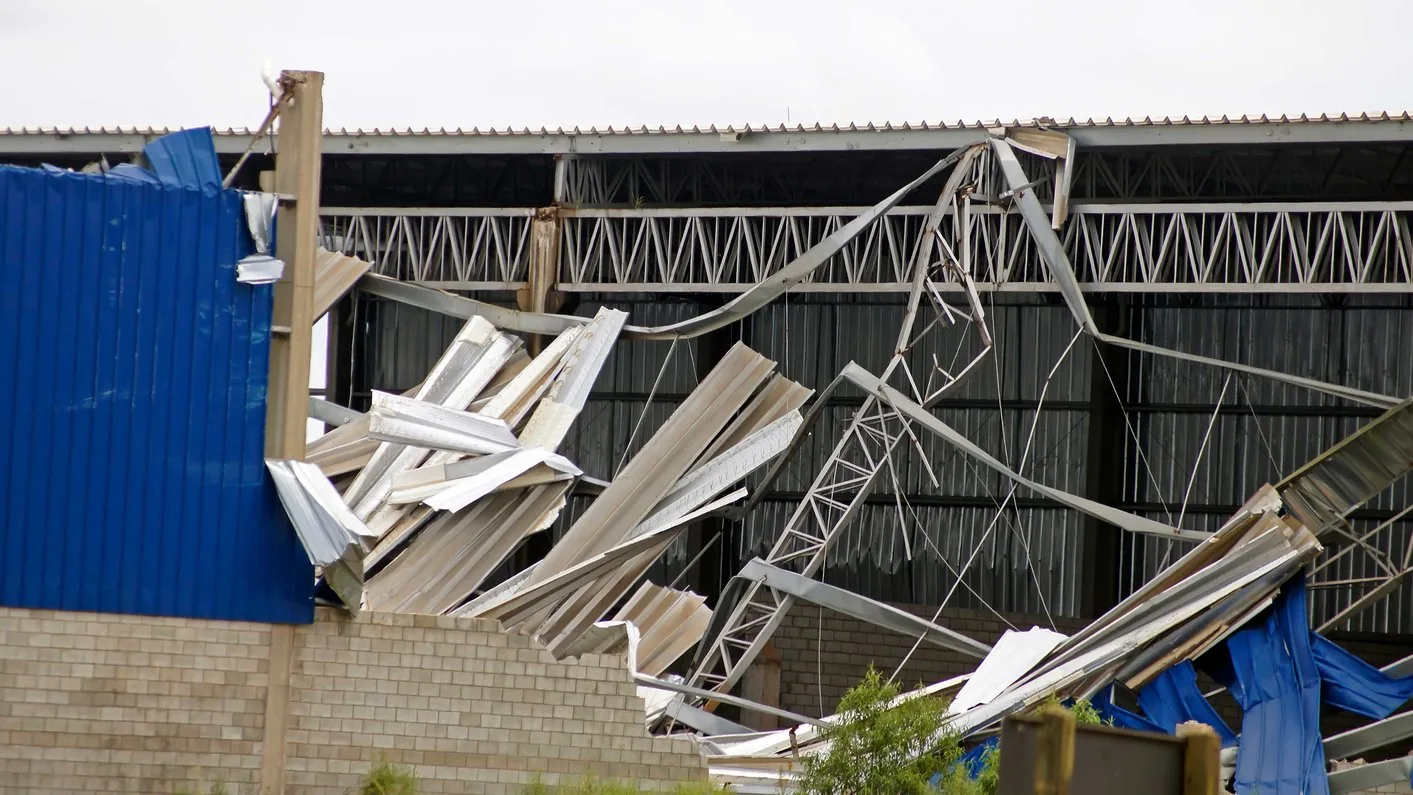
Sunrise's intense sun and warm, humid conditions expose rooftop materials to recurring expansion, cooling, and moisture cycles. The seam evaluation includes adjacent membrane tension, attachment, and drainage rather than treating the lap as an isolated line. A wind damage check is useful when edges or fasteners also shifted; a flashing review examines a transition where seam stress meets a curb or wall. We record any moisture evidence separately, since a visible split does not show how far the insulation is affected.
Moisture extent: Test where it could change the work
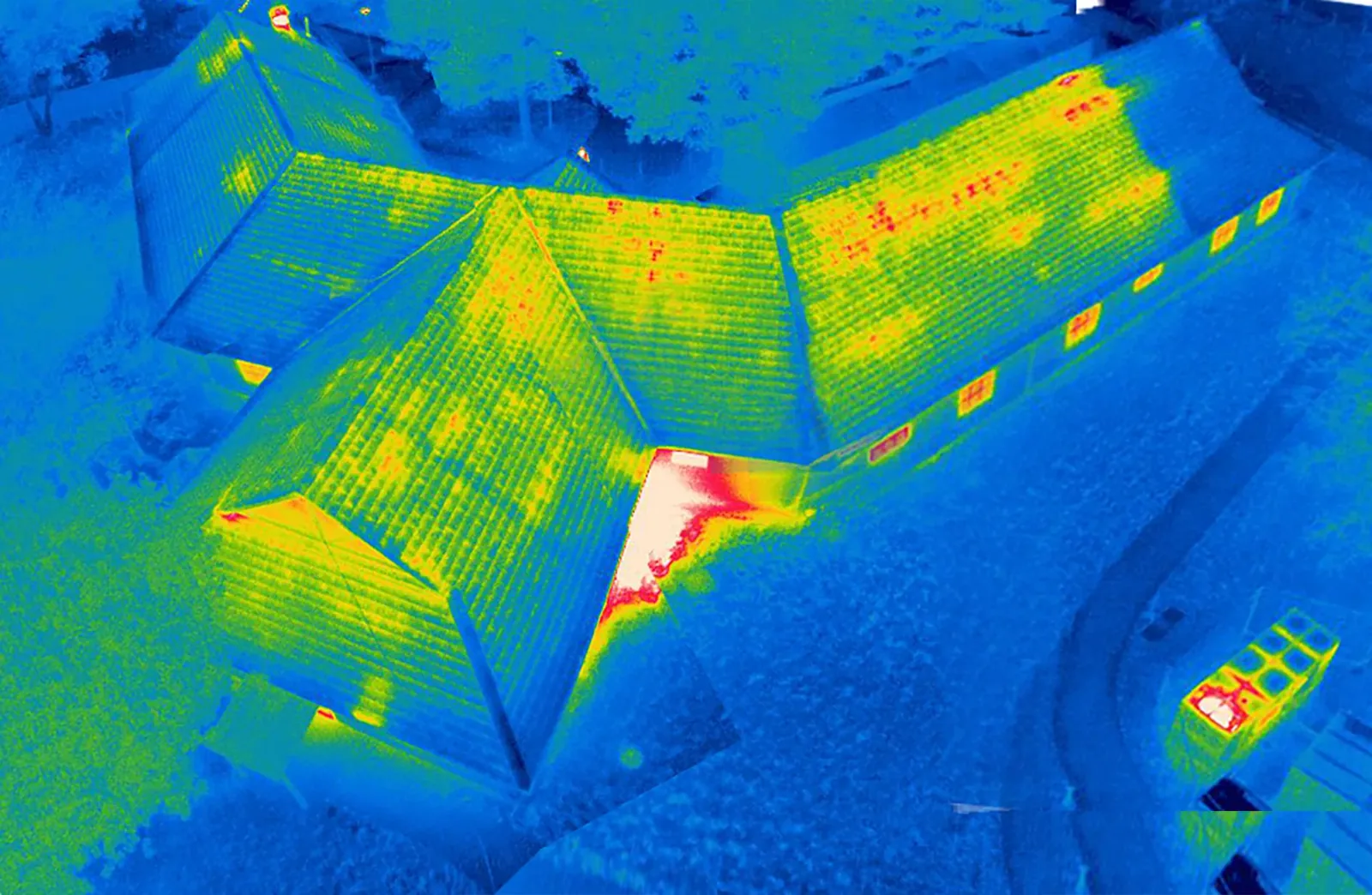
Water can enter at a short lap opening and travel beyond the seam through insulation or deck flutes. We compare the leak report with the roof map and inspect the area below and downslope from the defect. If moisture may affect the repair boundary, testing confirms the layers and marks what must be removed. The opening is protected from interior disruption and closed with a compatible detail after observations are recorded.
Fort Lauderdale's long climate record shows a concentrated South Florida rainy season, making drainage paths and repeated exposure relevant to seam follow-up. The nearest climate data do not identify what happened at an individual roof, so the inspection relies on its material and condition. A moisture survey can prioritize test locations, while a condition report preserves seam length, photograph direction, test result, and repair status. If water remains at an edge or basin, drainage and flashing must be checked with the lap.
Repair method: Prepare and restore a continuous lap
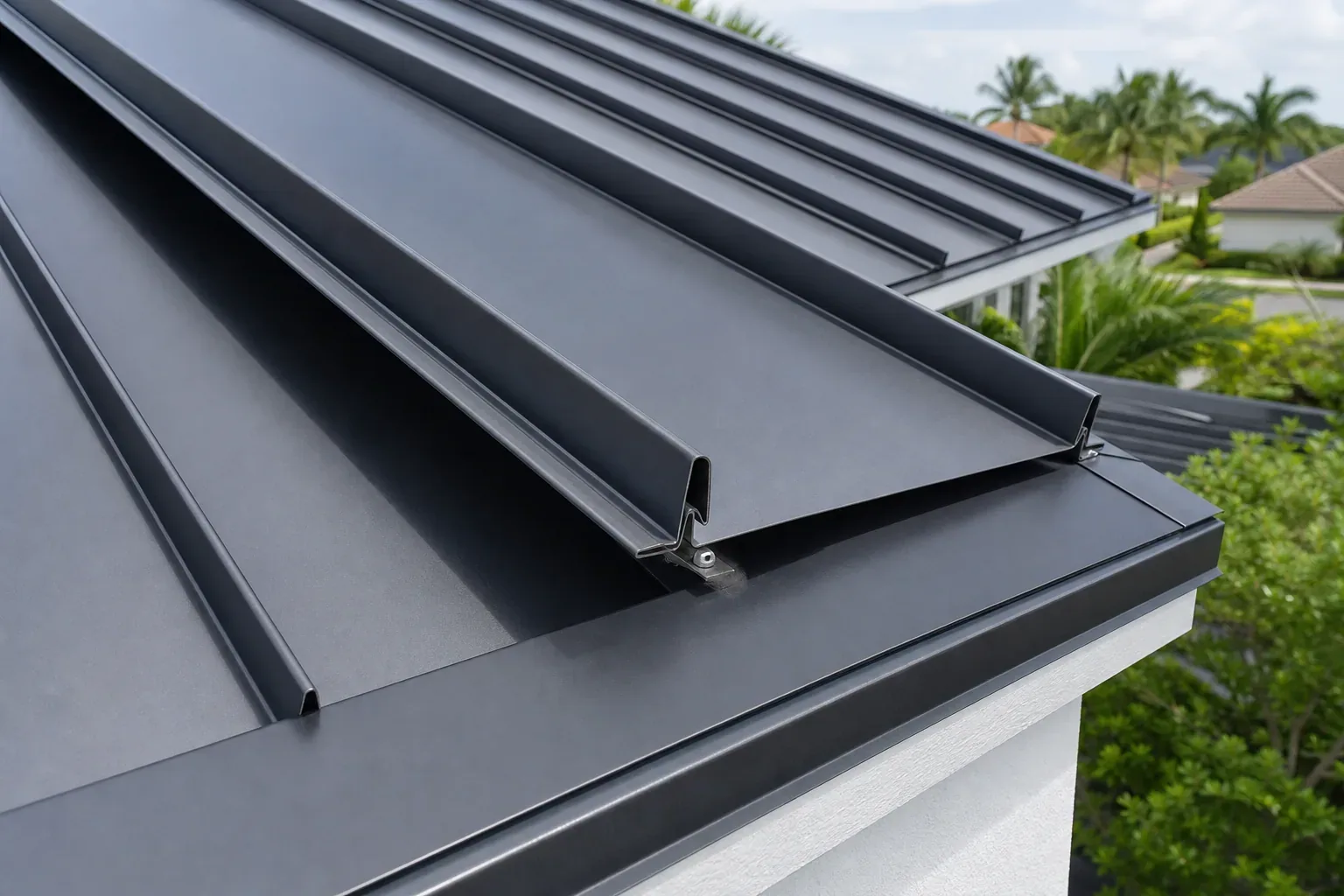
We clean and prepare sound membrane around the failure, remove loose or contaminated material, and restore the seam with a system-compatible method. For a welded lap, the repair depends on membrane condition, overlap, and a sound weld; for an adhesive seam, the substrate and bond surface must accept the specified tape or adhesive. The scope identifies how far the repair extends and how corners, terminations, and intersecting details will be closed.
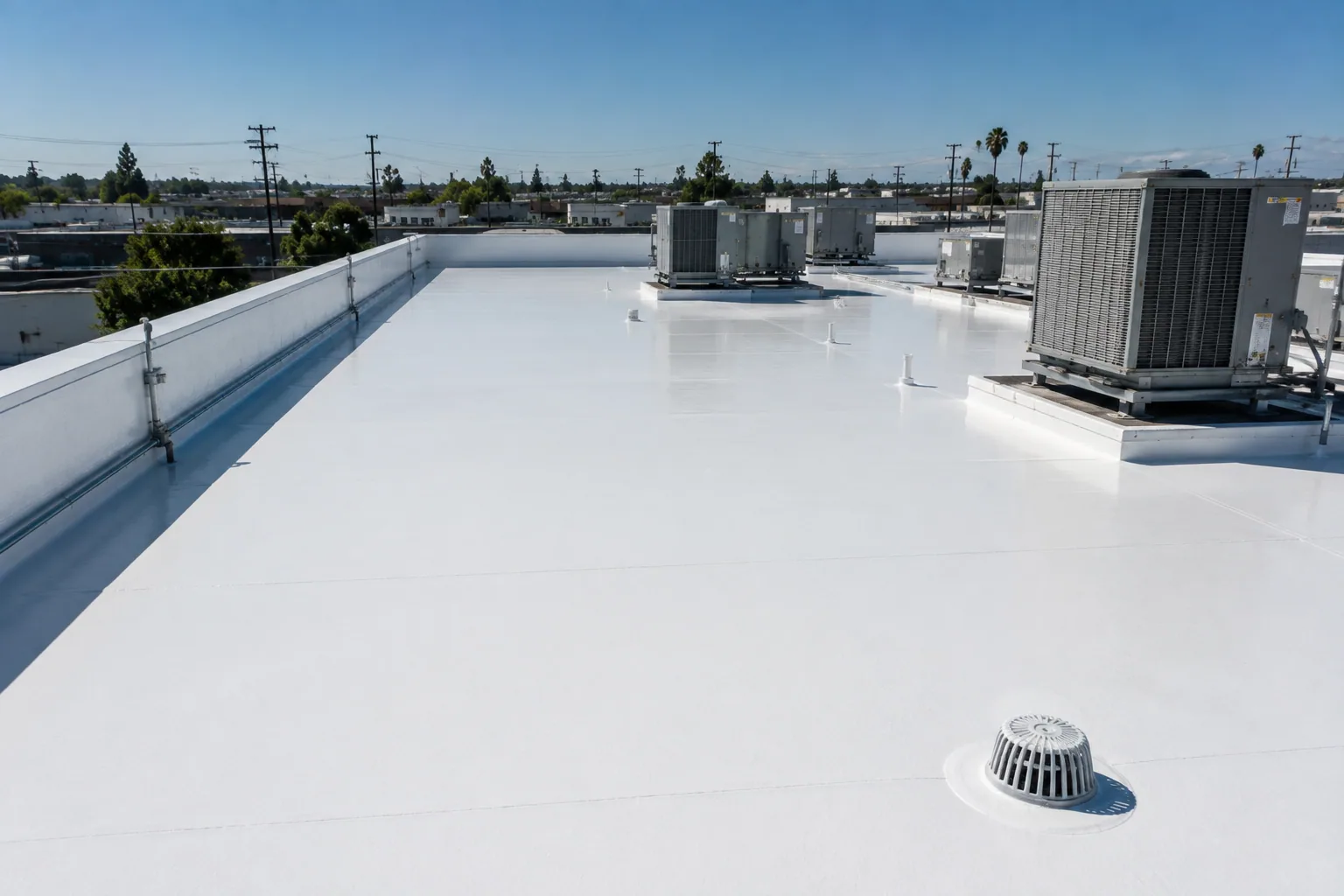
Before closing a roof, we check the completed joint and adjacent surface for skips, fishmouths, wrinkles, or unbonded edges. Where membrane has become brittle or repeated separation follows a larger zone, local patching may not provide a durable boundary. A membrane repair can handle an isolated opening, while restoration or replacement requires a broader assembly review. We state the substrate condition and test limits so the owner can see why the selected method fits the roof.
Weather and surface temperature affect when the crew can make a sound weld or adhesive bond. We remove moisture and contamination from the repair zone, allow preparation to dry as required, and complete a test weld or adhesion check when the method calls for it. The final inspection follows the full repaired length, including ends and intersections. If a test indicates that the adjacent membrane will not bond reliably, the scope changes before the weak area is covered.
Work window: Keep the repair dry and serviceable
Seam work needs a clean, dry surface and enough time for preparation, installation, and inspection before rain reaches the area. The crew sets a manageable work length and protects the open edge if a storm interrupts the shift. Roof access, rooftop units, and interior occupancy can affect the order of work; we coordinate those constraints with the facility contact. Debris, cleaning materials, and unused pieces are removed from the roof and kept clear of drains.
Sunrise's business parks include offices, distribution, and manufacturing, with different service routes across the properties. A building map helps define access without assuming that one property's hours or safety requirements apply to another. A maintenance review can inspect adjoining laps, previous patches, and transitions before repeated rain. For facilities in Sunrise, share membrane records, leak timing, prior repairs, and access rules. We will return a seam map showing the inspected length, completed repair, and any adjacent issue that still needs work.
Before returning the roof to normal service, we remove loose debris and confirm that no tools, backing, or cut membrane remain near the drain path. The closeout states whether the full mapped seam length was completed.
Frequently Asked Questions
How do you confirm whether a roof lap has failed?
We identify the membrane, inspect the joint ends and adjacent field, and test the bond where appropriate. The condition and system determine whether welding, tape, or another detail fits.
Can you patch a seam without replacing the whole membrane?
A localized repair may work when surrounding material, attachment, and substrate remain serviceable. We inspect and test the boundary before setting the repair length.
Why did the same seam open again?
Repeated release can point to movement, contamination, weak attachment, or a damaged substrate. We compare the joint with nearby curbs, edges, and prior repairs.
Will an open seam make insulation wet?
Moisture can extend beyond the visible opening, so we map the likely path and test where results could change removal quantities. We map the likely path and test where the result could change removal quantities.
What information should facilities provide?
Send membrane records, roof plans, leak dates, prior repair notes, and access requirements. These details help identify the joint and plan a dry work window.
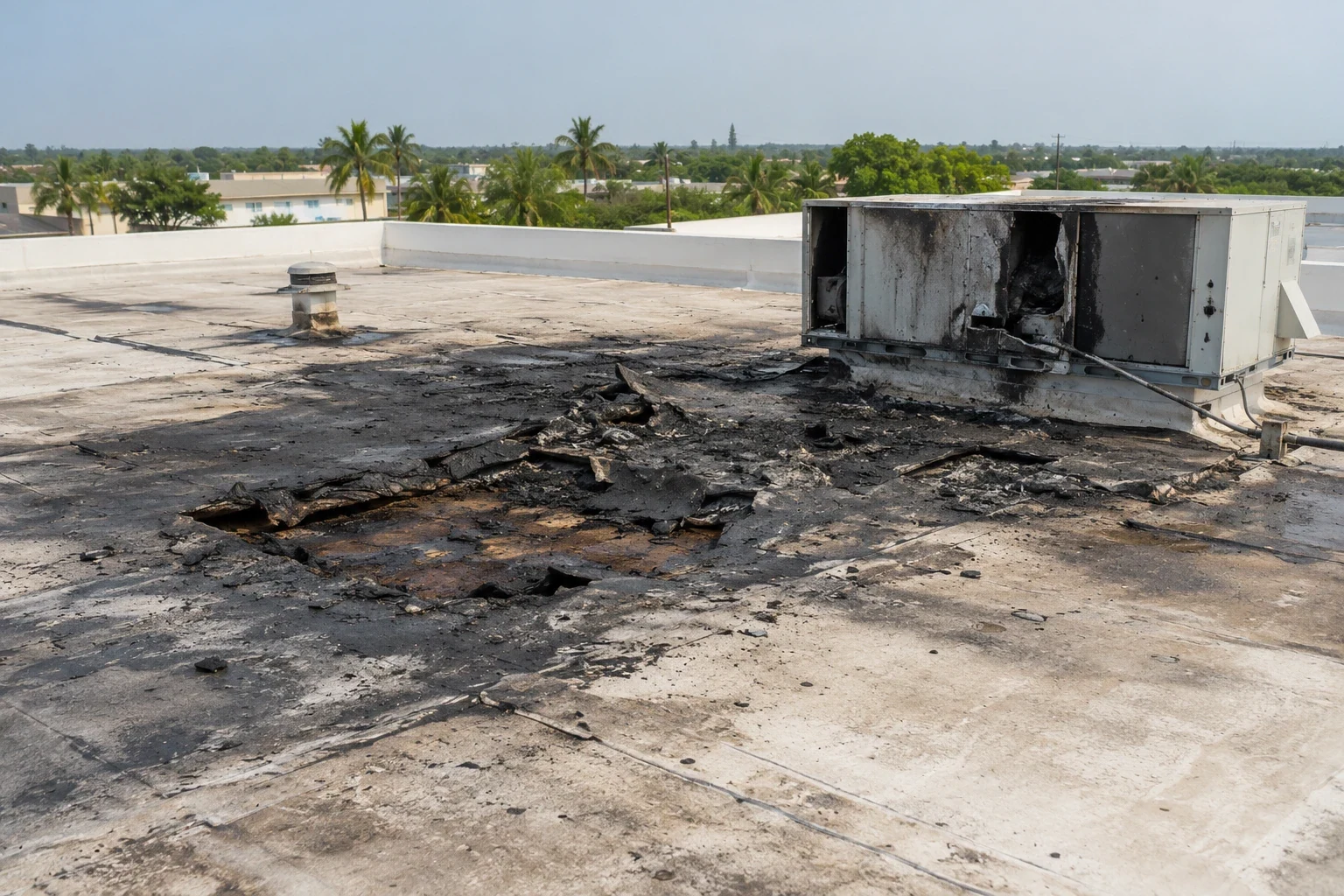
Confirm the seam and its substrate before repair
Provide the roof plan, membrane records, leak timing, previous patch details, and site access rules. We will map the failed lap, test the adjacent material, and document the compatible repair.
Call 555-555-5555 or request a roof assessment.