GAF Commercial Roofing Systems in Sunrise, FL
GAF Commercial Roofing Systems
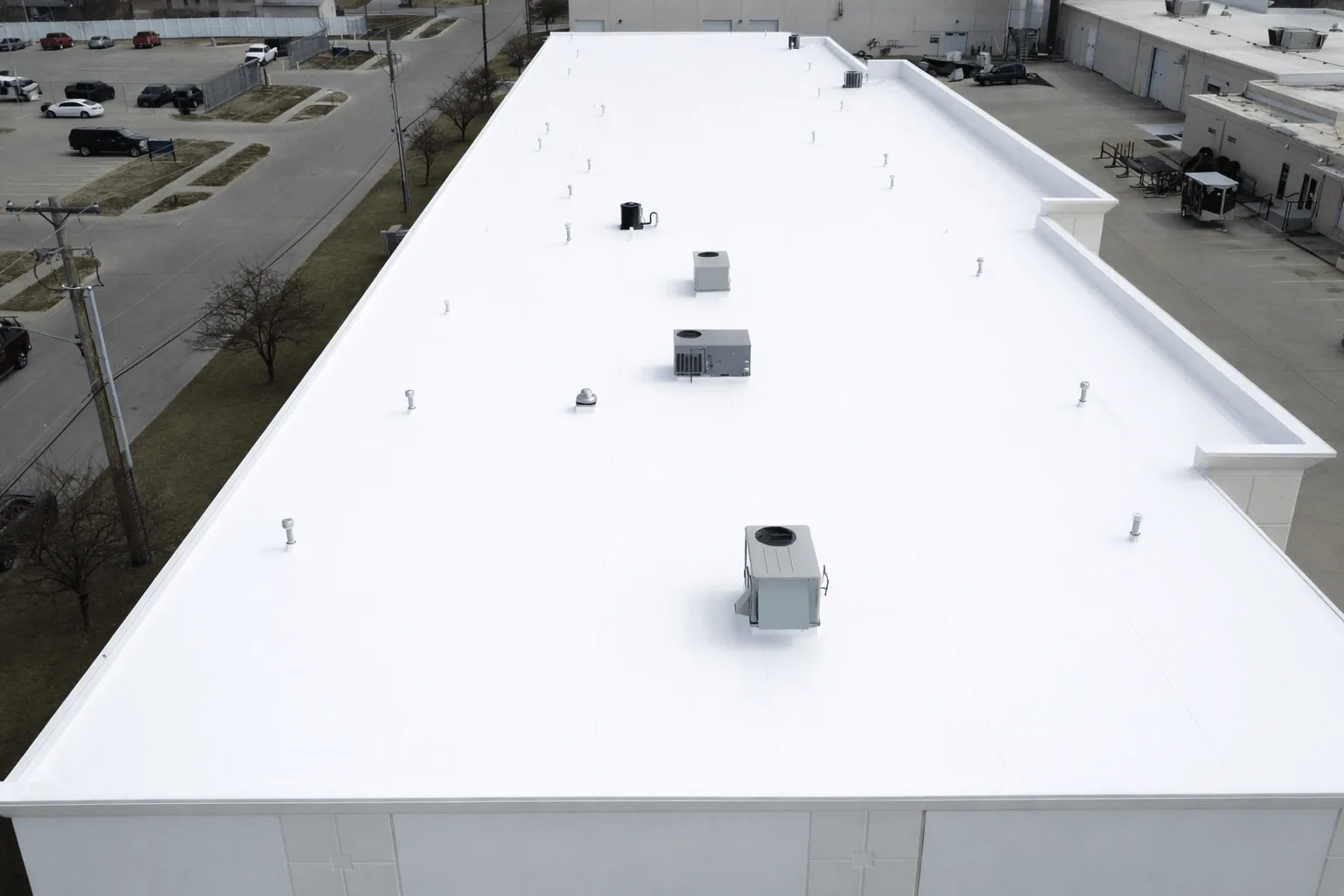
We identify the installed GAF membrane from project records, exposed sheet edges, accessories, and field details before choosing a repair method. The existing deck, insulation, attachment, drainage plane, perimeter, and rooftop equipment determine which assembly can be repaired or replaced. GAF offers commercial single-ply options including TPO, PVC, and PVC KEE, with different membrane constructions and application details. Our inspection starts with the roof record and field conditions, then separates a localized seam or flashing repair from a larger assembly decision. Sawgrass International Corporate Park contains offices, technology, financial services, healthcare, and manufacturing uses; Sunrise Commerce Park includes distribution, manufacturing, offices, and multi-tenant buildings. Those settings bring distinct operating schedules and rooftop penetrations. A TPO assembly review is useful only after the substrate and attachment can be identified. We document the roof zone, compare the observed condition with available records, and state what the proposed work will leave in place.
Roofing Manufacturers in Sunrise, FL
Review GAF commercial roof systems in Sunrise, FL, from membrane selection and attachment through seam work, flashing details, repair, and closeout.
Systems: Separate membrane family from assembly
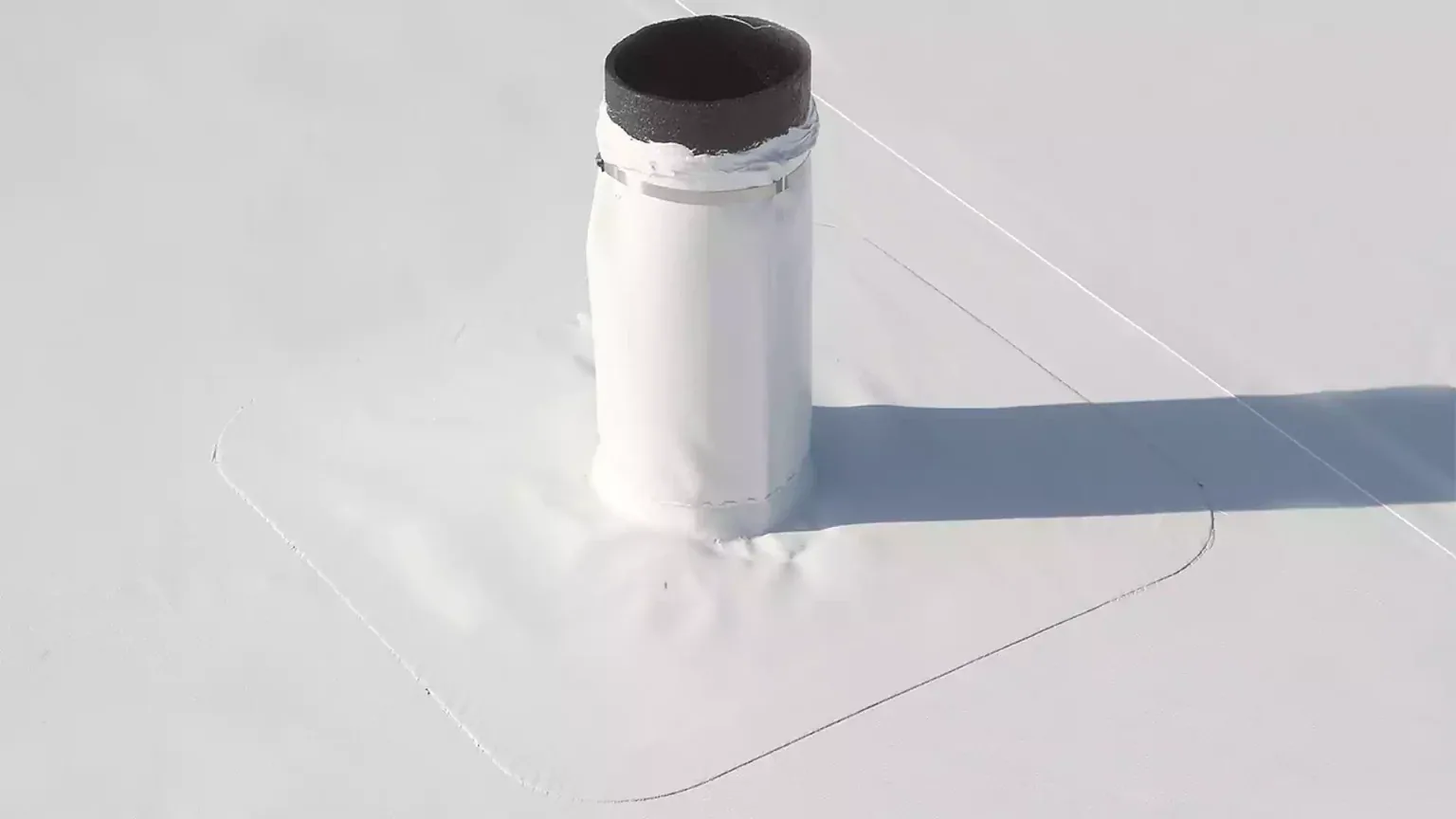
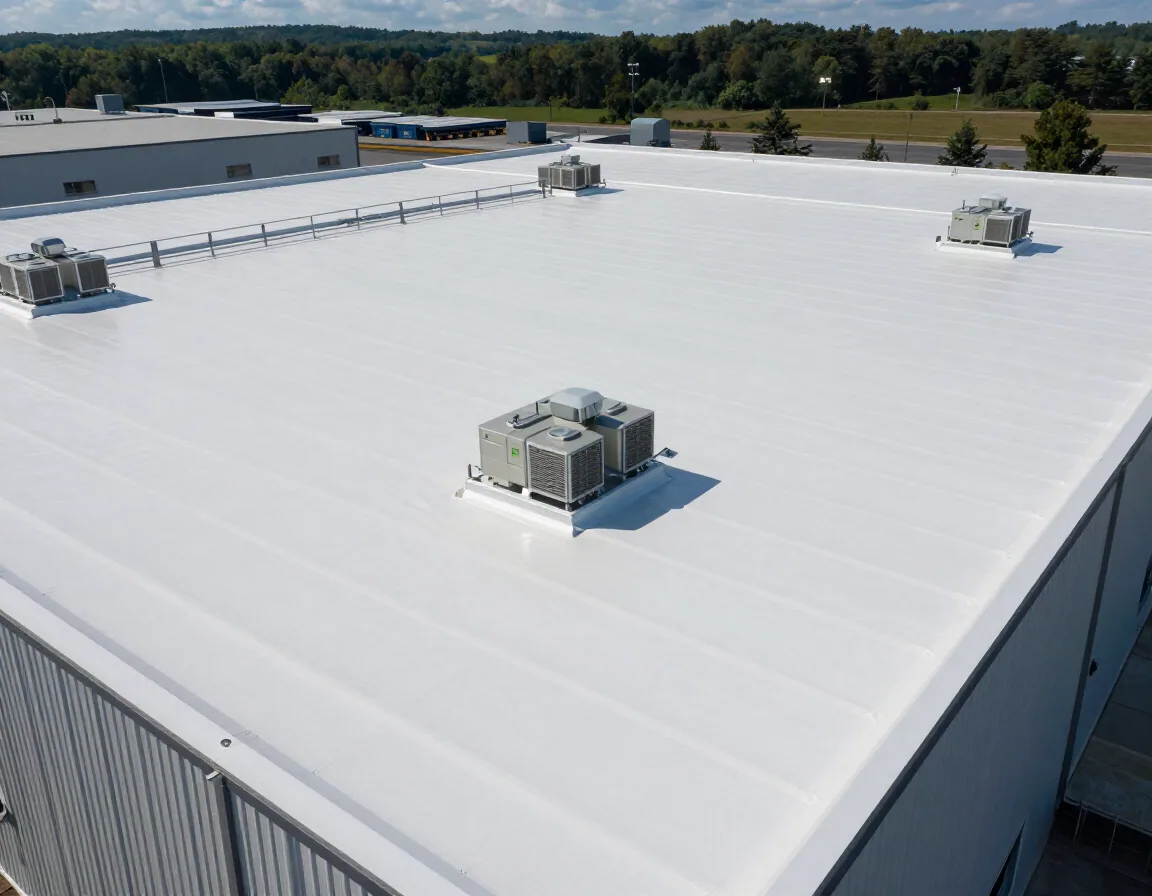
For each thermoplastic system, we record membrane type, attachment, insulation, cover board, and the details that connect the roof field to curbs and edges. Reinforcement, sheet thickness, surface, cover board, insulation, fastener pattern, adhesive, and perimeter securement all affect the installed assembly. A white field membrane over one substrate may be mechanically attached, while another design uses adhesive or a different approved build-up. PVC and PVC KEE also have their own formulation and component requirements. We match the proposed material to the roof records and the manufacturer’s current system documents rather than treating products as interchangeable.
On an existing roof, we first look for labels, repair history, exposed edges, and accessible details that help identify the layers. If records conflict with field evidence, a limited test cut may be needed to confirm the membrane and insulation. Broward Lakes Business Park covers about 120 acres in southwestern Sunrise, with I-75 along its western edge and multi-tenant flex and office projects inside the park. Similar-looking roofs in those broad commercial settings may have different decks, equipment loads, and prior recover work. A Carlisle system comparison can help frame product-family questions; a Johns Manville system review offers another point of comparison. Insulation and cover board remain part of the assembly scope.
Seams: Treat each weld as a field condition
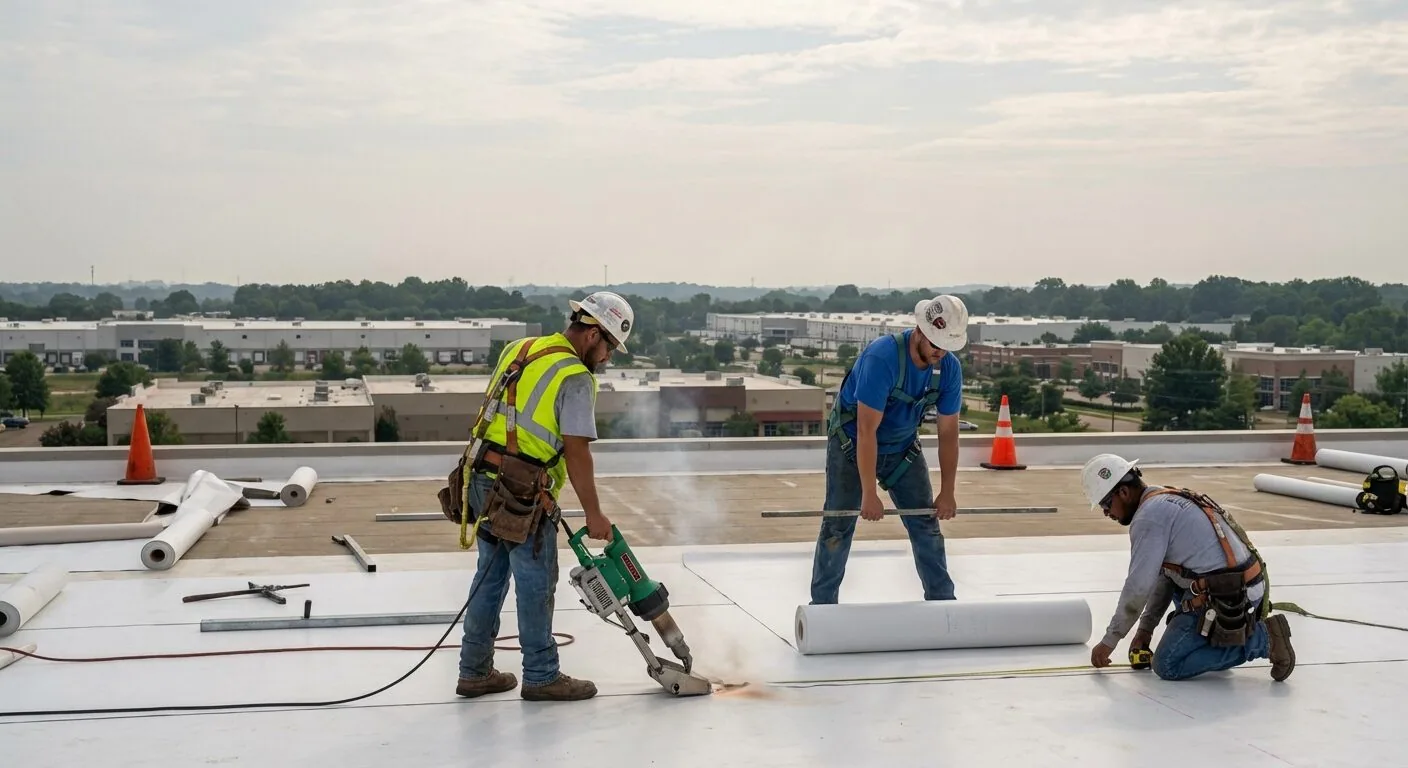
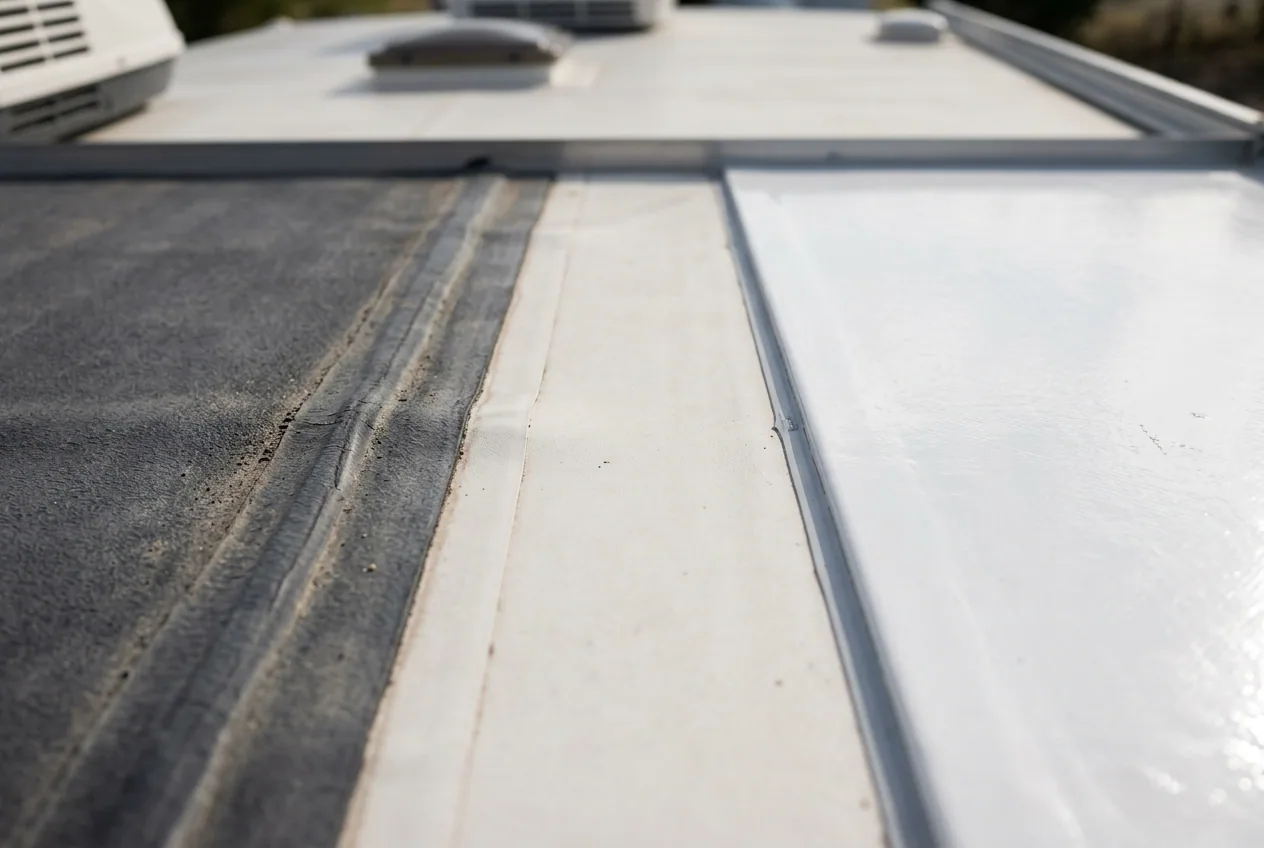
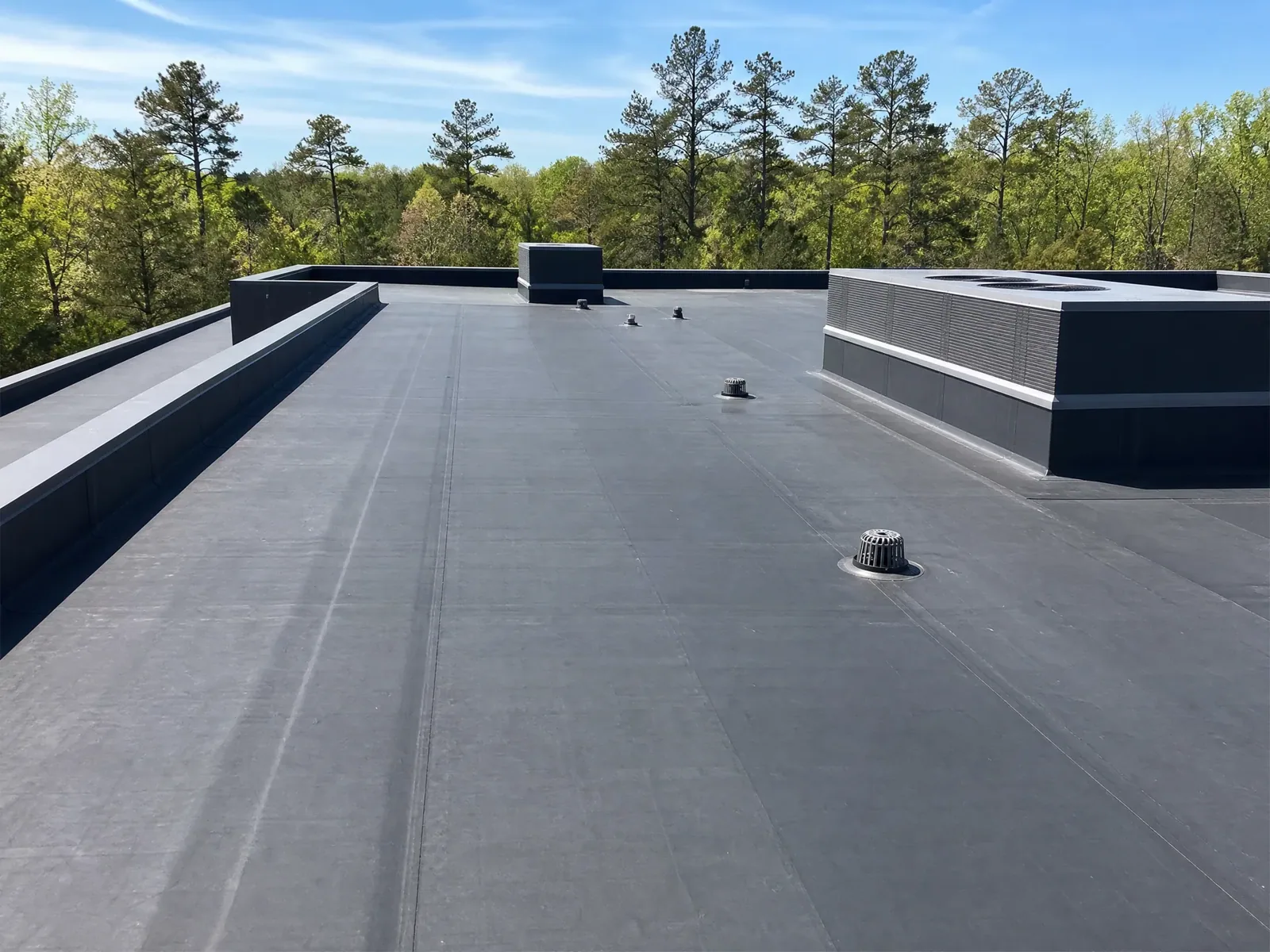
Thermoplastic seams are joined with heat, but a successful weld depends on clean, compatible surfaces and controlled installation conditions. The field crew checks the seam path, width, intersections, patches, and terminations instead of judging the joint by a single visible bead. At transitions around drains, curbs, skylights, and wall flashings, a sound field seam can still be undermined by a weak detail. We look for fishmouths, contamination, incomplete fusion, movement, and stress near corners, then test representative areas where appropriate. A repair should remove unsound material, prepare the substrate, and restore a compatible lap or flashing detail.
South Florida’s long rainy season can put repeated water demand on drains and low points. A seam repair plan therefore records nearby outlets and the direction water travels across the roof, especially where ponding reaches a patched area. We can pair the weld review with a hands-on roof inspection or targeted seam-failure repair. If water is active inside, a leak investigation compares interior evidence with the roof zone rather than assuming the nearest seam is the entry point. Each tested and repaired location goes onto a marked plan.
Attachment: Follow the load path to the deck
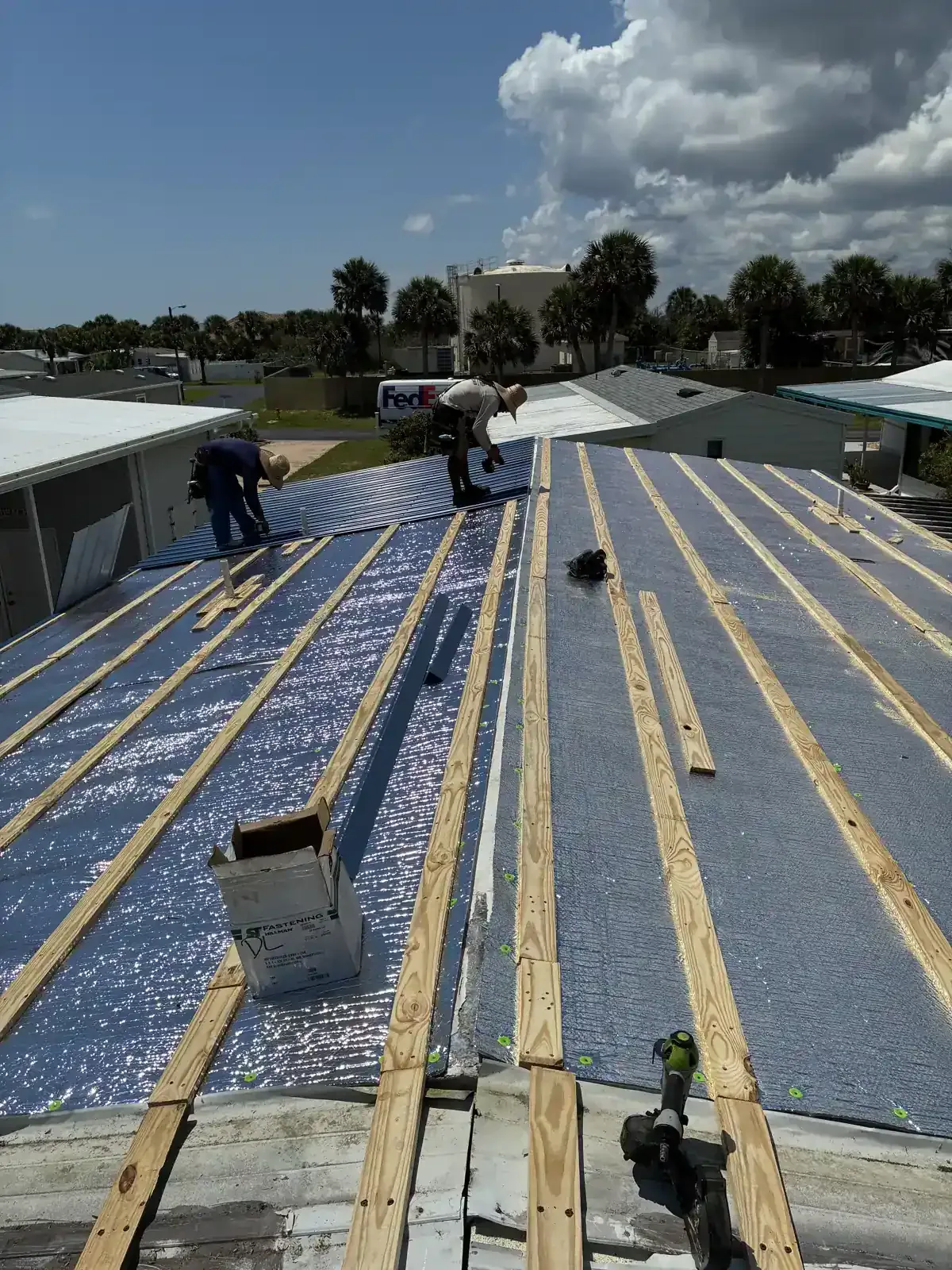
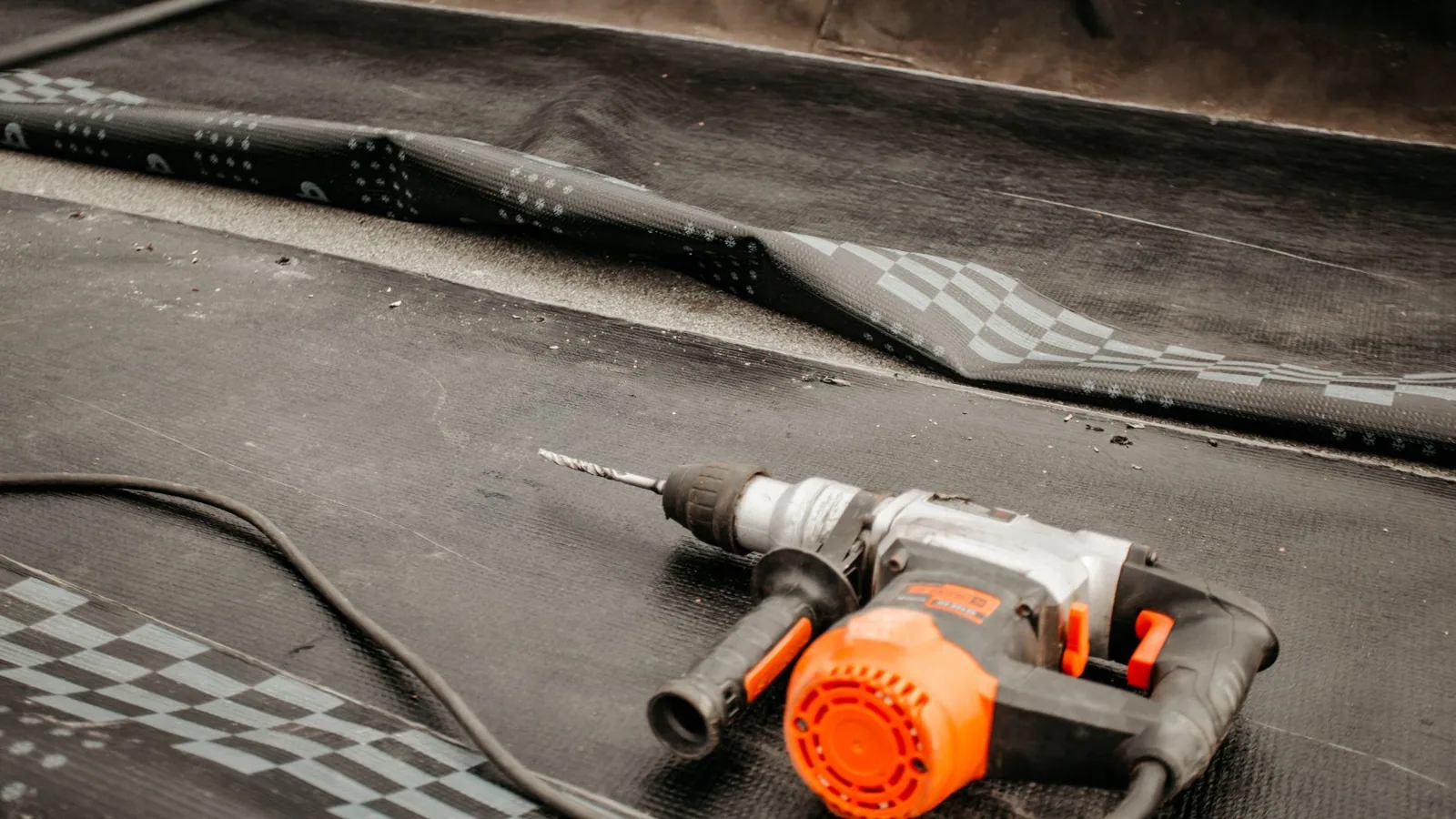
A membrane’s surface condition cannot show whether its attachment remains sound below the sheet. We review the fastener pattern, plate position, adhesive bond, cover board, deck type, and edge securement where accessible. Wind pressure can concentrate at corners and perimeters, so a field repair should not conceal a displaced termination or loose coping. When a roof has undergone prior repairs or a recover, we map each assembly boundary before specifying new work. The 2023 Florida Building Code is effective statewide; projects that change an assembly or edge detail need applicable design and permitting requirements confirmed for that scope.
Our Sunrise service work accounts for tropical rain and wind periods without assuming that one weather event caused a particular defect. A loose edge after a storm, for example, calls for inspection of the cleat, fastener, membrane turn-up, and substrate. We can document findings through a roof condition report and compare a local repair with full replacement options. Sawgrass International Corporate Park’s corporate and technology uses and the distribution activity in Sunrise Commerce Park can require careful coordination around equipment and occupied space. The attachment detail still comes from the actual roof, not the building’s business type.
Repair boundary: Define what the work changes
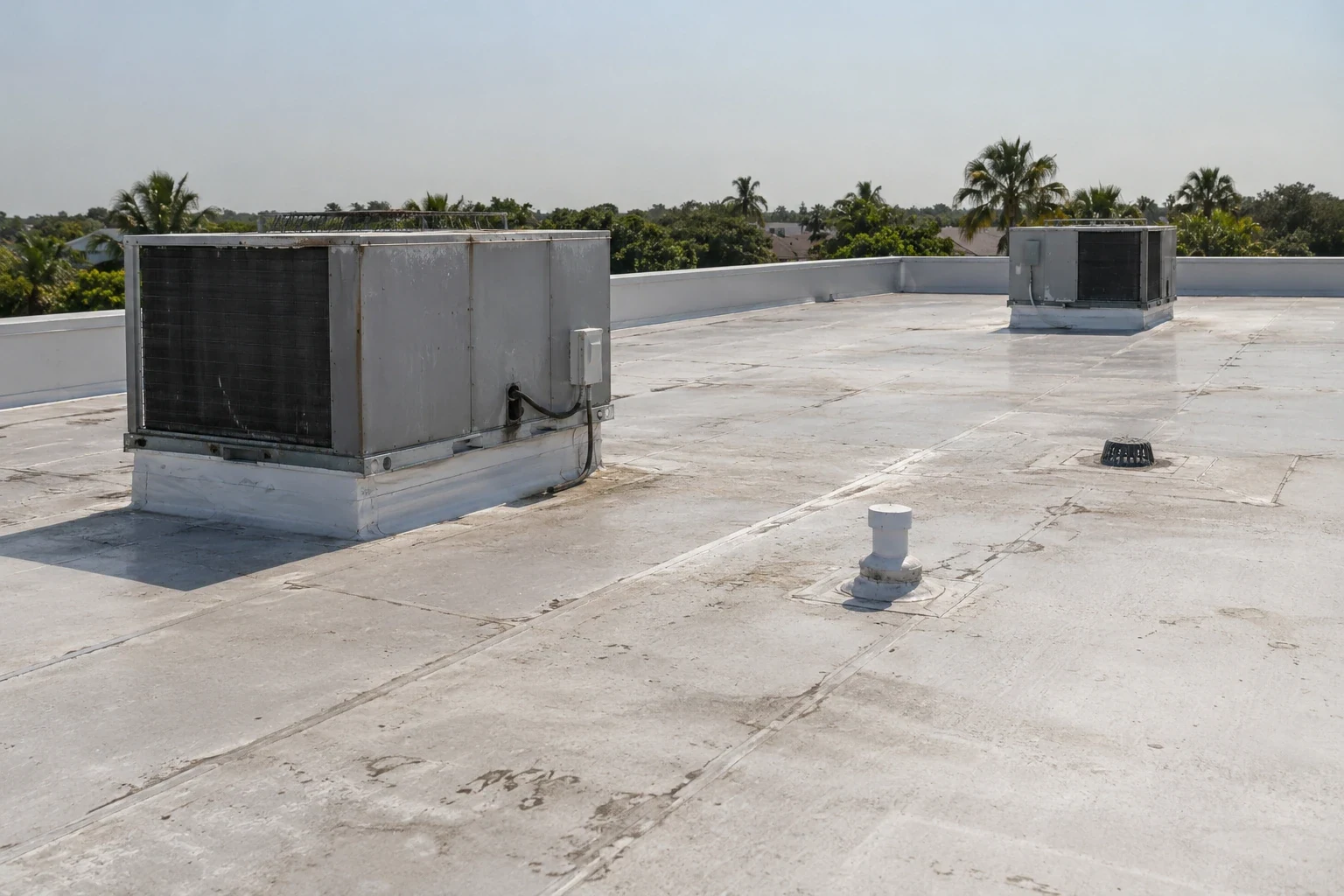
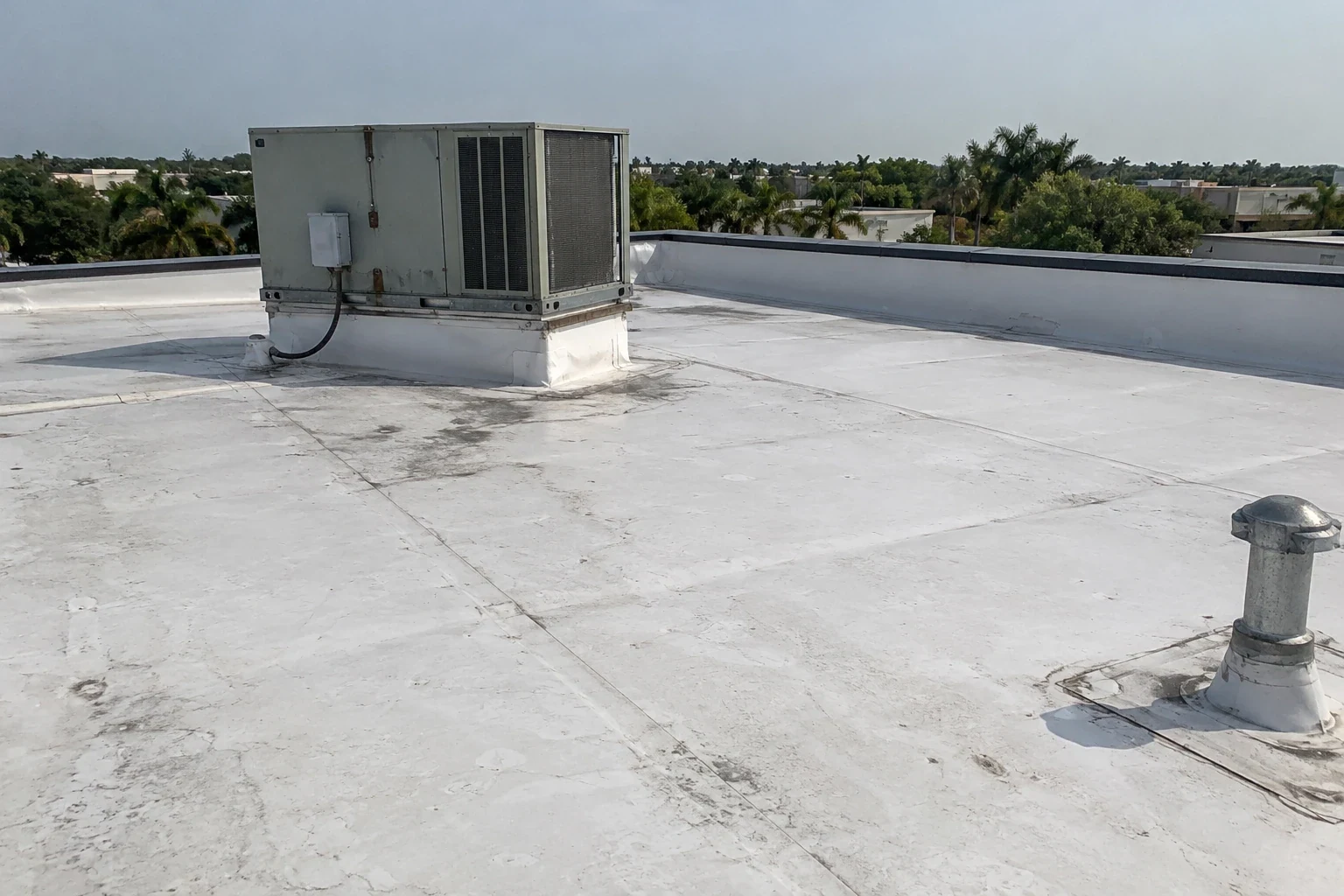
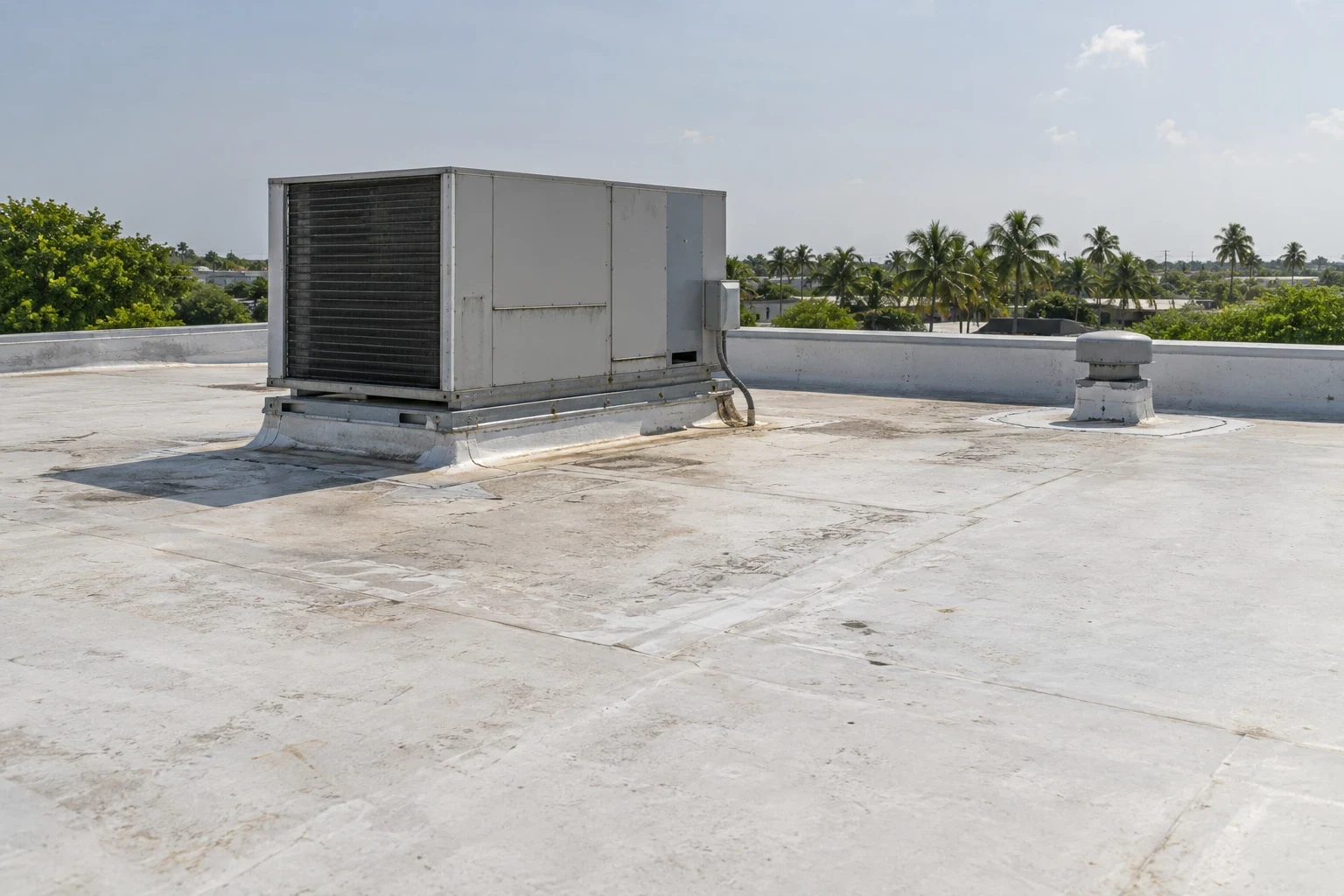
A sound scope names the membrane, repair area, transition, and adjacent conditions that remain outside the work. We inspect whether the defect is isolated, whether wet insulation extends beyond it, and whether the surrounding sheet can accept a reliable tie-in. A small patch over a moving or contaminated surface may hide the symptom without restoring the assembly. When the moisture boundary is unclear, infrared mapping or selective openings can help locate affected material. We record the test area, result, and limits so a decision-maker can compare a repair with a recover or replacement.
GAF details and accessories must match the membrane and substrate. We identify whether the roof is TPO, PVC, PVC KEE, or another system before selecting cleaners, primers, adhesives, or flashing. Product compatibility matters at every interface. Coating restoration requires a separate surface and adhesion review. The proposal lists what will be removed, retained, repaired, tested, or deferred, including the transitions in scope.
Closeout: Leave a usable assembly record
At closeout, the facility director should be able to connect each repair to a roof zone, material, and detail. We provide photographs, repair locations, test observations, and any remaining condition that was not included in the approved scope. If the work affects a manufacturer system, product documentation and applicable warranty requirements should be reviewed against the actual assembly and project terms. We review product records, the installed assembly, and the governing warranty documents together before describing applicable coverage.
Sunrise’s four major business parks include corporate, technology, flex, distribution, and manufacturing uses, while the western district also contains retail, entertainment, and mixed-use buildings. A clear record helps a property manager keep separate roofs and operating constraints distinct. For a Sunrise roof assessment, share plans, past repairs, leak locations, equipment restrictions, and business hours. We will map the relevant areas, identify what can be confirmed without opening the assembly, and price any testing needed to establish a repair boundary. The next action can then be tied to evidence on the roof, not just a product label in an old file.
Frequently Asked Questions
How do you know whether the roof is a GAF system?
We compare labels and project records with accessible membrane edges, seams, flashings, and attachment details. If the layers remain uncertain, a small test opening may be needed before specifying a compatible repair.
Can a failed TPO seam be welded again?
The surrounding sheet must be clean, sound, and suitable for a new weld. We test the area and check for wet insulation, contamination, or movement before selecting a repair detail.
Does a GAF product name determine warranty coverage?
No. Coverage depends on the specific installed assembly, project documents, registration, and applicable terms. We can organize the roof records and identify what needs confirmation.
What should we provide before a GAF roof inspection?
Send the roof plan, prior repair records, leak locations, known membrane or insulation details, access limits, and operating hours. Those items help focus testing and protect activity below.
When is a local repair not enough?
A repair may not be a durable choice when moisture extends beyond the patch area, attachment has failed broadly, or the adjacent sheet cannot accept a sound tie-in. Inspection defines that boundary.
Map the GAF roof assembly
Share roof records, leak locations, prior repairs, equipment limits, and operating hours. We will inspect the assembly and define a compatible repair or replacement scope.
Call 555-555-5555 or request a roof assessment.