
Silicone Roof Coatings in Sunrise, FL
Silicone Roof Coatings
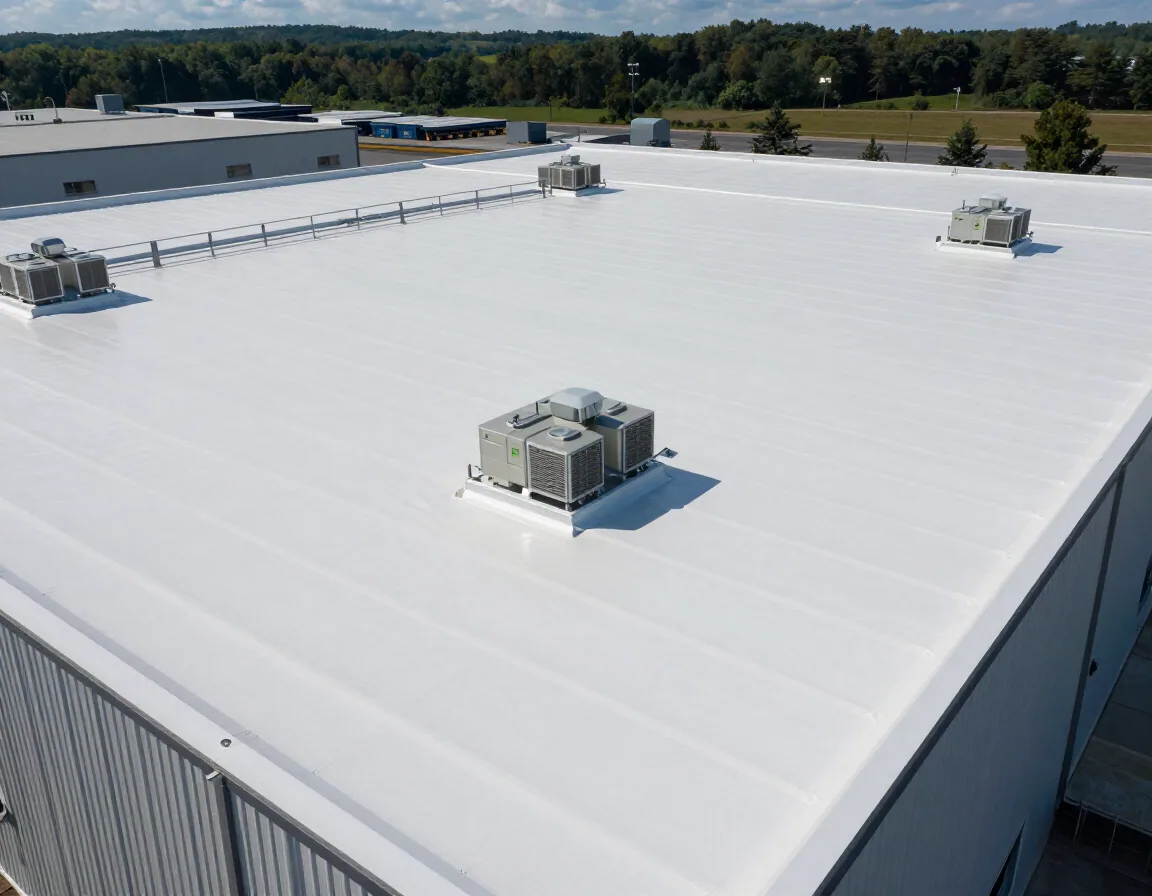
A silicone coating can renew a serviceable roof surface, but it cannot correct wet insulation, failed attachment, or an open flashing detail beneath it. In Sunrise, FL, a coating decision must account for intense sun, high humidity, and heavy rainy-season drainage demands. We inspect the existing membrane, test adhesion where needed, and identify repairs before pricing an application. Water resistance at the coating surface is only one part of the assembly's performance. A facility in Sawgrass International Corporate Park may have different rooftop equipment and operating constraints from a warehouse in Sunrise Commerce Park, even when both roofs appear to need the same coating. Our roof restoration service starts with the condition that the coating would cover.
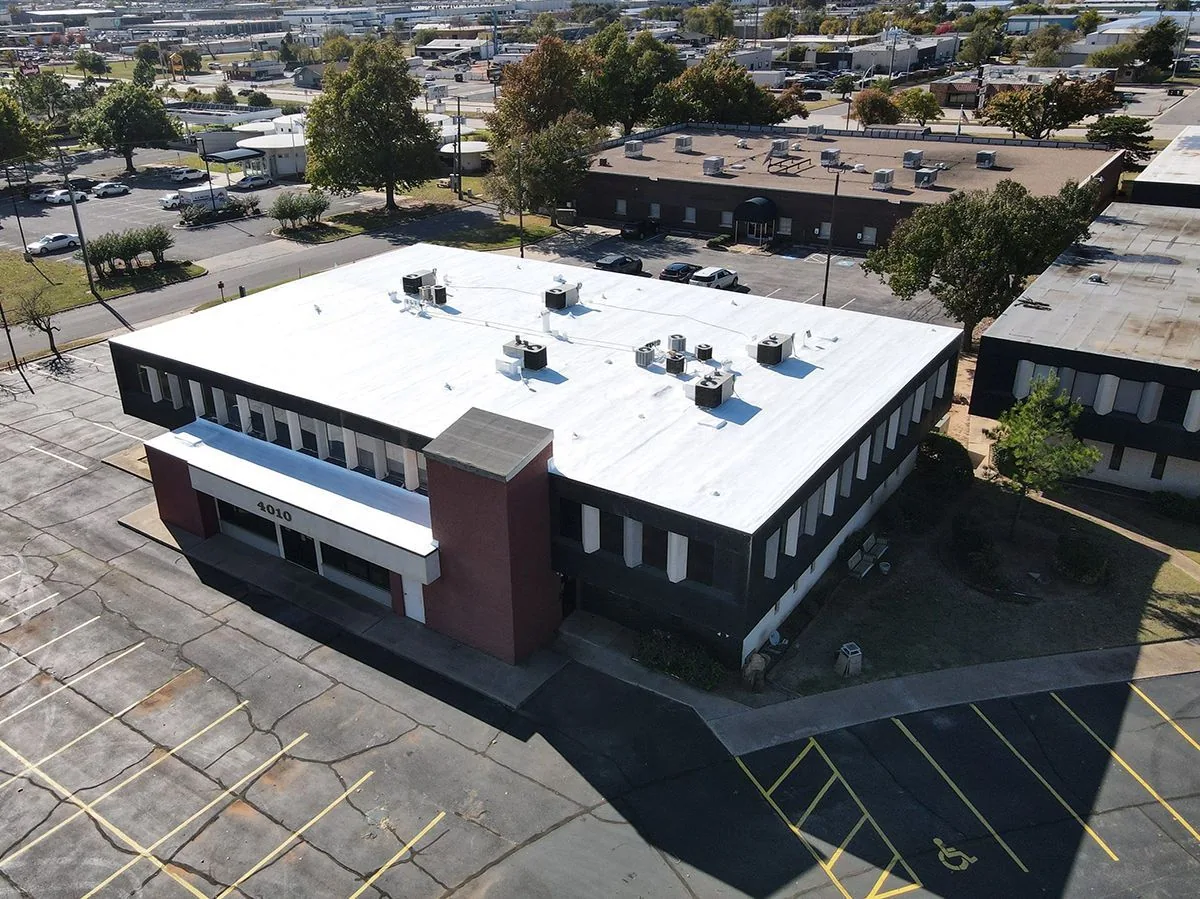
Roof Systems in Sunrise, FL
Compare silicone roof coating repairs and restoration in Sunrise, FL. We test adhesion, map ponding, repair details, and confirm the existing roof is suitable.
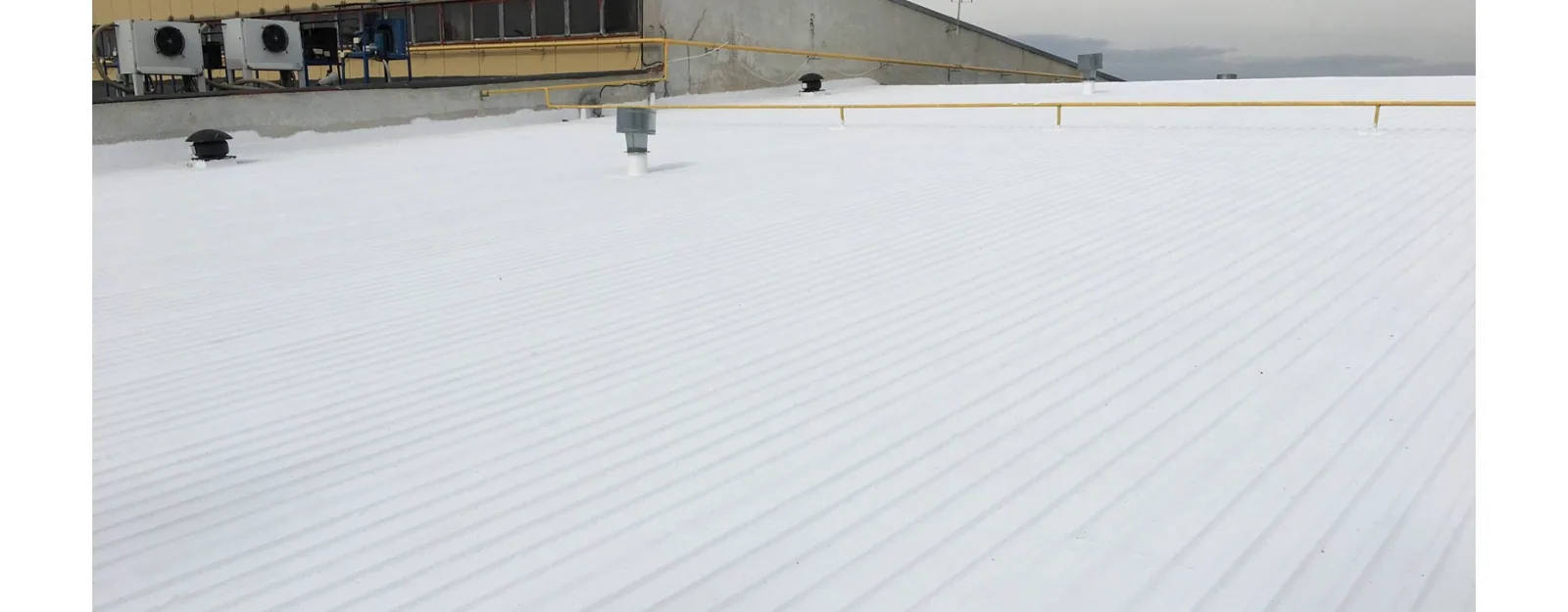
Existing surface: Identify what the coating will bond to
Silicone can be applied over some prepared roof surfaces, but the compatible primer and preparation depend on the membrane, prior coating, contamination, and manufacturer system. We identify the existing material at seams, flashings, and prior repairs instead of treating the whole roof as one known surface. Dirt, chalking, oils, loose coating, and trapped moisture can interfere with adhesion. Test areas show whether cleaning and preparation produce a suitable bond before the full scope is set.
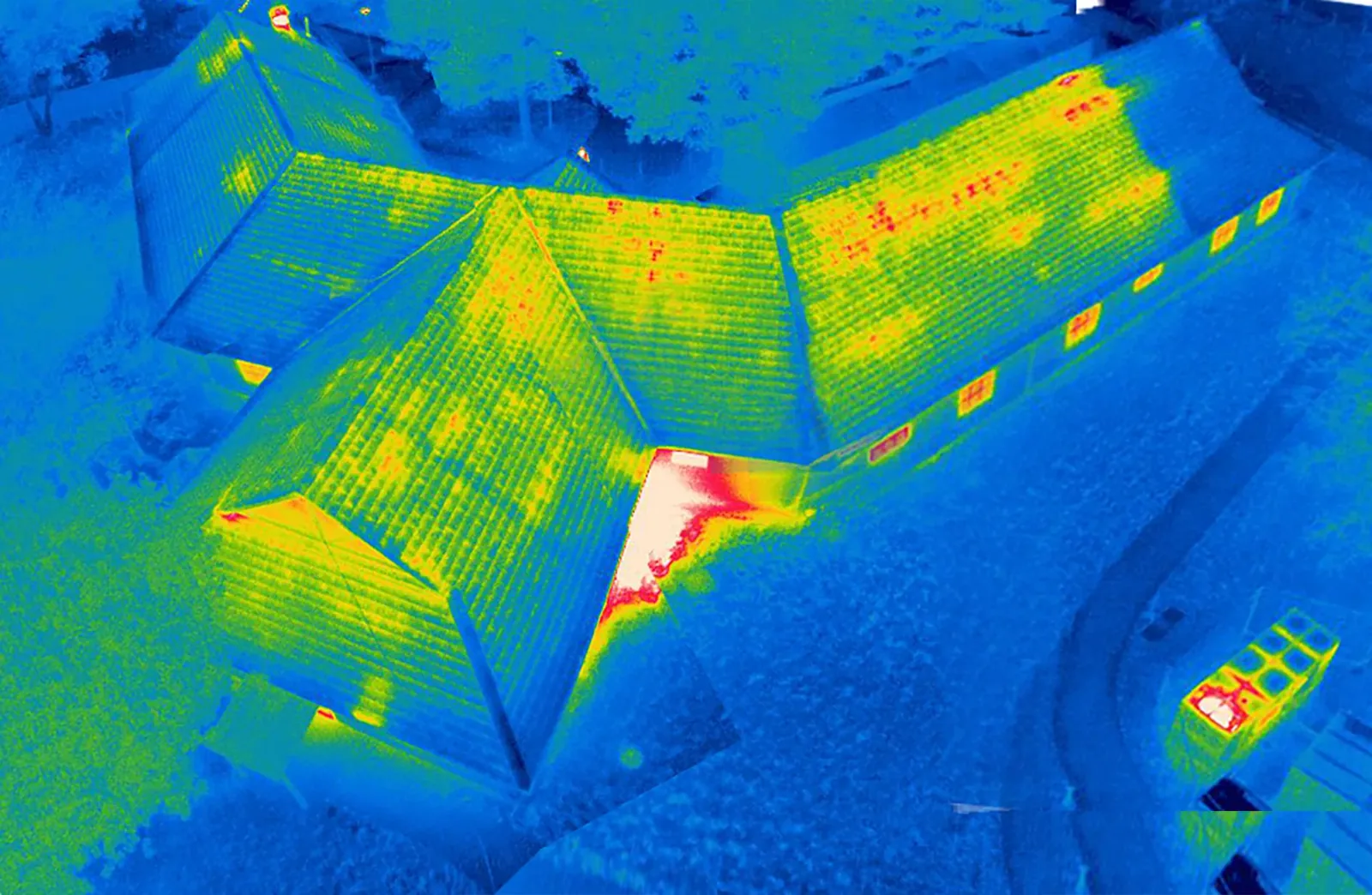
Some roofs need a separate primer or reinforcement at seams, fasteners, penetrations, and changes in plane. The product's data and the condition on the roof guide that detail. A commercial roof inspection records the surface, transitions, and areas that need repair before coating. When concealed moisture may change the quantities, a moisture survey can help select direct test locations. At Sunrise Commerce Park, manufacturing and distribution operations can place vents, exhaust, or equipment across broad roof sections, so each repair boundary must be mapped to the building rather than estimated from a small sample.
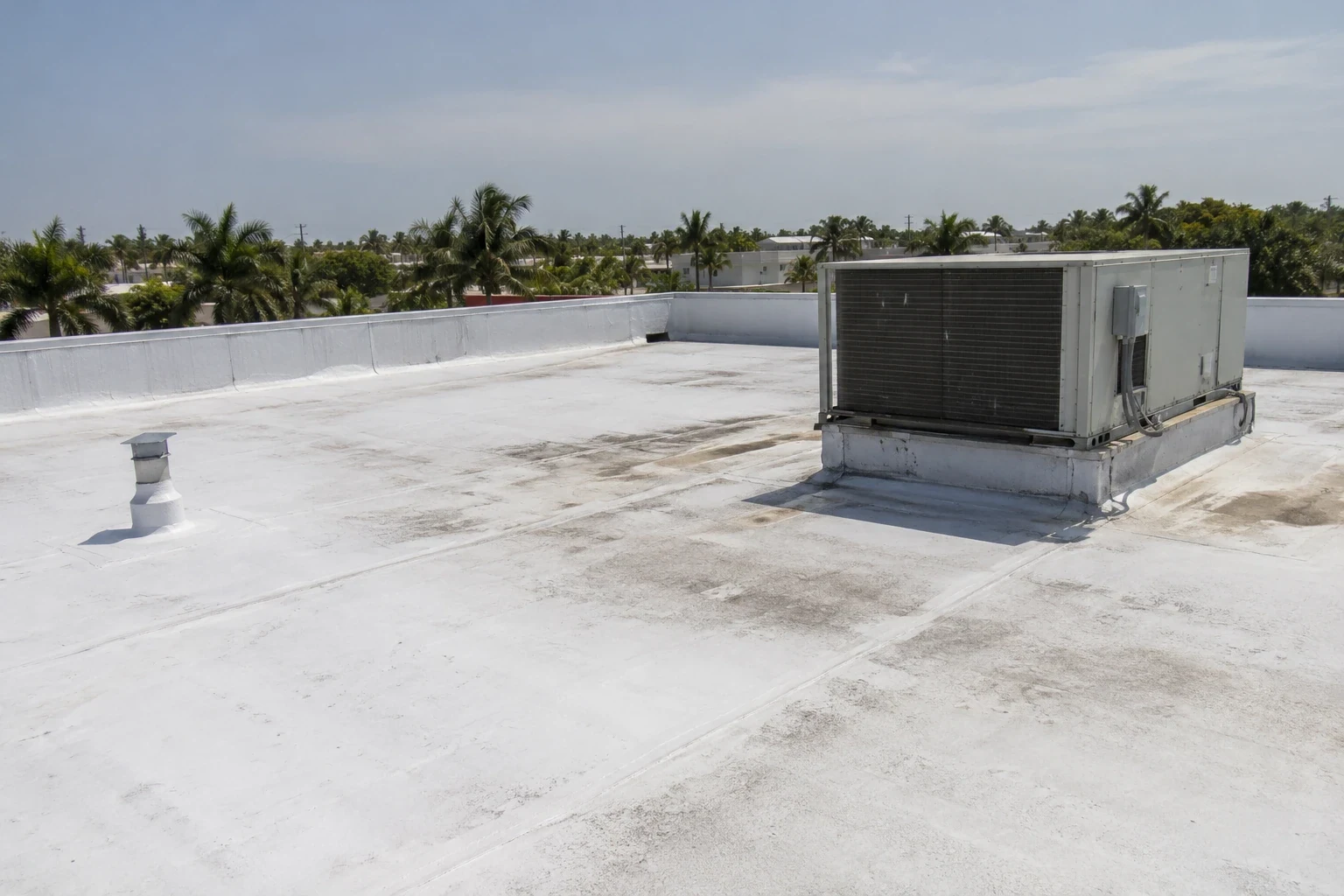
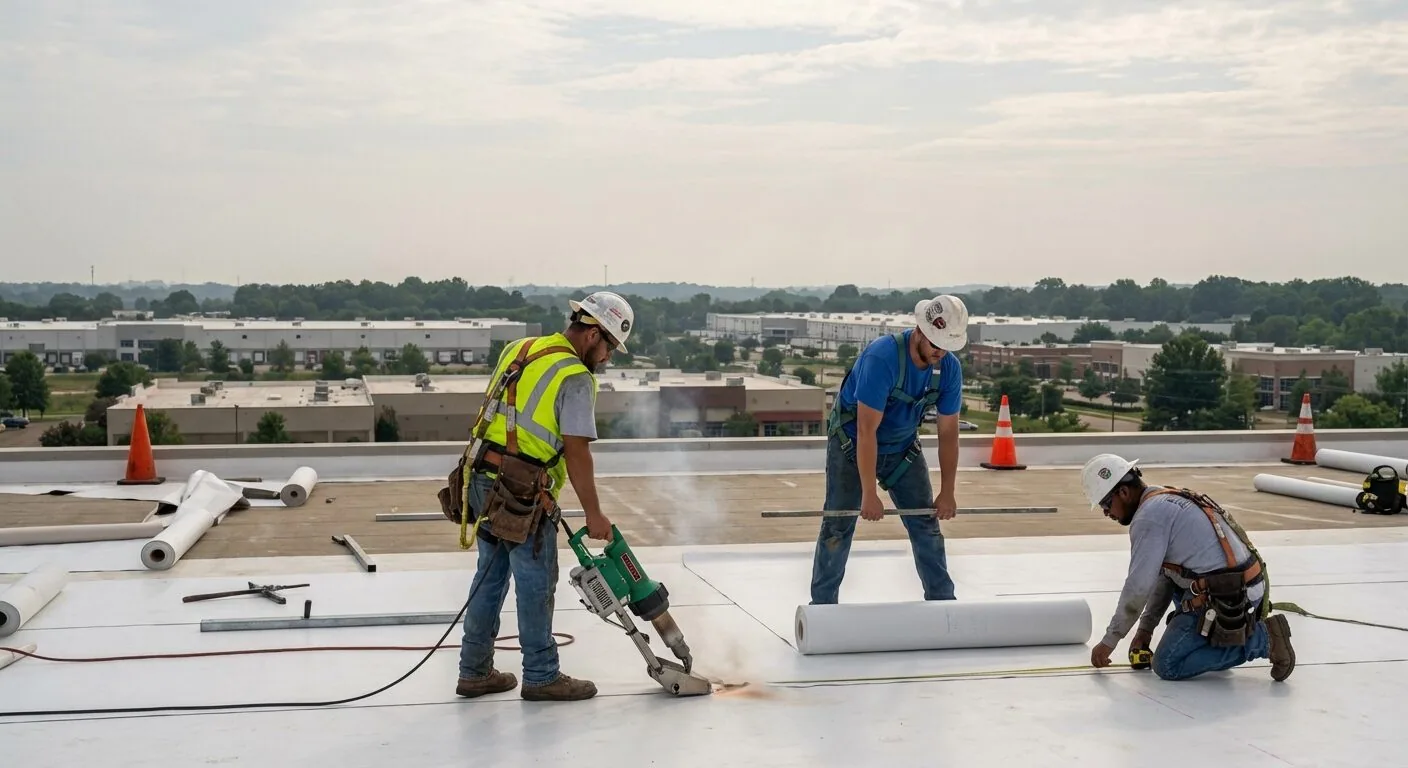
Ponding: Check the basin before specifying silicone
Silicone systems are often selected where water may remain after rain, yet a coating does not remove the reason water is standing. We map low areas, identify whether drains or scuppers are restricted, and look for deformation, wet layers, and deterioration near the basin. A coating manufacturer's ponding-water allowance is product-specific; it does not mean every saturated roof is ready to coat. Water can continue to move through an open seam or failed penetration below the new surface.
Fort Lauderdale's climate normal assigns 37.49 inches of rainfall to the South Florida rainy season. That seasonal concentration makes drain function and discharge route part of the coating scope. We document where water remains after ordinary drainage time and whether the roof needs drain work, slope correction, or an assembly repair first. For a drainage inspection, the crew can clear and assess outlets before a coating estimate is finalized. The decision should distinguish an isolated basin from a widespread condition across multiple roof zones.
Preparation: Repair the details that coating cannot bridge
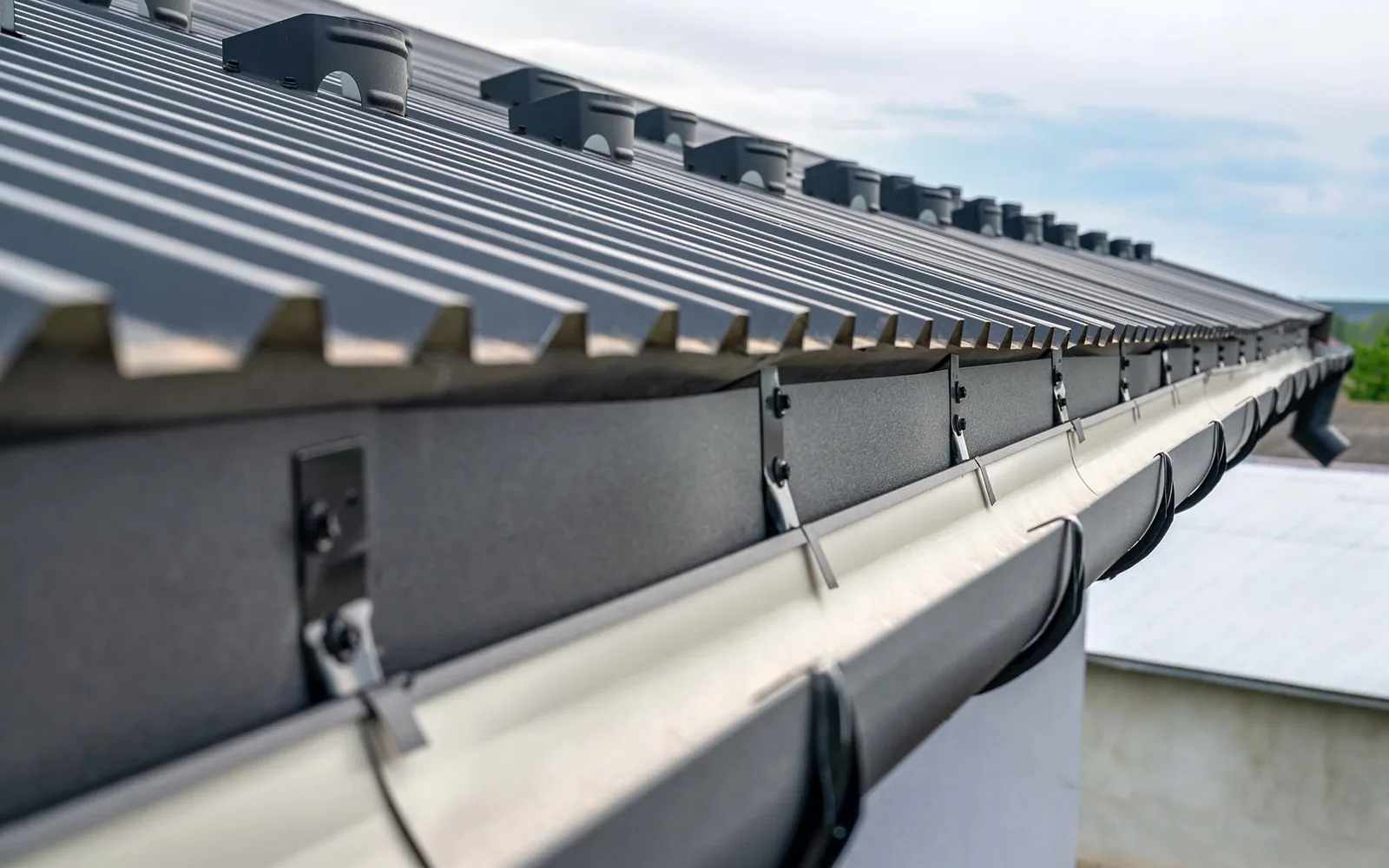
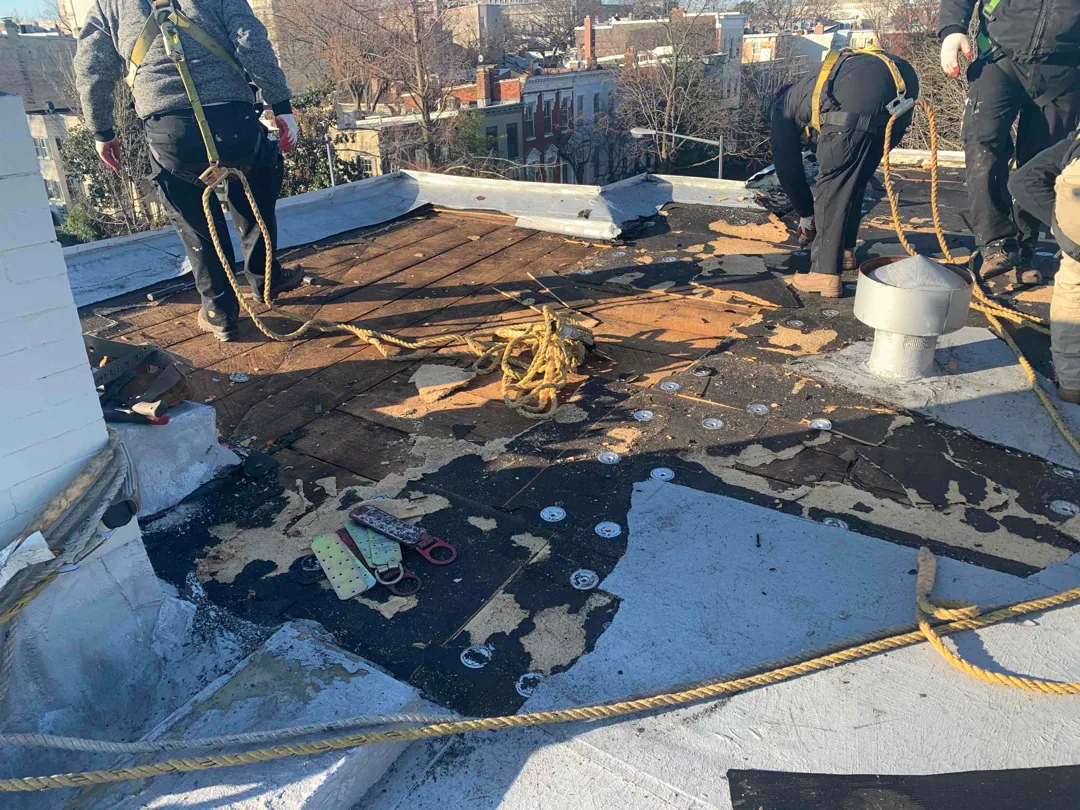
Preparation usually includes cleaning, removing material that will not bond, repairing membrane defects, and treating details identified by the selected system. We pay particular attention to penetrations, drain bowls, edge transitions, expansion joints, and old patches. A continuous white surface can hide a weak seam if the prep crew has not opened and repaired it. Photos of the prepared roof and repair locations help show what is being covered and what remains outside the coating plan.
Application requires suitable conditions for the product, a dry prepared surface, and control of overspray or runoff near building openings. Humidity and afternoon storms affect the work sequence in South Florida; the crew checks actual conditions before applying each zone. At the 612-acre Sawgrass International Corporate Park, the City identifies corporate offices, financial services, and healthcare uses, so access windows and rooftop equipment can vary among buildings. A condition report can retain the preparation photos, test results, and repaired details with the building's roof records.
System choice: Match coating to membrane and use
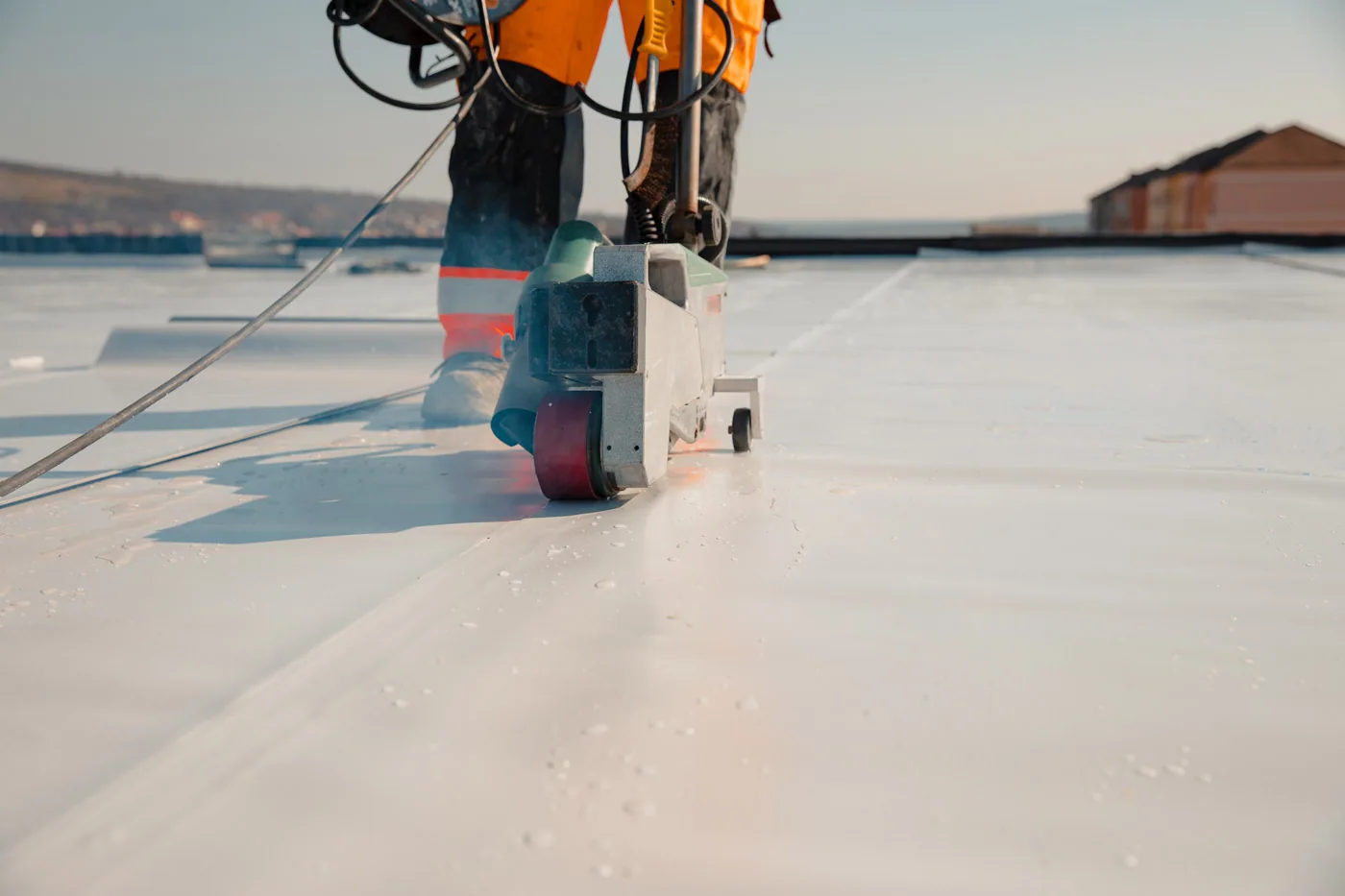
Silicone is not a universal topcoat. A roof with a prior acrylic layer, a membrane with surface treatments, or a mix of old repairs may need a different preparation or system selection. We check product compatibility, adhesion results, required thickness, reinforcement needs, and maintenance instructions before writing the specification. If the roof is a single-ply membrane, the evaluation should also consider whether seam repairs or a localized membrane patch solve the defect with less added material.
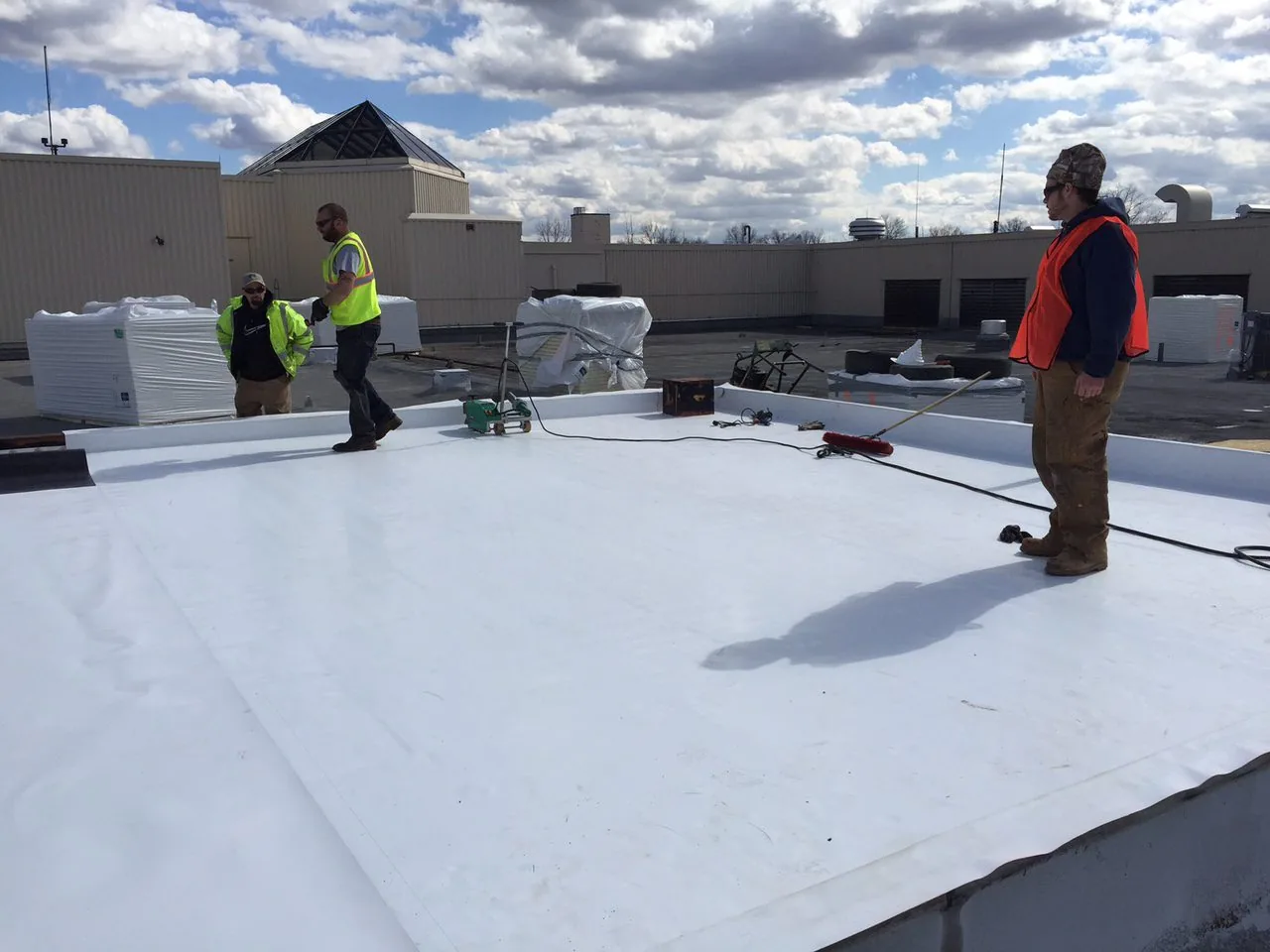
For example, TPO and PVC systems have heat-welded seams whose condition is evaluated by probing and repair tests, while coated assemblies depend on surface bond and the layers beneath. A TPO roof assessment or acrylic coating comparison helps define those differences without assuming that one product fits every surface. At Broward Lakes Business Park, flex and office buildings may have different existing systems; product selection follows confirmed roof construction, not the site's general business use.
Work sequence: Keep drainage and access visible
Before work, we agree on staging, roof access, protected openings, drain controls, and the areas that can be closed during application. The sequence should leave a clear path for occupants and building operations while keeping uncured coating away from foot traffic. A phased job may split large roof areas by drain basin, access point, or building function. Where HVAC or process equipment must remain available, the plan identifies who can authorize shutdowns and how the work crew will protect intakes.
Closeout records the product used, prepared and coated zones, repairs beneath the coating, thickness or coverage evidence required by the system, photographs, and care instructions. It also lists remaining defects that were excluded, with their location and next step. For a silicone coating project in Sunrise, share prior coating records, roof plans, water locations, leak history, and operating limits. We will identify what the surface can accept and whether a coating, a localized repair, or a replacement scope better fits the assembly. A replacement assessment is appropriate when the layers below are too wet or unstable to retain.
Frequently Asked Questions
Will silicone coating stop water from ponding on our roof?
No, a coating follows the roof's existing profile. We inspect drainage and the low area to determine whether a blocked outlet, deflection, slope issue, or wet insulation needs attention before the surface is renewed. The selected product's ponding guidance is checked against those conditions.
Can silicone go over our old roof coating?
A test patch and product compatibility review should answer that before the full application. We identify the old coating, remove loose or contaminated material, and test adhesion after preparation. If the layers are incompatible or poorly bonded, they may need removal or a different repair plan.
What makes a roof unsuitable for silicone restoration?
Widespread wet insulation, weak membrane attachment, unstable substrate, or recurring failures beneath the surface can make a coating a poor fit. We use inspection findings and targeted tests to determine how much of the assembly can remain, then compare restoration with removal or replacement.
How does a silicone coating project handle drains and penetrations?
We inspect and repair those details before coating the field. Drain bowls, curbs, pipes, edge transitions, and open seams need compatible preparation and reinforcement where the system calls for it. The final roof map identifies the detail work and any item excluded from the coating scope. We also record new coating terminations at changes in height so later inspections can check those edges for lifting or separation.
What records should we retain after the coating is installed?
Keep the product and application information, preparation and repair photographs, coverage records, roof-zone map, maintenance directions, and any limitations that remain. Those documents help the next inspection distinguish the new system from earlier layers and direct future testing to the right location.
Test the existing roof before coating
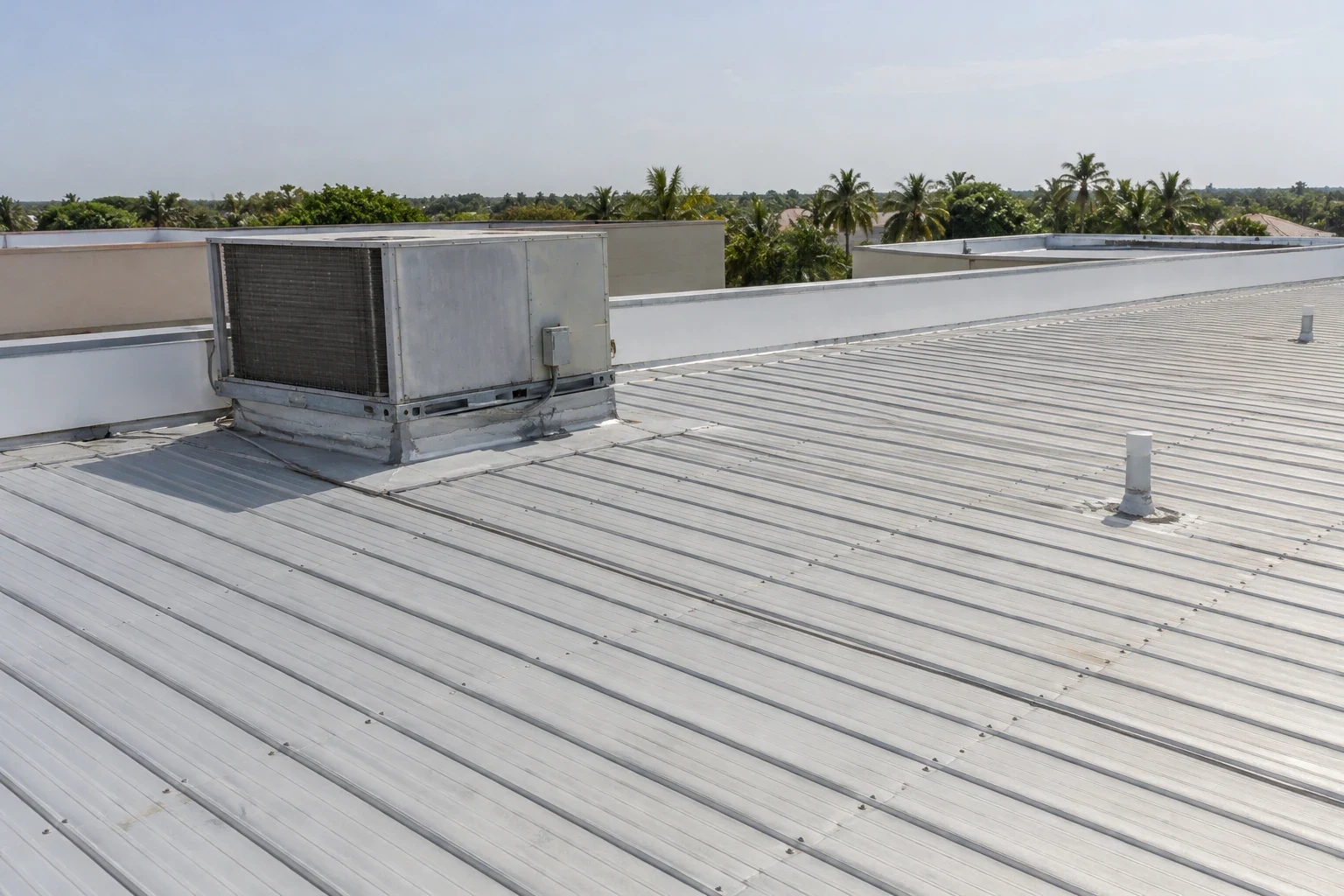
Send roof plans, coating history, leak locations, ponding areas, and operating constraints. We will inspect the substrate, drainage, and details before defining a silicone restoration scope.
Call 555-555-5555 or request a roof assessment.