Commercial Roof Coating in Sunrise, FL
Commercial Roof Coating
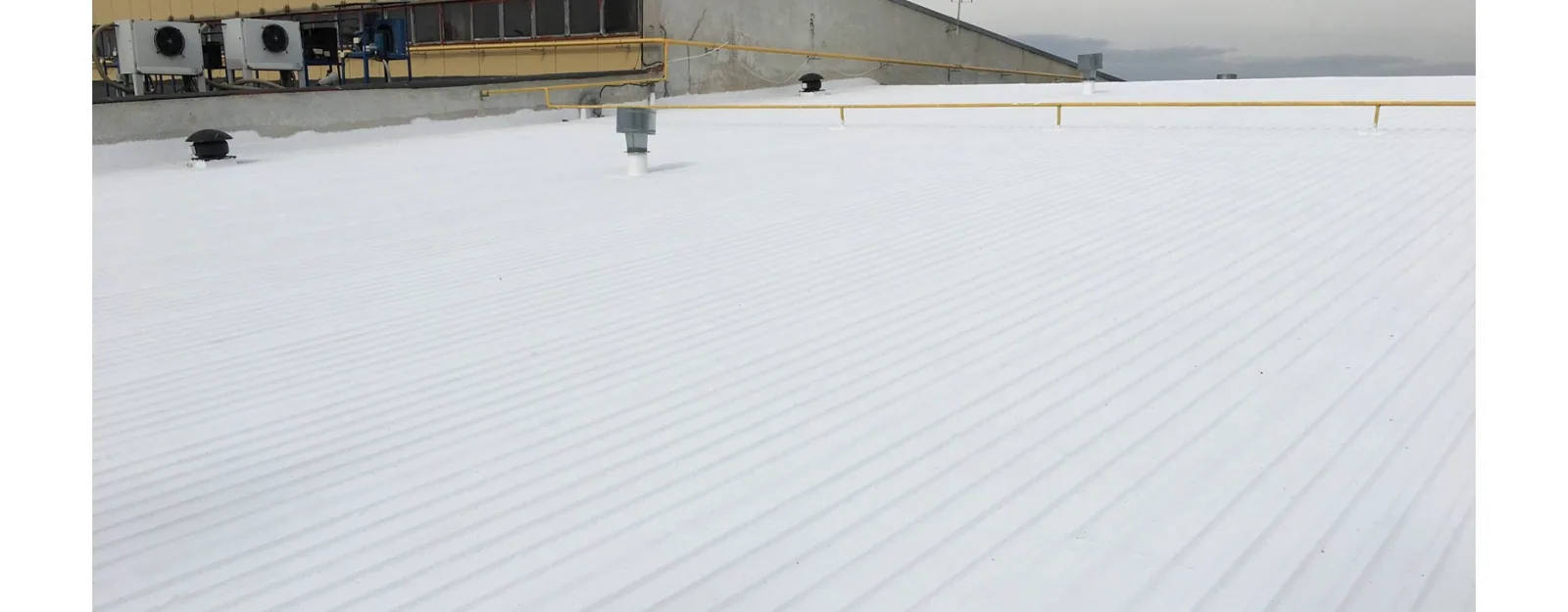
Low-slope retail roofs in Sunrise, FL may be candidates for a coating only when the existing assembly is sound, dry enough, and prepared for the selected system. Before coating, we repair open drains, unstable flashing, and failed attachment, and remove or replace wet insulation where the inspection confirms it. We inspect seams, penetrations, curbs, ponding areas, and prior repairs, then identify whether restoration, localized repair, or replacement should be compared. Sawgrass Mills and the arena sit within Sunrise's broad Business and Entertainment District, alongside corporate and mixed-use properties. That area includes varied roof access and operating schedules. A coating proposal should state surface preparation, detail repairs, application limits, drainage considerations, and how the building will remain accessible while the work cures.
Commercial Roofing Services in Sunrise, FL
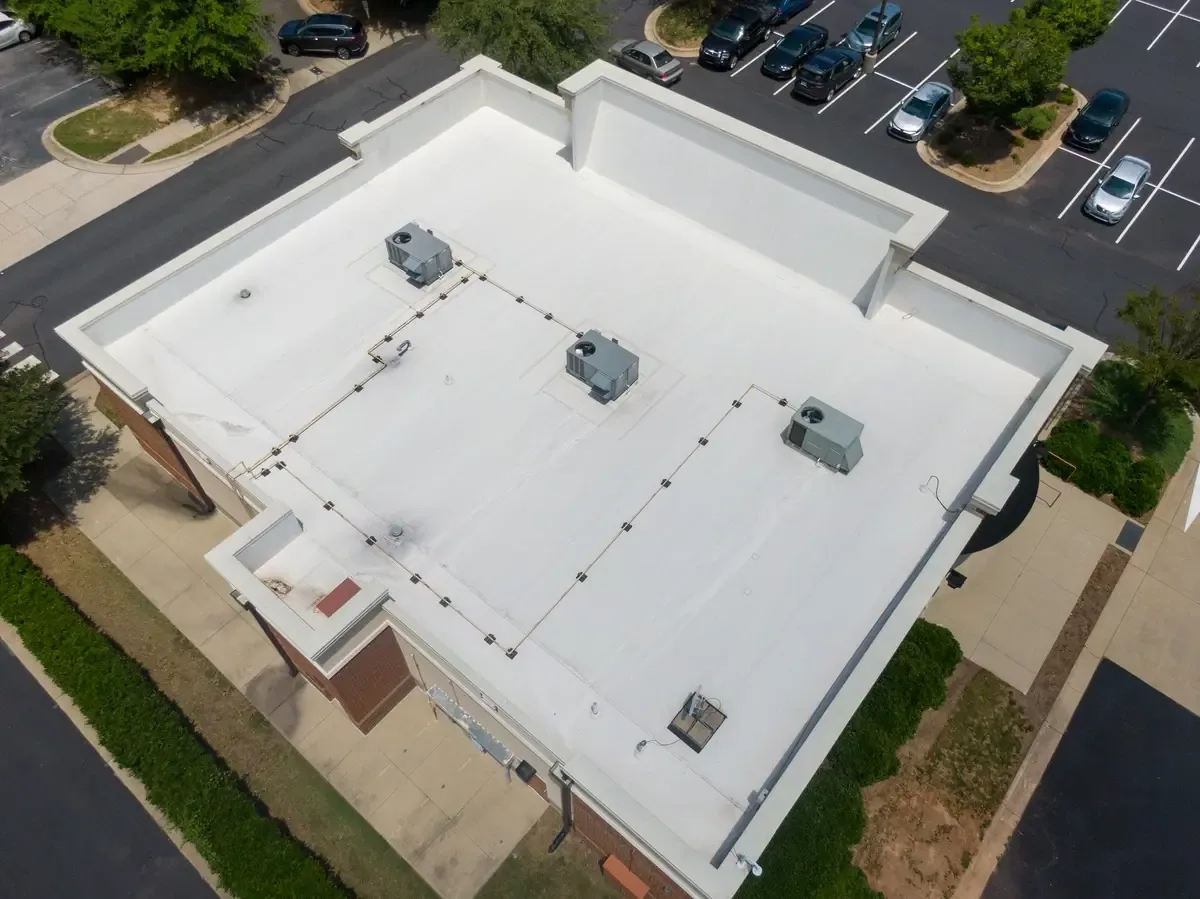
Restore a sound commercial roof in Sunrise, FL with coating eligibility checks, drainage review, compatible preparation, and a defined application plan.
Eligibility: Confirm what the roof can support
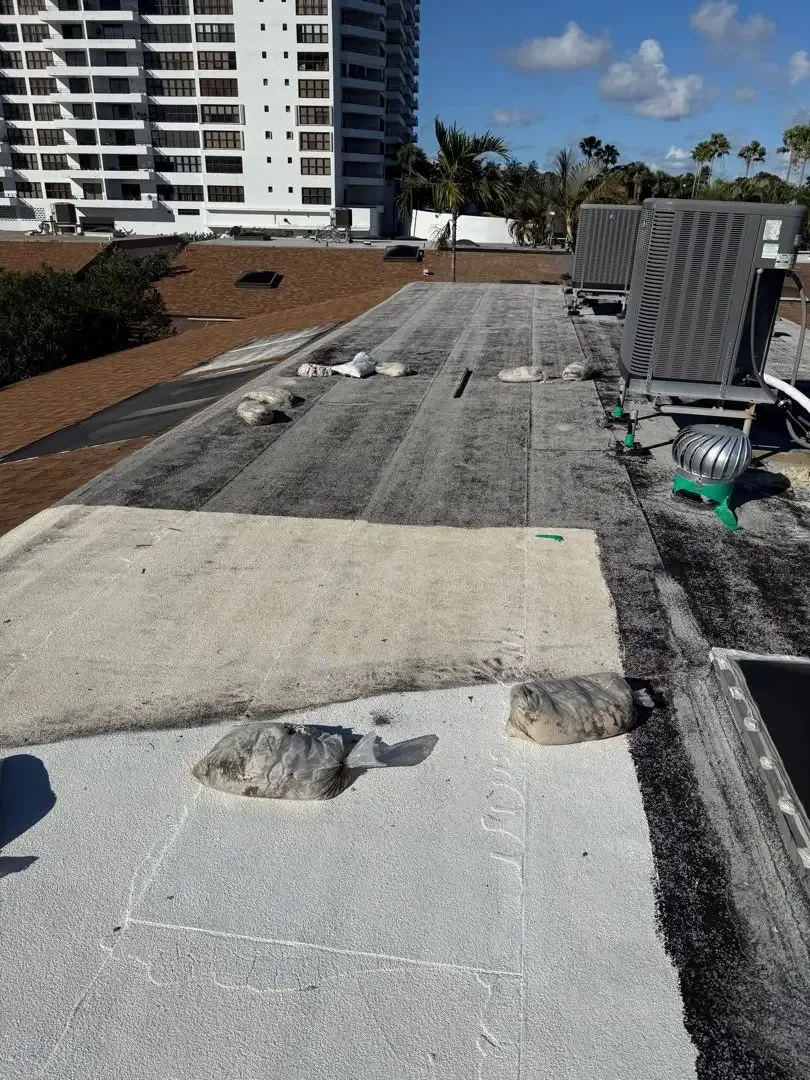
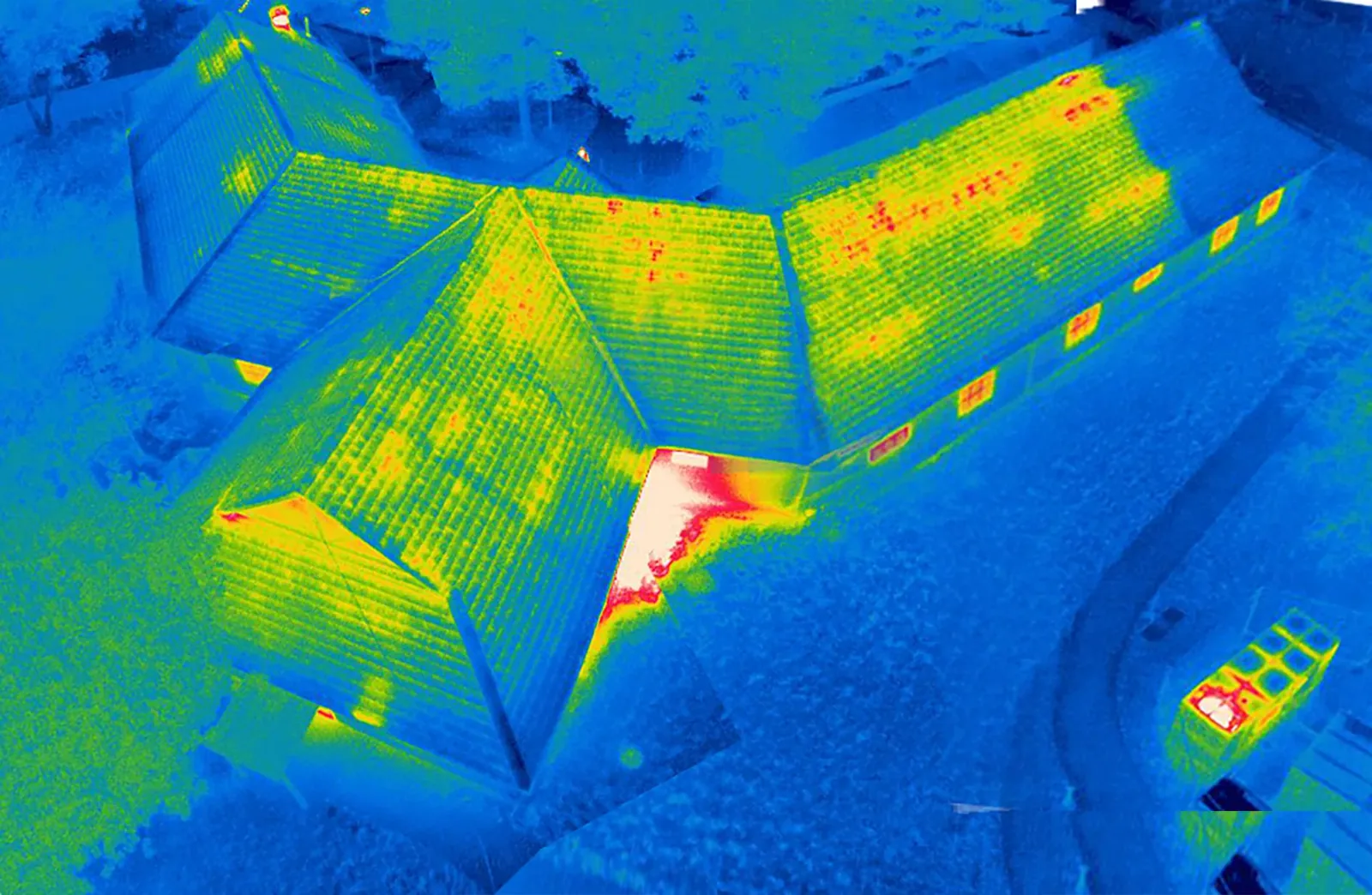
Before pricing a coating, we inspect the membrane or metal surface, check adhesion, identify blisters and splits, and determine whether water has entered the assembly. Wet insulation beneath a roof coating remains wet unless removed or otherwise addressed. A test cut can confirm layers and moisture at selected locations. We map test points and identify any area that still needs verification before the owner commits to full-field restoration.
Sunrise Commerce Park contains distribution, manufacturing, office, and multi-tenant business buildings, while Broward Lakes Business Park includes flex and office properties. The roof system and existing coating at each building need direct identification. A roof inspection can document surface conditions, and a moisture survey can help select test locations when concealed wet insulation is a concern. The proposal should exclude areas that do not meet the coating manufacturer's preparation or substrate requirements.
Preparation: Repair details before the field
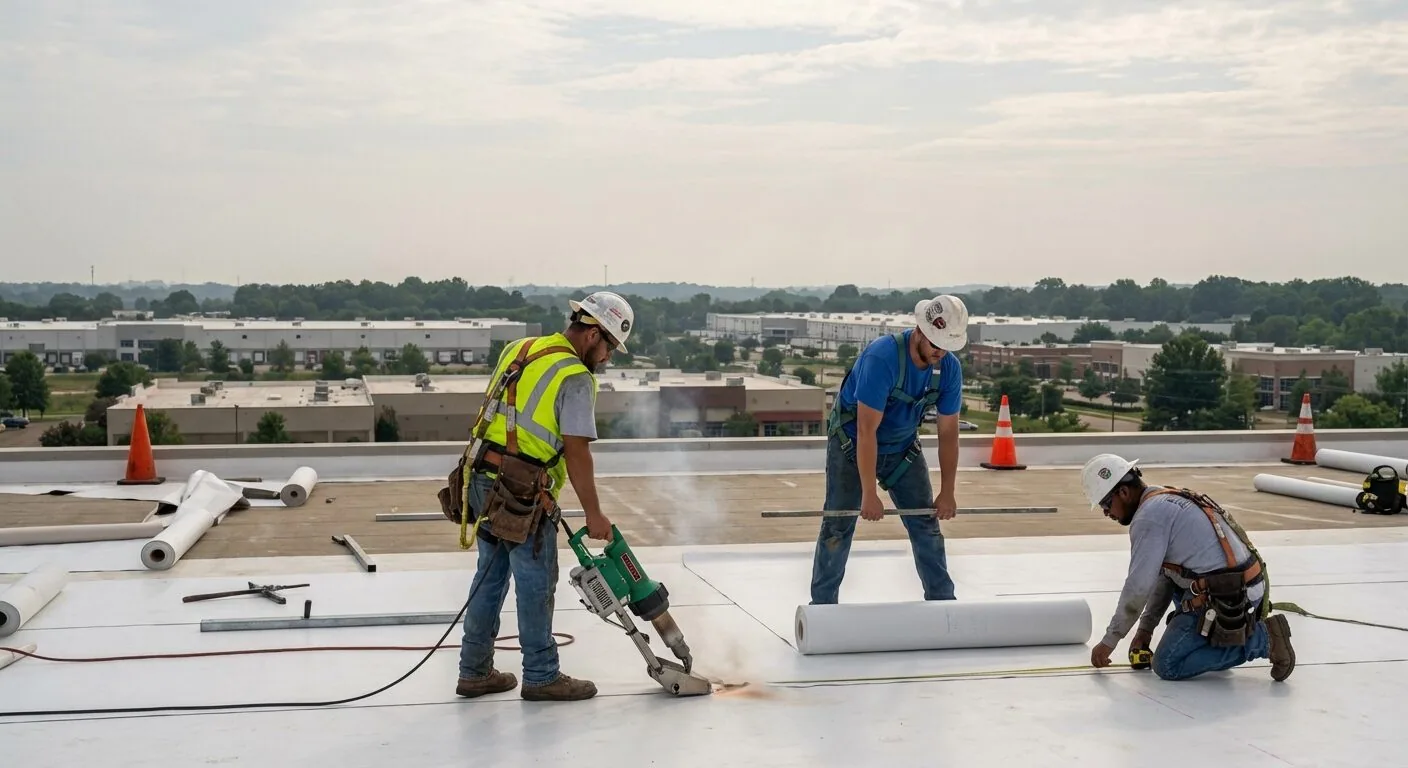
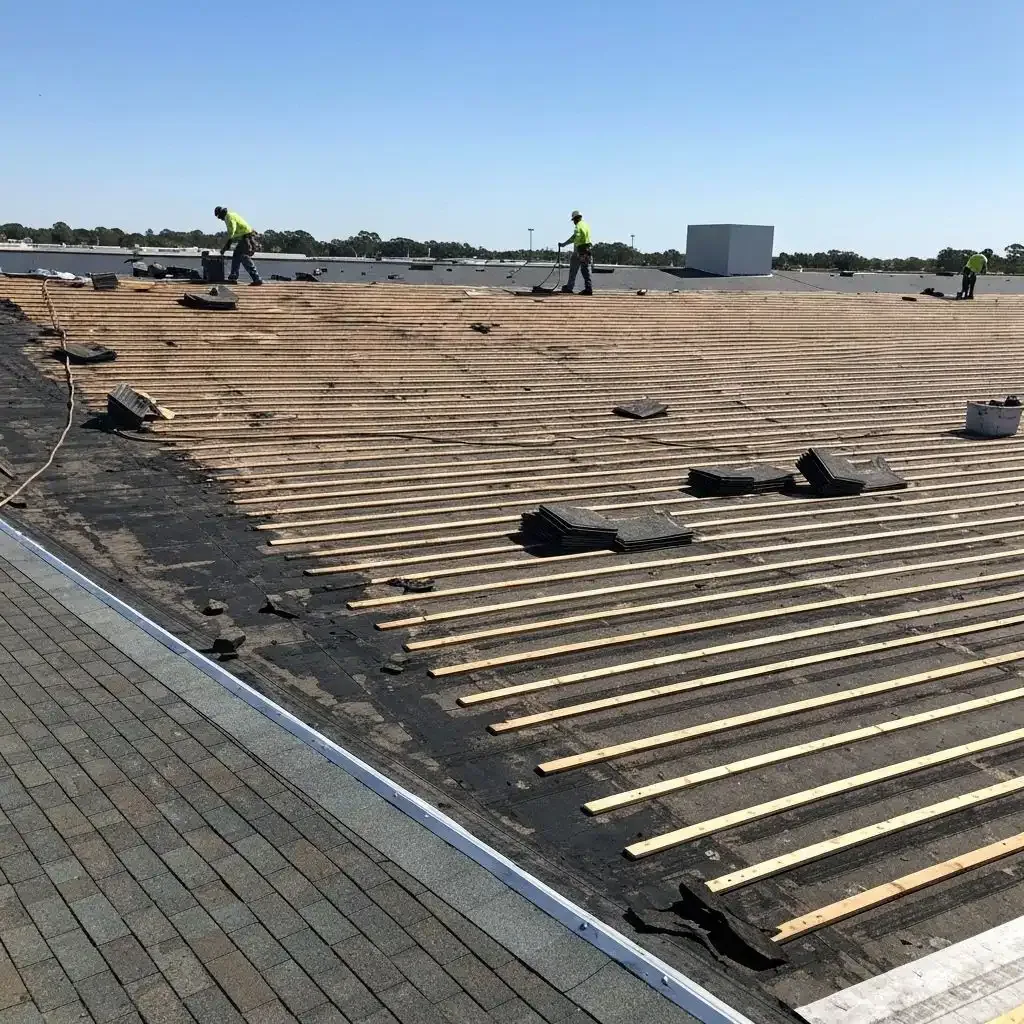
Coating adhesion depends on a clean, stable surface. We identify loose material, chalking, contaminants, incompatible patches, and areas that require pressure washing or other preparation. Existing seams, fasteners, drains, curbs, and penetrations receive detail work suited to the assembly. We repair failed seams and loose edges before applying coating, and keep thickness and reinforcement within the selected system’s specifications.
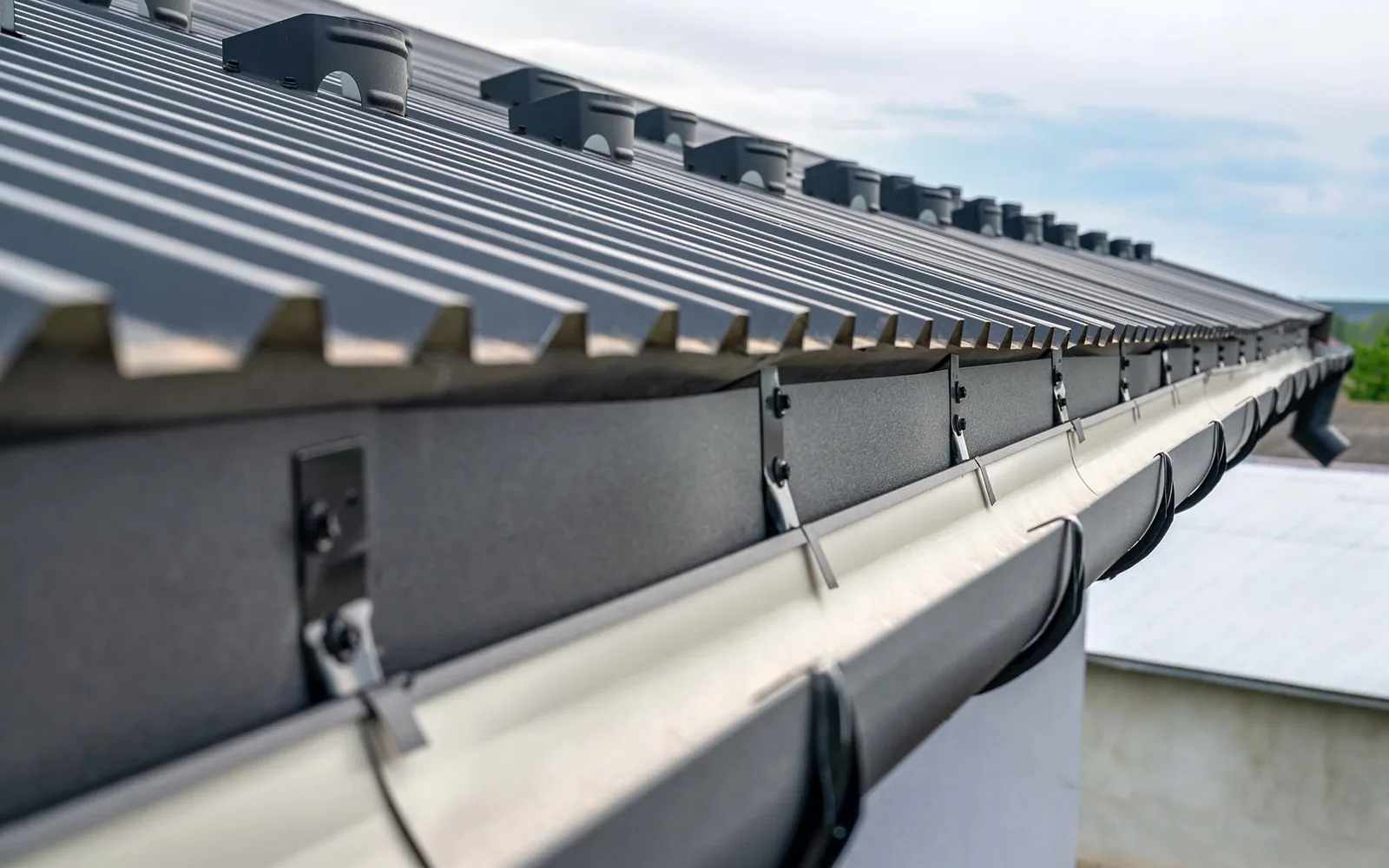
Preparation also includes checking whether water can leave the roof after application. We inspect low areas, confirm that drains and scuppers are clear, and note whether a cricket, tapered section, or outlet correction is needed. Coating may follow existing slope, so a pond that holds water before work can remain a maintenance concern afterward. The proposal identifies any drainage work outside the coating scope and states whether it must be completed first. This protects the coating detail from being used to cover a water-management problem the system cannot solve.
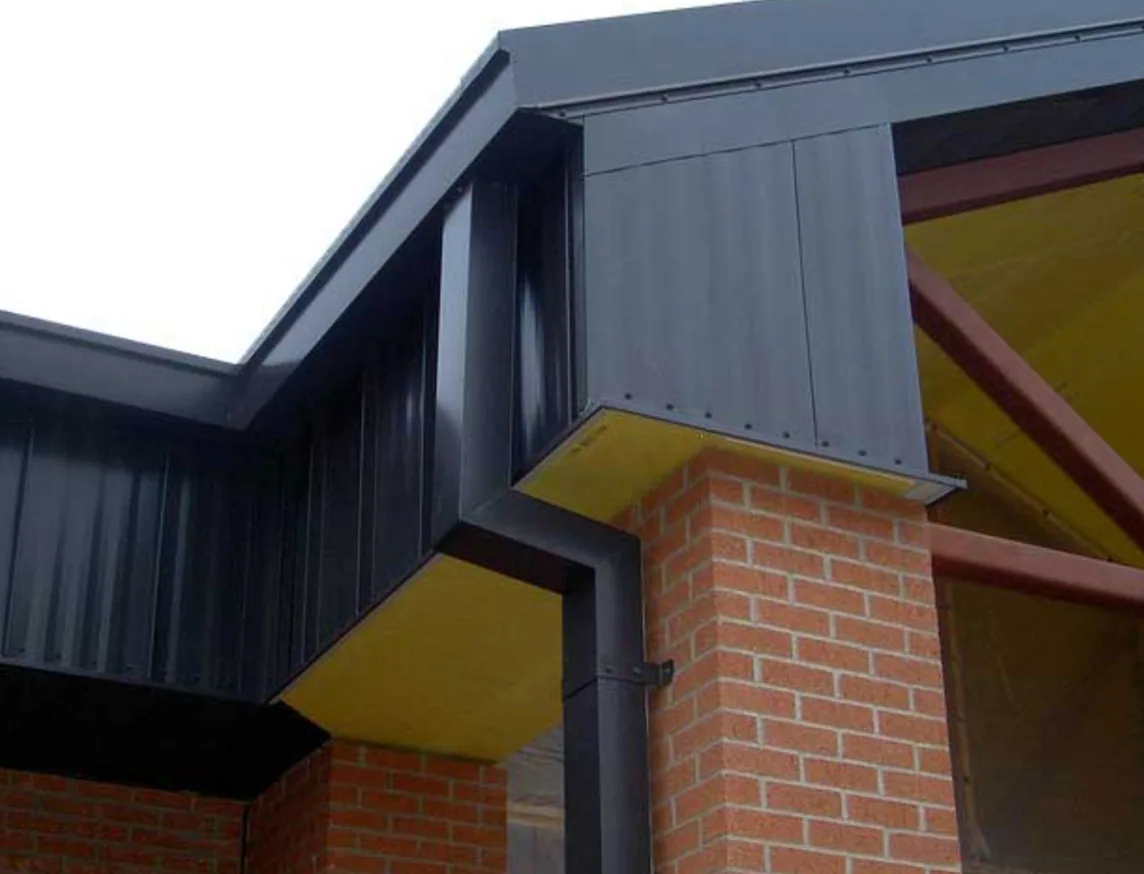
South Florida's heat and humidity affect application windows and cure conditions. The work sequence accounts for surface moisture, rain exposure, and the time required before an area can accept foot traffic or equipment. We record which roof zones are ready, protect drains from coating debris, and check that the substrate is within the product requirements. A drain and scupper service can correct an outlet detail separately, and edge-metal work can address perimeter joints before the field coat is applied.
System: Select silicone or acrylic by condition
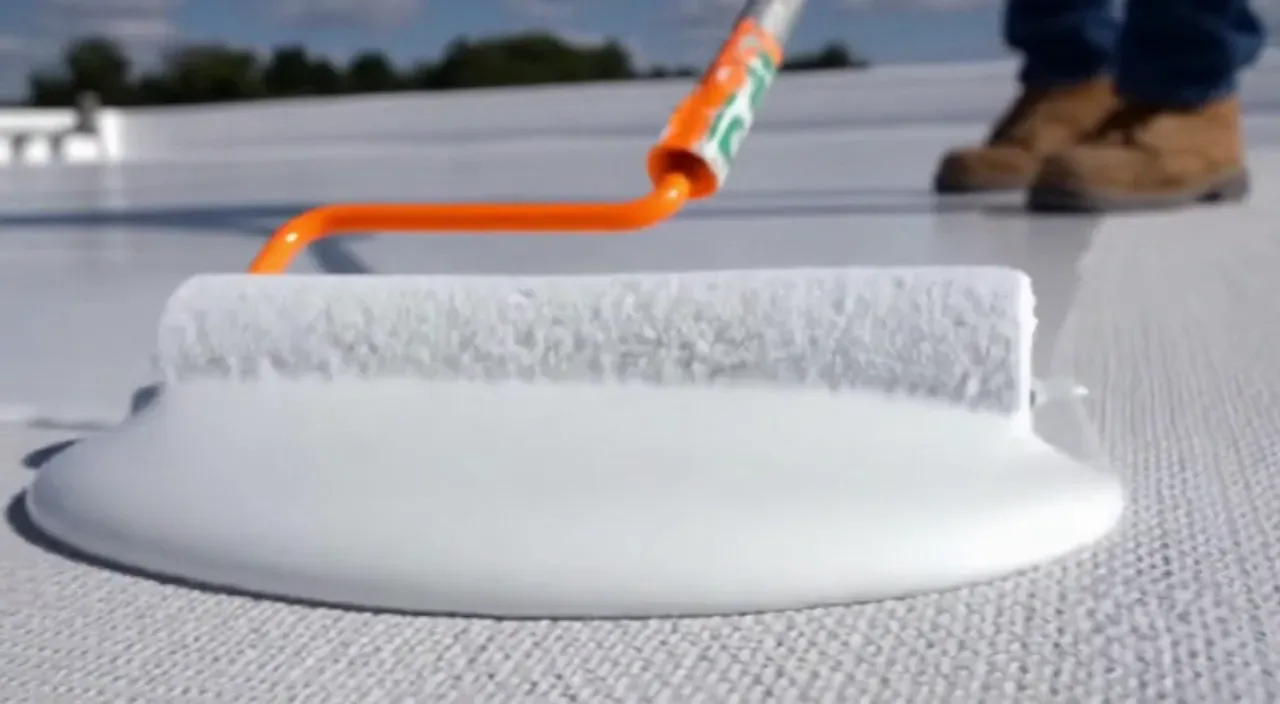
Silicone and acrylic coatings differ in how they handle standing water, traffic, and recoat conditions. The existing assembly, slope, drainage, and service exposure determine whether either system fits. We document the proposed product type, primer, reinforcement at details, number of coats per specification, and areas excluded from application. The system should be selected for the roof in front of us, not because a coating was used elsewhere.
South Florida’s wet season concentrates rainfall into several months, so we verify outlet capacity and allow for cure time before coating work. Those wet months make drainage evaluation and cure timing essential in Sunrise. A coating should not be treated as a way to stop water that remains at drains or low points. A silicone coating system or acrylic roof coating can be compared after confirming substrate and ponding conditions. The scope also names how walk pads, equipment supports, and existing penetrations are handled. We identify whether reinforcement fabric is needed at seams and transitions and which repairs must cure before coating starts. The finished system depends on uniform coverage at edges and vertical details as well as the field. The closeout records each application zone and any area excluded because it could not meet preparation requirements.
Operations: Phase access and cure time
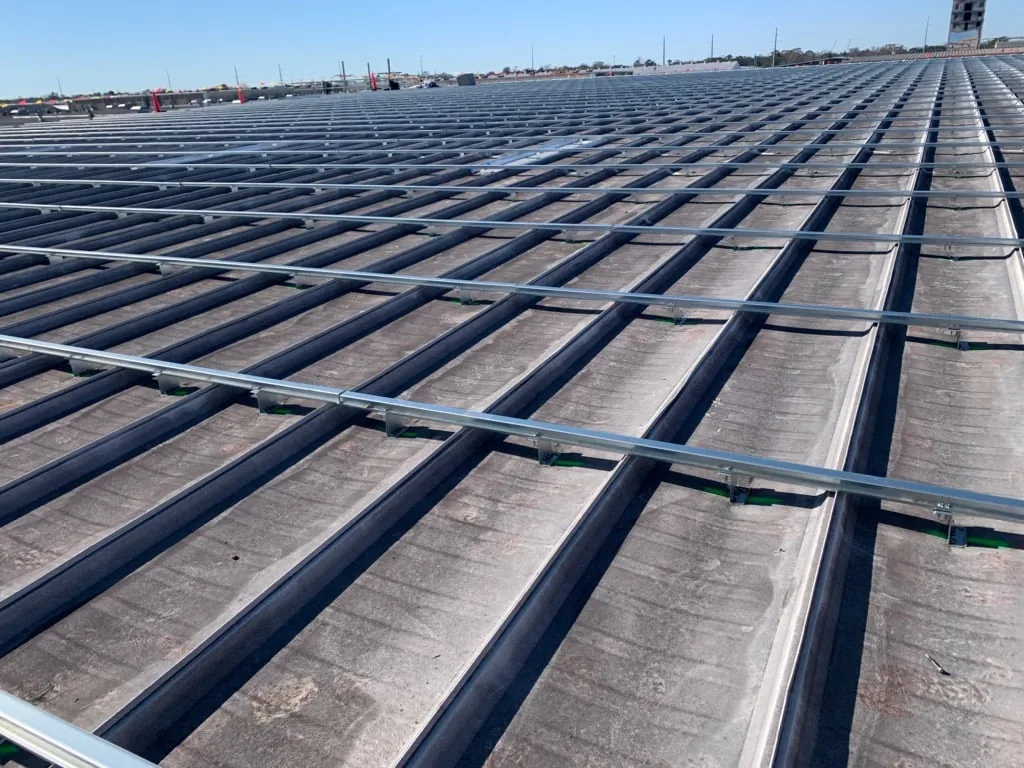
Coating work can restrict roof access while washing, repairs, and application proceed. We coordinate roof entry, material staging, tenant notice, equipment protection, and any areas that must stay clear during cure. Retail buildings in the western Business and Entertainment District may have loading periods or public activity that affect where equipment can be moved. The contact for each building sets the access route and shutdown requirements.
Before each application shift, the crew checks that the prepared area is clean, dry, and ready for the specified material. If rain threatens before the coating can cure, we hold the next zone and protect completed work within the selected system’s cure requirements. The manager receives the day's boundary, foot-traffic restriction, and expected access release time. Rooftop equipment that must stay online is identified before staging so service paths remain clear.
Sunrise's business and entertainment area spans retail, event, corporate, and mixed-use uses. We map each building’s coating zones and material route with the facility contact before mobilizing. We break the roof into application zones, identify each day's closeout point, and state when the surface can be accessed again. A phased roof work plan can coordinate occupied operations, while district service still begins with the specific property's roof plan.
Comparison: Restoration or replacement
Restoration may fit a roof with a sound assembly, stable attachment, and details that can be prepared and coated. When moisture spans several zones, the deck has deteriorated, or the surface cannot accept the specified coating, we compare removal and replacement with restoration. A recover may also be possible when testing confirms the existing layers can remain. We lay out the evidence, estimated preparation, drainage corrections, access limits, and future inspection needs so the owner can compare scopes.
Coating should not be sold as an answer to every leak. If the assembly needs localized repair, we can address the confirmed defect before restoration is considered. If moisture extends through insulation, a replacement review can compare removal with any recover option. Share roof plans, prior coatings, leak locations, drainage concerns, equipment constraints, and operating hours before we set the restoration boundary. We also review how service technicians reach rooftop units, whether walk paths need protection, and where future penetrations could disturb the finished surface. Those details help set a maintenance route after the coating work is complete.
Frequently Asked Questions
What must be true before a roof is coated?
The substrate needs to meet the selected system requirements, with moisture, adhesion, drainage, and detail condition reviewed. We identify repairs and test areas before recommending a full application.
Can a coating fix ponding water?
A coating does not change roof slope or correct blocked drainage. We inspect the low areas and outlets, then identify whether drainage correction or another system is needed before application.
How do you choose between silicone and acrylic?
We compare the existing assembly, expected water exposure, surface preparation, and recoat conditions with the system requirements. The specification names the coating type and detail work included.
How long must a coated area stay clear?
Access depends on preparation, weather, and cure requirements for the selected system. The phasing plan identifies restricted roof zones and the release point for each area.
Does coating remove the need for future inspections?
No. The owner should keep checking seams, penetrations, drains, and traffic areas. The closeout records the application zones and any detail that needs follow-up.
Check coating eligibility
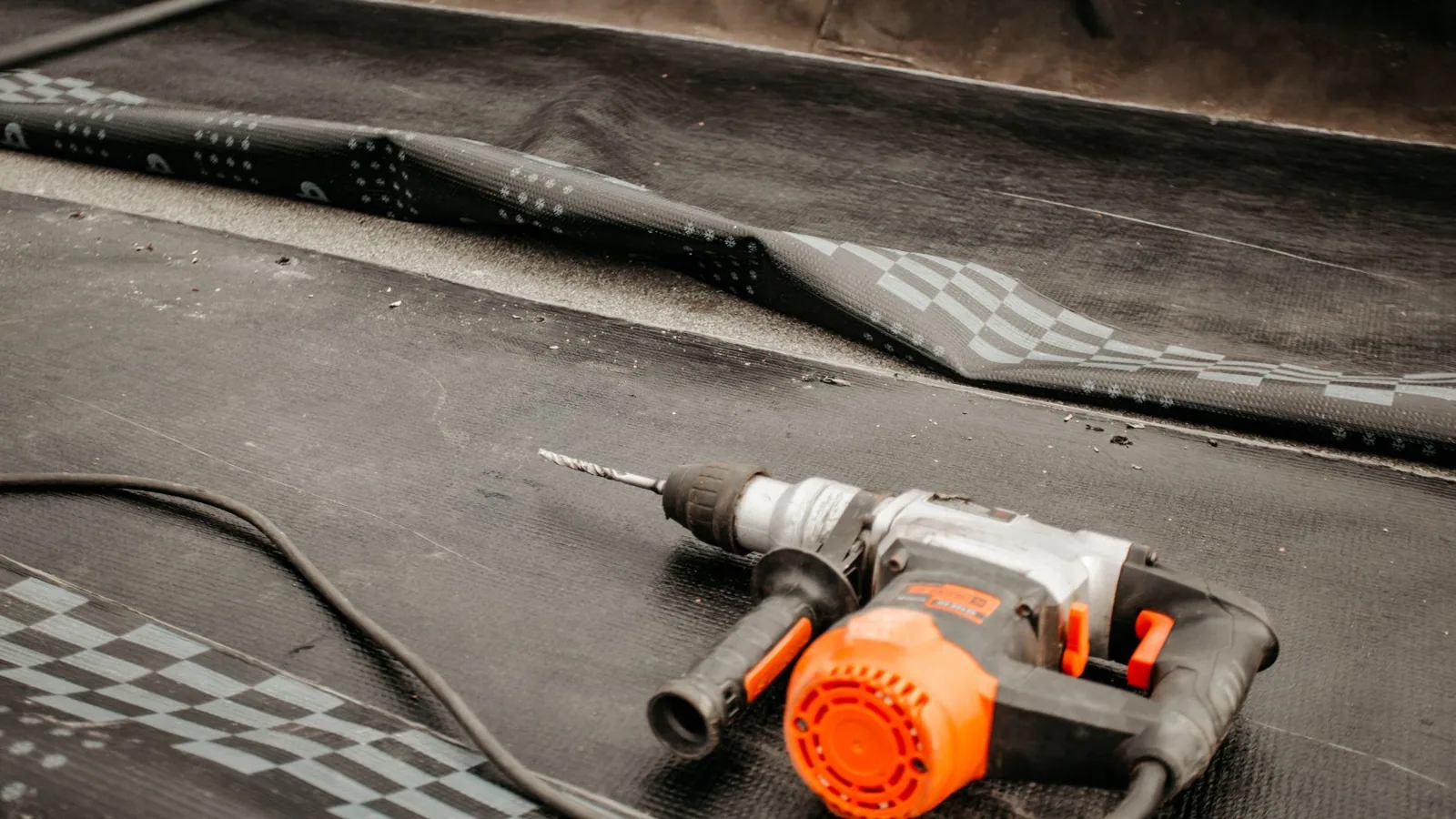
Send roof plans, prior coating records, leak locations, drainage concerns, equipment limits, and operating hours. We will inspect the assembly and define the restoration boundary.
Call 555-555-5555 or request a roof assessment.