
Commercial Roofing in Coconut Creek, FL
Coconut Creek
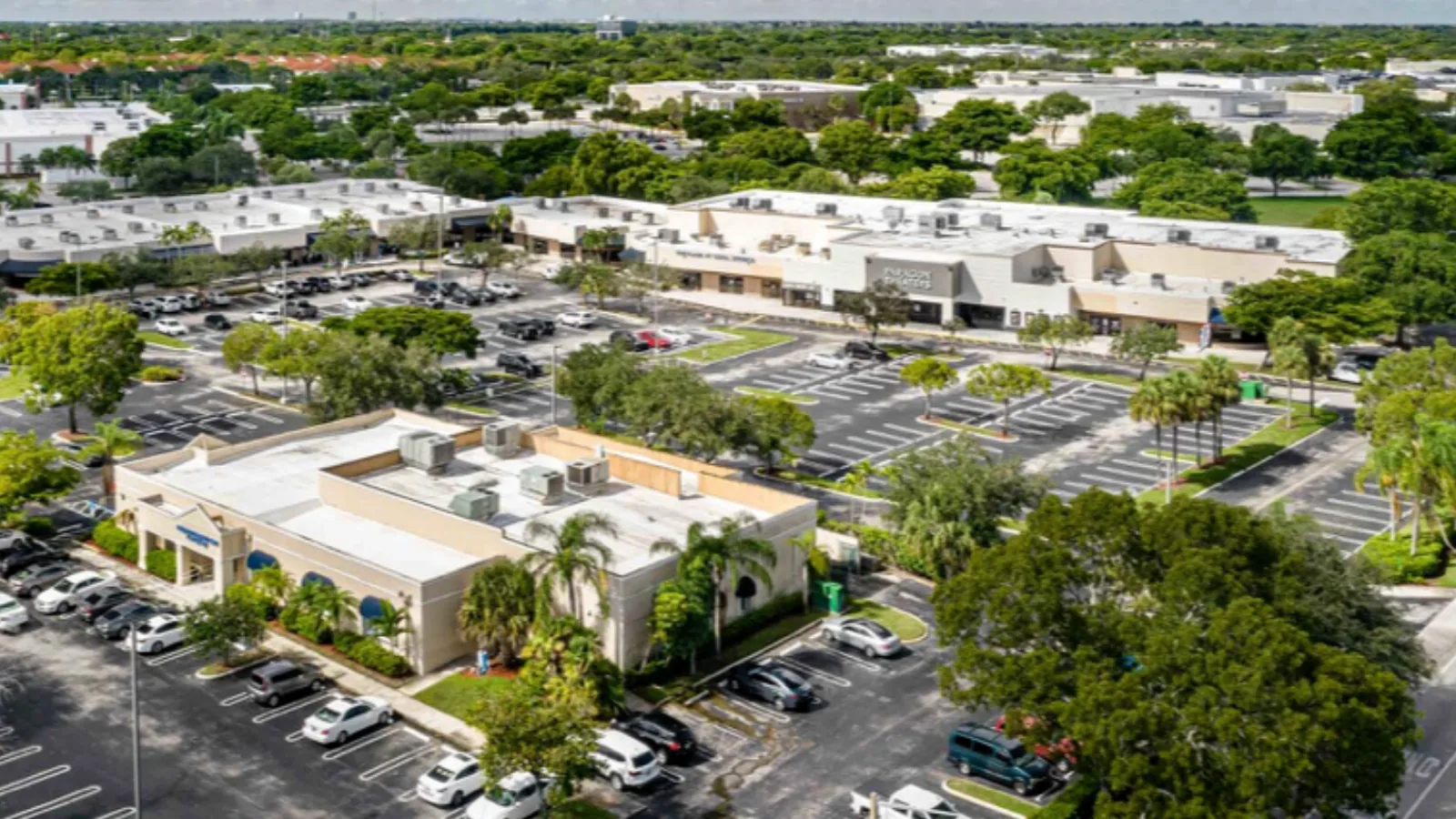
Commercial property work in Coconut Creek can intersect with business expansion, manufacturing activity, and building acquisition. Coconut Creek’s business-growth incentives identify manufacturing among eligible activities and include qualifying construction or acquisition costs. For a roof, that makes an early condition record useful: we identify the current membrane, drainage, equipment penetrations, and any area that needs a test before a project budget is set. We inspect the existing roof assembly separately from planned construction or acquisition work. A commercial roof inspection maps the assembly and separates visible repairs from questions that need exposure.
Service Areas in Sunrise, FL
Commercial roofing in Coconut Creek, with inspection and repair scopes tied to the building assembly, manufacturing plans, drainage, and site access.
Capital and condition: Establish the starting assembly
A buyer or expanding operator may need to compare a roof repair with work planned for the building itself. We begin by reviewing available roof plans, warranty records, repair tickets, and known leak locations, then check visible membrane edges and transitions. If a record says TPO but the field detail shows several layers or a later coating, we document the mismatch and identify the test needed to settle it. The inspection notes roof section, material confirmed, access limit, and evidence behind each recommendation. That gives a facilities lead a usable baseline before scheduling another trade.
Coconut Creek’s business-incentive program includes manufacturing and eligible development costs such as construction or acquisition. A roof condition report can describe existing conditions and a scoped repair, but a business owner must evaluate program eligibility separately. For operations with a capital plan, we separate urgent water control from work that can follow a design or acquisition decision. A condition report can rank roof zones by evidence and unresolved exposure. Nearby Coral Springs Commerce Park has its own industrial and technology mix, and Sunrise its own business parks; neither supplies a roof assumption for a Coconut Creek property. A dated photo set lets a buyer compare the same roof zone during a later walk instead of relying on memory.
Water and equipment: Inspect each penetration
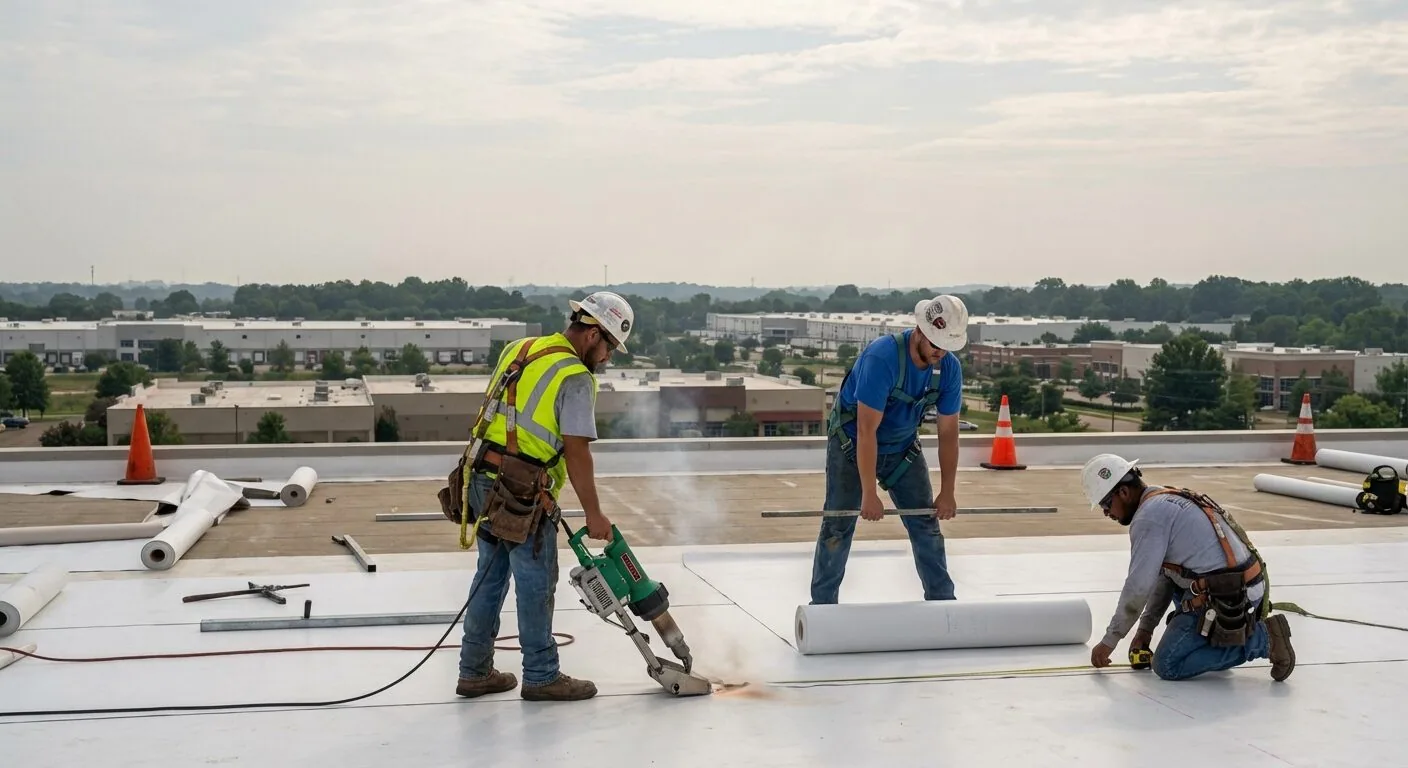
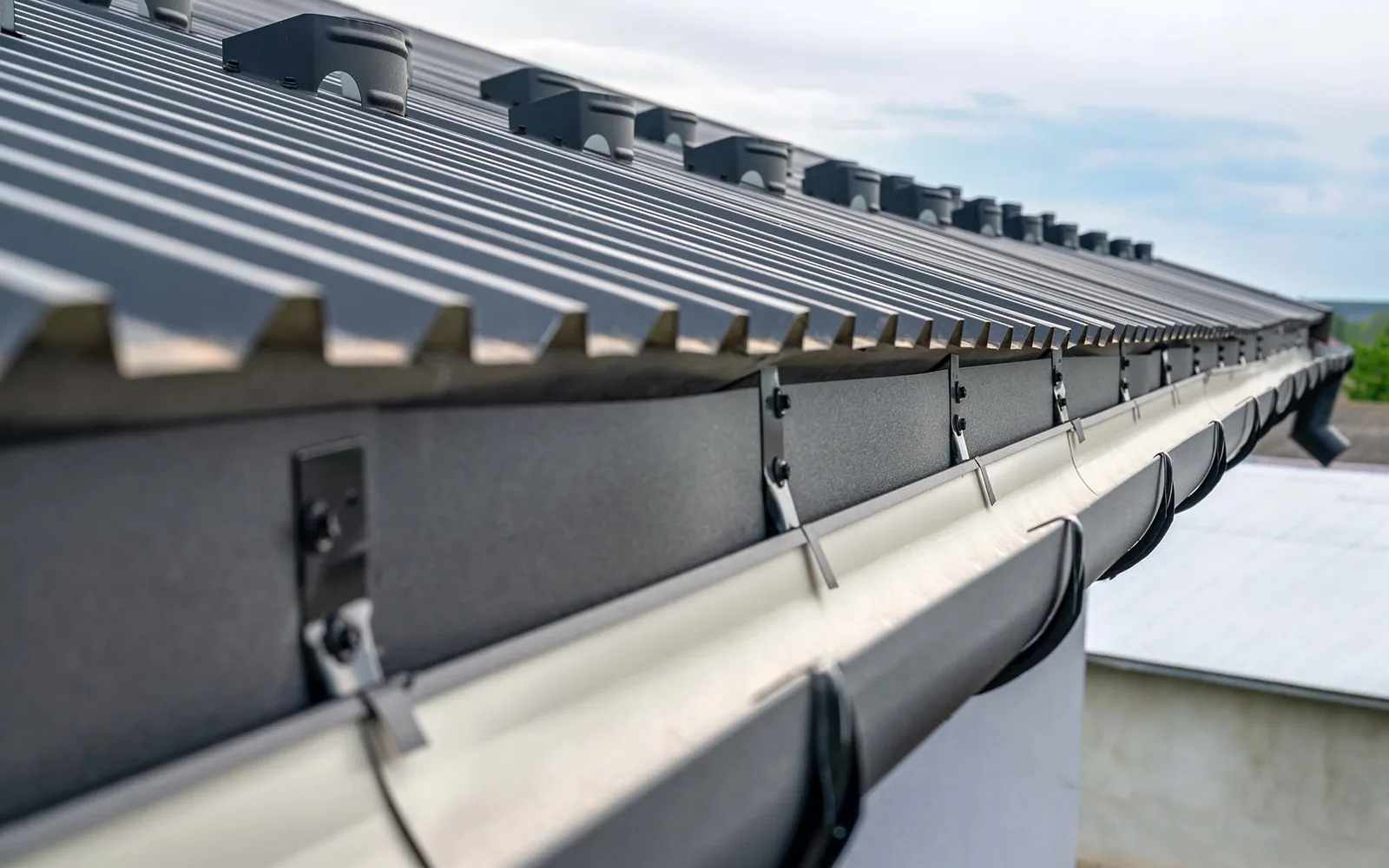
Mechanical curbs, exhaust lines, conduit, vents, and support legs interrupt the roof surface and create edges where flashing must remain bonded. We record each detail, check for movement, open laps, sealant failure, and water tracks, then compare the roof map with any interior report. A leak beside equipment can travel from a seam or drain rather than entering at the curb. Where access allows, we check the layers around a suspect detail before preparing a repair. If a system cannot be identified at a visible edge, we state that the assembly remains unconfirmed until testing.
South Florida’s humid heat and rainy season can leave moisture concealed below the field membrane. A drain and scupper assessment checks outlet capacity and overflow paths, while an infrared survey or test cut can help locate wet insulation. Before the wet season, we inspect Coconut Creek roof slopes, drains, and overflow routes, then map any wet areas to their roof zones. We mark test points on the drawing, photograph exposed material, and explain whether the opening changed the repair boundary.
Planned work: Coordinate roofing with expansion
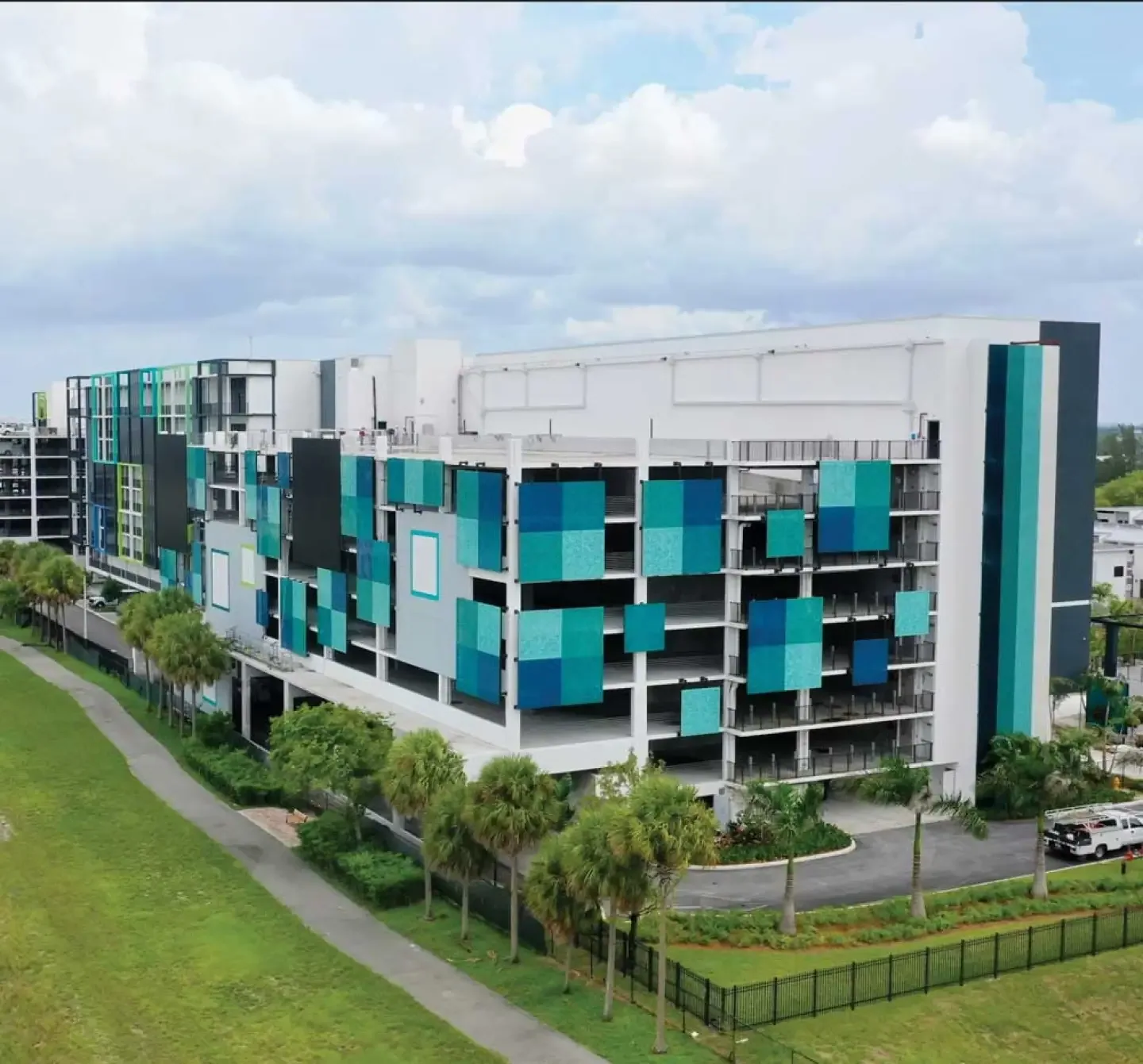
New equipment, added penetrations, or a building addition can change how the roof drains and where membrane transitions are exposed. Before roofing starts, we ask which trades will move units, install supports, or open the deck. The sequence identifies who closes each penetration and when the roof must be made watertight. If a construction schedule puts roofing after mechanical work, temporary seals and inspection access need to remain available. The crew documents the roof zone affected by each trade so a later leak can be traced to the correct transition.
During an occupied project, deliveries, forklifts, loading activity, and interior protection can also affect the daily plan. We confirm access with the site contact, define areas where debris cannot fall, and identify any equipment shutdown that requires advance notice. A phased reroof plan can keep the active work area separate from production or office space. When a leak needs immediate attention, emergency roof service can control water entry while a permanent scope is assembled. A Margate property may have different regional delivery routes; this project schedule remains tied to the actual site.
Repair path: Compare local work with assembly renewal
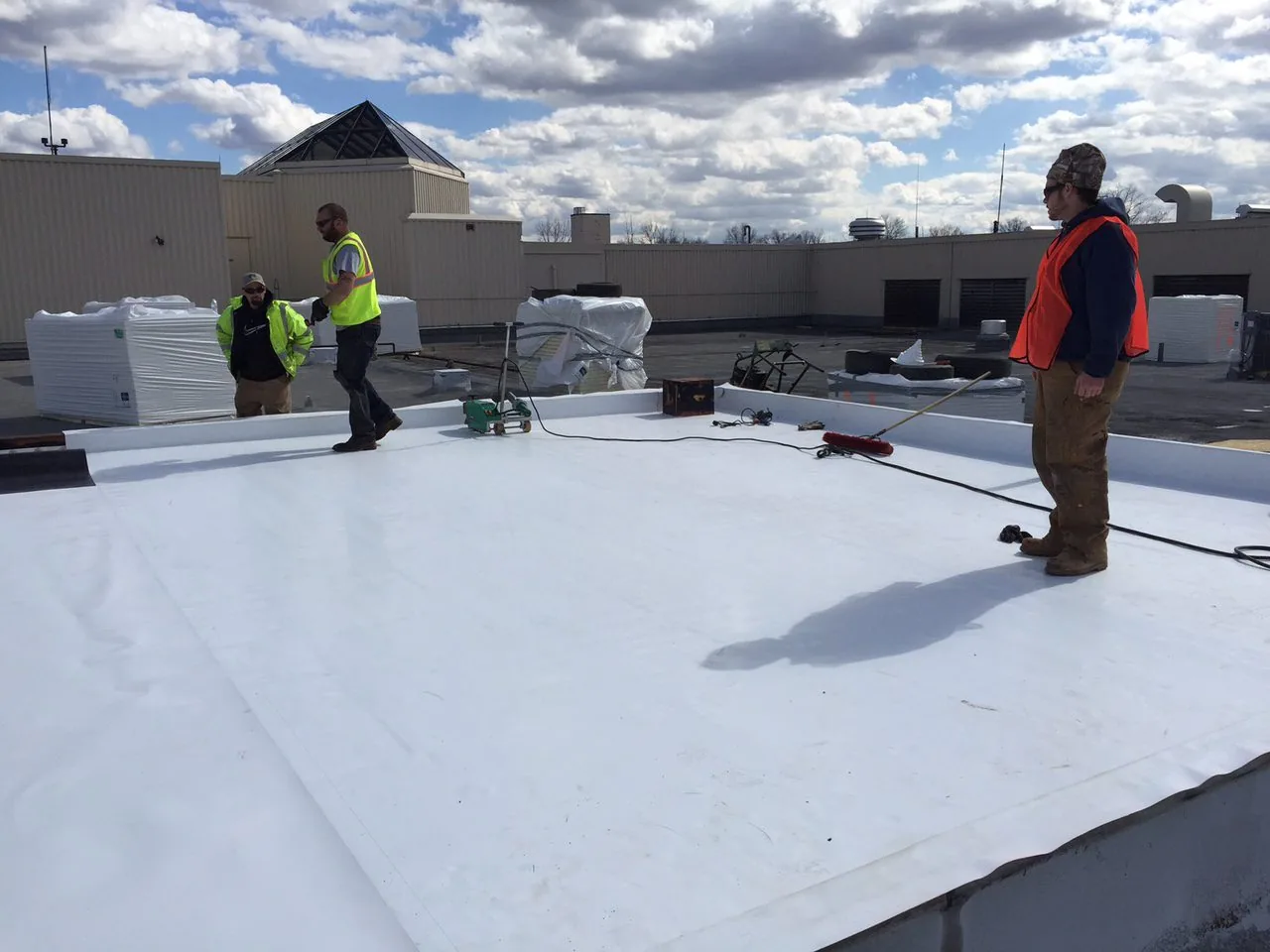
A localized repair can address a failed seam or penetration when surrounding membrane remains sound and the substrate accepts a compatible tie-in. We expose the defect to stable material, check adjacent details, and photograph the surface before closing it. If a test cut finds wet insulation or a damaged deck, the owner reviews the exposed layers and proposed boundary before removal grows. The estimate distinguishes work visible at inspection from concealed conditions that could only be confirmed after opening.
Repeated leaks, broad moisture, or failing attachment can make repair-by-repair service less useful. A repair evaluation can isolate a local defect, while a replacement assessment compares removing the existing assembly with a recover if the roof qualifies. Reuse depends on moisture, deck capacity, roof height at edges and curbs, drain levels, and the number of existing layers. Cost and schedule also reflect equipment moves, access, disposal, staging, weather protection, and whether occupied areas need separation. We set out those drivers in the scope before materials are ordered.
Record and next step: Keep acquisition details attached
Roof records are most useful when they show which building was inspected, which system was confirmed, and where the photos were taken. We identify roof zones, repairs, test openings, material layers, and any location we could not reach. If the property is being acquired or expanded, the report separates current defects from future design questions so the owner can price each decision appropriately. A due-diligence survey can document a transaction review; the finding still describes the roof inspected rather than every future configuration.
Send available drawings, acquisition or construction schedule, leak history, equipment plans, site access rules, and tenant or production hours before the walk. We can then direct inspection toward the assembly and work boundary that matter to the decision. For recurring service, a maintenance program can track drains, seams, curbs, and repairs at set intervals. The closeout includes observed conditions, completed work, and questions that need design input or a test cut, leaving a clear record for the next project review.
Frequently Asked Questions
Can a roof inspection support a building acquisition or expansion decision?
Yes. We record the assembly where confirmed, visible defects, repair history, photographs, and concealed conditions that may need testing. That gives the owner a roof-specific baseline; any incentive or transaction decision remains separate from the inspection findings.
What if roof plans do not match what is installed?
We document the difference and identify the exposed edge or test opening that can confirm the layers. Material recommendations wait until the assembly and substrate are clear enough to support them.
How do you coordinate a new rooftop unit with existing roofing?
We identify the curb, support, and membrane transitions that the mechanical work affects, then confirm who will close each opening and when. The sequence protects the deck and drainage plane while trades work in the same zone.
When would a recover be considered?
Only after checking moisture, deck capacity, layer count, drain height, and transitions at walls and equipment. If wet insulation or an unstable substrate is found, removal and replacement may be more appropriate.
What should be ready before an inspection?
Provide roof drawings, available system records, repair history, leak locations, planned equipment work, access instructions, and building hours. That information lets us examine the right zones and coordinate with operations.
Set a roof baseline before the project moves
Share roof records, site plans, expansion dates, equipment changes, and leak history. We will map the assembly, test the areas that could change scope, and return a documented repair or capital path.
Call 555-555-5555 or request a roof assessment.