Commercial Roofing in Coral Springs Commerce Park, Coral Springs, FL
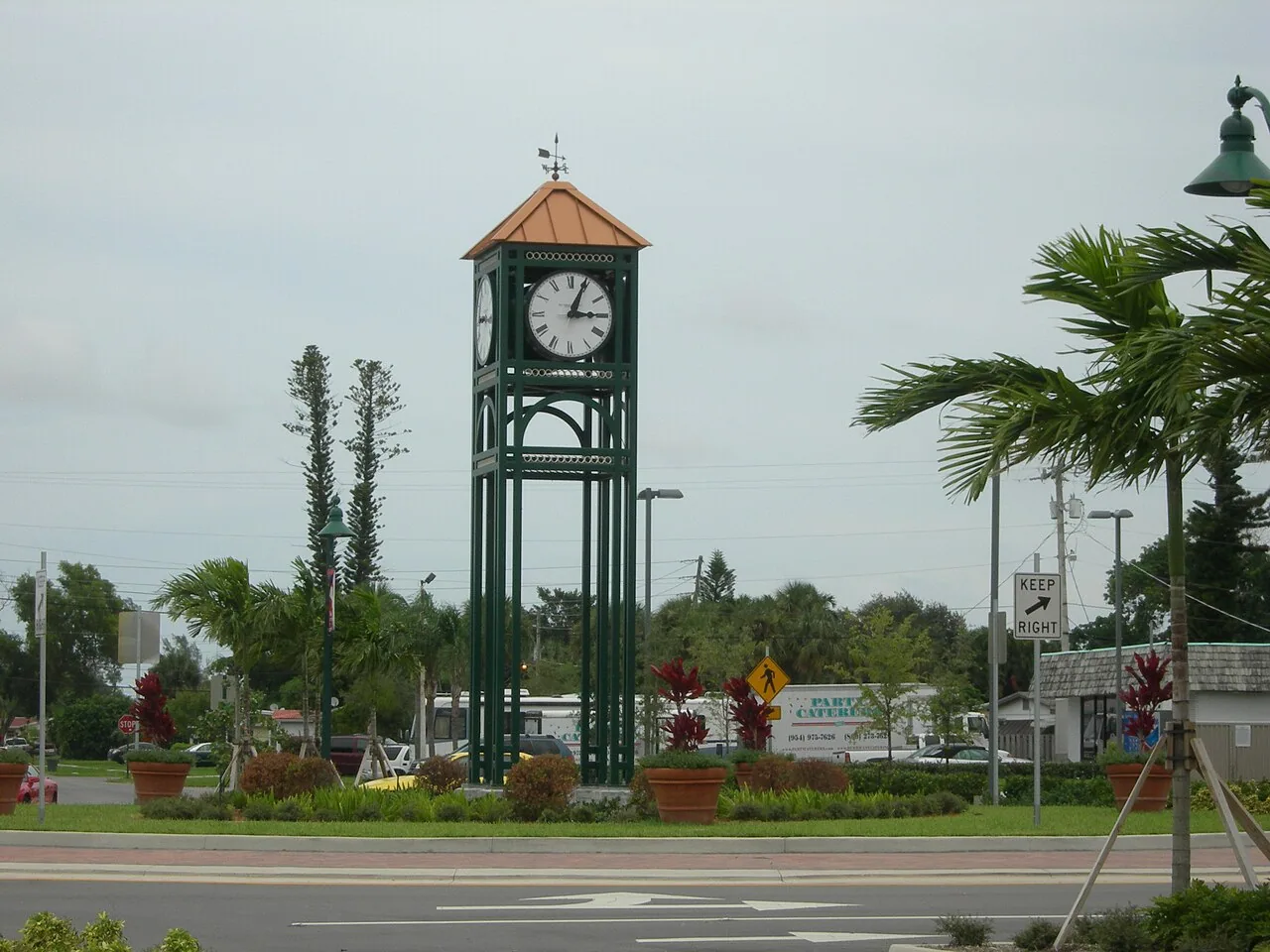
Coral Springs Commerce Park, Coral Springs
Coral Springs Commerce Park spans 442 acres near the Sawgrass Expressway, I-95, and Florida’s Turnpike. Its industrial and commercial uses include logistics, engineering, fintech, and aerospace, so a roof visit can involve distinct rooftop equipment, loading patterns, and operating controls. We confirm the building and assembly first, then map the roof zones, drains, penetrations, and access points that shape the scope. The park’s mix of logistics, engineering, fintech, and aerospace operations can bring different roof equipment and work windows; we inspect the actual building before planning repairs. A commercial inspection records the actual membrane and condition before repairs are selected.
Service Areas in Sunrise, FL
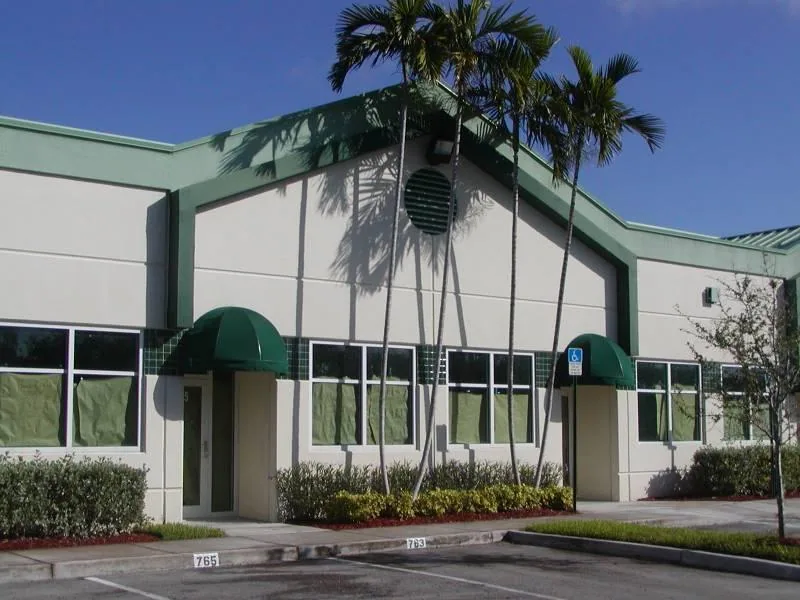
Commercial roof inspections and repairs in Coral Springs Commerce Park, with access and equipment planning for industrial and business properties.
Park operations: Match the crew to the site rules
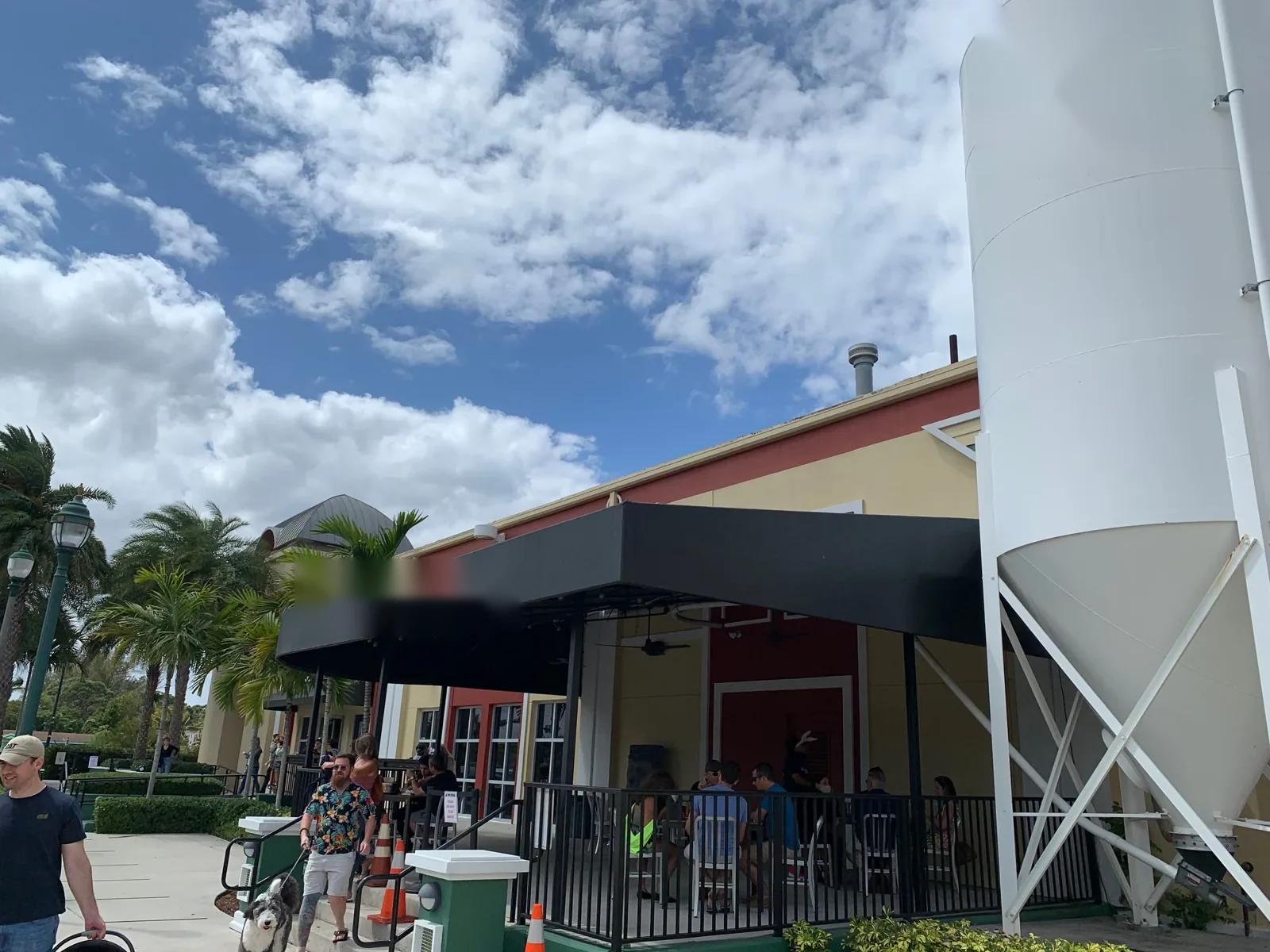
A distribution property may need a clear loading route while an engineering operation may control access to equipment or interior rooms. We ask the facility manager about truck movements, shift changes, escorts, roof-entry rules, and any area where debris or noise is restricted. The staging plan names the lift point, material drop, waste route, and occupied areas below. We keep each structure’s photos and roof-zone map separate, even when several buildings share the same ownership or campus access system. Across a park extending 442 acres, the service contact should identify the parcel, gate, and receiving point before equipment is dispatched. We check turning clearance, overhead obstructions, pavement condition, and the route from delivery point to roof access before unloading. A crane setup may require separate authorization, so the facility manager confirms who controls it. If a production schedule restricts activity, we align delivery and loud removal with the allowed window. We record the approved route from the gate to the roof access before materials arrive.
Major roads connect the park to regional deliveries; each roof still needs its own safe unloading location. We confirm turning room, overhead clearance, pavement, and distance to the roof access before scheduling a crane or moving large rolls. A phased reroof sequence can separate active warehouse or lab functions from the roof section being opened. Nearby Margate and Pompano Beach also have regional connections, but their access plans and assembly records remain independent.
System identification: confirm the layers at the edge
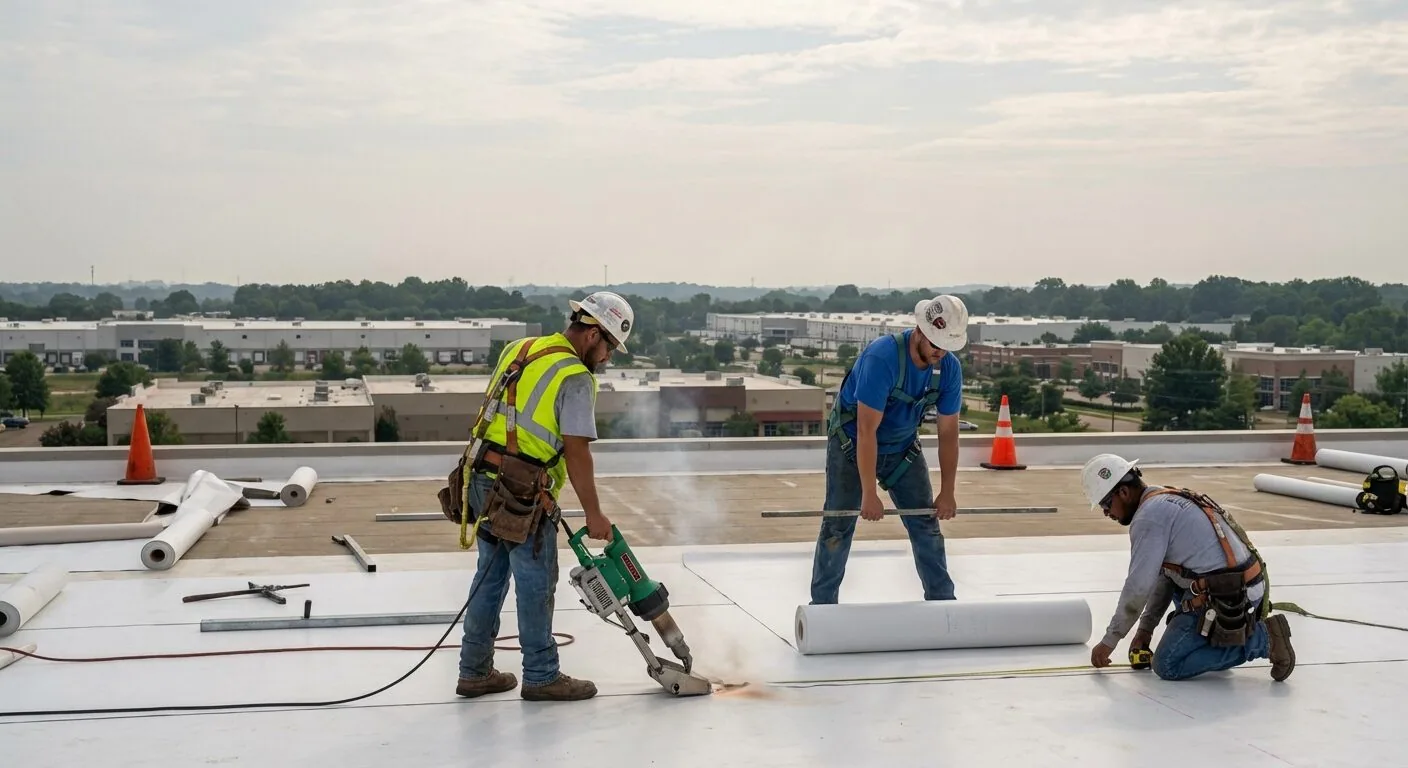
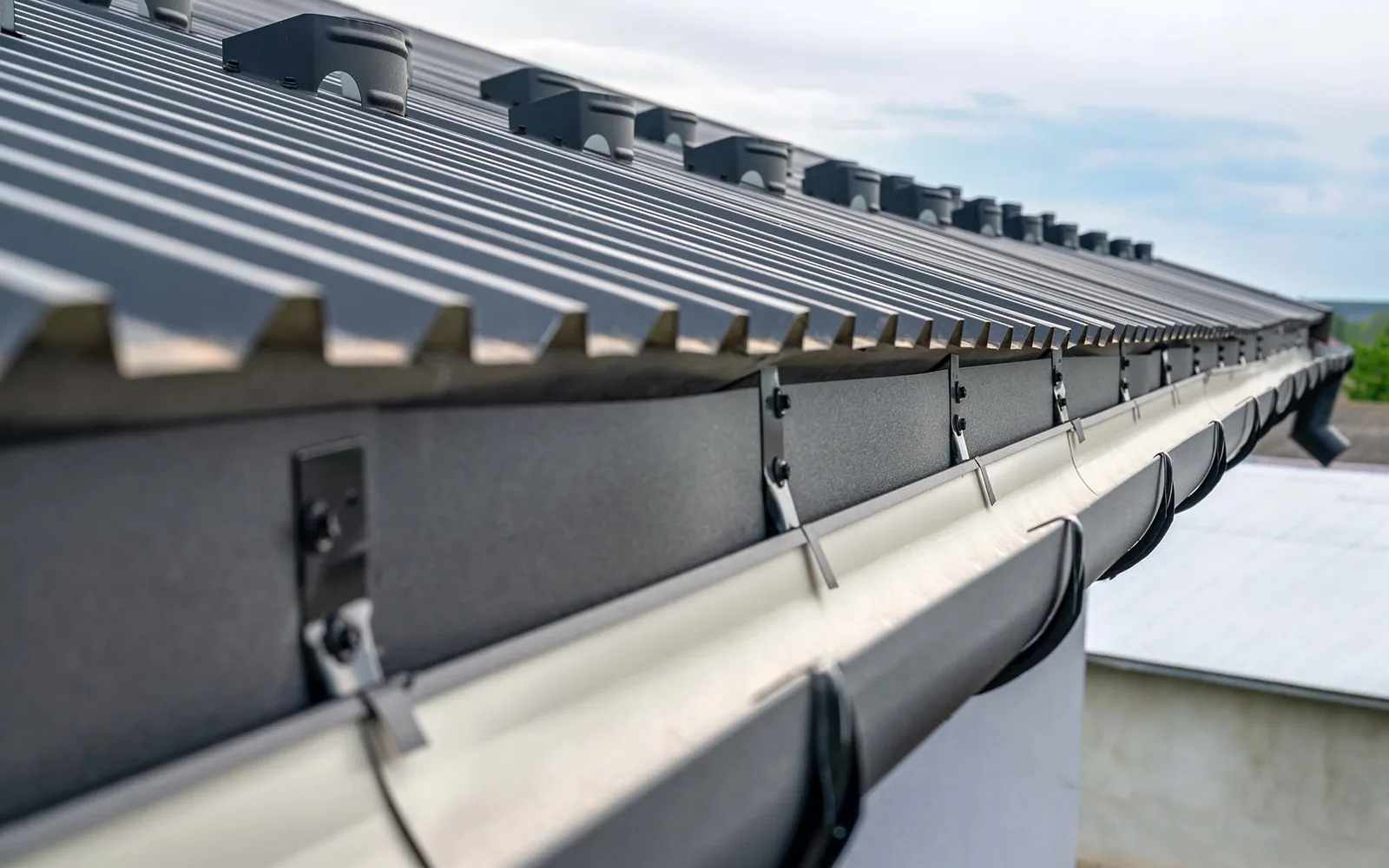
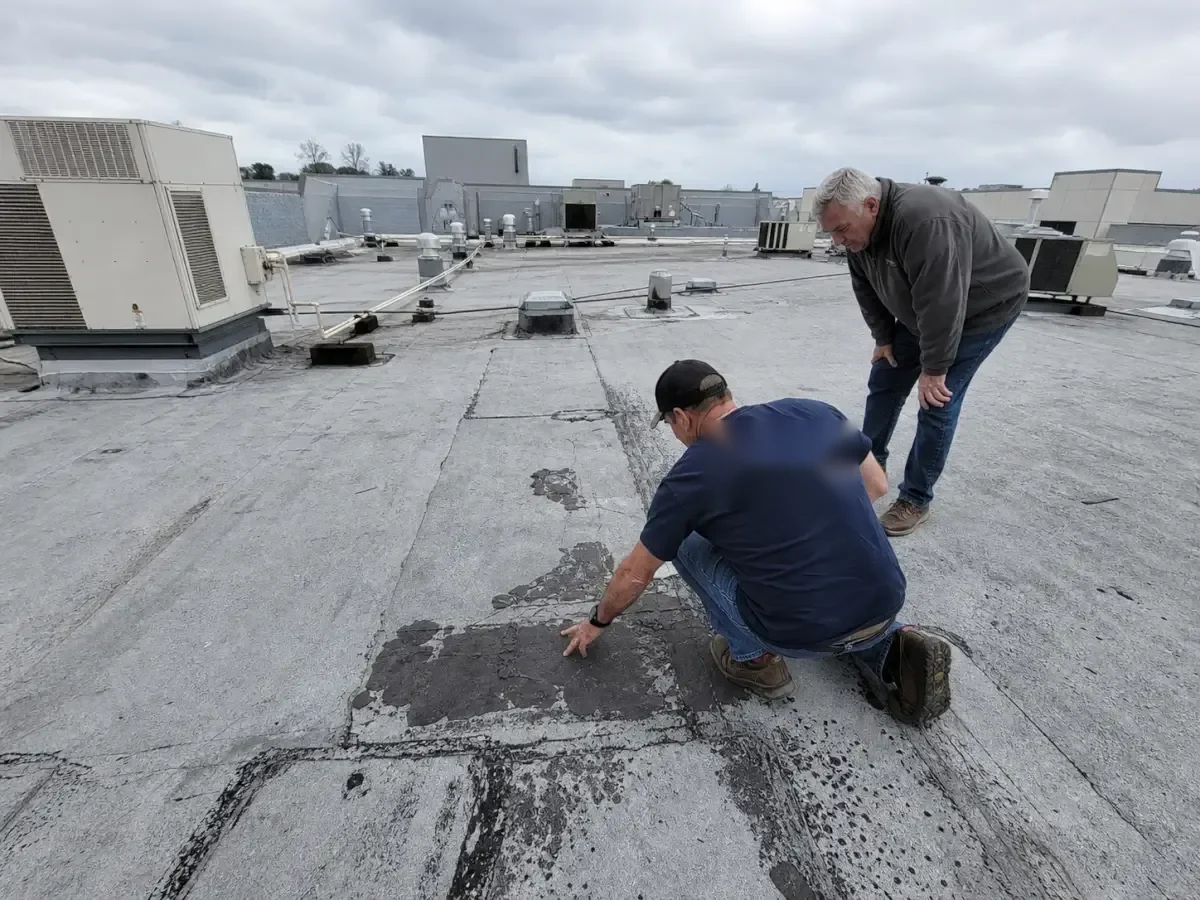
Before discussing coating or replacement, we inspect a visible roof edge, existing penetrations, drains, seams, and previous repair areas. The surface may hide older layers or a patch made with a different material. We compare available records with field evidence and, when needed, use a test cut to identify membrane, cover board, insulation, and deck. If an edge is covered by metal or the roof cannot be reached safely, that limit appears in the report. Product selection follows the observed roof layers and test results.
South Florida’s wet season, humidity, and sun affect the roof’s drainage plane and exposed membrane. Fort Lauderdale’s nearest long-record climate normals provide regional context; the park building’s slope, outlets, and water marks provide the site evidence. A drain and overflow review can identify restricted flow, and an infrared survey or controlled cut can map possible moisture below the sheet. We photograph tests and mark them on the same building plan used to price repairs so the owner can trace each finding to the right section.
Failure analysis: Trace water and movement together
Water near an equipment curb can enter at the curb flashing, an adjacent seam, a drain, or an up-slope transition. We compare the leak location with roof details and ask when the interior condition appears, whether equipment work occurred, and how the roof behaves after rain. Cracked sealant is recorded, but it is not treated as the full diagnosis until nearby laps and substrate are checked. If attachment is loose, we inspect the extent and identify whether wind-related detail or a previous repair contributed to movement.
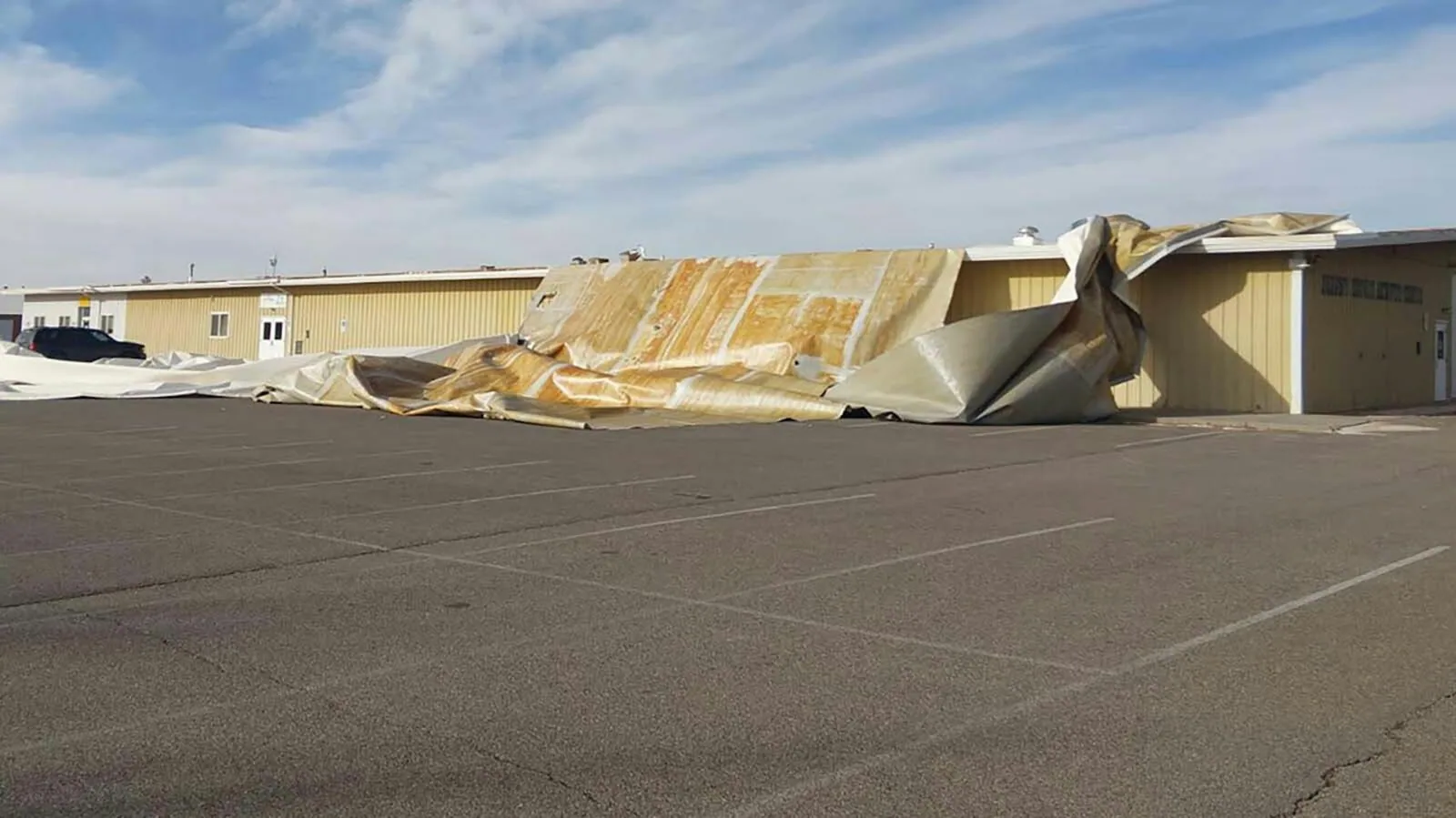
A leak investigation can follow the interior moisture path, while a wind-damage assessment documents shifted metal or membrane after a storm. If the roof contains sensitive equipment or sensitive operations, access to rooftop controls and interior spaces is scheduled with the designated contact. We protect test openings and finish with a weather-tight closure each shift. The closeout lists completed checks, test results, and any inspection still needed.
Repair and capital: Compare the work boundary
A localized repair can work when the failed detail is isolated and adjacent membrane, insulation, and substrate remain suitable. We remove loose or damaged material to stable edges, restore the seam or flashing with compatible components, and photograph the completed tie-in. If a test opening shows wet insulation or deck deterioration, the owner sees the evidence before the removal area expands. This keeps the approved repair tied to what was inspected and makes added work a separate decision.
Broad moisture, recurring leaks in distant zones, unstable attachment, or damaged deck can point toward assembly renewal. A repair scope can address a bounded defect; a replacement comparison can weigh full removal against a recover if the layers qualify. We confirm moisture, deck capacity, layer count, drain and curb heights, and perimeter transitions. Cost and timing reflect roof area opened, crane access, disposal, material staging, testing, tenant coordination, and weather protection. The proposal identifies what has been measured and what quantity depends on future exposure.
Closeout plan: Preserve evidence by structure
The closeout file includes a building identifier, roof-zone plan, inspection photos, system details confirmed, repairs completed, test locations, and conditions not accessible. A manager with multiple structures can compare maintenance needs without blending one building’s drainage or equipment notes with another. A roof condition report can sort observations by priority and separate immediate water control from capital work. If the park changes through tenant improvements, the record indicates which curb or penetration was inspected and what work remains outside the current scope.
Share roof plans, equipment schedules, leak reports, safety requirements, production or lab hours, and delivery constraints before the inspection. We will confirm the building’s assembly, trace reported moisture, and identify any test that could change the repair decision. A Sunrise Commerce Park roof has its own industrial and office mix and should have a separate record. We return a site-specific scope with access assumptions, repair limits, and the follow-up action needed to keep the roof’s condition legible to the next facilities contact.
Frequently Asked Questions
Does the park’s business mix identify the type of roof on a building?
No. We confirm membrane and underlying layers from records and visible details, and use a test opening when necessary. Logistics, engineering, fintech, and aerospace uses help plan access; the building inspection identifies its roof assembly.
How do you schedule roofing at an engineering facility?
We confirm escorts, restricted areas, equipment controls, operating hours, and protection requirements with the site contact. The proposal identifies any shutdown or access approval needed before crews reach the roof.
Can several buildings be inspected on the same visit?
Yes, when access and timing allow. Each building gets a distinct map, photos, system description, and defect list. That prevents a drain condition or previous repair at one structure from being attributed to another.
What decides whether the work is a repair or a replacement?
The deciding evidence includes moisture extent, substrate condition, attachment, recurring defects, layer count, deck capacity, drainage, and edge heights. We document those conditions and compare the viable scopes before recommending a path.
What should the property manager provide before scheduling?
Share the building plan, roof records, leak locations, equipment work, loading hours, safety or escort rules, and any sensitive interior areas. That lets us set a safe route and define which roof zones the inspection will cover.
Define the park building and roof zone
Send the building plan, equipment schedule, roof records, leak history, access rules, and operating hours. We will inspect the identified assembly and return a report with confirmed defects and testing needs.
Call 555-555-5555 or request a roof assessment.