
Storm Damage Roof Repair in Sunrise, FL
Storm Damage Roof Repair
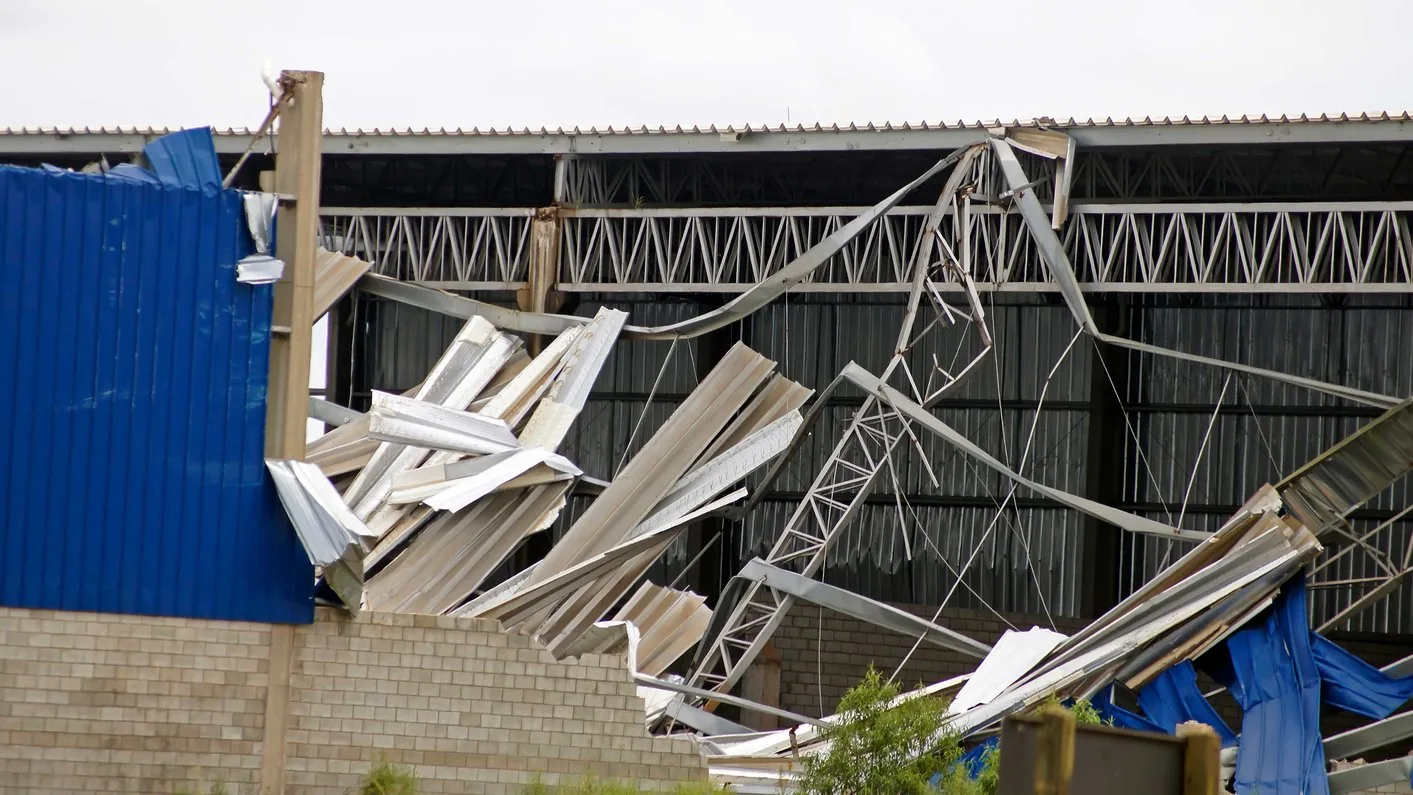
Metal edges, rooftop equipment, and membrane seams can respond differently when a Sunrise, FL storm brings gusts, hail, or heavy rain. A damage review begins with safe access and a record of what changed, where water entered, and which areas remain exposed. We compare roof observations with interior reports and prior repair records, then separate immediate protection from permanent work. The city's western Business and Entertainment District includes retail, an arena, corporate offices, and mixed-use buildings; Plantation Gateway adds medical, professional, retail, and dealership uses nearby. Occupancy and equipment make the inspection route specific to each building. We set the repair scope from visible or tested roof damage, using storm timing to guide the inspection.
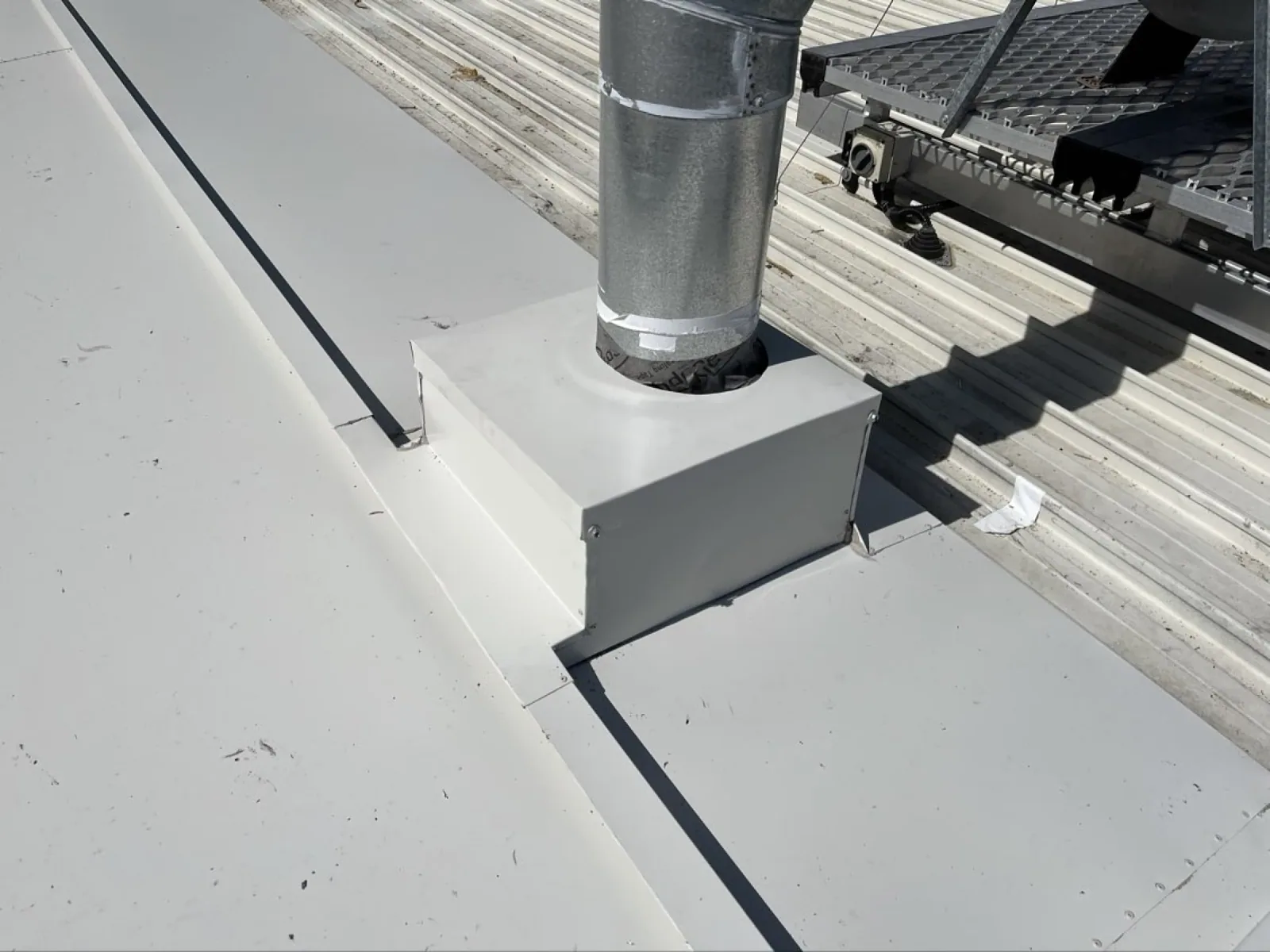
Commercial Roofing Services in Sunrise, FL
Assess storm damage to commercial roofs in Sunrise, FL with safe access, mapped findings, temporary protection, and repairs tied to visible conditions.
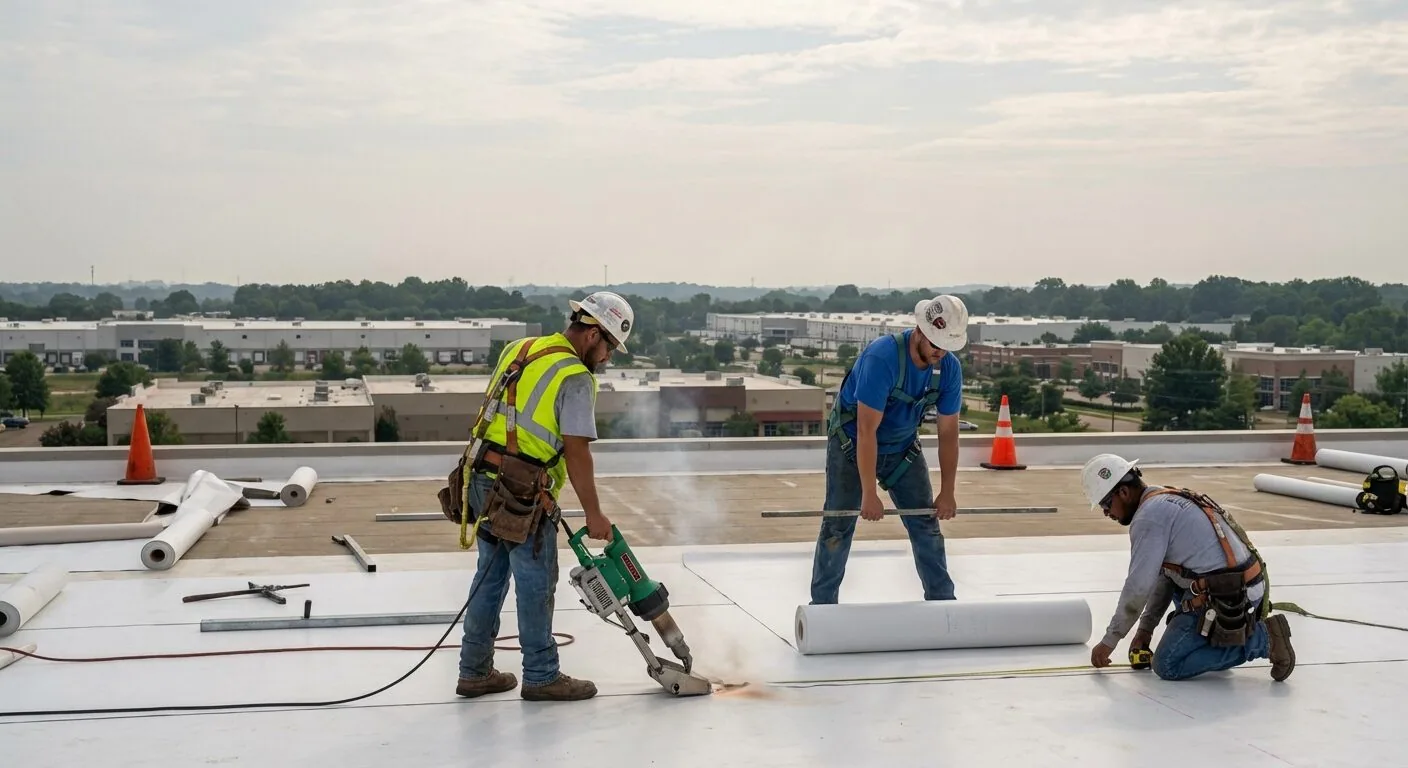
Safety: Wait for a roof-ready window
Wind, lightning, wet surfaces, and loose materials can make a post-storm roof unsafe to enter. We check current conditions, access routes, and visible hazards before inspection. If the roof cannot be reached safely, the first step is to protect rooms, equipment, and inventory below and set a return time. The site contact should isolate damaged ceilings or electrical areas and identify who can authorize temporary cover.
Dispatch begins with a ground-level check of the building, interior leak reports, and the safest route to the affected roof section. If gusts, lightning, or standing water still present a hazard, the crew delays roof entry and helps the contact limit interior exposure. A round-the-clock response can address an active opening when access is safe, while a post-event roof inspection documents accessible areas after conditions settle.
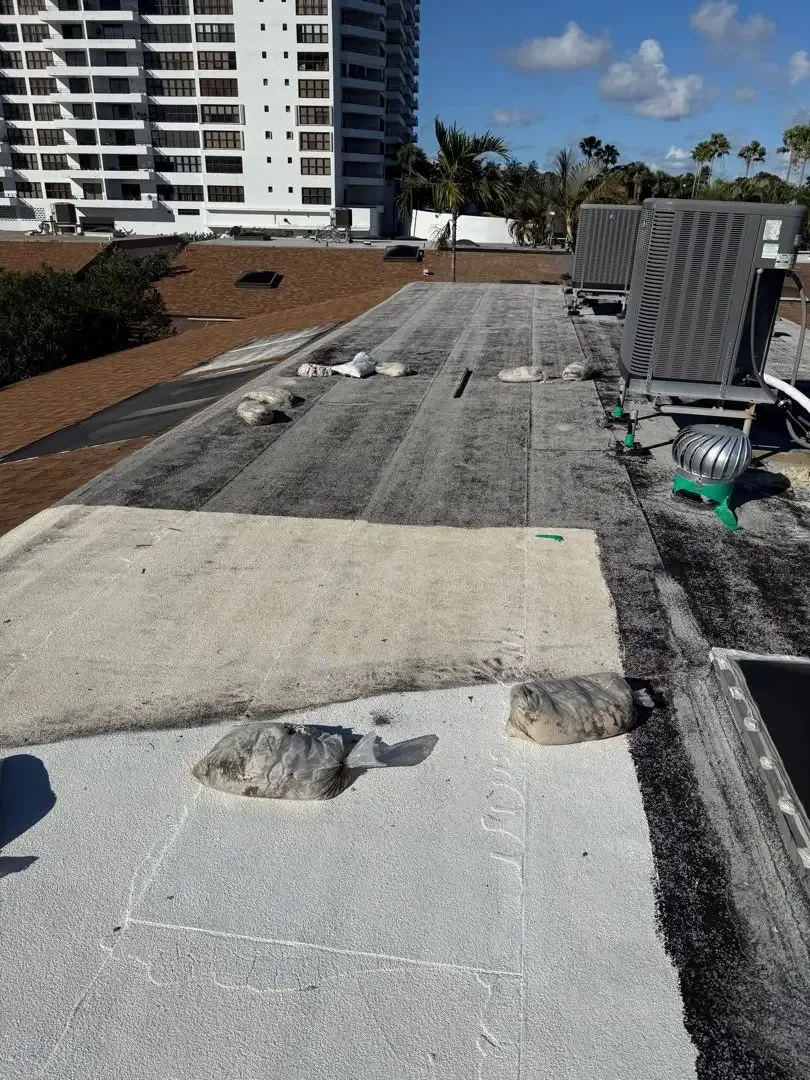
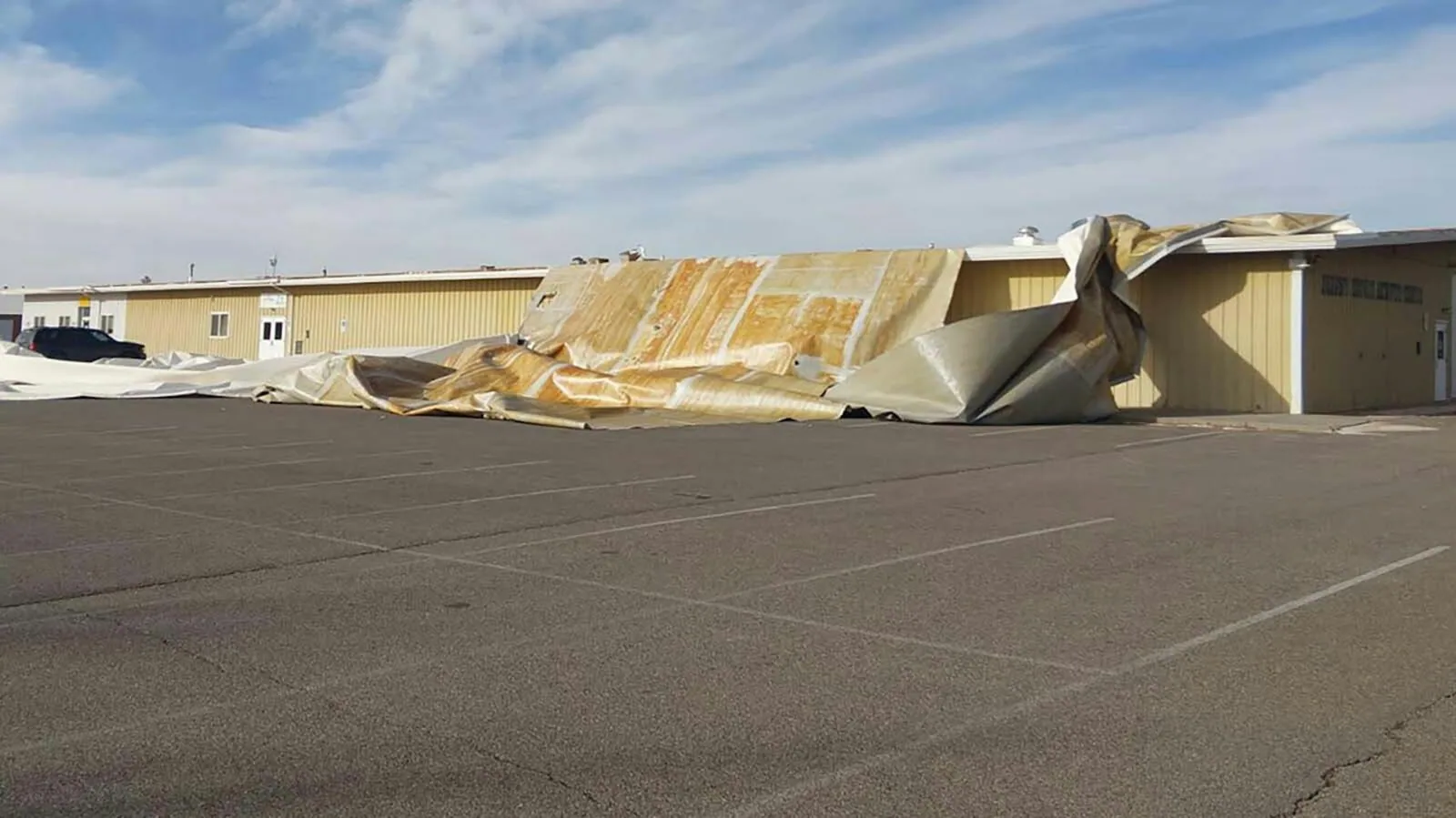
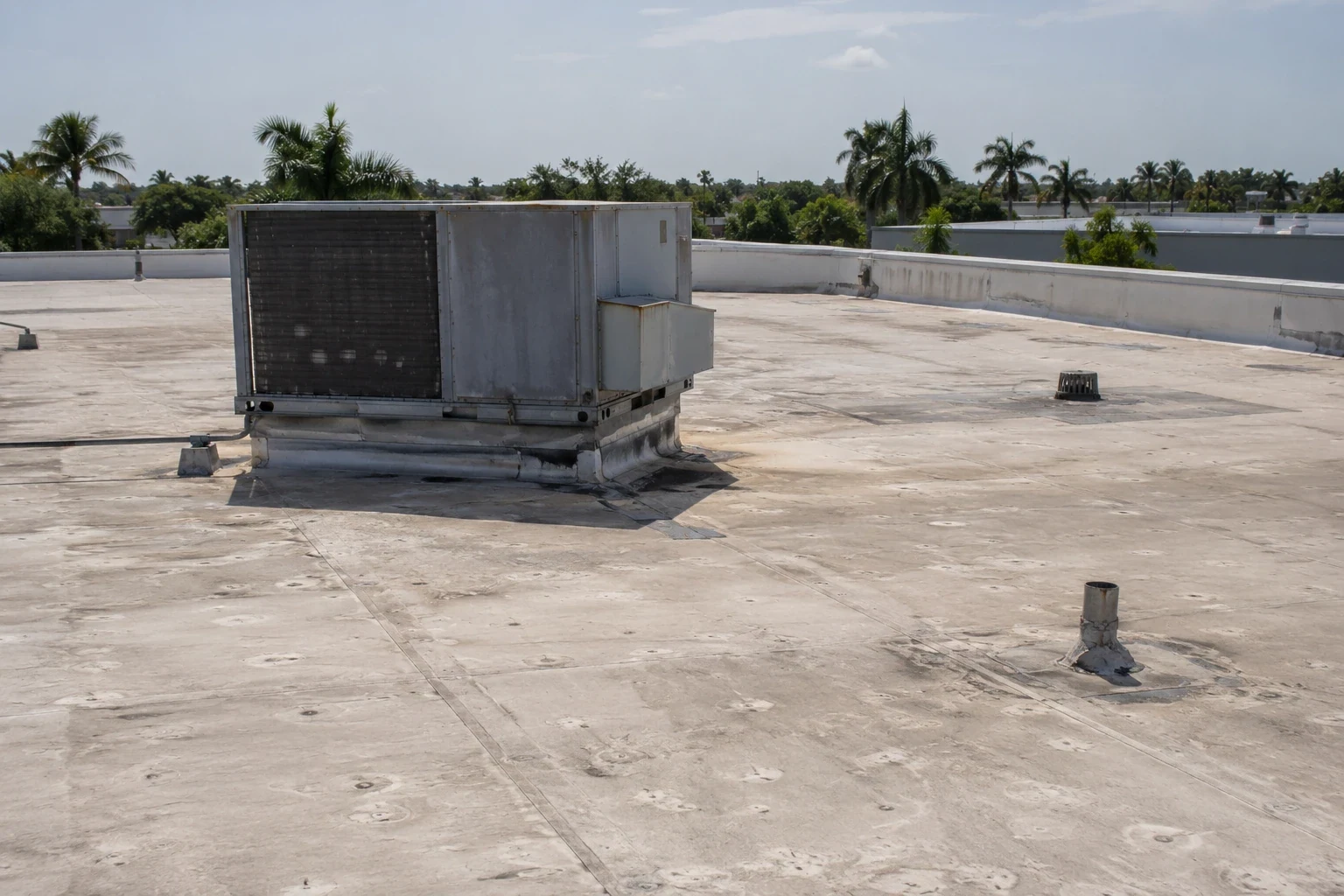
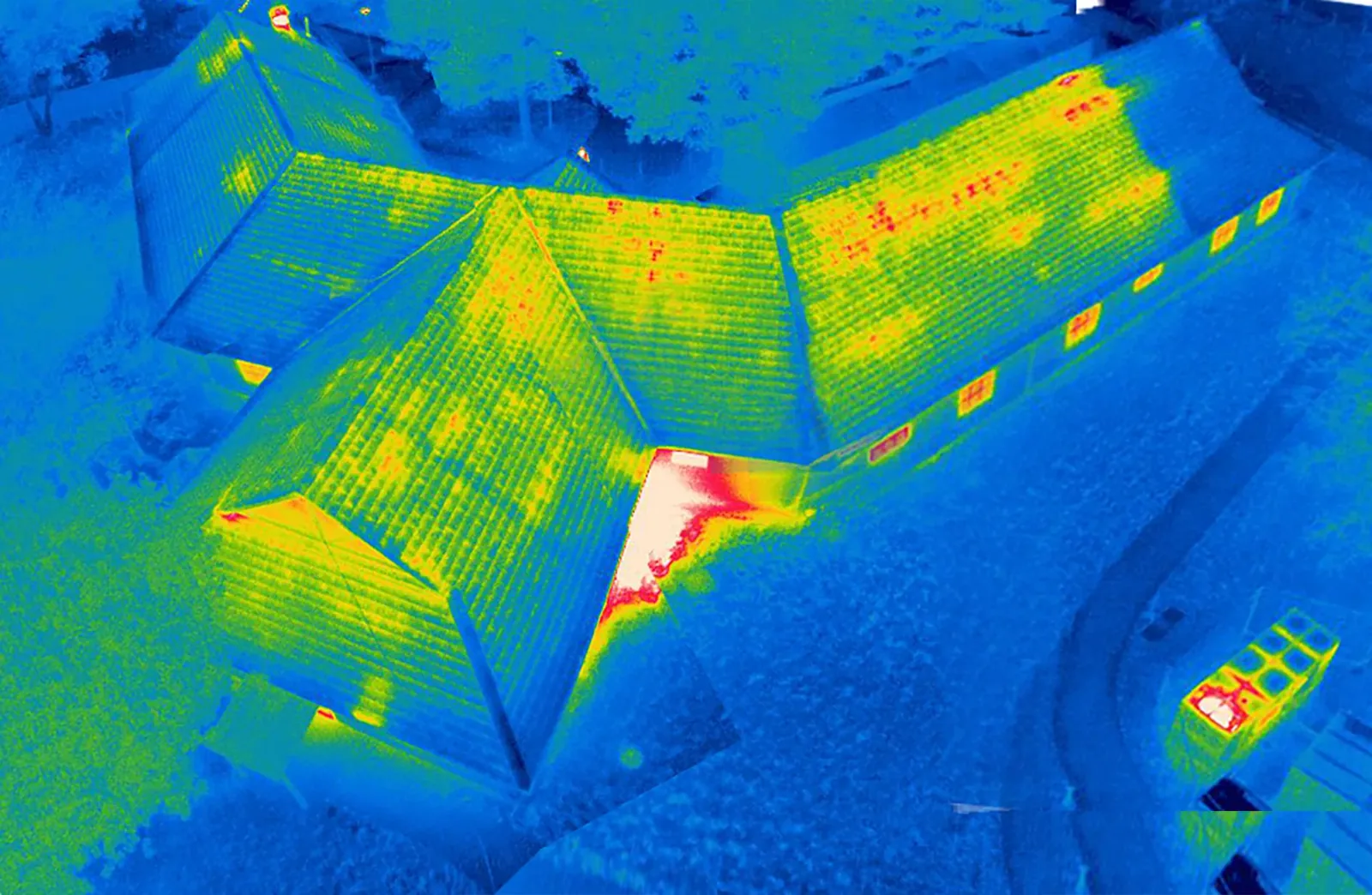
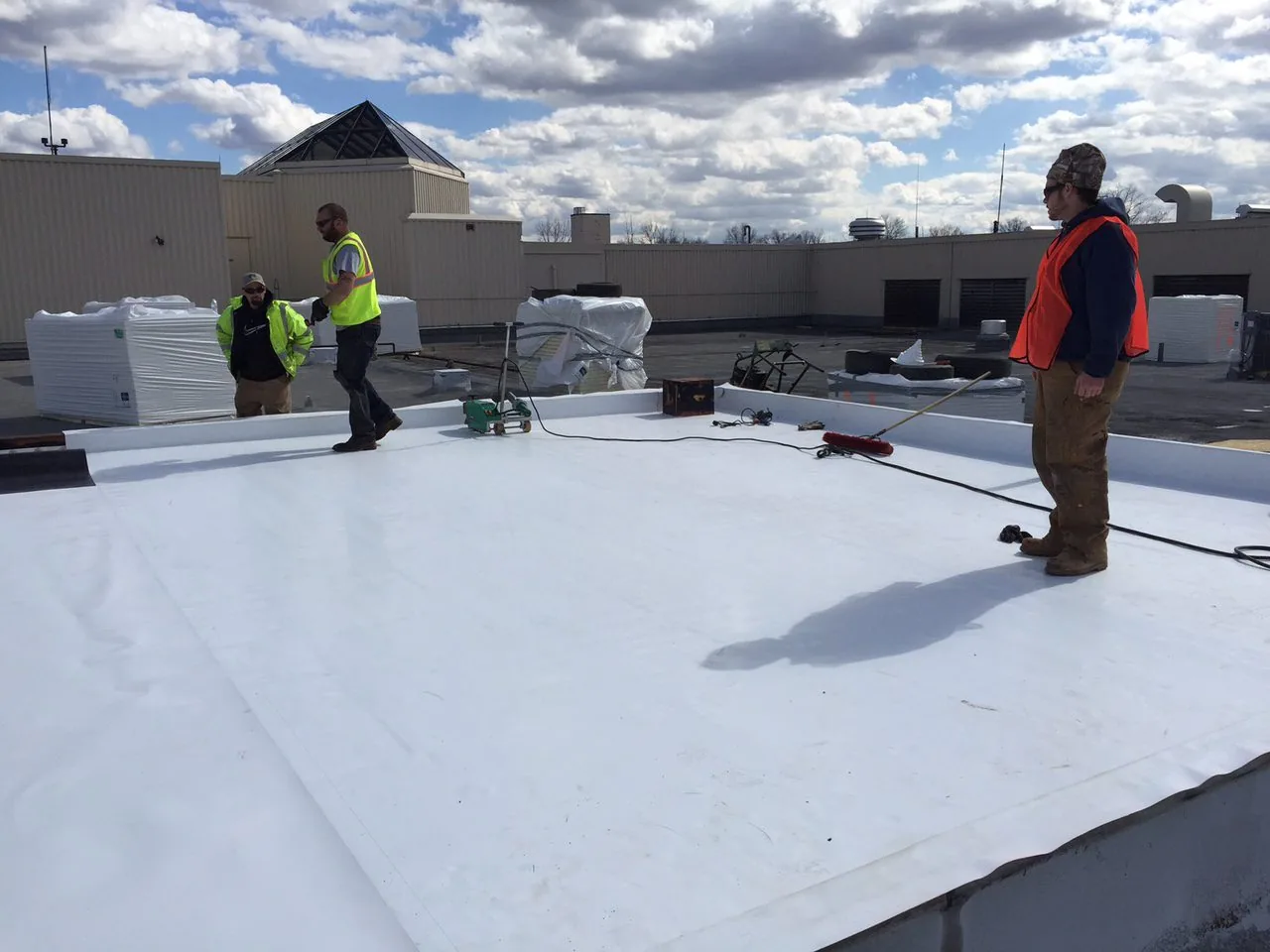
Comparison: Match the damage to the cause
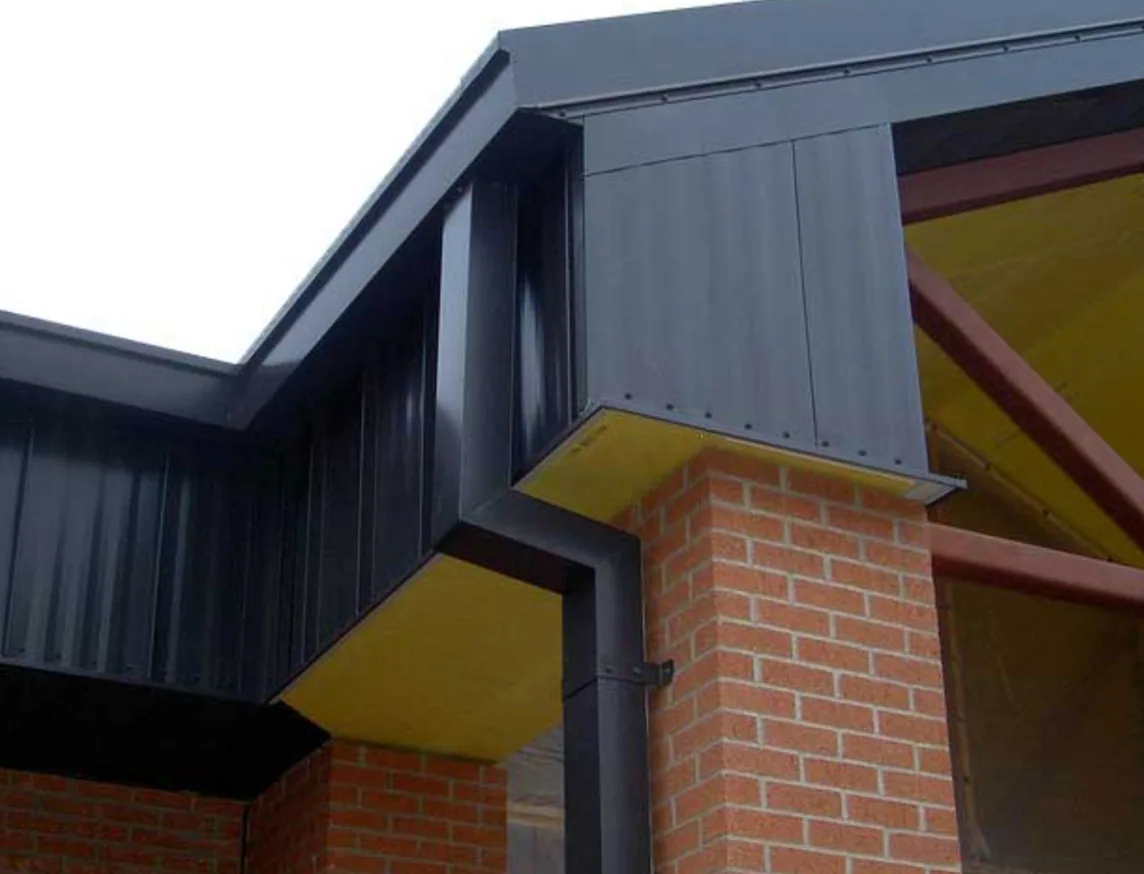
Wind can lift or distort perimeter details, separate a seam, or move rooftop materials. Hail can mark metal, puncture a vulnerable membrane, or damage soft components around equipment. Driving rain may enter at a flashing transition without leaving an obvious field tear. We photograph each observed condition and note where the damage is localized, where it may continue, and what test would confirm concealed effects.
At Sunrise Commerce Park, a distribution, manufacturing, office, or multi-tenant building needs its own roof review; property use cannot show what failed. We inspect the assembly and compare observed conditions with the reported event. A wind-damage evaluation or hail review can focus follow-up on the observed mechanism. The inspection checks edge metal, equipment attachments, membrane seams, and flashing transitions for visible movement or impact. Each photograph is labeled by zone, and concealed damage remains a testing question until the assembly is opened. That sequence gives the owner an actionable repair map without treating every roof area as damaged.
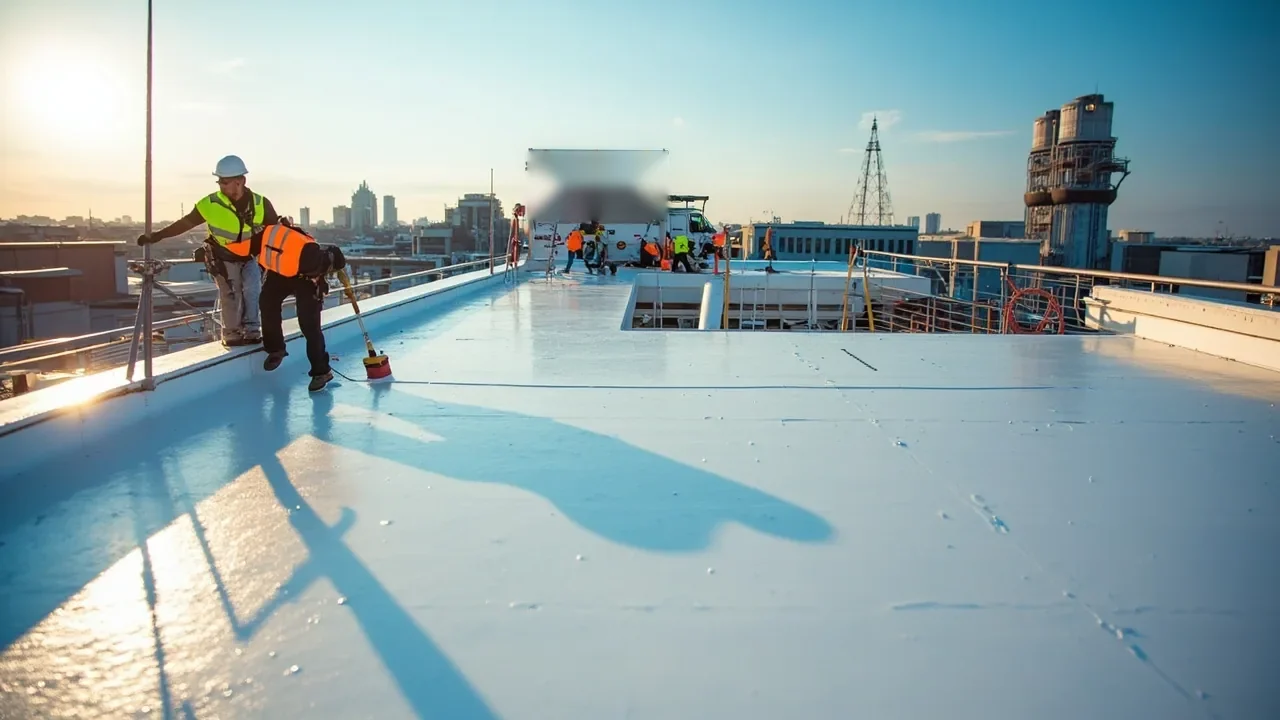
Map: Keep findings tied to roof zones
A roof plan, prior maintenance log, and current interior report help locate the affected area. We label edges, penetrations, drains, curbs, and membrane fields so the owner can distinguish one repair from another. If water appears indoors, the ceiling mark is recorded separately from the suspected roof entry. Water may travel through insulation or deck flutes before appearing below, so a test cut or moisture survey may be needed to confirm the boundary.
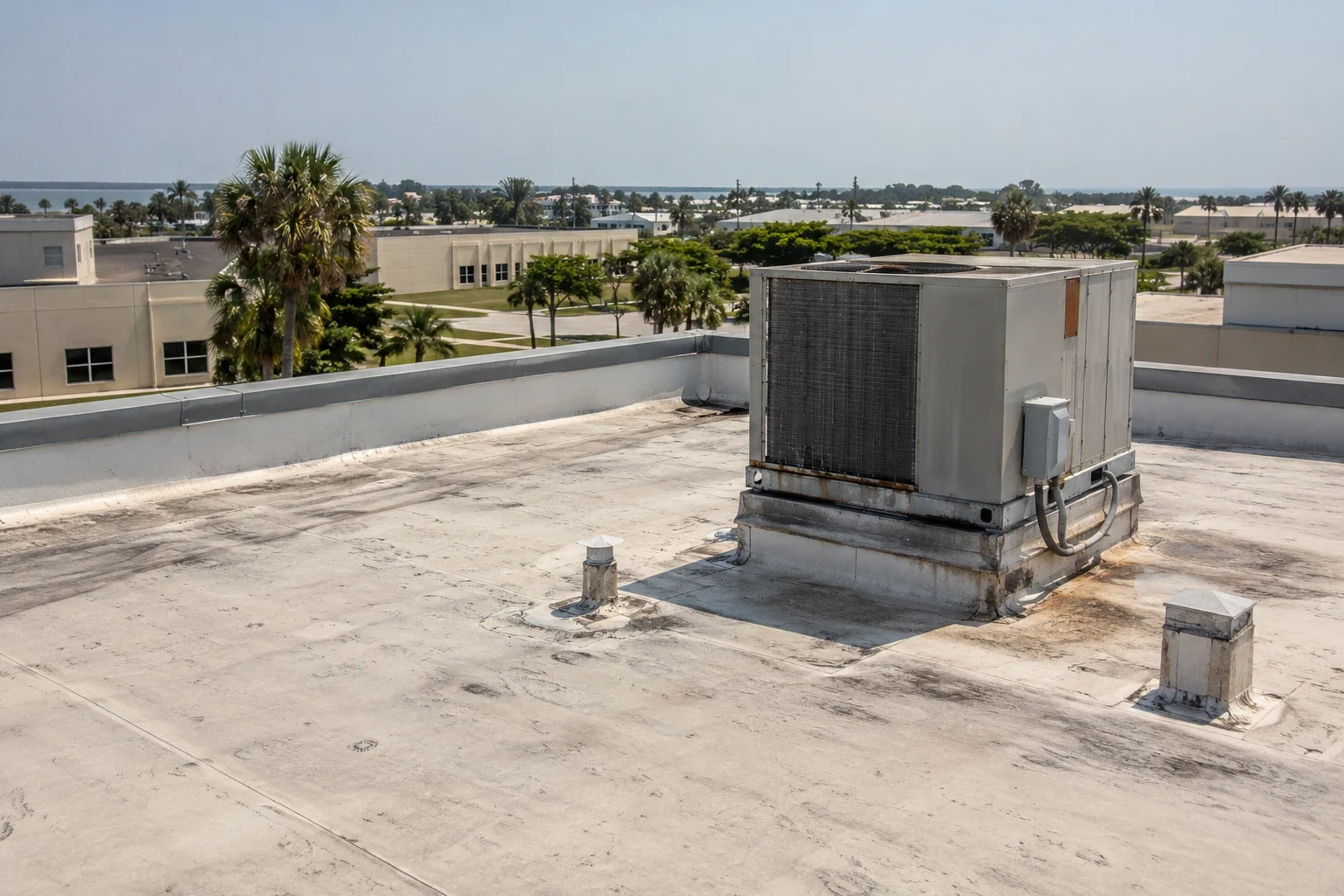
Sawgrass International Corporate Park includes corporate offices, healthcare, technology, and financial services; rooftop equipment and interior sensitivity can influence where testing is approved. A moisture survey can identify candidate areas for physical verification, and a condition report can preserve dates, photos, and test limits. We list additional test areas separately from the current work scope. The map also records temporary patches and recent maintenance so inspectors do not confuse older conditions with new storm effects. If a roof section is blocked by equipment or unsafe access, we list that section and the access requirement for a return visit. This is especially useful when managers need to coordinate several tenants or operations while the repair team works through the affected zones.
Stabilize: Protect before permanent work
Temporary cover is useful when water is active or permanent work cannot proceed in current conditions. We define the cover boundary, attachment, drainage path, inspection interval, and any remaining exposure. A tarp or membrane patch cannot correct loose deck, wet insulation, or a failed connection outside its footprint. If damage extends beneath the surface, the owner receives a separate removal or testing request before the boundary expands.
For an occupied facility, we coordinate room protection, work access, equipment shutdowns, and the shift closeout point. Plantation Gateway includes medical, hospital, retail, dealership, and professional office uses, with each building bringing its own access and operating needs. The facility contact confirms restrictions instead of relying on district-level assumptions. A defined repair scope can follow inspection, while claim documentation organizes photos and observed conditions for the owner's review.
When a temporary patch covers a wind-exposed edge, we record how it is secured and what part of the opening remains vulnerable. The return check looks for lifted material, new water marks, or movement at the adjacent termination. If several leaks are reported in different rooms, each is plotted separately before crews enlarge a repair area. The owner can then decide whether one localized repair is supported or whether another roof section needs inspection. This keeps emergency protection focused while preserving the evidence needed for permanent work.
Return: Close the repair record
Permanent repair should identify the damaged component, preparation, compatible material, and expected tie-in. When a repair changes perimeter attachment, opening geometry, or another designed detail, the project team should confirm the governing 2023 Florida Building Code provisions and any Broward County review that applies to the property. The proposal states which roofing detail is being restored and when a design professional or permitting review must answer a separate question. The closeout includes before-and-after photos, zones repaired, materials used, and any adjacent condition that remains open. If water testing, deck review, or moisture removal is still required, the report names the next step and who must authorize it. A larger scope should follow evidence from multiple roof zones, a confirmed moisture boundary, or a deck condition that affects the assembly. We identify which observation supports each allowance and what additional test would change the recommendation.
When several buildings share a campus or business park, we keep each record attached to its structure and roof plan. A roof asset record can support later review, and a Plantation Gateway visit follows the affected property's access instructions. Share the date and type of event, leak locations, prior repairs, equipment concerns, and operating hours so the inspection can start with the right zones.
Frequently Asked Questions
Should the roof be inspected while wind or lightning is active?
No. We wait until roof access is safe. The building team can protect contents below and report active water while we arrange the first safe inspection window.
Does a storm report prove the roof was damaged?
Repair scope comes from observed or tested conditions at the property. We document the roof, compare it with interior reports, and identify any concealed area that needs testing.
Can temporary cover be left until permanent repair?
It depends on the cover material, attachment, drainage, and expected duration. We define its limits and inspection needs, then set a follow-up for lasting work. A permanent repair follows once the substrate and tie-in can be prepared correctly.
What if water appears after the storm has passed?
Water may continue moving through the assembly after rainfall. We trace the path from the interior report to roof details and test suspected insulation when that changes the repair boundary.
What records help document storm damage?
Provide the event date, leak timeline, roof plan, earlier repair records, photos from inside, equipment restrictions, and site access contact. We add dated roof findings and repair closeout images.
Document the roof condition
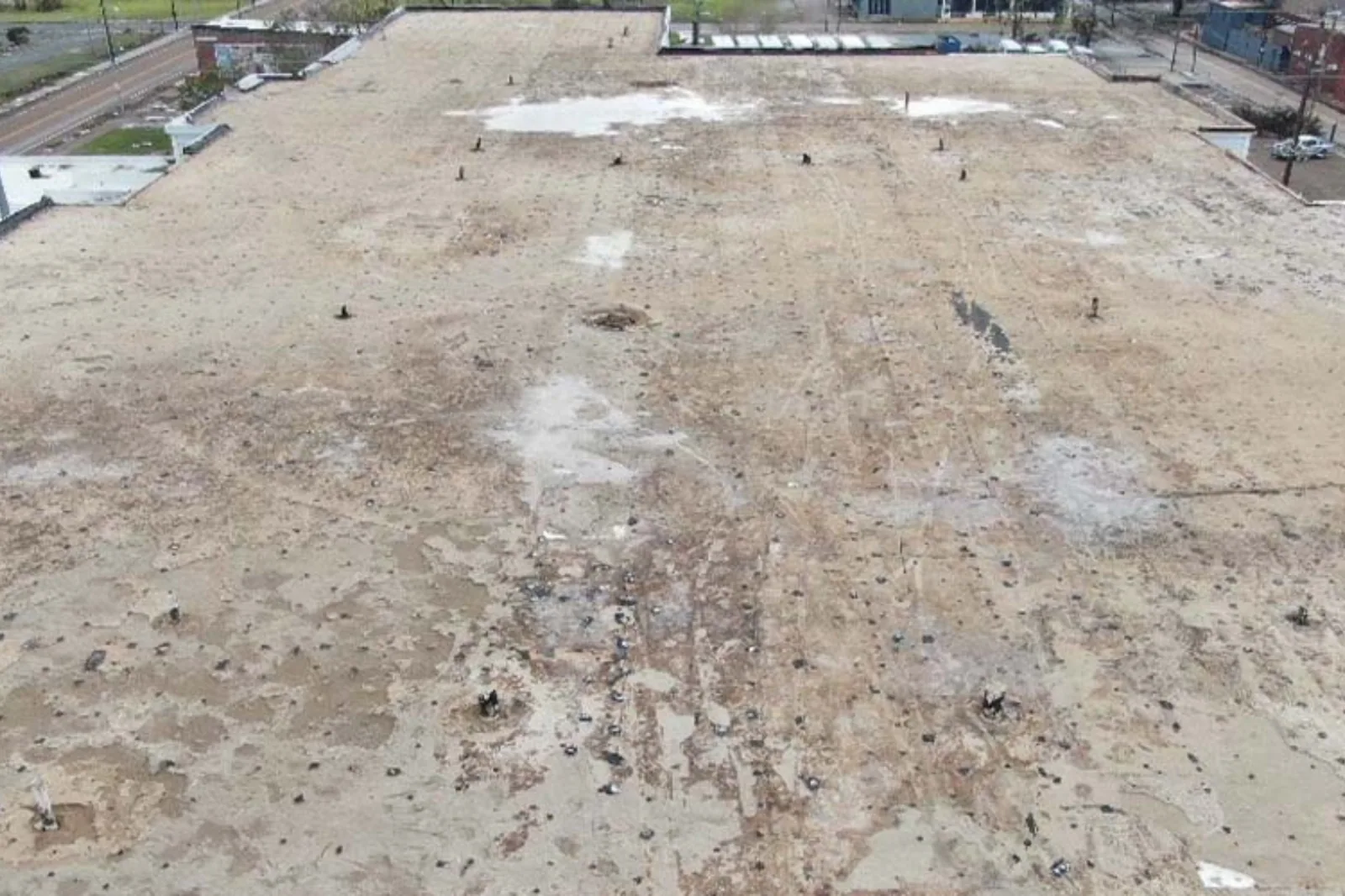
Share the storm date, active leak locations, roof plan, prior repair history, equipment concerns, and access rules. We will map visible damage and set the next safe repair step.
Call 555-555-5555 or request a roof assessment.