Commercial Roof Warranty Management in Sunrise, FL
Commercial Roof Warranty Management
A roof warranty file only helps when the building, system, terms, inspections, and completed repairs can be matched. We organize documents by roof section, review maintenance records, and identify work or conditions that need clarification with the warrantor. We compare any claimed term or approval with the governing warranty and the provider's requirements. Sunrise's office, manufacturing, distribution, and flex-space buildings can have different assemblies and service histories. A roof asset record keeps warranty information beside the inspection and repair history for each property.
Roofing Capabilities in Sunrise, FL
Manage commercial roof warranty records in Sunrise, FL with inspection history, maintenance, repair documentation, and clear follow-up by roof zone.
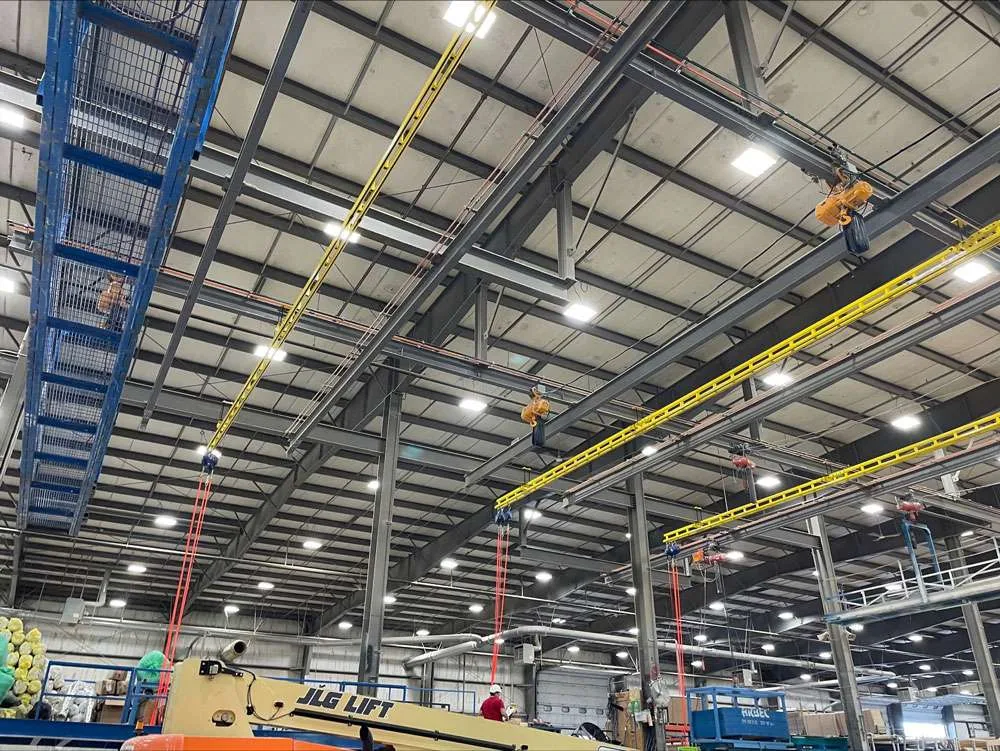
Document map: Match the warranty to the roof
We review the document's building identifier, system description, covered sections, start date when shown, exclusions, maintenance conditions, and contact for notices. If the roof plan has several additions or replacement phases, the file should make clear which section each document applies to. An invoice or product data sheet can identify materials and work; the warranty document sets which components and conditions receive coverage.
Sawgrass International Corporate Park has financial services, healthcare, and high-technology manufacturing alongside corporate offices. Sunrise Commerce Park includes manufacturing, distribution, and shared commercial spaces, so we keep warranty files linked to each building and system rather than sorting them by broad use alone. A portfolio manager may receive records from different projects, so we keep the original warranty document and note any mismatch between its description and the roof map. A condition report can identify the installed assembly where field evidence confirms it. A manufacturer system record or other product document may help identify materials, but it does not establish a warranty unless the actual document does so.
We also check whether a document references an attachment, sketch, or project closeout that is stored separately. The index records where that supporting item is located and which roof area it describes. If a property has several replacement phases, the owner can then compare the map with the document set before requesting a warranty visit or approving a repair.
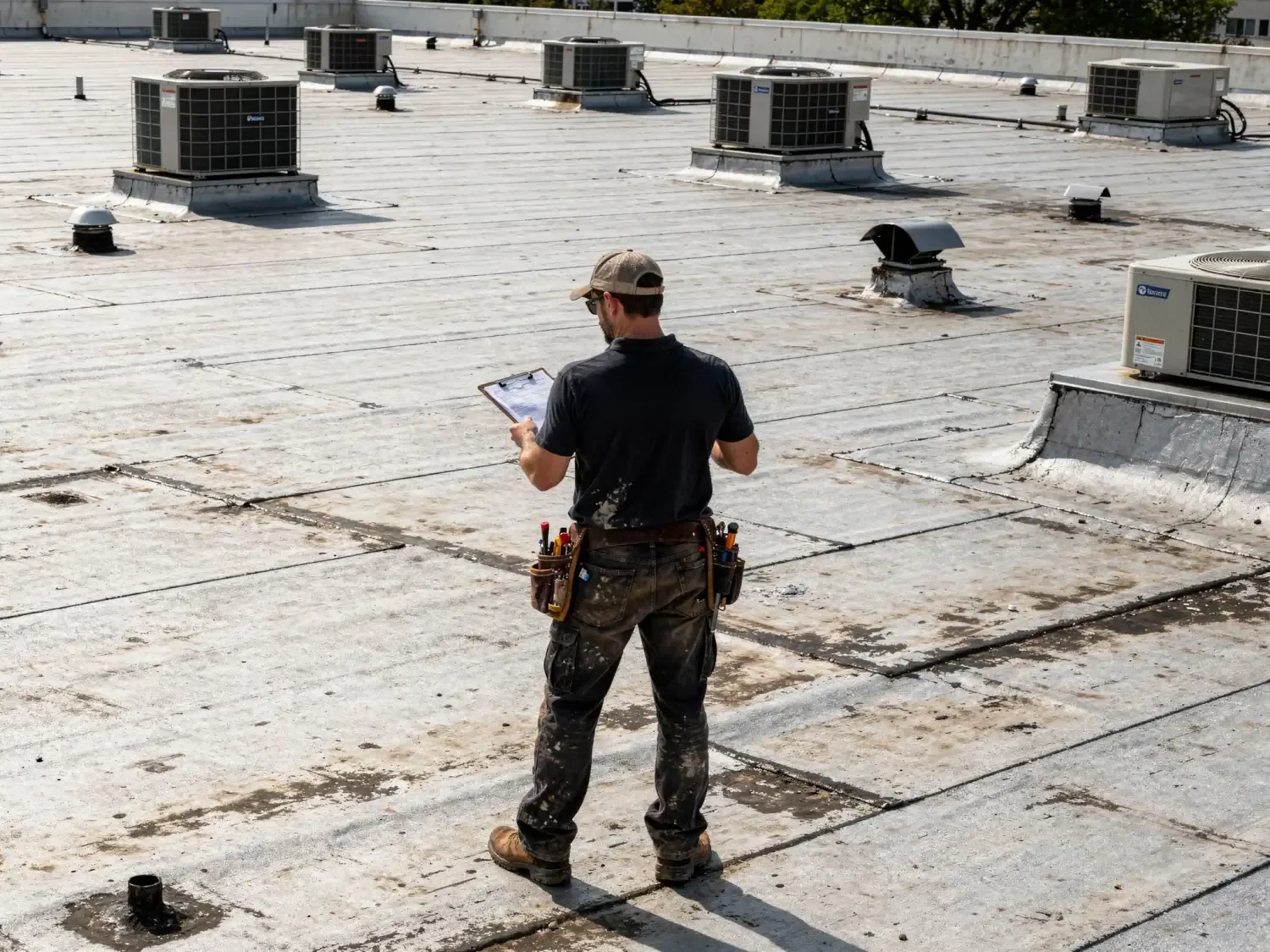
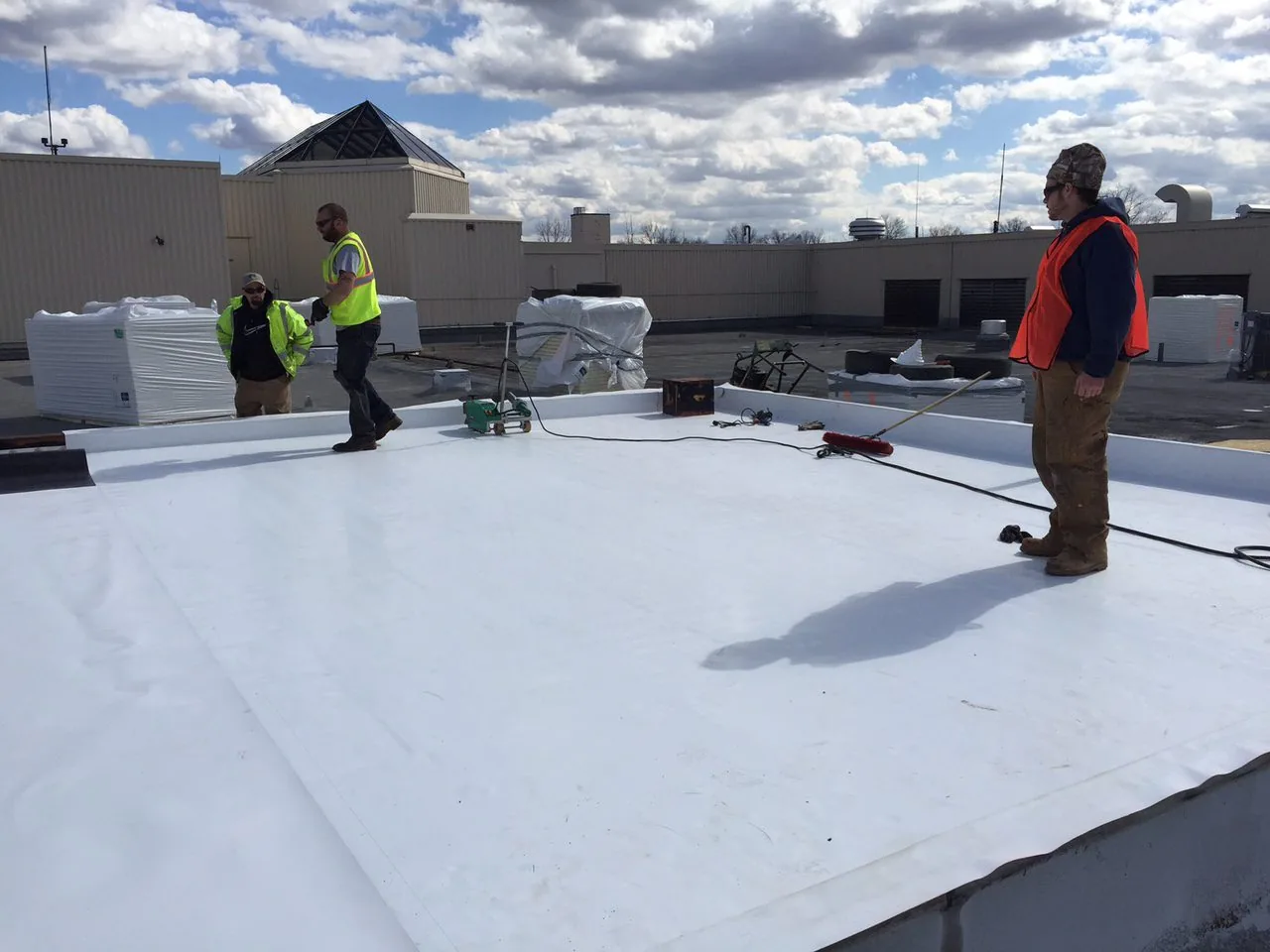
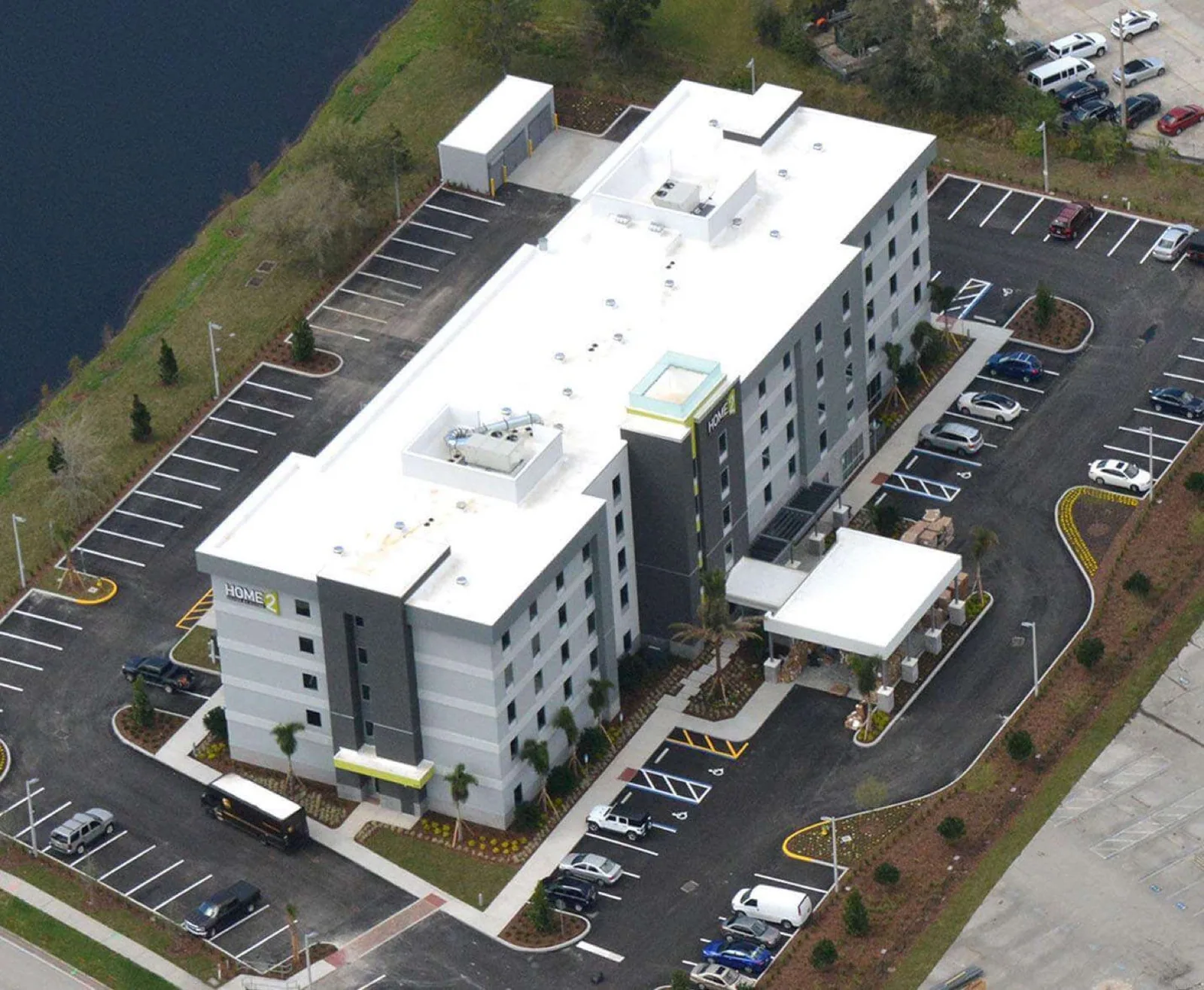
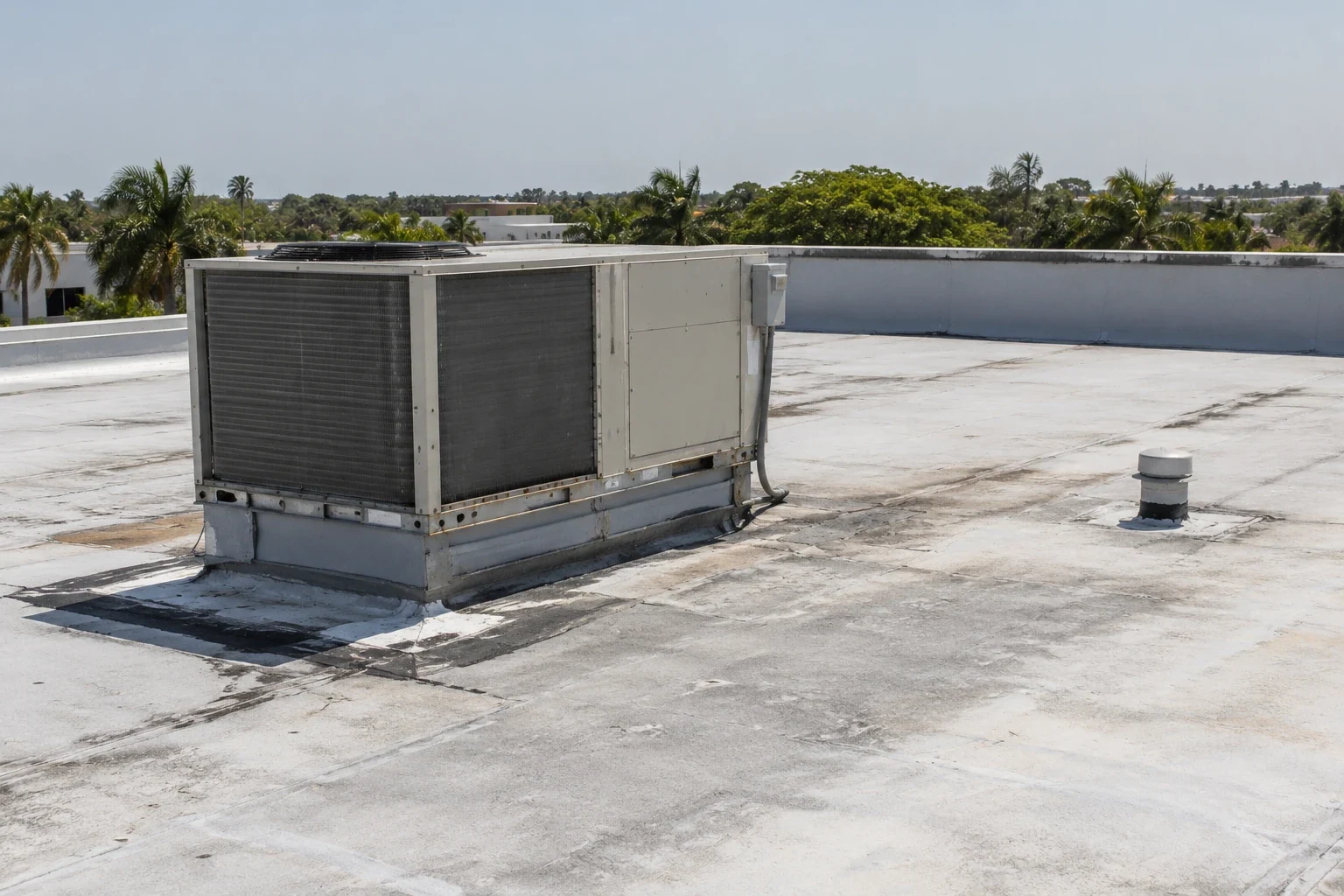
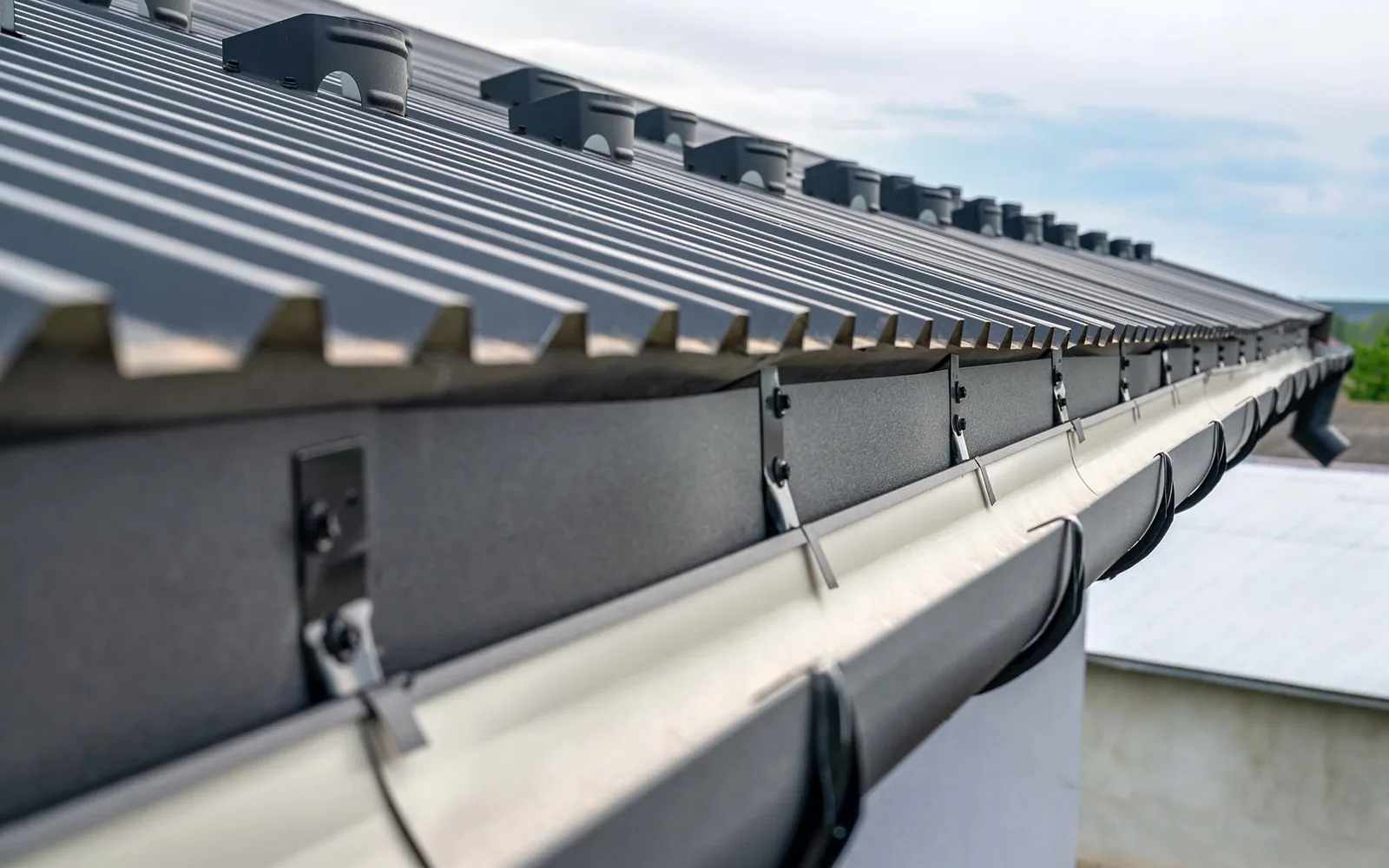
Maintenance record: Keep required work traceable
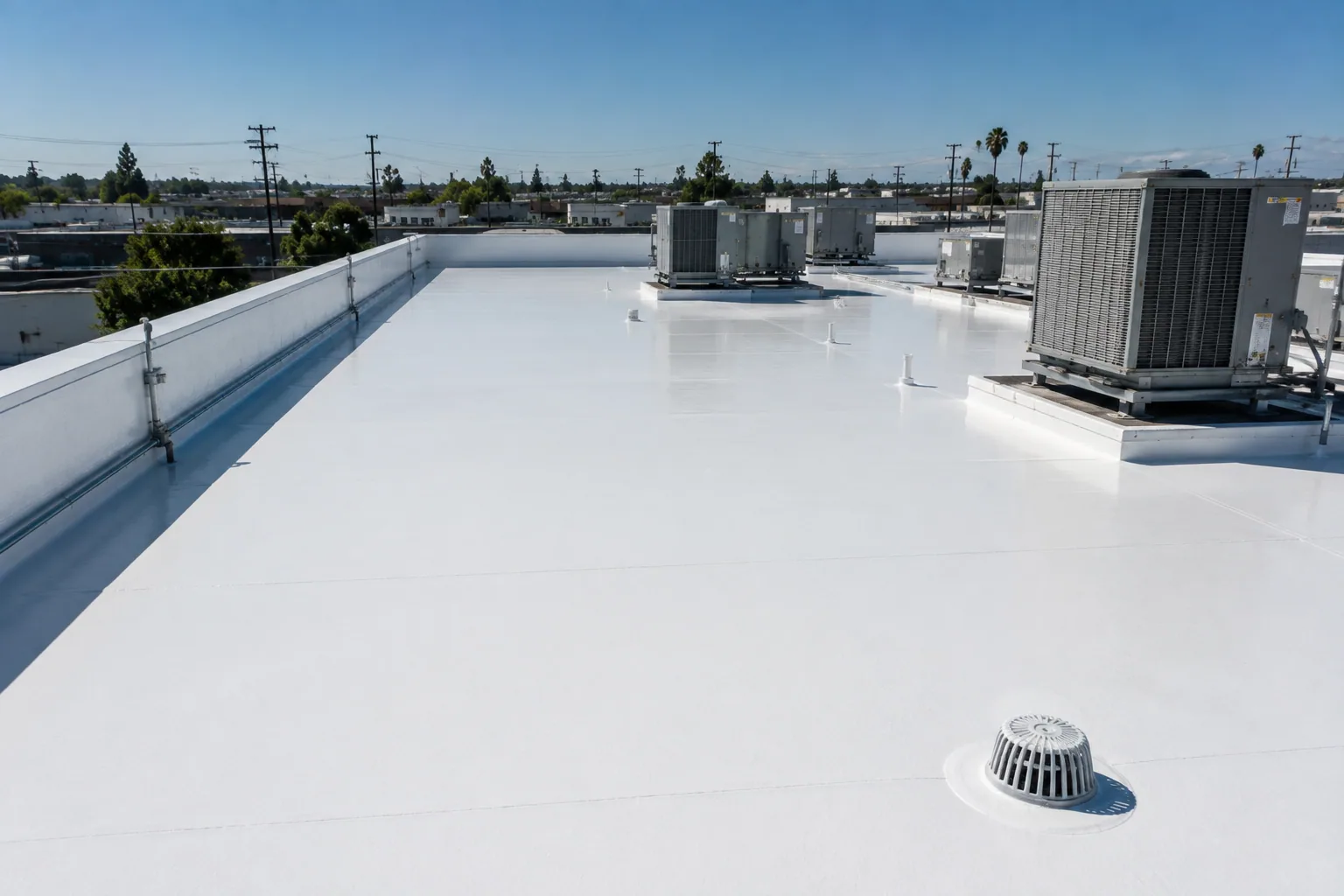
Some warranty documents specify inspection, maintenance, notification, or repair procedures. We identify the wording in the file and organize visits, photographs, drain service, and repair records so the owner can check completion. Requirements vary by provider and document, so we match each maintenance visit to the terms that apply to that roof. If a required visit was missed or the record is incomplete, the next step is to clarify the specific obligation with the warrantor.
Sunrise's wet season concentrates rainfall into recurring months, making outlet checks and leak response useful for roof care. A maintenance visit can record drains, seams, flashings, and conditions that need follow-up. We preserve the date, roof zone, photographs, and work performed. Drain service should note what was reached and any line that needs separate access; it should not be described as complete if the concealed drain run was not inspected.
After each visit, the owner can reconcile the work log with any required maintenance record. We note the technician, roof sections reached, components checked, and items that still require access. If the warranty file requires a specific form or notice, the property contact can attach it to the visit record and confirm submission with the provider.
Repair review: Coordinate changes with the document
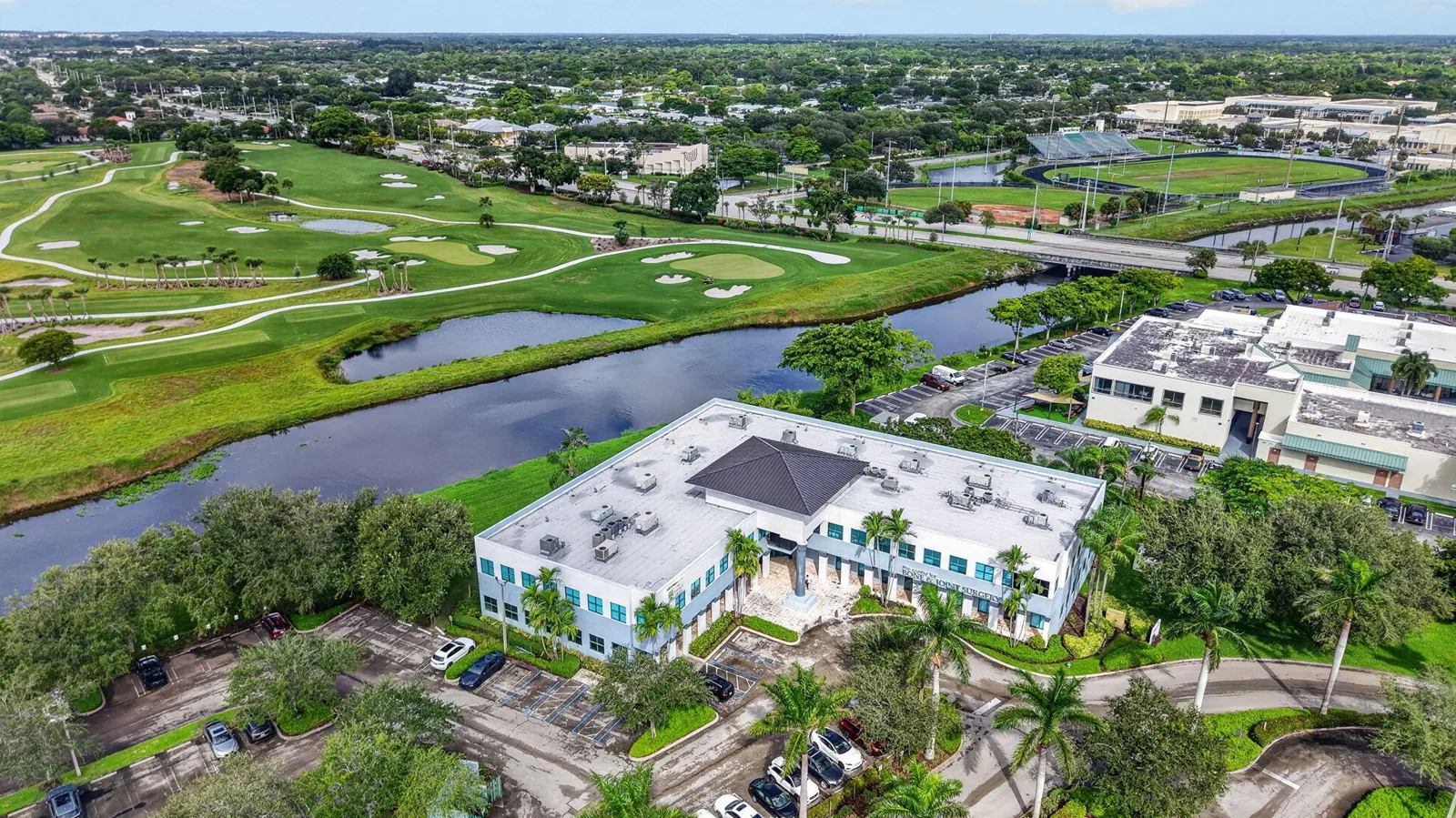
A repair, coating, equipment change, or new penetration can affect the roof or its documentation. Before work, we identify the relevant warranty language and determine whether notice, approval, or an approved repair method appears to be required. The owner or designated warranty contact handles formal requests. We provide a roof scope and field record that identifies the planned detail, material, location, and contractor activity for review.
If a leak is active, immediate protection may be necessary while the document requirements are checked. We record temporary work separately and keep photographs of the original condition when access allows. A claim inspection can preserve incident findings, while a flashing repair addresses a confirmed roof transition. The warrantor applies the actual coverage and claim terms. We identify roof conditions and document the work performed.
When another trade needs to penetrate the roof, the interface should be documented before and after the work. We identify the curb or penetration, the material selected for the tie-in, photographs of the completed detail, and any inspection arranged with the warrantor. If another contractor is responsible for equipment work, the owner can keep that scope and roofing closeout connected without assigning the warranty obligation to the wrong party.
Notice and follow-up: Track contacts and dates
Warranty files often require prompt notice of a leak or suspected defect. We help the facility record when the condition appeared, where water was observed, what temporary protection was installed, and whom the owner contacted. If the provider schedules an inspection, we coordinate roof access and retain the findings with the repair history. Dates matter because a delayed response or missing document can complicate review even when the roof condition is clear.
For Sunrise facilities, the contact list should include the property manager, operations lead, roofing provider, and warranty administrator as appropriate. Sawgrass and Sunrise Commerce Park contain varied operations, so access and escort instructions should be specific to each building. A dated roof report gives the team a common record, and a portfolio file can track notices across several assets without combining their warranty obligations.
Renewal: Keep the file current after each project
At project closeout, we add the installed material record, final roof-zone map, photographs, repairs, test openings, and any new warranty documents supplied by the owner or manufacturer. We also note unresolved items, such as a section not included in the work or an equipment penetration waiting for another trade. A later inspection can compare the repaired detail with its closeout record and identify whether maintenance or follow-up is due.
For a property in Sunrise, share current warranty documents, roof drawings, inspection reports, invoices, notice correspondence, and prior repairs. We will organize the file by building and section and identify questions that require the warrantor's direction. A capital review can then consider roof condition and documented obligations together, without treating warranty status as a substitute for inspection.
When documents are missing, we create a gap list rather than filling in a term or covered assembly from an invoice. The property team can request the missing file from the prior owner, installer, or provider. Until it is received, the asset record marks the warranty status as unconfirmed and keeps regular roof inspection separate from that paperwork question.
Keep the warranty file with the current roof map, service contacts, approved repair materials, inspection dates, and notice instructions. When a leak appears, record the first report, temporary protection, and follow-up visit in sequence. The facilities team can then provide a coherent history when requesting review or scheduling covered work.
Frequently Asked Questions
Who determines whether a roof repair is covered?
The provider applies the terms in the actual document. We organize records, inspect the roof, and identify questions that the owner should direct to the warrantor.
What should be kept with a roof warranty?
Retain the document, roof plan, inspection and maintenance records, repair invoices, photographs, notice correspondence, and closeout materials by building section.
Can an emergency repair affect warranty requirements?
The document may specify notice or repair procedures. We record necessary temporary work and help the owner identify what must be clarified with the provider.
How do you handle a warranty that lists the wrong roof area?
We compare its building and section description with the roof map, document the mismatch, and identify the question for the warranty administrator.
Can one portfolio file cover several roofs?
A shared index can track documents and dates, but each roof keeps its own warranty terms, assembly, inspections, and work history.
Organize the roof file around its actual terms
Provide warranty documents, roof plans, repair invoices, inspection records, notices, and closeout files. We will map the covered sections and organize follow-up by building.
Call 555-555-5555 or request a roof assessment.