
Commercial Hurricane Damage Roof Repair in Sunrise, FL
Commercial Hurricane Damage Roof Repair
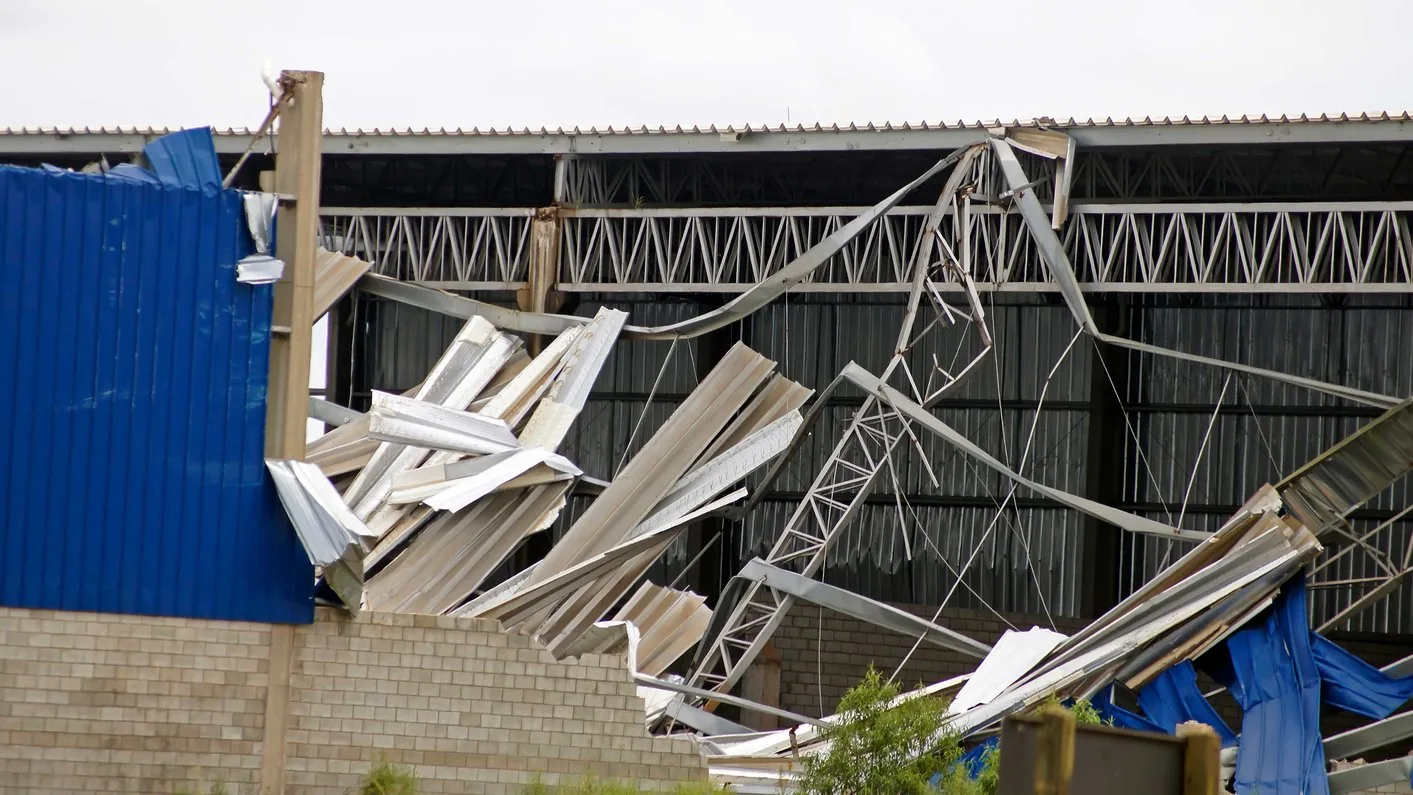
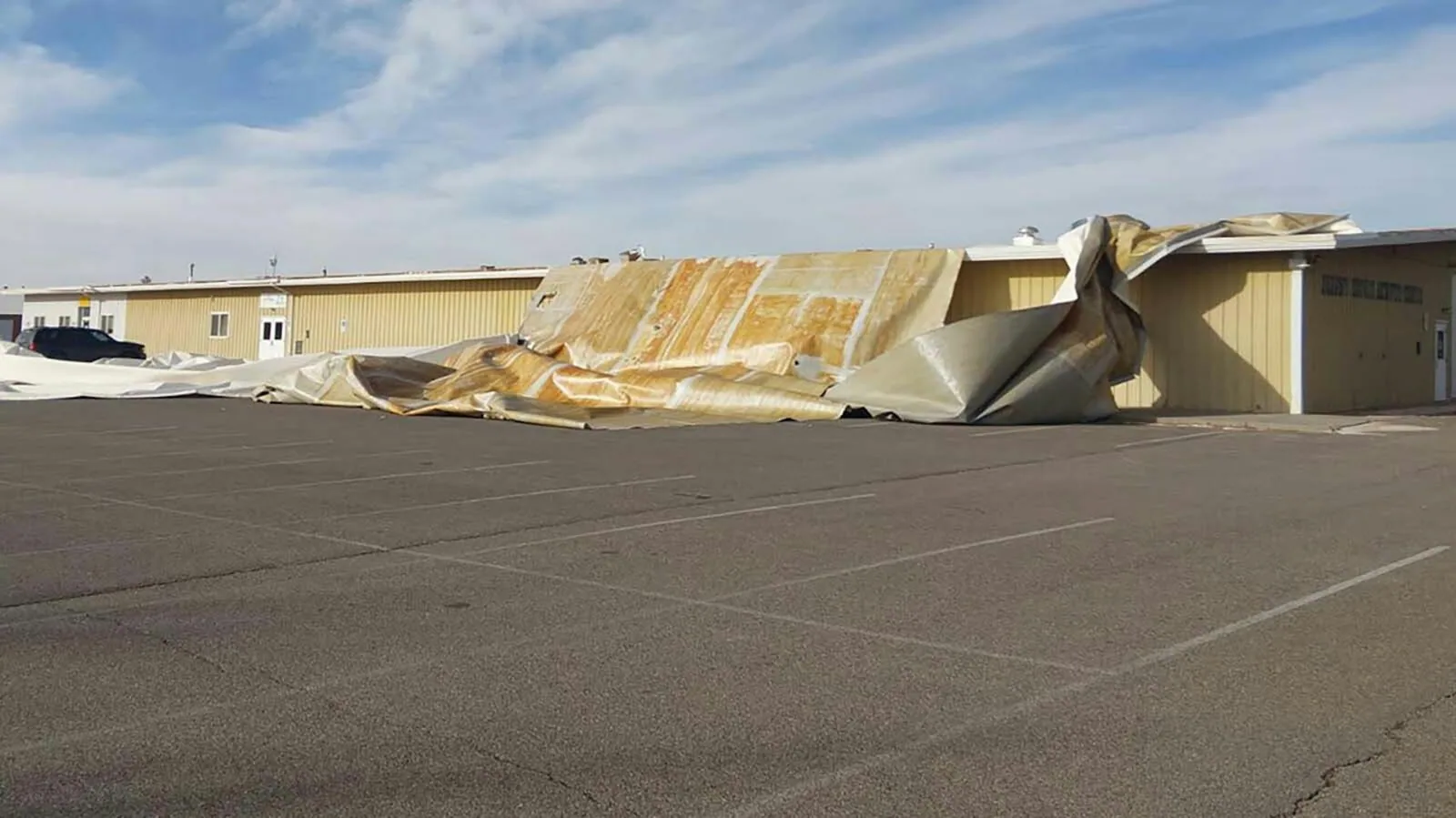
After a tropical system, a commercial roof can have lifted edges, displaced equipment flashings, blocked outlets, or openings hidden beneath debris. In Sunrise, hurricane preparation and post-storm repair both depend on knowing which roof sections are safe to access. We secure exposed areas where conditions allow, map visible changes, and separate temporary protection from permanent repairs. The city's business parks include offices, distribution, manufacturing, technology, and healthcare operations, each with its own equipment and access controls. A post-storm response protects the building first, then inspection evidence sets the repair boundary.
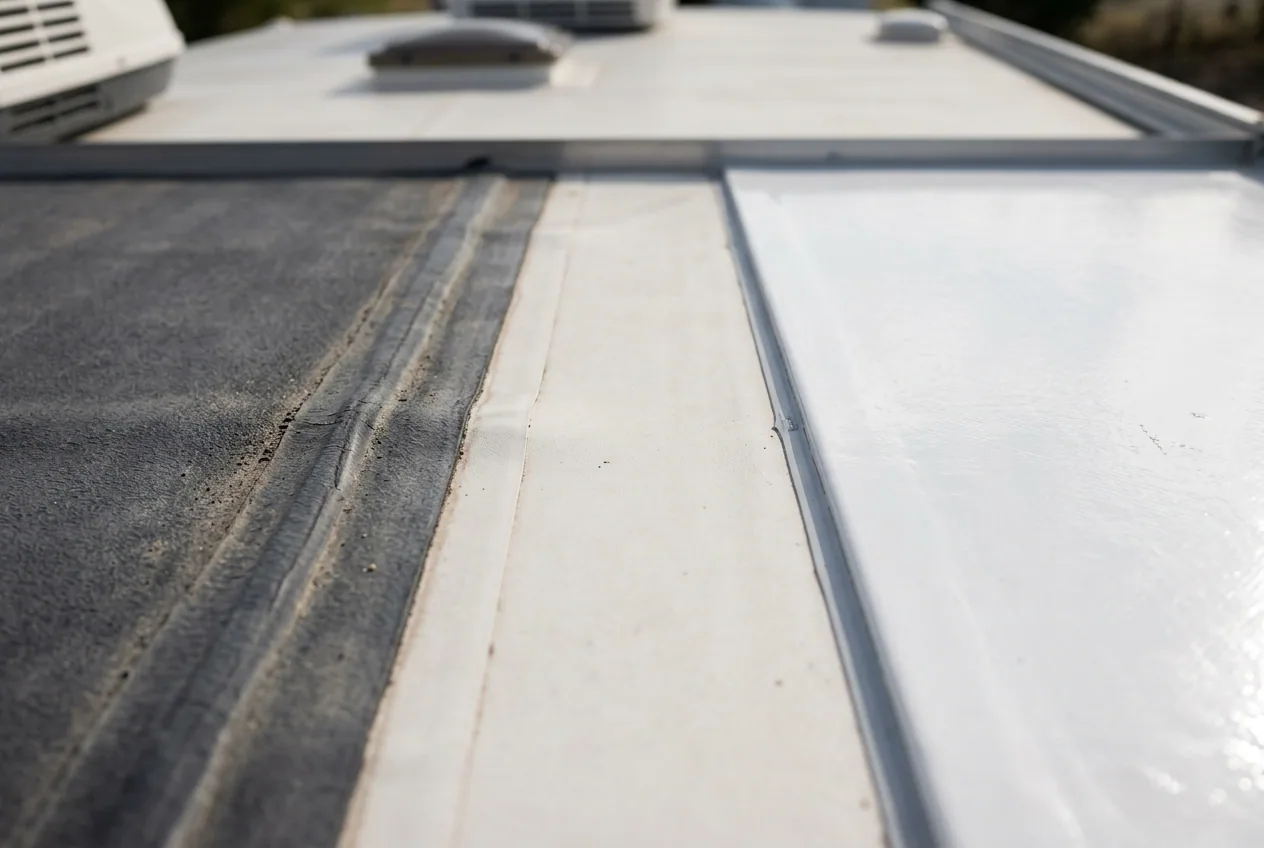
Roof Damage Repair in Sunrise, FL
Hurricane roof inspection and repair in Sunrise, FL. We assess edges, openings, drains, and equipment after safe access returns, with a mapped repair boundary.
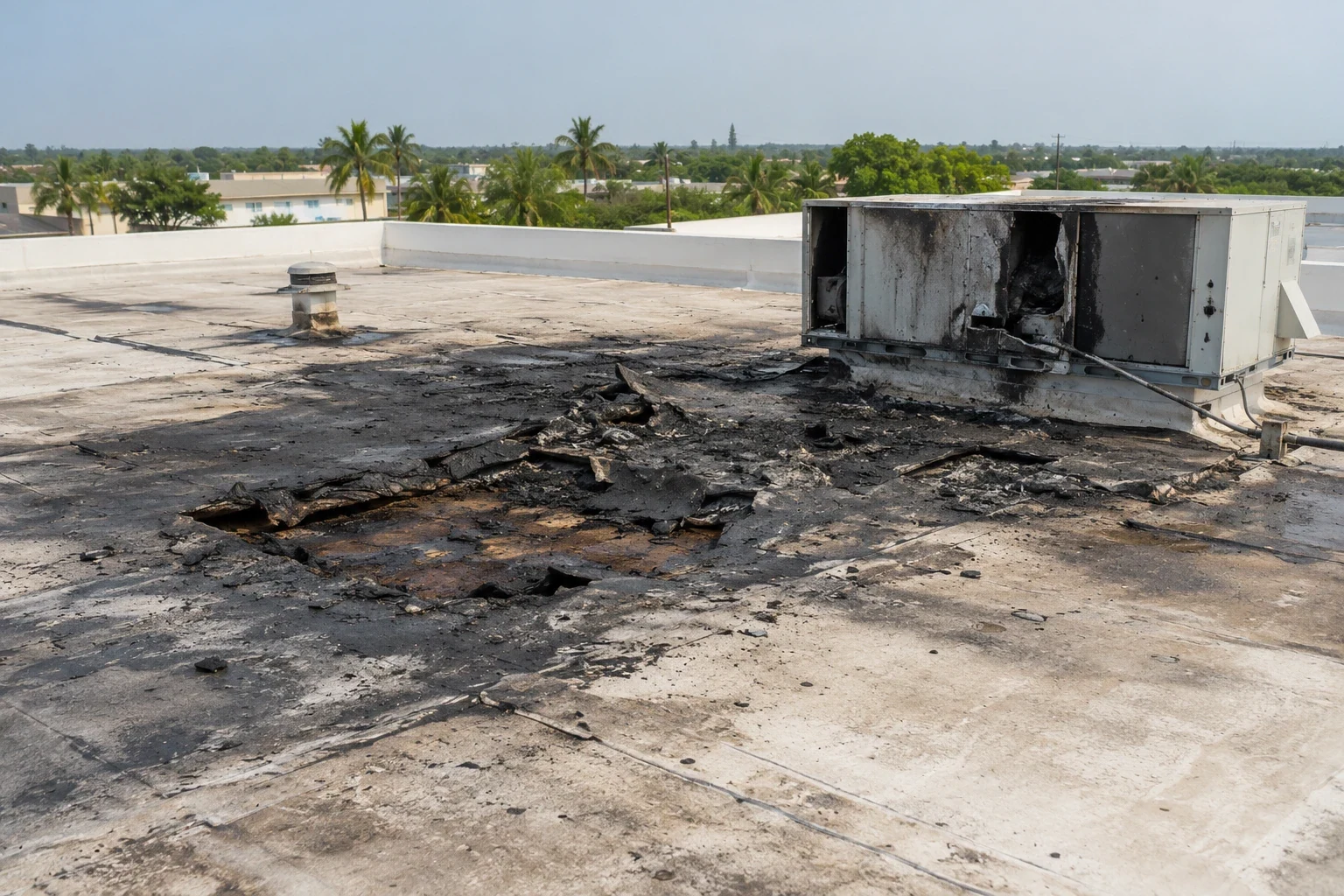
Access release: Wait for a safe inspection window
Standing water, loose metal, damaged skylights, fallen materials, and unstable equipment can create hazards after a storm. We coordinate roof entry with the facility contact and do not cross a section that has not been cleared. The inspection route records where access was possible, what remained restricted, and whether interior protection is needed below an opening. If a roof hatch or ladder has been damaged, it is addressed before the team carries tools or materials onto the surface.
Once the roof is safe to enter, the first pass identifies active openings and items at risk of further movement. A wind-damage review checks edges, fasteners, and membrane attachment; a hail assessment documents fractured or dented materials. These findings are kept separate when they involve different components. Temporary cover is installed only where suitable and is photographed with its limits and follow-up needs.
We record any roof segment left uninspected and schedule access only after the site contact confirms it is released.
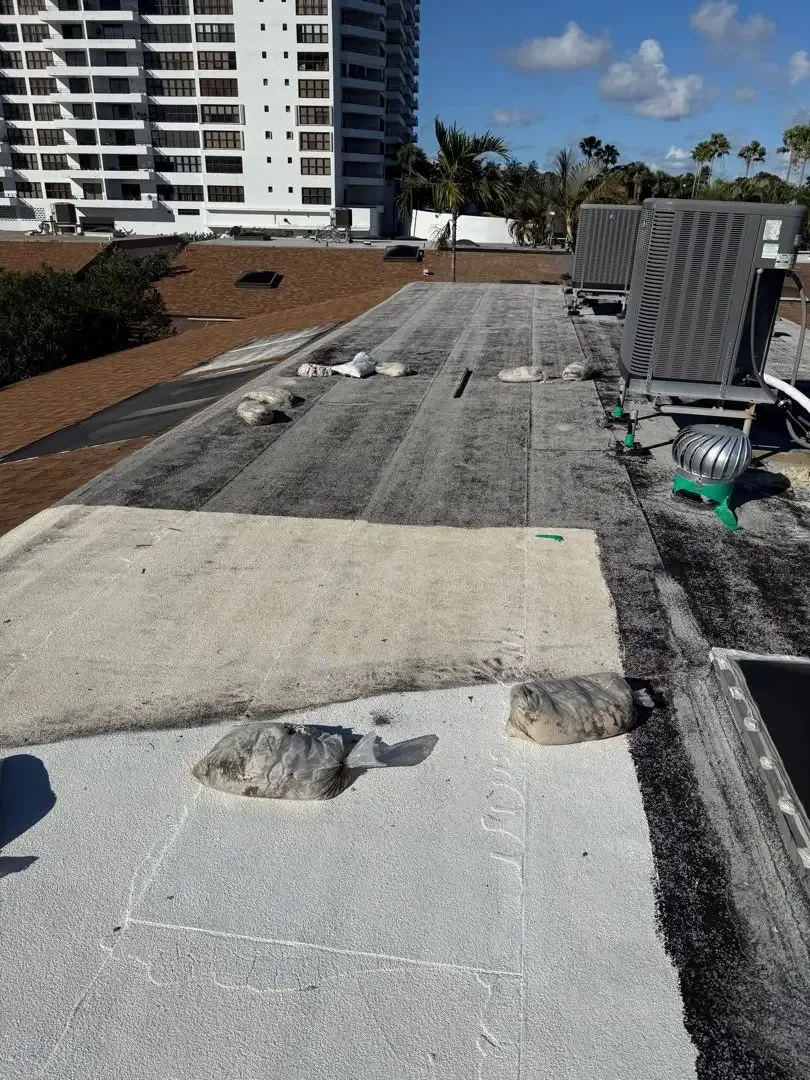
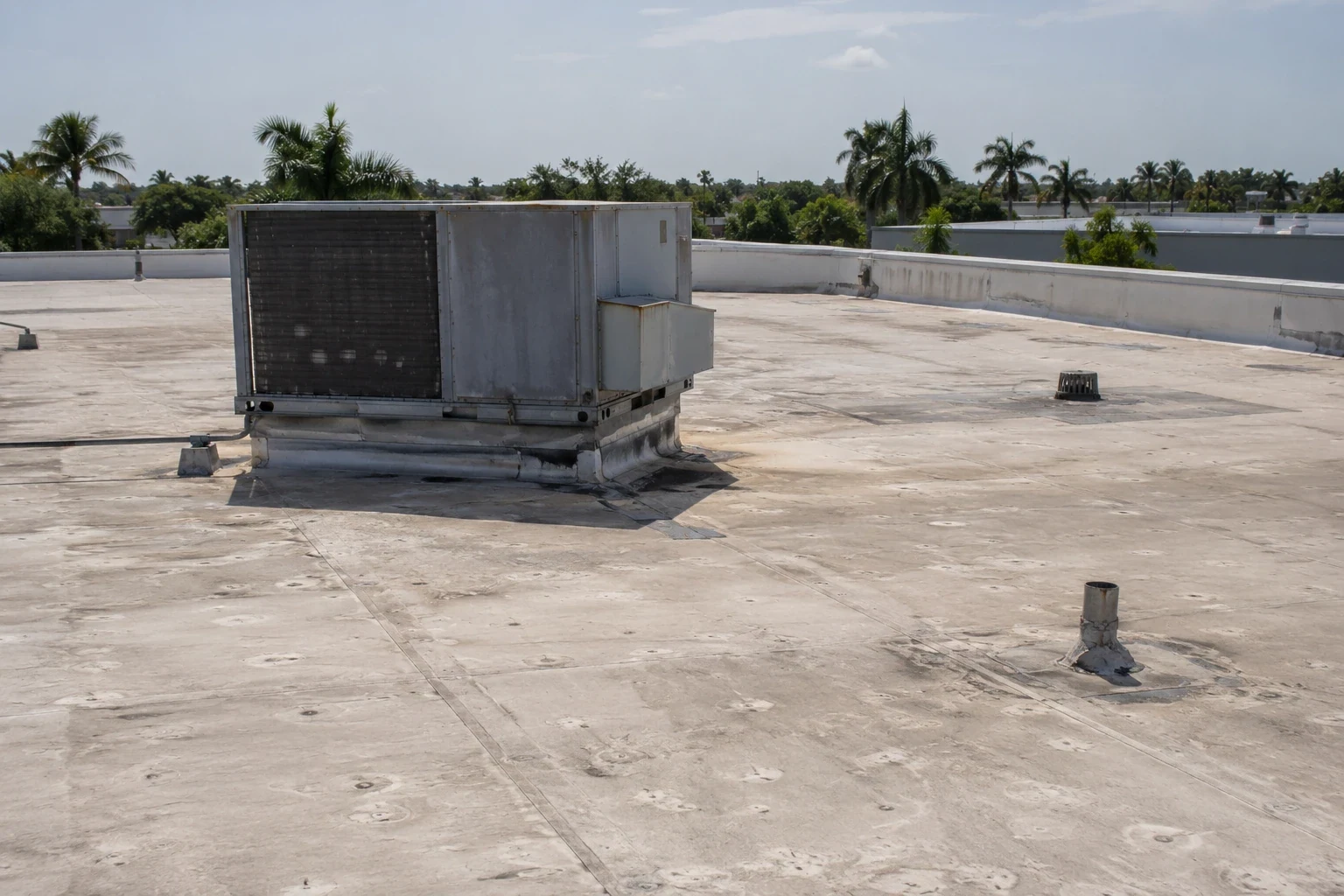
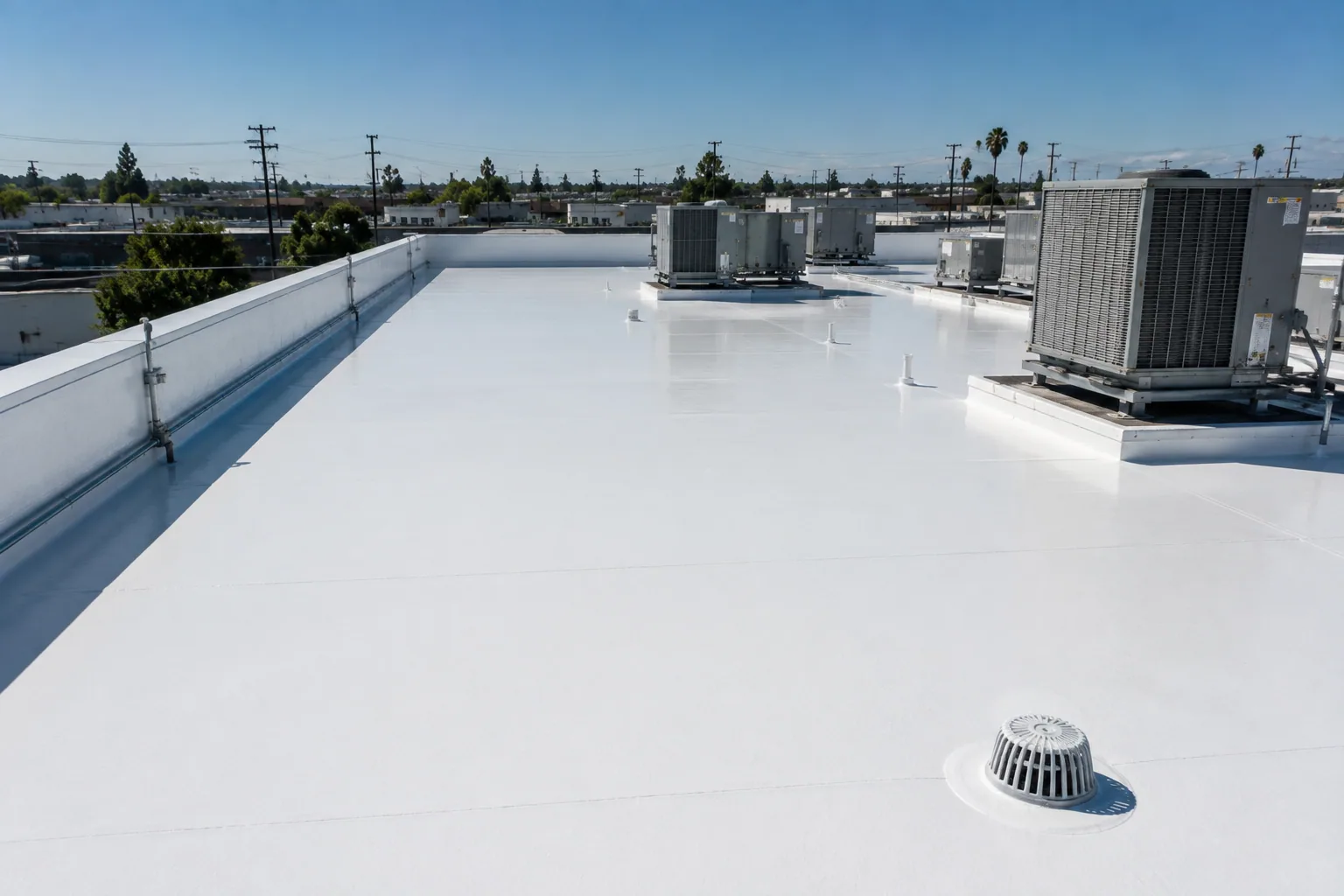
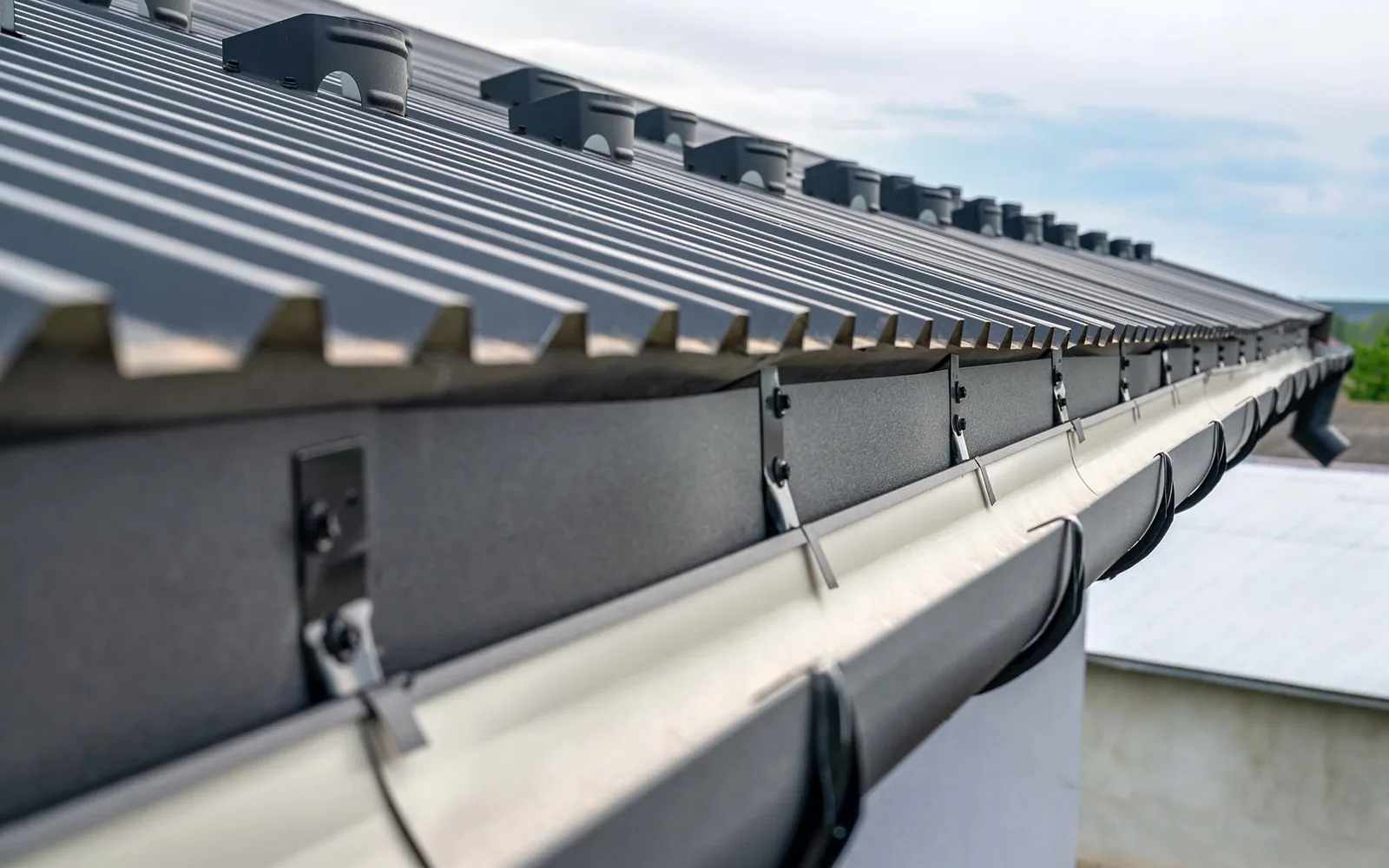
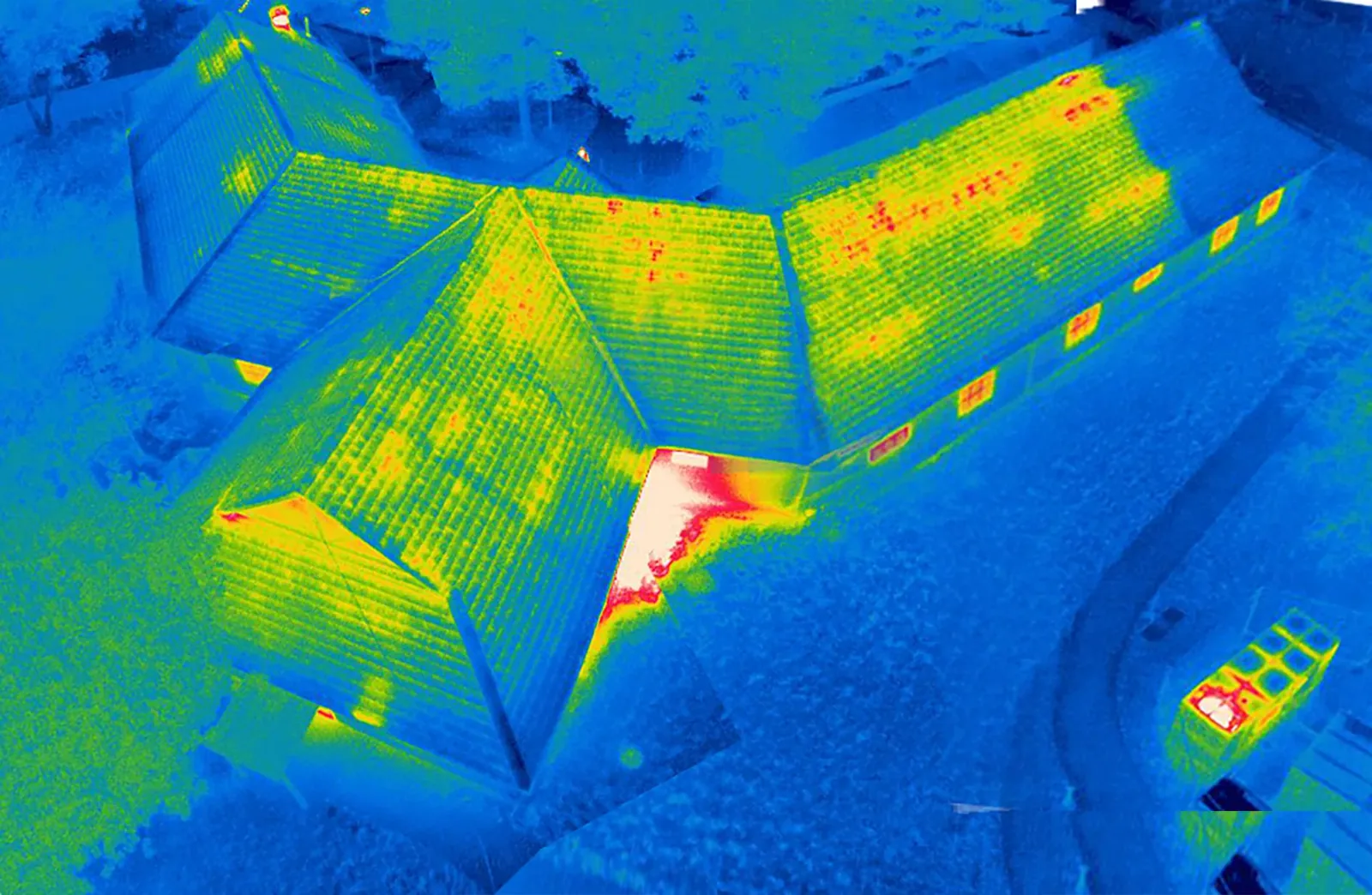
Edge attachment: Check corners, terminations, and metal
Wind pressure can work on corners and perimeters before a breach becomes visible from below. We inspect coping, edge metal, membrane terminations, fastener rows, parapets, and roof-to-wall transitions for displacement, pullout, and open joints. The inspection checks whether movement is isolated to a short segment or continues along an edge. If concealed attachment must be confirmed, a controlled opening can show the deck and fastening arrangement.
Sunrise's western districts contain retail, offices, event uses, and mixed-use development, while Sawgrass International Corporate Park includes corporate and regional office properties. We verify the installed assembly and attachment at the property, then select testing that can change the repair detail or quantity. A flashing inspection can follow movement at a parapet or curb, and seam repair addresses an opening that runs into the membrane field. The scope states where edge reconstruction stops and what adjacent detail was checked.
At corners and changes in elevation, we compare fastener retention with membrane continuity and metal laps. We inspect field membrane and perimeter terminations separately; a bent coping cap prompts a check of its attachment and the membrane below. We document each component independently, then show where the repair must reconnect them. If edge pieces have been displaced, their sequence and storage are recorded so material is not mistaken for loose storm debris during removal.
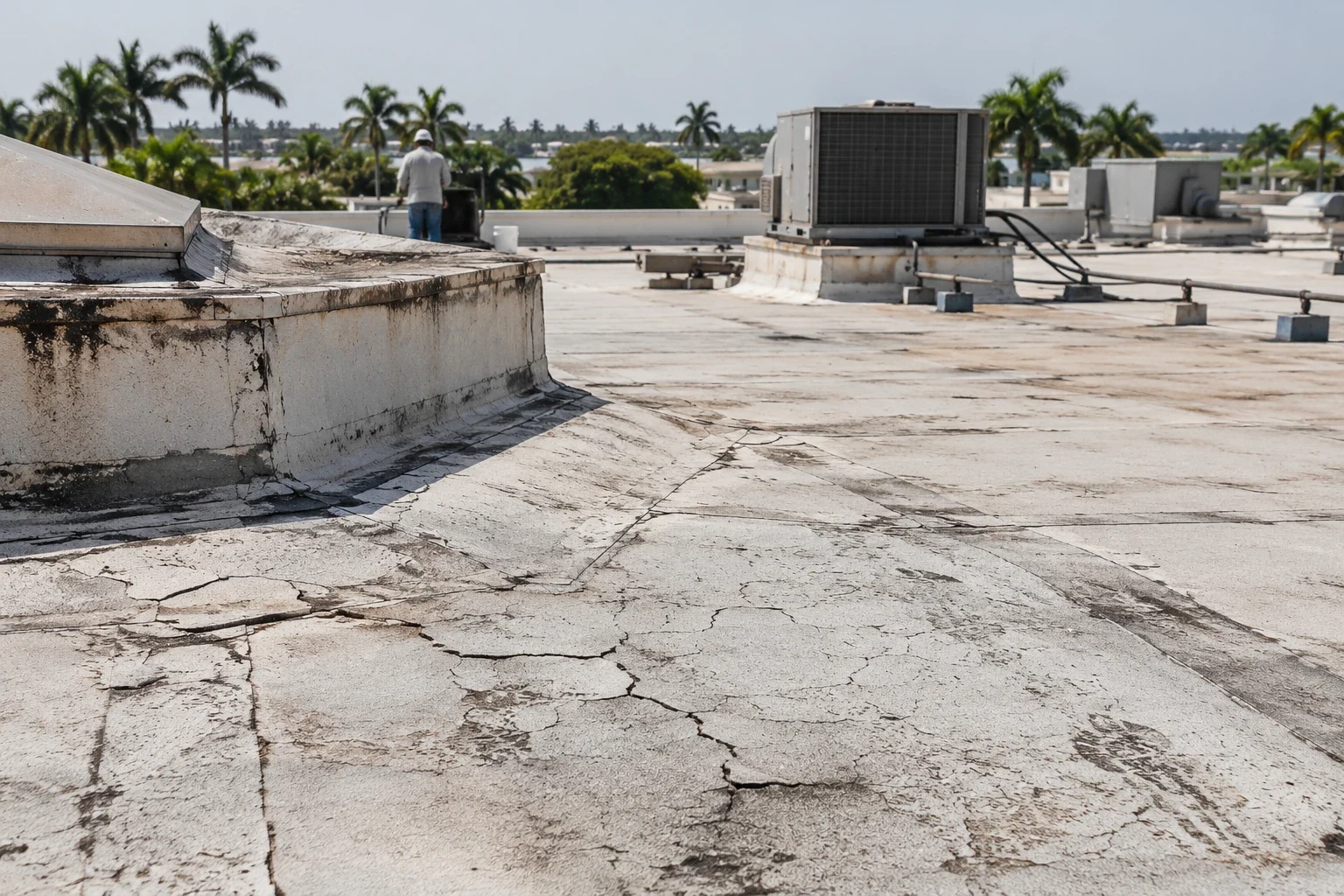
Rain and drainage: Find retained water and blocked outlets
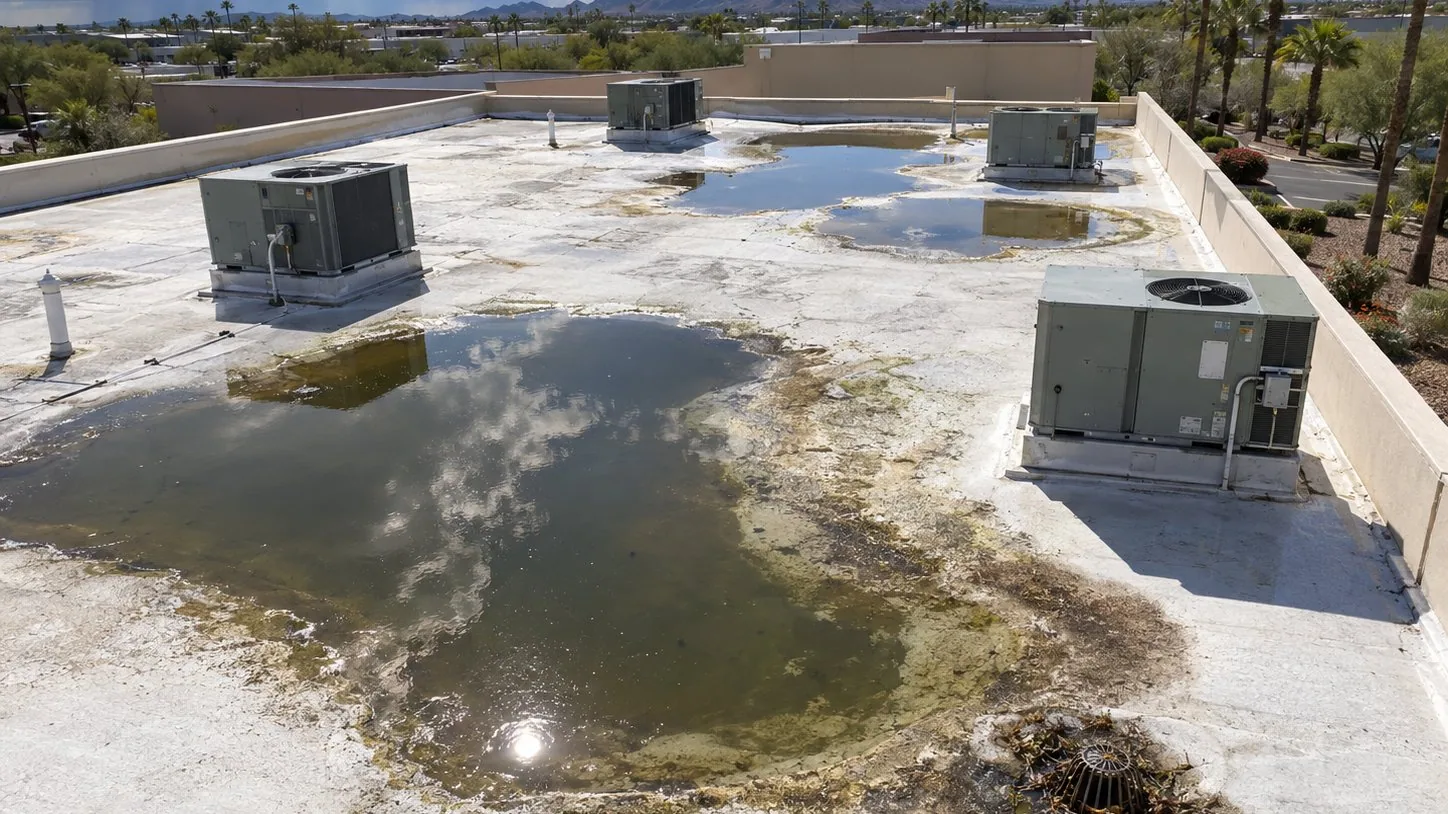
Heavy rain can leave debris in strainers, scuppers, gutters, and overflow routes. We inspect accessible outlets and compare any retained water with the roof slope and reported interior leaks. We inspect the bowl and confirm the discharge path included in the approved scope, recording any portion that could not be reached. If water remains, we inspect the membrane, insulation, and deck before specifying a coating or recover.
South Florida's rainy season concentrates a large part of normal rainfall into several months, placing repeated demand on drainage systems. We clear work debris from outlets and keep a path for runoff during temporary protection. A drainage review can identify blocked or damaged details; a moisture survey can help select areas for testing after an interior report. Retained water, wind displacement, and water entry receive distinct zone labels so one finding does not substitute for another.
Damage boundary: Test before assigning removal quantities
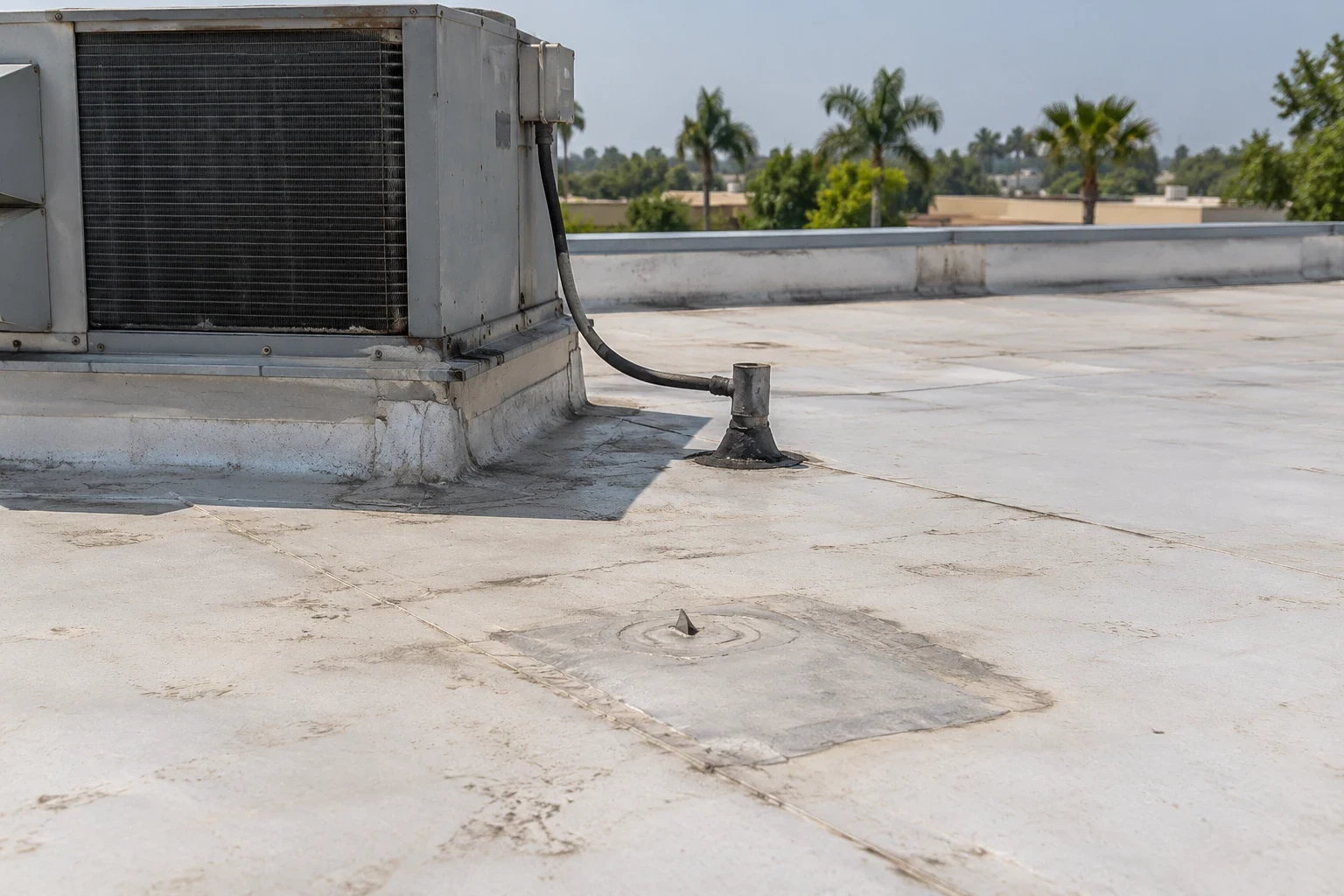
A membrane opening can admit water beyond its visible perimeter. We compare interior reports with roof zones, seams, penetrations, and drainage paths, then test where concealed wet insulation could change the work. Test cuts identify layers and material condition at the opening. We photograph the location and mark the tested boundary; areas without a test remain unconfirmed rather than being counted as damaged by assumption.
After a storm, an isolated puncture or displaced edge may be repaired locally if the adjoining assembly remains sound. Widespread wet insulation, released attachment, or damaged deck can require removal across a larger area. A condition report connects photographs and quantities to the roof plan, while a claim file can preserve the dated inspection record. The carrier or policy administrator determines coverage; our findings describe roofing conditions and proposed work.
When more than one roof section leaks, we compare the reported timing with slopes and shared drainage paths. Separate reports may trace to one opening, or they may reflect unrelated failures. We identify the evidence for each location and keep quantities distinct. This prevents a temporary cover on one section from being treated as proof that the surrounding roof is restored.
Stabilization: Coordinate temporary and permanent work
Temporary dry-in keeps weather out while the permanent repair is planned, but its extent and condition need to be tracked. We record the material, roof zone, installation date, and any area that remains exposed. The permanent scope identifies removal depth, substrate repairs, membrane tie-ins, edge details, equipment coordination, and final drainage checks. If a concealed layer changes the work, it is photographed and reviewed before extending the opening.
Sunrise connects to I-595, I-75, and the Sawgrass Expressway. Before mobilization, we confirm receiving hours, delivery access, and roof entry with the facility contact. The site contact confirms staging, lift locations, restricted doors, and operating hours before mobilization. A replacement evaluation may be appropriate when damage is broad or the assembly cannot support isolated repair. For a property in Sunrise, share the roof plan, prior repairs, event timeline, critical equipment list, and areas that must remain occupied. We will sequence approved work by zone and leave a record of the status at each shift.
Before the next storm, facilities can identify drains, roof access, loose materials, and the person authorized to request emergency protection. The prepared roof map, loose-material list, and access plan let the crew move directly to the priority zones once conditions allow safe entry. We can attach the latest roof-zone map to the maintenance file and note any detail that requires a closer pre-season review.
Frequently Asked Questions
When should a roof be inspected after a hurricane?
Inspection begins after the roof is safe to access and the facility contact has cleared the route. We first identify active openings and areas needing temporary protection.
Can a roof be tarped before the full damage scope is known?
Suitable temporary protection can limit exposure, but its footprint and limits are recorded separately. Testing and inspection establish permanent repair quantities.
Do you inspect the whole roof after a storm?
We map accessible sections and list any area that could not be reached. The roof plan and visible conditions guide the route, and the owner can authorize additional testing.
How do you estimate repairs with concealed wet insulation?
A test cut confirms the layers at a selected location. We show tested quantities and keep untested areas as a separate allowance or follow-up decision.
What should facilities record before the storm season?
Keep roof plans, prior repair photos, drain service notes, equipment details, and site access contacts current. Those records help locate and prioritize post-storm work.
Map storm impact after roof access is safe
Provide the roof plan, event timing, leak reports, prior repairs, and site safety restrictions. We will document exposed areas, temporary protection, and the tested permanent repair boundary.
Call 555-555-5555 or request a roof assessment.