
Spray Polyurethane Foam Roofing in Sunrise, FL
Spray Polyurethane Foam Roofing
Spray polyurethane foam (SPF) roofing forms a continuous layer over a prepared roof, then depends on a protective coating to shield the foam from sunlight and weather. In Sunrise, FL, heat, humidity, heavy seasonal rain, and wind-driven storms make coating condition and drainage part of the same inspection. A thin spot, open penetration, or soft area can admit water into the foam or its underlying assembly. We map those conditions before proposing a patch, localized foam replacement, renewed coating, or full replacement. At Sunrise Commerce Park, distribution, manufacturing, and office buildings bring different equipment and access constraints; the assembly still has to be tested at each roof. A commercial roof inspection identifies the roof zones and transitions that need closer review.
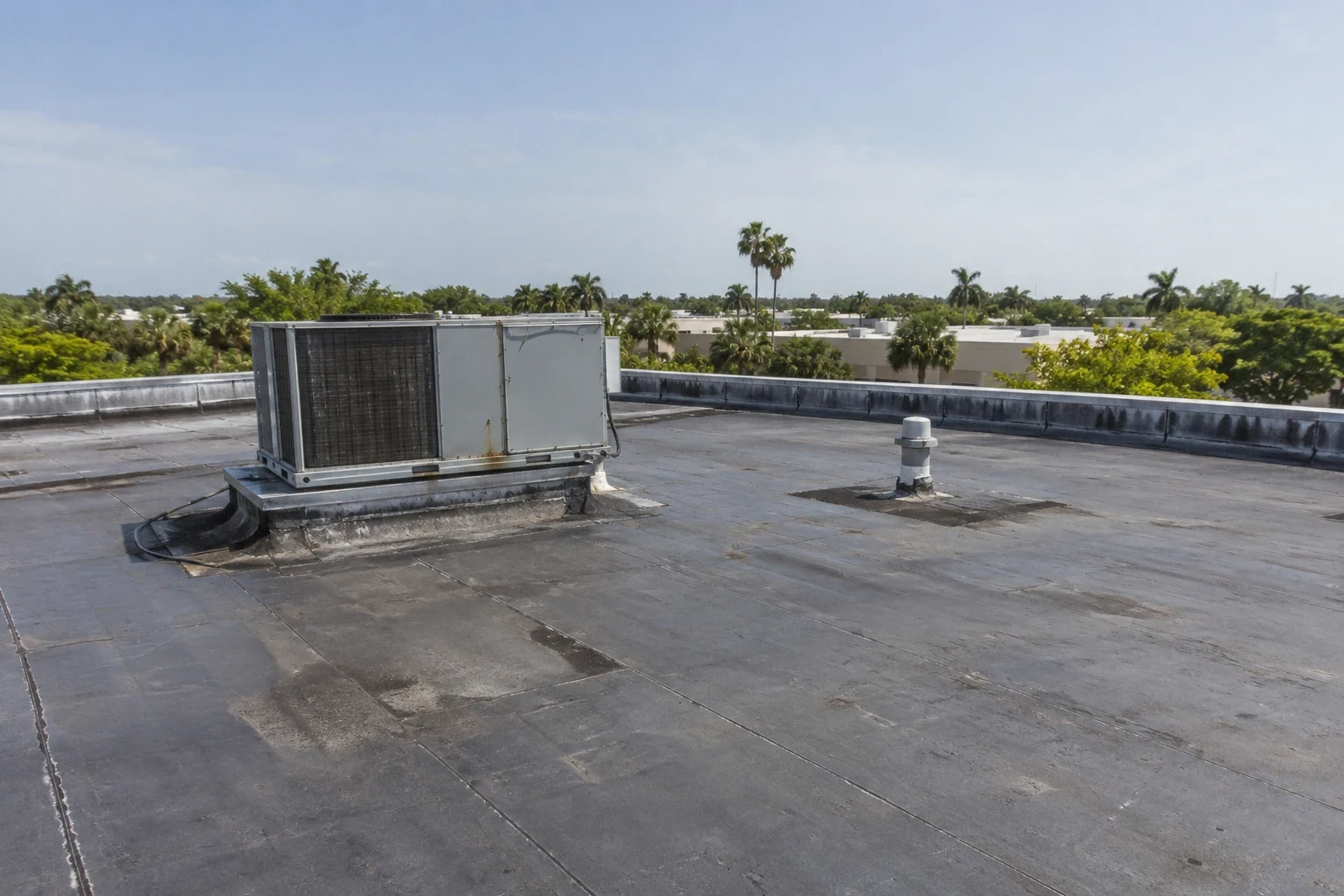
Roof Systems in Sunrise, FL
Sunrise SPF roofing inspections, foam repairs, and protective coatings. We map wet areas, check adhesion, and define a repair or recoating boundary.
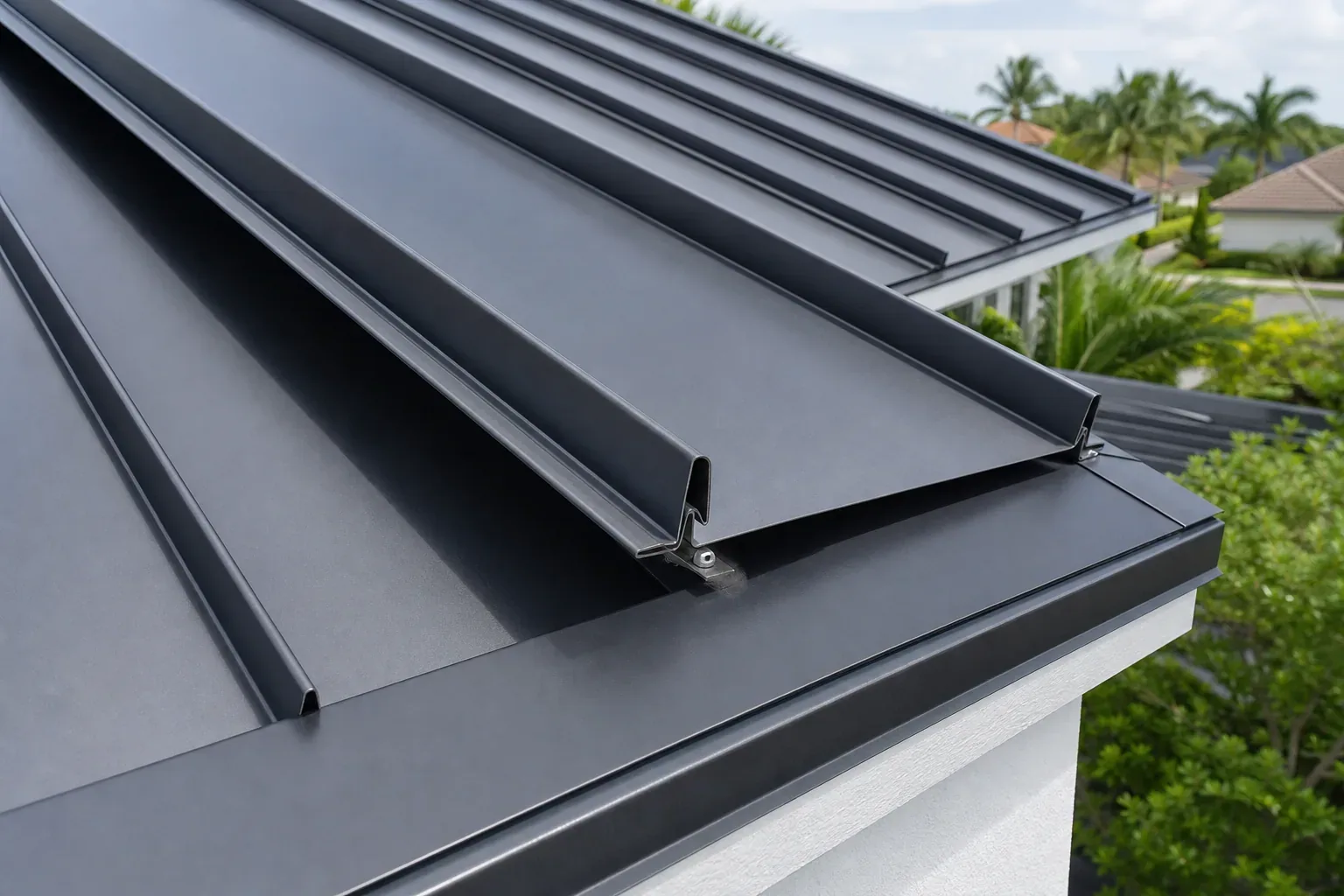
Foam and coating: Read both layers together
SPF has a cellular structure that can insulate and create slope, but the topcoat is its weathering surface. Coating can thin at ridges, around curbs, at walk paths, and where water slows near a drain. A pinhole or crack through that layer exposes foam to ultraviolet radiation; over time, the surface can chalk, erode, or take on water. We check coating thickness where records or test areas allow, then compare wear with the foam beneath it. A reflective finish by itself does not establish that the foam is dry or firmly bonded.
Softness, crumbling, a dark wet boundary, or an irregular surface can indicate a problem below the coating. Those signs need a measured repair boundary rather than a broad layer of new product. At Sawgrass Technology Park, a multi-building office and technology campus includes different roof equipment and operating schedules, so inspection access must be coordinated by building. A roof condition report can mark observed coating loss, test points, and areas that remain inaccessible.
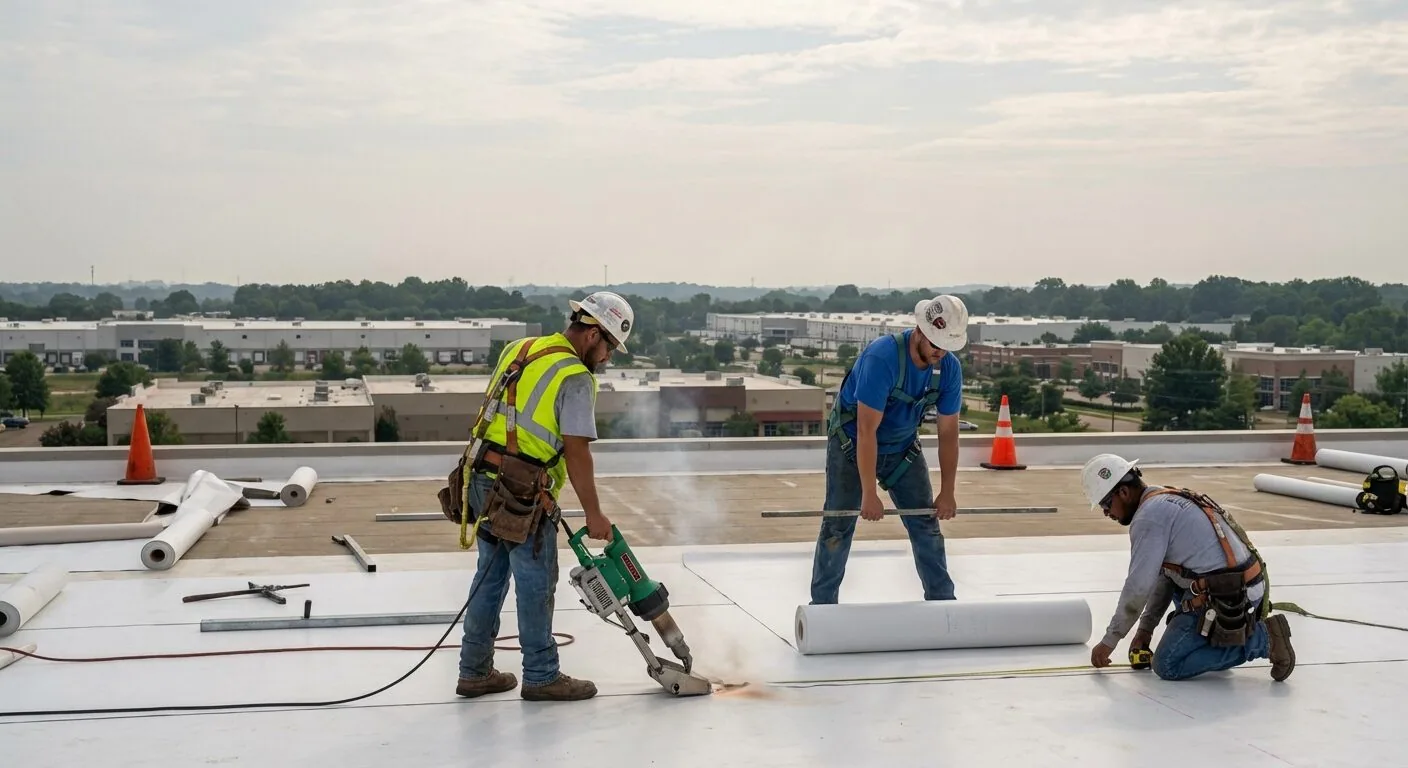
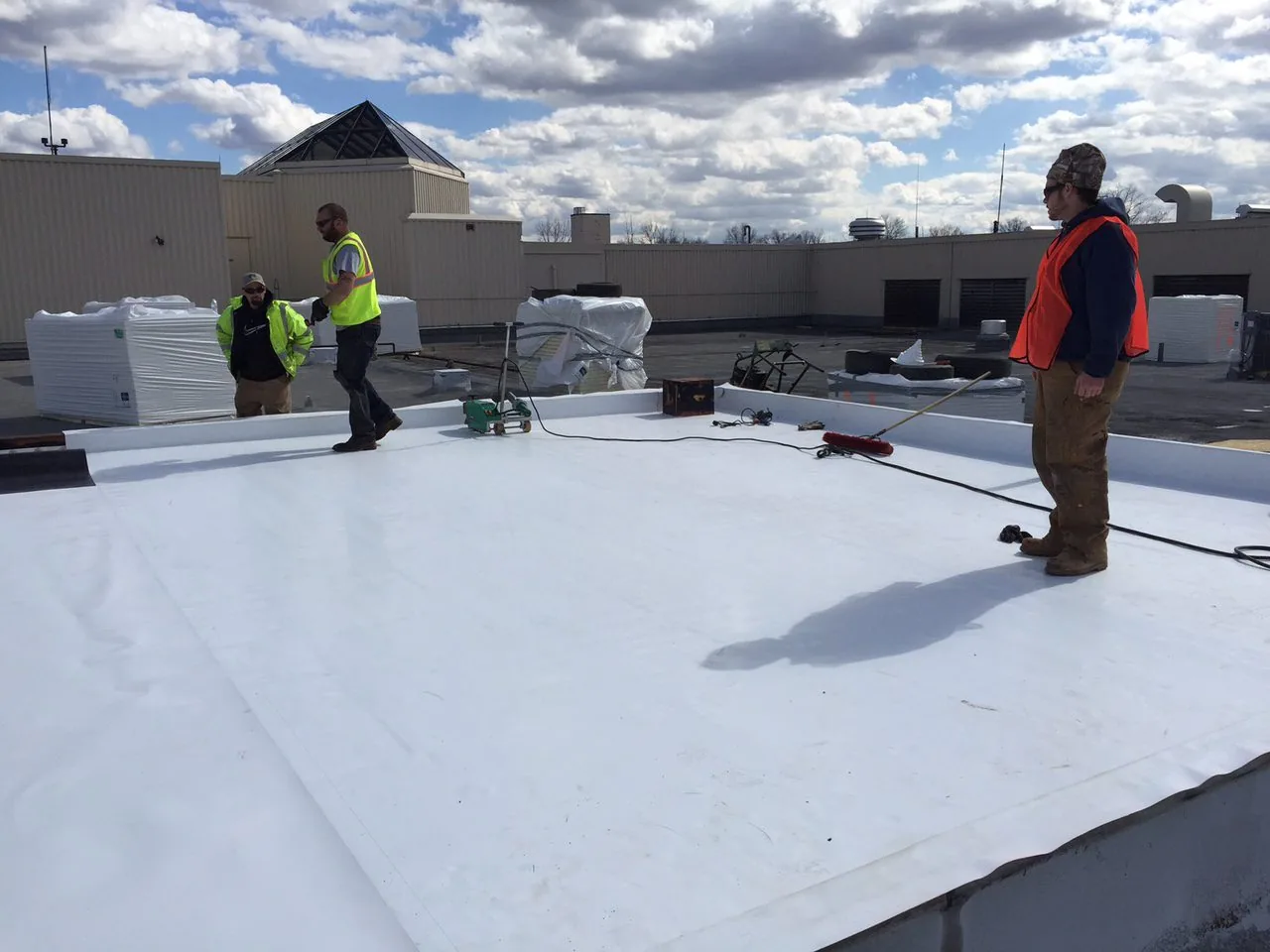
Adhesion and moisture: Establish the repair limit
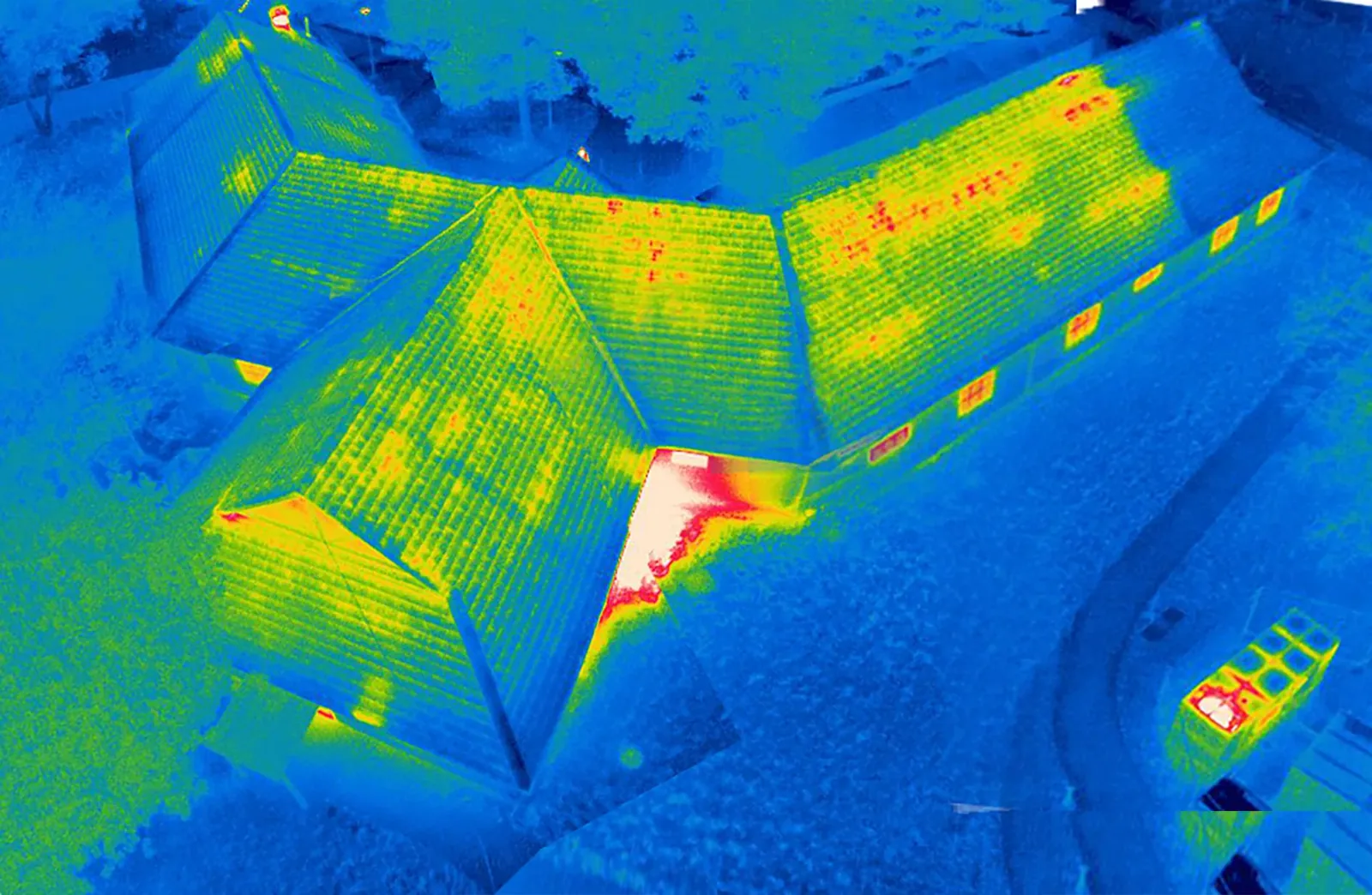
Before recoating, we look for dirt, biological growth, loose coating, trapped moisture, incompatible repairs, and foam that no longer holds together. A small test area can show whether the existing surface accepts cleaning, primer, or a new coating. Where conditions justify it, a test cut or core can reveal the coating layers, foam condition, and substrate. The cut is repaired as part of the work. Infrared patterns can help select a test location, but they do not replace direct confirmation when the result will determine how much foam is removed.
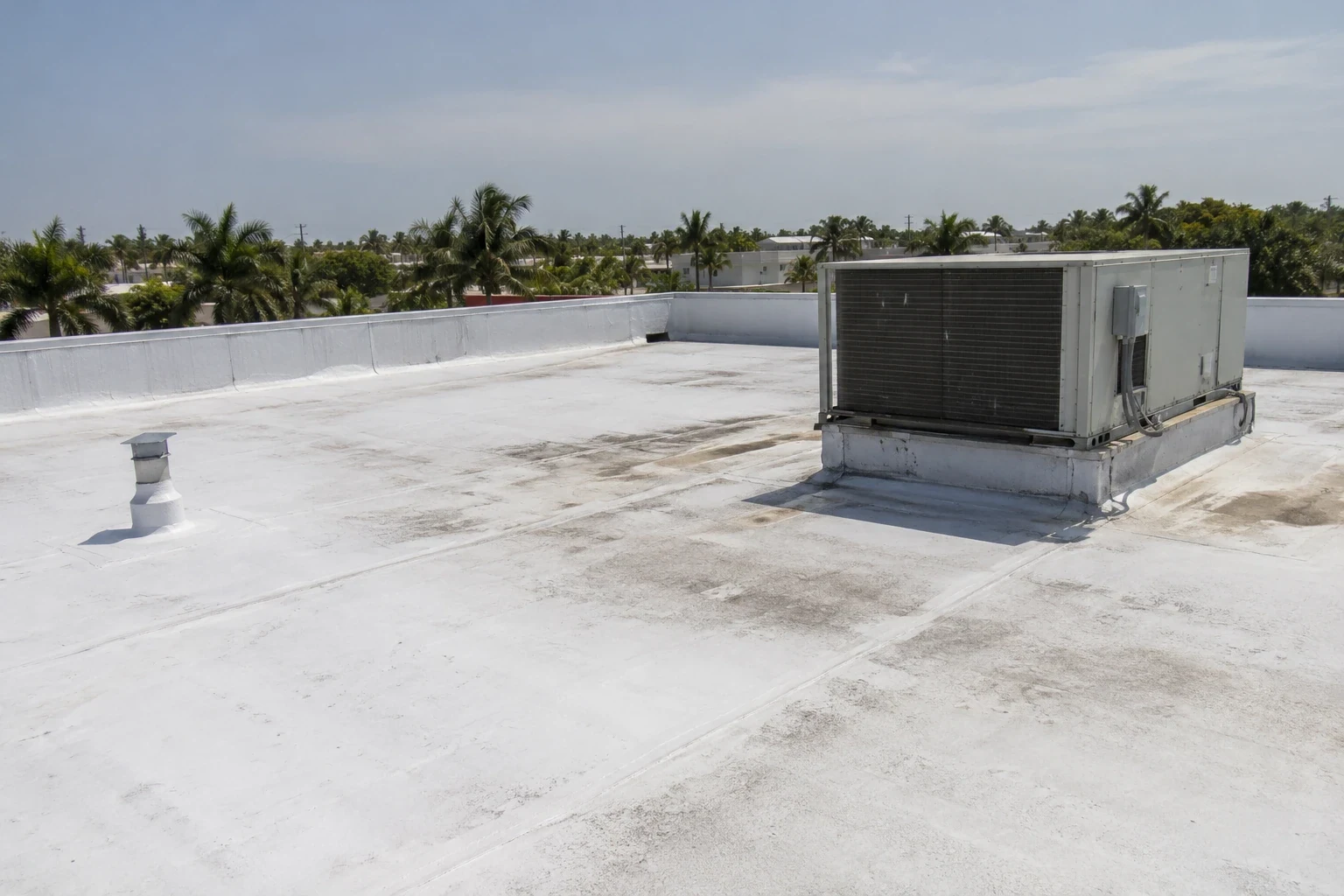
Adhesion matters at the perimeter as much as across the field. We inspect terminations at walls, drains, curbs, pitch pans, and metal edges for separation or an incomplete seal. A repair that bridges loose coating may lift with it, while new foam placed over damp or weak material can repeat the original failure. The scope identifies which surfaces are sound, what needs removal, and how the transition will tie into existing work. A moisture survey can help focus testing when the roof has broad, concealed areas.
Localized repair: Remove weak foam before rebuilding
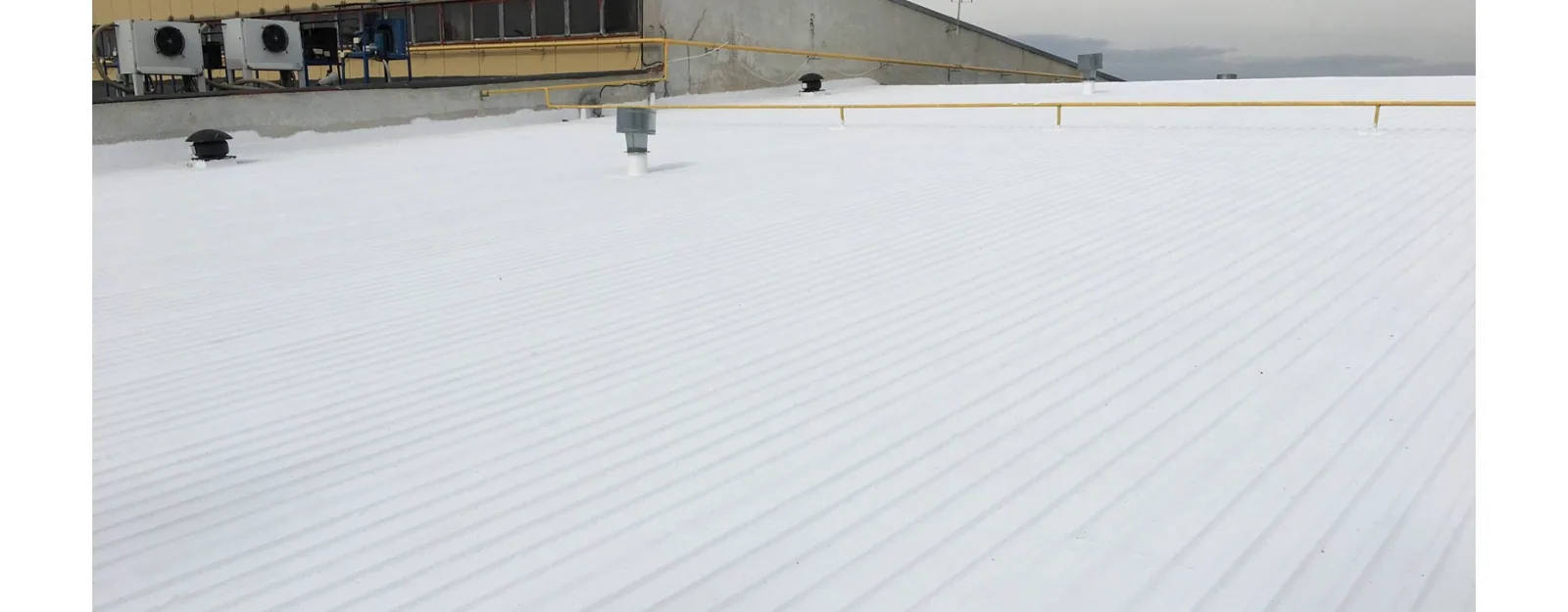
When deterioration is limited, a repair can remove damaged coating and foam until the remaining surface is firm and dry. New foam is installed to restore the profile and drainage, then the repair is shaped and coated to make a compatible transition. The patch must not leave a low pocket that holds water or a sharp ridge that interrupts runoff. We identify the limits on a roof plan and photograph the prepared surface before it is covered. That record helps distinguish the new work from older coating repairs.
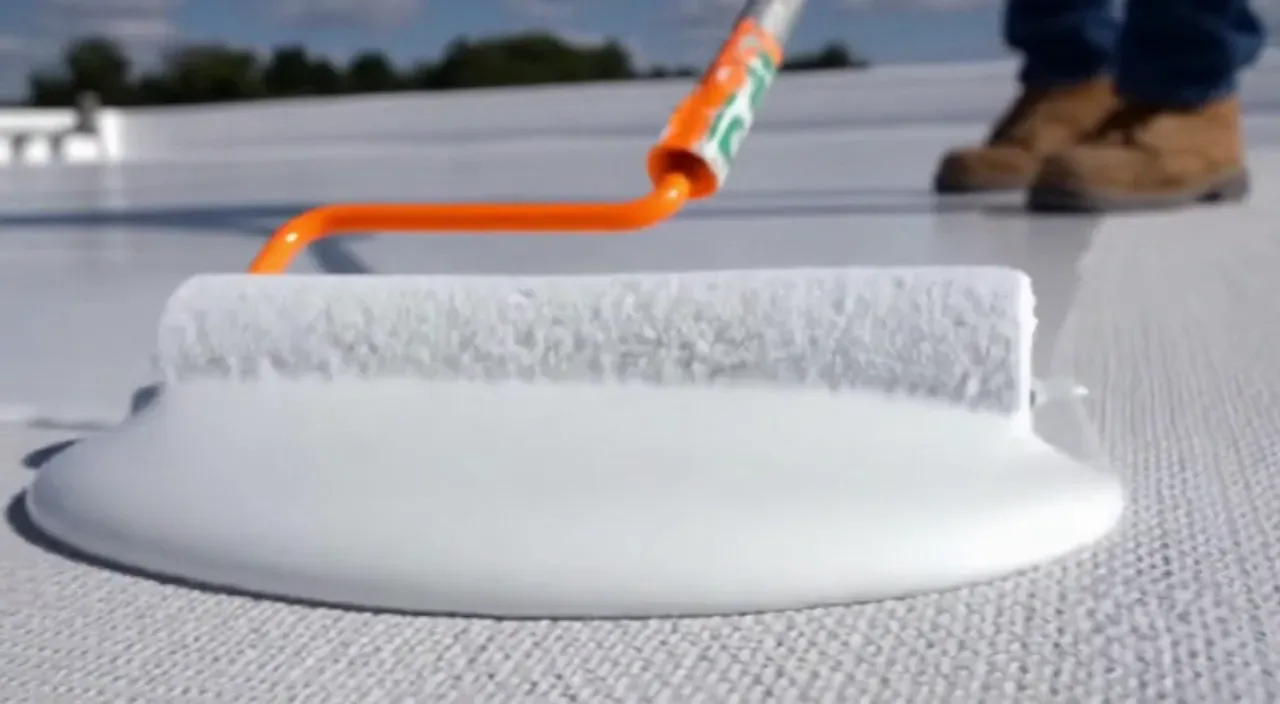
Where foam remains sound but the topcoat has worn, a recoating project may be appropriate after cleaning, adhesion testing, and detail repair. The product and application rate must match the existing assembly and exposure. Silicone and acrylic products have different behavior around standing water, weather windows, and future maintenance. Compare the specific conditions with silicone coating systems and acrylic roof coatings before selecting the finish. Broward Lakes Business Park covers about 120 acres and includes flex-space and office projects. We plan each foam repair by roof section and access, then keep the coating seam and drainage map with that building's file.
Sun and rain: Protect the assembly through the season
South Florida's wet season concentrates rainfall and thunderstorm activity into a demanding part of the year. On SPF, clear drainage and intact coating help limit water exposure, but they do not cure a low slope, failed drain, or wet insulation below the foam. We check outlets, scuppers, perimeter discharge, and any ponding trace before setting a coating scope. Work timing also matters: the surface must be dry and conditions suitable for the selected product during preparation and application. An afternoon storm can change whether an area is ready for coating that day.
Heat and ultraviolet exposure can age the coating between maintenance visits, while tropical weather can drive debris against edges and penetrations. A service plan should record repaired areas, coating condition, drainage concerns, and the next inspection interval based on the assembly and exposure. A roof coating restoration can address a serviceable foam roof whose protective surface needs renewal. We also compare coating work with insulation and cover-board planning when moisture or thermal performance points to a larger assembly issue.
Recoat or replace: Compare evidence and access
A coating renewal can avoid removing a serviceable SPF assembly, but only when the foam is adequately bonded, dry where tested, and compatible with the proposed system. Extensive wet material, widespread loss of adhesion, unstable substrates, or repeated failures at transitions may make removal or a new roof assembly the stronger option. The proposal lists foam removal, coating renewal, and unresolved moisture testing as separate work items, with the limits of each test marked on the roof plan. That gives the facility director a basis to compare scope, disruption, and expected maintenance needs without treating an untested area as sound.
Sunrise's western Business and Entertainment District combines office, retail, arena, and mixed-use properties; operating hours and rooftop equipment can affect staging even when the roof system is similar. For a project in Sunrise, share roof plans, coating records, leak locations, test results, and access rules. We will map the assembly, verify the repair boundary, and identify any drain, flashing, or equipment work that belongs in the same scope. The closeout should include product information, photographs, repaired zones, and maintenance instructions for future inspections.
Frequently Asked Questions
Can a new coating fix wet SPF insulation?
No. Coating is a surface layer, not a drying method. We locate and confirm wet or deteriorated foam, remove material to a sound boundary, then rebuild and coat the repair. If moisture extends beyond that area, the proposal should show the added test or removal scope before work begins.
How do you decide whether existing foam will accept another coat?
Adhesion testing and a close surface review answer that question. We look for chalking, contamination, loose coating, incompatible repairs, and exposed foam, then prepare a sample area when needed. The selected product must bond to the actual surface after preparation, not just match the old coating label.
Does every SPF roof need a test cut?
A test cut is useful when concealed moisture or layer condition will change the repair limit, but it is not automatic. We can combine roof observations, records, and targeted testing to answer a defined question. Any opening is documented, repaired, and shown on the roof plan.
What should a facility director compare in a recoating proposal?
Look for the tested adhesion areas, preparation method, coating product, application requirements, repaired foam quantities, edge details, drains, and exclusions. The proposal should identify how weather affects the work sequence and what maintenance the renewed surface will need.
Can SPF work be phased around an operating building?
Yes, the sequence can be divided by roof zone, access route, and the building's operating hours. We coordinate equipment access, protect openings, keep drains usable, and define when a coated area can return to service. A multi-building property may need separate staging plans for each structure.
Set a testable SPF repair boundary
Share roof plans, prior coating records, leak locations, equipment constraints, and access hours. We will inspect the coating, foam, drainage, and transitions before defining a repair, recoat, or replacement scope.
Call 555-555-5555 or request a roof assessment.